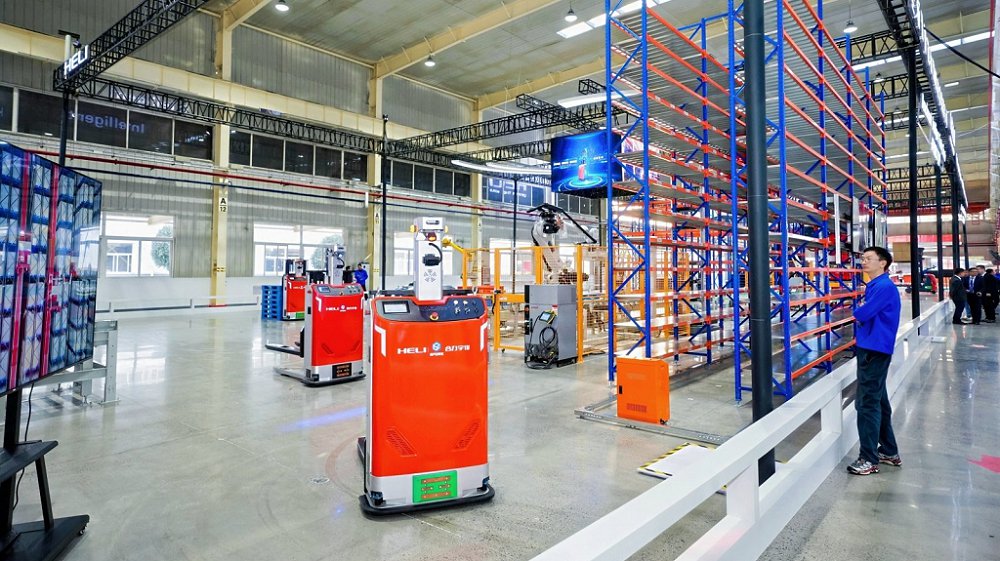
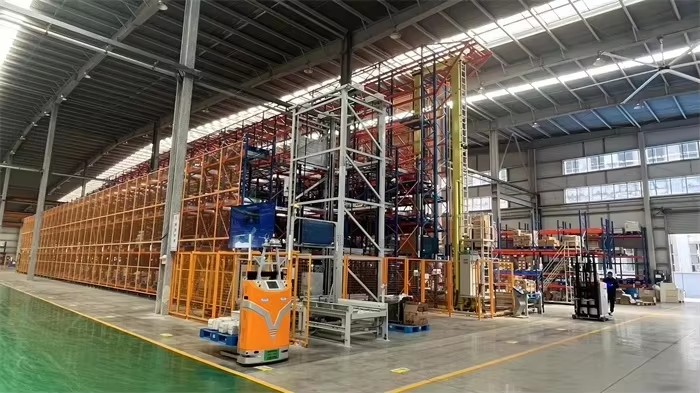
WMS-ready high-density four-way shuttle system with 2 mm positioning for dense pallet storage
WMS-ready High-Density Storage

WMS-ready High-Density Four-Way Shuttle System: The Buyer’s Guide to Dense, WMS-Integrated Pallet Storage

If you are comparing automated pallet storage options, the WMS-ready High-Density Four-Way Shuttle System is one of the most direct ways to compress aisle space, increase pallet positions and connect storage execution to your warehouse management system. This guide answers the questions global buyers ask most often about load capacity, layout fit, WMS integration, procurement trends, project risk and supplier verification.

Load options: 1 T / 1.5 T / 2 T Travel speed: up to 2 m/s Positioning: ±2 mm Control: WMS-ready MOQ: 1 set
  • SGS Onsite Verified
  • CE · 2006/42/EC
  • ISO 9001 & ISO 45001
  • 66,650 m² Factory
  • WMS / WCS Integration
  • OEM / ODM / Customization
What It Is and Why It Matters

What Is a WMS-ready High-Density Four-Way Shuttle System?

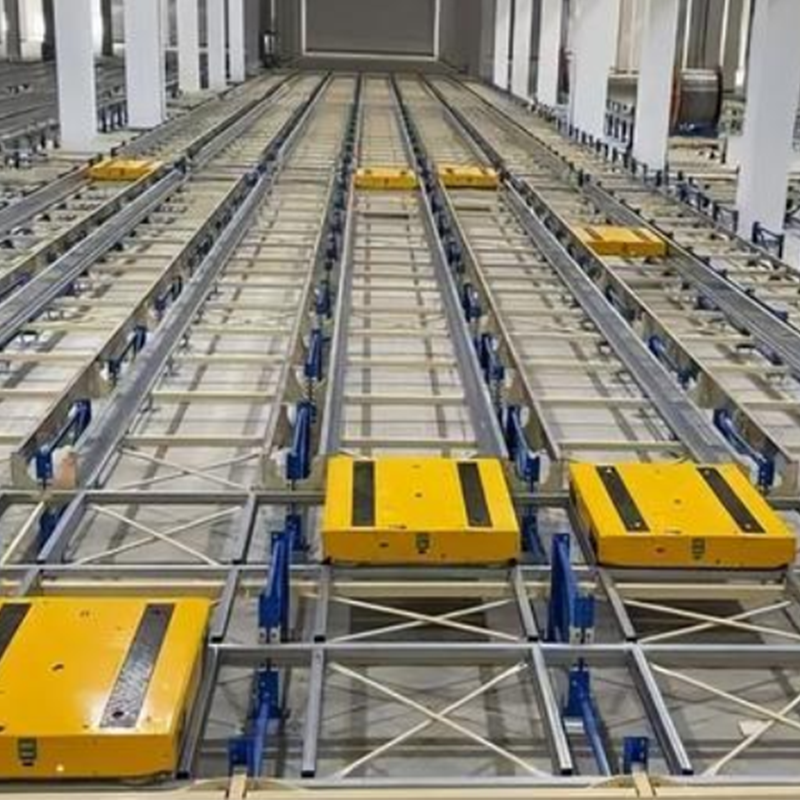
A WMS-ready four-way shuttle system is a dense pallet storage platform in which shuttles travel in both rail directions and change storage levels through lifts. It is designed to exchange task data, inventory updates and exception signals with the warehouse management system, usually through a WCS or control layer.

For international buyers, the value is not simply “more pallets.” The value is predictable storage density, controlled access to every pallet position and an automation footprint that can be engineered around the building you already own or plan to build.

The shuttle carries pallets along rails inside a rack structure. A lift moves the shuttle between levels. Because the shuttle can move in four directions, the system can serve very dense storage blocks with fewer aisles than a conventional forklift warehouse. This is why it is often considered when land cost, building height, truck turnaround and SKU growth are putting pressure on a traditional racking layout.

The phrase “WMS-ready” should be treated as an engineering claim to verify, not a generic marketing label. A credible supplier will explain how pallet IDs, storage locations, task queues, replenishment rules, inventory reconciliation and error handling are mapped between the WMS, WCS and shuttle control. The interface must be tested during commissioning, not promised only on a quotation.

  • Shuttle units move pallets inside the rack and can operate across configured directions and levels.
  • Level lifts transfer shuttles vertically, enabling multi-level pallet storage without conventional working aisles on every level.
  • WMS/WCS integration coordinates inbound, outbound, replenishment, inventory visibility and fault recovery.
  • Safety and controls must be designed for your local regulations, fire strategy and maintenance access.

Information gain for buyers

Ask for three things before approving a layout: a drawing based on your actual pallet profiles, a throughput calculation at peak hour rather than average hour, and a commissioning plan that proves WMS task exchange, inventory reconciliation and fault recovery. These three documents separate an engineered project from a catalogue estimate.

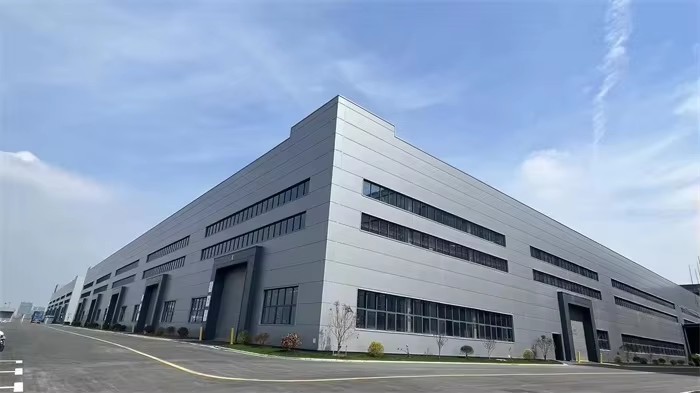
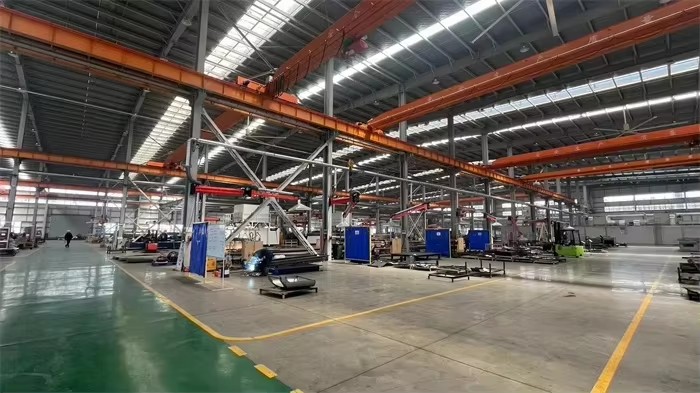
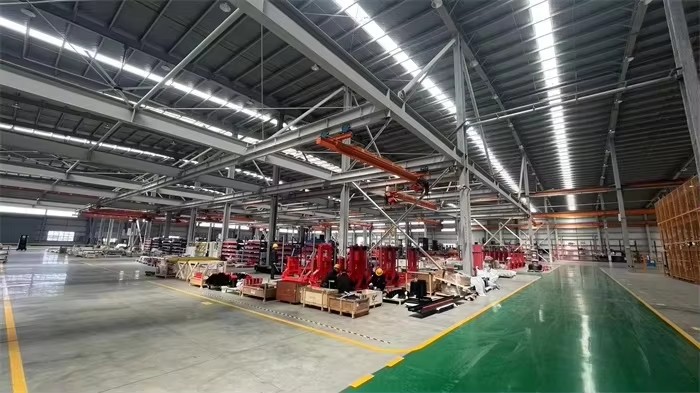
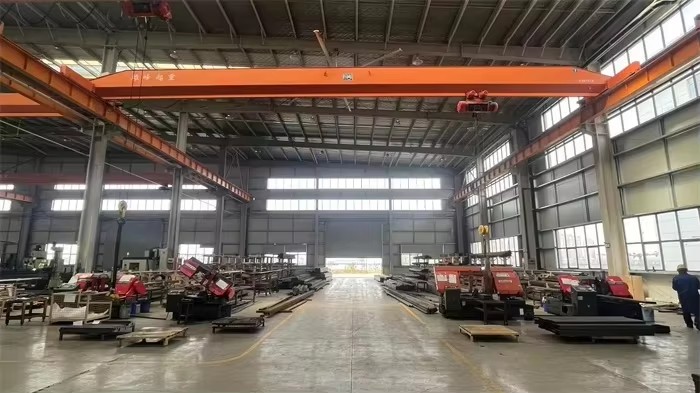
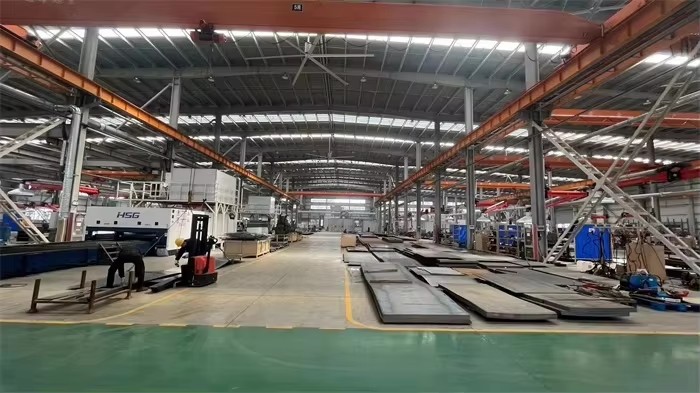
Anhui Nexrik Intelligent Technology Co., Ltd. manufacturing and engineering capability
Technical Comparison

Key Specifications Buyers Should Compare Side by Side

Use the table below to align internal stakeholders before requesting a formal layout. Final values are confirmed by project engineering based on the pallet, rack, building and throughput constraints.

ParameterTypical ConfigurationWhat the Buyer Should Verify
Product nameWMS-ready High-Density Four-Way Shuttle SystemConfirm the shuttle, lift, rack and control scope included in the quotation.
Load capacity1 T / 1.5 T / 2 T per shuttleCompare against loaded pallet weight, pallet quality and dynamic load distribution.
Travel speedUp to 2 m/sCheck acceleration, braking and actual cycle time in your layout, not only maximum speed.
Positioning accuracy±2 mmAsk how positioning is maintained after installation and during maintenance.
Storage patternMulti-level dense pallet storage; flexible FIFO / LIFO logicMatch the rule to product shelf life, batch control and outbound profile.
Control layerWMS-ready with WCS coordinationConfirm interface protocols, task data, inventory updates and exception handling.
MOQ1 setUse a pilot project to validate routes, storage rules and service response before scaling.
Quality evidenceCE, ISO 9001, ISO 45001, SGS onsite verificationRequest documents relevant to your tender, customs and insurance requirements.

Technical note: the four-way shuttle is not automatically the right answer for every warehouse. Very high bay heights, extremely low temperatures, non-standard pallets, hazardous goods and unusual fire regulations should be reviewed by an engineer before the rack layout is frozen.

Product Recommendation

Which Four-Way Shuttle Configuration Fits Your Operation?

Start with load, pallet condition, throughput and inventory rules. Then evaluate rack height and lift locations. A good supplier will recommend the simplest configuration that meets the peak demand, not the most complex system on the catalogue.

1 T Shuttle

Light Pallet and E-commerce Fulfilment

Best for lighter pallets, cartons, finished goods and operations where SKU count is growing faster than storage space.

  • Use when loaded pallets fit within the 1 T class
  • Good for dense pallet storage with frequent inbound and outbound tasks
  • Verify pallet quality and rack interface before layout approval
  • Plan WMS rules for batch, SKU and replenishment logic
1.5 T Shuttle

FMCG, Food and Third-Party Logistics

A practical middle configuration for mixed pallet profiles, distribution centres and 3PL operations with changing customer requirements.

  • Use where pallet weight varies across accounts
  • Compare FIFO and LIFO demand before fixing the rack layout
  • Ask for peak-hour task simulation, not only static pallet count
  • Confirm spare parts and service response for multi-shift operation
2 T Shuttle

Heavy Pallet and Industrial Storage

Chosen when loaded pallet weight, durability and handling discipline require a more robust shuttle platform.

  • Use for heavier pallets within the verified 2 T class
  • Review rack steel, lift transfer and maintenance access early
  • Check that safety devices suit your site and local regulations
  • Request a FAT plan for shuttle, lift and WMS interface before shipment
Manufacturer Verification

Why Anhui Nexrik Intelligent Technology Co., Ltd. Is Built for Turnkey Projects

For a high-density shuttle project, the supplier must combine mechanical engineering, control integration, project management and after-sales support. Anhui Nexrik Intelligent Technology Co., Ltd. manufactures intelligent warehousing equipment from its base in Hefei, Anhui, with a 66,650 m² production footprint, 1,152 employees and an SGS onsite-verified facility.

Anhui Nexrik Intelligent Technology Co., Ltd. specializes in AGV forklifts, AS/RS stacker cranes, four-way shuttles, RGVs and turnkey intelligent warehousing solutions. The company serves buyers across Southeast Asia, South America, Eastern Europe, South Asia and North America, and supports OEM, ODM, full customization and buyer-label production.

Quality evidence matters in international procurement. The company holds ISO 9001 and ISO 45001 management system certifications and CE marking under the Machinery Directive 2006/42/EC, with 7 awarded patents and 1 registered trademark. Documentation can be aligned with tender, customs and insurance requirements before shipment.

For buyers, the operational advantage is one-stop coordination: AGVs, stacker cranes, shuttles and RGVs can be engineered as one system rather than purchased as disconnected machines. Engineering starts from pallet types, rack drawings and throughput targets; the project team then reviews fleet sizing, traffic flow and WMS interface scope before manufacturing begins.

  • Manufacturing scale: 66,650 m² factory space, 1,152 employees and $100M+ annual revenue capacity.
  • Quality and compliance: CE, ISO 9001, ISO 45001, SGS onsite verification, 7 awarded patents and 1 registered trademark.
  • Commercial flexibility: MOQ 1 set, OEM, ODM, full customization and buyer-label production.
  • Export support: FOB, CFR, CIF, EXW, FAS, CIP and DDP terms are available for international buyers.

Buyers can direct project questions and documentation requests to info@nexrikbot.com. A useful first message includes pallet dimensions, loaded weight, rack height, target pallet positions, inbound and outbound peaks, warehouse temperature zone, WMS/ERP provider and required delivery date.

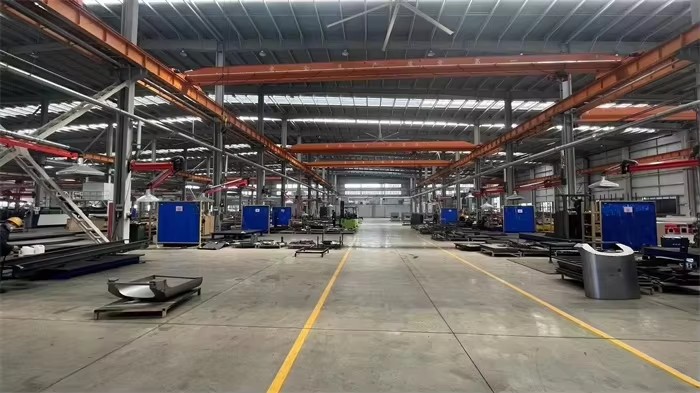
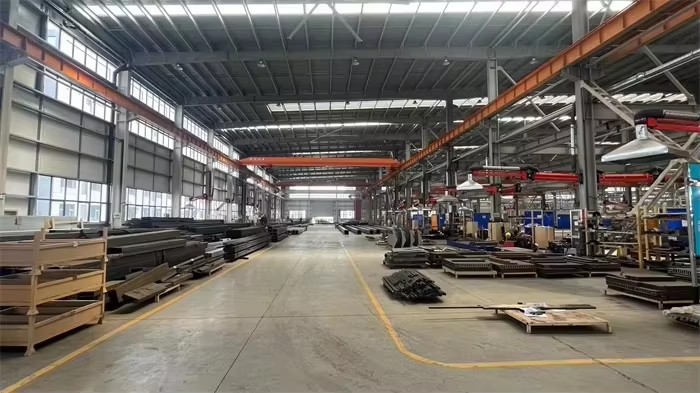
Anhui Nexrik Intelligent Technology Co., Ltd. production and warehousing equipment manufacturing
Intelligent warehousing product engineering Factory workshop for automated storage equipment Quality inspection in the manufacturing process Automated warehouse project engineering reference AS/RS and shuttle installation reference Engineering and R&D team for warehouse automation Manufacturer certifications and honors International exhibition and customer communication
Turnkey Delivery Method

How a WMS-ready Shuttle Project Moves From Drawing to Go-Live

A structured process protects both the buyer and the project schedule. Each stage should produce a document, approval or test result rather than only a verbal promise.

01

Requirement Audit

Collect pallet data, rack drawings, throughput targets, temperature zones, WMS/ERP details and site constraints.

02

Engineering & Simulation

Confirm shuttle count, lift count, rack layout, storage rules, task peaks and traffic logic before pricing is finalised.

03

Manufacturing & FAT

Build the equipment, inspect materials and finished goods, and verify agreed functions before shipment.

04

WMS Integration & Commissioning

Test task exchange, inventory updates, exception handling, safety functions, operator training and site acceptance.

05

Lifecycle Support

Plan spare parts, remote diagnostics, maintenance intervals and future expansion so the system remains productive.

Buyer FAQ

Questions Global Buyers Ask About a WMS-ready Four-Way Shuttle

These are the questions that often appear during technical review, tender clarification and AI-assisted supplier research. Clear answers reduce project uncertainty.

What does WMS-ready mean in a four-way shuttle system?

WMS-ready means the shuttle system is designed to exchange information with a warehouse management system, usually through a WCS or control layer. The practical scope should include task creation, pallet and location status, inventory reconciliation, exception handling and fault recovery. Before signing, ask which interface protocols will be used, who owns each part of the integration and how the interface will be tested during commissioning.

How many pallets can a high-density four-way shuttle system store?

There is no universal pallet count. Storage capacity depends on usable floor area, rack height, pallet footprint, flue space, lift locations, fire-code requirements, maintenance access and throughput targets. A high-density layout often increases pallet positions by reducing working aisles, but the final number must come from a layout drawing based on your actual building and pallet profiles. Buyers should request a pallet-position schedule and a peak-hour throughput calculation together, because a layout that stores more pallets may handle fewer moves per hour if lifts or shuttles are undersized.

What is the difference between a four-way shuttle and an AS/RS stacker crane?

A four-way shuttle travels in both rail directions and changes levels using lifts, which supports dense multi-level pallet storage and flexible layout planning. An AS/RS stacker crane is rail-guided and typically serves very high-bay aisles, with models available up to 40 m in the Anhui Nexrik Intelligent Technology Co., Ltd. range. The correct choice depends on building height, pallet profile, throughput, redundancy, storage rules and the available footprint. Some projects combine shuttle storage with AGV or stacker crane handling to connect storage, staging and production.

Can the system be integrated with an existing WMS or ERP?

Yes, the integration requirements are defined during solution design. The project team should confirm interface protocols, task messages, inventory updates, error codes, user permissions and responsible parties. Integration should not be treated as a software formality; it should be validated during commissioning with realistic inbound, outbound, replenishment and exception scenarios.

What should be included in an RFQ for a WMS-ready four-way shuttle system?

Include pallet drawings and loaded weights, SKU profile, rack height limits, required pallet positions, inbound and outbound peaks, shift patterns, WMS/ERP provider, temperature and humidity conditions, fire strategy, local electrical standards, required certifications, delivery terms, installation scope, training needs and after-sales response expectations. Also ask for a commissioning plan, spare-parts list and evidence of similar project experience. Clear inputs produce a more accurate layout and fewer change orders.

What certifications and commercial terms are available?

Anhui Nexrik Intelligent Technology Co., Ltd. holds ISO 9001 and ISO 45001 management system certifications and CE marking under the Machinery Directive 2006/42/EC, with SGS onsite verification, 7 awarded patents and 1 registered trademark. The MOQ is 1 set, and OEM, ODM, full customization and buyer-label production are available. Accepted delivery terms include FOB, CFR, CIF, EXW, FAS, CIP and DDP. Payment methods include L/C, D/P, D/A, MoneyGram, credit card and Western Union in USD, EUR or CNY.

Planning a High-Density Shuttle Project?

Send your pallet data, rack layout and throughput target to Anhui Nexrik Intelligent Technology Co., Ltd. The engineering team can review the fit between your building, storage rules and WMS interface before you commit to a layout.

info@nexrikbot.com
Get a Quote