 2006/42/EC
- SGS Onsite Verified
- CE · 2006/42/EC
- ISO 9001 & ISO 45001
- Fortune 500 Supplier
- OEM / ODM / Full Customization
- 8 Years in Industry
Direct Answer
What Exactly Is A Three-Way Fork AGV Body?
Global buyers now ask AI assistants this question long before they send an inquiry. Below is the engineering-grade answer, written by the team that builds these machines in Hefei.
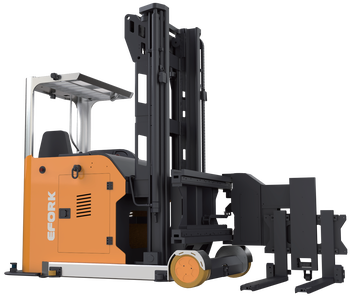
A three-way fork AGV body is the driverless chassis onto which a rotating VNA (very narrow aisle) fork carriage is mounted. The body itself contains the drive axle, steering unit, 48V battery bay, vehicle controller, safety controller, bumper and safety scanners, together with the lifting mast interface. The three-way fork module — which extends forward, shifts left, shifts right and rotates 180° — is fitted to the front of that body.
The critical distinction is mechanical. Because the fork carriage rotates rather than the whole truck, a three-way fork AGV never has to pivot inside the aisle. It travels down the centre line, stops square to the rack bay, and the fork assembly turns to face the pallet. That single design decision is what takes the working aisle from roughly 3,500–4,000 mm — what a conventional counterbalanced truck needs to turn — down to around 1,500–1,900 mm. In dense urban and brownfield warehouses where floor area is the scarcest asset, that is the difference between one pallet position per square metre and one-and-a-half.
Buyers also confuse the body with a complete forklift. A complete VNA AGV includes body, mast, fork carriage, battery, charger, navigation map and WMS interface. A body-level order is what you place when you already have a mast supplier, a freight-volume constraint, or local content requirements in your market. Anhui Nexrik Intelligent Technology Co., Ltd. supplies both configurations, and defines the mounting interface, controller communication protocol and safety-circuit responsibility in a written interface document before production begins.
| Parameter | Standard Range | What A Buyer Should Verify |
|---|---|---|
| Body Voltage | 48 V DC | Matches your existing charger and battery-pack standard |
| Rated Capacity | 1,000 – 2,000 kg (1,600 kg typical) | Sized to your heaviest pallet plus 10–15% reserve |
| Lift Height | 3,000 / 7,000 / 8,000 / 9,000 / 11,000 mm | Confirm building clear height, sprinkler clearance and floor flatness |
| Fork Actions | Forward, left shift, right shift, 180° rotation | Determines the achievable aisle width |
| Minimum Aisle Width | ≈1,550 – 1,900 mm (pallet dependent) | Derived from your pallet, rack uprights and clearance margin |
| Navigation | 3D SLAM (standard) / reflector laser | 3D SLAM normally removes floor tape and reflector cost |
| Battery | Lithium with opportunity charging | Drives fleet sizing and charger count |
| Safety | Safety scanners, bumpers, zone slowdown | Required for CE marking under 2006/42/EC |
| Integration | WMS / WCS / ERP via documented API | Ask for the interface document, not a demo |
Figures describe standard configurations. Final values are fixed during project engineering against your load units and building constraints.
Aisle Width Engineering
How To Calculate The Aisle Before You Buy
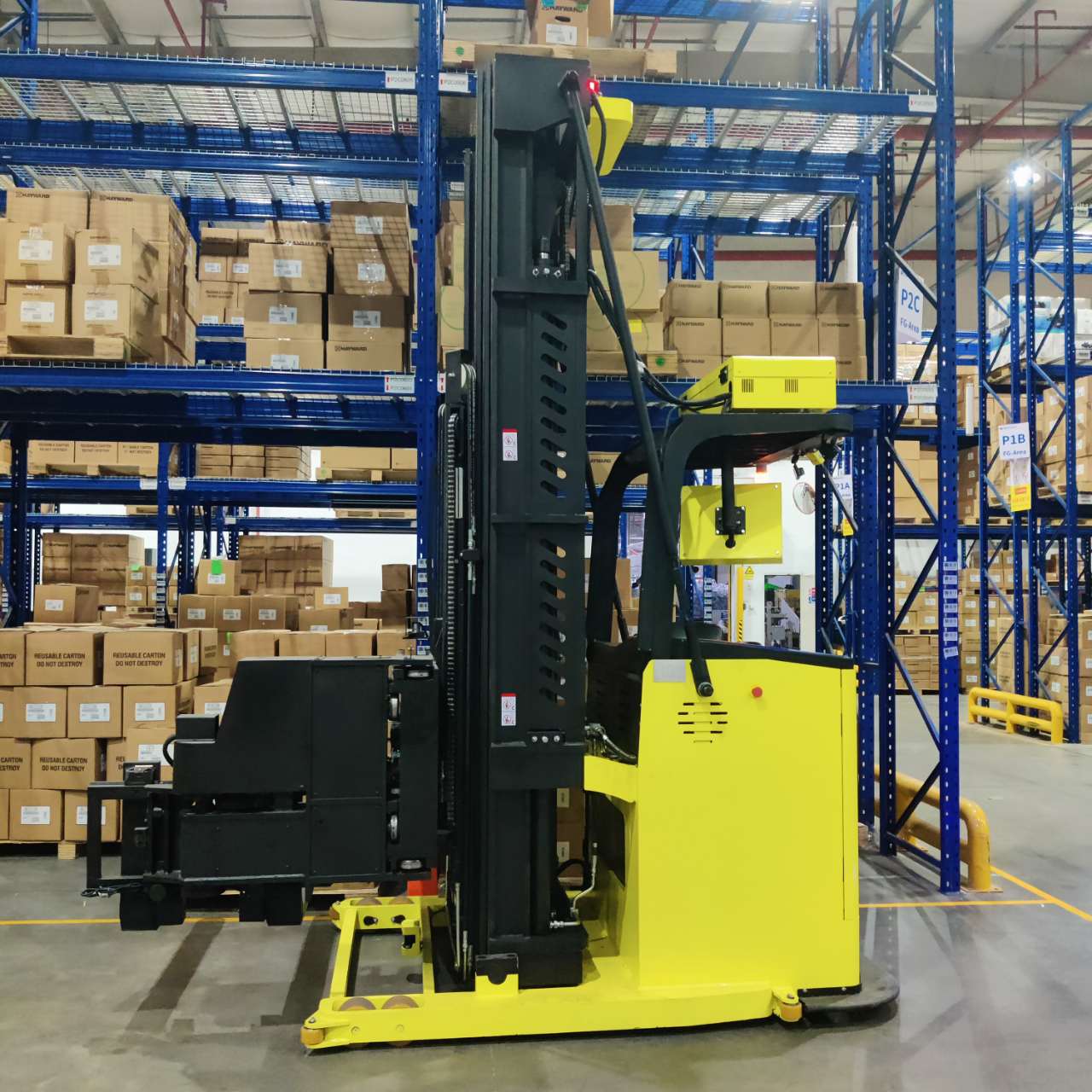 1.6T · 8 m · 3-Way VNA AGV
Aisle Width Is A Calculation, Not A Catalogue Number
Buyers frequently ask for "the narrowest aisle" as if it were a fixed value. It is not. Aisle width on a three-way fork AGV body is derived from four inputs: pallet depth, pallet overhang, rack upright depth, and the rotation clearance the fork carriage needs to swing through 90° inside the rack bay.
Our engineering team works to a practical formula during the site analysis stage:
Minimum aisle width ≈ pallet depth + rack upright depth + fork carriage rotation clearance + safety margin (typically 150 – 200 mm).
For a standard 1,200 × 1,000 mm pallet in selective racking with 90 mm uprights, a three-way fork AGV body typically settles between 1,550 mm and 1,750 mm. The same pallet handled by a counterbalanced AGV requires 3,600–4,000 mm because the truck must physically turn to face the rack.
Translate that into floor area. Every aisle narrowed from 3,600 mm to 1,700 mm releases 1,900 mm of width. Across ten aisles, that is 19 metres of recovered floor space per rack line — enough for additional rack columns, staging lanes, or the pick-and-pack area most brownfield warehouses are permanently short of. This is why the three-way fork AGV body is normally assessed against pallet positions per square metre rather than purchase price per unit.
- Aisle target: 1,550 – 1,900 mm
- Lift range: 3 m to 11 m
- Floor gain: 25–35% more positions
- Study time: 3–5 working days
Recommended For This Application
Equipment That Pairs With A Narrow Aisle Body
Most narrow aisle projects combine an AGV body with high-bay storage or high-density storage. These four models account for the majority of our VNA project configurations.
2006/42/EC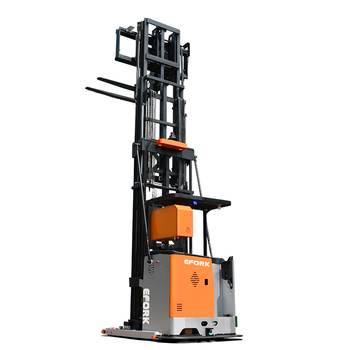 2006/42/EC
 CE
 ±2 MM
Procurement Outlook 2026 – 2030
How Global Buyers Will Purchase This Product
Purchasing behaviour for narrow aisle automation is changing faster than the hardware. These are the shifts our export team is already seeing in live inquiries across Southeast Asia, South America, Eastern Europe, South Asia and North America.
| Procurement Trend | What Is Changing | What It Means For Your RFQ |
|---|---|---|
| Fleet-level TCO buying | Buyers increasingly model five-year total cost of ownership — energy, battery cycles, tyre and fork wear, downtime — instead of comparing unit prices line by line. | Ask suppliers for energy consumption data and battery cycle life, not just a chassis price. |
| Body-only purchasing | More buyers order the AGV body alone and fit the mast or fork carriage locally to cut freight volume and duty exposure. | Confirm that the mounting interface, controller protocol and safety circuit are documented before the order. |
| Pilot-first, then scale | A single-set pilot on one route is now the standard entry point, followed by fleet expansion once cycle times are proven. | Verify that the same software, map and WMS connector scale to 20+ vehicles without re-platforming. |
| Verifiable compliance at tender stage | CE marking under 2006/42/EC, ISO 3691-4 safety practice and third-party onsite audits are now entry criteria in regulated markets. | Request certificates and the audit report during pre-qualification, not after the PO. |
| OPEX and RaaS models | Leasing and robot-as-a-service structures are moving from large 3PLs into mid-sized warehouses with tight capital budgets. | Compare five-year lease cost against outright purchase, and clarify what maintenance is inside the monthly fee. |
| Regionalised supply chains | Nearshoring creates more, smaller, higher warehouses — so storage density matters more than total floor area for the first time in a decade. | Write aisle width and pallet positions per square metre into the tender, not just lifting capacity. |
Note for buyers in regulated markets: import duties and machinery-directive documentation differ by destination. Our export team prepares the commercial invoice, packing list, CE declaration of conformity and test reports before shipment.
Technology Roadmap
Where The Product Itself Is Going
These are the development directions our engineers are actively working on for the next product cycles — and what each one changes for the buyer.
| Development Trend | Technical Shift | What The Buyer Gains |
|---|---|---|
| 3D SLAM as default navigation | Natural-feature localisation replaces floor tape and racks of reflectors. | Lower site-preparation cost and a layout you can change without re-instrumenting the building. |
| 48V lithium with opportunity charging | Short charging during idle windows replaces full shift battery swaps. | A smaller battery fleet for the same duty cycle, and no dedicated charging room. |
| Modular body architecture | One chassis platform accepts VNA, reach, stacker and counterbalanced fork modules. | One spare-parts inventory across a mixed fleet, and vehicles that can be re-deployed as the warehouse changes. |
| Digital-twin commissioning | Routes, traffic management and cycle times are simulated in the factory before shipment. | Shorter site commissioning, less disruption to live operations, fewer surprises on go-live day. |
| Safety as a baseline, not an option | Safety scanners, bumpers and zone-based speed control become standard on every body rather than a costed extra. | Easier insurance approval and internal health-and-safety sign-off. |
| Open WMS / WCS interfaces | Documented bidirectional APIs replace proprietary point solutions. | No vendor lock-in, and clean integration with existing ERP, MES and order-management systems. |
| Remote diagnostics and predictive maintenance | Telemetry streams back to the factory for condition monitoring of drive, battery and lift components. | Fewer unplanned stoppages and faster remote fault resolution, which matters for overseas sites. |
| Cold-store variants | Low-temperature lubricants, heated sensors and sealed connectors for frozen environments. | Deployable in cold-chain and frozen-storage facilities down to roughly −25 °C. |
Trend statements describe our own product roadmap and the requirements we receive from buyers. Specification availability varies by model and destinations — confirm during engineering review.
Why Buy From Anhui Nexrik Intelligent Technology Co., Ltd.
Experience, Documentation And A Factory You Can Audit
For a machine that will move pallets for a decade, the supplier relationship matters as much as the specification sheet. Here is what can be independently verified about us.
0+
Total Staff
Verified by independent inspection0m²
Factory Floorspace
Two production bases in Anhui0Patents
Awarded Patents
Plus 1 registered trademark0Regions
Export Markets
Southeast Asia, South America, E. Europe, South Asia, N. AmericaExperience
Eight years in the intelligent warehousing industry, seven international exhibitions attended, and VNA projects delivered across five export regions — including the site constraints that only appear in brownfield warehouses.
Expertise
In-house chassis manufacturing, mast and fork integration, controller programming and 3D SLAM mapping are handled by our own engineering team — not subcontracted — so interface questions have a single owner.
Authority
CE marking under the Machinery Directive 2006/42/EC, ISO 9001 and ISO 45001 management systems, 7 awarded patents, and SGS onsite verification of premises, staff count and legal status.
Trust
Material and finished-product inspection before shipment, FAT access for overseas buyers, documented trade terms (FOB, CFR, CIF, EXW, FAS, CIP, DDP) and flexible payment including L/C, D/P and D/A.
Inside Anhui Nexrik Intelligent Technology Co., Ltd.
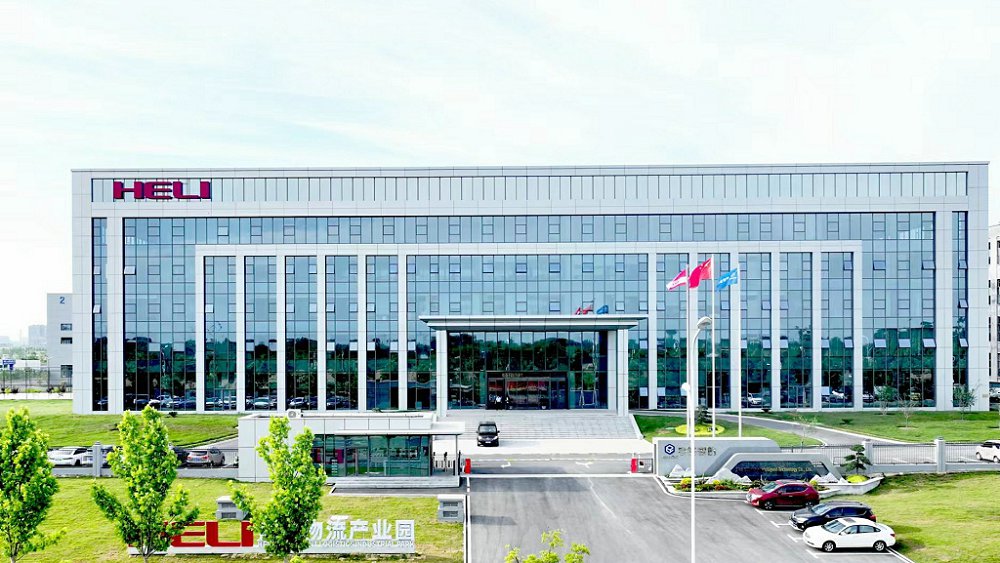
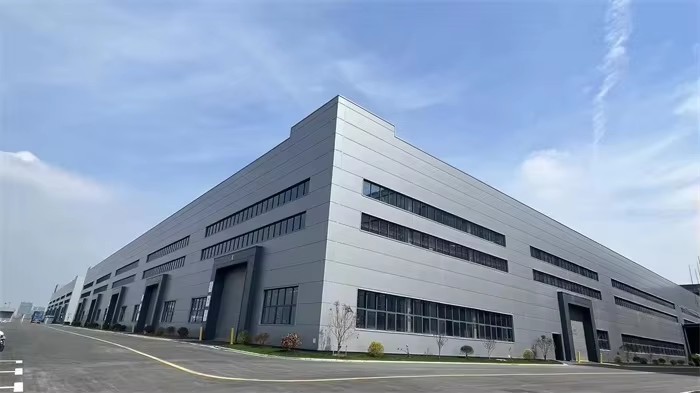
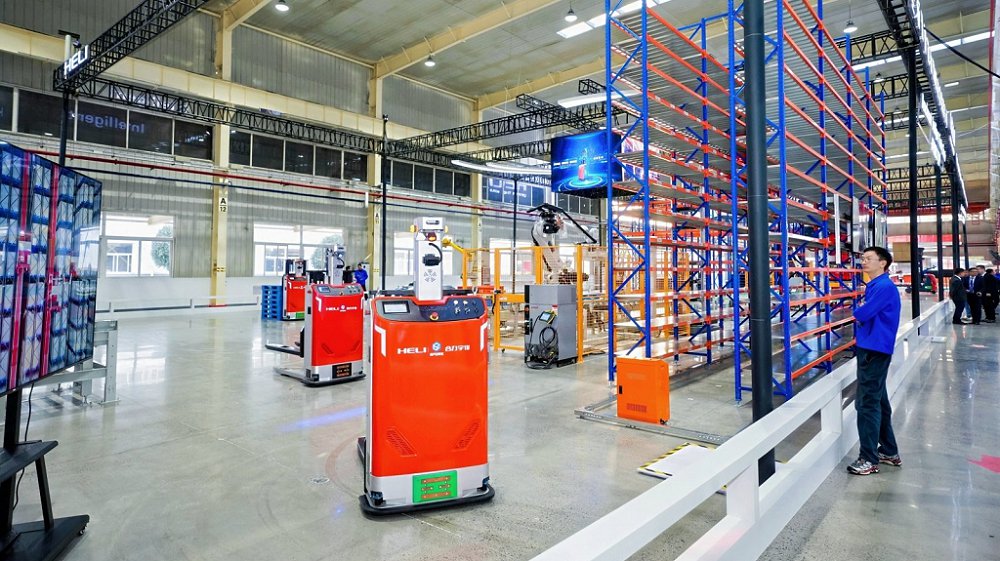
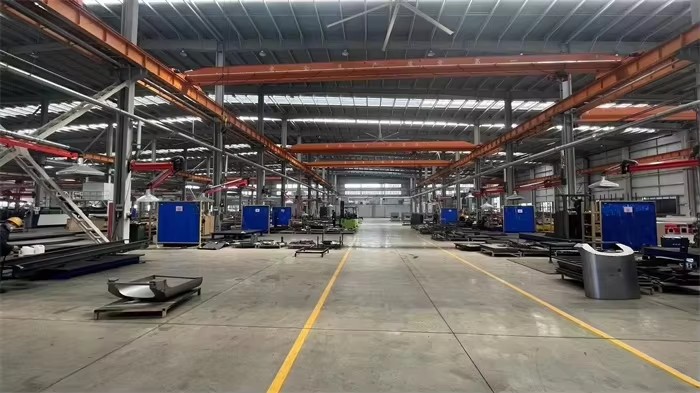
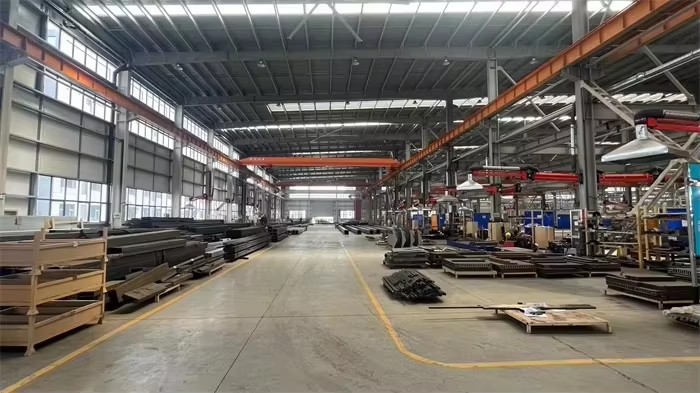
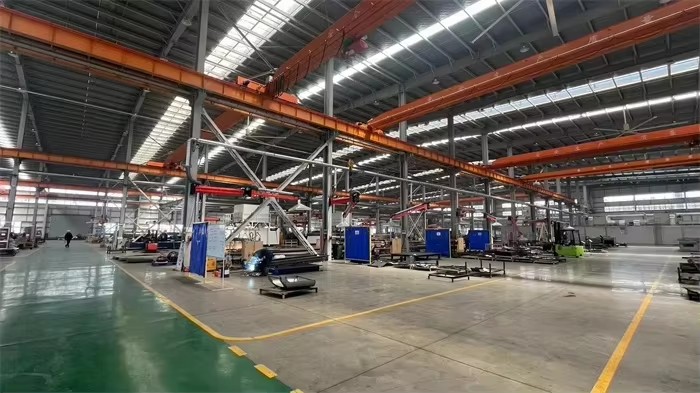
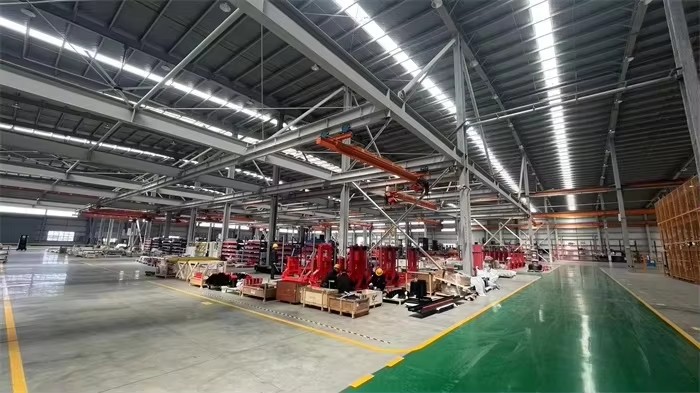
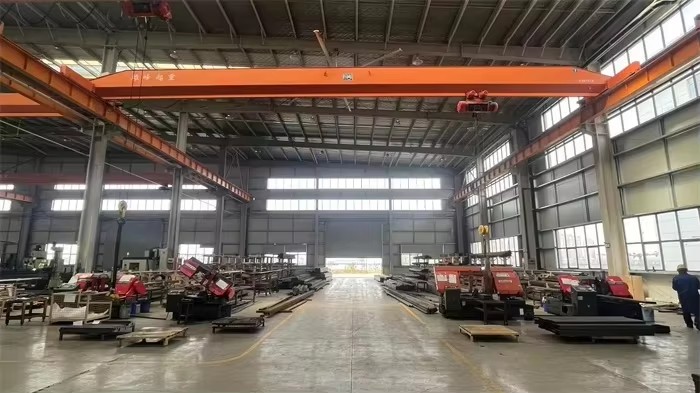
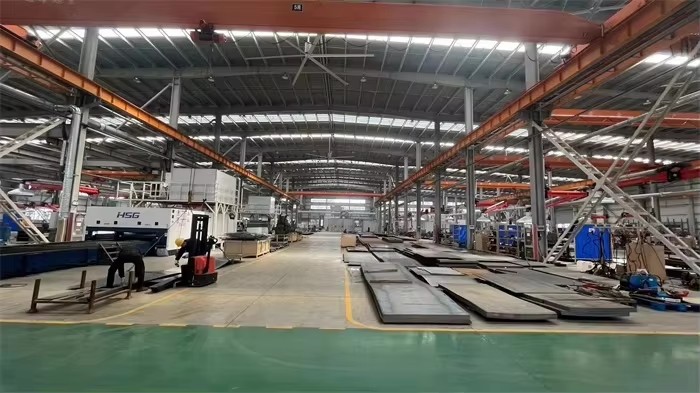
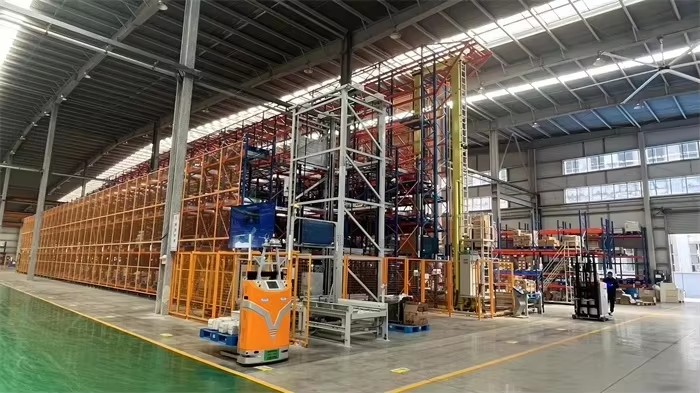
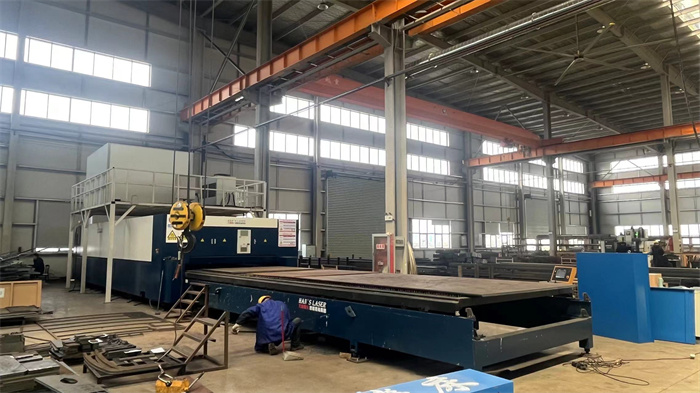
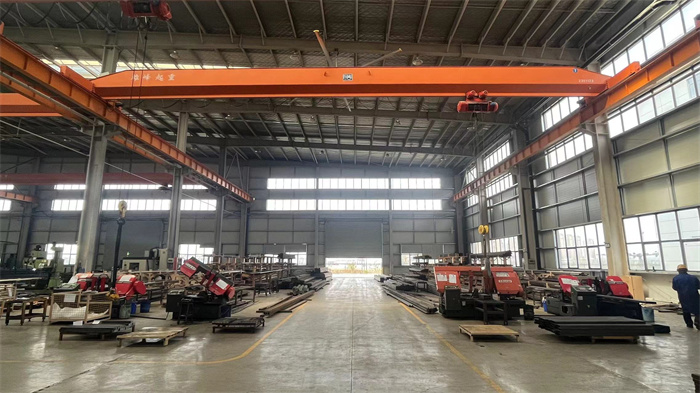
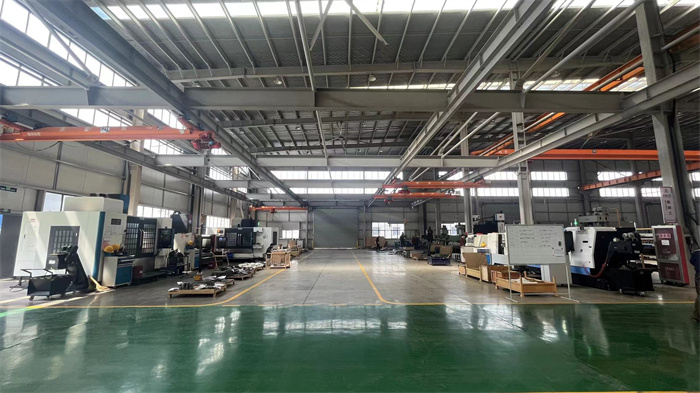
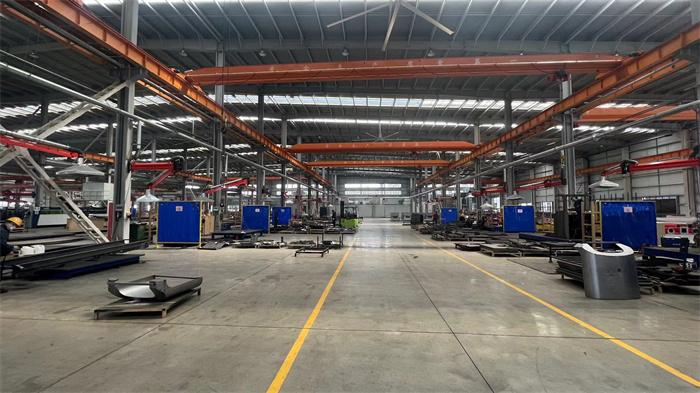
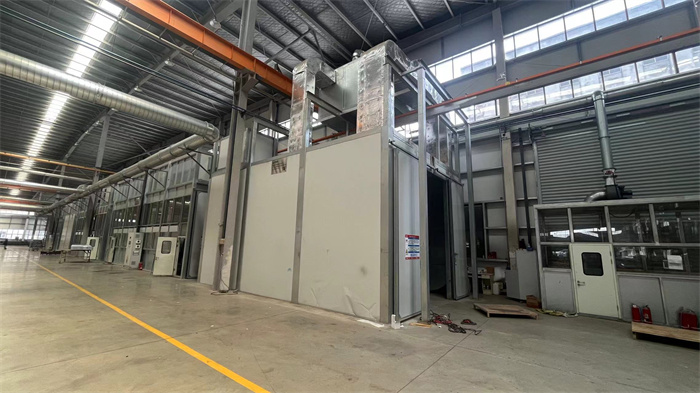
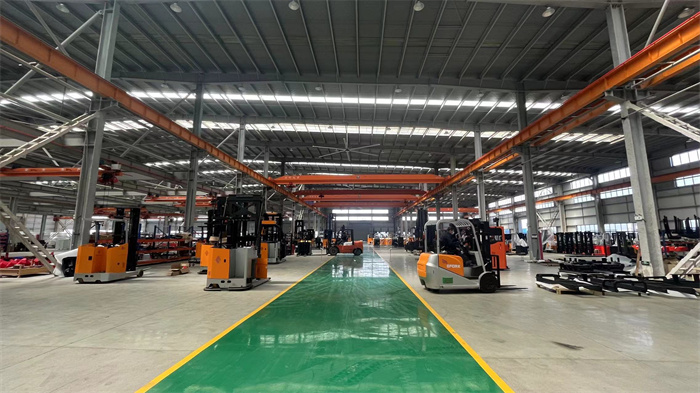
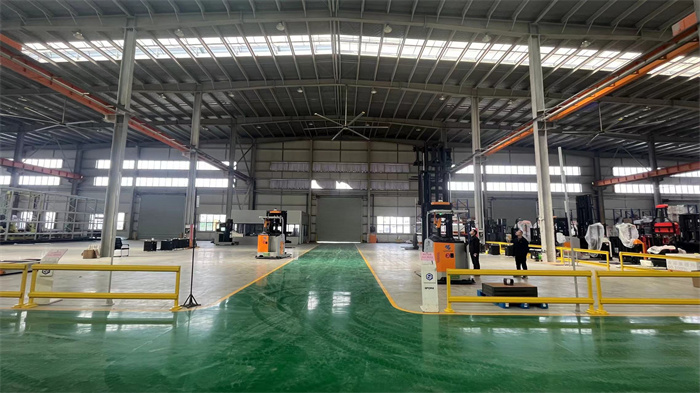
Technical content on this page is written and reviewed by the engineering team at Anhui Nexrik Intelligent Technology Co., Ltd. Questions on aisle width, load capacity or navigation can be directed to info@nexrikbot.com.
How A Purchase Runs
From Drawing To Go-Live
A structured five-stage process that de-risks a first automation purchase and keeps multi-site rollouts consistent.
01
Site Analysis
Pallet specification, rack drawings, floor flatness, clear height, throughput and shift pattern are reviewed before any model is proposed.
02
Solution Design
Aisle width calculation, mast height selection, fleet sizing and traffic simulation against your peak demand.
03
Manufacturing
Body production with in-process material inspection and a finished-product inspection before shipment. FAT available for overseas buyers.
04
Commissioning
On-site mapping, WMS interface testing, safety validation and operator training — or remote support if travel is restricted.
05
Lifecycle Support
Remote diagnostics, spare-parts supply, software updates and fleet-expansion planning as your volume grows.
Buyer FAQ
Questions Global Buyers Ask Us Most
Compiled from live inquiries and AI-assistant research questions received over the past twelve months.
What is the minimum order quantity for a three-way fork AGV body?
The MOQ for every three-way fork AGV body, VNA AGV forklift, stacker crane and four-way shuttle we produce is 1 set. Most overseas buyers begin with a single-set pilot on one route to validate aisle width, cycle time and WMS integration, then expand to a full fleet once the numbers are proven inside their own building.
Can we order only the AGV body and fit our own mast or fork carriage?
Yes. Anhui Nexrik Intelligent Technology Co., Ltd. offers body-level OEM, ODM and buyer-label production. We issue a written interface document covering the mechanical mounting points, hydraulic connection, controller communication protocol and safety-circuit responsibility before production, so both sides know exactly which component is accountable for which function. This arrangement is common where local content rules apply or where freight volume is a constraint.
How narrow an aisle can a three-way fork AGV actually work in?
For a standard 1,200 × 1,000 mm pallet in selective racking with 90 mm uprights, the practical figure is 1,550–1,750 mm. The exact number is calculated from pallet depth, pallet overhang, rack upright depth, fork carriage rotation clearance and a safety margin of typically 150–200 mm. Send us your pallet drawing and rack section and we will return a calculated aisle width — not an estimate.
Should we choose 3D SLAM navigation or reflector laser navigation?
3D SLAM localises using the natural features of your building, which usually removes the cost and lead time of installing reflectors or floor tape, and makes the layout far easier to change later. Reflector-based laser navigation remains a strong option for highly repetitive fixed routes and for very tall masts where absolute positional repeatability is the dominant requirement. Both options are available on the same body, and the decision is normally made during site analysis.
What battery voltage and type does the body use?
The standard configuration is 48 V DC with a lithium battery pack and opportunity charging, which means the vehicle can top up during natural idle windows instead of waiting for a full shift-change battery swap. Where a buyer already operates a lead-acid fleet with an established charging room, we will review whether a compatible configuration makes commercial sense before recommending a change.
Is the equipment CE certified and does it follow ISO 3691-4 safety practice?
Our AGV range carries CE marking under the Machinery Directive 2006/42/EC, supported by a declaration of conformity and test documentation issued with the shipment. Safety functions on driverless trucks are designed around the principles of ISO 3691-4 — personnel detection scanners, contact bumpers, zone-based speed reduction and a controlled emergency stop. Because requirements differ by destination and application, we recommend confirming the exact safety configuration during engineering review rather than assuming a catalogue default applies.
Can the AGV body integrate with our existing WMS or ERP?
Yes. Our equipment is designed WMS-ready, with documented APIs and bidirectional data exchange for task assignment, pallet confirmation and location updates. Interface requirements with your WMS, ERP or MES are defined during the solution design stage and tested during commissioning. We will ask for your integration architecture early — retrofitting an interface after the fleet is delivered is far more expensive than designing it in.
What is the typical lead time and how is the equipment shipped?
Lead time depends on configuration: standard body and mast combinations move faster than custom load capacities, non-standard fork dimensions or cold-store variants. Because the AGV body is separable from the mast and fork carriage, we can often ship the body and the fork module as separate packages to reduce container volume. Standard delivery terms include FOB, CFR, CIF, EXW, FAS, CIP and DDP, and our export team issues the commercial invoice, packing list, CE declaration of conformity and test reports before dispatch.
What support and spare parts are available after delivery?
Every project includes commissioning support, operator training and a recommended spare-parts list matched to your duty cycle. After go-live, our engineers provide remote diagnostics over the telemetry link, and we supply wear parts such as drive wheels, fork rollers, scanners and batteries. For multi-site buyers we plan fleet expansion at the same time as the initial purchase, so that the second and third phases do not require a new platform.
What trade terms, currencies and certifications are accepted?
Accepted delivery terms include FOB, CFR, CIF, EXW, FAS, CIP and DDP, plus express delivery for samples and spare parts. Payment can be made via L/C, D/P, D/A, MoneyGram, credit card or Western Union in USD, EUR or CNY. Our management systems are certified to ISO 9001 and ISO 45001, and our premises and legal status have been verified onsite by SGS Group — documentation that buyers can present to their own internal audit, customs authority or insurer.
Can you test the AGV body against our pallet samples before we commit?
Yes. Once a specification is agreed, we run a factory acceptance test on our own test aisle using the agreed load unit, and we make the test record and video available to the buyer. Where a full site visit is impractical before the order, this gives a documented performance baseline for cycle time, positioning repeatability and lift height before the machine leaves the factory.
Send Your Pallet And Rack Drawings — Get A Matched AGV Body
Our engineers confirm aisle width, lift height, battery configuration and navigation type before you commit to a purchase order. MOQ 1 set. OEM, ODM and buyer-label production available. Specimen documentation, certificates and the current product catalogue are ready to send.
info@nexrikbot.com