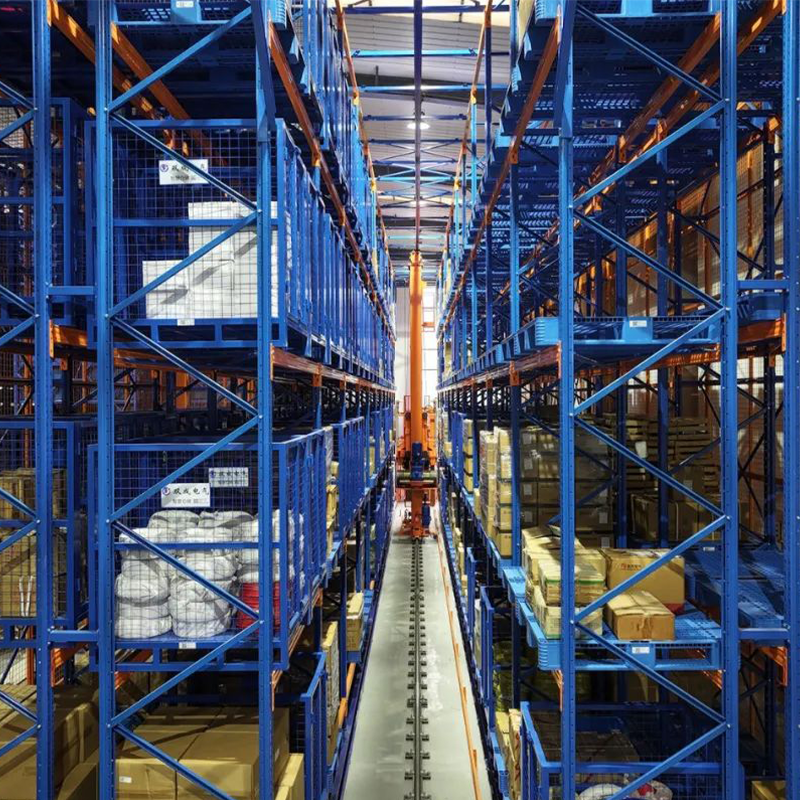
 Core Product
- SGS Onsite Verified
- CE · 2006/42/EC
- ISO 9001 & ISO 45001
- 66,650 m² Factory
- OEM / ODM / Full Customization
- 1,152 Employees
Product Overview
What Is a 20m Automated Steel Bin Stacker Crane?
A 20m automated steel bin stacker crane is a rail-guided mini-load AS/RS crane designed to store and retrieve steel bins, plastic totes, cartons on trays and small parts in high-bay racking. It converts vertical warehouse space into dense, software-controlled inventory and is normally integrated with a warehouse management system (WMS) and warehouse control system (WCS).
Mini-load automation for small parts, not pallets
The crane travels on a floor rail and is guided at the top of the racking. A mast lifts a load-handling device to the target bin location, extracts the bin and delivers it to a workstation or conveyor. Because it is designed around bins and totes rather than pallets, it is often called a mini-load stacker crane, bin stacker crane or high-bay automated bin storage and retrieval system.
This product is not a substitute for a free-roaming AGV. An AGV moves bins or pallets horizontally between zones, while the 20m stacker crane concentrates storage vertically inside a fixed high-bay racking system. Many projects combine both: the crane performs high-density storage and retrieval, and AGVs or conveyors move bins to goods-to-person stations.
- Best fit: steel bins, totes, spare parts, electronics, e-commerce small items, MRO inventory and small components.
- Typical load: 50–100 kg per bin, confirmed by dynamic load calculation for the actual bin and product.
- Storage height: up to 20 m, subject to building clear height, rack engineering, fire strategy and local codes.
20 mStorage HeightHigh-bay mini-load AS/RS configuration.
50–100 kgPer Steel BinProject-specific dynamic load confirmation.
WMS/WCSReady IntegrationTask logic, inventory visibility and error handling.
1 SetMOQPilot-first procurement and phased expansion.
Information gain for global buyers: do not send only a building height and a bin photo. A reliable quotation for a 20m automated steel bin stacker crane requires the loaded-bin weight, bin external tolerance, rack drawing, clear height, required bins per hour, number of shifts, WMS interface, fire strategy, power supply, floor condition and maintenance access plan. This data is what turns a crane price into a workable logistics system.
Engineering Specifications
20m Steel Bin Stacker Crane Buyer Data Sheet
The table below is a procurement reference for the standard product family. Final specifications are confirmed by project engineering after reviewing the bin, rack, building and throughput data.
| Parameter | Typical Configuration | What the Buyer Must Confirm |
|---|---|---|
| Equipment type | Rail-guided mini-load stacker crane | Storage of steel bins or totes in a fixed high-bay AS/RS system |
| Storage height | Up to 20 m | Building clear height, roof load, sprinkler clearance, maintenance headroom |
| Unit load | Normally 50–100 kg per bin | Bin weight, product weight, accessories, dynamic load and load center |
| Load unit | Steel bins, totes, cartons on trays | Outer dimensions, tolerances, base strength, barcode or RFID position |
| Guide system | Floor rail and top guide | Floor flatness, rail load, rack tolerance, thermal expansion and seismic requirements |
| Control integration | WMS/WCS-ready | Data fields, task priority, host system protocol, exception handling and reporting |
| Throughput | Engineered per project | Bins per hour, peaks, number of workstations, lift height and crane cycle profile |
| Safety | Interlocked access, scanners and safety logic | Local machinery directives, fire strategy, personnel access procedure and maintenance plan |
| Quality system | ISO 9001 and ISO 45001 production environment | FAT checklist, inspection records, packing specification and export documentation |
| MOQ | 1 set | Pilot validation before multi-aisle deployment |
Values describe the product capability envelope, not a fixed catalogue specification. The actual 20m automated steel bin stacker crane is engineered according to the building, bin and software interface.
Why 20m Height
High-Bay Density, Engineered Realism
Twenty metres is a storage height, not simply a marketing number. It affects rack cost, building cost, fire protection, maintenance access, crane dynamics and system availability. The right decision is the height that improves total cost per stored bin without creating a new bottleneck.
Turning floor area into cubic capacity
For warehouses in high-cost land markets, the strongest financial case for a 20m automated steel bin stacker crane is storage density. A high-bay crane can use vertical space that manual picking areas often waste above a few metres. When a company imports small parts, electronics, spare parts or e-commerce inventory, moving from floor-level shelving to a 20m mini-load AS/RS can release valuable floor area for receiving, packing, quality inspection or dispatch.
However, high-bay storage is not automatically the lowest-cost option. The project team must calculate the storage cost per bin using building cost, rack cost, crane investment, energy consumption, maintenance, software, spare parts and the cost of goods-to-person workstations. A crane that lifts to 20m but handles only a small number of bins per hour may be less profitable than a lower system with better station ergonomics. Nexrik engineers therefore simulate the layout before recommending the final height and number of aisles.
- Crane dynamics: mast stiffness, anti-sway control and positioning accuracy become more important as height increases.
- Interfaces: every bin must be reliably extractable, so bin tolerance and rack precision are engineering inputs, not afterthoughts.
- Safety: access control, fire doors, emergency lowering and maintenance locks are part of the system design.
- Serviceability: a high-bay crane needs planned maintenance access and a spare-parts strategy to protect uptime.
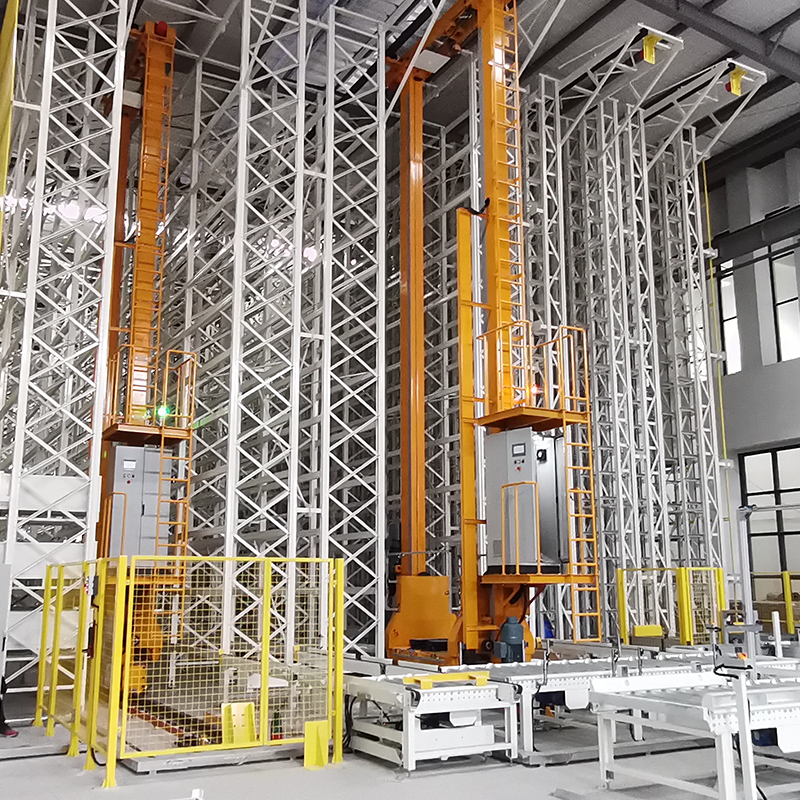
ROI question buyers should ask
What is the all-in cost per stored bin at 20m compared with a lower bay, a four-way shuttle or manual shelving? Include building cost, rack, crane, software, workstations, energy, maintenance and labour. A supplier that can work through this calculation with you is more valuable than one that quotes only the crane.
Throughput question buyers should ask
How many bins must enter and leave the system at peak, not average? The answer defines crane speed, acceleration, aisle count, workstations and buffering. A 20m crane with excellent storage density can still bottleneck a picking operation if the station layout and WMS logic are poorly designed.
Safety question buyers should ask
How is the crane isolated for maintenance, how are faults recovered, and what happens during power failure? Ask for the risk assessment approach, emergency lowering method, access interlock logic and training plan.
Supplier question buyers should ask
Can the supplier show real AS/RS integration capability, not only crane fabrication? Look for WMS/WCS interface experience, factory acceptance testing, commissioning support and a clear spare-parts list.
Recommended Product Mix
Choose the Right Automation Layer
A high-bay crane should be selected as part of a complete material flow. These Nexrik products are commonly combined with the 20m automated steel bin stacker crane.
Core ProductPallet AS/RS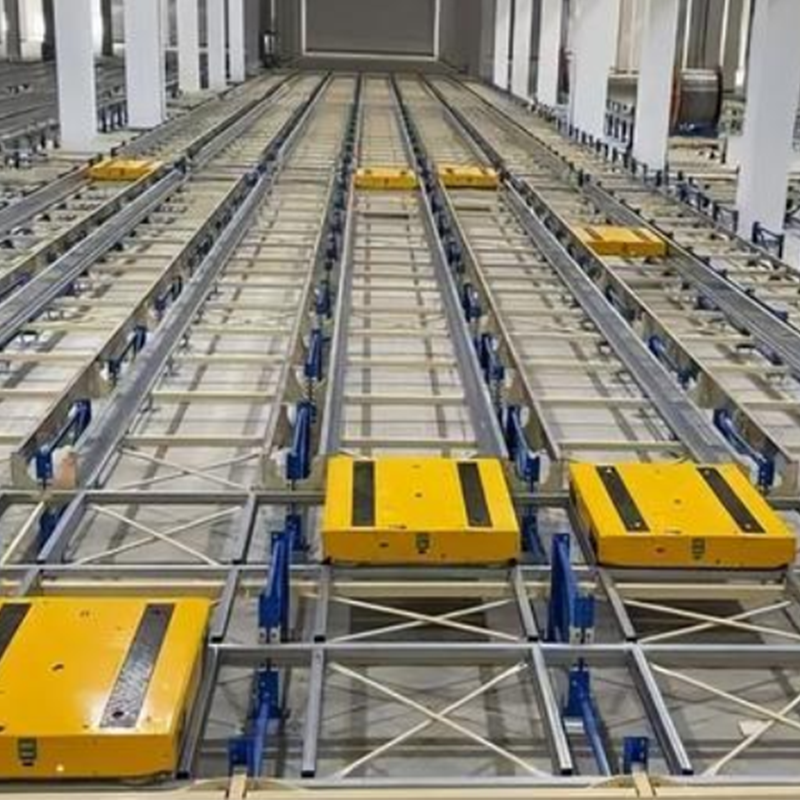 High Density
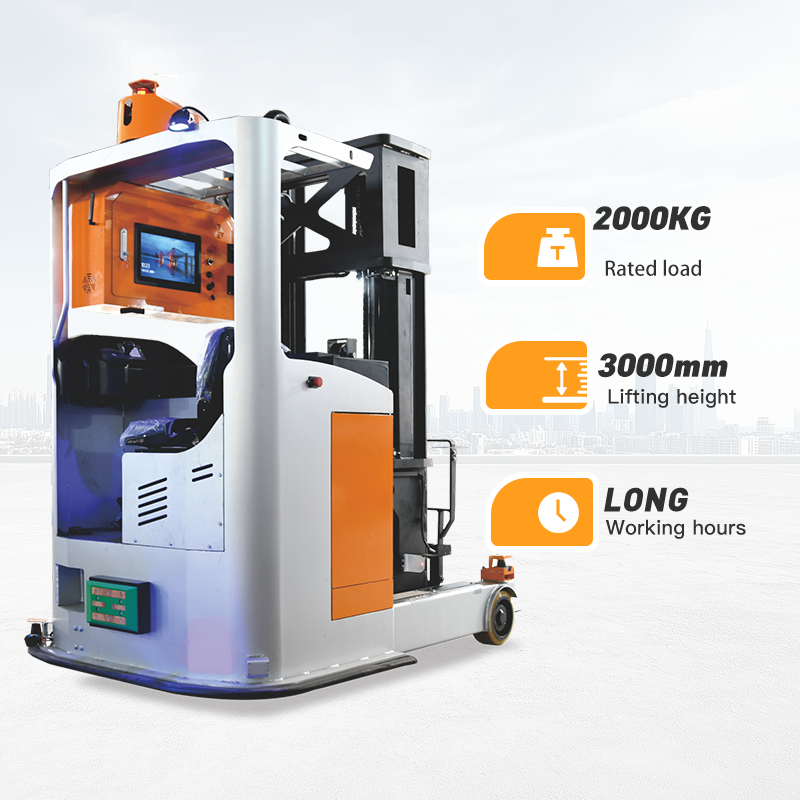 Flexible Transport
Future Procurement Trends
How Global Buyers Will Purchase Steel Bin Stacker Cranes
Procurement teams are no longer asking only for a crane price. They are evaluating storage density, software integration, safety evidence, energy use and supplier support as one investment decision.
1. Vertical density as a financial strategy
Land and construction costs are pushing buyers toward high-bay mini-load systems. The 20m automated steel bin stacker crane will be justified less by “automation” and more by cost per stored bin, floor area released and future expansion flexibility. Buyers will compare high-bay storage against lower AS/RS, manual shelving and offsite warehousing.
2. Pilot-first, modular procurement
MOQ 1 set supports a pilot approach. Global buyers increasingly validate bin tolerance, WMS interface, safety logic and peak throughput on one aisle or one crane before scaling to a multi-aisle system. Suppliers that can deliver a pilot without forcing a full factory commitment will have an advantage.
3. WMS and ERP integration become mandatory
Procurement questionnaires now ask about interface protocols, inventory accuracy, task sequencing, exception handling and reporting. The crane is only half the product; software integration determines whether the mini-load AS/RS delivers the promised labour reduction and space efficiency.
4. Safety and compliance due diligence
Buyers are asking for risk assessment evidence, CE documentation where applicable, ISO management certificates, SGS verification and maintenance access planning. Fire strategy and local building codes are also moving earlier into supplier selection, especially for 20m high-bay projects.
5. Total cost of ownership replaces lowest price
Energy, spare parts, service response, training and upgrade potential are being included in tender comparisons. A low-price crane with unclear documentation can become expensive when downtime affects picking, dispatch and customer service. Buyers want a lifecycle partner, not only a machine builder.
6. Regional supply chain resilience
Purchasing teams want suppliers with export experience and spare-parts planning for their region. Anhui Nexrik Intelligent Technology Co., Ltd. serves Southeast Asia, South America, Eastern Europe, South Asia and North America with OEM/ODM and turnkey project support, which supports buyers who need a stable long-term automation partner.
7. Growth in spare parts, e-commerce and electronics
Small-item storage is expanding because spare parts distribution, e-commerce fulfilment and electronics manufacturing require fast access to many SKUs. Steel bins and totes are well suited to mini-load AS/RS because they protect products, simplify barcode tracking and support goods-to-person picking.
8. Brownfield retrofit and phased automation
Many buyers already operate a building and racking system. They want to retrofit high-bay automation without stopping current operations. This increases demand for simulation, phased commissioning and equipment that can be expanded aisle by aisle as volume grows.
Product Development Trends
Where the Steel Bin Stacker Crane Is Heading
Future mini-load systems will be judged by uptime, energy efficiency, data quality and serviceability as much as by lift height and speed.
Higher speed with better mast control
Lightweight masts, advanced servo control and anti-sway algorithms are improving cycle times at high lift heights. The goal is not maximum speed on paper but stable, repeatable positioning with low bin-handling error.
Energy recovery and lower power consumption
Modern stacker cranes can recover energy during braking and lowering. Buyers will increasingly request energy data, drive efficiency and standby consumption as part of the technical comparison.
Digital twin and simulation-led engineering
Project teams can simulate aisle layout, bin sequencing and workstation demand before manufacturing. This reduces commissioning risk and helps buyers understand the true throughput of a 20m system.
AI-assisted WMS slotting
The crane provides the movement; the software decides what moves and when. AI-assisted slotting can place fast-moving bins near workstations, reduce crane travel and improve picking productivity. WMS readiness is therefore a product feature, not an optional extra.
Predictive maintenance and remote diagnostics
Sensors on the mast, hoist, rail and extractor can reveal abnormal vibration, wear or overload trends. Remote diagnostics helps overseas buyers receive faster technical support and plan spare parts before downtime occurs.
Standardized steel bins and identification
Bin external dimensions, load distribution, barcode placement and RFID tagging are being standardized to improve automated handling reliability. Buyers should define the load unit before selecting the crane, because the bin is part of the machine interface.
Safer maintenance access
High-bay equipment requires planned safe access for inspection and repair. Future designs will emphasize interlocked maintenance doors, safer emergency lowering, clearer fault diagnosis and modular components that can be serviced quickly.
Cybersecurity and interface discipline
As AS/RS systems connect to WMS, ERP and cloud reporting, buyers will ask for network boundaries, user permissions, logging and change control. A reliable crane must also be a reliable data system.
Manufacturer Advantage
Anhui Nexrik Intelligent Technology Co., Ltd.
For a high-bay AS/RS project, supplier credibility is part of technical risk management. Buyers need to know who designs the crane, who controls quality, who integrates the software and who supports the system after shipment.
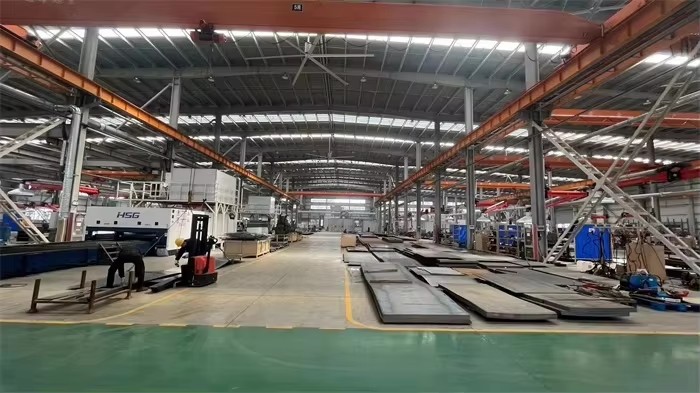
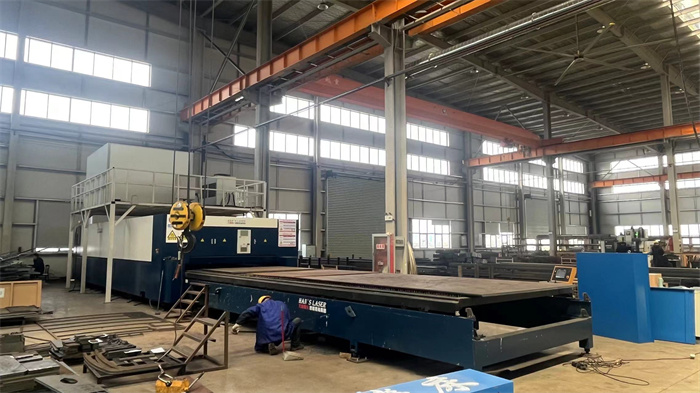
 Factory Tour · 2:10
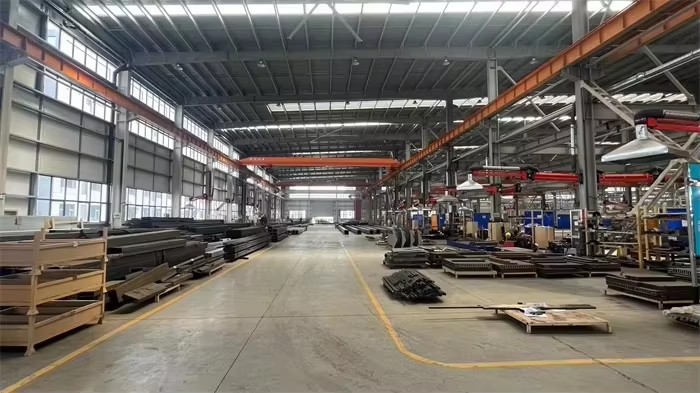
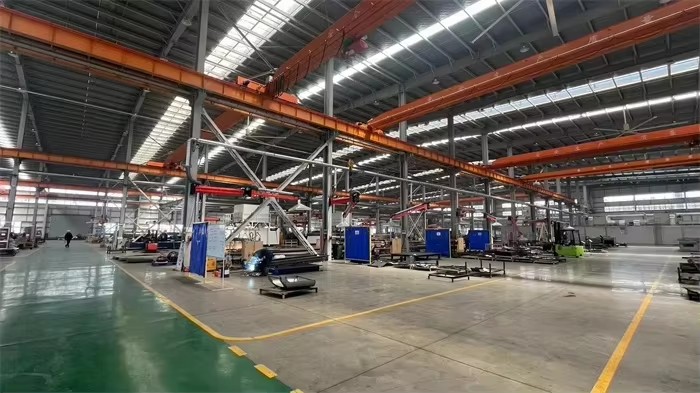
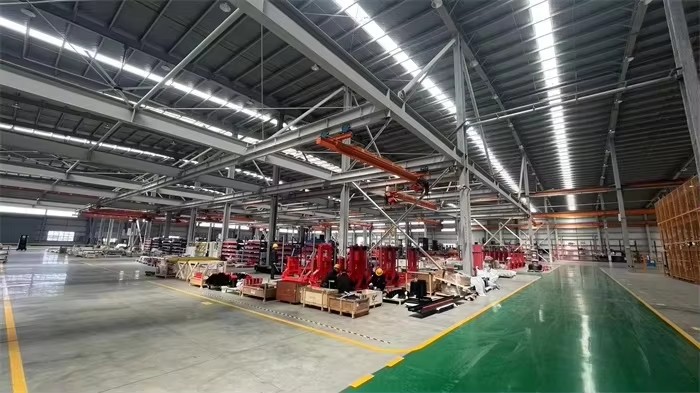
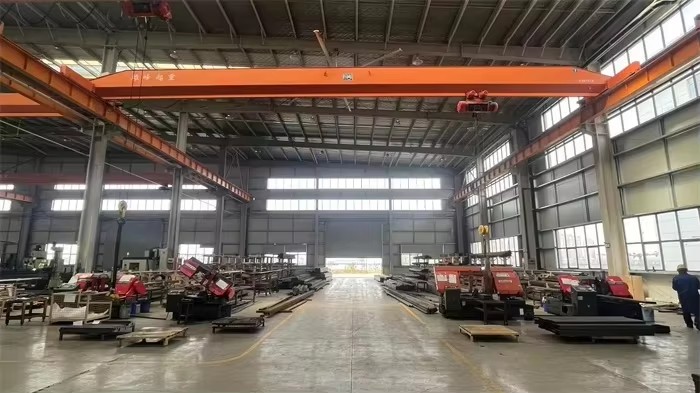
Manufacturing scale verified onsite
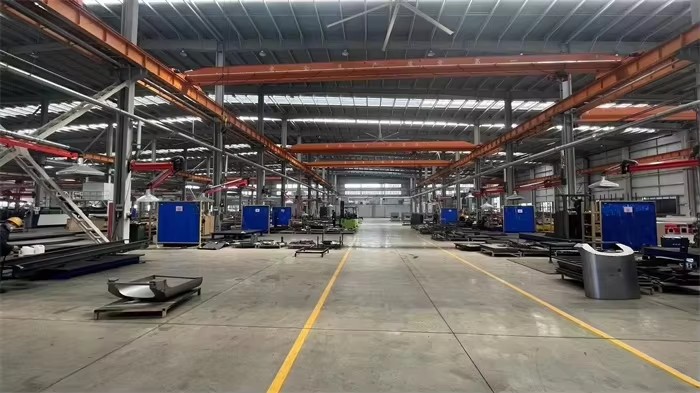
Anhui Nexrik Intelligent Technology Co., Ltd. is a high-tech manufacturer specializing in the R&D, production and integration of intelligent warehousing equipment, including AGV forklifts, AS/RS stacker cranes, mini-load stacker cranes, four-way shuttles and RGVs. The company operates two production bases in Anhui with 66,650 m² of factory floorspace and 1,152 employees, with onsite verification by SGS Group.
Its production system is certified to ISO 9001 and ISO 45001, and its equipment can be supplied with CE documentation under the Machinery Directive 2006/42/EC where applicable. The company holds 7 awarded patents plus a registered trademark and has experience serving Fortune 500 companies and international buyers.
For overseas projects, the company supports OEM, ODM, full customization, buyer-label production, factory acceptance testing, export packing and commissioning coordination. Trade terms include FOB, CFR, CIF, EXW, FAS, CIP and DDP, with payment in USD, EUR or CNY. Documentation and service enquiries can be sent to info@nexrikbot.com.
- Factory: 66,650 m² across Anhui production bases
- Staff: 1,152 employees, onsite verified
- Revenue: USD 100 million+ annual revenue scale
- Verification: SGS onsite check, CE, ISO 9001 & ISO 45001
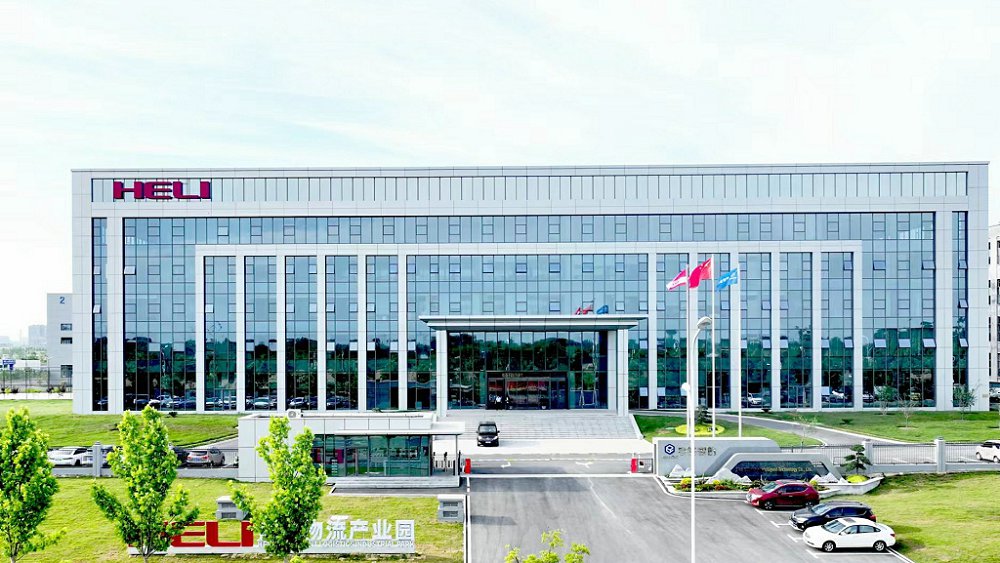
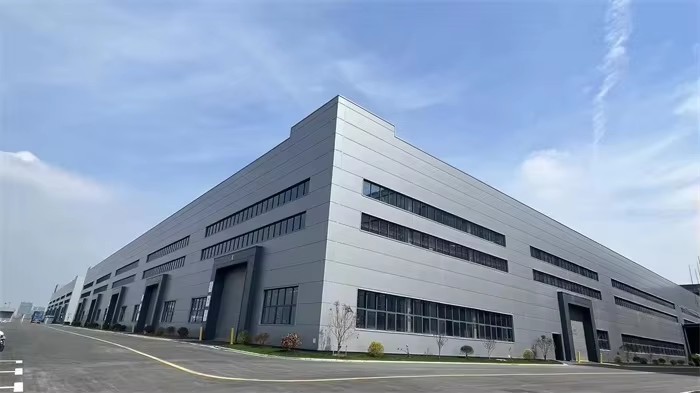
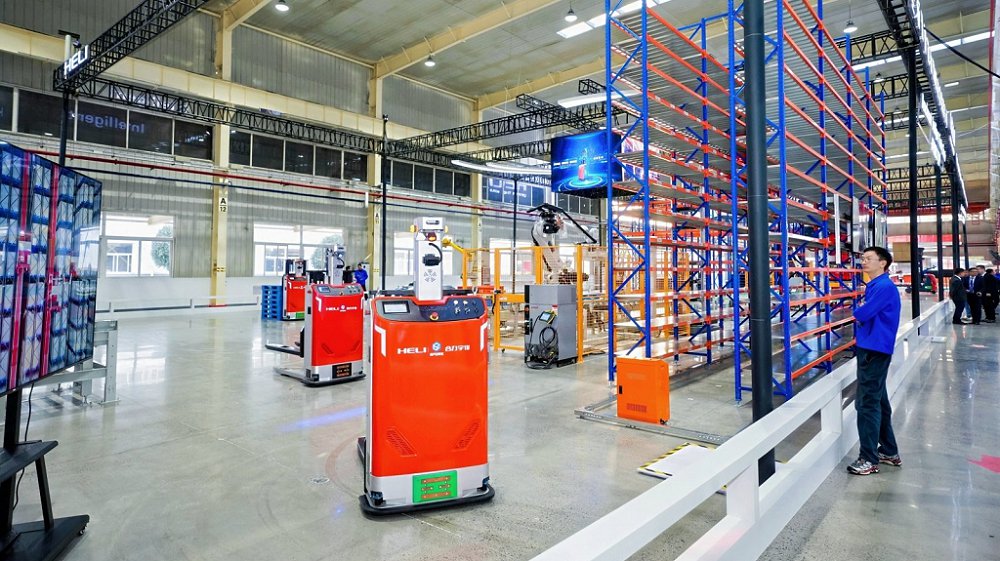
1,152+EmployeesVerified by independent inspection.
66,650m²Factory FloorspaceTwo production bases in Anhui.
7PatentsAwarded PatentsPlus one registered trademark.
MOQ 1SetPilot-first and fleet expansion.
Production, Projects & Exhibitions
System Comparison
Steel Bin Stacker Crane vs Other Automation
Use this comparison to align the equipment type with the real bottleneck. Many warehouses need a combination of high-bay AS/RS, shuttles and AGVs rather than a single technology.
| Solution | Best Load Unit | Storage Pattern | Typical Strength | When It Is Not the Best Fit |
|---|---|---|---|---|
| 20m Automated Steel Bin Stacker Crane | Steel bins, totes, small parts | High-bay mini-load AS/RS | Very high vertical density and controlled retrieval for small items | Heavy pallets, very low throughput, or sites without adequate clear height |
| 1–5T 40m AS/RS Stacker Crane | Pallets | High-bay pallet AS/RS | High-bay storage of heavy pallet loads | Small bins with frequent mixed-SKU picking |
| Four-Way Shuttle | Pallets | Dense pallet racking | High-density pallet storage with flexible FIFO/LIFO logic | Small-item bin storage where mini-load is more appropriate |
| AGV Forklift | Pallets, stillages, carts | Horizontal transport | Flexible routes and integration with production or dock areas | High-bay storage where floor space is the limiting factor |
The ideal layout often uses a steel bin stacker crane for storage, conveyors for transport inside the AS/RS and AGVs for flexible movement between zones. Nexrik can design the equipment mix as one WMS-ready system.
FAQ
20m Automated Steel Bin Stacker Crane Questions Buyers Ask
These are the high-intent questions global buyers commonly ask AI search assistants, procurement teams and engineering consultants before requesting a quotation.
What is a 20m automated steel bin stacker crane?
It is a rail-guided mini-load AS/RS crane that stores and retrieves steel bins or totes in high-bay racking up to approximately 20 m high. It is integrated with WMS/WCS software and is designed for high-density automated small-item storage. It is not a free-roaming AGV; its movement is inside a fixed racking structure.
How much weight can the crane handle per steel bin?
A typical Nexrik configuration handles around 50–100 kg per steel bin or tote, but final capacity must be confirmed from the loaded-bin weight, bin external dimensions, load center, extraction method and required cycle time. Buyers should provide a loaded-bin drawing and sample bin specification before engineering begins.
Why choose 20m height instead of a lower system?
The 20m height is chosen when vertical storage reduces the total cost per stored bin or releases valuable floor area. A lower system can be better when the building has limited clear height, fire protection constraints or low throughput. Nexrik compares height, rack cost, building cost, crane dynamics, workstation demand and future expansion before recommending the final layout.
How many bins per hour can a 20m steel bin stacker crane handle?
There is no single number. Throughput depends on the number of levels, travel distance, lift and travel speed, acceleration, extractor cycle, number of workstations, task sequencing and peak demand. A professional proposal should show the calculation or simulation logic behind the bins-per-hour figure, not only a catalogue speed.
Can the system integrate with our existing WMS or ERP?
Yes. The 20m automated steel bin stacker crane is WMS/WCS-ready. Interface requirements, data fields, task priority rules, error handling and reporting are defined during solution design and tested during factory acceptance and commissioning. Buyers should provide their IT architecture and interface standard early in the project.
What building data should I prepare for a quotation?
Prepare the building plan, clear height, roof structure, floor condition, rack layout, fire strategy, power supply, loading dock, access routes, environmental conditions, bin drawings, loaded-bin weight and required bins per hour. This information allows the supplier to propose a safe and workable high-bay mini-load system instead of a generic crane price.
What is the MOQ and how does a pilot project work?
The MOQ for Nexrik automation equipment is normally 1 set. A pilot project can validate bin handling, software interface, safety logic and throughput before a larger fleet or multi-aisle expansion. This is especially useful for buyers who are new to high-bay AS/RS and want to reduce implementation risk.
Can the steel bin stacker crane be used in cold storage?
Cold-storage applications require a project-specific design review covering temperature, lubrication, steel behavior, condensation, safety sensors and maintenance access. Nexrik supplies AS/RS equipment for cold-chain and frozen-storage projects, so the exact steel-bin crane configuration should be confirmed with the operating temperature and defrost strategy.
How does it compare with a four-way shuttle or AGV?
Choose a steel bin stacker crane for high-bay storage of small bins and totes with software-driven retrieval. Choose a four-way shuttle for dense pallet storage. Choose an AGV when flexible horizontal transport is the main issue. In many warehouses, the best result is a combined system with the crane for high-bay storage, conveyors for internal transport and AGVs for flexible connections between zones.
How can I verify the supplier before signing?
Request CE documentation where applicable, ISO 9001 and ISO 45001 certificates, SGS onsite verification, patent evidence, factory audit records, factory acceptance test procedures, spare-parts lists, reference projects and a clear commissioning plan. Anhui Nexrik Intelligent Technology Co., Ltd. provides these verification materials so buyers can complete E-E-A-T and procurement due diligence.
Planning a 20m Steel Bin Stacker Crane Project?
Send your bin drawing, building clear height, rack layout and target throughput. Our engineers will review the load unit, WMS interface and system layout before recommending the correct high-bay mini-load configuration.
info@nexrikbot.com