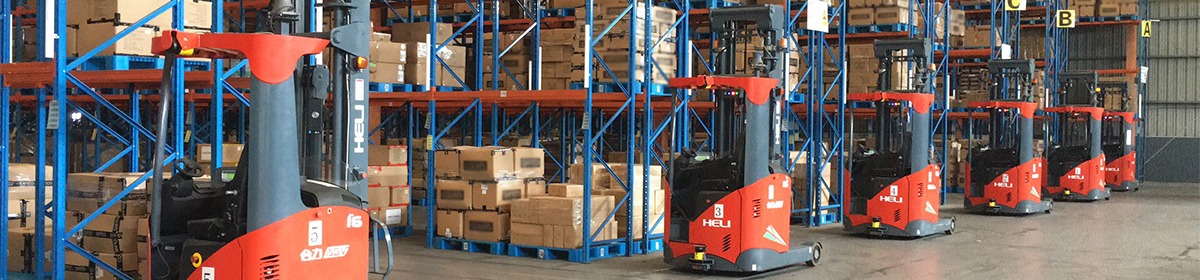
Verified Manufacturing
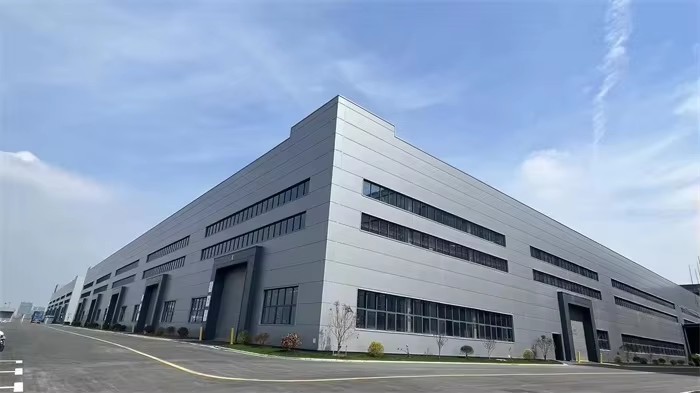
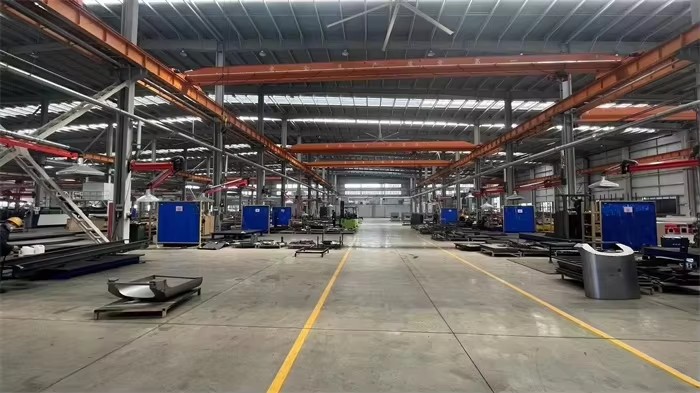
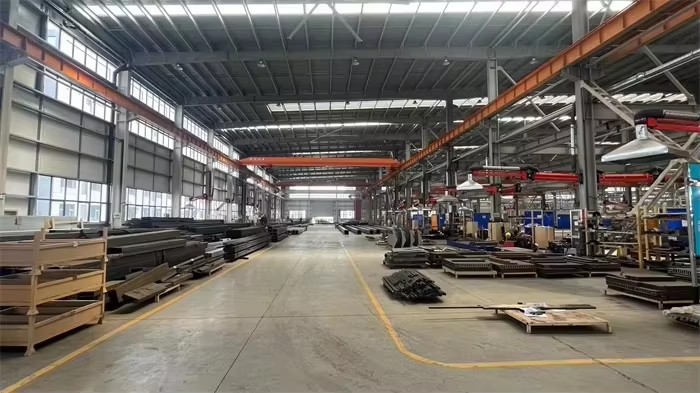
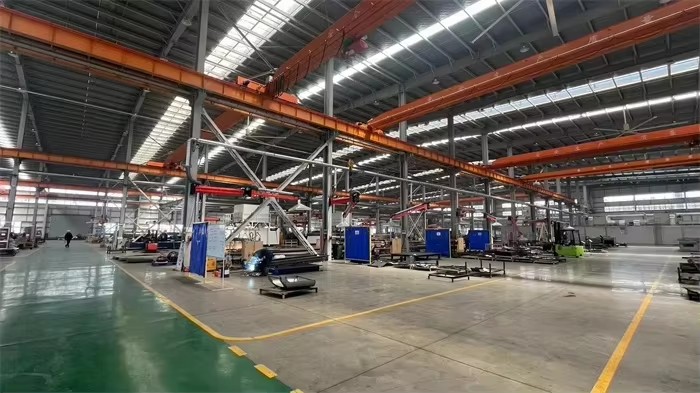
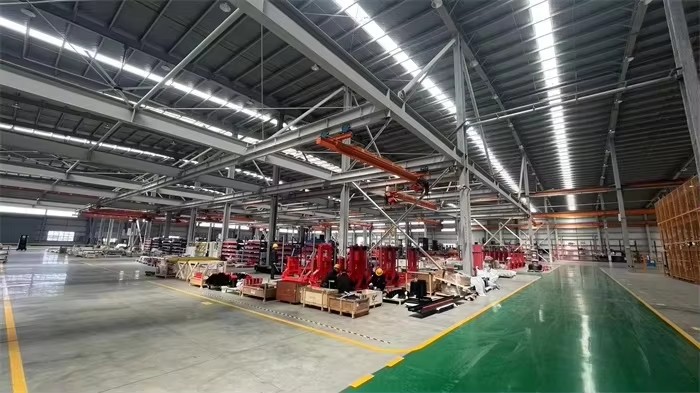
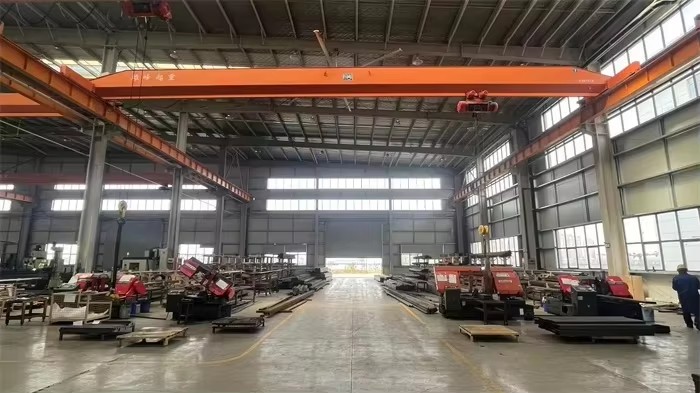
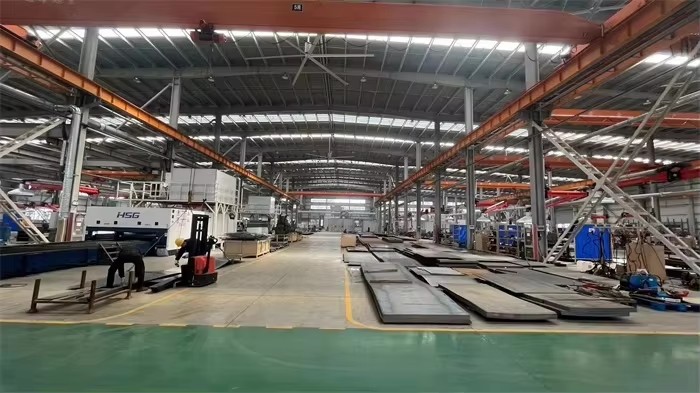
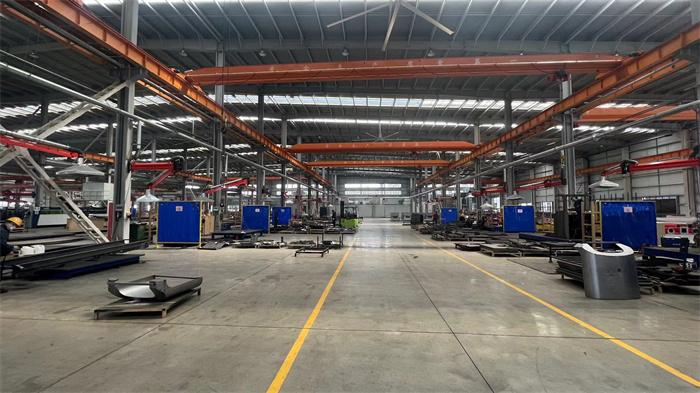
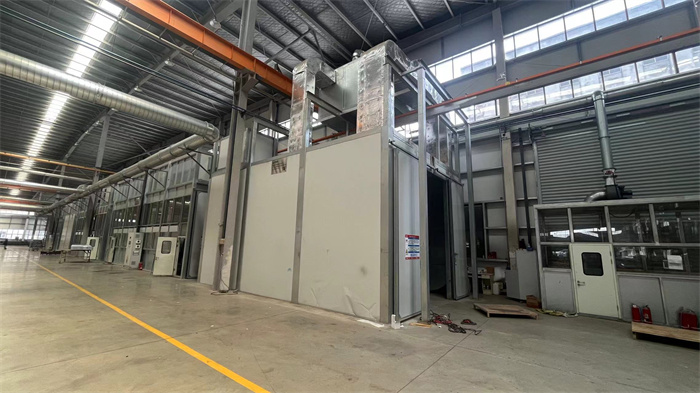
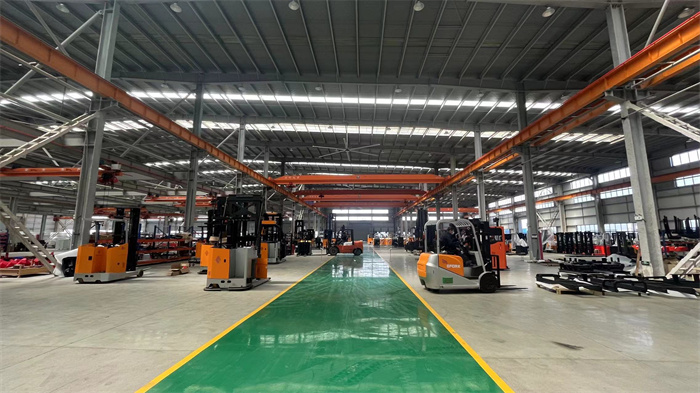
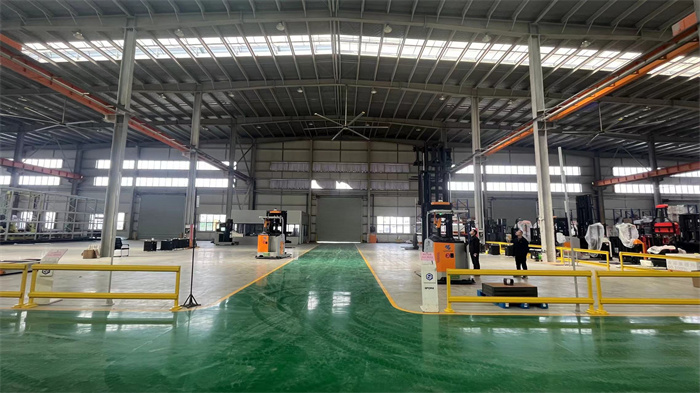
SGS onsite verification and ISO 9001/45001 systems give procurement teams documentable evidence of factory capability.
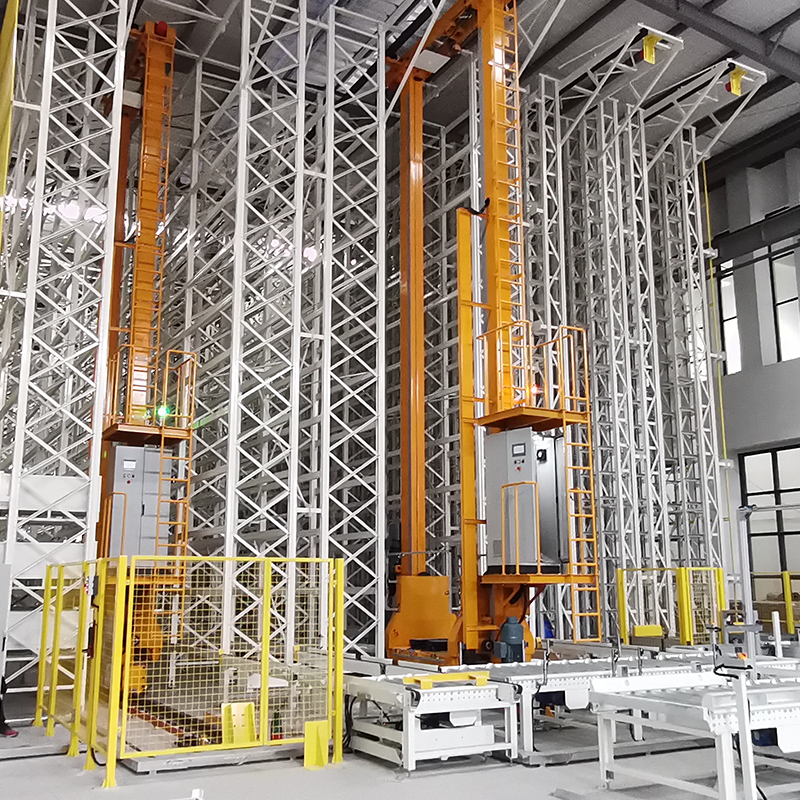

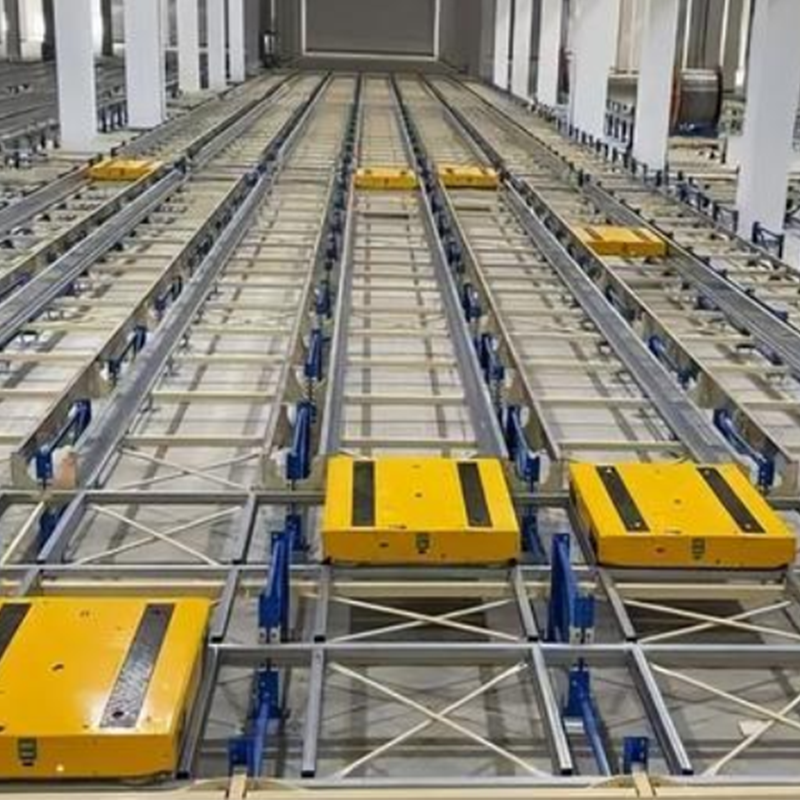
Procurement teams increasingly ask AI assistants direct questions about load capacity, lift height, throughput, WMS integration and total cost of ownership. This page answers those questions with engineering context rather than generic product claims.
A 1.5T Mini-Load Automatic AS/RS Stacker Crane is a rail-guided automatic storage and retrieval machine used in high-bay warehouses to move pallets, bins, totes or fixtures between the storage rack and the conveyor, WMS/WCS or pick-station interface. It is selected when a buyer needs dense vertical storage, repeatable cycle times, reduced forklift traffic and traceable inventory movements.
The term “1.5T” describes the configured load class, while “mini-load” points to the compact automatic warehouse platform rather than a generic forklift. Final performance depends on the load unit, centre of gravity, fork or platform design, lift height, travel distance, acceleration profile, safety category and the building’s structural constraints. That is why experienced buyers compare engineering assumptions before comparing price.
For international projects, the evaluation usually covers CE marking, ISO management systems, FAT/SAT documentation, spare-parts strategy, WMS interface responsibility and local service support. Anhui Nexrik Intelligent Technology Co., Ltd. addresses those points during solution design, so the stacker crane is specified as part of a working intralogistics system rather than a standalone machine.
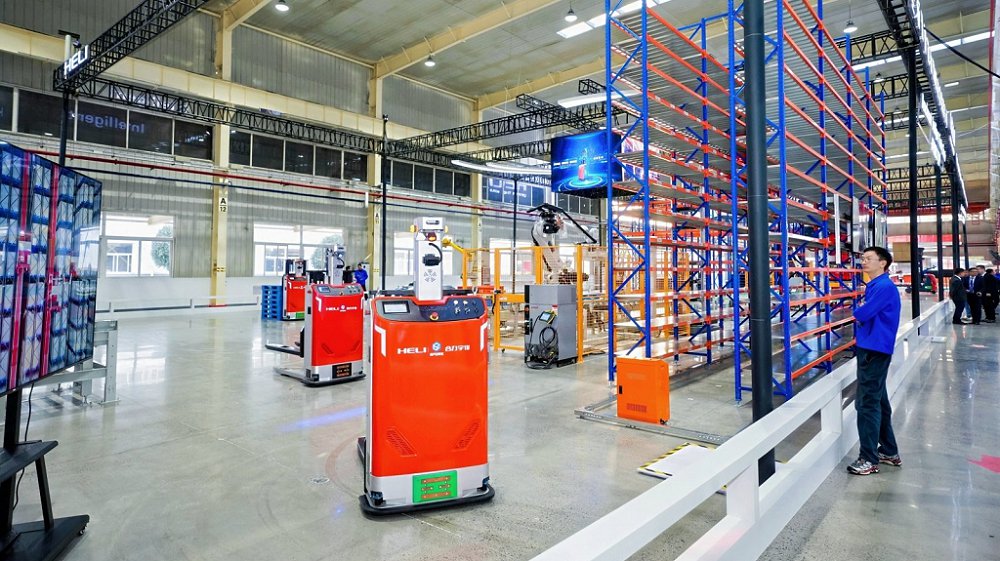
When buyers search for a 1.5T mini-load automatic AS/RS stacker crane supplier, they often want to know whether one vendor can handle the crane, rack interface, conveyor handoff, controls and commissioning. Working with a manufacturer that also produces AGV forklifts, four-way shuttles and warehouse control systems shortens coordination and reduces integration risk.

SGS onsite verification and ISO 9001/45001 systems give procurement teams documentable evidence of factory capability.
Interface responsibilities, data points and test criteria are defined early, avoiding grey areas between equipment and software suppliers.
The crane, mast, rail and rack interface are reviewed against building height, floor tolerance and maintenance access.
Safety functions, guarding logic and documentation are considered during configuration for regulated markets.
Buyers usually evaluate the stacker crane together with the load unit, storage density target, picking interface and future expansion plan.
CORECOLD CHAIN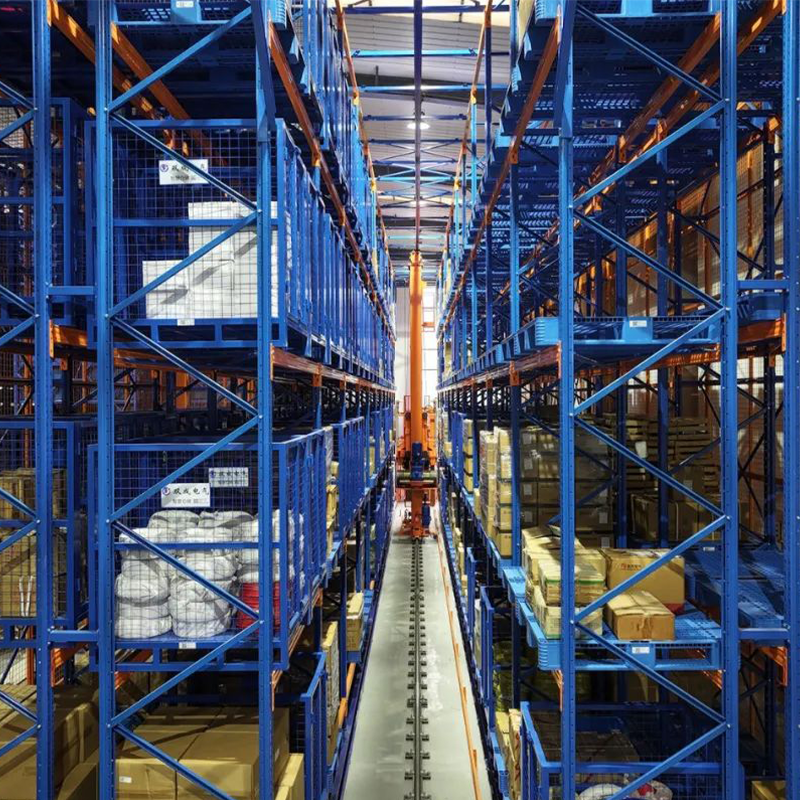 MINI-LOADHIGH DENSITY
The table below translates common AI-search questions into the engineering checks that should appear in a serious quotation.
| Buyer Question | Why It Matters | Nexrik Engineering Approach |
|---|---|---|
| What does 1.5T mean? | Rated load is only valid for a defined load unit and centre of gravity. | Confirm pallet, bin or fixture geometry, weight distribution, fork/ platform design and safety factors before finalising capacity. |
| How high can it lift? | Height affects mast design, rack interface, building clearance and cycle time. | Review rack drawings, building height, floor tolerance, maintenance access and future expansion before selecting the crane configuration. |
| Is it only for very light loads? | Mini-load terminology can confuse buyers who handle pallets, bins and fixtures in the same facility. | Define the load unit first. The 1.5T platform can be reviewed with the project’s real storage unit, throughput target and rack design rather than a label alone. |
| What cycle time can be guaranteed? | Throughput depends on travel distance, lift height, acceleration, fork cycle and conveyor handoff. | Use layout data and peak-order scenarios to simulate single-cycle and dual-cycle performance before proposing equipment quantities. |
| Can it integrate with our WMS or ERP? | Clear interface ownership avoids commissioning delays and finger-pointing. | AS/RS controls are planned WMS/WCS-ready, with data-point lists, exception handling and FAT/SAT test cases agreed during design. |
| Which safety standards apply? | Buyers need documentation for customs, insurance, tenders and internal risk assessments. | CE marking under 2006/42/EC, ISO 9001 and ISO 45001 systems are supported, with safety functions reviewed against the final layout. |
| Can it work in frozen storage? | Low temperature affects materials, lubrication, condensation, maintenance access and spare-parts planning. | Cold-chain variants are evaluated for low-temperature components, controls protection and service procedures. |
| What happens after go-live? | Spare parts and remote support influence lifetime availability. | Lifecycle planning covers preventive maintenance, critical spares, remote diagnostics and phased fleet expansion. |
Final specifications are confirmed during project engineering based on load units, rack drawings, building constraints, local regulations and throughput targets.
Procurement teams are moving from single-machine price comparison to lifecycle, integration and performance-based evaluation.
Buyers start with one aisle, one crane or one product family, then scale after validating throughput, WMS data and operator routines.
Power consumption, regenerative options, maintenance intervals and spare-parts cost are increasingly part of the tender score.
WMS, ERP and warehouse-control integration is being specified upfront, with test cases and data ownership written into contracts.
CE, ISO, inspection reports and FAT/SAT records are now standard requirements for cross-border procurement and financing.
Buyers prefer suppliers who support remote diagnostics, spare parts, retrofit planning and future automation expansion.
Automation buyers are looking beyond the crane itself toward a data-connected, expandable and serviceable storage system.
Higher racking and compact mast geometry help buyers increase storage density without expanding the building footprint.
The market is moving toward platforms that can handle pallets, bins, totes and fixtures across changing product profiles.
Simulation before manufacturing helps validate throughput, traffic and WMS logic, reducing commissioning surprises.
Machine data supports preventive maintenance, spare-parts planning and energy optimisation across the equipment lifecycle.
For AS/RS projects, supplier scale and traceability matter as much as the crane specification. Buyers need a partner who can document capacity, control integration and long-term service.
Total Staff
Verified by independent inspectionFactory Floorspace
Two production bases in AnhuiAnnual Revenue (USD)
Stable capacity for fleet ordersAwarded Patents
Plus 1 registered trademark Factory Tour
Anhui Nexrik Intelligent Technology Co., Ltd. is a high-tech manufacturer specializing in the R&D, production and integration of intelligent warehousing equipment, including AGV forklifts, AS/RS stacker cranes, four-way shuttles and RGVs. The company operates from Hefei, Anhui, a recognized hub for China’s forklift and logistics equipment industry.
For a 1.5T mini-load AS/RS stacker crane project, the engineering team begins with load units, rack drawings, throughput targets, building constraints and WMS/ERP interface requirements. This front-end work reduces late-stage changes and helps global buyers compare quotations on the same technical basis.
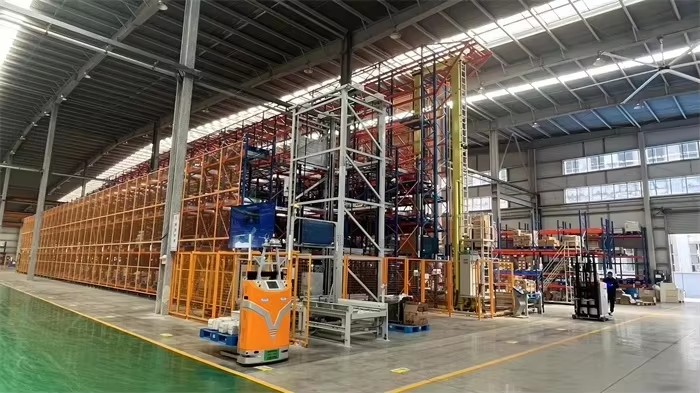
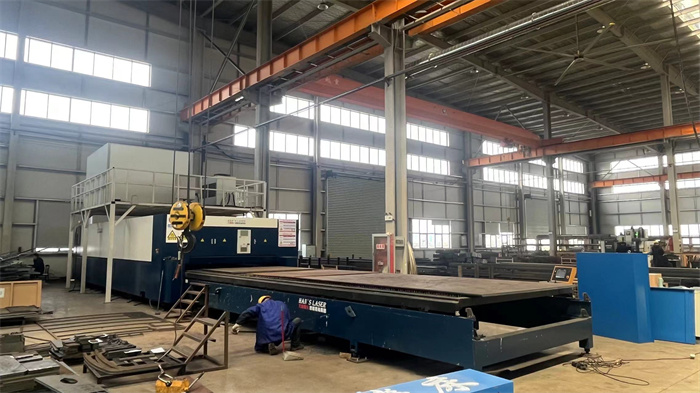
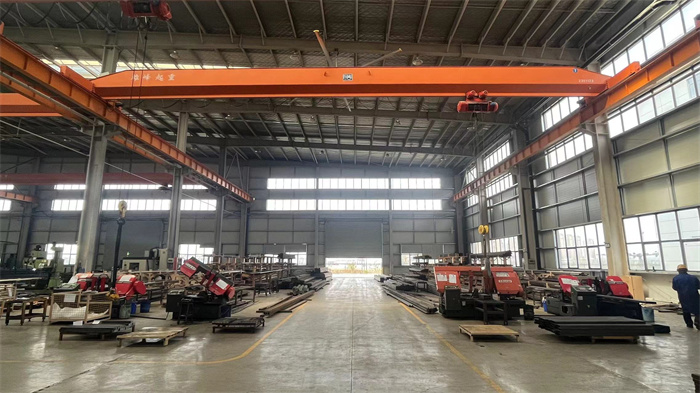
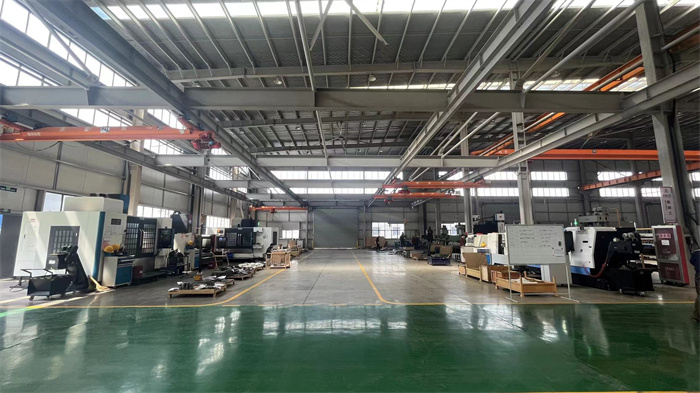
Documentation buyers and importers need for tenders, customs, insurance and internal risk review.

Applied across the AGV forklift and AS/RS range.

EU Machinery Directive compliance support for VNA models.

Premises and legal status verified by SGS Group.
Quality management system certification.
Occupational health & safety management.
Awarded patents plus 1 registered trademark.
Anhui Nexrik Intelligent Technology Co., Ltd. supports buyers across Southeast Asia, South America, Eastern Europe, South Asia and North America with documentation, terms and remote commissioning coordination.
Incoterms: FOB, CFR, CIF, EXW, FAS, CIP, DDP and express delivery.
Payment: L/C, D/P, D/A, MoneyGram, credit card and Western Union.
Currency: USD, EUR or CNY.
Contact: info@nexrikbot.com
These are the questions international procurement teams most often ask during technical and commercial evaluation.
Send your rack layout, load unit, throughput target and building constraints to info@nexrikbot.com. Anhui Nexrik Intelligent Technology Co., Ltd. will help you identify the right configuration, control interface and project scope.
info@nexrikbot.com