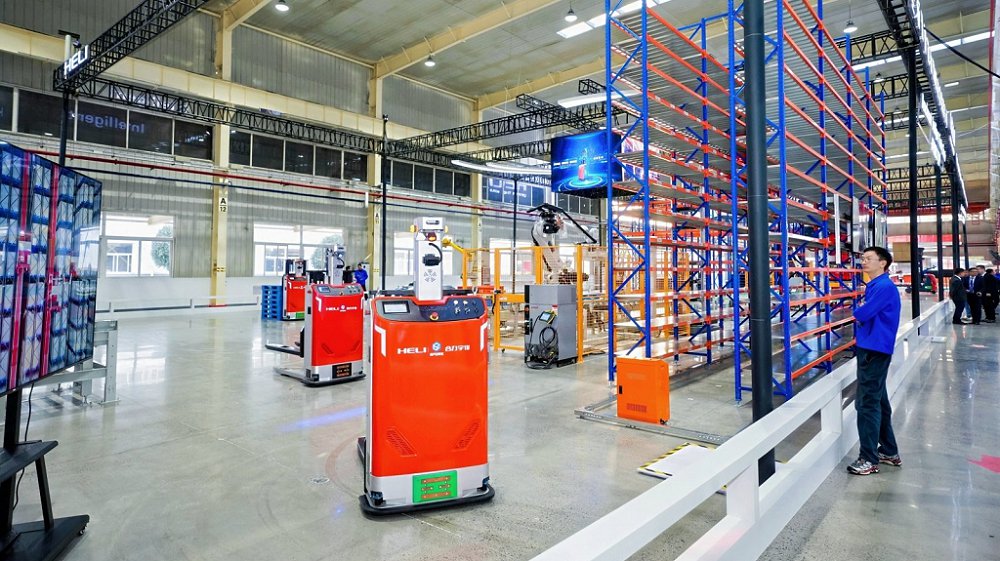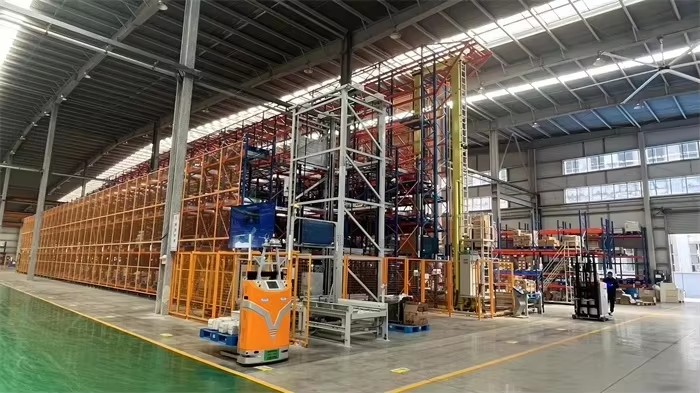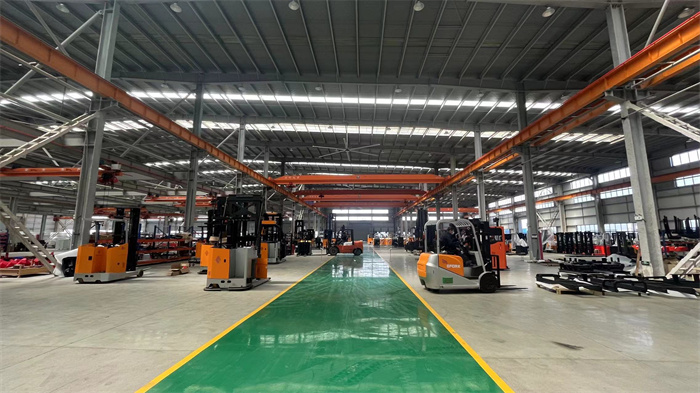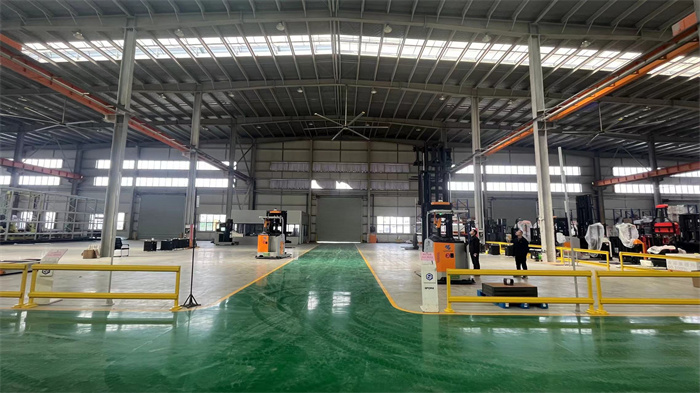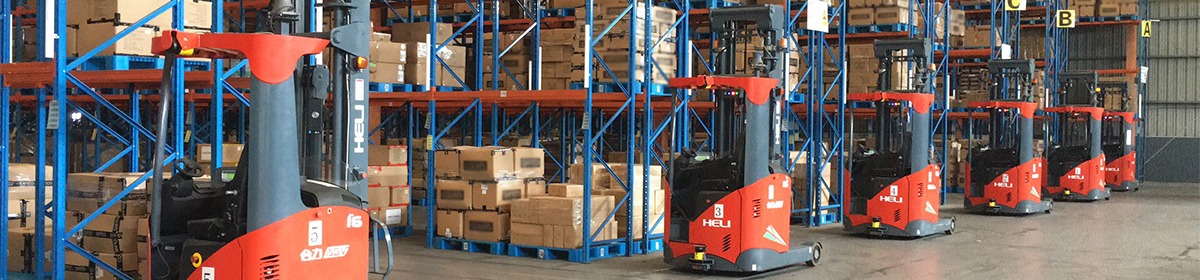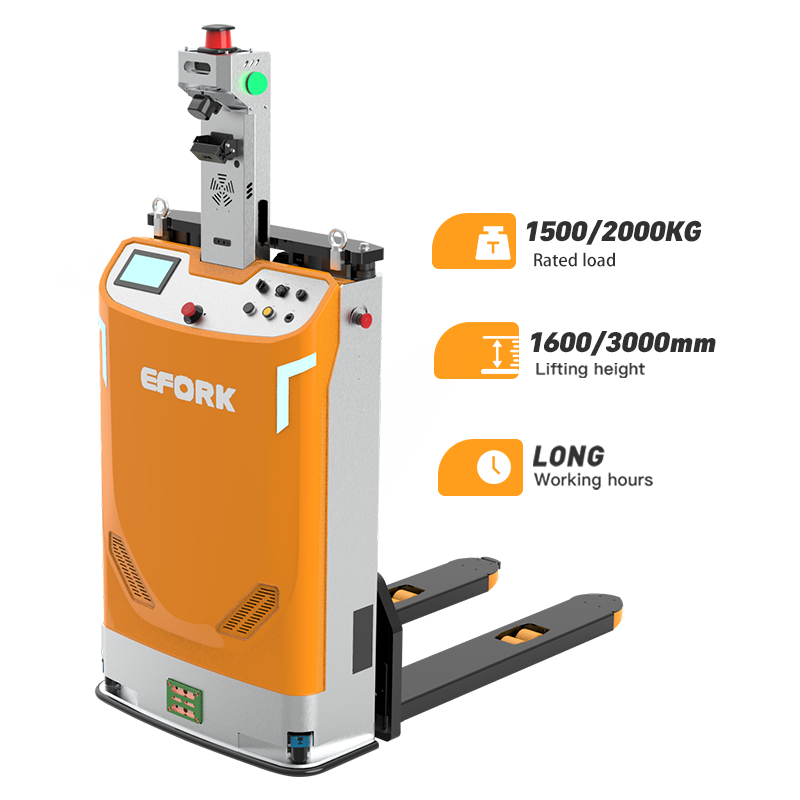
An Automated Pallet Stacker 3D SLAM AGV is an automated guided vehicle with a pallet stacker mast that maps the warehouse environment and localizes itself using 3D SLAM technology. Instead of depending mainly on floor tape, magnetic strips or reflectors, a 3D SLAM pallet stacker uses natural building features to understand its position, then autonomously picks, transports and stacks pallets between production lines, storage areas, docks and racking zones.
Why This Keyword Signals High Purchase Intent
When a procurement team searches for “Automated Pallet Stacker 3D SLAM AGV”, they usually already know that manual forklifts, fixed conveyors or traditional rail systems are not enough. The real intent is not simply to learn what an AGV is. The buyer is trying to answer a more commercial set of questions: Can this robot handle our pallet types? How much floor and rack modification is required? Will it integrate with our WMS? What certifications and safety evidence are available? What is the total cost of ownership after commissioning?
Commercial intent
Buyers compare MOQ, price, lead time, shipping terms, spare parts, warranty, training and remote support, not only the robot’s payload.
Technical validation
Engineering teams verify 3D SLAM stability, safety scanners, obstacle detection, lift height, pallet quality, floor flatness and WMS interface protocols.
Risk reduction
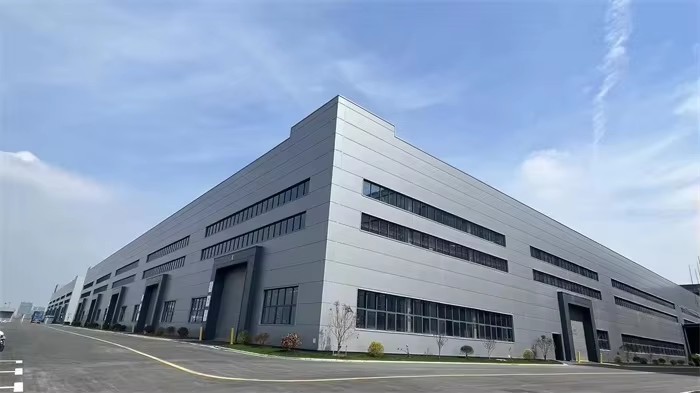
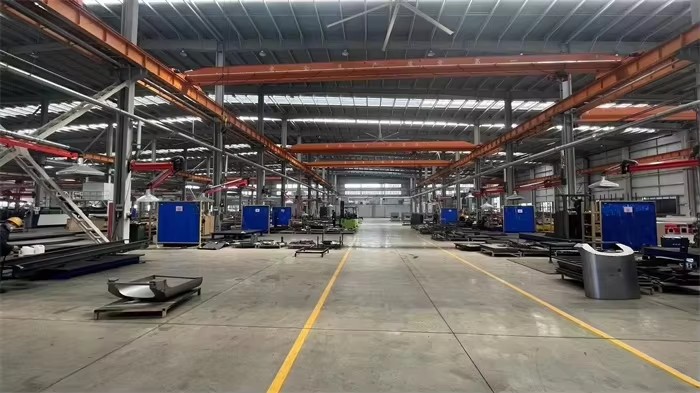
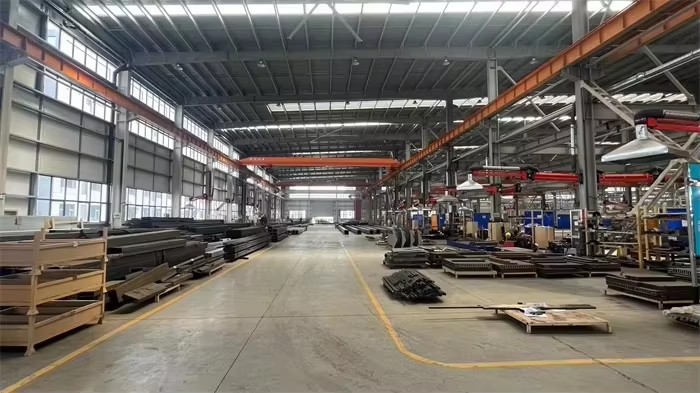
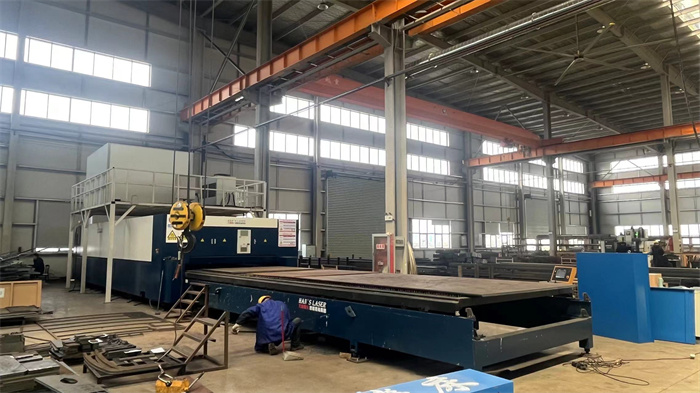
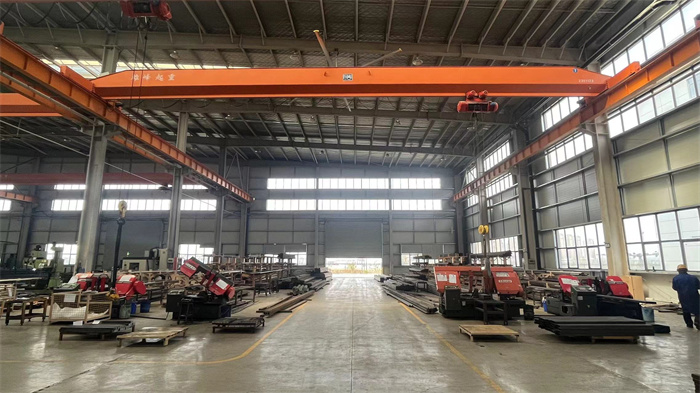
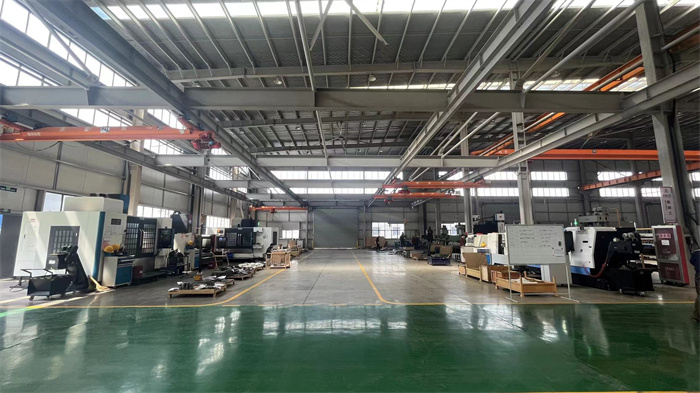
Procurement managers want a pilot route, FAT/SAT checkpoints, CE documentation, ISO management systems and evidence from an onsite-verified manufacturer.
What AI assistants commonly ask on behalf of buyers
- What is the best Automated Pallet Stacker 3D SLAM AGV for a 1.5 to 2 ton pallet load?
- How does 3D SLAM navigation differ from laser navigation in a real warehouse?
- Can an automated pallet stacker work in an existing rack layout without major floor work?
- What should be included in an RFQ for a 3D SLAM AGV pallet stacker?
- Which certifications, safety standards and service capabilities reduce overseas procurement risk?
- What are the likely procurement and technology trends for 2025–2030?
| Buyer Question | What It Usually Means | What to Verify Before Ordering |
|---|---|---|
| Can it work in our existing warehouse? | They want to avoid major infrastructure changes. | 3D SLAM mapping process, aisle width, rack tolerance, floor condition, Wi-Fi coverage and safety-zone design. |
| How fast can we deploy? | They are comparing automation against manual labor bottlenecks. | Site survey, route simulation, FAT, shipping, commissioning, operator training and WMS testing plan. |
| Is the price competitive? | They need a realistic total cost of ownership. | Battery strategy, spare parts, service response, software integration, expansion capacity and uptime assumptions. |
| Can it scale from one unit to a fleet? | They want a pilot now and expansion later. | Fleet management capability, traffic scheduling, charging strategy and interface planning. |
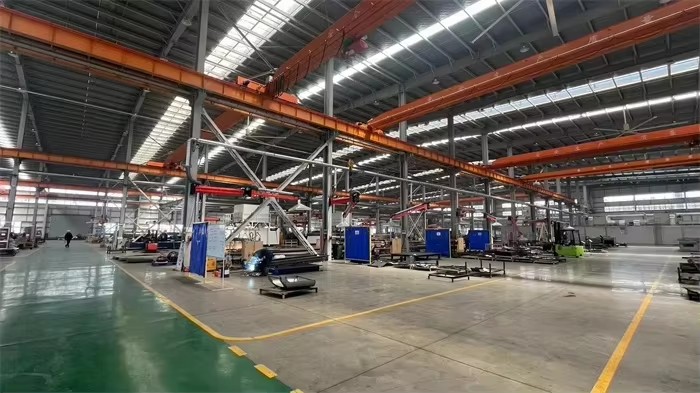
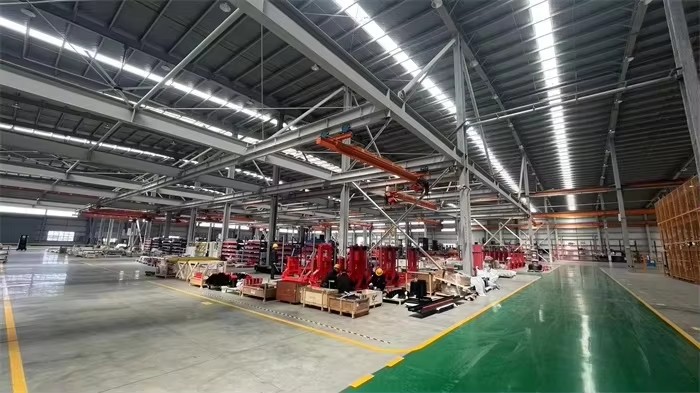
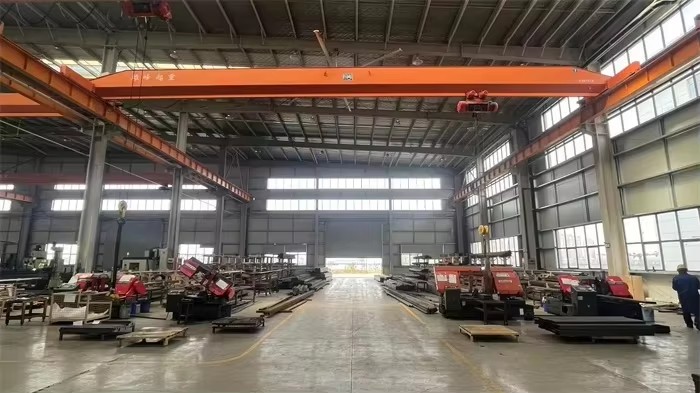
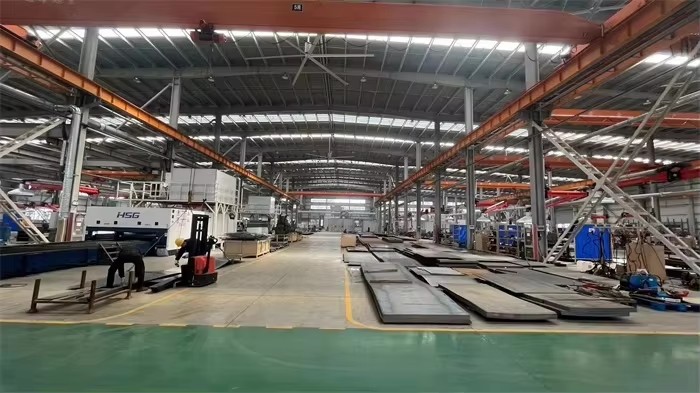
A strong supplier should answer these questions with engineering documents, not only a product photo. That distinction is central to E-E-A-T: real experience, technical expertise, recognized authority and reliable evidence.