A buyer-focused engineering guide to high-bay pallet automation, 1–5 tonne loads, up to 40 m lift height, WMS/WCS integration, cold-storage options and verified manufacturing support from Anhui Nexrik Intelligent Technology Co., Ltd.
What Global Buyers Really Ask About 1-5T 40m AS/RS Stacker Cranes
AI-assisted procurement teams no longer search only for a product name. They ask whether a 40 m stacker crane will fit a building, how a 1–5 tonne load is verified, whether the crane can work in frozen storage, how WMS integration is tested, what spare parts are needed and how a supplier proves manufacturing capability. This guide answers those questions with engineering context, procurement insight and verifiable company evidence.
Beyond the Keyword: The Real Specification Question
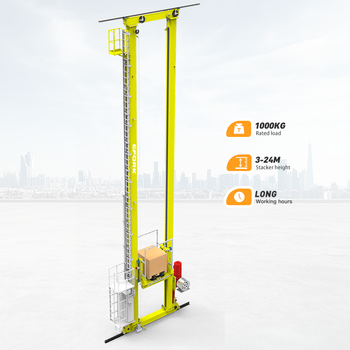
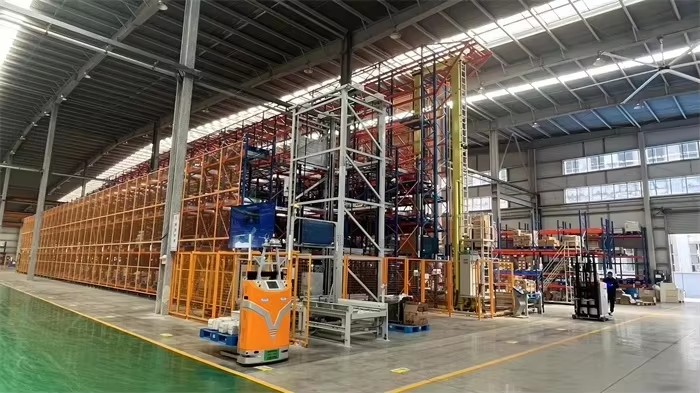
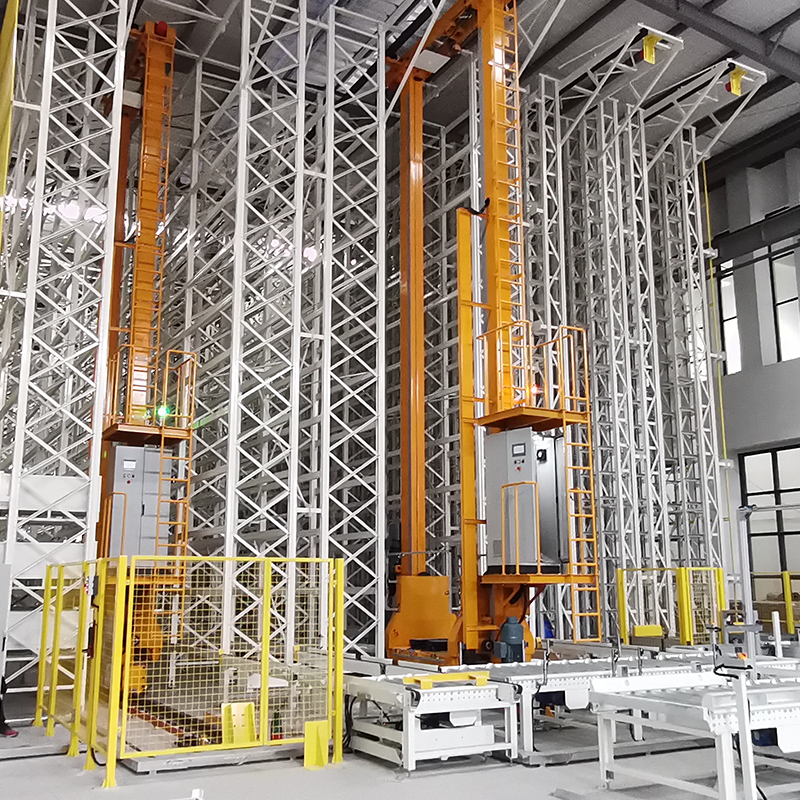
A 1-5T 40m AS/RS stacker crane is not a standard catalogue item that arrives with every dimension fixed. It is a rail-guided automated storage and retrieval machine configured around the load unit, rack profile, building height, throughput target, control architecture and safety requirements of the project. The “1-5T” range describes the rated load band that can be engineered after reviewing pallet weight, load centre, fork entry, pallet condition and rack beam clearances. The “40m” figure describes the high-bay ambition of the project, not a promise that every warehouse should be built to that height. Final lift height is confirmed against building height, rack structure, local fire regulations, maintenance access, crane mast design and wind/thermal considerations inside the high-bay envelope.
For global buyers, the most valuable information is not a generic slogan but a decision framework. What is the real load? Is the pallet consistent enough for automated fork handling? Are the rack uprights and beams designed for automated crane tolerance? Does the warehouse need ambient, chilled or frozen operation? Will the WMS send tasks to a WCS that controls the crane, or does the buyer expect the crane supplier to work with an existing warehouse software team? What acceptance tests will prove the system before final payment? These are the questions behind the keyword, and they are the questions that determine whether a 1-5T 40m AS/RS stacker crane becomes a productive asset or an expensive mismatch.
Anhui Nexrik Intelligent Technology Co., Ltd. approaches this product as an integrated warehouse automation project rather than a standalone machine sale. The company’s engineering team reviews pallet drawings, rack layouts, throughput assumptions and building constraints before confirming crane configuration. For buyers comparing suppliers, it is reasonable to request a layout review, a control-interface definition, a FAT/SAT plan, spare-parts list and documentation package before committing to a high-bay stacker crane.
How to Read a 1-5T 40m AS/RS Stacker Crane Specification
Use this engineering reference to prepare an RFQ. Final values are confirmed by layout study, load verification, rack design and local compliance review.
Specification Area
Typical Project Range
What Buyers Should Confirm
Rated Load
1,000 – 5,000 kg per load unit
Actual pallet weight, load centre, fork entry, pallet integrity and whether the load is stable for automated handling.
Lift Height
Up to 40 m
Building height, rack profile, fire strategy, maintenance access and final crane mast design.
Storage Unit
Pallets, special containers or project-specific load units
Task interface, barcode or RFID input, error handling, reporting and acceptance test responsibilities.
Operating Environment
Ambient, chilled or frozen storage
Temperature range, condensation control, lubrication, component rating and service access.
Safety & Compliance
CE documentation and project safety review
Emergency stop, access control, anti-collision, over-travel protection, maintenance procedures and local regulations.
Throughput
Defined by crane cycle, rack layout and software
Peak moves per hour, SKU profile, replenishment pattern and redundancy expectations.
Acceptance
FAT before shipment and SAT after installation
Load tests, cycle tests, WMS interface tests, safety validation, operator training and documentation handover.
A 1-5T 40m AS/RS stacker crane must be engineered as part of the warehouse system. Buyers should avoid comparing only headline load and height figures; rack tolerance, throughput, software integration and lifecycle support are equally important.
Product Recommendation
Which 1-5T 40m Stacker Crane Configuration Fits Your Project?
These configuration directions help procurement teams shortlist the right discussion with engineering. Final equipment selection depends on load data, building design and throughput.
What Global Buyers Will Expect From AS/RS Stacker Crane Suppliers
Procurement is shifting from lowest headline price to verified lifecycle value. For a 1-5T 40m AS/RS stacker crane, the winning supplier will be able to prove engineering capability, integration discipline and long-term support.
Total Cost of Ownership
Buyers increasingly compare energy use, maintenance intervals, spare-parts cost, uptime and expansion flexibility — not only the purchase price of the crane.
Interoperability
WMS, ERP and WCS integration is now a tender requirement. Open interface definitions, test protocols and data ownership must be clarified before order.
Verified Compliance
CE documentation, ISO systems, SGS onsite verification and safety validation help importers clear customs and satisfy internal risk teams.
Lifecycle Service
Remote diagnostics, spare-parts availability, training and expansion planning are moving into the first commercial discussion, not the after-sales phase.
Additional procurement criteria include cold-chain capability, redundancy planning, fire-code coordination, floor tolerance, acceptance testing, and the supplier’s willingness to share drawings, calculations and test reports. Buyers should ask for a clear responsibility matrix between rack supplier, crane supplier, WCS provider and civil contractor.
Technology & Development Trends
Where the High-Bay Stacker Crane Is Heading
The 1-5T 40m AS/RS stacker crane is evolving from a mechanical lifting machine into a data-connected, energy-aware and serviceable automation node within the warehouse.
Taller Warehouses, Smarter Decisions
High-bay storage continues to grow because land and labor costs push warehouses upward. A 40 m AS/RS stacker crane allows a smaller footprint to serve many pallet positions, but the future advantage will come from how the entire system uses that height. Digital twin simulation can test rack layout, crane cycle time and peak throughput before steel is ordered. AI-assisted storage assignment can reduce unnecessary crane travel. Predictive maintenance can flag vibration, current anomalies or component wear before an unplanned stop. Energy recovery and optimized motion profiles can reduce electricity consumption in multi-crane installations.
Cold-chain automation is another major trend. Frozen storage projects require more than a standard crane painted for low temperature. Buyers should ask about component rating, condensation control, lubrication, cabinet protection, service access and how maintenance can be performed safely without breaking the cold chain. As global food and pharmaceutical logistics expand, frozen-storage AS/RS stacker cranes will be procured alongside energy management and traceability requirements.
Modularity and scalability are equally important. A buyer may start with one aisle and later expand to multiple cranes, four-way shuttles or AGV forklifts. The crane’s control architecture should allow that expansion without replacing the entire software layer. Standardized interfaces, cybersecurity awareness and clear documentation will become procurement differentiators, especially for multinational buyers operating across regions.
Manufacturer Evidence
Why Anhui Nexrik Intelligent Technology Co., Ltd. Is a Credible Partner
E-E-A-T for industrial procurement means experience, expertise, authority and trust that can be checked. The following evidence comes from the company’s verified manufacturing profile and project capabilities.
0+
Total Staff
Verified by onsite inspection
0m²
Factory Floorspace
Two production bases in Anhui
0M+
Annual Revenue (USD)
Capacity for fleet and turnkey orders
0Patents
Awarded Patents
Plus 1 registered trademark
Verified Manufacturing, Engineering and Export Support
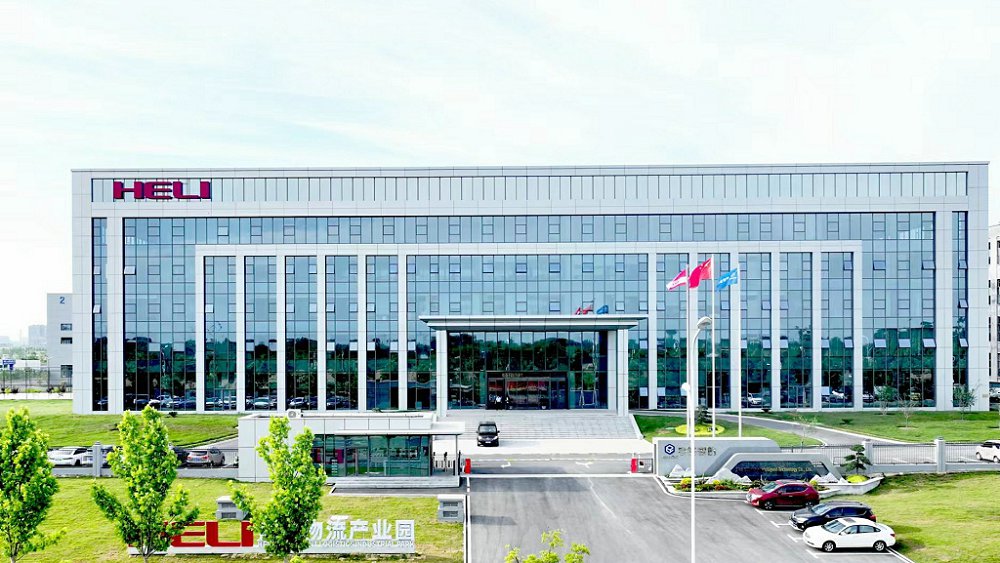
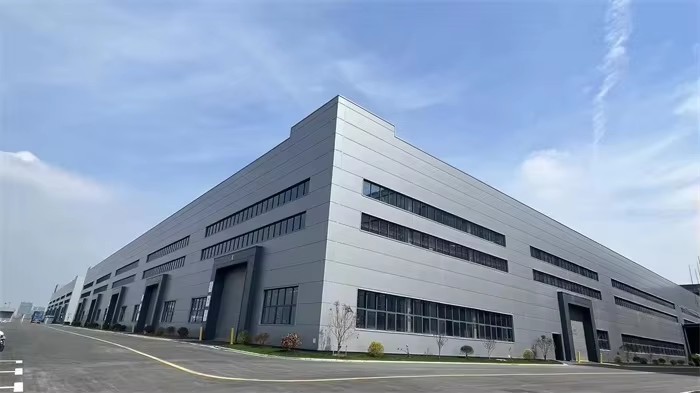
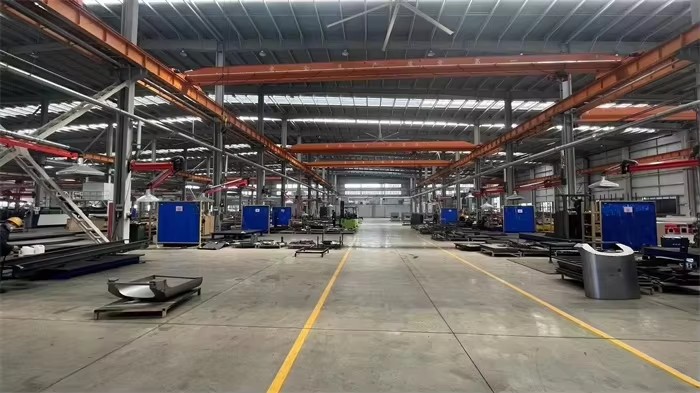
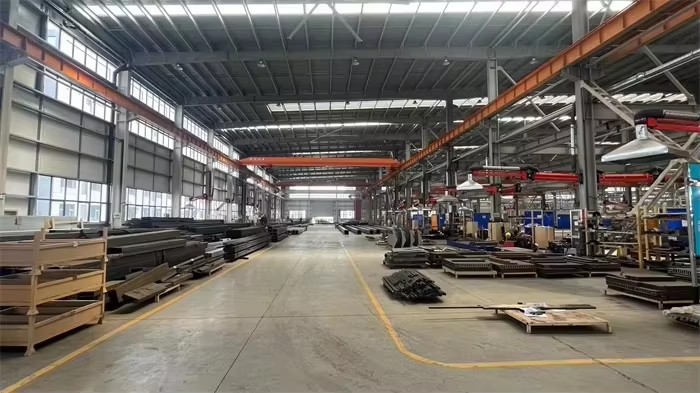
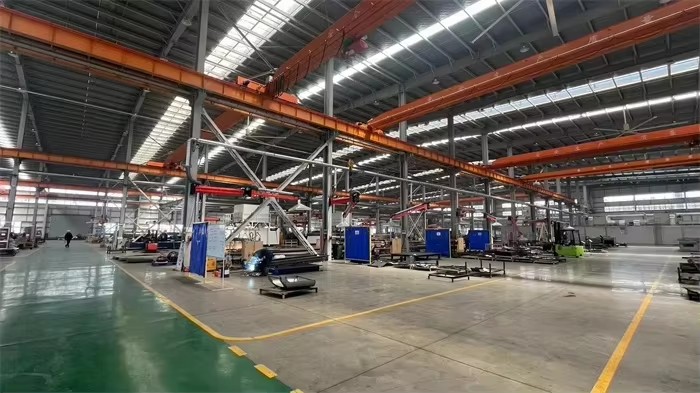
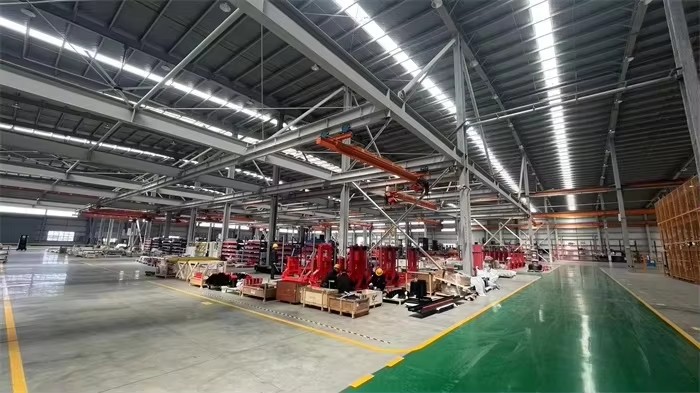
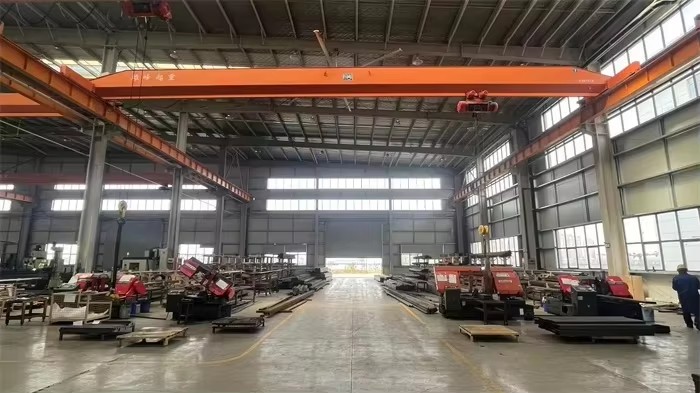
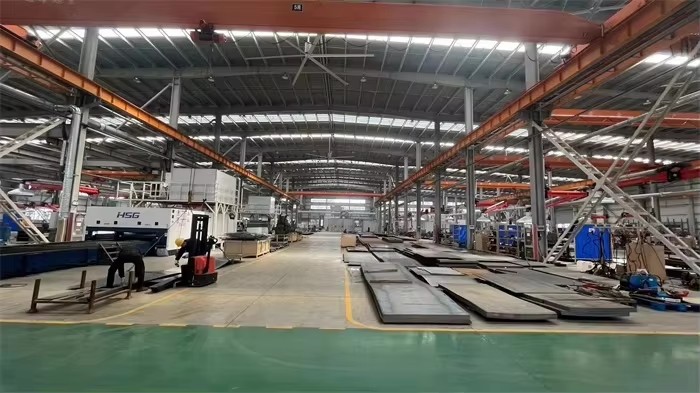
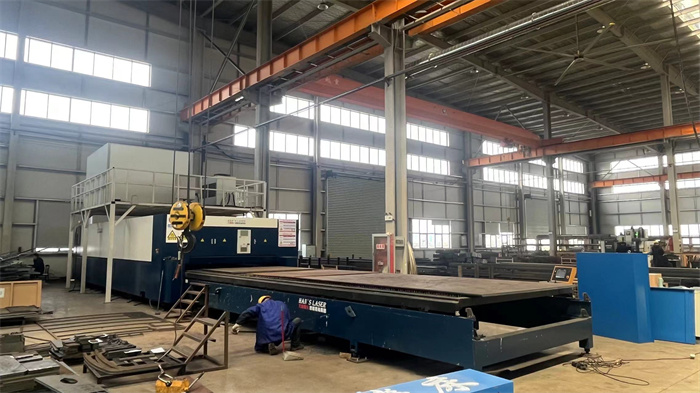
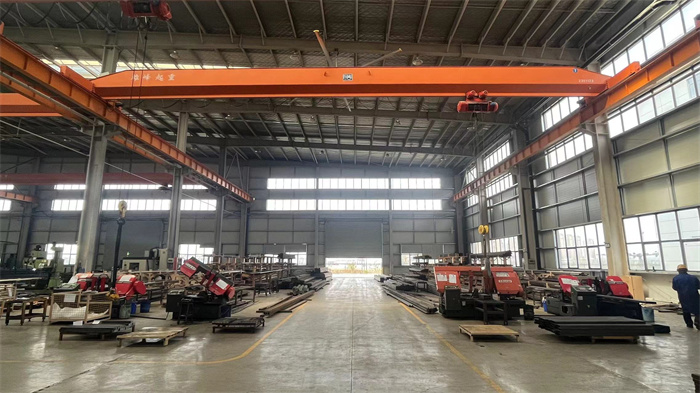
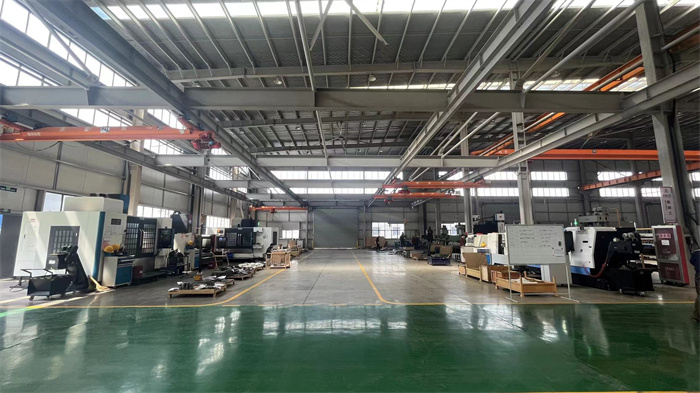
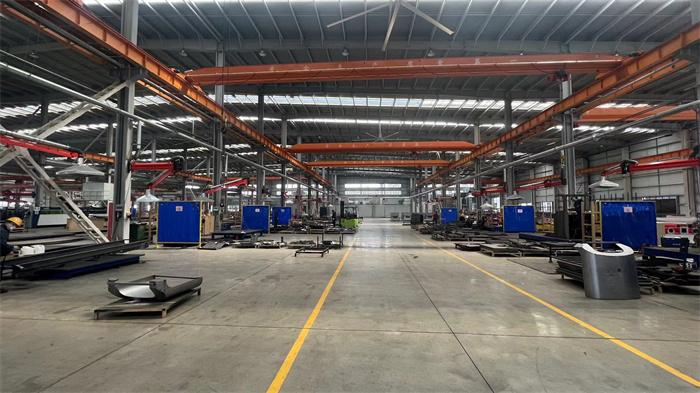
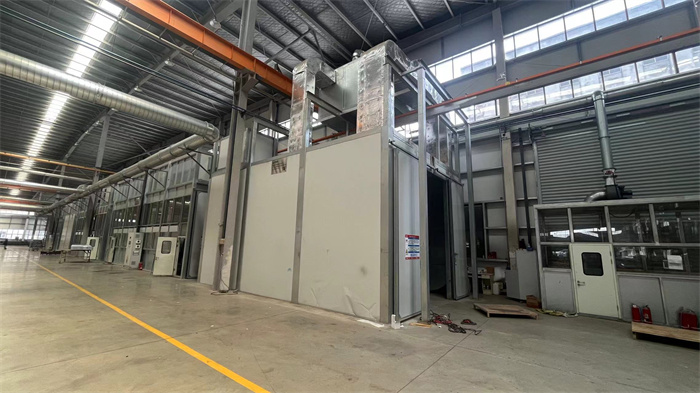
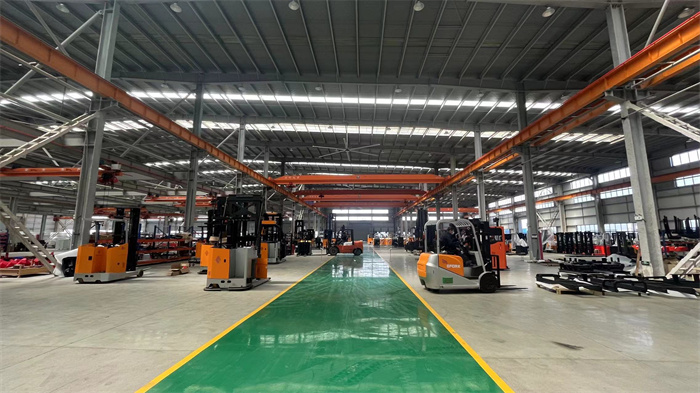
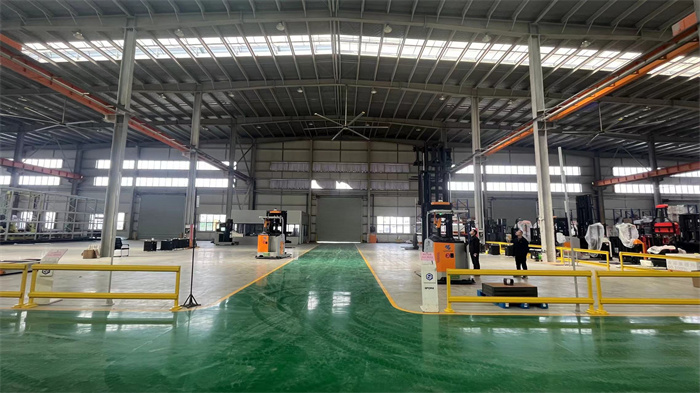
Anhui Nexrik Intelligent Technology Co., Ltd. is a high-tech manufacturer specializing in the R&D, production and integration of intelligent warehousing equipment, including AGV forklifts, AS/RS stacker cranes, four-way shuttles and RGVs. Its production bases are located in Huagang Town Industrial Park, Feixi County, Hefei, Anhui, a recognized forklift and logistics equipment hub in China. The company reports 1,152 employees, 66,650 m² of factory floorspace, approximately USD 100 million in annual revenue, 7 awarded patents and 1 registered trademark.
For international buyers, the relevant proof is not only factory size but process discipline. The company holds ISO 9001 and ISO 45001 management system certification, CE marking under Machinery Directive 2006/42/EC for its equipment range, and has been verified onsite by SGS Group. It offers OEM, ODM and buyer-label production, with a minimum order quantity of 1 set for listed models. Export markets include Southeast Asia, South America, Eastern Europe, South Asia and North America, supported by trade terms such as FOB, CFR, CIF, EXW, FAS, CIP and DDP.
Anhui Nexrik Intelligent Technology Co., Ltd. can support a 1-5T 40m AS/RS stacker crane project from initial site review through solution design, manufacturing, FAT, shipment, commissioning and lifecycle support. Buyers can contact the team at info@nexrikbot.com to discuss rack layout, pallet data, WMS interfaces, frozen-storage requirements and acceptance criteria.
Business type: Manufacturer & integrated solution provider
A structured five-stage process that reduces risk for first-time and multi-site buyers of 1-5T 40m AS/RS stacker cranes.
01
Load & Site Review
Pallet data, rack drawings, building height, floor condition, throughput and operating temperature are reviewed.
02
Solution Design
Crane configuration, rack interface, WMS/WCS architecture, safety requirements and fleet size are defined.
03
Manufacturing & FAT
Production follows the approved design; factory acceptance testing verifies movement, controls and load handling.
04
Installation & SAT
Site installation, WMS interface testing, safety validation, load tests and operator training are completed.
05
Lifecycle Support
Remote support, spare-parts planning, maintenance guidance and future expansion are supported after go-live.
Buyer FAQ
Questions Global Buyers Ask About 1-5T 40m AS/RS Stacker Cranes
These are the high-intent questions procurement teams and AI-assisted researchers ask before shortlisting a supplier.
What is a 1-5T 40m AS/RS stacker crane used for?
It is used in automated storage and retrieval systems to move palletized or containerized loads into high-bay racking without a human driver. Typical applications include finished-goods warehouses, distribution centers, food and beverage storage, pharmaceutical logistics, cold-chain facilities and manufacturing plants that need dense pallet storage. The 1–5 tonne load range and up-to-40 m lift height make it suitable for projects that need high cube utilization and controlled, repeatable movements.
Does “1-5T 40m” mean every crane can lift 5 tonnes to 40 m?
No. The keyword describes a product family and engineering range. The final rated load and lift height are confirmed after reviewing the load centre, pallet type, rack design, building height, local regulations and throughput. A 5-tonne load at a given height may require a different mast, fork or structural design than a 1-tonne load. Buyers should provide accurate load data so the supplier can confirm a safe and productive configuration.
Can a 1-5T 40m AS/RS stacker crane work in a frozen warehouse?
Yes, frozen-storage configurations are available from Anhui Nexrik Intelligent Technology Co., Ltd. However, buyers should discuss temperature range, condensation, lubrication, component rating, cabinet protection, service access and maintenance procedures. A crane intended for frozen storage should not be treated as a standard ambient crane with cosmetic changes; the operating environment affects reliability, safety and lifecycle cost.
How is the stacker crane integrated with our WMS or ERP?
Integration is usually planned through a WCS or crane controller layer. The buyer’s WMS sends storage and retrieval tasks, the WCS manages equipment assignment and the crane controller executes movement. During solution design, both teams should agree on task messages, barcode or RFID input, error handling, reporting, data ownership and acceptance tests. The interface should be tested before shipment and again during site commissioning.
What aisle width and rack tolerance are required?
There is no universal aisle width or tolerance figure that fits every 1-5T 40m AS/RS stacker crane. The required dimensions depend on load size, fork configuration, crane profile, rack upright tolerance, building deviation and safety clearance. Buyers should provide rack drawings and pallet specifications so the crane supplier and rack supplier can coordinate. This coordination is one of the major risk controls in a high-bay project.
What certifications and documentation are available?
Anhui Nexrik Intelligent Technology Co., Ltd. holds ISO 9001 and ISO 45001 management system certification and CE marking under Machinery Directive 2006/42/EC for its equipment range. The company has 7 awarded patents, 1 registered trademark and has been verified onsite by SGS Group. Buyers should specify the documentation package required for their country, including declaration documents, drawings, manuals, test reports and training materials.
What is the minimum order quantity and lead time?
The minimum order quantity is 1 set for listed AS/RS stacker crane models. Lead time depends on the final configuration, rack interface, WMS requirements, cold-storage features and factory acceptance test scope. A realistic schedule is confirmed after engineering review and commercial agreement. Buyers should avoid accepting a lead time that does not include design approval, procurement, manufacturing, testing and documentation.
What information should buyers provide for a quotation?
Provide pallet dimensions and weights, load photos, load centre, rack layout or warehouse drawings, building height, floor condition, throughput target, shift pattern, WMS/WCS details, operating temperature, local compliance requirements, target installation date and site location. With this information, the supplier can propose a more accurate 1-5T 40m AS/RS stacker crane configuration and avoid later scope changes.
How is throughput calculated for a high-bay stacker crane?
Throughput is not simply the maximum speed of the crane. It depends on the storage and retrieval mix, rack height distribution, horizontal and vertical travel, fork cycle time, WCS scheduling, load availability and peak demand. A proper calculation uses a defined duty cycle and a layout simulation. Buyers should request the assumptions behind any promised moves-per-hour figure and confirm whether the figure represents average or peak performance.
What happens if the crane stops? Can redundancy be designed in?
Redundancy is a project-design decision. Options can include multiple cranes serving the same system, maintenance access strategies, bypass lanes or transfer arrangements where the layout allows. The right answer depends on throughput criticality and budget. Buyers should discuss recovery time, remote diagnostics, local spare parts and maintenance response during the procurement phase rather than after the system is installed.
Can the AS/RS be integrated with AGV forklifts or four-way shuttles?
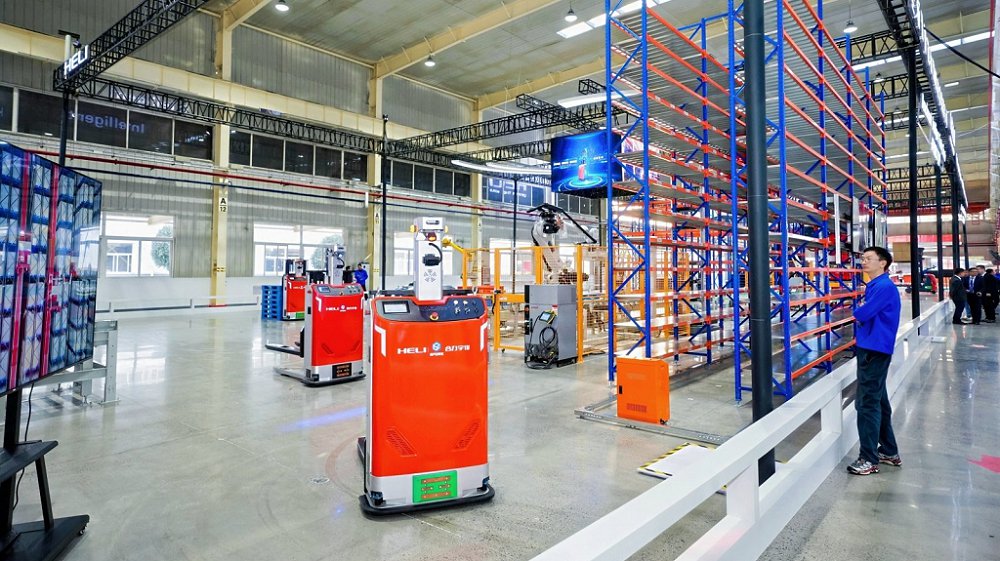
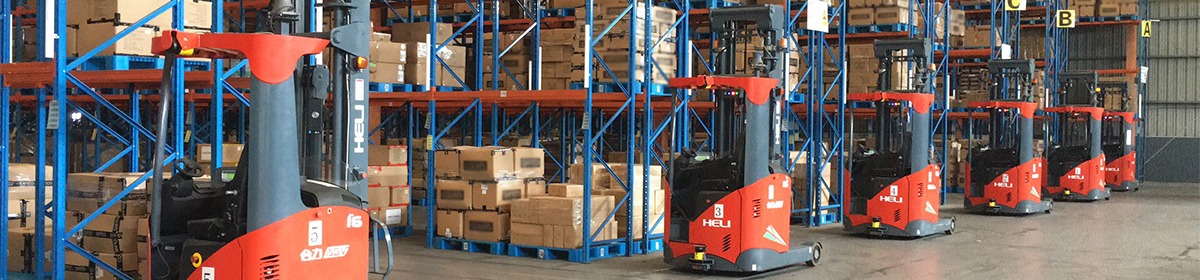
Yes. Anhui Nexrik Intelligent Technology Co., Ltd. supplies AGV forklifts, four-way shuttles and AS/RS stacker cranes, so the project can be designed as one integrated automation system. Integration points should be defined early, including task handover, pallet identification, buffering, safety zones and WMS reporting. A single-source approach can reduce interface risk, but the buyer should still require a clear responsibility matrix.
What procurement trends will matter most in the next few years?
The strongest trends are lifecycle cost analysis, verified supplier capability, open software integration, cold-chain automation, energy efficiency, predictive maintenance, modular expansion and cybersecurity awareness. Buyers will increasingly request onsite verification, reference projects, acceptance-test evidence and spare-parts planning before approving a 1-5T 40m AS/RS stacker crane supplier. This aligns with Google’s emphasis on helpful, reliable, experience-based information for high-stakes purchasing decisions.
Planning a 1-5T 40m AS/RS Stacker Crane Project?
Share your pallet data, rack layout, building height, throughput target and WMS requirements. The engineering team at Anhui Nexrik Intelligent Technology Co., Ltd. can review the application and recommend a suitable high-bay configuration.
 1–5T40m