Future Procurement Trends
1. Total cost per pallet position replaces lowest-price comparison. Buyers now ask about energy use, spare parts, uptime, service response and expansion cost. A slightly higher initial quote can be cheaper over ten years if it avoids rework and downtime.
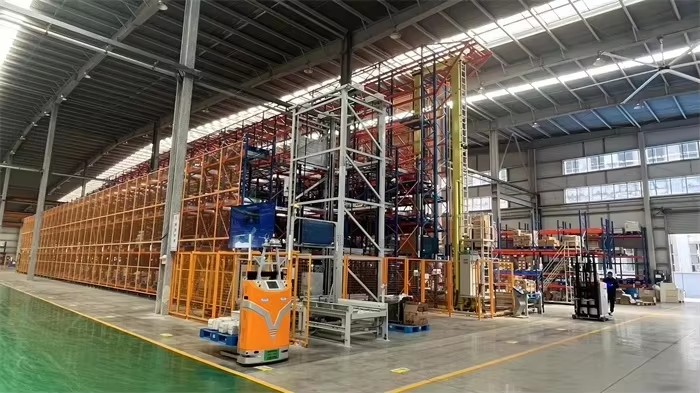
2. Phased automation is becoming normal. Instead of waiting for a full greenfield warehouse, procurement teams start with one shuttle zone, one lift group or one pilot AS/RS aisle, then scale after validating throughput and software behavior.
3. WMS and API integration move into the contract. Global buyers want defined data fields, exception handling, acceptance tests and cybersecurity expectations before the equipment is shipped. This reduces commissioning risk and protects the investment.
4. Local service capability matters as much as factory capacity. Overseas buyers increasingly evaluate remote diagnostics, spare-parts availability, training documentation and escalation procedures alongside machine specifications.
5. Compliance documentation is part of procurement scoring. CE documentation, ISO management systems, SGS verification and clear safety validation records help importers, insurers and internal risk teams approve the project faster.
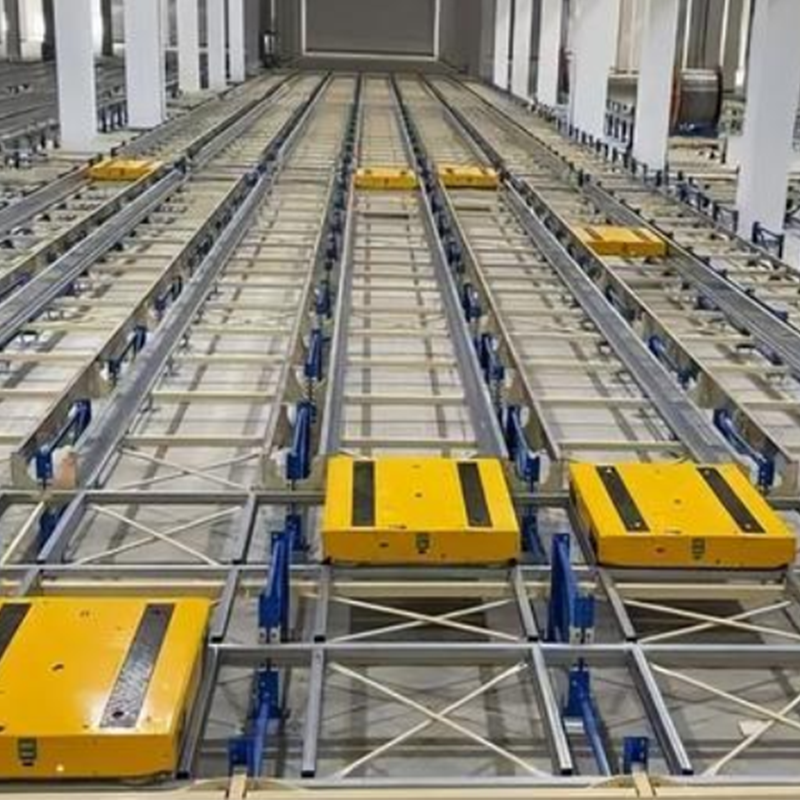
6. Cold-chain and labor-scarce markets are accelerating. Freezer warehouses and high-labor-cost regions are adopting shuttles to reduce personnel exposure and stabilize throughput through shift changes.