2T 3000mm Slim Stacking AGV Forklift with 3D SLAM: The Complete Buyer’s Guide
A CE-certified, SGS-verified slim stacking AGV for 2,000 kg pallets and 3,000 mm stacking — engineered for tight aisles, natural-feature 3D SLAM navigation and flexible warehouse layouts.
What a 2T 3000mm Slim Stacking AGV with 3D SLAM Really Solves
Most buyers do not need another forklift. They need fewer touches per pallet, less product damage, tighter aisle utilization, predictable throughput and an automation project that can pass internal safety and procurement review.
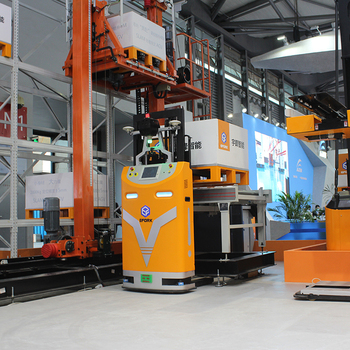
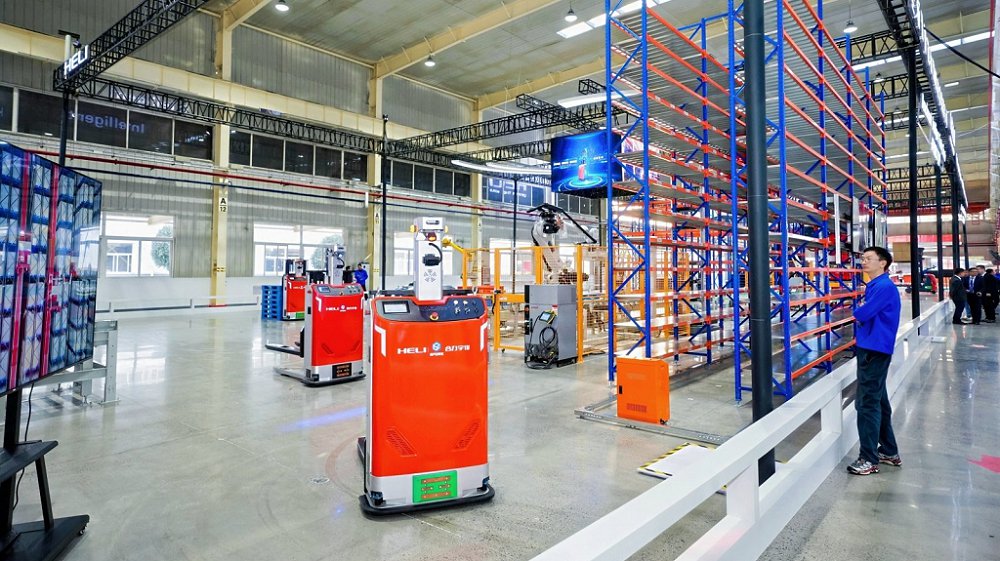
The 2T 3000mm Slim Stacking AGV Forklift with 3D SLAM combines a 2,000 kg rated load, a 3,000 mm lift height and a slim stacking platform with natural-feature localisation. In practical terms, it is designed to move pallets from receiving, production, staging or line-side areas into selective racking, floor stacks and transfer lanes without requiring a driver to be present for every cycle.
For global procurement teams, the important point is not the label “AGV forklift”. It is whether the machine fits the real operating envelope: pallet condition, load centre, rack beam height, aisle width, floor flatness, pedestrian traffic, charging strategy, WMS interface and after-sales support. A 2T 3000mm slim stacker is a strong fit when conventional counterbalanced trucks waste aisle space, but a full AS/RS crane would be excessive or inflexible.
Best-fit applications
3PL and contract logistics sites where pallet flow and client layouts change.
Manufacturing plants moving finished goods from production to 3 m racking.
Food, beverage, FMCG and retail distribution warehouses with repetitive pallet movement.
Narrow-aisle selective racking where a slim body and 3D SLAM improve flexibility.
First-time automation projects that start with a single pilot unit and scale later.
Export projects requiring CE documentation, English manuals and verified supplier capacity.
For loads above 2,000 kg, lift heights above 3,000 mm, very high-bay storage or extremely dense pallet volumes, a VNA AGV, counterbalanced AGV, AS/RS stacker crane or four-way shuttle may be more appropriate. Anhui Nexrik Intelligent Technology Co., Ltd. manufactures these adjacent platforms, which lets the engineering conversation stay objective rather than forcing one model into every layout.
Information gain for buyers: ask for the CG height, fork dimension, pallet overhang, map version control, sensor cleaning routine, network coverage plan, safety-zone logic, WMS interface specification and acceptance test plan before comparing prices. These details determine whether the AGV performs after go-live, not just whether it moves during a demo.
Navigation and Due Diligence
Why 3D SLAM Changes the Procurement Case
3D SLAM is not simply a marketing abbreviation. It changes how the warehouse is mapped, how layout changes are handled and what the buyer should request during technical validation.
3D SLAM localises the vehicle by matching live sensor data against natural features of the building and surrounding environment. Compared with infrastructure-heavy guidance, this typically reduces dependence on reflectors or floor tape and can shorten site preparation. It also makes layout changes easier to manage when racks are moved, pick faces are reconfigured or a pilot line is expanded into a second zone.
That does not mean every project should choose 3D SLAM by default. Laser navigation remains a strong engineering choice for highly repetitive fixed routes. The responsible approach is to compare change frequency, building features, aisle complexity, safety requirements and internal maintenance capability. Nexrik offers both laser navigation and 3D SLAM, so the selection can be based on the operating model rather than a fixed catalogue preference.
Decision Area
What 3D SLAM Changes
What Buyers Should Request
Site preparation
Natural-feature localisation can reduce reflector or tape dependency.
A site survey, mapping plan, floor condition review and a clear list of any remaining infrastructure needs.
Layout flexibility
Moving racks or pick faces can be easier because the map is not tied only to fixed floor markers.
Map version control, re-mapping procedure, zone-change validation and operator permission rules.
Safety validation
Traffic rules and safety zones still need engineering even when navigation is flexible.
Risk assessment, safety scanner configuration, speed zones, pedestrian crossings and emergency-stop test records.
WMS integration
The AGV becomes part of a workflow, not a stand-alone truck.
Interface specification, job dispatch logic, task priority rules, error handling and commissioning test cases.
Lifecycle support
Map quality and sensor cleanliness affect long-term reliability.
Cleaning routine, remote diagnostics, spare-parts recommendation and re-mapping support plan.
Fleet expansion
Additional vehicles can be introduced as throughput grows.
Traffic simulation, fleet-management capacity, charging strategy and expansion roadmap.
Product Recommendation
Recommended Configurations by Application
The same 2T 3000mm slim stacking platform can be specified differently depending on throughput, load units, safety rules and integration depth.
Application Scenario
Recommended Configuration
Buying Note
Selective racking up to 3 m
2T 3000mm slim stacking AGV with 3D SLAM, fork width matched to pallet, safety scanners and WMS job dispatch.
Confirm beam height, pallet overhang, rack tolerances and load centre before final engineering.
Line-side replenishment
Slim stacker with pallet detection, staging-lane logic, traffic rules and operator call points.
3D SLAM navigation, fleet management, user permissions, multi-zone mapping and reporting.
Ask about multi-map governance, client-specific workflows and how layout changes are approved.
Cold or damp environment
Project-specific cold-duty configuration, condensation protection, battery strategy and maintenance access.
Provide temperature range, cycle profile and door-opening behaviour for correct component selection.
Export automation project
CE documentation, English manuals, remote commissioning support and spare-parts recommendation.
Clarify Incoterms, destination port, local safety requirements and who performs on-site acceptance.
Nexrik provides full customization, OEM, ODM and buyer-label production, including load capacity, lift height, fork configuration and cold-storage variants where required.
Future Procurement Trends
How Global Buyers Will Purchase AGV Forklifts
Procurement teams are moving from “lowest price per unit” to “verified outcome per project”. The 2T 3000mm slim stacking AGV sits directly inside that shift.
01 · Pilot-first fleets
MOQ 1 set lets buyers validate routes, cycle times, safety behaviour and operator acceptance before committing to a larger fleet. Pilot-first procurement is becoming standard because it reduces integration risk without delaying the automation roadmap.
02 · TCO over sticker price
Buyers now compare site preparation, mapping effort, spare parts, training, WMS integration and lifecycle support. A slim 3D SLAM stacker can reduce infrastructure work, but the final business case must include acceptance testing and maintenance planning.
03 · Natural-feature navigation
Warehouses change. Product lines move, racks are reconfigured and peak seasons reshape traffic. 3D SLAM is increasingly requested where layout flexibility matters and where fixed floor infrastructure would slow down future changes.
04 · WMS-ready integration
AI-assisted procurement teams ask specific questions about APIs, job dispatch, error handling and data visibility. An AGV is no longer purchased as an isolated machine; it is evaluated as a node inside the warehouse execution flow.
05 · Verifiable supplier claims
CE, ISO 9001, ISO 45001, SGS onsite verification, patents and factory capacity are now expected evidence. Buyers use these signals to shortlist suppliers before requesting drawings, videos or a technical review.
06 · Lifecycle partnership
Remote diagnostics, spare-parts planning and fleet expansion support are part of the purchase decision. The best supplier is not only the one that ships the first unit, but the one that can support the second and third phases.
Product Development Trends
Where the Slim Stacking AGV Is Heading
The next generation of pallet-handling automation will be judged by density, flexibility, safety and integration — not simply by load capacity.
The product category is developing in several clear directions. Slimmer chassis designs help buyers recover aisle space. 3D SLAM and sensor fusion improve localisation in complex buildings. Fleet orchestration becomes more important as single vehicles turn into coordinated systems. Customization is also moving upstream: fork dimensions, battery configuration, safety logic and WMS interfaces are increasingly specified at the engineering stage rather than retrofitted later.
01 · Higher density per square metre
Slim stacking platforms allow warehouses to keep racking dense without dedicating excessive floor area to turning and circulation. The trend is toward equipment that fits existing buildings rather than requiring a new greenfield facility.
02 · 3D SLAM maturity
Natural-feature navigation is becoming more practical as sensors, mapping software and validation processes improve. Buyers should still request proof of map stability, sensor maintenance planning and change-control procedures.
03 · Fleet orchestration
Traffic management, task priorities, charging logic and deadlock avoidance matter as soon as more than one vehicle is deployed. Fleet-level thinking is replacing single-machine thinking in procurement documents.
04 · Safety-first engineering
CE compliance, risk assessment, safety scanners and validated speed zones are part of the product value. A faster vehicle that cannot pass internal safety review is not a lower-cost vehicle.
05 · Modular customization
OEM and ODM demand is rising for load capacity, lift height, fork configuration, battery strategy and cold-storage variants. Modular design shortens engineering cycles while keeping the final machine aligned with the buyer’s pallet and rack profile.
06 · Data-driven service
Remote diagnostics, utilisation reporting and predictive maintenance planning help buyers protect uptime. The AGV becomes part of a service relationship, not a one-off equipment transaction.
Company Advantages
Why Anhui Nexrik Intelligent Technology Co., Ltd.
For a project that must pass safety review, customs review, internal procurement and operational acceptance, verified manufacturing capability matters as much as the machine specification.
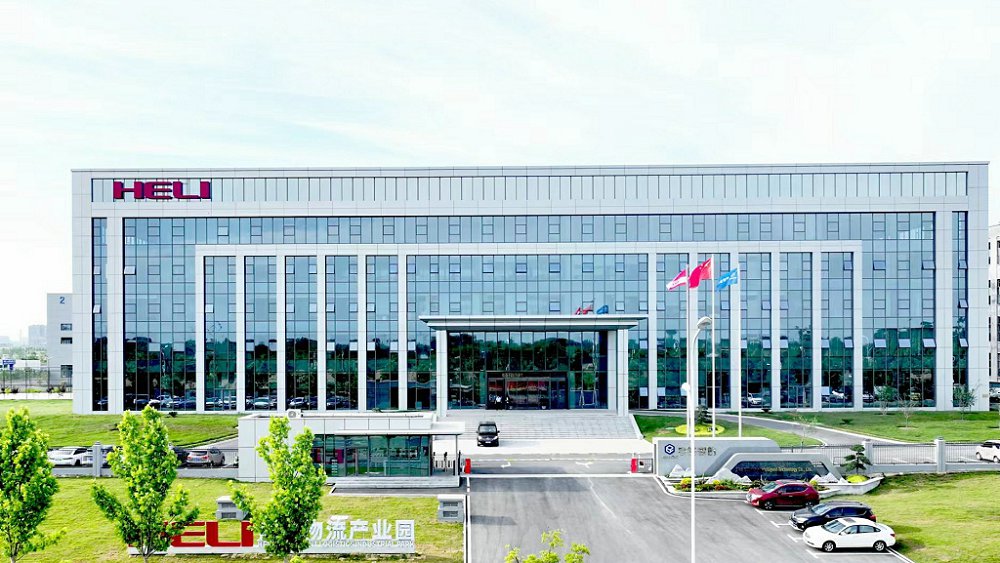
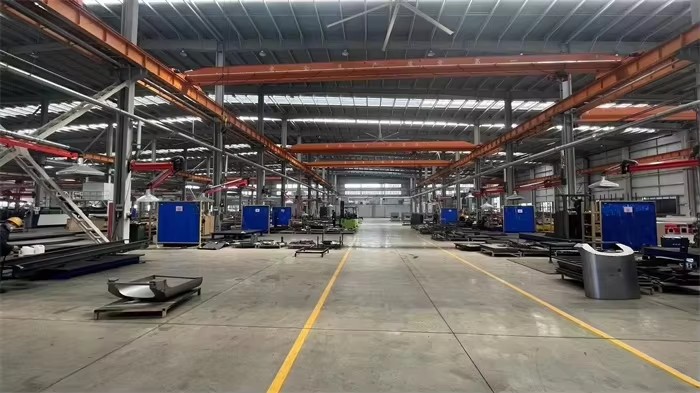
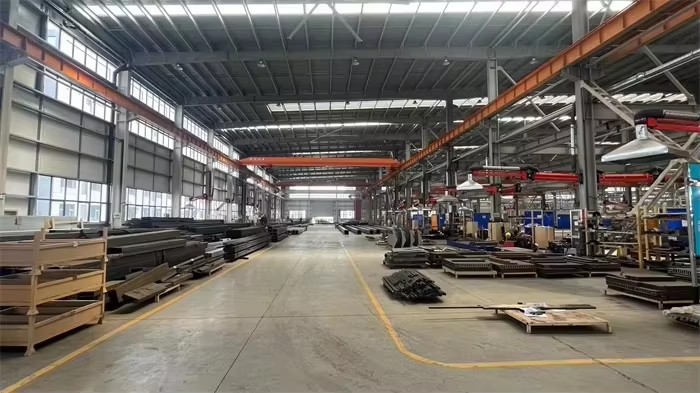
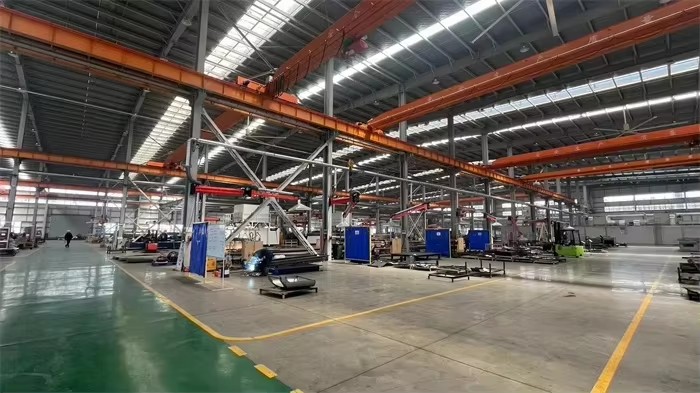
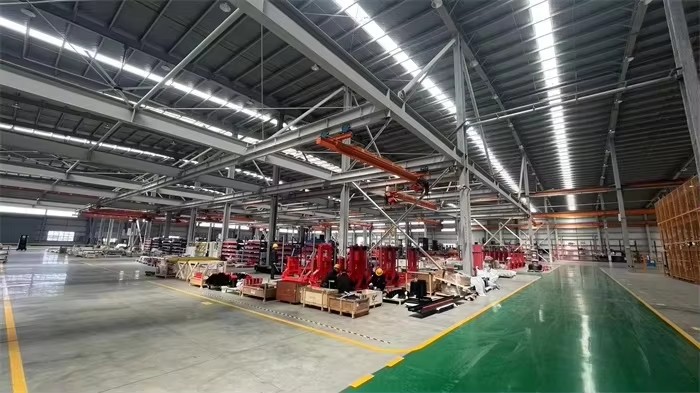
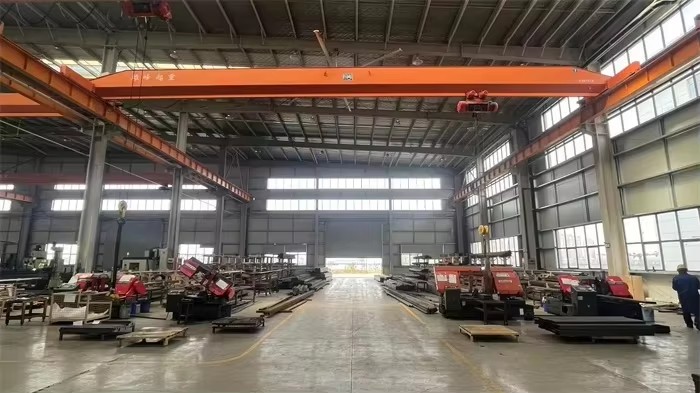
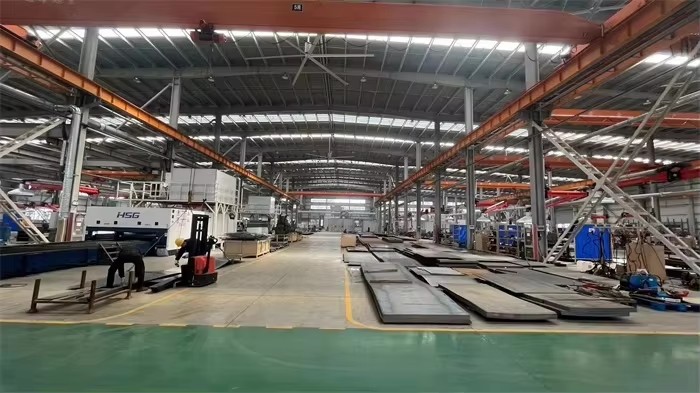
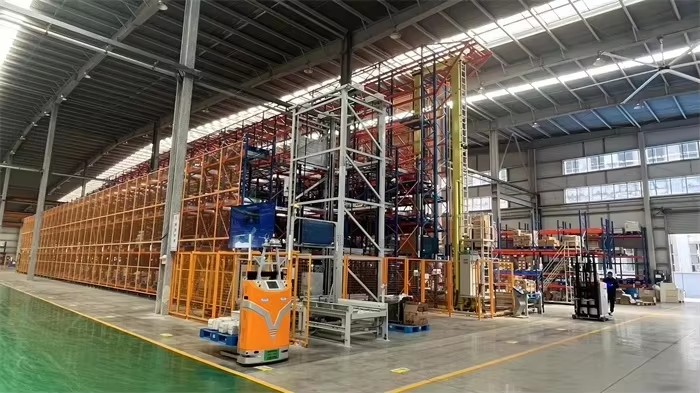
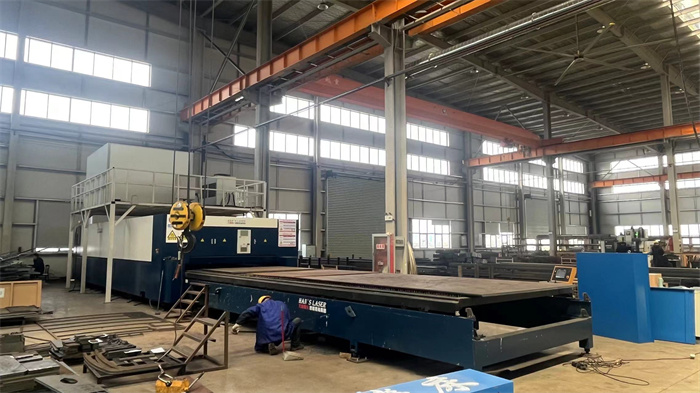
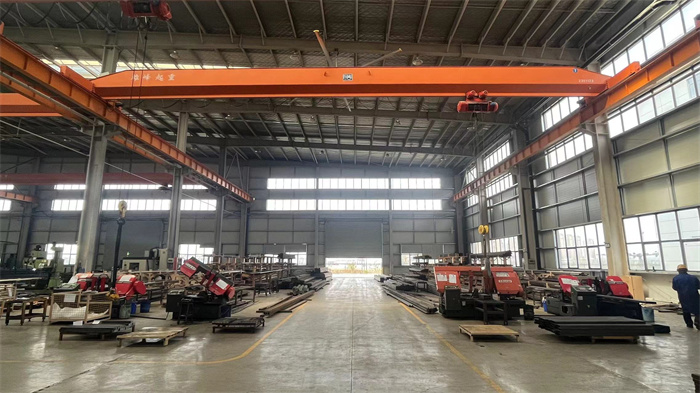
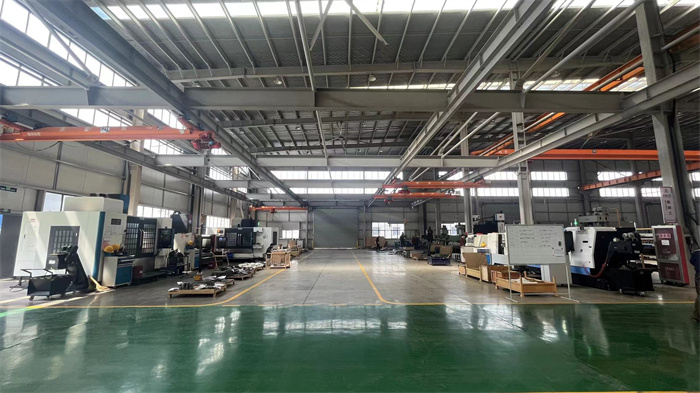
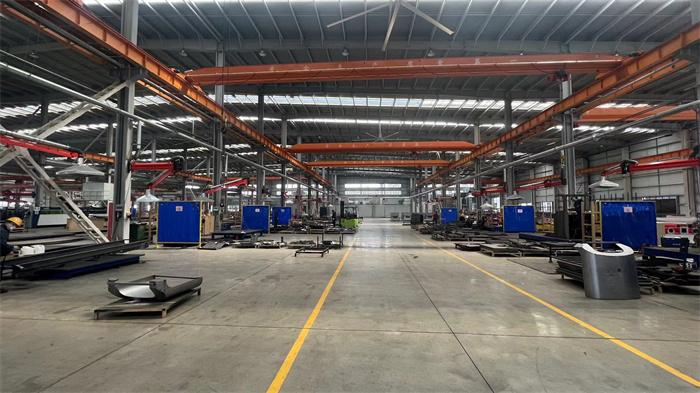
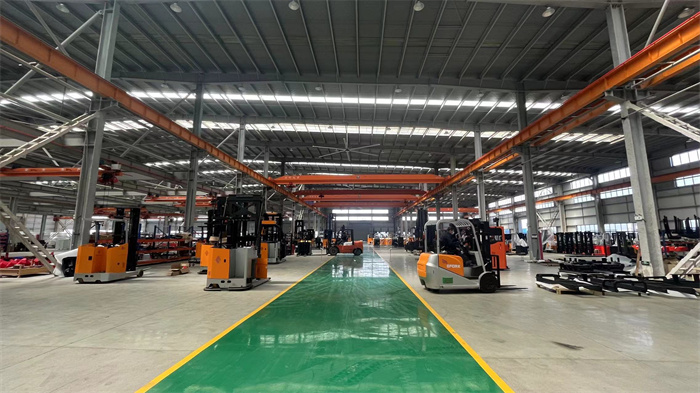
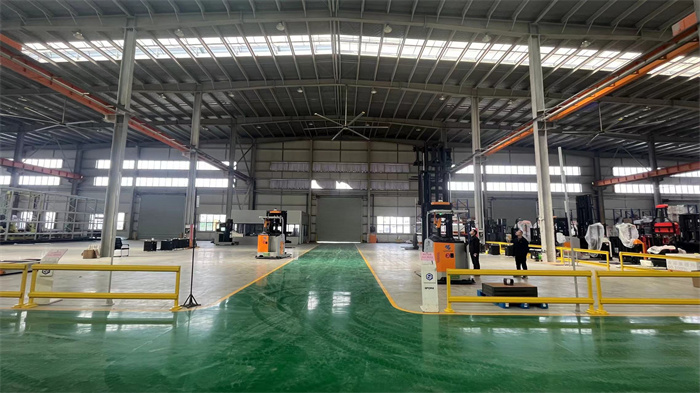
Anhui Nexrik Intelligent Technology Co., Ltd. is a high-tech manufacturer specialising in the R&D, production and integration of intelligent warehousing equipment, including AGV forklifts, AS/RS stacker cranes, four-way shuttles and RGVs. The company operates from Huagang Industrial Park, Feixi County, Hefei, a recognised hub for China’s forklift industry.
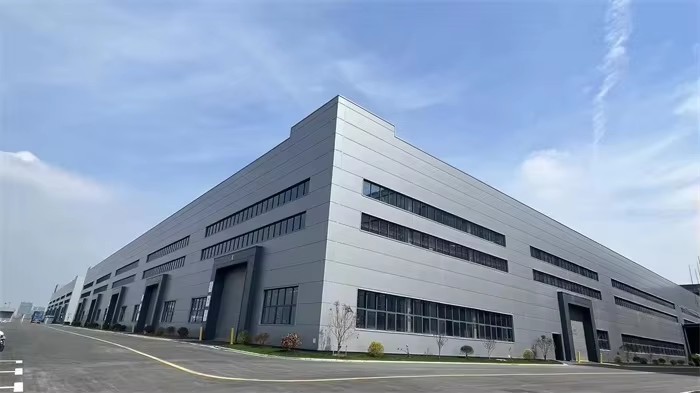
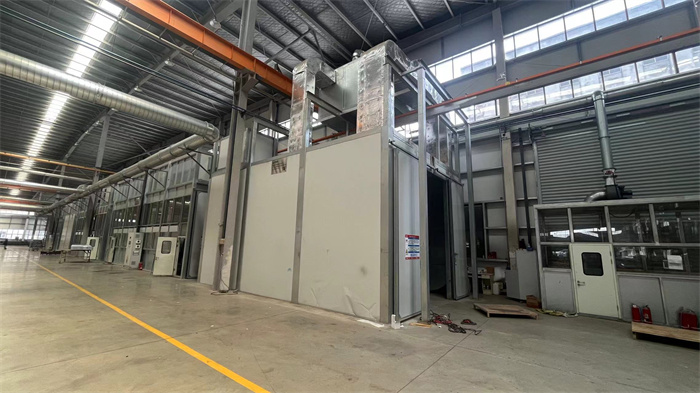
Its manufacturing scale is verifiable: 1,152 employees, 66,650 m² of floorspace, annual revenue above USD 100 million, 7 awarded patents and SGS onsite verification. Certifications include ISO 9001, ISO 45001 and CE marking under Machinery Directive 2006/42/EC. For buyers of a 2T 3000mm slim stacking AGV, that means the equipment can be supported by documented production capacity, inspection routines and compliance records.
Business type: Manufacturer & Trading
Staff: 1,152 onsite verified
Key advantages: In-house manufacturing, 3D SLAM, one-stop turnkey
Service: OEM, ODM, design and buyer-label production
Accurate input shortens engineering review and reduces the risk of change orders later in the project.
What to send for an accurate proposal
Pallet drawings, load weight, load centre and stack height.
Rack layout, aisle width, beam heights and floor condition.
Throughput target, shift pattern and peak-hour task profile.
WMS or ERP interface requirements, if already selected.
Safety rules, pedestrian zones, door types and charging location.
Destination port, Incoterms preference and local compliance requirements.
A short technical discussion is usually more valuable than a long wish list. Once the load unit and rack profile are clear, the engineering team can recommend the right slim stacking configuration, navigation type, safety package and integration scope.
FAQ
Questions Global Buyers Ask About This AGV Forklift
Direct answers to the procurement questions that commonly appear during supplier comparison and technical review.
What is a 2T 3000mm Slim Stacking AGV Forklift with 3D SLAM?
It is an automated pallet-handling forklift with a 2,000 kg rated load, 3,000 mm lift height and 3D SLAM navigation. The slim stacking design is intended for warehouses that need dense pallet handling, flexible layout changes and WMS-ready automation without relying entirely on fixed floor infrastructure.
What do “2T” and “3000mm” mean in practical terms?
“2T” refers to a nominal 2,000 kg load capacity, while “3000mm” refers to a nominal 3,000 mm lift height. Final suitability depends on load centre, pallet overhang, fork dimensions, rack beam height and the actual load unit. Buyers should always confirm the engineering specification against their pallet drawings and rack layout.
Does 3D SLAM require reflectors or floor tape?
3D SLAM localises using natural features of the building and typically reduces the need for reflectors or floor tape. A site survey is still necessary to confirm map quality, lighting, traffic rules, safety zones and any local infrastructure requirements. 3D SLAM is a navigation method, not a replacement for proper project engineering.
Can this AGV work with existing selective racking?
In many projects, yes, provided aisle dimensions, rack tolerances, floor condition, pallet condition and safety rules are suitable. The right approach is to share rack drawings and pallet specifications for a layout review before quotation. If the application exceeds the practical envelope of a 2T 3,000 mm stacker, a VNA AGV, counterbalanced AGV or AS/RS solution may be recommended.
How does the AGV integrate with our WMS or ERP?
Nexrik systems are designed WMS-ready. Interface requirements are defined during solution design and tested during commissioning. Buyers should provide task types, priority rules, error-handling expectations and reporting needs so the integration scope is clear before the project starts.
What is the minimum order quantity and customization scope?
The MOQ is 1 set for AGV forklifts, stacker cranes and four-way shuttle models. Anhui Nexrik Intelligent Technology Co., Ltd. provides OEM, ODM and full customization, including load capacity, lift height, fork configuration, battery configuration and cold-storage variants where the project requires them.
What certifications and supplier verification are available?
Nexrik holds ISO 9001 and ISO 45001 management system certification, CE marking under Machinery Directive 2006/42/EC, 7 awarded patents and SGS onsite verification. These documents are valuable for tender submission, customs review and internal supplier approval.
Which trade terms and payment methods are accepted?
Accepted delivery terms include FOB, CFR, CIF, EXW, FAS, CIP and DDP. Payment methods include L/C, D/P, D/A, MoneyGram, credit card and Western Union in USD, EUR or CNY. Final terms are confirmed in the commercial proposal.
How do we choose between 3D SLAM and laser navigation?
Choose based on change frequency, route stability, building features, aisle complexity and internal maintenance capability. 3D SLAM is often attractive where layout flexibility matters and natural features are reliable. Laser navigation remains a strong option for highly repetitive fixed routes. Nexrik offers both, so the recommendation can follow the application rather than a fixed catalogue preference.
What should we send to receive an accurate quotation?
Send pallet drawings, load weight, required lift height, rack layout, aisle width, throughput target, shift pattern, floor plan, WMS requirements, destination port and any local compliance rules. With these inputs, the engineering team can propose a suitable 2T 3000mm slim stacking configuration and clarify what remains to be confirmed during detailed design.
Ready to Specify Your 2T 3000mm Slim Stacking AGV?
Send your pallet drawings, rack layout and throughput target. Our engineers will help you confirm the right configuration, navigation approach and fleet plan for your warehouse.