Warehouse Stacking Robot Wholesaler & Wholesalers Serving Washington DC
CE-certified AGV forklifts, 3D SLAM stacking robots, laser-guided pallet stackers and narrow-aisle VNA equipment for distribution centers across Washington DC, Maryland and Northern Virginia. Wholesale programs, MOQ 1 set, and retrofit-friendly engineering support.
Eight Warehouse Stacking Robots for Washington DC Buyers
The eight models below cover the buying intents we see most often from Washington DC warehouse teams: zero-turn pallet movement at congested docks, laser-guided self-driving forklifts for stable routes, slim 3D SLAM stackers for retrofit racking, heavy 2T to 3T pallet handling, low-cost walkie stackers for micro-fulfillment, and narrow-aisle trucks for high-density storage. Images use contain-fit so every mast, fork and chassis detail remains visible; product links are preserved for specification review.
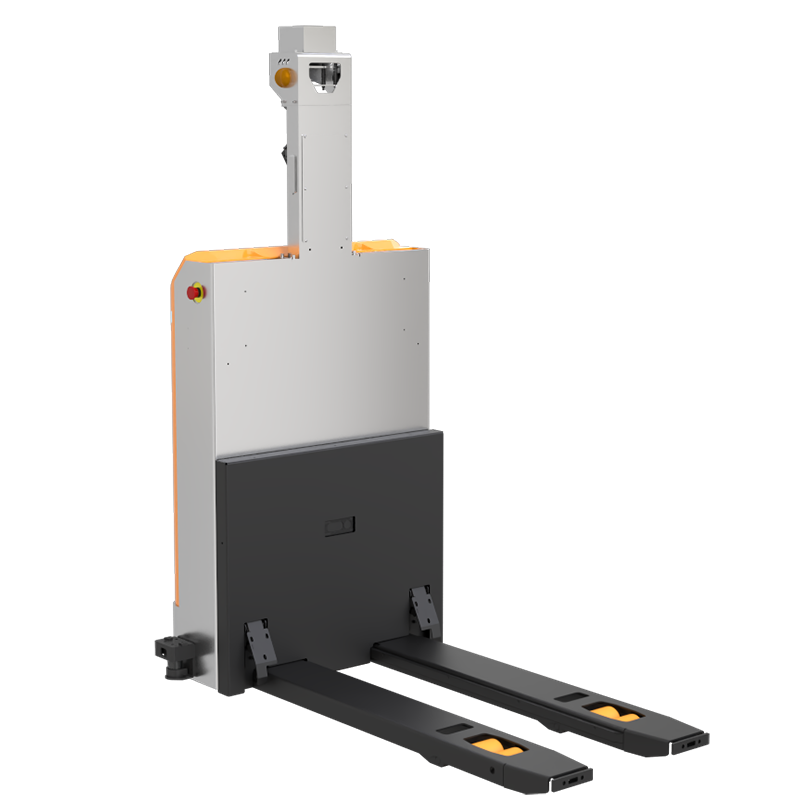 3D SLAM
T 2.5M Omni-directional AGV Body 1 3D SLAM Navigation 1000kg Load Capacity Flexible Movement Zero Turning Radius
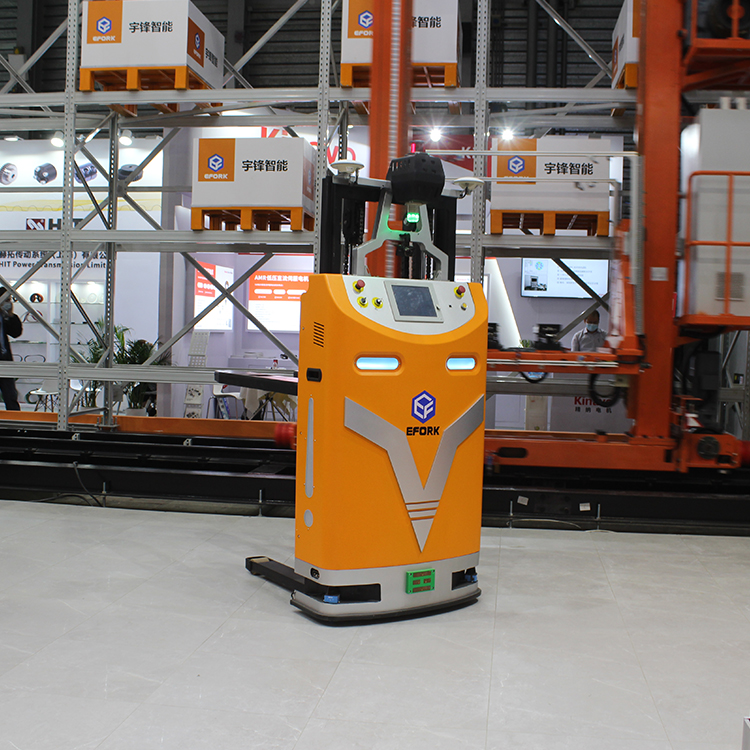 CE · Laser
CE Certified EFORK EDA20-16 2T 1600mm Laser Navigation Self-Driving Forklift AGV WIFI/5G 10mm Accuracy 6-8H Working Time
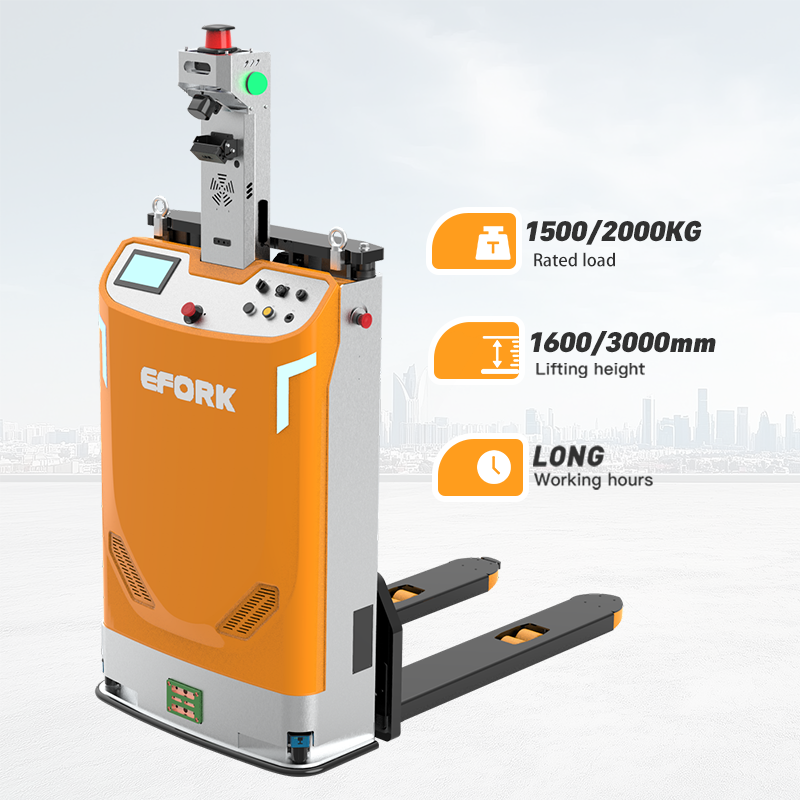 Slim stacker
New Heli Yufeng EDA20-30 Slim Stacking AGV Forklift CE Certified 2T 3M 3D SLAM WIFI/5G for Stacking Mobile Robot
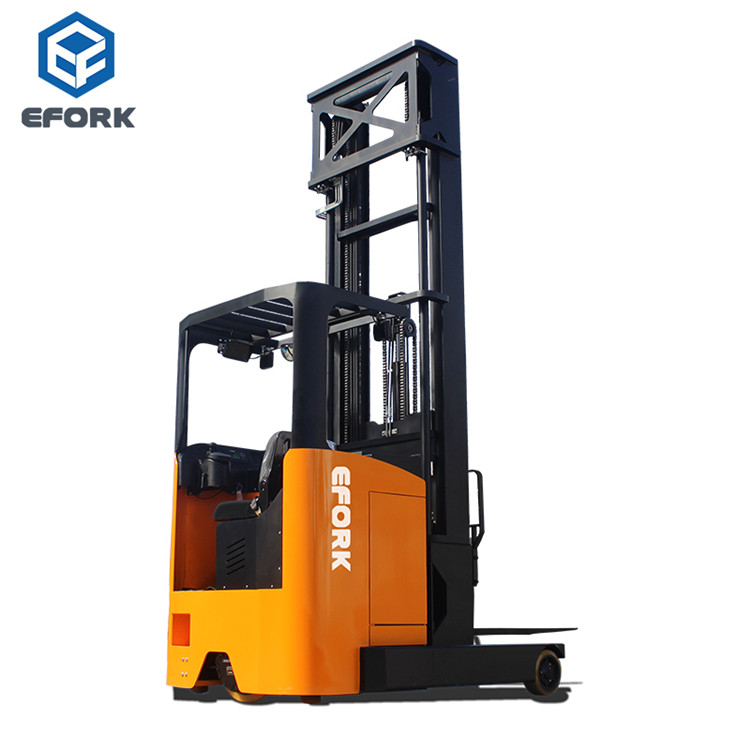 Wholesale
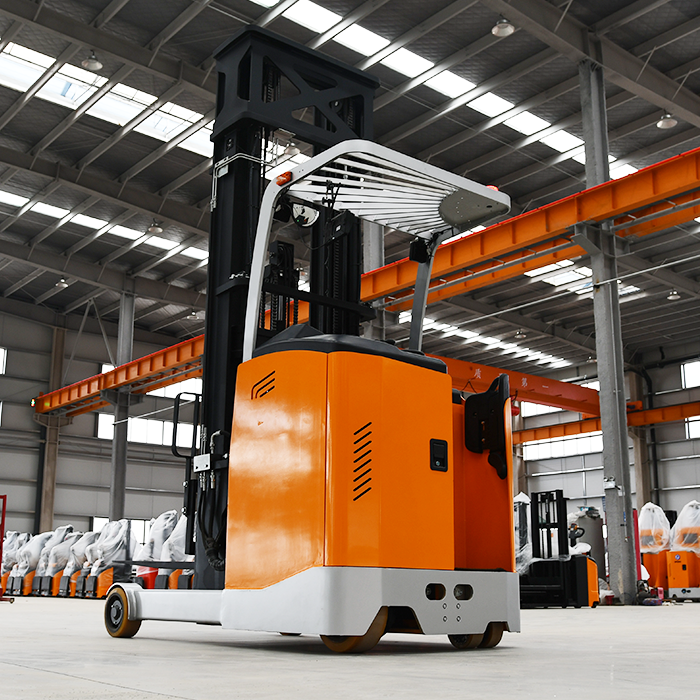
CQDE China Wholesale 2000kg 12m 8m 6m Industrial Forklift Pallet Truck Good Price
 Galvanized
China Wholesale 2000kg 12m 8m 6m Industrial Forklift Pallet Truck High-Speed Steel Hot-Dip Galvanized Good Price
 Low cost
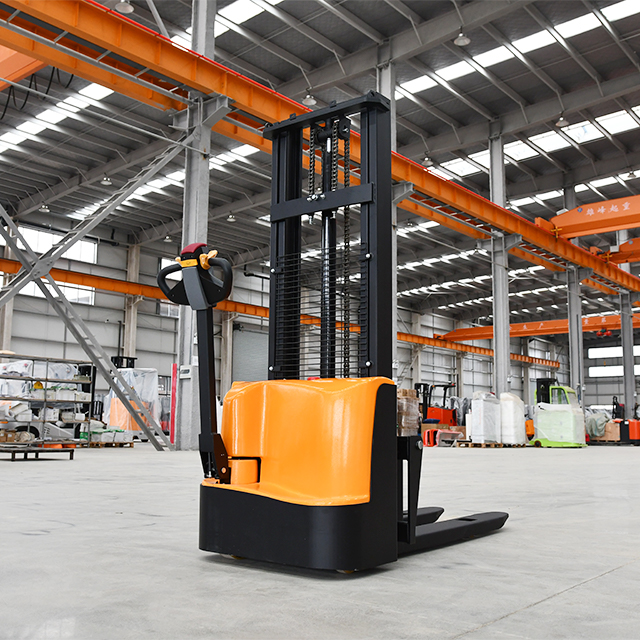
1Ton & 2Ton Full Electric Pallet Stacker Walkie Type High Performance, Low Cost Optional with Training Wheels
 Heavy duty
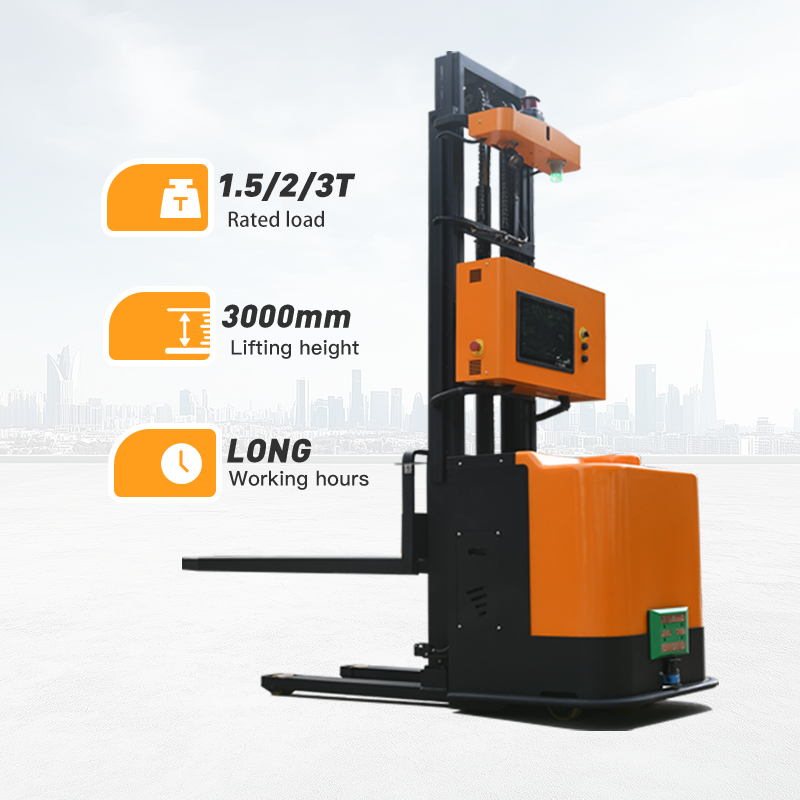
3T 3000mm Pallet Stacker Automated Guided Vehicle Forklift Truck for Intelligent Warehouse Automation
 VNA
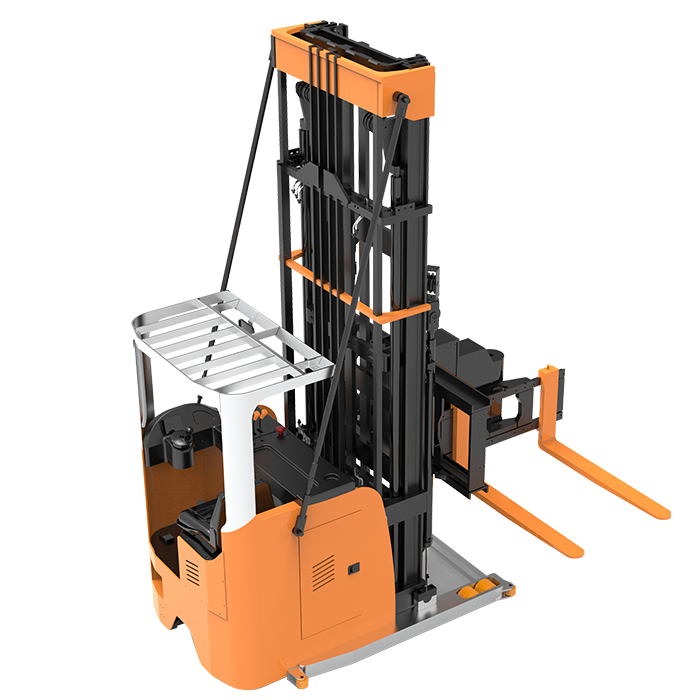
Narrow Aisle 3 Way 1600kg 1.6 Tons 1.5 Tons 3 Tons Certified Electric Forklift Three Stage Mast
Not sure which stacking robot matches your DC building? Share pallet photos, rack drawings and aisle widths. Our engineers will narrow the list from eight models to two or three deployment-ready options.
Where Warehouse Stacking Robots Fit in Washington DC
Washington DC is not a single warehouse market. It is a set of different operating environments: federal-adjacent contractor logistics in Northern Virginia, dense urban grocery and e-commerce buildings inside the Beltway, life-science supply chains in Montgomery County, and heavy distribution corridors around Baltimore and I-95. Each environment changes the right robot type, navigation method, safety envelope and documentation package.
Federal-adjacent 3PLs in Northern Virginia
Facilities supporting government contractors and public-sector supply chains around Arlington, Alexandria and the Dulles corridor often need auditable moves, repeatable cycle times and clear WMS records. A 3D SLAM stacker or omni-directional AGV can automate pallet put-away and line-side delivery without installing floor tape that conflicts with changing layouts. We help project teams define acceptance tests, spare-parts lists and documentation packages before shipment.
Urban grocery and cold-chain distribution
Inside the Capital Beltway, dock doors are scarce and storage is vertical. Slim stacking AGVs and narrow-aisle 3-way trucks let distributors add pallet positions without expanding the building. For refrigerated zones, battery, lubrication and scanner specifications are reviewed for low-temperature operation; AS/RS and shuttle options are available when density justifies a fixed automation system.
Life sciences and pharma in Montgomery County
Life-science logistics teams often prioritize traceability, smooth acceleration and clean material flow. Laser navigation and 3D SLAM models can hand off between staging, sampling and cage areas while logging task status to the WMS. Project-specific documentation, change control and validation support can be scoped with your engineering and quality teams.
E-commerce fulfillment along I-95, BWI and Dulles
Fulfillment centers serving DC, Maryland and Virginia face peak-season spikes and high SKU counts. Start with one or two robots for replenishment and pallet movement, then add units as order volume grows. The goal is not a showroom robot; it is a fleet that can be re-tasked by shift, zone and carrier cutoff while keeping the same safety logic.
Heavy industrial distribution around Baltimore
Building materials, machinery and industrial supply distributors handle closed-bottom pallets, cages and trailers that stackers cannot always pick. Counterbalanced AGVs and 3T pallet stackers handle heavier loads and trailer interactions while retaining safety scanners on all sides. For high-bay storage, VNA and AS/RS options are evaluated in the same design cycle.
Retrofit-ready warehouses inside the Beltway
Many DC-area warehouses were not designed for automation. Uneven floors, narrow aisles, older racking and mixed pallet quality can derail a pilot. 3D SLAM reduces dependence on reflectors, while slim stackers and omni-directional bodies fit constrained aisles. We ask for rack drawings, pallet photos and traffic videos before recommending a model.
Washington DC Warehouse Automation Trends That Affect Your Buying Decision
Three pressures are reshaping automation decisions for DC-area warehouse operators: land and clear-height constraints, labor and safety exposure, and the expectation that new equipment will connect to existing WMS and ERP systems. A fourth pressure, electrification and cold-chain flexibility, is now part of the same capital request.
Land scarcity is forcing vertical storage
Replacement cost for industrial land in the DC region keeps rising. Buyers are evaluating VNA forklifts, high-bay AS/RS and four-way shuttles not as luxury automation but as ways to add cubic storage without adding square footage. The trade-off is a tighter specification process: clear height, sprinkler clearance, floor tolerance and rescue access must be resolved early.
Labor planning is becoming safety planning
Turnover and overtime in warehouse roles create training risk. Stacking robots reduce repeated lift-and-lower cycles and free operators for exception handling. For US sites, the project team should map the automated vehicle's operating area against pedestrian walkways, dock doors and forklift interfaces, and confirm requirements with OSHA 1910.178 and ANSI/ITSDF B56.5 guidance as applicable.
WMS integration is now a baseline requirement
A robot that cannot receive tasks, report status and handle exception codes creates a second workflow. AS/RS and shuttle systems should be WMS-ready, with clear API or interface ownership. During design, we define task states, error codes, charging logic and manual override steps so the automation fits the warehouse management system rather than working around it.
Electrification and cold-chain demand are converging
More DC-area operators are asking for lithium or fast-charge options, energy reporting and low-maintenance drive systems. At the same time, cold-chain users want equipment that can handle freezer transitions without condensation problems. The most reliable approach is to specify the temperature profile, duty cycle and charging window together, not as separate line items.
A Washington DC Planning Scorecard for Stacking Robot Selection
Generic product pages tell you load capacity and lift height. A Washington DC project also needs to know how easily the robot retrofits an existing building, how it behaves around pedestrians and dock doors, and how quickly the fleet can be re-tasked as tenants or product mixes change. The following scorecard is a qualitative planning aid built from common warehouse retrofit questions; it is not a substitute for an engineered simulation.
Matching Robot Type to Washington DC Warehouse Constraints
The matrix below converts the eight product listings into a practical shortlist. Use it to identify two or three candidate formats, then request a layout review with rack drawings, pallet photos and a one-week traffic sample. A wholesaler quote without this input is only a price; an engineered proposal is a deployment plan.
| Equipment | Best fit for Washington DC context | Typical load / height | Watch-outs before RFQ |
|---|---|---|---|
| Omni-directional AGV Body | Tight docks, mixed traffic, zero-radius turns inside older buildings | 1,000 kg class; 2.5 m platform | Confirm floor condition and sensor clearance at blind corners |
| Laser Navigation AGV Forklift | Repetitive routes, stable racking, 10 mm positioning accuracy | 2T; 1,600 mm lift | Reflectors or route markers require a layout that will not change frequently |
| Slim 3D SLAM Stacking AGV | Retrofit buildings, low-infrastructure projects, 3 m pallet stacking | 2T; 3 m lift | Validate natural features, lighting and pallet quality during site mapping |
| CQDE Industrial Pallet Truck | Budget-sensitive pallet transport and handling applications | 2,000 kg; 6 / 8 / 12 m options | Confirm whether the task requires autonomous operation or assisted handling |
| Galvanized Pallet Truck | Wash-down, humid or outdoor-adjacent handling environments | 2,000 kg; galvanized finish | Corrosion resistance does not replace automation safety planning |
| Electric Walkie Pallet Stacker | Micro-fulfillment, low-cost entry, operator-assisted lifts | 1–2 T; compact walkie format | Check aisle width, training wheels and battery charging routine |
| 3T Pallet Stacker AGV | Heavy pallet automation between production, staging and warehouse | 3,000 kg; 3,000 mm lift | Review floor capacity, safety scanners and battery duty cycle |
| Narrow Aisle 3-Way Forklift | High-density racking, VNA retrofits and high-bay pallet storage | 1.6 T; three-stage mast | Aisle tolerance, guidance method and rescue access must be checked |
Final specifications are confirmed during engineering based on your pallet types, rack layout, floor survey, local fire code and safety review. Product links above are the original source pages for direct model verification.
What to Specify Before You Send a Washington DC RFQ
The most expensive mistake in warehouse robot procurement is not choosing the wrong brand; it is giving every supplier a different problem statement. Standardize these three inputs before comparing wholesale offers.
Pallet and load reality
Send 20 or more photos covering every pallet type, damaged pallet, cage, tote and trailer transition. Include load weight, load center, pallet condition, overhang and whether bottom boards are closed. A 2T robot can fail in daily use if the real pallet population is not represented in the specification. This is especially important for mixed retail and contractor supply chains in Northern Virginia.
Building and compliance envelope
Provide rack drawings, aisle widths, clear height, floor flatness, charging space and pedestrian routes. For US installations, define the compliance path early: project-specific OSHA 1910.178 and ANSI/ITSDF B56.5 considerations, electrical component requirements, fire-code review and local AHJ approvals. CE and ISO documents support quality evaluation, but they do not replace site-specific US compliance validation.
Throughput and acceptance tests
State moves per hour, peak windows, shift pattern, charging window and minimum uptime. Define acceptance tests before shipment: route completion, task handoff, error recovery, scan accuracy, traffic behavior and WMS messaging. A pilot with one robot is easier to approve when success is measurable, and a phased fleet plan is easier to finance when the first deployment proves the business case.
Why Wholesale Buyers and DC Integrators Work With Nexrik
Anhui Nexrik Intelligent Technology Co., Ltd. is a manufacturer of AGV forklifts, AS/RS stacker cranes, four-way shuttles and intelligent warehousing systems. For Washington DC buyers, the value is not simply a factory price: it is a verifiable production base, a documented quality system and a team that can customize the machine around US site requirements before it is shipped.
Factory scale that supports fleet orders
Chassis, mast and control integration are developed around our own production processes, with onsite material and finished-product inspection before shipment. That matters when a DC-area buyer needs a pilot unit now and a multi-site fleet later without changing suppliers.
Navigation selected from the building
We compare laser navigation and 3D SLAM against the actual building. Reflective routes may suit stable, repetitive aisles; 3D SLAM can reduce infrastructure in retrofit warehouses with changing layouts. The recommendation is based on aisle geometry, floor condition, traffic and WMS workflow, not a one-size catalog claim.
Wholesale customization and phase-in
MOQ starts at 1 set. OEM, ODM and buyer-label production are available, including load capacity, lift height, fork configuration, battery setup and cold-storage variants. For wholesale programs, we can help structure a phased rollout so Washington DC buyers validate one site before committing to a larger fleet.
Export documentation and project support
Our quality system includes ISO 9001 and ISO 45001, with CE marking for the AGV range under the Machinery Directive 2006/42/EC and SGS onsite verification. Accepted trade terms include FOB, CFR, CIF, EXW, FAS, CIP and DDP, with payment in USD, EUR or CNY.

Production base in Hefei, Anhui — stacked manufacturing capacity for AGV forklifts and warehouse automation equipment.

AGV assembly workshop — mechanical build, control integration and pre-shipment inspection.

Testing area — route validation, safety checks and system acceptance before export packing.
Wholesale Stacking Robot Questions DC Buyers Ask First
These answers match the procurement questions we receive from warehouse owners, integrators and wholesale buyers evaluating a first or second automation project in the Mid-Atlantic region.
Are you a local Washington DC wholesaler or an overseas manufacturer?
How are AGV forklifts shipped to DC, Maryland or Virginia?
What compliance documentation should a US buyer request?
Can one robot work in an older DC warehouse with low clear height?
What is the minimum order for wholesale pricing?
Can you integrate with our WMS and existing racking?
Get a Washington DC Feasibility Review Before You Buy
Send rack layout, pallet photos, throughput target, shift pattern and go-live date. Our engineers will return a recommended robot mix, fleet size, infrastructure checklist and export plan. If you need a wholesale program for multiple DC-area sites, include site count and phasing.
No payment information is required at this stage. Share your warehouse constraints and we will route the inquiry to the right engineering contact.