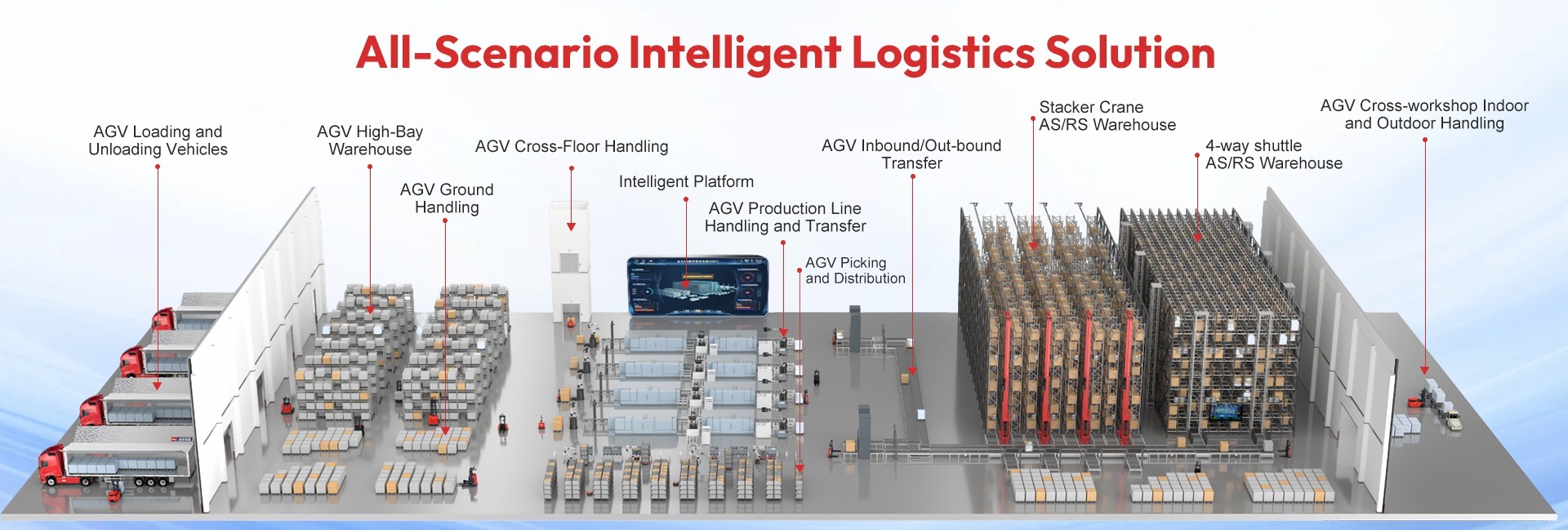
Warehouse Material Handling Factories & Suppliers Serving Phuket
A practical sourcing guide to AGV forklifts, VNA reach trucks, multi-directional stackers and AS/RS systems for Phuket’s resorts, seafood cold chain, retail, marina and port-linked warehouses — engineered for humid, salt-air and space-constrained sites.
Warehouse Material Handling Equipment Matched to Island Operations
Phuket buyers rarely need a generic catalogue. They need equipment that can turn inside a hotel service lane, survive salt-laden air near Ao Makham, protect seafood cold-chain integrity near Rassada, and keep retail replenishment moving through high season. The eight models below are shortlisted for those exact jobs. Product URLs are preserved; for custom forks, batteries, coatings or fleet sizing, use the live inquiry button.
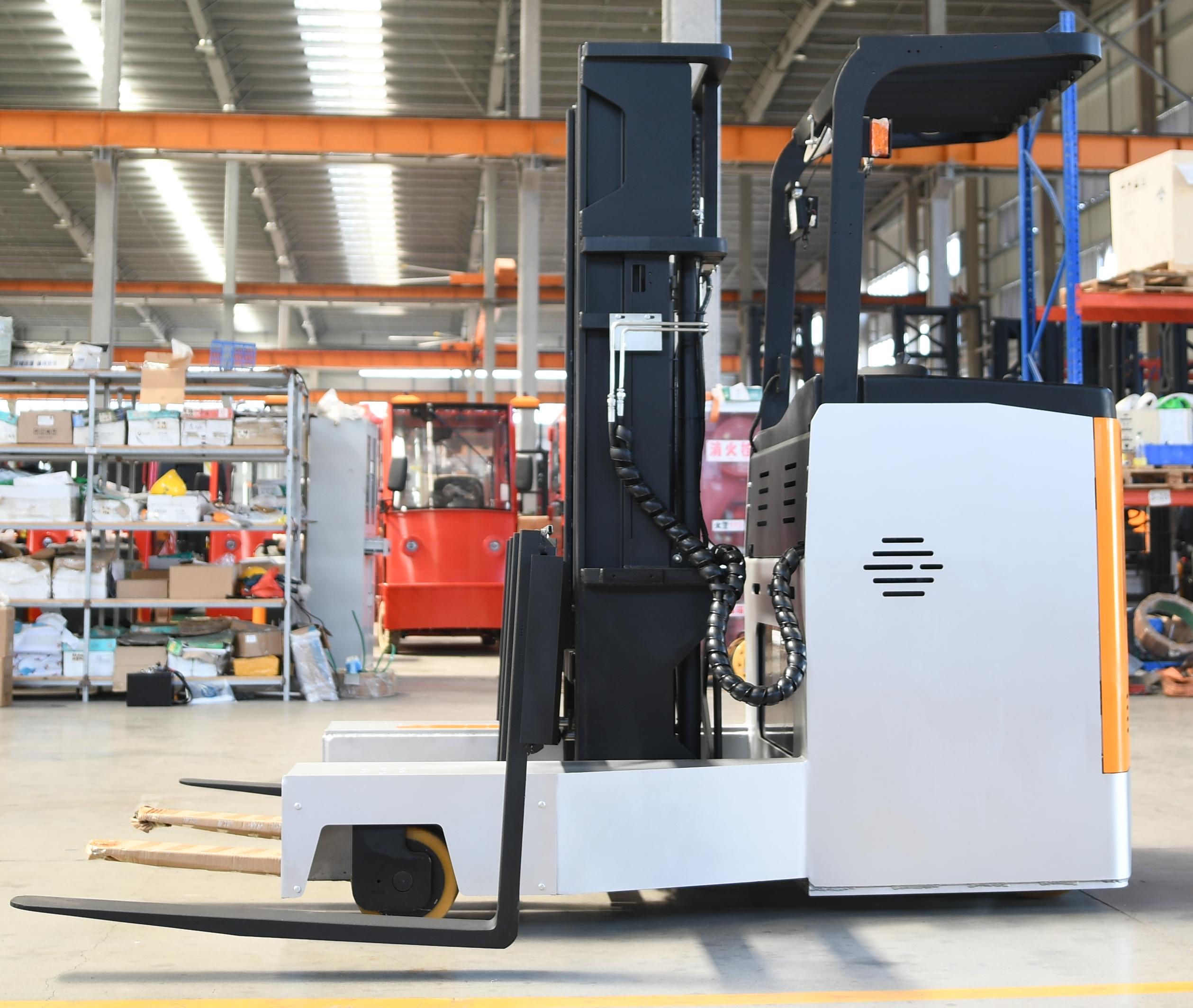 4-Way · Narrow Aisle
Multi Directional Forklift 4Ton 5Ton 4 Way Forklift Reach Truck Stacker For Narrow Aisle Small Space
For Phuket marina yards and hotel renovation stores where a conventional forklift cannot turn. Four-way travel lets the truck move sideways and rotate inside a compact footprint.
- 4–5 T
- 4-way wheel
- Narrow aisle
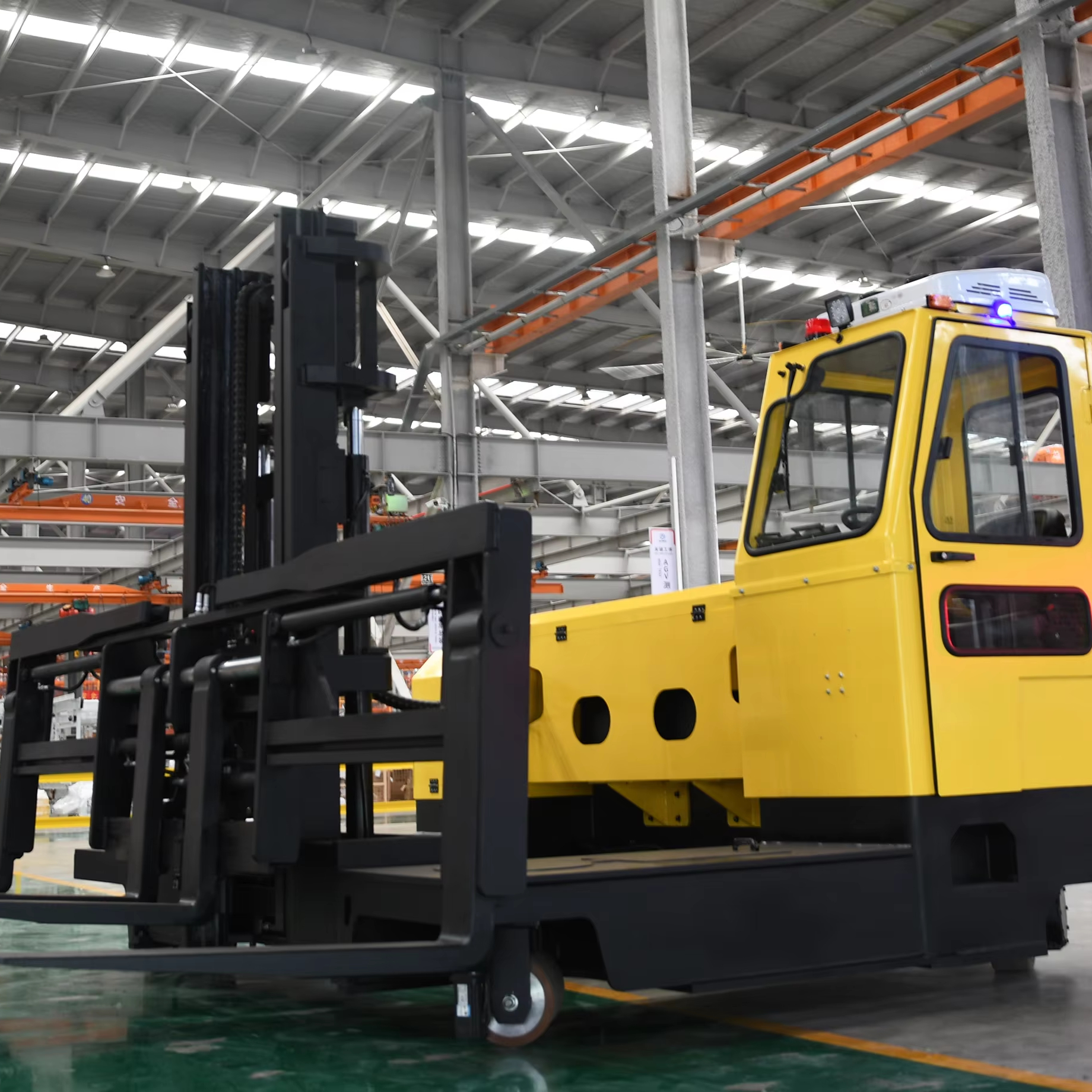 Long Load · Side Loader
Multi-directional Forklift Reach Truck Stacker 3.5 Ton 5Ton Full Way Electric Side Loader Forklift With Wide Body Seat
A side-loader for pipes, timber, yacht components and long profiles. The wide-body seat and 3.5–5T range suit yards receiving irregular long loads from marine and construction suppliers.
- 3.5–5 T
- Side loader
- Wide body
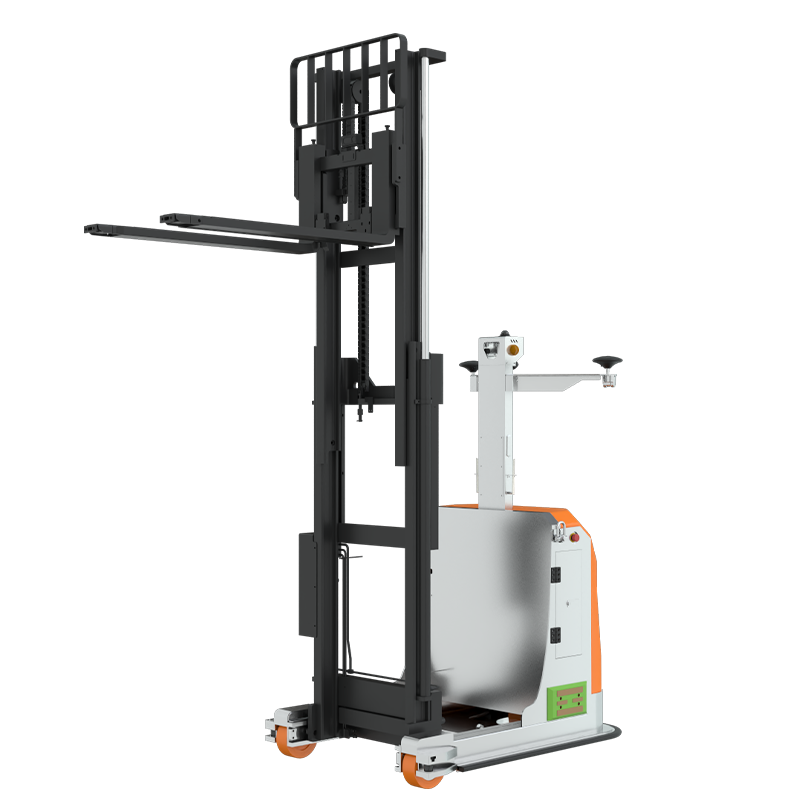 Compact · 3D SLAM
Reach Truck AGV Narrow Body 1.5T 3M Compact Design Fork Forward Function 3D SLAM Navigation 10mm Positioning Accuracy
For high-density retail, spare-parts and hotel stores. 10 mm positioning supports precise put-away in leased buildings where adding reflectors or floor tape is difficult.
- 1.5 T
- 3 m
- 10 mm accuracy
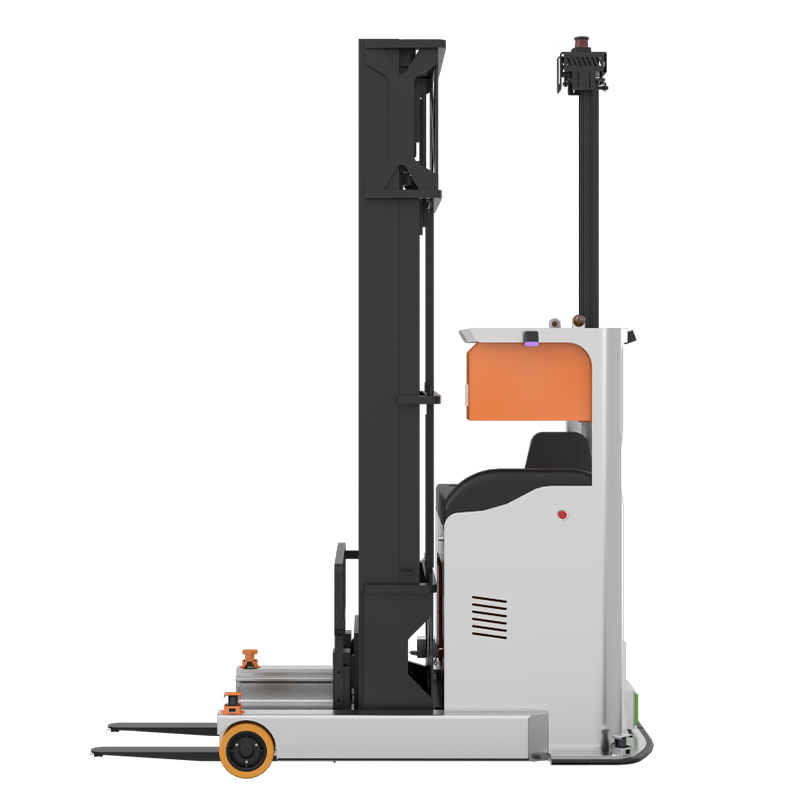 6.5 m · Laser SLAM
Heli Yufeng CQDE20HJ-65S 2T 6.5M Reach Truck AGV Body Laser Slam Navigation for Pallet Handling High Lifting Smart Warehouse
A 2T, 6.5 m reach truck AGV for repetitive pallet handling. Its high lift suits cold-store racking, multi-level retail replenishment and smart-warehouse retrofits.
- 2 T
- 6.5 m
- Laser SLAM
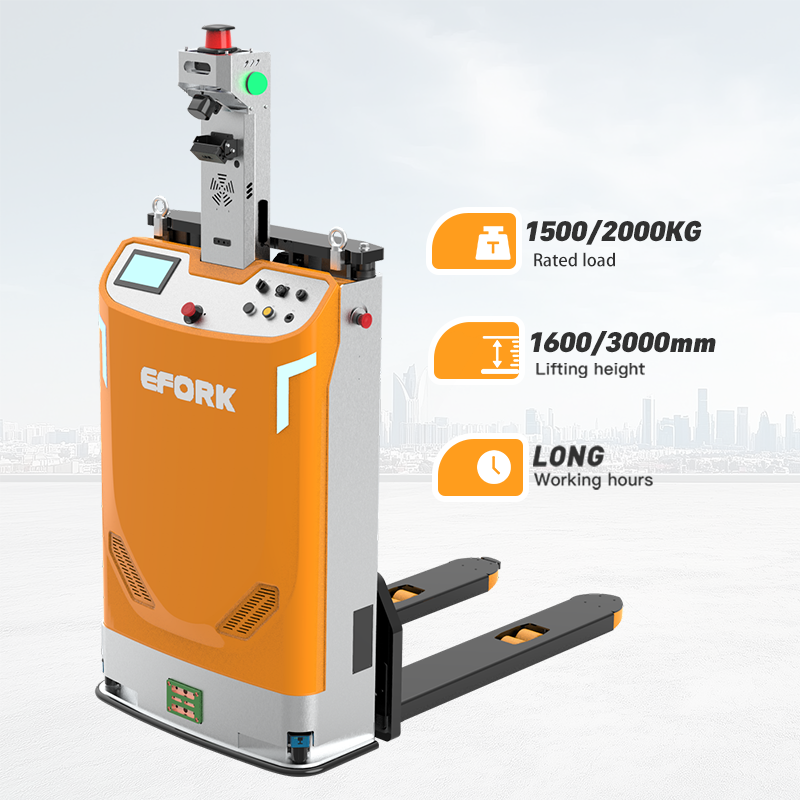 Slim · CE Certified
New Heli Yufeng EDA20-30 Slim Stacking AGV Forklift CE Certified 2T 3M 3D SLAM WIFI/5G for Stacking Mobile Robot
A slim 2T stacker AGV with 3D SLAM and WIFI/5G connectivity. Designed for narrow hotel service corridors, food stores, restaurant supply rooms and workshop cells.
- 2 T
- 3 m
- 3D SLAM
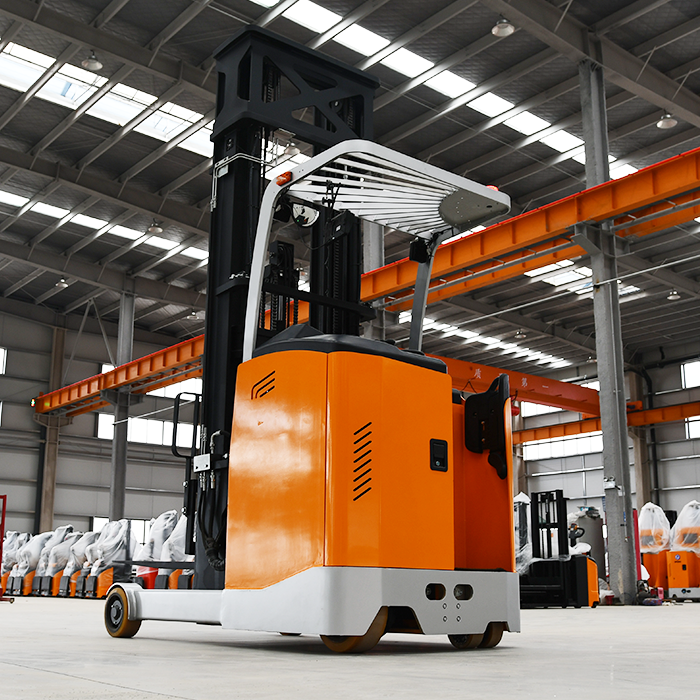 Hot-Dip Galvanized
China Wholesale 2000kg 12m 8m 6m Industrial Forklift Pallet Truck High-Speed Steel Hot-Dip Galvanized Good Price
A hot-dip galvanized pallet truck for outdoor and coastal staging. Practical for construction materials, boatyard stores and open-air warehouses exposed to humidity and salt air.
- 2,000 kg
- Galvanized
- Outdoor yard
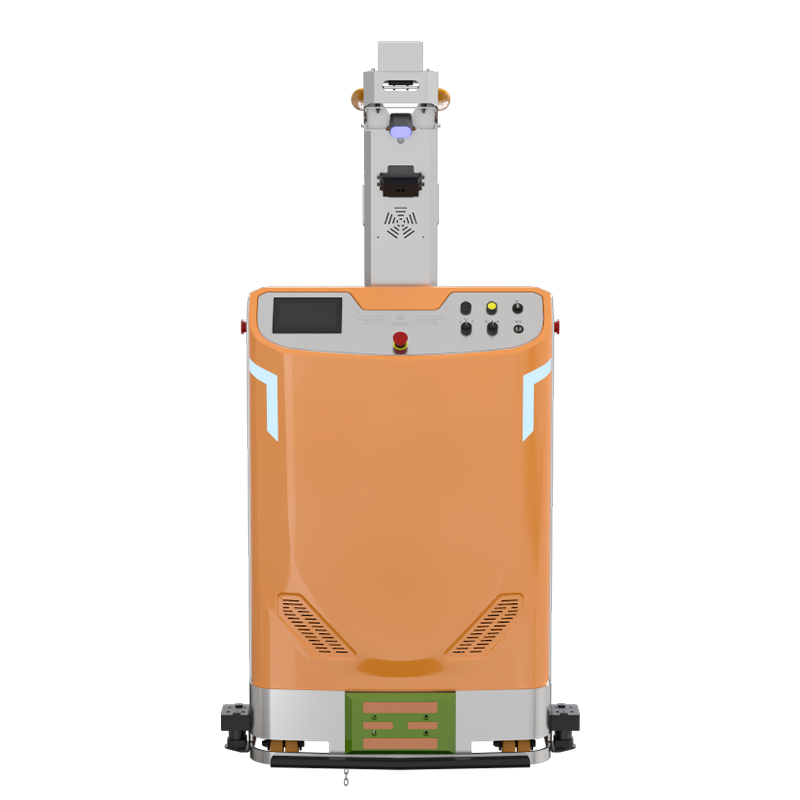 Narrow Body · Obstacle Avoidance
2T Material Handling AGV Body Narrow Body Compact Chassis 3D SLAM Navigation Laser Obstacle Avoidance for Workshop Transport
A narrow-body 2T AGV with compact chassis and laser obstacle avoidance. Fits workshop transport between production, packing and dispatch without rebuilding existing aisles.
- 2 T
- Compact chassis
- 3D SLAM
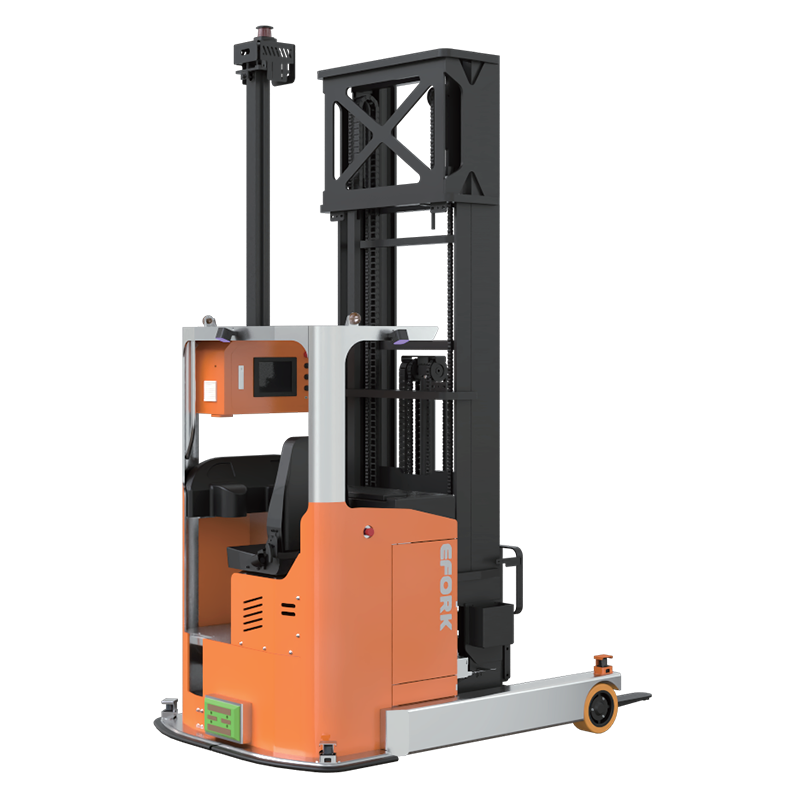 4.5 m · Smart Warehouse
4.5M Reach Truck AGV Body 2T for Pallet Handling High Lifting Smart Warehouse Logistics Robot Laser Slam Navigation CE Certified
A 4.5 m, 2T reach truck AGV with laser SLAM and CE certification. For pallet handling that needs higher lift than a stacker but a smaller footprint than a counterbalanced truck.
- 2 T
- 4.5 m
- CE certified
Every model can be specified with alternative fork dimensions, battery capacity, lift height and coastal-protection finishes. Final configuration is confirmed after a site survey and load-route study.
Factory Capacity That Supports Phuket Project Cycles
For a warehouse asset expected to run for a decade, supplier capacity and traceability matter as much as the machine specification. These figures come from the manufacturer’s onsite-verified company profile and should be checked in any tender package.
Onsite-verified workforce across engineering, production, quality and export support.
Two production bases in Anhui supporting pilot orders and fleet-scale programs.
Plus one registered trademark, with CE, ISO 9001 and ISO 45001 documentation.
Start with one truck or AGV body, validate routes and cycle times, then scale.
Information gain for Phuket buyers: request the SGS onsite verification report, CE declaration, ISO certificates, spare-parts list and a factory acceptance test plan before comparing quotations. A low ex-works price can be misleading if the charger, battery, scanner, installation supervision or customs documentation is excluded.
Where Material Handling Automation Fits in Phuket
Phuket is not a generic warehouse market. Its material flow follows tourist arrivals, monsoon weather, ferry schedules, food-safety rules and a constrained road network. These six use cases reflect the briefs we see most often from island operators and their engineering contractors.
Resort, hotel and FF&E stores
A 400-room property may receive mattresses, tiles, pool chemicals and restaurant consumables through a service lane narrower than a standard forklift aisle. A slim 2T stacker AGV or multi-directional forklift can move pallets from dock to store without blocking guest vehicles. Route planning often places automated replenishment after 22:00 to protect the guest experience.
Seafood, frozen food and cold storage
Frozen prawns, fish and value-added seafood require rapid put-away, lot traceability and minimal door-open time. Laser-guided reach AGVs and AS/RS stacker cranes in cold rooms reduce human exposure, keep cycle counts accurate and support HACCP documentation. For high-bay cold stores, a frozen-storage stacker crane variant should be specified at tender stage.
Tourism retail, duty-free and e-commerce
Phuket retail demand spikes around high season, festivals and international flight schedules. Compact 3D SLAM reach trucks fit mezzanine-fed stores and back-of-house replenishment areas. WMS-ready interfaces allow pick faces to follow actual tourist sales rather than monthly forecasts, reducing both stock-outs and excess transfer labour.
Marina, yacht repair and port-linked logistics
Around Ao Makham and Tha Rassada, engine parts, crates and antifouling supplies often arrive on irregular schedules. A side-loader or multi-directional forklift can pick long loads in confined yards, while hot-dip galvanized pallet trucks resist salt-laden air. For container de-stuffing, confirm floor flatness and the maximum ramp gradient before selecting AGV navigation.
Hotel renovation and building materials
Tiles, cement, glass, joinery and prefabricated bathroom pods create heavy, repetitive flows during renovation peaks. Outdoor pallet trucks and AGV bodies can handle staged transfers between laydown yards and hoists, reducing dependence on scarce drivers. For coastal sites, specify galvanized frames, sealed connectors and a preventive maintenance interval matched to humidity.
Food packaging, rubber and workshop transport
Phuket’s light manufacturing base includes food packaging, boat components and rubber-related processing. Counterbalanced AGVs and narrow-body 2T material handling AGVs move pallets between production, packing and dispatch. Safety scanners and predictable route logic are essential where pedestrians, hand trucks and delivery vans share the same yard.
What Is Changing in Phuket Warehouse Operations
From 2024 onward, Phuket buyers are asking for smaller pilots, faster payback and equipment that can survive an island climate. The strongest specifications are moving away from “maximum automation” and toward right-sized, serviceable systems.
Seasonality is being engineered with modular fleets
Instead of committing to a large fixed conveyor on day one, operators add AGV bodies and stackers in phases. A single reach truck AGV can validate night replenishment during low season; additional units are added before high season. This modular approach protects cash flow and gives maintenance teams time to learn the system.
Labour availability and safety compliance drive decisions
Hospitality and logistics teams face shift gaps, especially for repetitive pallet handling in heat or cold rooms. Automated stackers and reach trucks take over the most repeated moves while workers focus on quality checks, picking and guest-facing service. Safety scanners, speed limits and pedestrian-zone mapping are now standard tender requirements.
Cold-chain investment follows food-safety expectations
Seafood processors, frozen retailers and hotel distributors are reviewing high-bay AS/RS and frozen-storage stacker cranes to reduce door-open time and improve lot traceability. The engineering question is no longer only “how cold?” but “how fast can pallets enter and leave without breaking the cold chain?”
Energy cost makes charging strategy part of the layout
Electric forklifts and AGVs are only as productive as their charging plan. Phuket projects increasingly model opportunity charging, battery swapping and off-peak charging alongside rooftop solar. The charger specification should match the site’s actual supply — commonly 230/400 V, 50 Hz in Thailand — and be confirmed by a local electrical engineer.
Port and air-cargo variability puts pressure on lead times
Depending on vessel routing and cargo size, many containers arrive via Laem Chabang or Bangkok before trucking to Phuket; urgent spares may fly into Phuket International Airport. Buyers now ask for pre-shipment factory acceptance tests, critical spare-parts kits and clear Incoterms before the purchase order, not after the vessel sails.
WMS integration and 3D SLAM become tender requirements
Natural-feature 3D SLAM reduces the need for reflectors and floor tape, which is valuable in leased buildings, historic sites and multi-tenant warehouses. At the same time, warehouse teams expect AGVs and AS/RS equipment to exchange task status with WMS or ERP systems. “WMS-ready” is now a qualification criterion, not a bonus.
A Buyer’s Fit Matrix for Phuket Warehouses
Use this matrix to shortlist equipment families before requesting a layout proposal. Fit percentages are planning indicators based on common Phuket use cases, not a warranty of performance; final selection depends on load centre, rack type, floor flatness, traffic and fire strategy.
| Equipment family | Typical load / height | Guidance | Best-fit Phuket application | Planning fit |
|---|---|---|---|---|
| Pallet stacker AGV | 1.5–2 T · 1.6–3 m | 3D SLAM / laser | Hotel and retail line-side replenishment, low racking | High fit · fast pilot |
| Reach truck AGV | 1.5–2 T · 3–6.5 m | 3D SLAM / laser | Selective racking in constrained leased buildings | High fit · versatile |
| Multi-directional 4-way forklift | 4–5 T · narrow aisle | Manual or AGV body | Marina crates, long loads, renovation materials | High fit · tight yards |
| VNA 3-way AGV | 1.6 T · 7–11 m | 3D SLAM | High-bay pallet storage and cold-room density | Strong fit · rack-led |
| AS/RS stacker crane | 1–5 T · up to 40 m | Rail-guided · WMS/WCS | Seafood cold chain, high-bay distribution, frozen storage | Project-scale fit |
| Narrow-body material handling AGV | 2 T · compact chassis | 3D SLAM + obstacle avoidance | Workshop transport, packaging lines, mixed pedestrian traffic | Strong fit · retrofit |
Send rack drawings
Include aisle width, beam height, upright clearance and fire-safety zones. A 100 mm difference in aisle width can change the viable truck family.
Photograph the pallet
Show pallet base, load height, overhang, shrink-wrap and actual load centre. Closed-bottom pallets and cages may require a counterbalanced AGV.
State peak throughput
Give moves per shift, peak-hour demand, operating hours and seasonal spikes. Fleet size must be designed for the busiest week, not the annual average.
Confirm power and Wi-Fi
Provide site voltage, charger location, floor flatness, Wi-Fi coverage and ambient temperature. These details decide battery, navigation and safety configuration.
Phuket Project Economics: Cost, Power and Service
A warehouse material handling decision in Phuket should be modelled on total cost of ownership, not ex-works price alone. The three cost centres below are where inexperienced buyers most often under-budget.
Landed cost and Incoterms
Depending on vessel routing, cargo may arrive through Laem Chabang or Bangkok before trucking to Phuket, or through a direct island service where available. FOB, CFR, CIF, EXW, FAS, CIP and DDP are accepted trade terms, but the quotation must clearly state who pays ocean freight, insurance, Thai import duty, VAT, port charges, inland trucking and unloading.
Ask for a packing list with crate dimensions and gross weight before booking. For pilot projects, consolidated shipping can be more economical; for fleet orders, direct routing may reduce handling risk.
Power, floor and charging layout
Thailand commonly uses 230/400 V, 50 Hz supply, but Phuket sites vary. Confirm voltage, phase, breaker capacity and charger location with a local electrical engineer. Reach trucks and stackers need ventilation, fire separation and a safe cable route; AGV fleets need opportunity-charging zones that do not block fire exits.
Floor flatness, expansion joints and ramp gradients also affect navigation and load stability. A 3D SLAM system can reduce infrastructure work, but it cannot compensate for an unsuitable floor or poor lighting in safety zones.
Spares, training and after-sales
Specify a critical spare-parts kit at order stage: drive wheel, scanner, charger, battery connector, fork sensors and emergency-stop components. Remote diagnostics reduce downtime, but island projects still need a named local contractor for mechanical work and first-line checks.
Budget for operator training, supervisor training and an annual service visit. Payment terms accepted by the manufacturer include L/C, D/P, D/A, MoneyGram, credit card and Western Union in USD, EUR or CNY; the commercial team should confirm the final structure in the contract.
Inside the Factory Behind the Specification
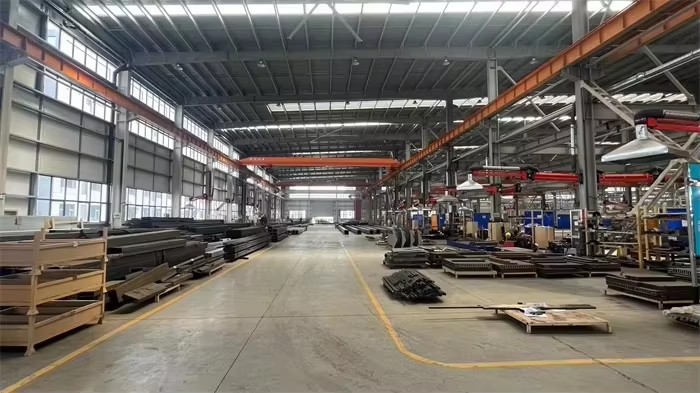
Anhui Nexrik Intelligent Technology Co., Ltd. is an SGS onsite-verified manufacturer based in Hefei, Anhui, with two production bases and a portfolio spanning AGV forklifts, VNA AGVs, AS/RS stacker cranes and four-way shuttles. The company reports 1,152 employees, 66,650 m² of floorspace, 7 awarded patents and annual revenue above US$100 million. For Phuket buyers, these are the verifiable signals to request before awarding a turnkey automation contract.
Verified manufacturing scale
1,152 staff and 66,650 m² across two production bases provide capacity for a single pilot unit or a multi-site fleet. SGS onsite verification supports buyer due diligence for tender committees and import documentation.
Certification and inspection
CE marking under Machinery Directive 2006/42/EC, ISO 9001 quality management and ISO 45001 occupational health and safety systems. Onsite material and finished-product inspection is performed before shipment, with factory acceptance testing available for project orders.
In-house engineering and build
Chassis, masts and control integration are built and tested on the company’s own lines. Custom forks, lift heights, battery configurations and cold-storage variants can be engineered around the actual pallet and rack drawing rather than a catalogue assumption.
Laser and 3D SLAM navigation
Buyers can choose reflector-based laser navigation for fixed, highly repetitive routes or 3D SLAM for natural-feature localisation. 3D SLAM typically reduces reflector and floor-tape work, which suits leased Phuket buildings and multi-tenant facilities where modifications are limited.
One-stop turnkey integration
AGV forklifts, AS/RS stacker cranes, four-way shuttles and RGVs can be sourced as one integrated system rather than assembled from unrelated vendors. This reduces interface risk between WMS, WCS, safety systems and mechanical equipment.
OEM, ODM and commercial flexibility
MOQ starts at one set. Full customization, OEM, ODM and buyer-label production are available, including load capacity, fork dimensions, lift height and battery configuration. Accepted trade terms include FOB, CFR, CIF, EXW, FAS, CIP and DDP.
Production, inspection and export evidence
Phuket buyers can request the same evidence used by other international project teams: production-base photos, assembly records, inspection checklists, packing images and shipment documentation. The manufacturer is located at Huagang Town Industry-City Integration Demonstration Zone, Feixi County, Hefei, Anhui, China, and has supplied projects across Southeast Asia, South America, Eastern Europe, South Asia and North America.


What this means for a Phuket project
You are not only buying a truck or AGV body. You are selecting a supplier that can provide CE documentation, export packing, spare parts, remote commissioning support and a factory acceptance record that satisfies your main contractor, insurer and customs broker.
Questions Local Buyers Ask First
These are the practical questions raised by hotel owners, seafood processors, retail groups, contractors and port-linked logistics teams when comparing warehouse material handling factories and suppliers serving Phuket.
Do you ship warehouse material handling equipment to Phuket?
Yes. Equipment can be shipped under FOB, CFR, CIF, EXW, FAS, CIP or DDP terms, depending on the buyer’s preferred risk split. Many Phuket projects route containers through Laem Chabang or Bangkok and then truck to the island; direct routing depends on vessel schedule and cargo size. Provide the delivery address, site access width, unloading equipment and whether a crane or forklift will be available at reception.
What is the minimum order quantity for an AGV or stacker crane?
The MOQ is one set for AGV forklifts, stacker cranes and four-way shuttles. A single-unit pilot is often the right first step in Phuket: it proves the route, cycle time, Wi-Fi coverage and operator acceptance before a larger fleet is ordered.
Which certifications matter for a Thai buyer?
CE marking under 2006/42/EC, ISO 9001 and ISO 45001 are the core documents to request for tender review. Thai electrical and safety requirements should be verified with your local consultant or authority for the specific installation. The manufacturer can supply declarations, drawings and inspection records for customs and site acceptance.
Can the equipment handle Phuket humidity and salt-laden air?
Yes, but the protection package must be specified. For coastal and open-air sites, request hot-dip galvanized or marine-grade surface treatment, sealed electrical connectors, suitable IP ratings and a preventive maintenance schedule. Equipment used in air-conditioned hotel stores has different needs from a yard near Ao Makham, so the site survey should record ambient humidity, airborne salt and wash-down practice.
What power supply is needed for charging?
Thailand commonly uses 230/400 V, 50 Hz supply, but Phuket sites vary and must be confirmed by a local electrical engineer. Charger selection depends on battery chemistry, shift pattern, opportunity-charging windows and available breaker capacity. Include the charger room or charging bay in the layout from day one; retrofitting charging infrastructure after the racks are installed is expensive.
Can AGVs work in cold storage and seafood processing?
Yes. The portfolio includes frozen-storage AS/RS stacker crane variants and AGV configurations for cold environments. For seafood plants, discuss wash-down routine, condensation, floor drainage and door-opening time during the design stage. Cold-room battery performance and scanner heating should be reviewed together, not separately.
How is installation and after-sales support handled in Phuket?
Overseas projects are supported through remote diagnostics, commissioning documentation, operator training materials and spare-parts supply. A local mechanical or electrical contractor can be nominated for first-line service, with manufacturer engineers providing remote supervision and escalation. Response times, spare-parts holding and training responsibilities should be written into the supply contract.
Can you customize forks, capacity, lift height and battery configuration?
Yes. Full customization, OEM, ODM and buyer-label production are available. Typical changes include load capacity, fork length and spacing, lift height, battery type, charger specification, cold-storage protection and fleet-management interfaces. Send pallet photos, rack drawings and target throughput with the inquiry so the proposal is engineered rather than estimated.
What payment and trade terms are accepted?
Accepted delivery terms include FOB, CFR, CIF, EXW, FAS, CIP and DDP. Payment methods include L/C, D/P, D/A, MoneyGram, credit card and Western Union in USD, EUR or CNY. The final structure depends on order value, destination and whether the buyer uses a trading company or imports directly.
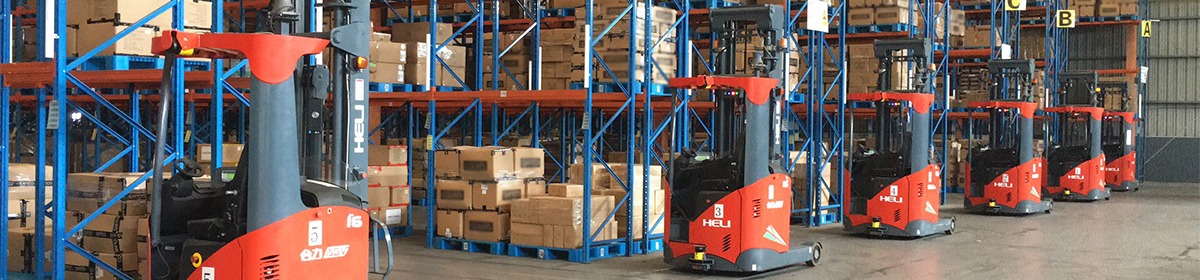
Send Your Phuket Warehouse Layout for an Engineered Equipment Mix
Share your rack drawing, pallet photos, peak throughput, power supply and target go-live date. Our engineers will propose a right-sized mix of AGV forklifts, reach trucks, stackers and AS/RS equipment — with attention to coastal protection, import routing and spare-parts planning.