Eight AMR & AGV Platforms Built for Portland Warehouses
Portland buyers do not need a catalogue of every robot on the market. They need a short list that maps to rack type, pallet quality, aisle width, dock geometry, and the labor plan behind peak season. The eight platforms below are the starting point we use for Portland warehouse AMR and wholesale sourcing conversations. Each model can be configured for U.S. pallet sizes, load centers, fork dimensions, battery strategy, and WMS handshakes.
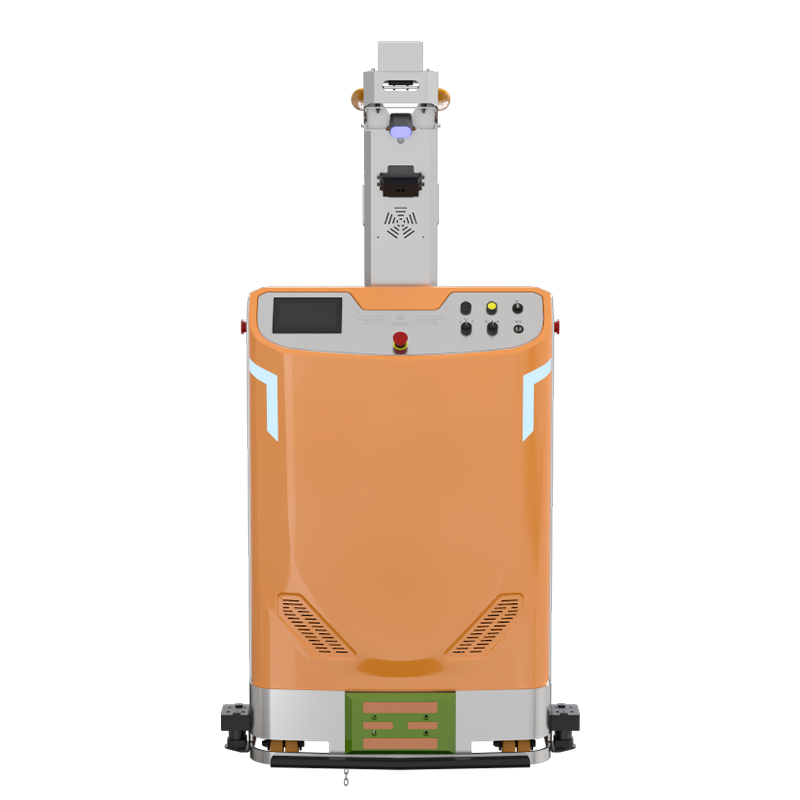
2T Material Handling AGV Body Narrow Body Compact Chassis 3D SLAM Navigation Laser Obstacle Avoidance for Workshop Transport
- 2T class
- 3D SLAM
- Laser avoidance
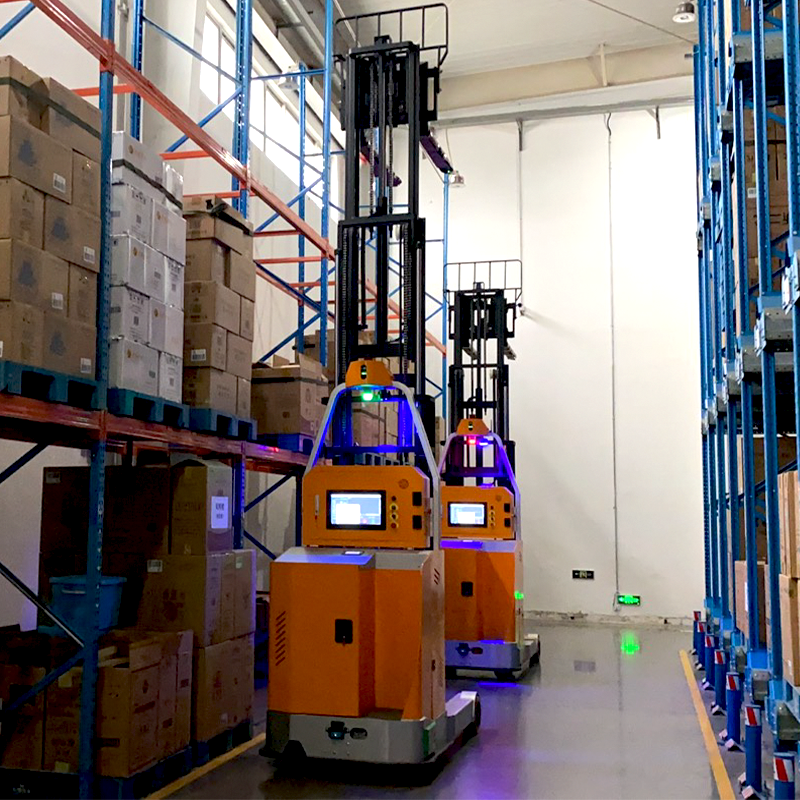
EFORK EQDA15-30 Automated Reach Truck Laser SLAM Navigation 1.5T Capacity ±10mm Accuracy Forklift for Warehouse Logistics
- 1.5T
- ±10 mm
- Reach truck
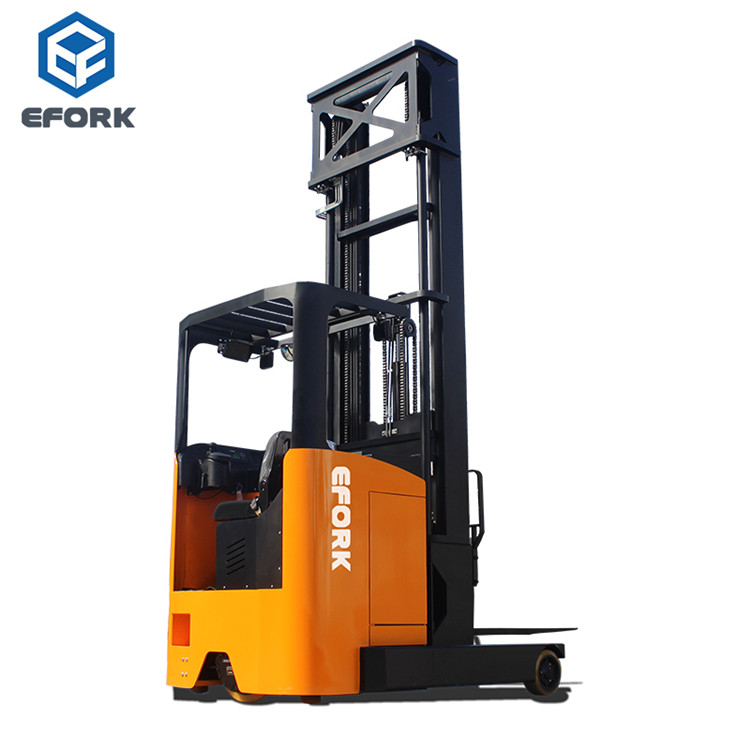
CQDE China Wholesale 2000kg 12m 8m 6m Industrial Forklift Pallet Truck Good Prce
- 2000 kg
- 12 / 8 / 6 m
- Wholesale
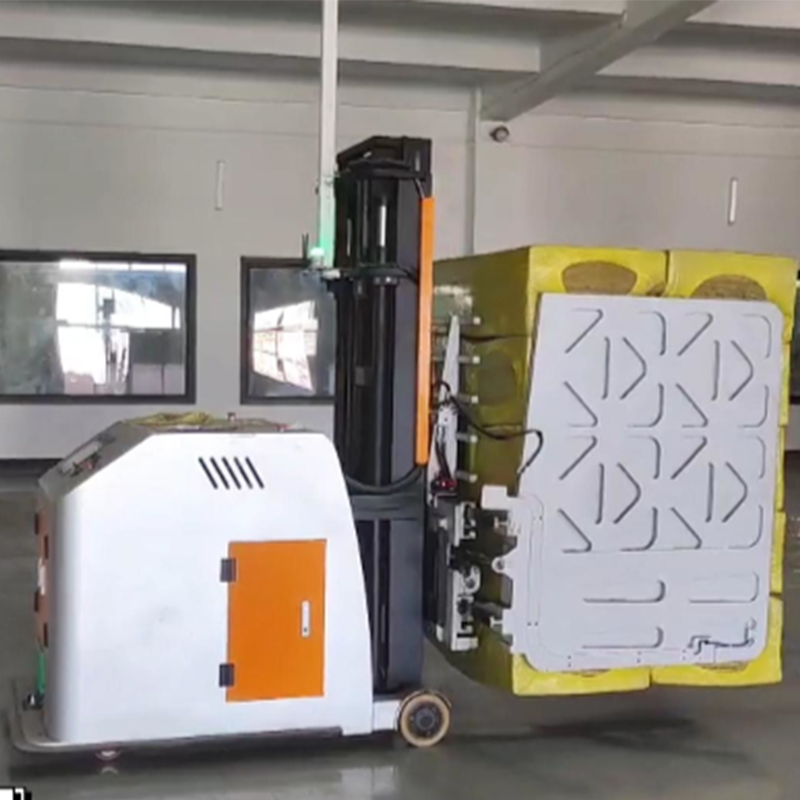
EFORK Automated Guided Vehicle AGV Forklift 3T 3000MM Counterbalanced 3D SLAM Construction Factory Logistics Pallet Truck
- 3T
- 3000 mm
- 3D SLAM
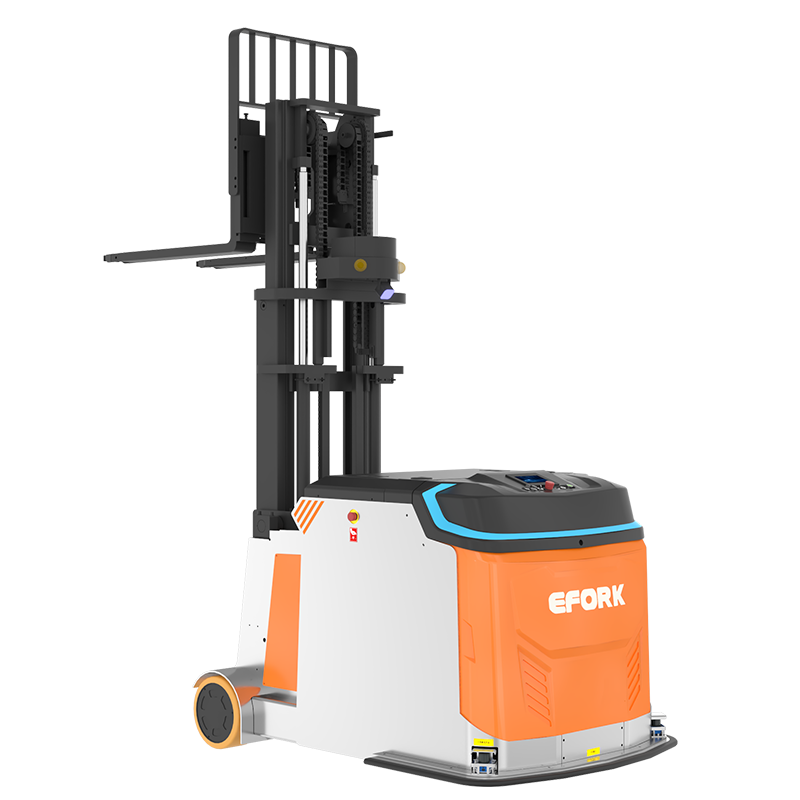
EFORK EDB30-30 Counterbalanced AGV Body 3M 3T High Lift Capacity Forklift Fork Legs High Flexibility 3D SLAM Navigation for Warehouse Automation
- 3T
- 3 m lift
- High flexibility
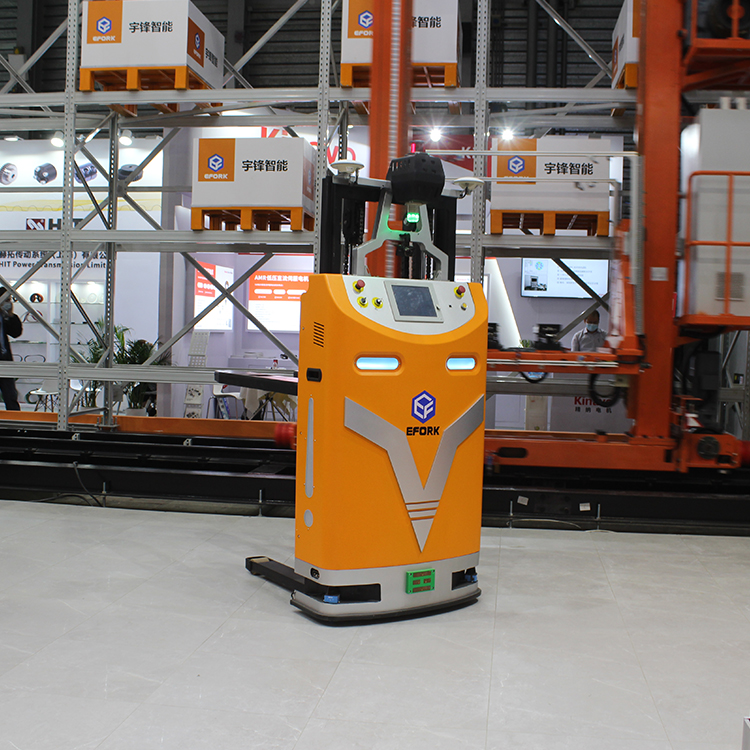
CE Certified EFORK EDA20-16 2T 1600mm Laser Navigation Self-Driving Forklift AGV WIFI/5G 10mm Accuracy 6-8H Working Time
- 2T
- 1600 mm
- WiFi / 5G
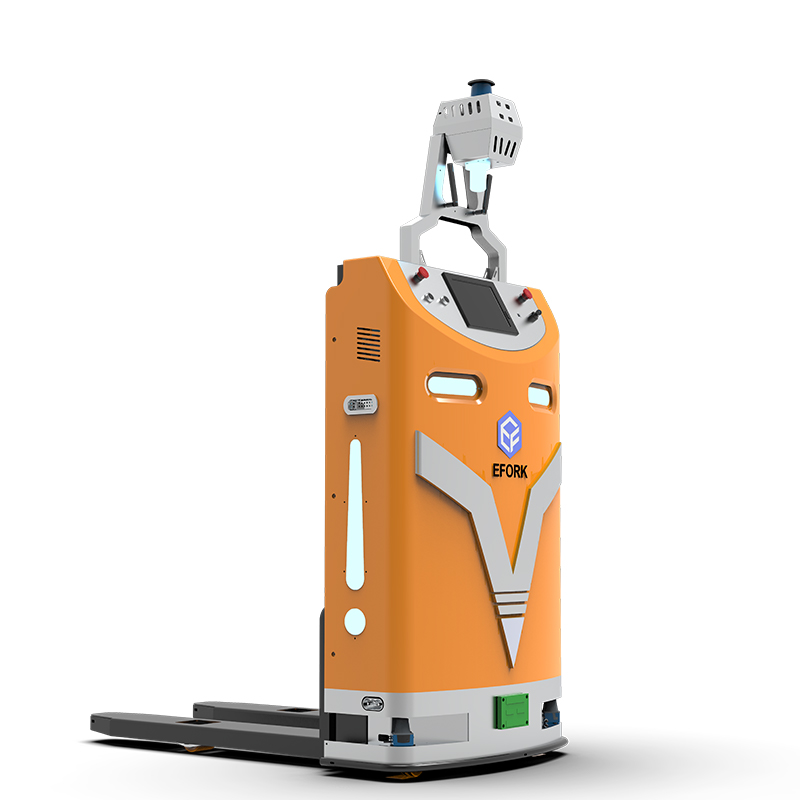
Latest Design Tech Slim Stacking AGV Forklift CE Certified 2T 3M 3D SLAM for Warehouse Automation Handling and Lifting Robot
- 2T
- 3 m lift
- Slim body
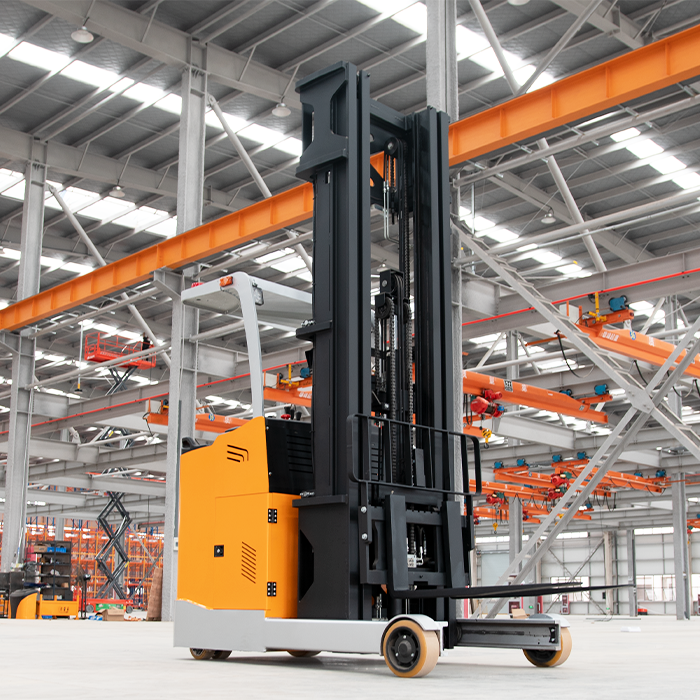
China Wholesale 2000kg 12m 8m 6m Industrial Forklift Pallet Truck Good Price
- 2000 kg
- 12 / 8 / 6 m
- Factory direct
Why Portland Warehouse Operators Are Moving From Fixed Automation to AMR Fleets
Portland’s industrial map is not generic. Buyers work around the Columbia Corridor, Portland Harbor, I-5 and I-84 freight flows, rail intermodal connections, and a tight supply of industrial land. That combination rewards warehouses that can increase storage density and throughput without expanding the building footprint. It also explains why warehouse AMR factories and wholesalers for Portland are being evaluated as part of a broader logistics plan rather than as a single forklift purchase.
The old model was fixed-path automation: tape, reflectors, dedicated lanes, and a layout that had to stay stable. The newer model uses 3D SLAM and laser navigation to localize against natural warehouse features or reflectors, depending on the route. For Portland operations with mixed pallets, frequent SKU changes, and multi-client 3PL contracts, that flexibility matters. A robot that can be redeployed from receiving to line-side delivery without rebuilding the floor is easier to justify than a system locked to one layout.
Our engineering position is practical: navigation choice follows the process, not the brochure. 3D SLAM is often a strong fit where structural columns, racking, and walls provide stable natural features, and where the buyer wants to reduce floor modifications. Laser navigation remains effective for repetitive, fixed routes and high-accuracy docking. Rail-guided AS/RS and four-way shuttles are still the right answer when the goal is ultra-dense pallet or bin storage with predictable crane cycles.
We also avoid a common sourcing error: treating the AMR as a machine isolated from the warehouse management system. Portland buyers should confirm pallet ID logic, task release rules, charging strategy, fire egress, and the WMS/WCS handshake before comparing price. A factory-direct quote is only useful when it is tied to the rack drawing, throughput target, and shift pattern that will run the building.
Portland Navigation Decision Framework
Best for mixed routes, compact chassis, natural-feature localization, and warehouses where adding reflectors or tape would interrupt operations.
Best for repeatable dock-to-rack loops, high accuracy, and stable lanes where predictable cycle time is more important than rapid map changes.
Best for high-bay pallet density, cold storage, and four-way shuttle layouts where storage density and WMS-controlled sequencing drive ROI.
- Pallet auditWood quality, bottom-board spacing, load overhang, wrap, and weight distribution.
- Aisle surveyRack-to-rack clearance, column positions, floor flatness, and turning envelopes.
- Dock realityTrailer floor transitions, dock levelers, staging space, and pedestrian segregation.
- WMS handshakeTask queues, barcode or QR rules, exception handling, and reporting ownership.
- Safety fileSite risk assessment, egress, charging area, lockout procedures, and operator training.
Where AMRs Fit in the Portland Metro
Local fit is not about the city name on a brochure. It is about how freight arrives, how pallets are stored, how labor is scheduled, and which building constraints cannot be changed.
Portland Harbor & Columbia Corridor Cross-Dock
Import containers and regional truckloads create constant pallet staging pressure. A compact 2T 3D SLAM material handling AMR can move pallets from receiving to stretch-wrap and rack staging without adding fixed conveyor or floor tape. The value is predictable dock turnover during the first shift and safer pedestrian zones around trailers.
Hillsboro & Beaverton Advanced Manufacturing
Electronics, instrumentation, and advanced manufacturing sites often run high-mix production with line-side replenishment. Slim-body AMRs and 2T laser navigation forklifts can move totes, bins, and pallets on repeatable loops while keeping aisles clear for technicians. WMS or MES integration should be defined before the pilot, not after equipment arrival.
Gresham, Troutdale & Cold-Chain Operations
Food, beverage, and cold-chain warehouses around the eastern metro need dense storage and reliable sequencing. Frozen-storage AS/RS stacker cranes and shuttle systems can operate in high-bay layouts where manual reach trucks lose productivity. For chilled zones, battery strategy, condensation control, and maintenance access must be planned at layout stage.
North Portland & Vancouver, WA 3PL Warehouses
Third-party logistics operators in the Portland-Vancouver area manage multiple clients, changing SKU profiles, and tight service-level agreements. WMS-ready four-way shuttle systems and 3D SLAM forklifts give 3PLs a way to scale a pilot from one client zone to another. Flexible FIFO and LIFO logic is a procurement question, not just a software setting.
Central Eastside, Outdoor Gear & E-Commerce
Portland’s apparel, outdoor gear, and e-commerce distributors often handle cartons, totes, and palletized replenishment in older buildings. Slim stacking AGVs and compact material handling robots can navigate tighter layouts while reducing repeated forklift travel. Peak-season scalability is usually more valuable than maximum top speed.
Port of Portland Intermodal & Wholesale Distribution
Wholesale distributors serving Oregon and southwest Washington need dependable pallet flow between rail, truck, and rack. A 3T counterbalanced AGV forklift or high-lift AGV body can handle closed-bottom pallets, cages, and dock transfers without front outriggers. Very narrow aisle models should be evaluated when building height and land constraints favor vertical storage.
Portland Trends Shaping Warehouse Automation ROI
These are the planning signals we see in serious buyer conversations. They are not reasons to buy a robot by themselves; they are reasons to model the right system before committing capital.
Industrial Land Scarcity
Portland-area warehouses are under pressure to store more in the same footprint. That favors VNA AGVs, high-bay AS/RS, and four-way shuttles over simply adding more floor space.
Labor Competition & Retention
Automation is often justified by safety, shift coverage, and retention as much as headcount reduction. Removing repeated long-distance forklift travel helps warehouses keep experienced operators in higher-value roles.
E-Commerce & Service-Level Pressure
Faster order cut-offs and multi-channel fulfillment push warehouses toward WMS-connected automation. The system must handle exceptions, not just perfect pallets, because Portland buyers compete on service reliability.
Cold-Chain Density
Frozen and chilled storage is expensive per cubic foot. Cold-storage AS/RS reduces unnecessary door openings and manual travel while improving traceability in food and beverage distribution.
Electrification & Charging Strategy
Lithium battery selection, opportunity charging, and electrical capacity are becoming part of the warehouse layout. Buyers should involve facilities teams early so charging does not become a post-installation constraint.
Safety & Compliance Review
Oregon employers still need site-specific risk assessment, training, and traffic management. CE and ISO documentation support the file, but local safety review and building permits remain part of the project.
A Factory-Direct Partner for Portland Wholesalers & Integrators
Anhui Nexrik Intelligent Technology Co., Ltd. manufactures AGV forklifts, VNA AGVs, AS/RS stacker cranes, four-way shuttles, and intelligent warehousing systems. For Portland buyers, the advantage is not simply price. It is traceable manufacturing capacity, documented compliance, and a team that can engineer a pilot before scaling a fleet.
Employees
Onsite-verified workforceFactory Floorspace
Production bases in AnhuiAnnual Revenue
Capacity for fleet ordersAwarded Patents
Plus 1 registered trademark


Built in Hefei. Supported for Portland Projects.
The manufacturing base covers chassis fabrication, mast integration, control system assembly, and finished-product inspection. SGS onsite verification, ISO 9001, ISO 45001, and CE marking under the Machinery Directive 2006/42/EC give Portland importers and integrators a documented starting point for supplier approval.
Projects can start with a single set, which is important for Portland buyers who want to validate routes, cycle times, and operator acceptance before committing to a full fleet. OEM, ODM, buyer-label production, load capacity changes, lift height changes, fork configuration, battery strategy, and cold-storage variants can be scoped with engineering.
For U.S. deployments, our documentation supports the technical file, but it does not replace local review. Electrical practice, fire egress, rack engineering, and site-specific risk assessment should be completed with the authority having jurisdiction and the buyer’s safety team.
- MOQ: 1 set for pilot projects
- Markets: Southeast Asia, South America, Eastern Europe, South Asia, North America
- Integration: WMS/WCS-ready AS/RS and shuttle systems
- Support: remote diagnostics, spare parts, training, and expansion planning
In-House Manufacturing
Chassis, masts, and control integration are built and inspected on owned production lines, reducing dependence on fragmented subcontracting.
3D SLAM & Laser Expertise
Choose natural-feature localization for flexible routes or laser navigation for repeatable high-accuracy loops, then validate with site data.
Turnkey System Scope
AGVs, stacker cranes, four-way shuttles, and RGVs can be engineered as one WMS-ready system rather than separate equipment packages.
Documented Compliance
CE, ISO 9001, ISO 45001, SGS onsite verification, and patent records support tender, customs, and supplier approval workflows.
Pilot-Friendly MOQ
Start with one set, prove the route, then scale. This is often the lowest-risk path for Portland warehouses testing automation for the first time.
OEM / ODM & Spare Parts
Buyer-label production, custom fork geometry, capacity changes, and spare-parts planning are available for wholesale and integrator programs.
Which AMR Platform Matches the Portland Job?
Use this engineering reference to shortlist equipment before requesting a layout proposal. Final specifications are confirmed against rack drawings, pallet samples, throughput targets, and building constraints.
| Portland Job | Recommended Platform | Why It Fits | Spec Anchor |
|---|---|---|---|
| Trailer unloading & dock staging | 2T Compact 3D SLAM Material Handling AGV | Narrow body and natural-feature navigation suit tight dock zones and mixed pallet flow without major floor changes. | 2T class · 3D SLAM · laser obstacle avoidance |
| Selective racking in an existing building | EFORK 1.5T Automated Reach Truck | Reach design supports medium-height racking and repeatable dock-to-rack cycles with high accuracy. | 1.5T · laser SLAM · ±10 mm |
| Closed-bottom pallets, cages & production lines | EFORK 3T Counterbalanced AGV Forklift | No front outriggers, so it can handle pallets and containers that reach or stacker designs may not accept. | 3T · 3000 mm · 3D SLAM |
| Very narrow aisle & high-bay pallet storage | EFORK EDB30-30 High-Lift AGV Body | High-lift capacity and flexible fork legs support dense layouts where aisle width and building height are the limiting factors. | 3T · 3 m lift · 3D SLAM |
| Cold-chain pallet storage | CE EFORK 2T Laser Navigation AGV | Laser navigation and WiFi/5G connectivity support repetitive cold-zone loops and WMS-controlled task release. | 2T · 1600 mm · 6–8 h working time |
| Wholesale pallet handling & yard-to-rack transfer | China Wholesale 2000kg Industrial Forklift Pallet Truck | Factory-direct platform for distributors that need a practical 12 m / 8 m / 6 m pallet truck configuration. | 2000 kg · 12 / 8 / 6 m · wholesale program |
Specification values reflect standard listed configurations. Load capacity, lift height, fork dimensions, battery strategy, and safety options must be confirmed during project engineering for Portland site conditions.
Questions Portland Buyers Ask Before Sourcing
These answers are written for procurement, operations, and engineering teams comparing factory-direct AMR suppliers outside the United States.
Can you deliver and commission AMRs in Portland, Oregon?
Yes, projects can be scoped for Portland delivery with Incoterms such as FOB, CFR, CIF, EXW, FAS, CIP, or DDP. Commissioning support can include remote diagnostics, mapping guidance, WMS interface testing, and travel by engineering personnel when included in the project scope. For a pilot, Portland buyers often begin with a single set and a defined acceptance test before scaling.
How should Portland buyers handle U.S. electrical and safety compliance?
CE marking, ISO 9001, and ISO 45001 are supplier-side credentials, not a substitute for local approval. A U.S. deployment should include a site-specific risk assessment, traffic management plan, operator training, charging-area review, and any required authority-having-jurisdiction review. Where applicable, align the safety file with OSHA and ANSI/ITSDF B56.5 requirements for powered industrial trucks and driverless automatic guided industrial vehicles.
What lead time and MOQ should a Portland warehouse plan for?
The MOQ for AGV forklifts, stacker cranes, and four-way shuttle systems is 1 set. Lead time depends on model, battery configuration, custom fork geometry, WMS requirements, and shipping schedule. Portland projects should separate factory build time, ocean or rail freight, customs clearance, site preparation, and commissioning. A pilot line is often the fastest way to validate cycle time before committing to a fleet.
Can your AMR forklifts integrate with a Portland 3PL’s WMS?
Yes, integration requirements are defined during solution design. The conversation should cover task release, pallet ID, location logic, exception handling, reporting ownership, and whether the buyer uses a WMS, WCS, ERP, or custom middleware. Our AS/RS and four-way shuttle systems are designed WMS-ready, and interface testing is part of commissioning rather than an afterthought.
Are cold-storage and high-bay AS/RS options available?
Yes, the product range includes AS/RS stacker cranes, frozen-storage variants, four-way shuttle systems, and VNA AGV platforms for high-bay storage. Portland cold-chain buyers should provide temperature zones, rack drawings, load units, required throughput, and maintenance access requirements. These inputs determine materials, lubrication, battery strategy, and safety design.
What local site data is needed for a layout and quote?
Send rack drawings, pallet samples or dimensions, load weights, aisle widths, floor flatness data, dock layout, photo or video of the route, throughput targets, shift pattern, WMS details, and charging-area constraints. For Portland projects, also identify seismic or building permit requirements that may affect rack and AS/RS design. With that package, our engineers can recommend a platform and prepare a more accurate quote.
Turn Your Rack Drawing Into a Practical AMR Plan
Send your pallet types, rack layout, throughput target, and Portland delivery postcode. We will help you compare 3D SLAM AMRs, laser-guided AGVs, counterbalanced forklifts, VNA platforms, and WMS-ready AS/RS options before you commit capital.
Get a Quote