Factory-direct • 3D SLAM • CE-certified • Ho Chi Minh City project support
VNA Truck 3-Way Forklift AGV AMR Factory & Supplier in Ho Chi Minh City
Narrow-aisle automation for Saigon warehouses: 1.6–3 T VNA AGV and AMR platforms, 7–11 m high-bay lifting, laser or 3D SLAM navigation, WMS-ready integration, MOQ 1 set, and export documentation for Cat Lai port.
8 Factory-Built VNA, Reach, Stacker AGV and AMR Models for Ho Chi Minh City
These production-ready models cover high-density storage, tight production-line transport, high-bay VNA racking, counterbalanced dock work, and laser-navigation automation. All product links below are preserved for direct model review; for pricing, delivery time, or a warehouse layout proposal, use the catalog inquiry button.
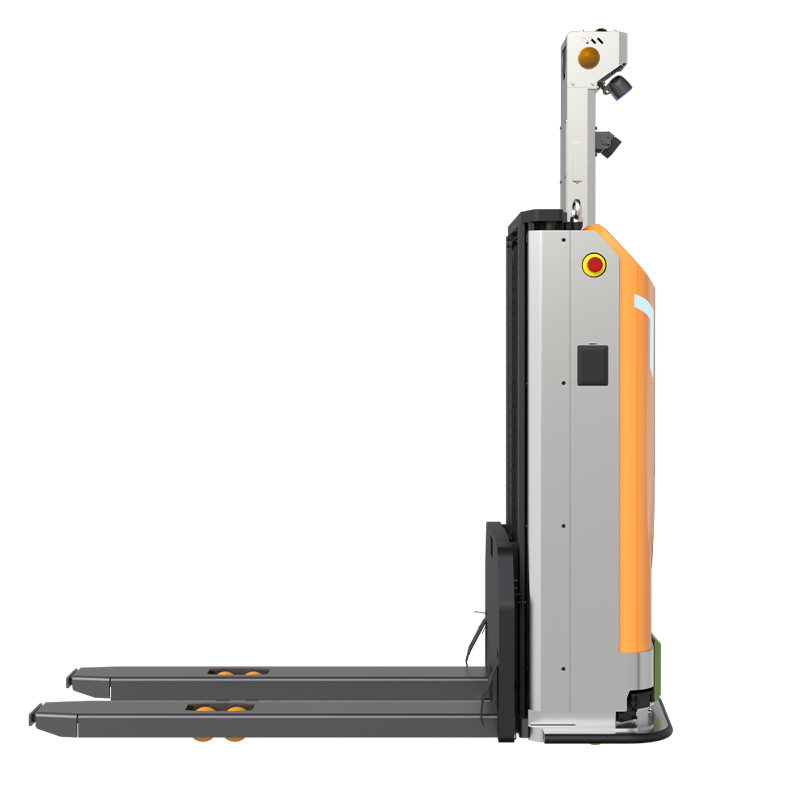 3D SLAM2T
2T Slim Narrow-Body Stacker AGV with 3D SLAM & WIFI/5G for High-Density Storage 1.6M Pallet Stacking
- 2T load
- 1.6 m stack
- Wi-Fi/5G
A strong fit for HCMC warehouses where floor space is expensive. The slim body and 3D SLAM localization help increase pallet positions without forcing a full rack rebuild.
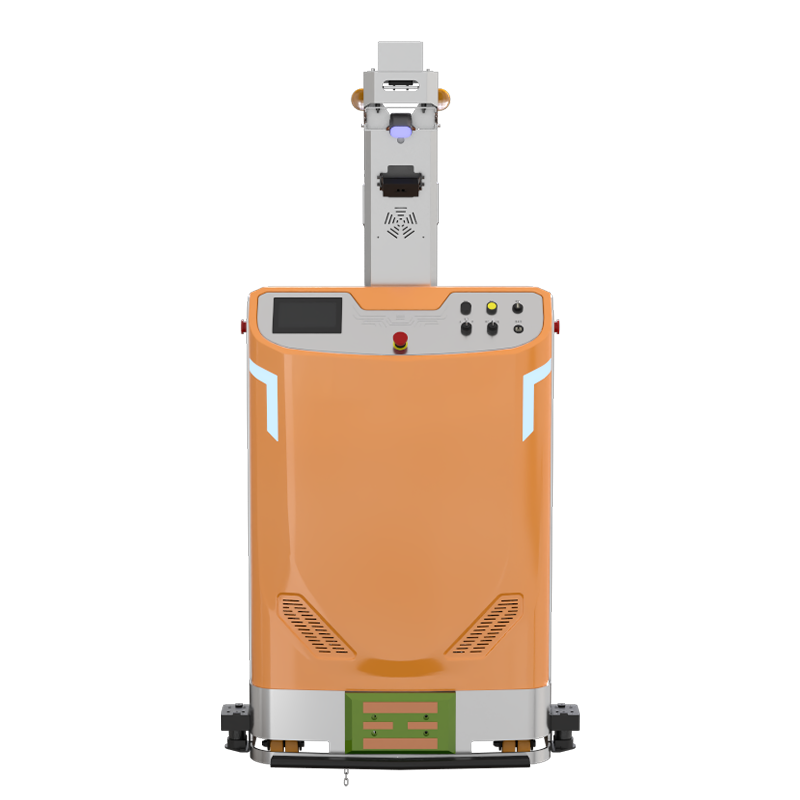 Compact2T
Material Handling AGV Body 2T with Narrow Body Compact Chassis for Production Line & Workshop Transport in Tight Space
- 2T class
- Narrow chassis
- Line-side transport
Useful in Tan Thuan, Linh Trung and Saigon Hi-Tech Park production buildings where aisle clearance is limited but repeatable material flow is high.
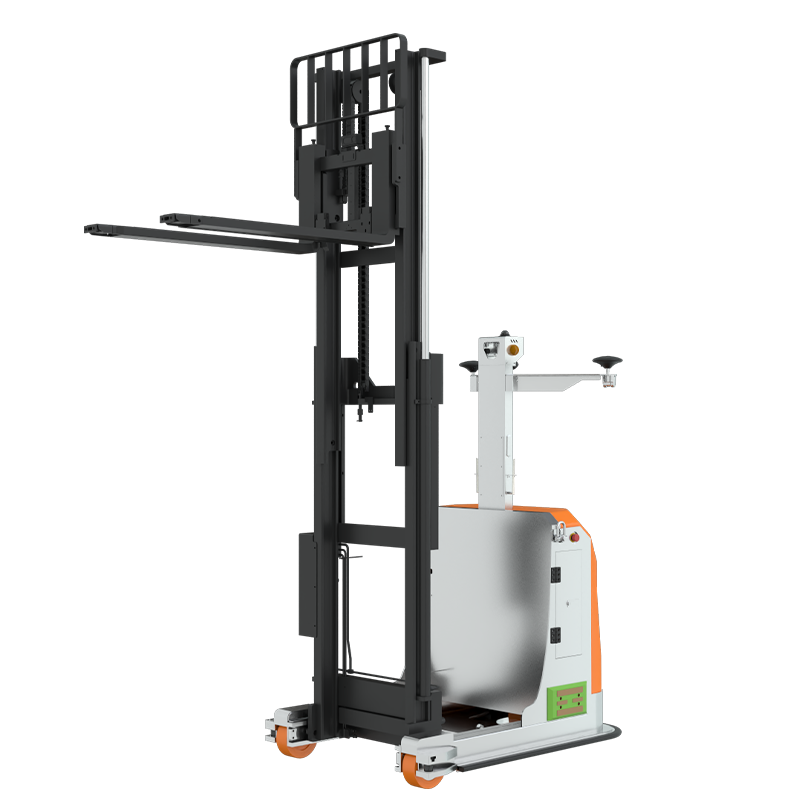 10 mm1.5T
Reach Truck AGV Narrow Body 1.5T 3M Compact Design Fork Forward Function 3D SLAM Navigation 10mm Positioning Accuracy
- 1.5T
- 3 m lift
- 3D SLAM
An efficient step between pallet stackers and counterbalanced trucks, with fork-forward reach for selective racking and medium-height storage.
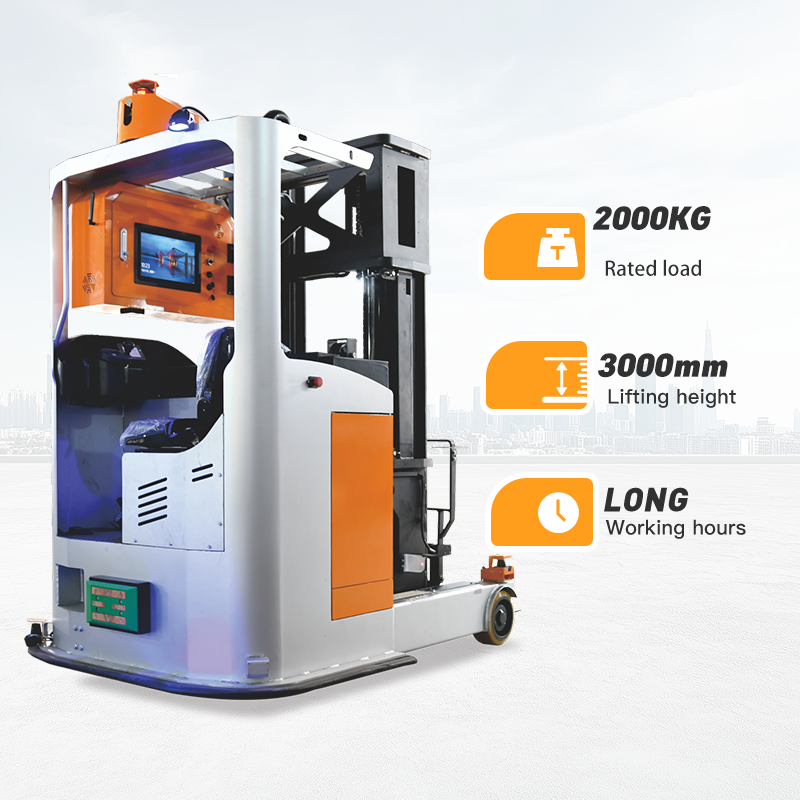 Laser SLAMCE
Reach Truck AGV Forklift 2T 3M Laser SLAM Navigation CE Certified Warehouse Automation Robot for Factory Logistics
- 2T
- 3 m
- CE certified
For HCMC factories that want stable, repeatable routes with laser SLAM navigation and CE documentation for internal approval processes.
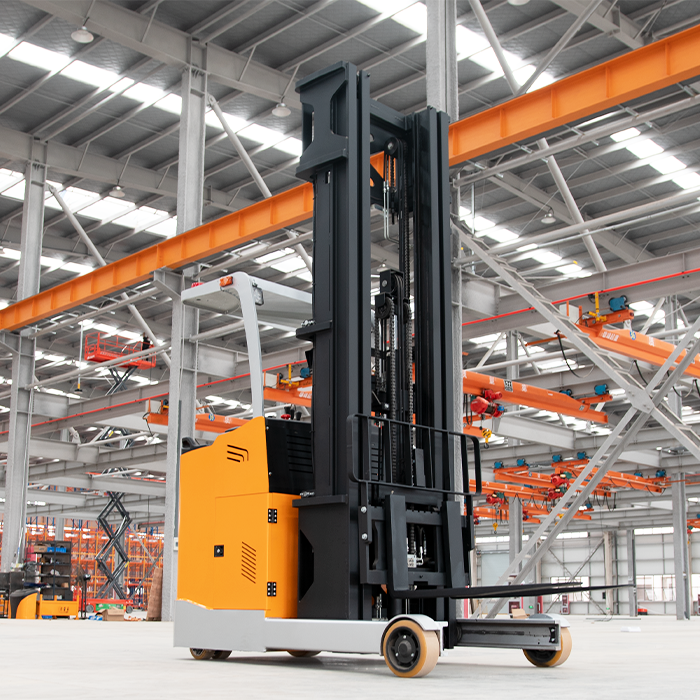 2000 kgWholesale
China Wholesale 2000kg 12m 8m 6m Industrial Forklift Pallet Truck Good Price
- 2000 kg
- 6–12 m options
- Industrial
A cost-sensitive option for buyers comparing CAPEX across VNA, high-bay and conventional handling before committing to a full automated fleet.
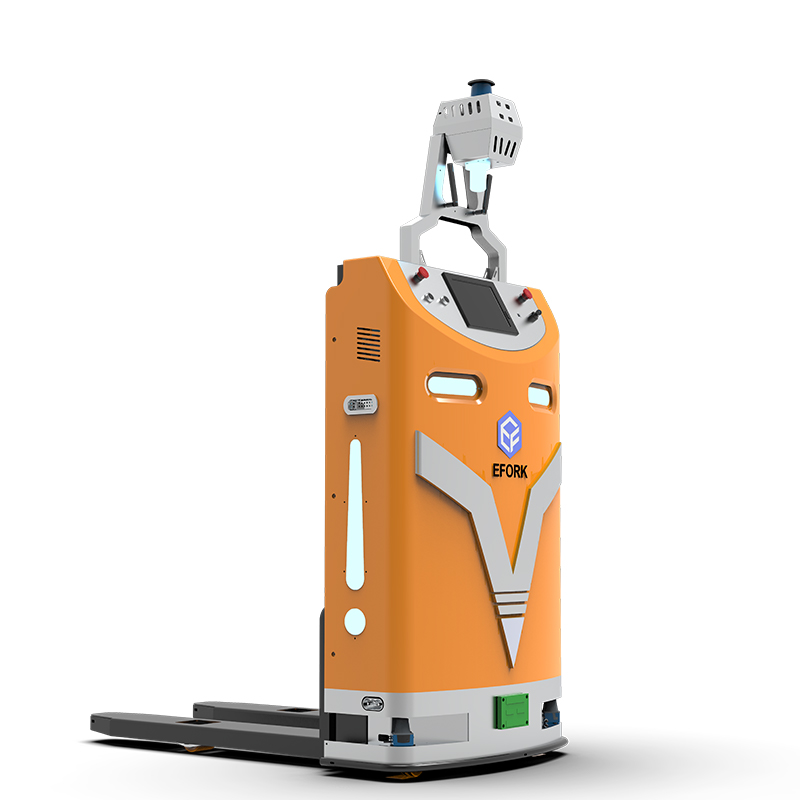 Slim body3D SLAM
Latest Design Tech Slim Stacking AGV Forklift CE Certified 2T 3M 3D SLAM for Warehouse Automation Handling and Lifting
- 2T
- 3 m lift
- CE certified
A compact stacker AGV for pallet handling, lifting and line replenishment. The slim chassis helps protect valuable aisle width in leased warehouses.
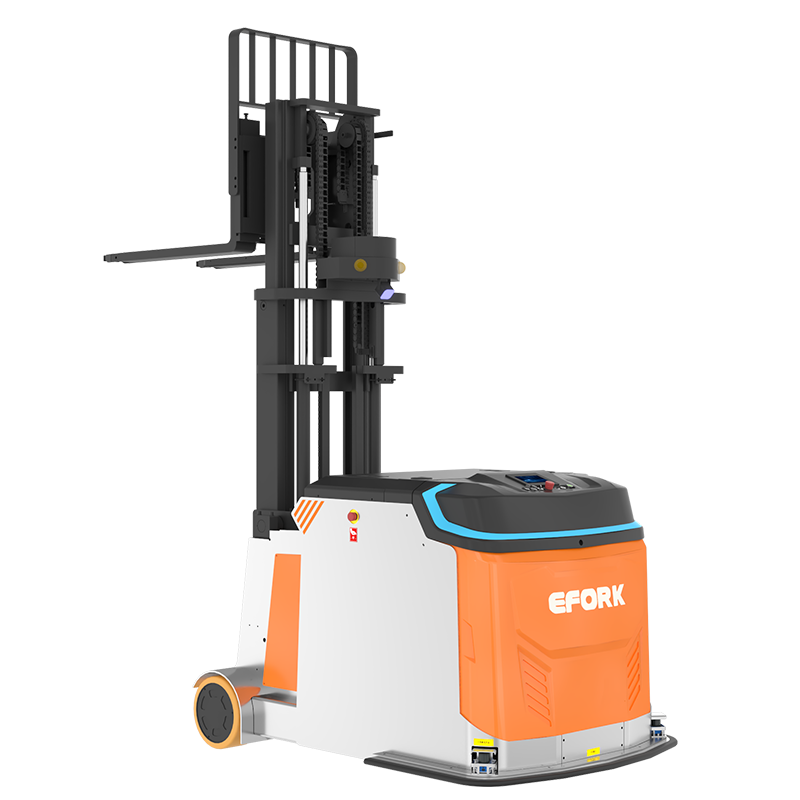 3T3 m
EFORK EDB30-30 Counterbalanced AGV Body 3M 3T High Lift Capacity Forklift Fork Legs High Flexibility 3D SLAM Navigation
- 3T
- 3 m
- No outriggers
A counterbalanced AGV for closed-bottom pallets, stillages, cages and dock handling, where front outriggers would be a limitation.
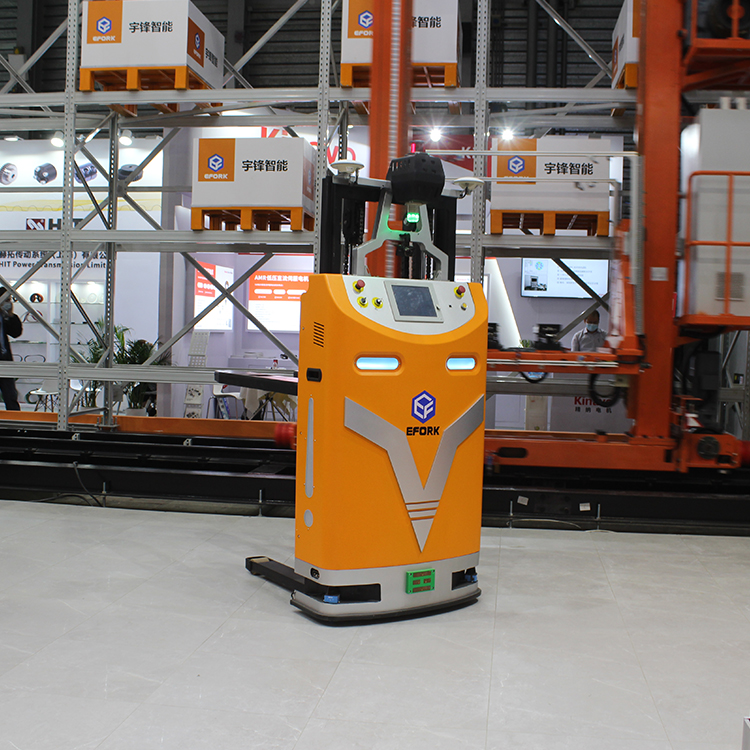 6–8 h10 mm
CE Certified EFORK EDA20-16 2T 1600mm Laser Navigation Self-Driving Forklift AGV WIFI/5G 10mm Accuracy 6–8H Working Time
- 2T
- 1.6 m
- Wi-Fi/5G
A production-line and warehouse-transfer AGV with laser navigation, 10 mm positioning accuracy, and 6–8 hour working time. Suitable for pilot fleets before expansion.
What a VNA 3-Way Forklift AGV or AMR Really Changes in a Ho Chi Minh City Warehouse
A VNA truck is not simply a forklift with a narrower chassis. In a true very-narrow-aisle system, the forklift, rack layout, floor tolerance and safety concept are designed together. A 3-way forklift can rotate its fork carriage to handle pallets on the left, right and forward while the truck remains in the aisle. When that mechanism is paired with AGV or AMR navigation, the result is a high-density storage system that can lift heavier pallets to greater heights while reducing the aisle footprint that eats into usable storage area.
That matters in Ho Chi Minh City because industrial land and leased warehouse space are expensive. Every square metre that is not storing a pallet is a cost. A well-designed VNA AGV or AMR project usually aims at three outcomes: more pallet positions per building, more repeatable moves per shift, and less dependence on scarce forklift operators. For a warehouse in Cat Lai, Tan Thuan, Linh Trung, Saigon Hi-Tech Park, VSIP or the wider Binh Duong and Long An industrial belt, the engineering question is not “which truck is cheapest?” but “what is the cost per pallet stored and the cost per completed move?”
AGV, AMR and 3D SLAM in plain engineering terms
Older AGV systems often depended on magnetic tape, rails or reflectors. Modern AMR systems can localize using natural features, lidar, cameras and on-board mapping, which usually reduces site modification and shortens the time needed to change routes. Nexrik offers both laser navigation and 3D SLAM navigation. Laser navigation can be highly repeatable for fixed routes and stable environments. 3D SLAM can be attractive where the building changes, where route flexibility matters, or where the buyer wants to avoid a large reflector programme. The right choice depends on rack tolerance, traffic density, floor flatness, Wi-Fi/5G coverage and the fire-safety plan.
For a high-bay VNA project, payload is not the only number to verify. Buyers should confirm the load centre, residual capacity at maximum lift height, aisle width, rack beam tolerance, floor flatness, safety-scanner zones, battery-charging strategy and emergency response. Some models in our range provide 10 mm positioning accuracy and 6–8 hours of working time, but the final configuration must always be calculated from the actual pallet, load and building dimensions. This is where a factory engineer’s input is more valuable than a generic catalogue price.
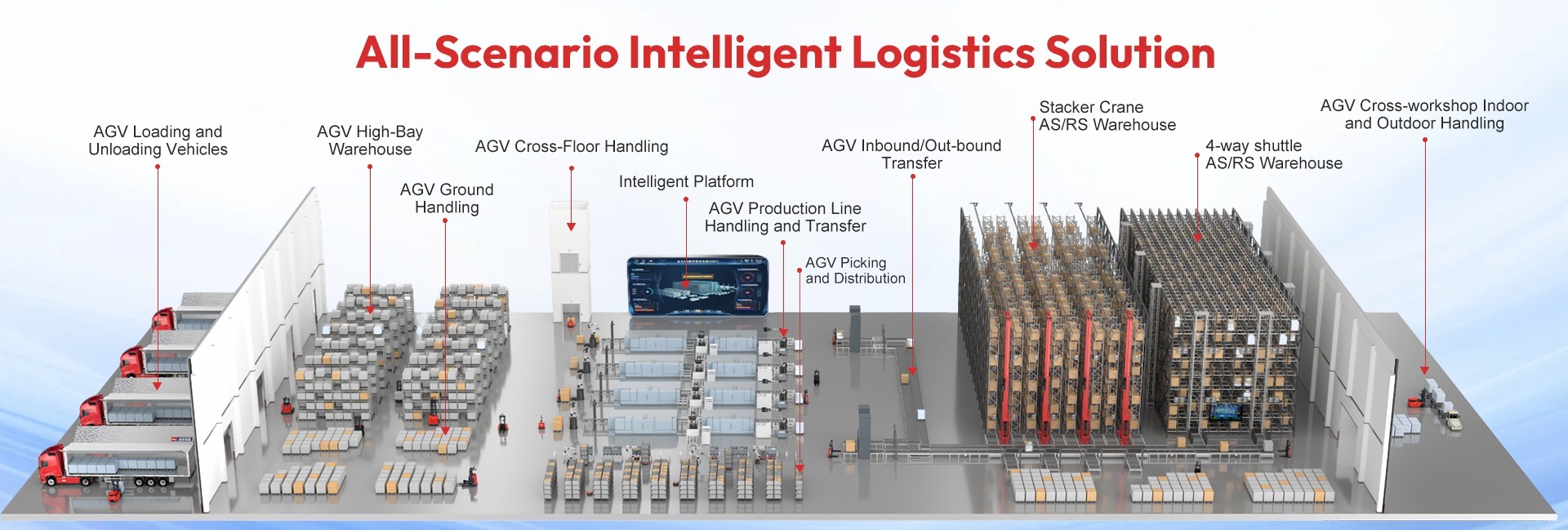
Factory-direct AGV and VNA automation for high-density warehouses, with CE documentation and project engineering support.
| Equipment choice | Best fit in HCMC | Typical lift / height | Why buyers choose it |
|---|---|---|---|
| 3-Way VNA AGV / AMR | High-bay pallet warehouses, leased buildings where pallet density matters, 7–11 m racking | Up to 7, 8, 9 or 11 m depending on model | Very narrow aisle operation, left/right/forward fork handling, high storage density |
| Reach Truck AGV | Selective racking, production-line warehouses, medium-height storage | About 3 m in listed models | Fork-forward reach, compact design, lower site modification than full VNA |
| Counterbalanced AGV | Docks, closed-bottom pallets, stillages, trailers and mixed factory routes | About 3 m in listed models | No front outriggers; handles loads that stackers and reach trucks cannot access easily |
| Pallet Stacker AGV | Line-side delivery, low-to-medium racking, fast pilot projects | 1.6–3 m | Cost-effective entry, compact chassis, easy expansion with a fleet manager |
| AS/RS Stacker Crane | New high-bay warehouses, cold-chain facilities, WMS/WCS-controlled storage | Up to 40 m | Extreme density and high throughput where a complete automated warehouse is justified |
Where VNA AGV and AMR Fleets Deliver Value in Ho Chi Minh City
Ho Chi Minh City is not a single logistics market. A project in Cat Lai has different constraints from a factory in Saigon Hi-Tech Park or a 3PL warehouse serving e-commerce in Binh Duong. The following application map helps local buyers shortlist the right starting point.
Cat Lai and Tan Cang Port Logistics
Trailer loading, container-yard staging and cross-docking benefit from counterbalanced AGVs and reach truck AGVs. Buyers need clear dock traffic rules and a safe interface between autonomous equipment and manual trucks.
Tan Thuan Export Processing Zone
Electronics and light manufacturing lines require frequent, repeatable material delivery. Compact 2T AGV bodies and slim stackers can reduce operator travel between stores and production cells.
Linh Trung and Saigon Hi-Tech Park
Clean production environments often prefer 3D SLAM AMR routes with minimal floor modification. WMS/ERP integration and traceability are as important as raw lifting speed.
VSIP, Binh Duong and Long An Factories
Larger industrial campuses can justify high-bay VNA racking. A 3-way VNA AGV handles pallets left and right without turning, making it suitable for dense spare-parts and finished-goods storage.
Cold Chain and Pharma
Cold-store projects need battery thermal review, condensation control and service access planning. Nexrik’s wider AS/RS range includes cold-storage stacker-crane configurations; VNA projects should be engineered with the refrigeration and safety contractor.
E-commerce and 3PL Fulfilment
Peak-season labour shortages make autonomous pallet movement attractive. Start with a pilot fleet, measure completed moves per hour, then scale with the same fleet-management logic.
FMCG and Food & Beverage
Pallet flow from production to dispatch is repetitive and measurable. Reach truck AGVs, counterbalanced AGVs and high-density VNA systems can be combined by zone rather than forced into one equipment type.
Automotive and Industrial Spare Parts
Heavy loads and closed-bottom containers favour counterbalanced AGVs, while high-value small parts may suit mini-load AS/RS or four-way shuttle systems from the same factory group.
Ho Chi Minh City Warehouse Automation Trends Shaping 2025 Projects
Buyers are moving from isolated forklift purchases to phased automation. The strongest business cases combine warehouse layout, labour availability and export growth rather than focusing only on equipment price.
Higher racking on scarce land
Land and lease costs push new warehouses toward 7–11 m or higher storage. A 3-way VNA AGV becomes attractive when every additional pallet position improves project payback.
24/7 output and labour flexibility
Shift patterns in electronics, FMCG and 3PL operations increase the value of autonomous pallet movement. A one-set pilot allows buyers to validate routes before scaling to a fleet.
WMS, 5G and data visibility
Factory managers want pallet-level traceability, battery status and route data. WMS-ready systems and stable Wi-Fi/5G coverage are now part of the automation specification, not an afterthought.
Factory-Direct Supplier Strength for Ho Chi Minh City Buyers
Nexrik is the brand of Anhui Nexrik Intelligent Technology Co., Ltd., a manufacturer of AGV forklifts, VNA AGVs, AS/RS stacker cranes, four-way shuttles and intelligent warehousing systems. Production is based in Hefei, China; Ho Chi Minh City buyers receive factory-direct engineering, export documentation and remote or partner-supported commissioning. We do not misrepresent local assembly—our advantage is a verified factory, transparent specifications and turnkey project capability.
Why Overseas Buyers Trust This Factory for VNA and AGV Projects
An automated warehouse is a ten-year operating decision. Supplier capability and traceability matter as much as the machine specification. Our project team reviews rack drawings, pallet types, floor flatness, throughput targets and shift patterns before recommending equipment. Because the AGV forklifts, AS/RS stacker cranes, four-way shuttles and RGVs come from one engineering group, the final solution can be designed as one WMS-ready system rather than a collection of unrelated machines.
Nexrik has been verified onsite by SGS Group, holds ISO 9001 and ISO 45001 management-system certification, and applies CE marking under the Machinery Directive 2006/42/EC across its AGV range. The company has been recognised as a Fortune 500 supplier and has completed projects for buyers in Southeast Asia, South America, Eastern Europe, South Asia and North America. For first-time automation buyers in Vietnam, this means the quotation process can include drawings, safety scope, factory acceptance testing, packaging, sea freight to Cat Lai, and commissioning planning.
- Business type: manufacturer and trading company with in-house production and testing.
- Customization: OEM, ODM, buyer-label production, load capacity, lift height, fork format and cold-store variants.
- Trade terms: FOB, CFR, CIF, EXW, FAS, CIP and DDP; payment by L/C, D/P, D/A, MoneyGram, credit card or Western Union.
- Currencies: USD, EUR and CNY; export documents prepared for tender, customs and insurance review.
- One-stop scope: AGV forklifts, VNA AGVs, 40 m AS/RS stacker cranes, four-way shuttles and RGVs.
- Integration: WMS/WCS interface planning, fleet management and commissioning support for new or existing warehouses.
The practical advantage for a Ho Chi Minh City buyer is not a slogan—it is the ability to compare one equipment model against a complete layout, confirm spare-parts strategy, and scale from a single pilot unit to a multi-truck fleet without changing suppliers.

Factory capability: AGV forklift production, assembly and testing.

In-house assembly and control integration.

Pre-shipment inspection and system testing.
Ho Chi Minh City Buyer FAQ: VNA Truck, 3-Way Forklift, AGV and AMR
These are the questions local buyers usually ask before requesting a layout plan, budget and delivery schedule.
Is there a VNA truck 3-way forklift AGV factory in Ho Chi Minh City?
Nexrik is a factory-direct supplier serving Ho Chi Minh City, while manufacturing takes place at our Hefei plants in Anhui, China. We do not claim local assembly. For HCMC projects we support site data collection, layout review, export documentation, remote commissioning and partner-supported service planning.
What aisle width does a 3-way VNA AGV require?
The aisle width cannot be quoted responsibly without the rack drawing, pallet size, load weight, lift height and local fire code. A 3-way VNA truck reduces aisle demand compared with a counterbalanced truck, but the final dimension must be confirmed by engineering simulation before purchase.
Can the AGV or AMR connect to our existing WMS or ERP?
Yes, WMS-ready integration is part of the project scope. The interface requirements with your WMS, ERP or MES are defined during solution design and tested during commissioning. For a first pilot, we recommend agreeing on the task list, exception handling and reporting format before shipment.
What is the MOQ and typical lead time for HCMC delivery?
The MOQ for every AGV forklift, stacker crane and four-way shuttle model is 1 set. Lead time depends on the model, battery configuration, customization and CE documentation; many standard projects fall in the 30–75 day range before sea freight. Urgent spare-parts or pilot requirements should be discussed during quotation.
How are the machines shipped and supported after arrival?
Common terms include FOB, CFR, CIF, EXW, FAS, CIP and DDP, with shipment to Cat Lai or another agreed port. We provide commissioning documentation, operator training materials, remote diagnostics support and a recommended spare-parts kit for local service partners.
Does the equipment support Vietnam’s 380V/50Hz industrial power?
Charging and power configuration are confirmed per site. Buyers should provide voltage, frequency, charger location, shift pattern and available charging windows. Battery chemistry, opportunity charging and thermal management should be reviewed together with the warehouse ventilation plan.
Which model should we choose for a 7–11 m high rack?
For high-bay pallet storage, the 3-way VNA AGV is usually the starting point. For medium-height selective racking around 3 m, a reach truck AGV may be sufficient. For docks and closed-bottom pallets, a counterbalanced AGV is often more suitable. The right choice depends on racking, pallet condition and throughput.
Can we start with one unit and expand later?
Yes. A one-unit pilot is a common approach for first-time automation buyers in Ho Chi Minh City. The pilot validates routes, cycle time, charging strategy, safety zones and operator acceptance before the buyer scales to a fleet. Fleet-management architecture should be considered from day one.
Ready to Plan a VNA Truck or AGV/AMR Pilot in Ho Chi Minh City?
Send your rack layout, pallet specification, maximum load, lift height, throughput target and shift pattern. Our engineers will recommend the right 3-way VNA AGV, reach truck, counterbalanced AGV or stacker AGV from the factory and prepare a phased automation proposal.
Email: info@nexrikbot.com · Factory-direct quotation · CE documentation · MOQ 1 set