VNA AGV Manufacturers & Wholesaler in the Memphis Market
Plan high-density pallet storage, narrow-aisle handling and 3D SLAM automation with a CE-certified manufacturer. We help Memphis 3PLs, distributors, food and beverage operators and industrial teams compare models, size fleets and prepare import-ready documentation.
8 VNA AGV & Automated Forklift Models for Memphis Buyers
These models are a practical shortlist for Memphis-area warehouses, wholesale distributors and 3PL operators that need to increase pallet positions, reduce manual forklift travel or test automation before scaling to a larger fleet. Each product URL is preserved for direct technical review.
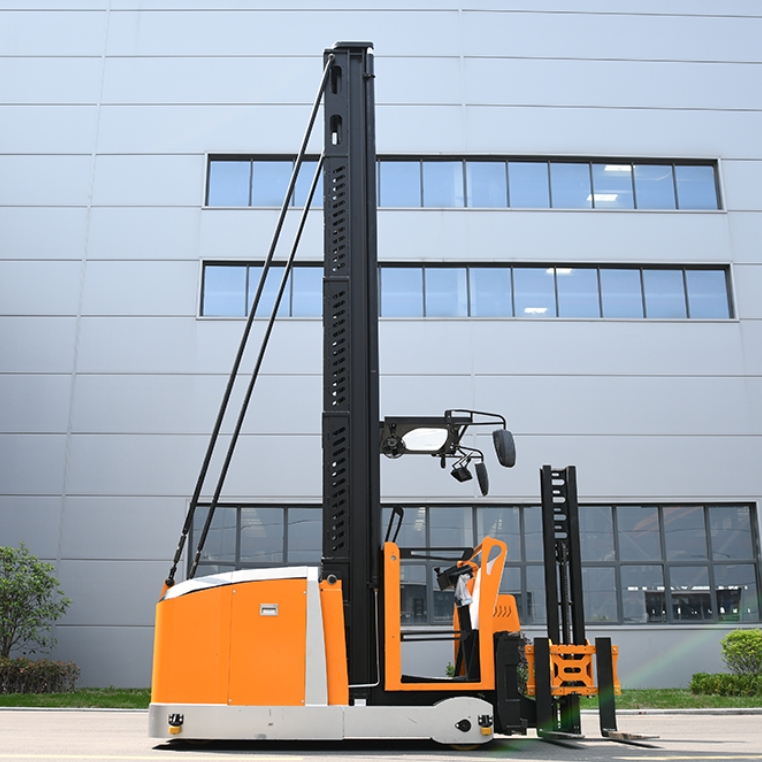
New 1.5T Manual Electric 3-Way Pallet Stacker Forklift with 1600kg Loading Capacity AC Motor
A compact VNA stacker for wholesalers that need flexible pallet handling in existing aisles, with three-way fork action for left, right and forward pick faces.
View model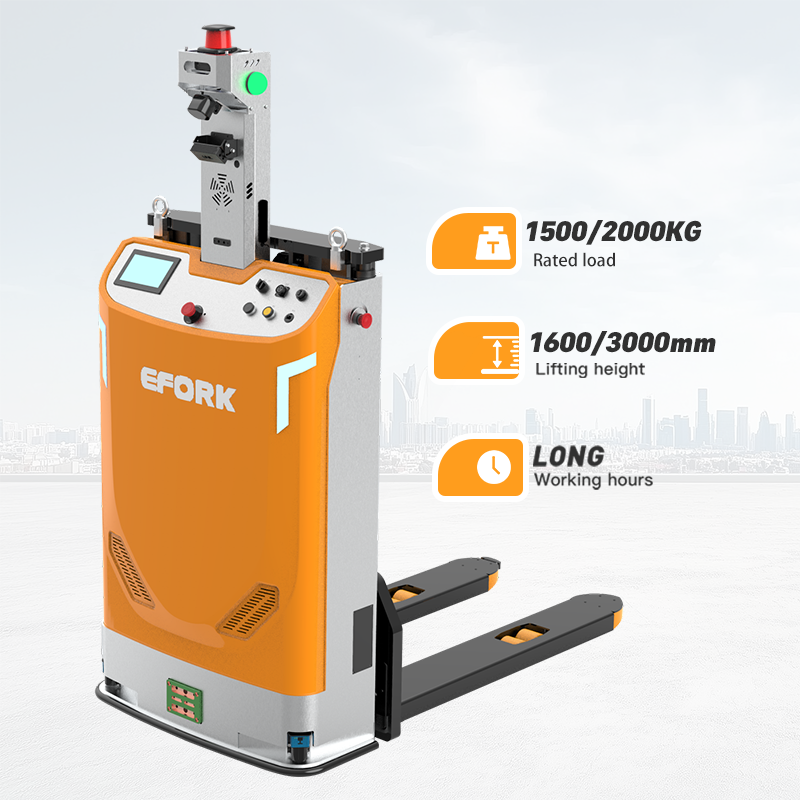
CE Certified EFORK EDA20-16 2T 1600mm Laser Navigation Self-Driving Forklift AGV WIFI/5G
Best suited to repetitive trailer-to-rack, replenishment and logistics routes where stable laser navigation and wireless fleet coordination are priorities.
View model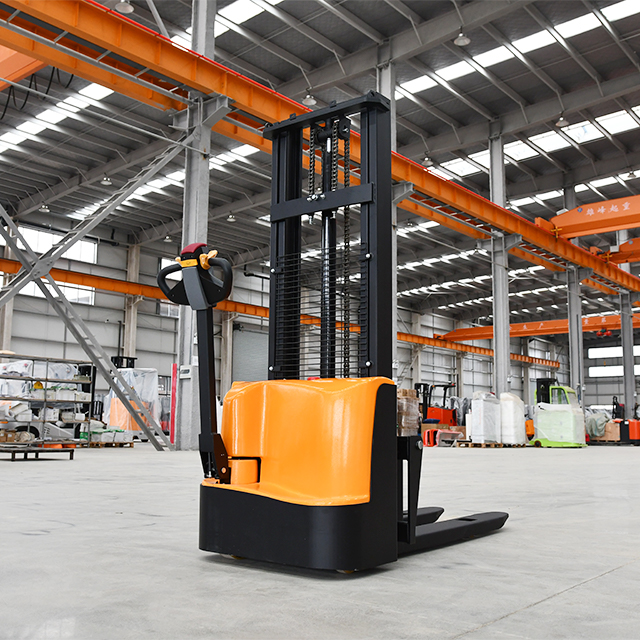
1Ton & 2Ton Full Electric Pallet Stacker Walkie Type High Performance, Low Cost
A cost-controlled entry point for Memphis wholesalers and small distribution centers that need electric lifting without a full automation project.
View model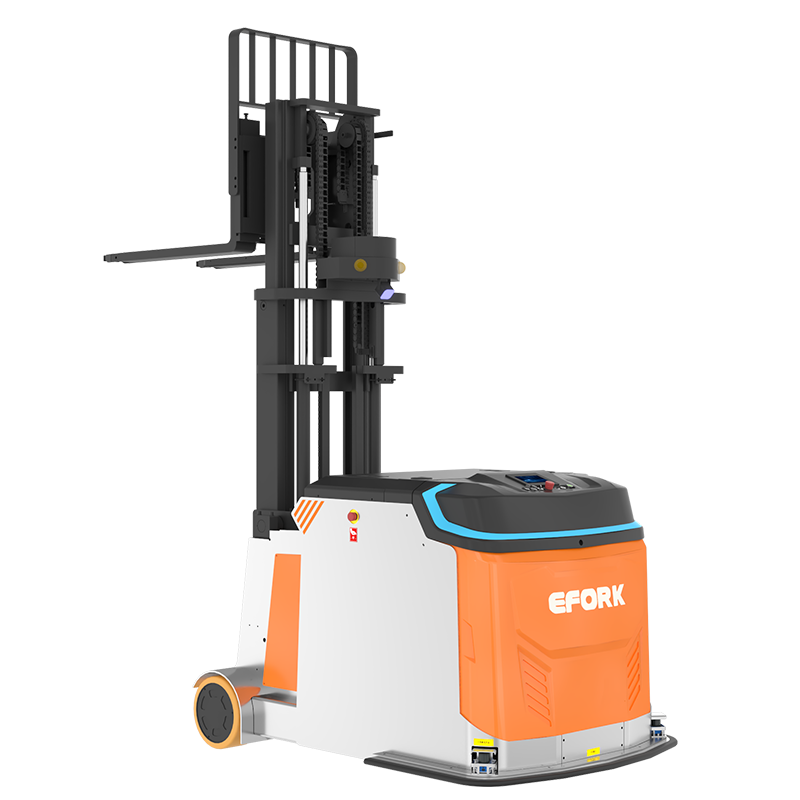
EFORK EDB30-30 Counterbalanced AGV Body 3M 3T High Lift Capacity 3D SLAM Navigation
Handles closed-bottom pallets, cages and dock operations without front outriggers — useful for production lines, trailer loading and mixed indoor routes.
View model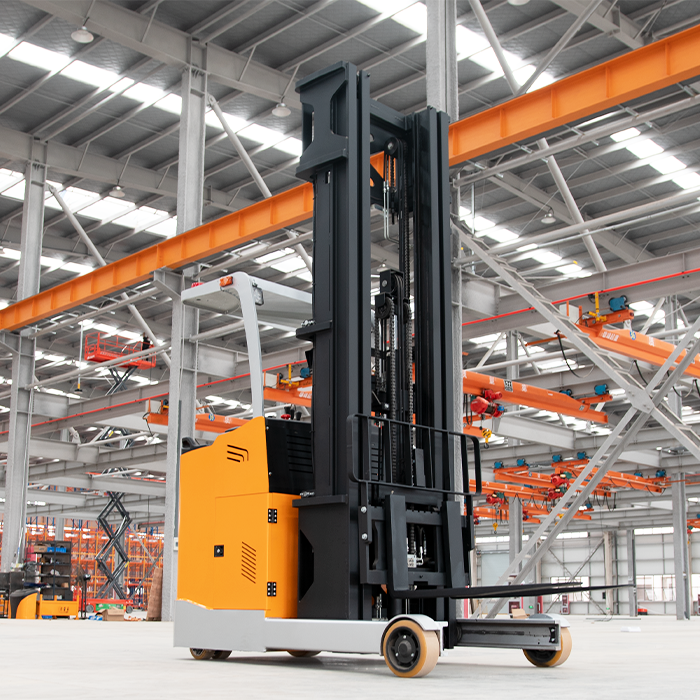
China Wholesale 2000kg 12m 8m 6m Industrial Forklift Pallet Truck Good Price
An economical industrial pallet truck option for wholesale buyers comparing lift height, load capacity and landed cost before committing to fleet automation.
View model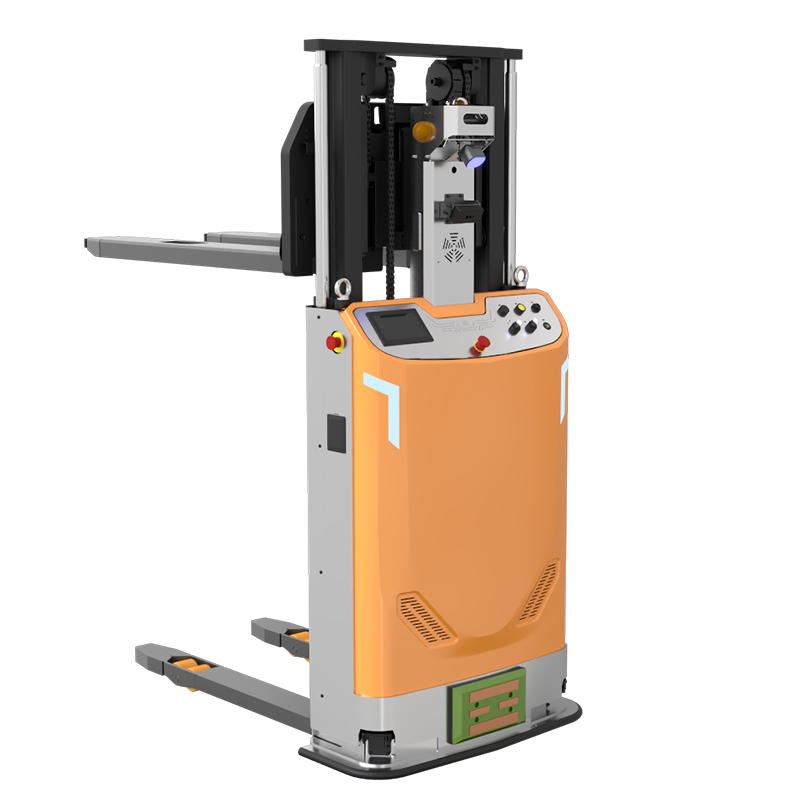
Automatic Stacker AGV Body Slim Narrow-Body 3M 2T High-Density Storage 3D SLAM
Designed for high-density pallet stacking where aisle width, chassis clearance and reliable 3D SLAM mapping directly affect the number of usable pallet positions.
View model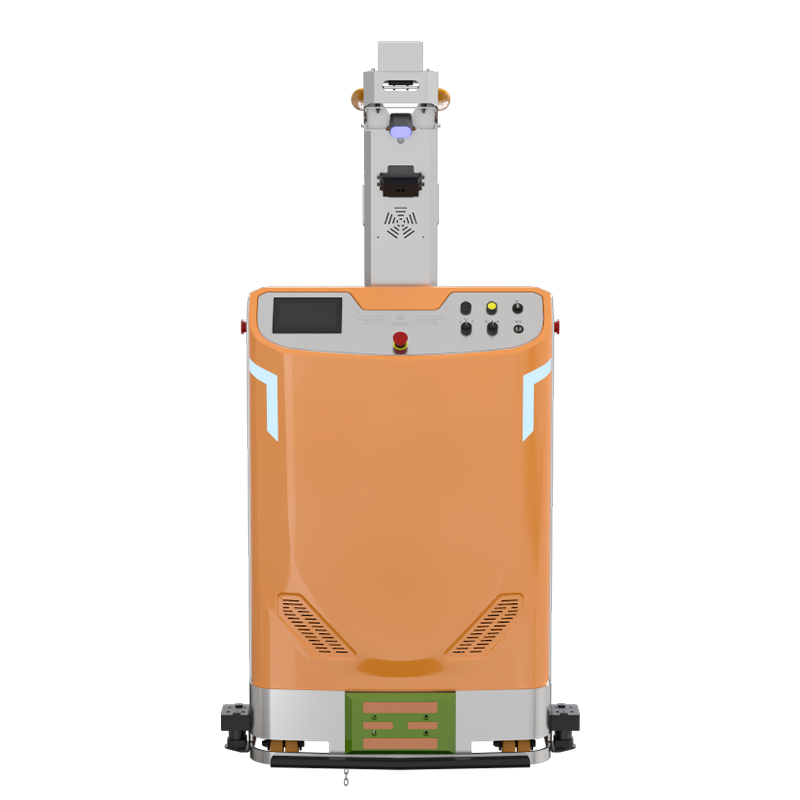
2T Material Handling AGV Body Narrow Body Compact Chassis 3D SLAM Laser Obstacle Avoidance
Well matched to workshop transport, line-side delivery and narrow transfer routes where a smaller turning footprint improves traffic flow around people and equipment.
View model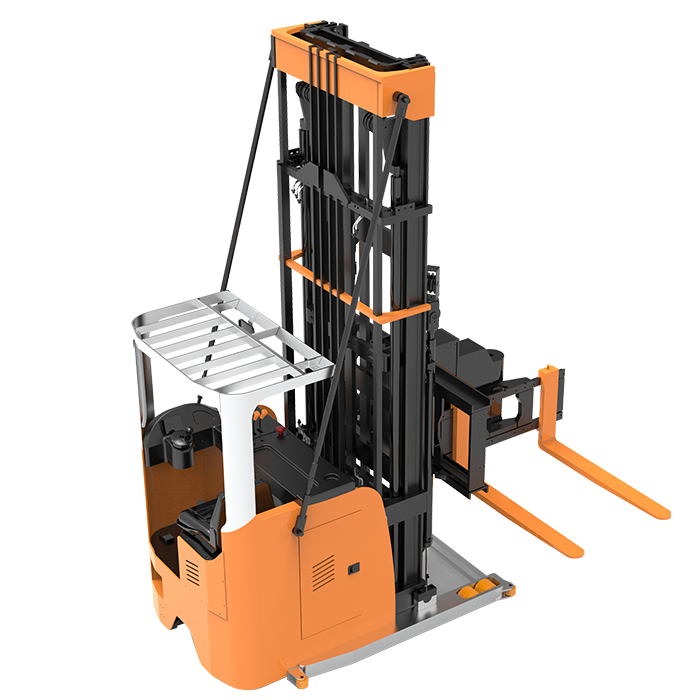
Narrow Aisle 3 Way 1600kg 1.6 Tons 3 Tons Certified Electric Forklift Three Stage Mast
A high-bay VNA forklift concept for Memphis facilities that need denser racking and more pallet positions without expanding the building footprint.
View modelFinal load capacity, lift height, fork dimensions, battery configuration and safety options are confirmed during project engineering. For Memphis projects, we recommend sharing rack drawings and pallet specifications before final model selection.
Why Memphis Buyers Verify the Supplier Before the Specification
VNA AGV projects involve rack interfaces, safety validation, WMS integration, import documentation and long-term spare parts supply. For a warehouse asset expected to run for years, supplier capacity and traceability matter as much as the machine brochure.
The Memphis VNA AGV Opportunity: Density, Labor and Speed
Memphis is one of the Mid-South’s most recognized logistics markets, supported by the Mississippi River, major interstate corridors, a strong 3PL community and a global express hub. That density creates a very specific automation question for local operators: how can we move more pallets per square foot without adding risky manual forklift traffic?
For wholesalers and distribution centers serving Memphis, Tennessee and the wider Shelby County area, VNA AGVs are not simply “driverless forklifts.” They are a warehouse-design decision. A very narrow aisle AGV, especially a 3-way VNA model, can pick left, right and forward without turning the truck in the aisle. That changes rack layout, aisle width, pallet position count and the labor profile of the building.
Memphis facilities often combine cross-dock activity, full-pallet replenishment, mixed-SKU picking and high-throughput outbound staging. A VNA AGV or automated stacker can reduce repeated forklift travel between receiving, reserve storage and shipping. For 3PL operators, the ability to start with one unit and expand later is often more valuable than a large, inflexible automation commitment.
Our recommendation is to evaluate the operation in three layers: storage density, traffic and safety, and system integration. The storage layer defines whether a 3-way VNA AGV, counterbalanced AGV, pallet stacker AGV or AS/RS system is appropriate. The traffic layer considers pedestrian zones, dock congestion and battery charging strategy. The integration layer connects the fleet to WMS, ERP or production call systems.
This is where information gain matters. A Memphis buyer should not compare only purchase price. Compare the number of usable pallet positions, the cost of aisle reconfiguration, the expected change in labor deployment, the spare-parts strategy and the supplier’s ability to support future fleet expansion. A lower-price unit that cannot integrate cleanly may cost more over the project lifecycle.
Memphis buying insight
If your building has limited expansion space and rising labor pressure, a narrow-aisle VNA AGV pilot can be a better first step than a full AS/RS project. If you are planning a new high-bay facility, an AS/RS stacker crane or four-way shuttle may deliver stronger long-term density.
Where VNA AGVs Fit in Memphis Operations
Memphis warehouses are not all the same. A 3PL cross-dock, a cold-storage distributor and an automotive parts supplier need different load units, safety logic and throughput profiles. Use these application scenarios to shortlist the right equipment.
3PL, Cross-Dock and Fulfillment
Use automated pallet stackers or VNA AGVs for repeated put-away, replenishment and staging moves. A pilot with one or two units can validate route logic before adding more robots to the fleet.
Food, Beverage and Cold Chain
For chilled and frozen environments, specify battery chemistry, condensation protection, sensor heating and service access. The automation concept should account for freezer vestibules and temperature transitions.
Automotive and Industrial Parts
Counterbalanced AGVs handle closed pallets and cages without front outriggers. VNA AGVs suit dense racking for repetitive SKUs, while laser AGVs fit fixed trailer-to-line routes.
Retail and E-commerce Replenishment
WMS-directed 3D SLAM AGVs can move reserve pallets to pick faces, reducing travel for manual operators. The business case is strongest when replenishment routes are repetitive and measurable.
What Is Changing in Memphis Warehouse Automation
The Memphis market is moving toward higher-density storage and more integrated automation, but the strongest projects are still built around a disciplined engineering process rather than a single equipment purchase.
Higher-density racking without new construction
Where industrial space, racking investment and lease costs put pressure on pallet position economics, VNA AGVs and 3-way forklifts are being evaluated as a way to increase storage density inside existing buildings.
3D SLAM and WMS-first integration
Natural-feature 3D SLAM navigation reduces dependence on reflectors and floor tape, while WMS and ERP integration becomes a core selection criterion. Memphis buyers increasingly ask how the fleet will be monitored, expanded and serviced.
Safety, labor and lifecycle cost transparency
Automation proposals are now reviewed on safety validation, operator training, battery strategy, spare-parts availability and remote diagnostics — not only the purchase price of the AGV or stacker.
Match the Equipment to the Memphis Facility
Use this engineering reference to compare AGV forklift, VNA AGV, automated stacker and AS/RS options before requesting a layout proposal.
| Equipment | Typical Load | Lift / Height | Navigation / Guidance | Best-Fit Memphis Application |
|---|---|---|---|---|
| VNA 3-Way AGV / Forklift | 1.6 T | 7–11 m class | 3D SLAM / VNA guidance | High-bay narrow-aisle racking, dense pallet storage and facility expansion constraints |
| Counterbalanced AGV | 1.5–3 T | 3,000 mm class | 3D SLAM | Closed-bottom pallets, cages, trailer docks and production-line transport |
| Pallet Stacker AGV | 1.5–2 T | 1.6–3 m class | 3D SLAM / laser | Floor-to-rack transfer, line-side delivery and low-to-medium racking |
| Compact Material Handling AGV | 2 T | Compact chassis | 3D SLAM + obstacle avoidance | Workshop transport, narrow transfer routes and mixed human-machine zones |
| Laser Navigation AGV | 2 T | 1.6 m class | Laser + WiFi/5G | Repetitive logistics routes where stable navigation and fleet coordination matter |
| Walkie Stacker | 1–2 T | Low-to-medium lift | Manual electric | Cost-controlled handling for wholesalers, retail backrooms and flexible operations |
| Industrial Pallet Truck | 2,000 kg | 6 / 8 / 12 m options | Manual electric | Wholesale buyers comparing value, capacity and lift height before larger automation |
Values reflect standard configurations and market-typical classes. Final specifications are confirmed after engineering review of pallet type, rack drawings, floor conditions and throughput targets in Memphis.
Factory-Direct Manufacturer Advantages for Memphis Wholesalers
Anhui Nexrik Intelligent Technology Co., Ltd. is a high-tech manufacturer specializing in R&D, production and integration of intelligent warehousing equipment, including AGV forklifts, VNA AGVs, AS/RS stacker cranes, four-way shuttles and RGVs.



Our production bases are located in the Huagang Industrial Park, Feixi County, Hefei, a recognized hub for China’s forklift and warehousing equipment industry. With 1,152 employees, 66,650 m² of factory floorspace, 7 awarded patents and annual revenue exceeding USD 100 million, we support wholesale buyers, system integrators and end users with scalable manufacturing capacity.
For Memphis buyers, the practical advantage is control over the entire project path: model selection, customization, production inspection, export documentation, commissioning planning and lifecycle support. We provide OEM, ODM and buyer-label production, with customization available for load capacity, lift height, fork dimensions, battery configuration and cold-storage variants.
- CE marking under Machinery Directive 2006/42/EC
- ISO 9001 and ISO 45001 management systems
- SGS onsite-verified premises and legal status
- MOQ 1 set for pilot projects
- Turnkey AGV, AS/RS and shuttle integration
- Export support to North America and other regions
In-House Manufacturing
Chassis, masts and control integration are built and tested on our own lines, with material and finished-product inspection before shipment.
One-Stop Turnkey Systems
AGVs, stacker cranes, four-way shuttles and RGVs can be engineered as one WMS-ready system rather than separately sourced equipment.
Full Customization
OEM, ODM and buyer-label production with application-specific load, lift, fork, battery and cold-storage options.
Export & Compliance Support
CE marking, ISO systems, SGS verification and flexible trade terms help Memphis buyers move through customs and procurement review.
Memphis RFQ Checklist: What to Send Before You Request a Quote
A strong proposal begins with accurate site data. The following checklist helps our engineers recommend the right VNA AGV, automated stacker or AGV forklift for a Memphis facility.
01Rack & Aisle Drawings
Share plan views, aisle widths, rack heights, beam levels, floor flatness data and any mezzanine or column constraints. VNA feasibility depends heavily on layout tolerances.
02Pallet & Load Specification
Provide pallet dimensions, load weight, overhang, bottom-board type, shrink-wrap condition and whether the load is open-bottom or closed-bottom. This affects counterbalanced, stacker and VNA choices.
03Throughput & Shift Pattern
Describe moves per hour, peak periods, shift schedule, charging windows, trailer turnaround targets and the current labor model. These inputs drive fleet sizing and battery strategy.
04Site & Integration Readiness
Confirm WiFi coverage, floor conditions, pedestrian zones, dock interfaces, WMS/ERP requirements and safety responsibilities. Integration planning should begin before equipment selection.
Memphis VNA AGV Buying Questions
These are the questions wholesale buyers, 3PL operators and warehouse managers commonly ask before starting a VNA AGV or automated forklift project in the Memphis market.
Do you deliver VNA AGVs and automated forklifts to Memphis, Tennessee?
Yes. We supply international buyers across North America and can prepare export documentation for shipment to Memphis by sea, rail or truck through the buyer’s preferred logistics route. Common trade terms include FOB, CFR, CIF, EXW, FAS, CIP and DDP. For DDP shipments, the final customs and delivery arrangement should be confirmed with your broker and our project team before order release.
What is the minimum order quantity for a Memphis pilot project?
The MOQ for our listed AGV forklifts, VNA AGVs, stacker cranes and four-way shuttle models is 1 set. This allows Memphis buyers to validate routes, cycle times, safety zones and WMS integration with a pilot unit before scaling to a full fleet.
Which VNA AGV model should a Memphis 3PL start with?
It depends on rack height, aisle width and load type. For low-to-medium racking and floor-to-rack transfer, a pallet stacker AGV is often the simplest entry point. For dense high-bay racking, a 3-way VNA AGV is usually more suitable. For closed-bottom pallets, cages and trailer docks, a counterbalanced AGV may be the better match. A site drawing review should come before model selection.
Can your AGV work with our existing racking and pallets?
In many projects, yes, but existing racking must be checked against the selected model’s aisle, lift-height, mast and safety requirements. Floor flatness, rack tolerances, pallet quality, overhang and load stability can all affect feasibility. We recommend an engineering review before assuming that a current layout is VNA-ready.
Do you offer 3D SLAM and laser navigation options?
Yes. We offer laser navigation and 3D SLAM navigation. 3D SLAM localizes using natural features of the building, which can reduce the need for reflectors or floor tape and shorten site preparation. Laser navigation remains a strong option for highly repetitive fixed routes where the environment is stable.
Can you customize equipment for cold storage and food distribution?
Yes. We provide full customization, OEM, ODM and buyer-label production, including load capacity, lift height, fork dimensions, battery configuration and cold-storage variants. For food and cold-chain projects, buyers should disclose temperature ranges, condensation exposure, washdown practices and charging-room conditions early in the design process.
What about installation, training and after-sales support in Memphis?
Our project team supports commissioning planning, mapping, interface testing, operator training and remote diagnostics. For overseas projects, the onsite service scope is defined according to the project plan, local safety rules and the buyer’s maintenance organization. A clear spare-parts and response plan should be agreed before the fleet goes live.
What certifications and trade terms do you provide?
Our credentials include CE marking under Machinery Directive 2006/42/EC, ISO 9001, ISO 45001, SGS onsite verification, 7 awarded patents and a registered trademark. Accepted delivery terms include FOB, CFR, CIF, EXW, FAS, CIP and DDP. Payment methods include L/C, D/P, D/A, MoneyGram, credit card and Western Union in USD, EUR or CNY.
How do we request a Memphis-specific layout review?
Send your rack drawings, pallet specifications, throughput targets, shift pattern and WMS integration requirements through the inquiry channel. Our engineers will help compare VNA AGV, AGV forklift, automated stacker and AS/RS options against your site constraints and growth plan.
Ready to Evaluate a VNA AGV for Your Memphis Warehouse?
Share your rack layout, pallet specification and throughput target. Our engineers will help you compare narrow-aisle VNA AGVs, 3D SLAM automated stackers, counterbalanced AGVs and AS/RS options for the Memphis market.
Send an Inquiry Factory-direct supply · MOQ 1 set · CE / ISO / SGS verified · OEM & ODM available