Tow Tractor AGV Manufacturers & Wholesalers in the Baltimore Market
A procurement and deployment guide for port-adjacent warehouses, 3PLs, cold-chain operators and wholesale distributors evaluating autonomous tow tractors, reach truck AGVs, pallet stackers and 3D SLAM material handling across Baltimore City, Baltimore County and the surrounding I-95 corridor.
Eight Tow Tractor AGV Platforms for Baltimore Buyers
These eight models are a practical shortlist for buyers comparing autonomous pallet handling, reach truck AGVs, narrow-aisle VNA equipment and 3D SLAM platforms. Product names and URLs are preserved so procurement teams can move from research to a formal inquiry without losing the original product reference.
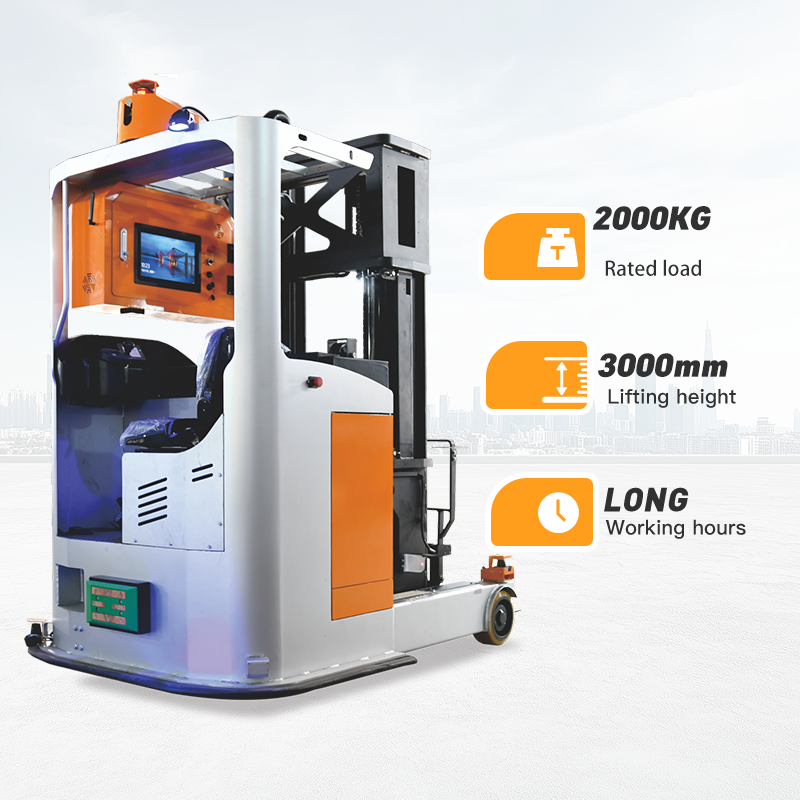 CE · Laser SLAM
Reach Truck AGV Forklift 2T 3M Laser Slam Navigation CE Certified Warehouse Automation Robot for Factory Logistics
- 2,000 kg
- 3 m lift
- Autonomous
A sensible first automation step for selective racking, line-side delivery and factory logistics where aisle space is tighter than a counterbalanced truck requires.
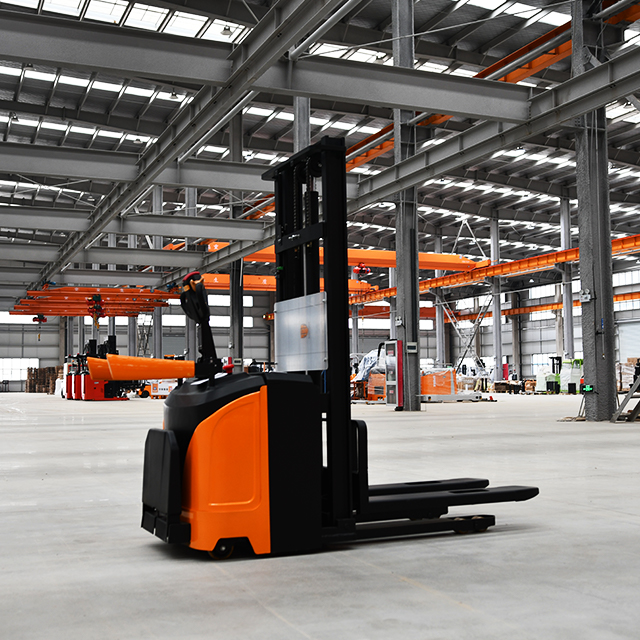 Self-Loading
Factory Direct Sales Electric Pallet Lift Stackers 1.5-Ton 2-Ton 3Ton 3m 4m 5m Portable Self-Loading
- 1.5–3 T
- 3–5 m
- Portable
Useful for wholesalers and 3PLs that need flexible floor-to-rack transfer, dock staging and low-to-medium racking without committing to a full high-bay redesign.
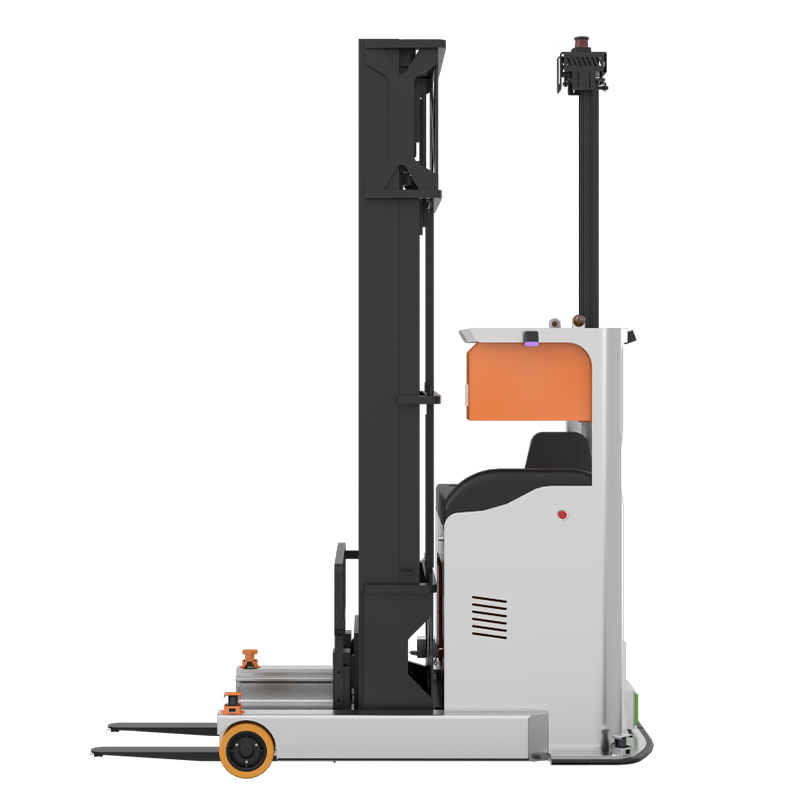 6.5 m · Laser SLAM
Heli Yufeng CQDE20HJ-65S 2T 6.5M Reach Truck AGV Body Laser Slam Navigation for Pallet Handling High Lifting Smart Warehouse
- 2,000 kg
- 6.5 m lift
- Pallet handling
Targets medium-high selective racking where Baltimore buyers need more lift height than a standard 3 m reach truck but do not yet require a full AS/RS installation.
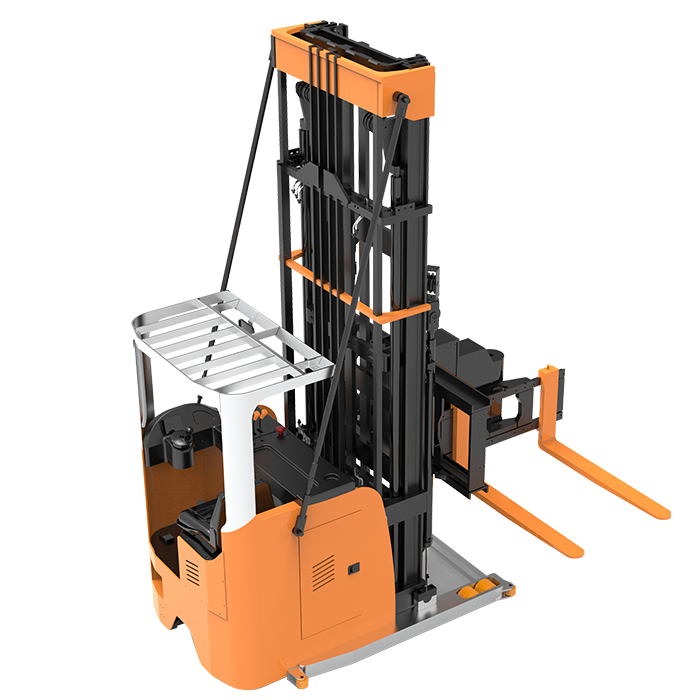 VNA · 3-Way
Narrow Aisle 3 Way 1600kg 1.6 Tons1.5 Tons 3 Tons Certified Electric Forklift Forklift Three Stage Mast
- 1.6–3 T
- 3-stage mast
- VNA capable
For older infill buildings and high-density pallet storage where every inch of aisle width affects cube utilization; confirm floor flatness and rack tolerances before layout approval.
 3D SLAM · CE
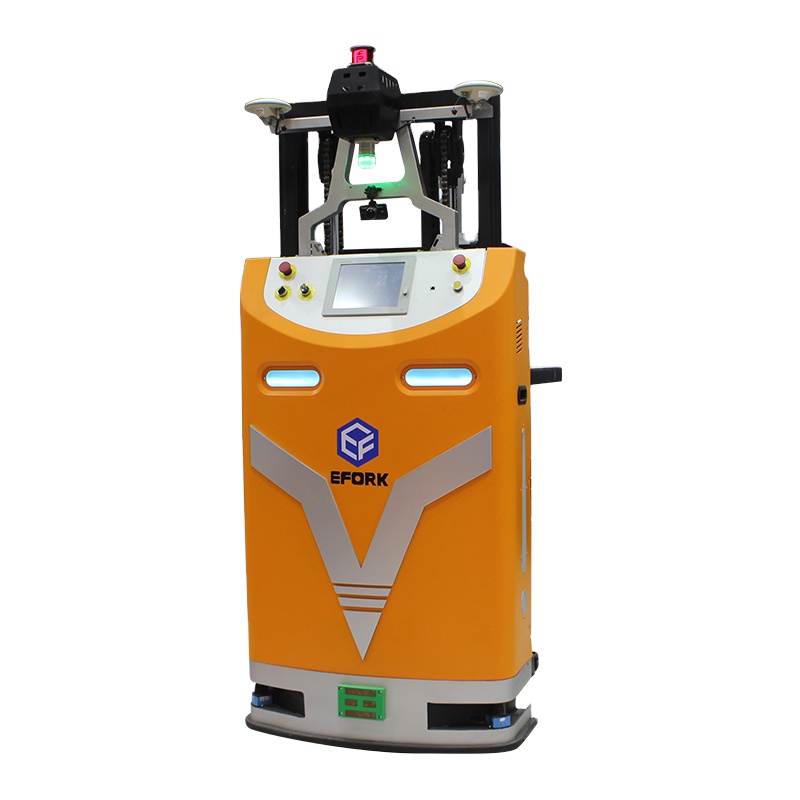
CE Certified EFORK EDA20-16 2T 1200mm Fork Width 180mm 3D SLAM Laser Navigation AGV WIFI/5G 10mm Accuracy 1600mm Lifting Height
- 2,000 kg
- 1.6 m lift
- 10 mm accuracy
A strong fit for mixed-infrastructure sites that prefer natural-feature navigation. 3D SLAM can reduce dependence on reflectors and floor tape, shortening site preparation in leased buildings.
 Zero Turn · 1 T
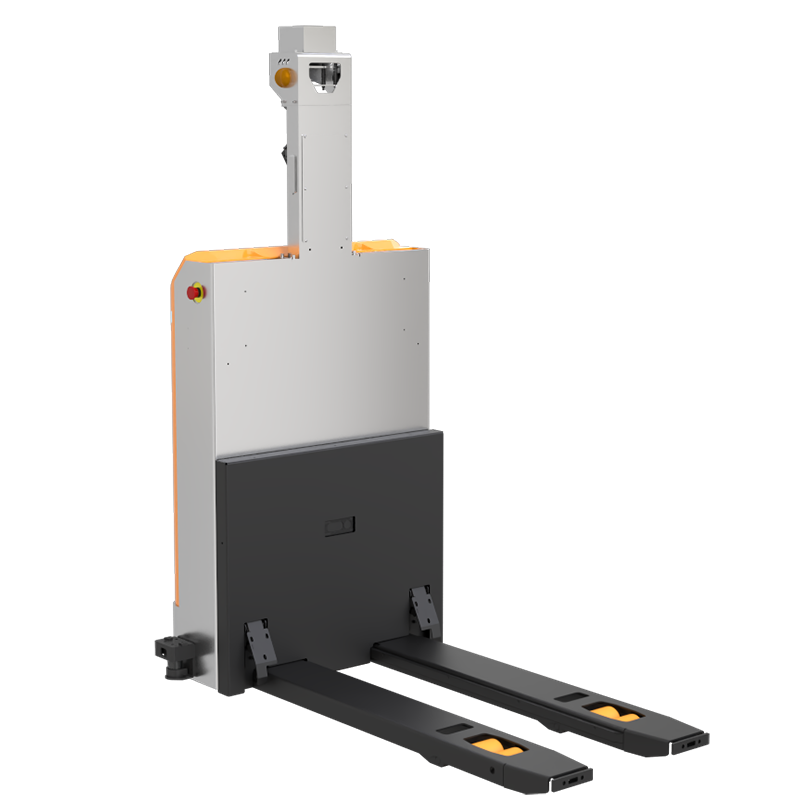
T 2.5M Omni-directional AGV Body 1 3D SLAM Navigation 1000kg Load Capacity Flexible Movement Zero Turning Radius for
- 1,000 kg
- Zero turn
- 3D SLAM
Well suited to tight staging areas, cross-dock transfer and tow-tractor-style horizontal moves where a conventional forklift needs extra maneuvering space.
 Galvanized · 2 T
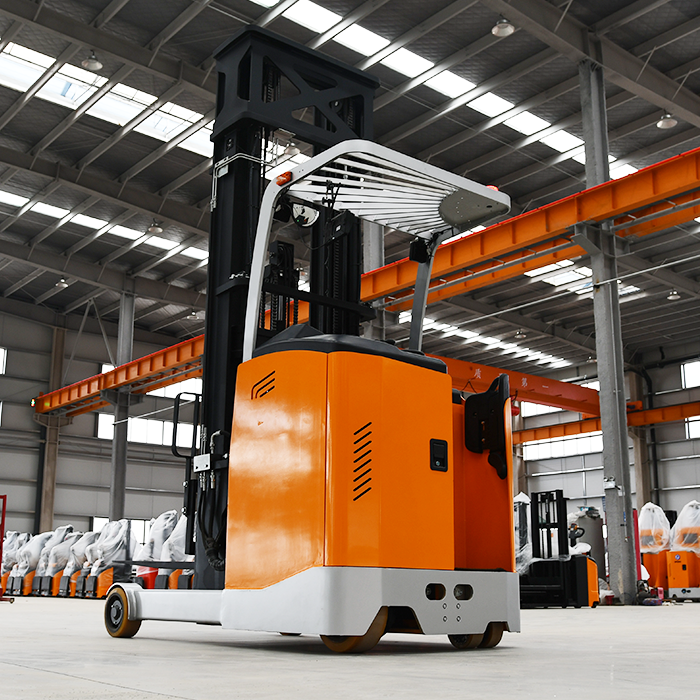
China Wholesale 2000kg 12m 8m 6m Industrial Forklift Pallet Truck High-Speed Steel Hot-Dip Galvanized Good Price
- 2,000 kg
- Hot-dip galvanized
- Wholesale
A practical option for coastal humidity, trailer yards and wholesale depots where corrosion resistance and straightforward maintenance matter.
 4.5 m · 2 T
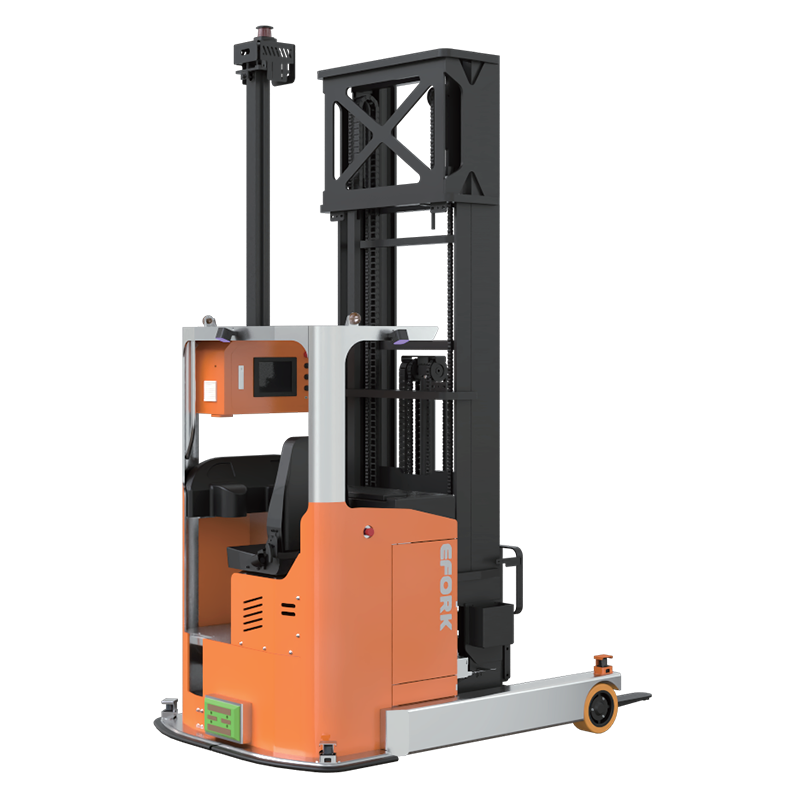
4.5M Reach Truck AGV Body 2T for Pallet Handling High Lifting Smart Warehouse Logistics Robot Laser Slam Navigation CE Certified
- 2,000 kg
- 4.5 m lift
- Laser SLAM
A middle-ground lift height for Baltimore warehouses upgrading from manual reach trucks to a WMS-connected autonomous fleet without rebuilding the rack profile.
Need a tow tractor AGV or autonomous forklift matched to your pallet type, aisle width and throughput? Share your rack drawing and shift pattern with our engineering team. We will recommend a model mix, navigation approach and preliminary fleet size before you commit to a capital purchase.
Inquire Now- SGS Onsite Verified
- CE · 2006/42/EC
- ISO 9001 & ISO 45001
- 66,650 m² Manufacturing Base
- OEM / ODM / Full Customization
- 8 Years in Industry
Baltimore Is Not a Generic AGV Market
Baltimore buyers approach tow tractor AGV projects differently from greenfield warehouse operators in the Sun Belt. The market combines a working seaport, a dense I-95 distribution corridor, older infill buildings, cold-chain facilities and a strong base of wholesale distributors. That mix means an autonomous vehicle must fit the building as much as it fits the load.
A buyer comparing tow tractor AGV manufacturers and wholesalers in the Baltimore market should therefore test three things early: whether the vehicle can navigate the actual aisle and floor conditions, whether the supplier can document CE and quality compliance, and whether the system can connect to the WMS or ERP already used by the operation. In many Baltimore projects, the most valuable information gain comes from a site-specific traffic study rather than a generic product brochure.
For port-adjacent sites, routes may cross from receiving into staging, from staging into racking and from racking to trailer load-out. For 3PLs in Anne Arundel, Howard or Harford County, the same vehicle may need to handle mixed pallet quality, seasonal peaks and rapid onboarding of temporary labor. That is why 3D SLAM navigation, adjustable fork geometry and WMS-ready control often matter more than a single headline load rating.
Nexrik supports this decision with factory-direct engineering, a one-set minimum order quantity for pilot projects and full customization for load capacity, lift height, fork dimensions, battery configuration and cold-storage variants. The goal is not to sell the largest machine; it is to match the smallest reliable fleet to the real Baltimore workflow.
What Baltimore Buyers Usually Verify
- Actual aisle width, rack tolerances and floor flatness in the leased or owned building
- Pallet condition, closed-bottom versus open-bottom, and trailer or dock interface
- CE declaration, risk assessment and ISO quality documentation for procurement
- WMS / ERP interface requirements, Wi-Fi or 5G coverage and cybersecurity review
- Spare-parts plan, remote diagnostics and operator training for multi-shift operation
Where These Systems Fit in Baltimore Operations
Autonomous tow tractors and AGV forklifts create value when they remove repetitive horizontal movement, reduce dock congestion and make shift performance measurable. The most common Baltimore use cases cluster into four operating environments.
Port & Cross-Dock
Support repetitive horizontal transfer between receiving, staging, stretch-wrap and trailer load-out near Dundalk, Curtis Bay, Sparrows Point and Locust Point. Confirm floor transitions and outdoor exposure before specifying battery and sensor protection.
3PL & E-Commerce
Use WMS-connected AGVs for replenishment, put-away and line-side delivery in multi-client facilities along the I-95 and I-895 corridor. The strongest business case appears when peak-season labor variability and mis-picks are already visible costs.
Cold Chain & Food
Evaluate cold-storage batteries, condensation management and safe traffic rules for freezer aisles. Baltimore-area food distributors and pharmaceutical operators should define temperature zones and washdown expectations during solution design, not after delivery.
Manufacturing & Wholesale
Deploy reach truck AGVs and narrow-aisle VNA platforms for raw-material staging, finished-goods put-away and high-bay storage in Baltimore County, Carroll and Cecil County facilities. Simulate traffic before choosing fleet size.
Four Trends Shaping Baltimore Automation Decisions
Procurement teams are moving from “Can an AGV work here?” to “Which fleet architecture gives the best payback under Maryland labor, real-estate and compliance constraints?”
Labor Flexibility
Turnover and shift coverage are pushing 3PLs and distributors to evaluate autonomous tow tractors and pallet stackers as a way to stabilize repetitive work, not simply to reduce headcount.
Infill Building Density
Older Baltimore-area warehouses often reward narrow-aisle VNA and 4.5 m reach truck AGVs because high-bay density can be added without expanding the footprint.
Natural-Feature Navigation
3D SLAM is increasingly attractive in leased buildings where reflector installation, floor tape and rack modifications create approval friction. It also supports faster reconfiguration when rack layouts change.
Proof Before Scale
Buyers prefer a one-set pilot followed by fleet expansion. A pilot validates route logic, cycle time and safety behavior, while the manufacturer confirms spare parts and integration support.
Planning Fit by Baltimore Use Case
Illustrative planning profile based on the operating constraints most commonly reviewed in Baltimore-area automation projects: vehicle maneuverability, load interface, WMS integration and compliance documentation.
Which Platform Fits Your Baltimore Warehouse?
Use this engineering-oriented matrix to shortlist equipment before requesting a layout proposal. Final specifications must be confirmed against your pallet types, rack drawings, floor survey and throughput targets.
| Platform | Best-Fit Baltimore Application | Navigation / Guidance | Procurement Focus |
|---|---|---|---|
| 2T 3M Reach Truck AGV | Tight selective racking, factory logistics and first-phase automation | Laser SLAM | Confirm aisle width, rack beam tolerance and battery strategy for multi-shift work |
| Self-Loading Pallet Stacker | Floor-to-rack transfer, dock staging and low-to-medium racking | Electric pallet lift | Check pallet condition, lift height and whether the load unit is open- or closed-bottom |
| 6.5 m Reach Truck AGV Body | Medium-high selective racking where 3 m lift is insufficient | Laser SLAM | Review mast height, building clear height and racking load rating |
| Narrow Aisle 3-Way VNA | High-density pallet storage in older infill buildings | VNA 3-way fork | Floor flatness, rack tolerance and aisle protection are critical before deployment |
| 2T 3D SLAM AGV | Mixed infrastructure, leased buildings and routes with changing layouts | 3D SLAM / laser | Map quality, Wi-Fi/5G coverage and safety scanner configuration |
| Omni-Directional AGV Body | Tight staging, cross-dock transfer and zero-radius maneuvering | 3D SLAM | Define cart, trailer or pallet interface and simulate congestion at peak |
| Galvanized Pallet Truck | Coastal humidity, trailer yards and wholesale depots | Manual / assisted | Verify duty cycle, surface conditions and corrosion protection level |
| 4.5 m Reach Truck AGV Body | Selective racking upgrades where medium-high lift is required | Laser SLAM | Review lift height, fork dimensions, charger placement and route clearance |
For tow-tractor-style horizontal transport, request a route study rather than selecting a vehicle by load capacity alone. Traffic density, turning radius, door width and pedestrian crossing points often determine fleet size more than payload.
Factory Scale, Verified Documentation, Wholesale Flexibility
Anhui Nexrik Intelligent Technology Co., Ltd. manufactures and integrates intelligent warehousing equipment, including AGV forklifts, AS/RS stacker cranes, four-way shuttles and RGVs. For Baltimore buyers and wholesale distributors, the relevant advantage is not only the product range; it is the ability to verify manufacturing capacity, documentation and customization before placing a fleet order.
The company operates from Hefei, Anhui, with a manufacturing base of 66,650 m², a team of 1,152 employees and annual revenue above USD 100 million. Nexrik holds 7 awarded patents, ISO 9001 and ISO 45001 management system certification, CE marking under the Machinery Directive 2006/42/EC for its AGV range, and SGS onsite verification of its premises and legal status.
Accepted trade terms include FOB, CFR, CIF, EXW, FAS, CIP and DDP. Payment methods include L/C, D/P, D/A, MoneyGram, credit card and Western Union in USD, EUR or CNY. Wholesale and project buyers can request OEM, ODM and buyer-label production, including load capacity, lift height, fork configuration and cold-storage variants.
Inquire Now

Why Wholesalers Choose Factory-Direct
- One-set MOQ for pilot validation, then scalable fleet orders
- OEM, ODM and buyer-label production for distributor programs
- In-house manufacturing of chassis, mast and control integration
- Onsite material and finished-product inspection before shipment
- Export documentation support for tender, customs and insurance review
Questions Baltimore Buyers Ask First
These are the practical questions that arise when a warehouse, 3PL, distributor or wholesaler moves from an online product search to a formal supplier review.
01Are you a tow tractor AGV manufacturer or a trading wholesaler?
Nexrik is a manufacturer and trading company specializing in AGV forklifts, AS/RS stacker cranes, four-way shuttles and intelligent warehousing systems. For Baltimore buyers, this means the commercial team can support wholesale pricing and documentation while the engineering team reviews the application. OEM, ODM and buyer-label production are available for distributors and project developers.
02What is the minimum order quantity for a Baltimore pilot project?
The minimum order quantity is one set for every AGV forklift, stacker crane and four-way shuttle model. A single-unit pilot is often the fastest way to validate route logic, cycle time, safety behavior and WMS integration before scaling to a multi-vehicle fleet. This is especially useful in leased Baltimore-area buildings where layout changes may be constrained.
03Should we choose laser navigation or 3D SLAM?
Laser navigation is a strong choice for highly repetitive fixed routes where reflectors can be installed and maintained. 3D SLAM localizes using natural building features, which can reduce reflector and floor-tape work in leased or rapidly changing facilities. The right answer depends on aisle geometry, rack density, Wi-Fi/5G coverage and the expected frequency of layout changes.
04Can these vehicles work in older, narrow Baltimore warehouses?
Yes, but the building must be surveyed. Narrow-aisle VNA, 4.5 m reach truck AGV bodies and omni-directional platforms are often evaluated for older infill buildings. Critical checks include floor flatness, rack beam tolerance, aisle protection, door and elevator dimensions, charger placement and pedestrian traffic. A layout proposal should be based on measured conditions, not assumptions.
05Do you support delivery to the Port of Baltimore and DDP terms?
Accepted delivery terms include FOB, CFR, CIF, EXW, FAS, CIP and DDP. Buyers frequently compare CIF Baltimore with DDP depending on their customs broker, insurance arrangements and internal procurement policy. Final terms, packaging and documentation are confirmed on the quotation so that the freight and customs responsibilities are clear before shipment.
06Can the AGV integrate with our existing WMS or ERP?
AS/RS and four-way shuttle systems are designed WMS-ready, and AGV fleet control can be reviewed against your existing WMS, ERP or warehouse control layer. Interface requirements are defined during solution design and tested during commissioning. Buyers should prepare a simple process map showing receiving, put-away, replenishment, picking and shipping data flows.
07What certifications and documents are available for procurement?
Nexrik holds ISO 9001 and ISO 45001 management system certification, CE marking under the Machinery Directive 2006/42/EC for its AGV range, 7 awarded patents and SGS onsite verification. Documentation packages can be reviewed during supplier qualification. For regulated or tender-driven projects, the buyer should confirm the exact document set required by its legal, insurance and customs teams.
08Can you customize forks, lift height, battery or cold-storage configuration?
Yes. Customization can cover load capacity, lift height, fork dimensions, battery configuration and cold-storage variants. For Baltimore wholesale distributors, buyer-label production and OEM/ODM support can also be discussed. The earlier the application details are shared, the more accurately the factory can quote a configuration that avoids over-specification and unnecessary cost.
Build a Baltimore-Ready AGV Fleet With Verified Factory Support
Send your pallet specification, rack drawing, aisle width and throughput target. Our engineering team will respond with a practical equipment shortlist, navigation recommendation and next-step layout questions — whether you are buying one pilot unit or developing a wholesale program.
Inquire Now