Top Trusted QR Code Navigation AGV Manufacturer & Exporters for Mexico
Factory-direct AGV forklifts, stackers, reach trucks, VNA and AS/RS for Mexican automotive, electronics, 3PL and cold-chain warehouses. CE, ISO 9001/45001, SGS onsite-verified, MOQ 1 set, OEM/ODM and export-ready documentation.
8 AGV Platforms Most Often Shortlisted by Mexican Importers
Every product URL below is retained from the original catalog. Where a Mexico project specifies QR-code-assisted lane guidance, our engineers evaluate it against laser and 3D SLAM navigation before recommending the lowest total cost of ownership.
 CE
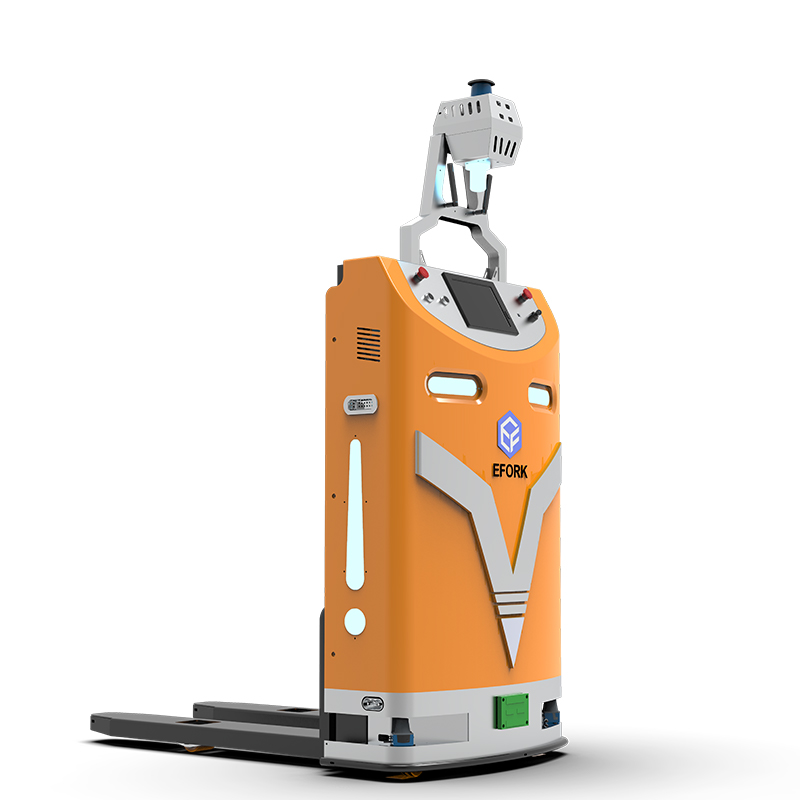
Latest Design Tech Slim Stacking AGV Forklift CE Certified 2T 3M 3D SLAM for Warehouse Automation Handling and Lifting Robot
- 2T
- 3M lift
- 3D SLAM
 CE
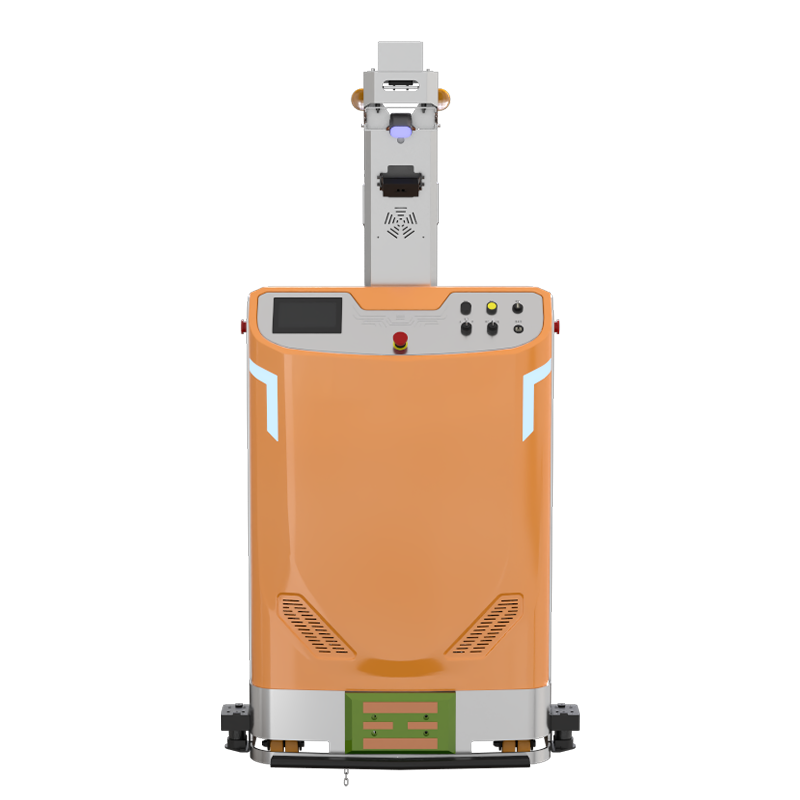
Material Handling AGV Body 2T with Narrow Body Compact Chassis for Efficient Production Line & Workshop Transport in Tight Space
- 2T
- Narrow body
- Tight space
 Laser
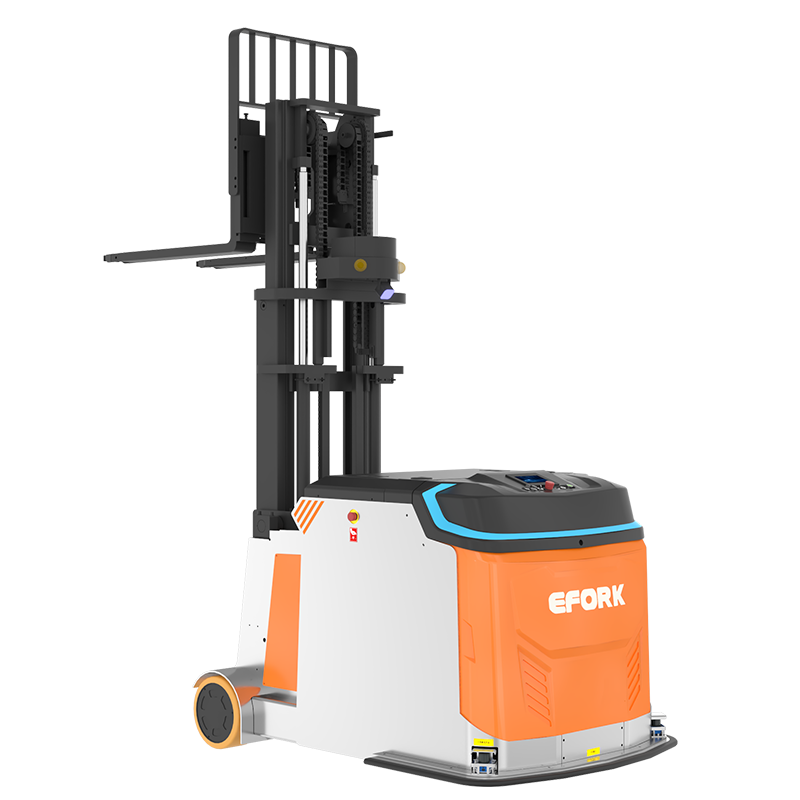
CE Certified EFORK EDA20-16 2T 1600mm Laser Navigation Self-Driving Forklift AGV WIFI/5G 10mm Accuracy 6-8H Working Time
- 2T
- 1600mm
- Laser SLAM
 3D SLAM
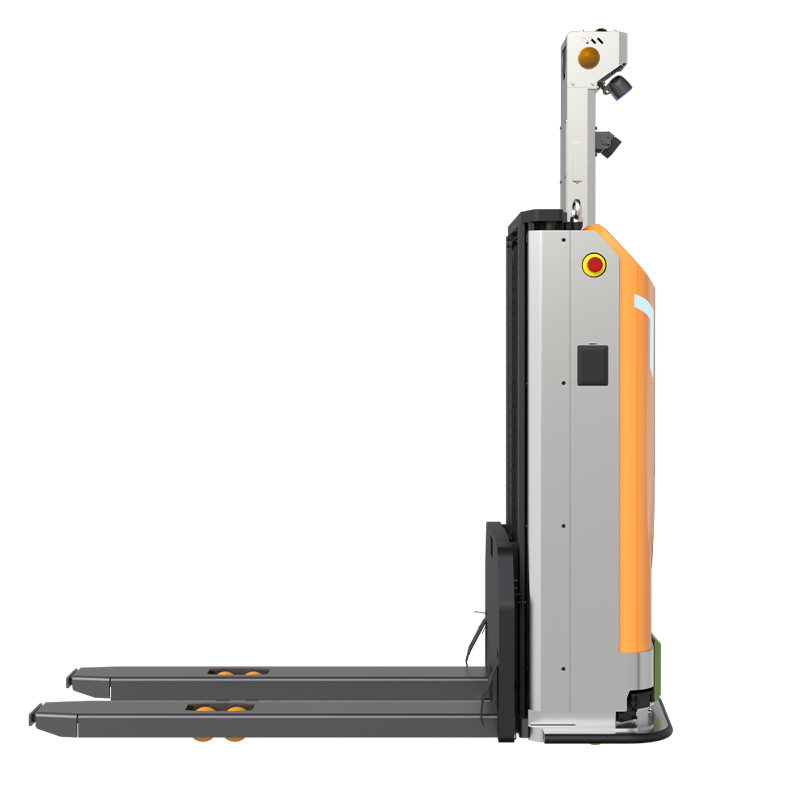
2T Slim Narrow-Body Stacker AGV with 3D SLAM & WIFI/5G for High-Density Storage 1.6M Pallet Stacking Maximize Warehouse Space
- 2T
- 1.6M
- High density
 Reach
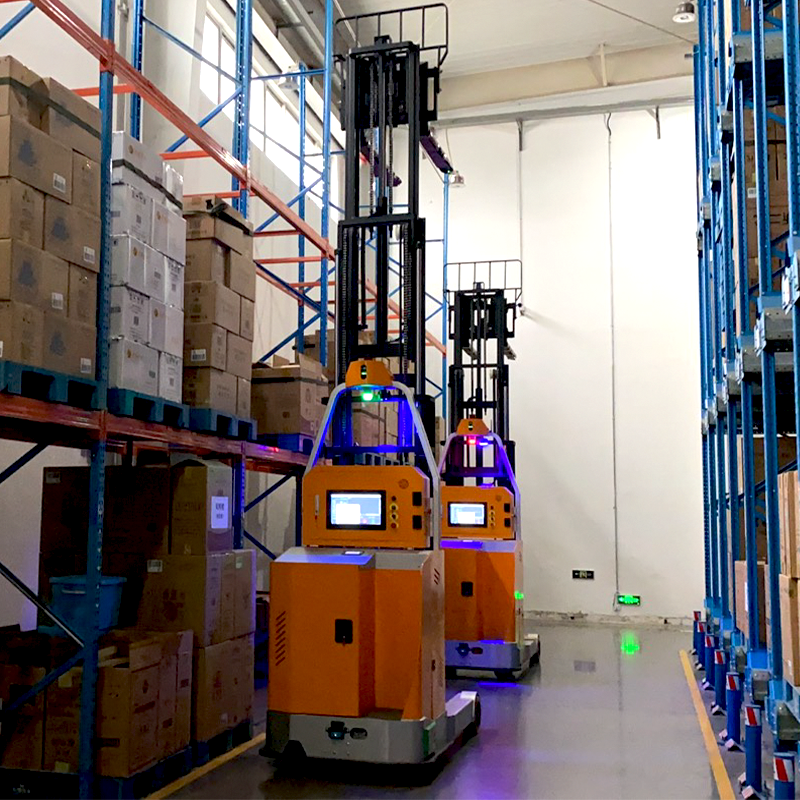
EFORK EQDA15-30 Automated Reach Truck Laser SLAM Navigation 1.5T Capacity ±10mm Accuracy Forklift for Warehouse Logistics
- 1.5T
- ±10mm
- Laser SLAM
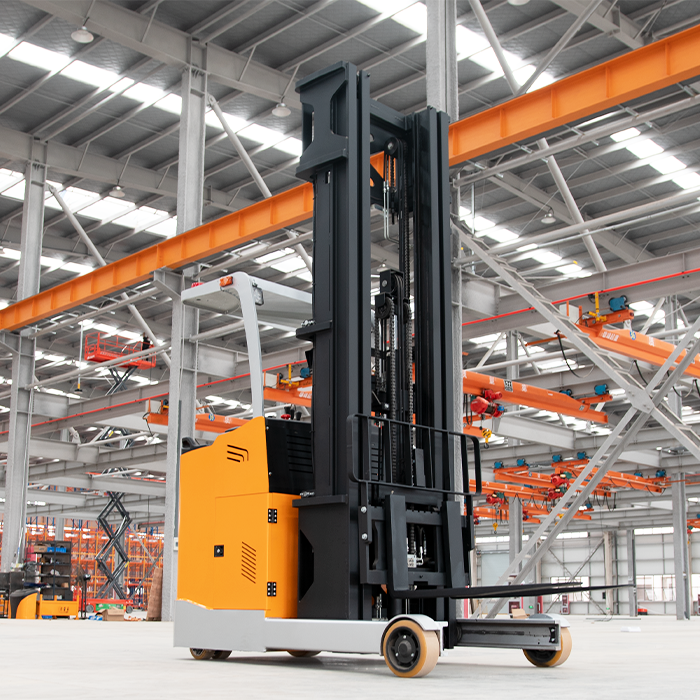
China Wholesale 2000kg 12m 8m 6m Industrial Forklift Pallet Truck Good Price
- 2000kg
- 6-12m
- Wholesale
 3D SLAM
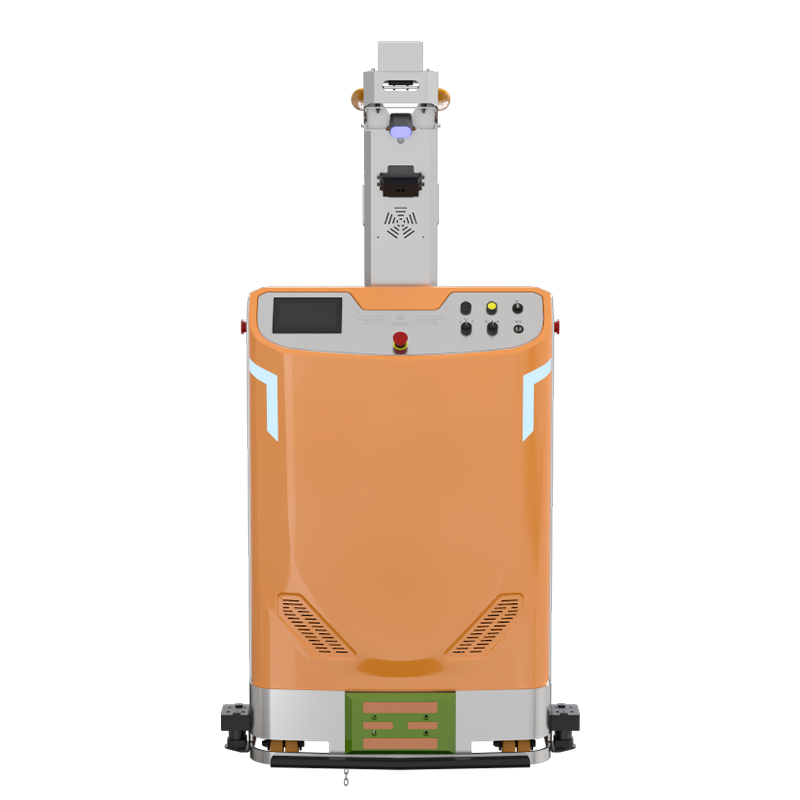
2T Material Handling AGV Body Narrow Body Compact Chassis 3D SLAM Navigation Laser Obstacle Avoidance for Workshop Transport
- 2T
- Narrow body
- Obstacle avoidance
- SGS Onsite Verified
- CE · 2006/42/EC
- ISO 9001 & ISO 45001
- 7 Awarded Patents
- MOQ 1 Set
- OEM / ODM / Full Customization
QR Code Navigation AGV for Mexico: What the Term Really Means for Your Project
The query is a procurement query, not a casual search. A Mexican plant engineer, 3PL integrator or importer typing “QR code navigation AGV manufacturer & exporters for Mexico” is usually trying to solve three problems at once: determine whether QR-code guidance is robust enough for the site, verify whether the supplier is a real manufacturer, and understand cross-border delivery, voltage, Spanish-language operation and after-sales risk.
QR-code navigation is a deterministic localization method. A downward-facing camera reads coded floor labels placed at known coordinates; the vehicle calculates its position and dead-reckons between codes. Used well, it provides repeatable lane discipline in fixed routes and can be cost-effective where aisles are stable, floors are clean and the process does not change often.
But QR-code guidance is only one layer of an AGV. Safety, traffic management, load handling, battery strategy, WMS integration, obstacle avoidance and local maintenance determine whether a truck survives a multi-shift Mexican operation. A floor label does not stop a 2-ton stacker; safety scanners, speed zones and a validated risk assessment do.
For that reason, the right question is not “Which supplier sells QR code navigation AGV?” but “Which platform and navigation combination has the lowest total cost of ownership for my layout, product mix and labor model?” In many Mexican brownfield warehouses, 3D SLAM or laser navigation is more resilient because racking, leased space and product flows change. In high-repeatability lanes with disciplined floor maintenance, QR-code-assisted navigation can be a rational specification.
Nexrik’s engineering approach is platform-first. We manufacture counterbalanced, reach truck, slim stacker, VNA and pallet truck platforms; the navigation stack is selected during solution design. Our published core portfolio uses 3D SLAM and laser navigation, and QR-code-assisted lane logic is evaluated as a project-specific option when the buyer’s process requires it. That distinction matters: a trustworthy manufacturer should tell you when a technology is unnecessary, not simply add it to a quotation.
What most supplier pages omit is the operating cost of the guidance system. QR labels must be cleaned, protected from forklift damage, replaced after floor work, and audited during layout changes. Laser reflectors need rigid mounting and line-of-sight protection. 3D SLAM needs a validated map, stable environmental features and disciplined re-mapping when racking changes. The cheapest hardware is rarely the cheapest system over a ten-year horizon.
Information gain: five items to put in the technical clarification sheet
- Floor-code lifecycle: who cleans, replaces and audits QR labels after floor repairs or rack moves?
- Electrical fit: 60 Hz charger input, 220/440 V site supply, breaker coordination and earthing.
- Operator adoption: Spanish HMI, fault-code translations, shift training and supervisor dashboards.
- Critical spares: drive wheel, scanners, charger module, battery connector, fuses and fork sensors.
- Acceptance protocol: loaded speed, stop distance, positioning repeatability, WMS task completion and safety-zone validation.
A manufacturer who can explain when not to use QR-code navigation is usually a safer partner than one who quotes it for every aisle.
QR Code, Laser Reflector or 3D SLAM: engineering comparison for Mexican warehouses
| Navigation method | How it localizes | Best-fit Mexico scenario | Watch-outs before PO |
|---|---|---|---|
| QR code / floor label | Camera reads coded floor labels; odometry fills the gaps between checkpoints. | Fixed, repetitive lanes in a clean and sealed production or cross-dock area; stable racking and low layout churn. | Label wear, dust, floor repairs, aisle cleaning ownership and re-labeling cost after layout changes. |
| Laser reflector | Laser scanner triangulates against mounted reflectors installed at known coordinates. | High-repeatability warehouse routes, high-bay pallet handling and projects with disciplined infrastructure maintenance. | Reflector installation, line-of-sight protection, rack changes and calibration after building modifications. |
| 3D SLAM | Uses natural features of the building and racking to build and locate against a map. | Brownfield plants, leased warehouses, changing layouts, mixed traffic and multi-site nearshoring rollouts. | Map quality, environmental changes, re-mapping discipline and validation of dynamic obstacles. |
Where AGV Forklifts and QR-Code Guidance Pay Back Fastest in Mexico
Mexico is not one warehouse market. The right model in Monterrey may be wrong in Guadalajara. These are the localized scenarios our engineers review most often with importers, integrators and plant teams.
Automotive & Tier 1 in the Bajío
Querétaro, Guanajuato, Aguascalientes and San Luis Potosí plants need line-side replenishment, sequence feeding, trailer loading and WIP movement. Compact reach trucks and counterbalanced AGVs reduce forklift traffic in shared pedestrian zones.
Border Maquiladora & Cross-Dock
Facilities in Monterrey, Tijuana and Ciudad Juárez often face shift handover peaks and trailer congestion. Narrow-body stackers and reach trucks can automate repetitive dock-to-rack moves while keeping aisles clear for inspection teams.
Electronics & Appliances in Guadalajara
High-mix, small-lot production rewards compact AGV bodies with tight turning radius and stable pallet handling. Slim stackers and 2T material-handling AGVs fit existing aisles without forcing a costly rack redesign.
FMCG & Retail DCs in Central Mexico
Mexico City, Estado de México and nearby logistics corridors run high-throughput put-away and replenishment. Counterbalanced AGVs, VNA trucks and four-way shuttles help compress cycle time without expanding the building footprint.
Cold Chain & Food Processing
Frozen and chilled warehouses need equipment specified for condensation, battery behavior and maintenance access. Nexrik offers cold-storage AS/RS variants and can review AGV duty cycles against temperature zones before quotation.
Port 3PL & Container Unloading
Importers using Manzanillo, Lázaro Cárdenas or Veracruz need predictable container-to-rack flow. A pilot AGV can validate dock cycle time, pallet quality, floor conditions and WMS handshakes before a multi-unit fleet order.
Procurement Trends Reshaping AGV Decisions in Mexico
Nearshoring is increasing project velocity, but it also exposes weak assumptions about power, language, spare parts and safety documentation. These six trends should be written into the RFQ, not left to installation week.
Nearshoring creates multi-site rollouts
Buyers increasingly want a repeatable fleet standard across several Mexican plants. A pilot unit with documented settings, safety zones and WMS interface logic is more valuable than a one-off lowest price.
60 Hz / 440 V coordination
Do not assume a 50 Hz Chinese factory specification fits a Mexican site. Charger input, phase, breaker, earthing and battery charging strategy must be confirmed from the actual facility data.
Spanish HMI and operator adoption
Fault codes, safety prompts and task screens should be readable by local operators. Spanish labels, manuals and training materials can be defined in the OEM/ODM scope and checked during FAT.
EHS, NOM review and CE documentation
Mexican importers and EHS teams increasingly ask for risk assessment, safety-scanner zones and electrical documentation. CE and ISO files support the review; local NOM or electrical compliance should be confirmed with the importer and customs broker.
Heat, dust, humidity and floor maintenance
Site conditions affect scanner performance, battery life and tire wear. Define cleaning routines and inspection intervals; if QR labels are used, assign a named owner for label repair before the system goes live.
Spare parts and remote support readiness
Cross-border response time is a procurement issue. A critical-spares kit, remote diagnostics plan and clear escalation path reduce the risk of a single scanner fault stopping a shift.
Why Mexican Buyers Shortlist Nexrik as a QR-Code Navigation AGV Manufacturer & Exporter
Anhui Nexrik Intelligent Technology Co., Ltd. is a high-tech manufacturer specializing in the R&D, production and integration of intelligent warehousing equipment — AGV forklifts, AS/RS stacker cranes, four-way shuttles and RGVs. Our production base is in Huagang Town Industrial Park, Feixi County, Hefei, Anhui, a recognized hub for China’s forklift industry.
Total Staff
Onsite-verified scale for export projectsFactory Floorspace
Two production bases in AnhuiAnnual Revenue
Capacity for pilot and fleet ordersAwarded Patents
Plus 1 registered trademarkIn-house manufacturing & traceability
Chassis, masts and control integration are built and tested on our own lines, with onsite material and finished-product inspection before shipment.
Navigation selected before quotation
Laser and 3D SLAM platforms are matched to aisle stability, rack height, product mix and budget. QR-code-assisted lane logic is evaluated when the process genuinely requires it.
One-stop turnkey systems
AGVs, stacker cranes, four-way shuttles and RGVs can be engineered as one WMS-ready system rather than stitched together from unrelated suppliers.
Export documentation & compliance
CE marking under 2006/42/EC, ISO 9001 and ISO 45001 systems, SGS onsite verification, patents and inspection records support customs, tender and insurance reviews.
- Quality Management, Credibility & Service AAA
- National Enterprise of Good Creditworthiness
- Anhui Famous Brand
- China Automobile Industry Association Member
For Mexico-specific due diligence, request the audit pack: CE certificate, ISO 9001/45001 evidence, SGS onsite report, product test records, packing photos and the recommended spare-parts list. Our team supports FAT before shipment and remote or onsite commissioning planning. Voltages, charger configuration, HMI language and Incoterms are confirmed before the PO — not after the container arrives.
From Layout Review to Go-Live: A Five-Stage Process
A structured workflow de-risks first-time automation and multi-site rollouts. The same process applies whether the final selection is a QR-code-assisted lane, laser navigation or 3D SLAM.
Site & load audit
Review pallet drawings, rack layout, aisle width, floor condition, throughput, shift pattern and voltage.
Solution & navigation design
Select AGV platform, fleet size, traffic rules, charging strategy and navigation method against peak demand.
Manufacturing & FAT
Build, integrate and test load handling, safety zones, HMI language and WMS messages before shipment.
Shipping & commissioning
Prepare export documents, map the site, validate network and safety, then train operators and maintenance teams.
Lifecycle support
Remote diagnostics, critical spares, firmware updates and fleet-expansion planning for Mexican operations.
What Local Buyers Ask Before a PO
These are the practical questions raised by Mexican importers, plant engineers and integrators during technical clarification.
Is QR-code navigation the right choice for a Mexican plant?
Can Nexrik AGVs operate on Mexico’s 60 Hz / 440 V power?
Do you provide Spanish HMI, manuals and operator training?
What import documents are normally required for Mexico?
What is the MOQ and can we start with one pilot unit?
How are installation and commissioning handled in Mexico?
Can the AGV or AS/RS integrate with our existing WMS / ERP?
What Incoterms and payment terms are accepted?
What spare parts should a Mexican warehouse stock?
What acceptance test should be completed before final payment?
Request a Mexico-Specific AGV Layout Review
Send your pallet drawing, rack height, aisle width, throughput per shift, voltage/frequency, WMS/ERP details and target go-live date. Our application engineers will return a platform shortlist, navigation recommendation — QR code, laser, 3D SLAM or hybrid — fleet estimate, compliance checklist and Incoterms options.
Factory-direct support from Anhui Nexrik Intelligent Technology Co., Ltd. · Hefei, China · Export projects for Mexico and Latin America