Eight Proven Automation Platforms for Puebla Buyers
Puebla’s automotive, Tier 1, 3PL, food and retail clusters need repeatable material flow—not isolated machines. These eight platforms cover dock-to-line, line-side replenishment, high-bay racking, narrow-aisle retrofits and flexible multi-directional movement.
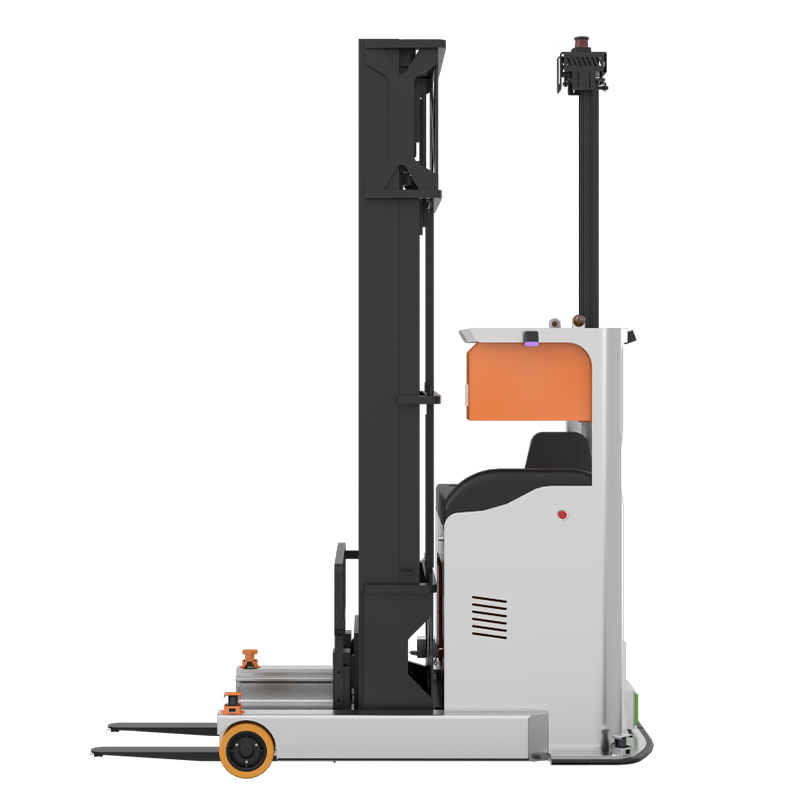
Heli Yufeng CQDE20HJ-65S 2T 6.5M Reach Truck AGV Body Laser Slam Navigation for Pallet Handling High Lifting Smart Warehouse
- 2T
- 6.5M
- Laser SLAM
- High lifting
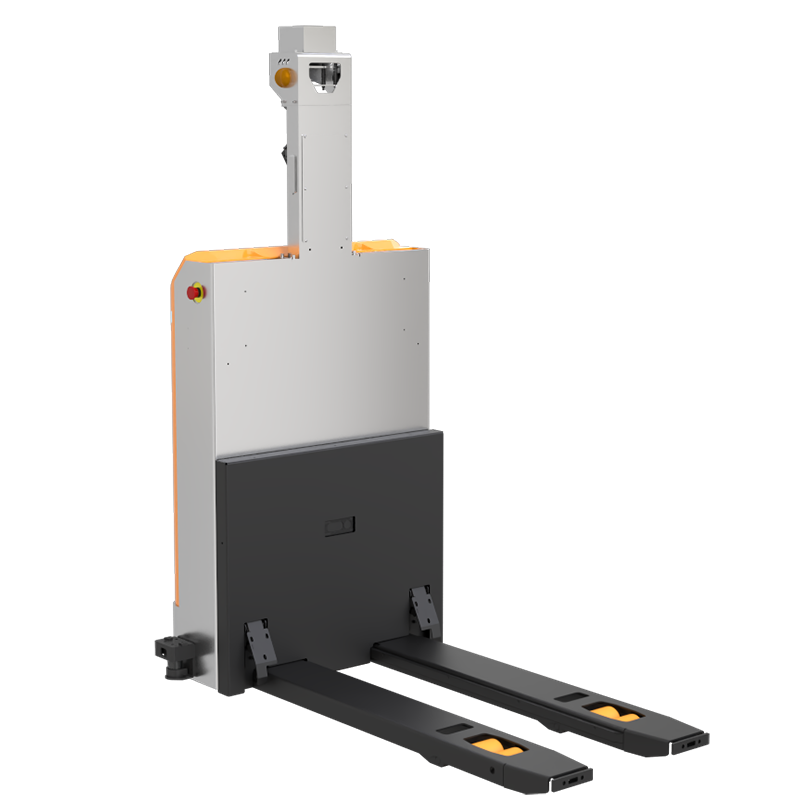
T 2.5M Omni-directional AGV Body 1 3D SLAM Navigation 1000kg Load Capacity Flexible Movement Zero Turning Radius for
- 1000kg
- 2.5M
- 3D SLAM
- Zero radius
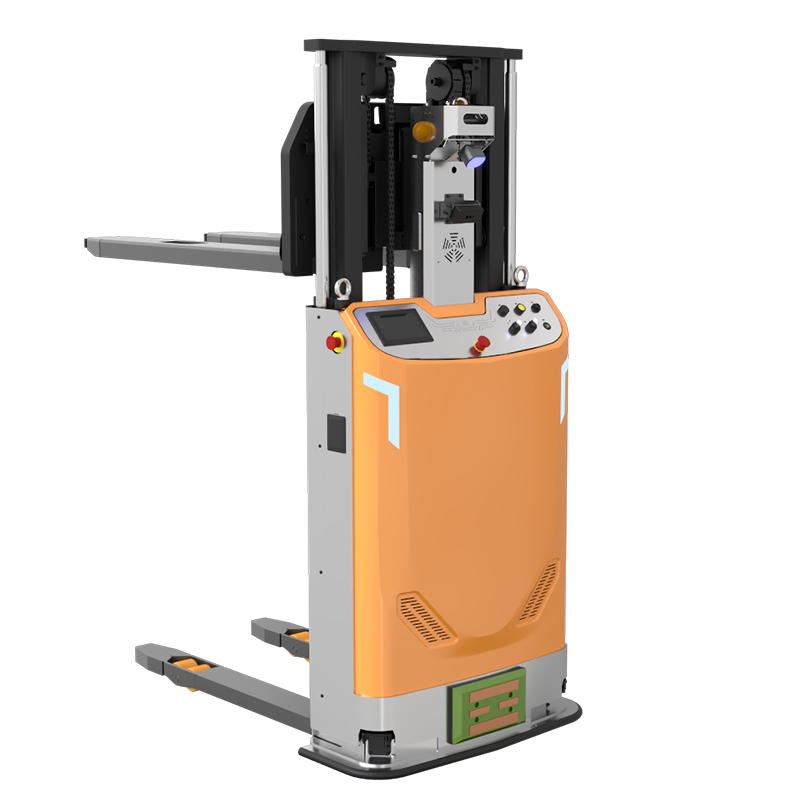
Automatic Stacker AGV Body Slim Narrow-Body 3M 2T High-Density Storage Pallet Stacking 3D SLAM Navigation WIFI/5G Maximize
- 2T
- 3M
- Slim body
- 3D SLAM
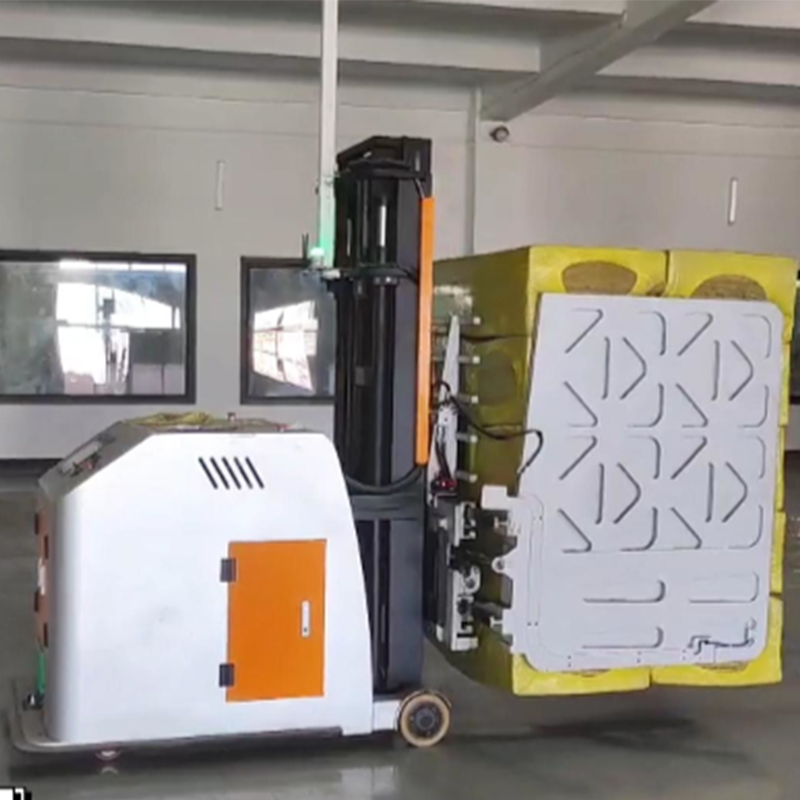
EFORK Automated Guided Vehicle AGV Forklift 3T 3000MM Counterbalanced 3D SLAM Construction Factory Logistics Pallet Truck
- 3T
- 3000MM
- Counterbalanced
- 3D SLAM
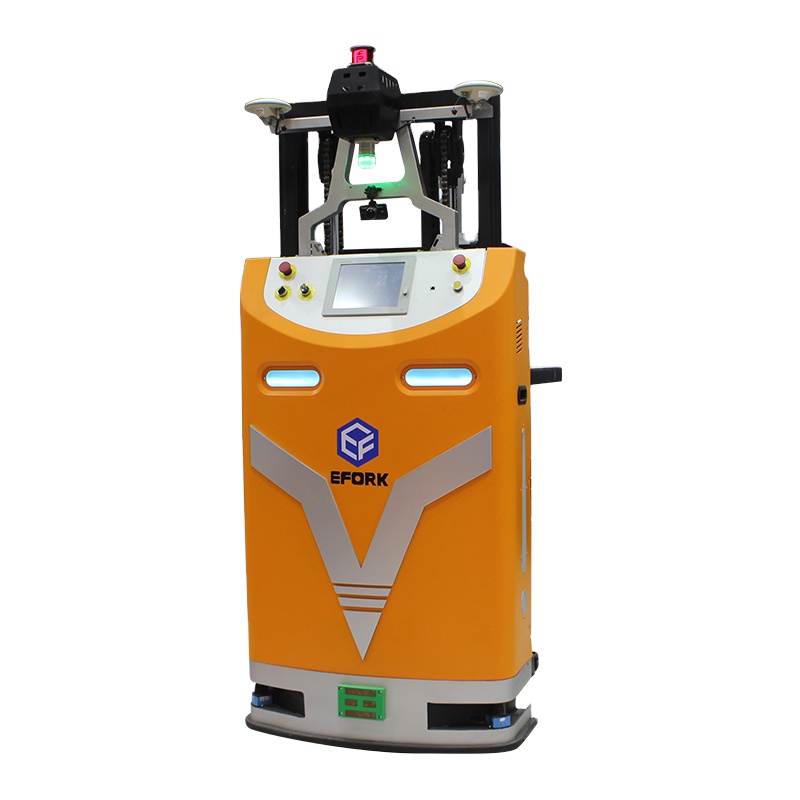
CE Certified EFORK EDA20-16 2T 1200mm Fork Width 180mm 3D SLAM Laser Navigation AGV WIFI/5G 10mm Accuracy 1600mm Lifting Height
- 2T
- 1600mm lift
- 10mm accuracy
- WIFI/5G
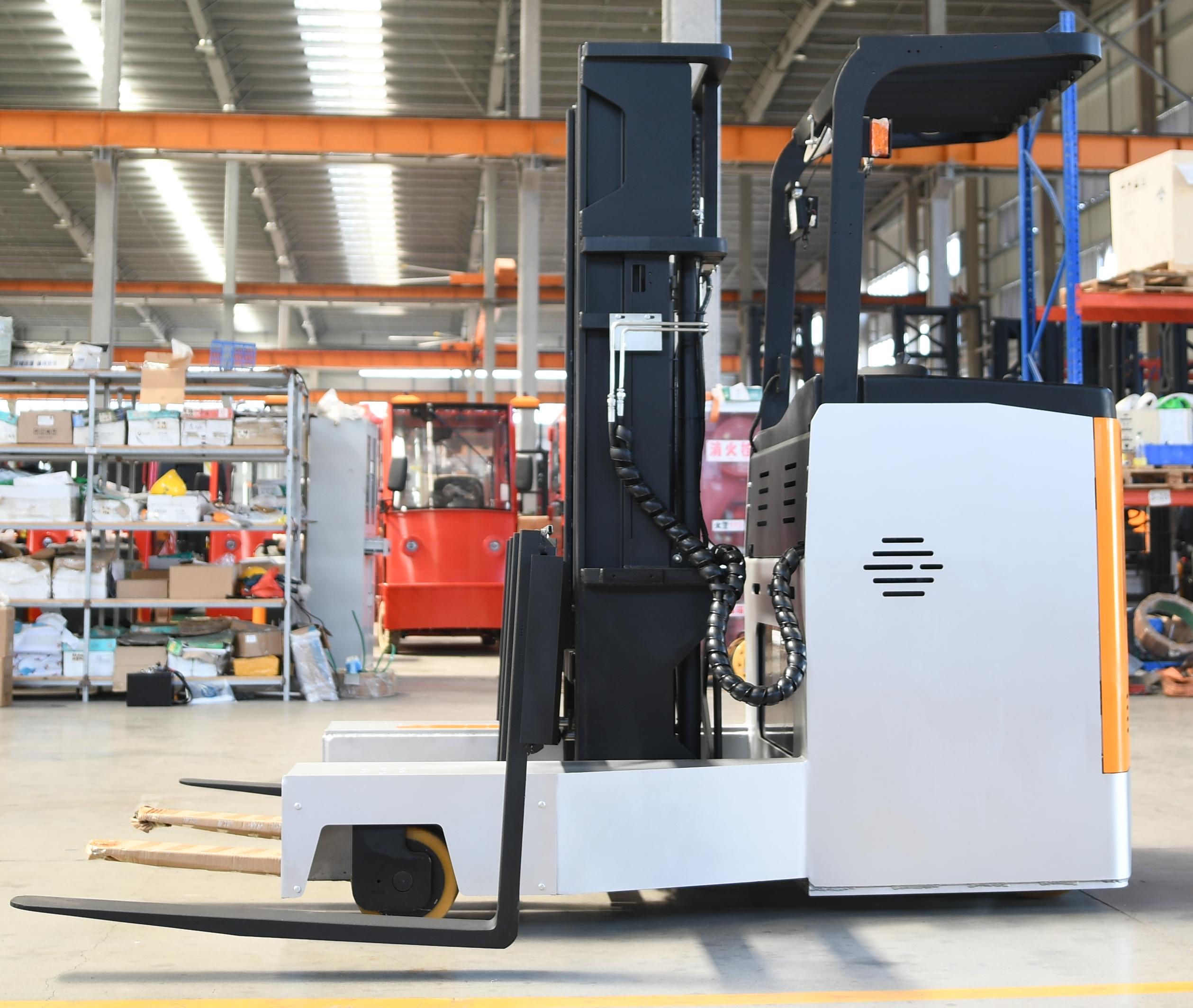
Multi Directional Forklift 4Ton 5Ton 4 Way Forklift Reach Truck Stacker For Narrow Aisle Small Space
- 4–5T
- 4-way
- Narrow aisle
- Reach truck
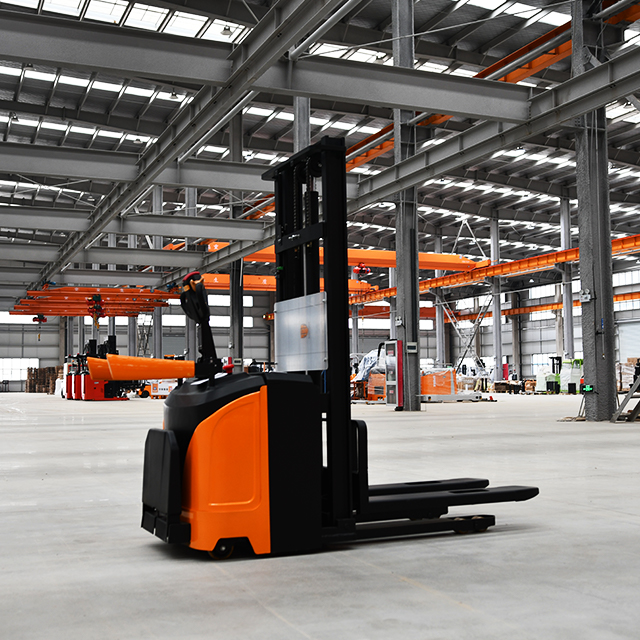
Factory Direct Sales Electric Pallet Lift Stackers 1.5-Ton 2-Ton 3Ton 3m 4m 5m Portable Self-Loading
- 1.5–3T
- 3–5m
- Self-loading
- Portable
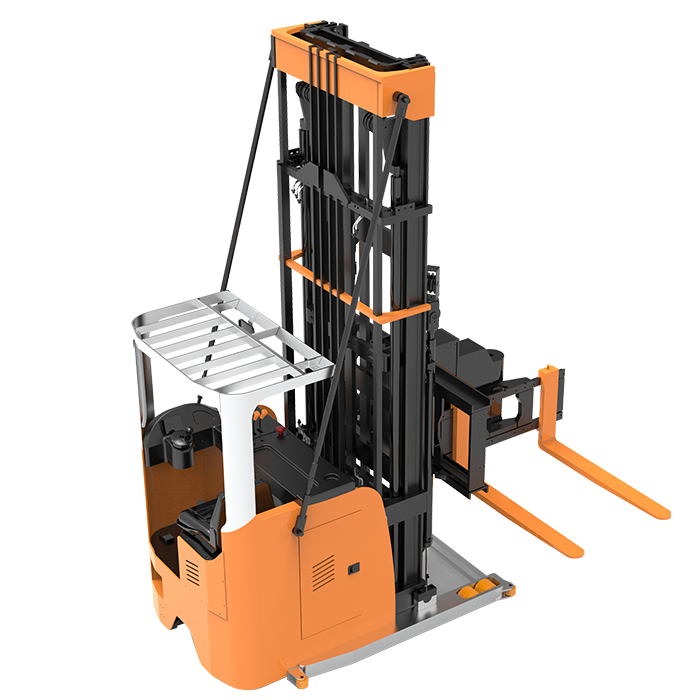
Narrow Aisle 3 Way 1600kg 1.6 Tons1.5 Tons 3 Tons Certified Electric Forklift Forklift Three Stage Mast
- 1.5–3T
- 3-way
- Three-stage mast
- Certified
Why Puebla Is Moving from Manual Forklifts to AGV Fleets
Puebla is no longer only a low-cost production location. It is a high-mix, high-velocity industrial market where Volkswagen de México’s Puebla complex, the Audi plant in San José Chiapa and a deep Tier 1 / Tier 2 supply base set the tempo for material flow. Nearshoring adds another layer: more SKUs, shorter lead times and less tolerance for forklift downtime.
Nearshoring Compresses Cycle Time
USMCA-linked production favors suppliers that can respond quickly. Manual forklift fleets often lose hours to shift changes, operator availability and route conflict. AGVs stabilize those handoffs.
Industrial Land Is Tight
In corridors such as Puebla 2000, Huejotzingo and San Martín Texmelucan, usable warehouse land is finite. High-density racking, narrower aisles and 3D SLAM navigation help Puebla operations grow upward rather than outward.
Automotive Discipline Spreads
Line-side replenishment, sequential picking and dock-to-line delivery demand repeatability. A reach truck AGV or counterbalanced AGV can follow the same route, speed limit and safety logic every shift.
Labor and Safety Pressures Rise
Operating forklifts in mixed pedestrian zones requires constant training. Automation with CE-marked safety scanners, defined traffic zones and WMS task allocation reduces human variability.
Application fit scores are illustrative engineering indicators, not guarantees. Final suitability is confirmed through site survey, pallet data, rack drawings, throughput analysis and safety review.
Where Puebla Buyers Deploy Forklift Automation
The right equipment depends on the interface between process, building and load unit. These are the six most common Puebla deployment patterns we evaluate with buyers.
Automotive Inbound and Dock-to-Line
Counterbalanced AGVs move closed-bottom pallets, returnable containers and racks from trailer docks to line-side supermarkets. The 3T EFORK counterbalanced platform is a strong fit where no front outriggers are allowed.
- Trailer loading and unloading
- Line-side replenishment
- Mixed pallet and container flow
Tier 1 JIT and Sequence Delivery
Puebla’s Tier 1 suppliers often run repetitive routes with tight windows. A 2T reach truck AGV or 2T laser navigation AGV can standardize travel speed, stop points and task confirmation.
- Repeatable routes and stops
- WMS-directed task allocation
- 10mm positioning accuracy options
High-Bay and Narrow-Aisle Retrofit
When rack density matters, 3-way and multi-directional platforms allow the fork to pick left, right and forward without turning the truck. This is valuable in existing Puebla buildings where aisle expansion is impractical.
- Narrow aisle small-space storage
- High lifting reach truck options
- 3-way and 4-way fork movement
3PL Multi-Client Warehousing
Multi-client 3PLs need flexible route changes without floor tape. 3D SLAM navigation localizes using natural building features, which typically shortens site preparation and supports layout changes.
- Flexible layout changes
- Natural-feature localization
- Scalable from one pilot truck
Food, Beverage and Retail Distribution
Stacker and reach truck AGVs handle pallet staging, low-rack put-away and order assembly. Hygiene zoning, wash-down requirements and floor conditions are reviewed before battery and chassis configuration.
- Pallet staging and put-away
- Low to medium racking
- Cold-storage variants available
Flexible Manufacturing and Aerospace
Omni-directional AGV bodies provide zero turning radius and precise movement in constrained cells. They are useful where layouts change and conventional aisle geometry is not the primary constraint.
- Zero turning radius
- Constrained cell movement
- 1000kg flexible platform
Manufacturing Scale and Compliance Puebla Buyers Can Verify
Anhui Nexrik Intelligent Technology Co., Ltd. manufactures AGV forklifts, AS/RS stacker cranes, four-way shuttles and RGVs from Hefei, Anhui—an established Chinese forklift and intelligent logistics manufacturing base. For Puebla buyers, the advantage is not only a machine specification but a traceable factory system: in-house manufacturing, documented inspection, export documentation and OEM support.
In-House Manufacturing and Inspection
Chassis, masts and control integration are built and tested on our own lines, with onsite material inspection and finished-product inspection before shipment. This matters for Puebla importers who need fewer surprises at commissioning.
Laser and 3D SLAM Navigation
Choose reflector-based laser navigation for fixed, repetitive routes or 3D SLAM for natural-feature localization that minimizes floor and rack modifications. Puebla warehouses with existing racking often benefit from 3D SLAM.
One-Stop Turnkey Integration
AGV forklifts, stacker cranes, four-way shuttles and RGVs can be engineered as one WMS-ready system rather than stitched together from unrelated vendors. Fleet sizing and traffic simulation are reviewed before production.
CE, ISO and SGS Documentation
CE marking under Machinery Directive 2006/42/EC, ISO 9001, ISO 45001, and SGS onsite verification support tender submissions, customs review and internal procurement approval.
OEM / ODM and Buyer-Label Production
Full customization and buyer-label production are available for load capacity, lift height, fork configuration, battery setup and cold-storage variants. This supports Mexican distributors and integrators building local programs.
Eight Years of Industry Experience
Nexrik has participated in seven international exhibitions and serves buyers across Southeast Asia, South America, Eastern Europe, South Asia and North America, with export-ready terms and documentation.



Match Equipment to Puebla Duty Cycles
Puebla buyers should shortlist by load unit, aisle geometry, lift height, traffic and WMS integration—not by headline price alone. This reference table translates common Puebla requirements into equipment families.
Heli Yufeng 2T 6.5M
T 2.5M 1000kg
2T 3M narrow body
EFORK 3T 3000MM
EDA20-16 2T 1600mm
4T–5T 4-way
1.5T–3T 3m–5m
1600kg 3-way
Specifications shown reflect the listed models. Final configuration—load capacity, lift height, fork dimensions, battery, navigation and safety devices—is confirmed during project engineering based on your load units and building constraints.
Questions Puebla Buyers Ask First
These are the practical questions that arise in Puebla during supplier screening, customs planning, internal safety review and pilot deployment.
Can Puebla buyers import AGV forklifts directly from the factory in China?
Yes. Nexrik supports factory-direct export with FOB, CFR, CIF, EXW, FAS, CIP and DDP terms. Puebla buyers commonly evaluate shipment through Manzanillo or Lázaro Cárdenas and then inland trucking to Puebla. The exact customs route, broker and import documentation should be confirmed with your Mexican customs agent before order release.
Is CE certification enough for Mexico, or do we need NOM?
CE marking under 2006/42/EC demonstrates conformity to European machinery safety requirements and is valuable for technical review. It is not a substitute for Mexican regulatory requirements where NOM standards or local electrical rules apply. Puebla buyers should confirm the applicable NOM scope, electrical compatibility and customs documentation with their compliance advisor. We provide CE, ISO and product documentation to support that review.
What is the minimum order quantity for a Puebla pilot?
The MOQ for every AGV forklift, stacker crane and four-way shuttle model is 1 set. Many Puebla customers begin with a single-truck pilot to validate routes, cycle times, safety zones and WMS task flow before scaling to a fleet.
Can the AGV interface with our existing WMS or ERP?
Our systems are designed to be WMS-ready. Interface requirements with your existing WMS or ERP are defined during solution design and tested during commissioning. For Puebla projects, we recommend agreeing on task messages, location codes, error handling and reporting format before shipment.
How do you support Spanish-speaking operators in Puebla?
Operator interfaces, training materials and commissioning checklists can be prepared for English- or Spanish-speaking teams based on project scope. Training typically covers daily operation, task confirmation, safe manual intervention, charging and first-line troubleshooting.
What about electrical power and charging in Puebla?
Mexico operates on 60Hz power, and Puebla facilities may use different voltage configurations. Before final design, confirm available voltage, Phase, frequency, charging location, ventilation and shift pattern. Battery and charger specifications are matched to the actual site conditions rather than assumed from a catalogue.
Which payment and trade terms are accepted?
Accepted delivery terms include FOB, CFR, CIF, EXW, FAS, CIP and DDP. Payment methods include L/C, D/P, D/A, MoneyGram, credit card and Western Union in USD, EUR or CNY. Final terms are confirmed in the commercial proposal.
Do you provide spare parts and after-sales support for Puebla projects?
Yes. Remote diagnostics, spare-parts supply and fleet-expansion planning are part of lifecycle support. For Puebla buyers, we recommend agreeing on a critical spare-parts list, response process and local service coordination before go-live. This reduces downtime risk in automotive and 3PL operations.
What to Send for a Puebla-Specific Layout and Quote
A useful automation proposal cannot be built from a truck model alone. Send these eight inputs and our engineers can evaluate fleet size, route logic, safety zones, charging strategy and import scope with far greater accuracy.
Pallet and load specification: dimensions, weight, load center, bottom-board type, containers and max stack height.
Rack drawings and aisle width: upright clearances, beam levels, fire protection, floor flatness and any ramps or dock levelers.
Throughput target: pallets or moves per hour, peak vs average, shift pattern and expected growth over 3–5 years.
Traffic and safety zones: pedestrian crossings, forklift intersections, restricted areas, door widths and charger locations.
WMS / ERP interface: task creation method, location codes, confirmation logic, reporting needs and IT security requirements.
Power and charging: voltage, frequency, available charging windows, ventilation and whether opportunity charging is possible.
Import and delivery plan: preferred Incoterm, customs broker, destination address in Puebla, unloading capability and project timeline.
Local operation requirements: language, training, spare-parts strategy, maintenance team capability and internal safety approval process.
From Puebla Site Survey to Go-Live
A structured five-stage process reduces the risk of buying an AGV that looks correct on paper but does not fit the building, load or WMS workflow.
Site Analysis
Review rack layout, pallet specification, floor flatness, throughput, shift pattern and safety environment.
Solution Design
Select equipment, size the fleet, simulate traffic and define WMS interface requirements against peak demand.
Manufacturing
Build with in-house production, onsite material inspection, finished-product inspection and FAT before shipment.
Shipment & Customs
Prepare export documentation, confirm Incoterms and support Puebla customs clearance and inland delivery planning.
Commissioning
Map the site, test WMS tasks, validate safety zones, train operators and plan lifecycle support.
Export-Ready Terms for Puebla Projects
Puebla buyers need commercial terms that match their customs broker, finance team and project cash flow. Our export documentation and flexible Incoterms are designed for cross-border industrial equipment procurement.
Incoterms
FOB, CFR, CIF, EXW, FAS, CIP, DDP and express delivery options are available depending on project scope and buyer preference.
Payment
L/C, D/P, D/A, MoneyGram, credit card and Western Union are accepted in USD, EUR or CNY, subject to final commercial agreement.
Documentation
CE documentation, ISO certificates, SGS verification information, packing lists and export documents support tender and customs review.
For Puebla automotive and Tier 1 buyers, the most important commercial question is often not the unit price but the total cost of an unplanned stop. A factory-direct supplier that can document its manufacturing controls, test the WMS interface and provide a clear spare-parts plan is usually safer than a low-cost trader with no engineering depth. That is the standard we apply to every AGV fork lift, stacker crane and shuttle project.
Request a Puebla-Specific Forklift Automation Quote
Send your pallet data, rack drawings, throughput target and WMS requirements. Our engineers will review the application and propose the right equipment mix, fleet size and delivery path for Puebla.
Get a Quote