8 Autonomous Navigation Robot Configurations for Japanese Warehouses
Shortlist these units after mapping pallet type, aisle width, lift height, floor finish, Wi-Fi coverage, fire-code clearances and WMS interface. Product URLs below preserve the original manufacturer links.
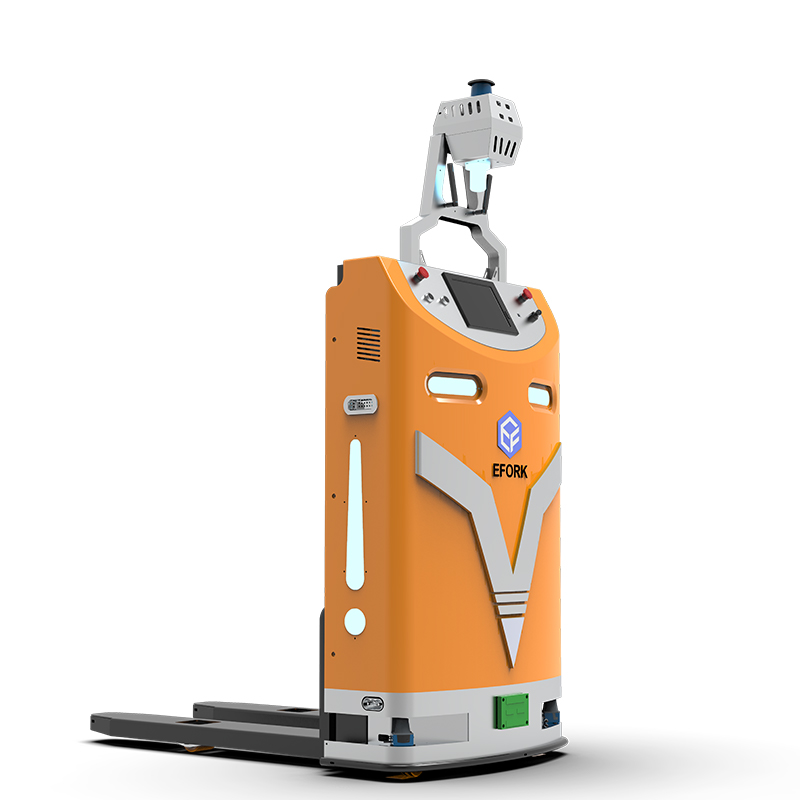 3D SLAM
Latest Design Tech Slim Stacking AGV Forklift CE Certified 2T 3M 3D SLAM for Warehouse Automation Handling and Lifting Robot
Japan-fit: slim stacking for existing buildings where aisle width and ceiling height are fixed. Suitable for pallet transfer and low-to-mid racking in 3PL and food distribution.
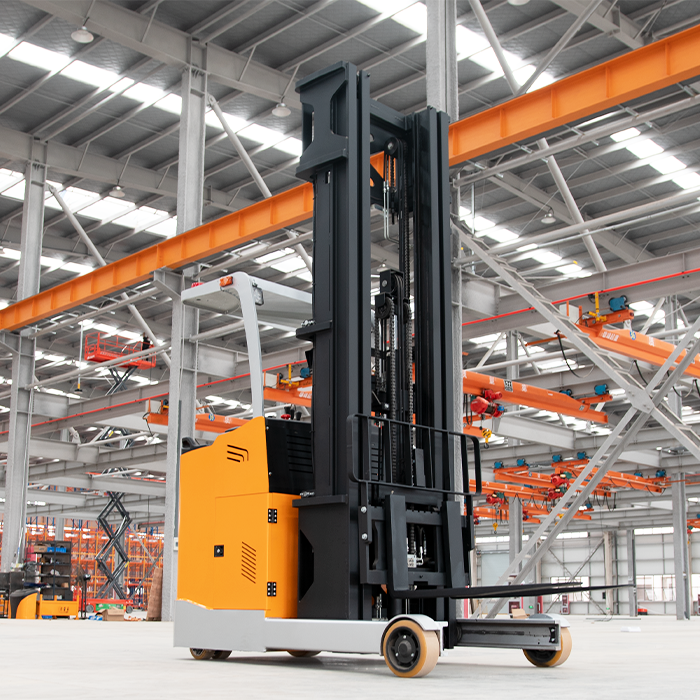 Phased Fleet
China Wholesale 2000kg 12m 8m 6m Industrial Forklift Pallet Truck Good Price
Japan-fit: supporting equipment for phased automation and mixed manual/autonomous fleets. Confirm 12m, 8m or 6m configuration against actual rack and loading-bay requirements.
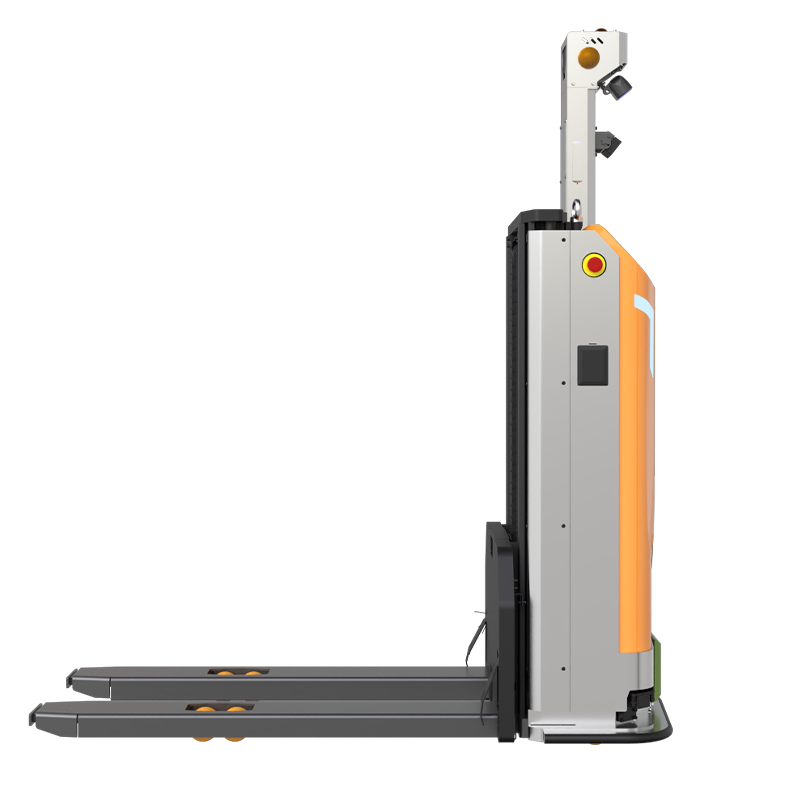 Narrow Aisle
2T 3 M Slim Narrow-Body Stacker AGV High-Density Storage Pallet Stacking AGV for Narrow Aisles Warehouse Automation
Japan-fit: high-density storage for constrained urban warehouses. The slim body supports narrow-aisle pallet stacking where conventional forklift turning space is limited.
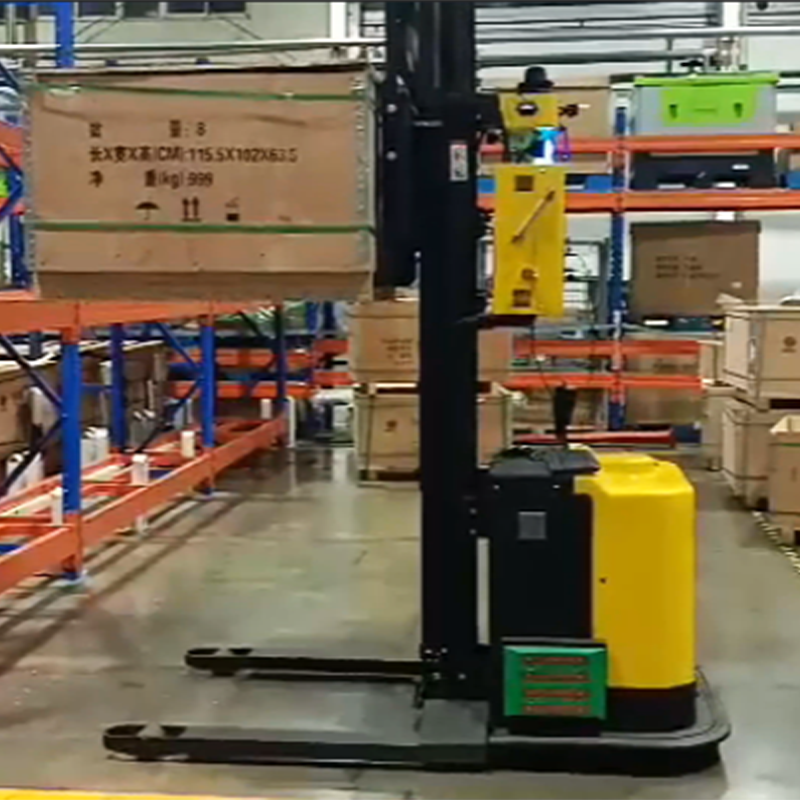 WIFI / 5G
2T 3000MM Pallet AGV Forklift Automated Guided Vehicle 3D SLAM Navigation WIFI/5G Communication for Warehouse Automation Robot
Japan-fit: automated pallet movement with 3D SLAM and WIFI/5G communication. Network coverage, roaming and cybersecurity access should be reviewed with the facility IT team.
 Laser SLAM
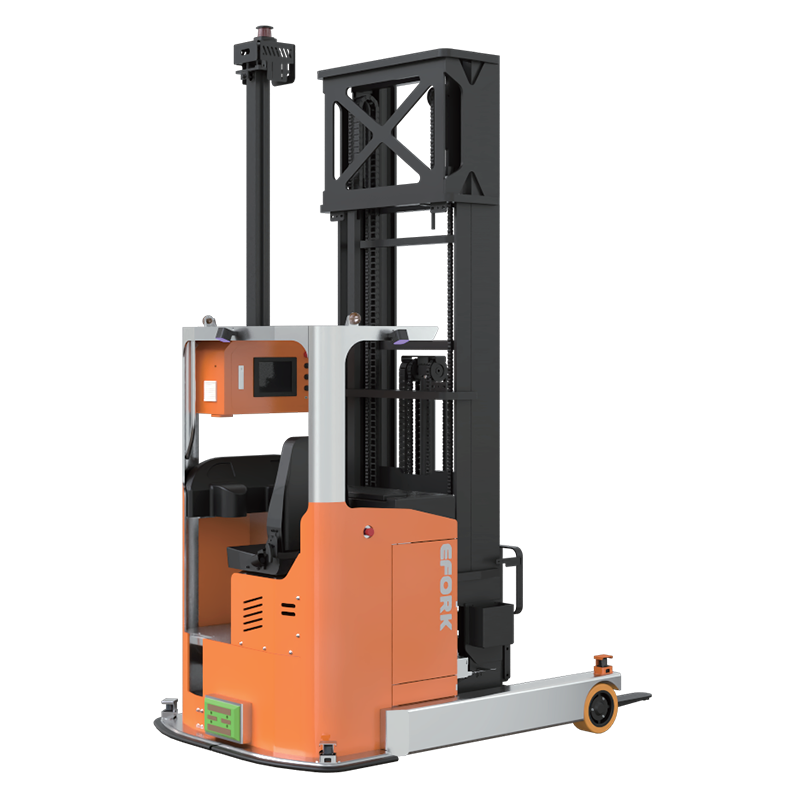
4.5M Reach Truck AGV Body 2T for Pallet Handling High Lifting Smart Warehouse Logistics Robot Laser Slam Navigation CE Certified
Japan-fit: medium-high racking and pallet handling. Laser SLAM is a strong option where routes are stable, aisles are defined and project teams want predictable navigation behavior.
 Compact Chassis
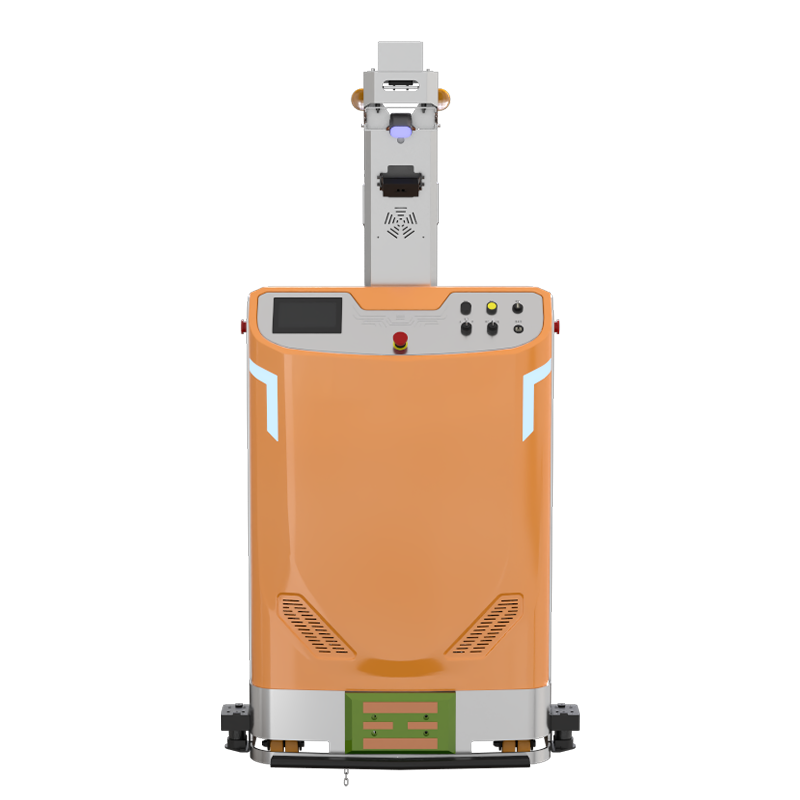
Material Handling AGV Body 2T with Narrow Body Compact Chassis for Efficient Production Line &Workshop Transport in Tight Space
Japan-fit: tight production-line and workshop transport. Compact chassis helps retrofit brownfield factories where conveyors, pillars and manual workstations already constrain movement.
 VNA 3-Way
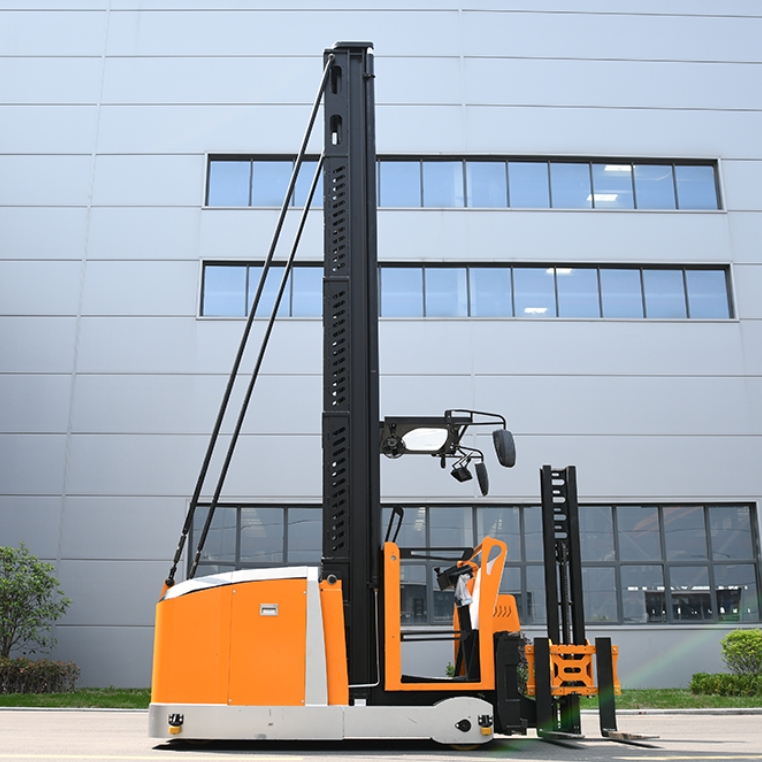
New 1.5T Manual Electric 3-Way Pallet Stacker Forklift 3 Way Manup Vna Forklift with 1600kg Loading Capacity AC Motor Powered
Japan-fit: very narrow aisle and 3-way pallet stacking for land-constrained distribution centers. Useful in hybrid projects where manual VNA work is automated in later phases.
 Obstacle Avoidance
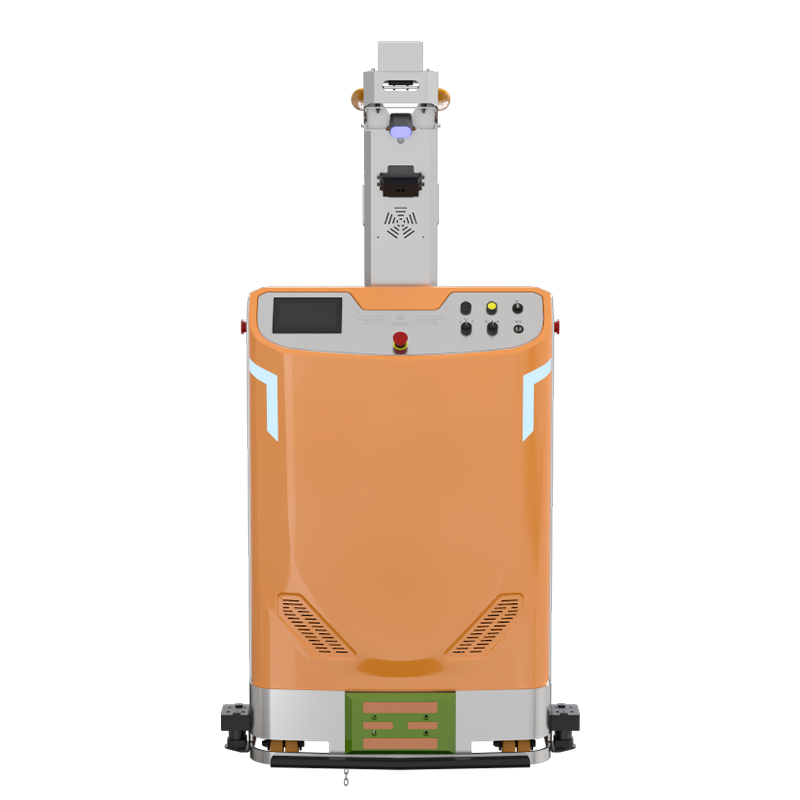
2T Material Handling AGV Body Narrow Body Compact Chassis 3D SLAM Navigation Laser Obstacle Avoidance for Workshop Transport
Japan-fit: mixed-traffic workshop transport with 3D SLAM and laser obstacle avoidance. Best evaluated with a pedestrian-route survey and clearly defined speed zones.
Why Autonomous Navigation Robots Are Moving Into Core Operations in Japan
Japan is not adopting automation because robots are fashionable. The business case is driven by labor availability, land cost, service-level pressure and the need to make existing warehouses more productive without rebuilding them.
Labor Shortage and the 2024 Logistics Issue
Japan’s 2024 logistics issue has made driver hours, dock scheduling and warehouse staffing a board-level concern. Autonomous navigation robots reduce dependence on forklift drivers for repetitive internal transport and allow teams to focus on exception handling, quality checks and customer service. The real bottleneck is often handover between manual and automated zones, so traffic simulation matters as much as robot speed.
Land Scarcity and High-Density Storage
Urban fulfillment centers in Greater Tokyo, Osaka and Nagoya face high land costs and tight building envelopes. Very narrow aisle AGVs, AS/RS stacker cranes and four-way shuttles increase storage density per square meter, while compact AGV bodies can fit into existing production buildings where aisle space cannot be expanded.
Brownfield Retrofits, Not Only Greenfield Warehouses
Most Japanese warehouses are not greenfield sites. 3D SLAM localizes against natural building features, which can reduce reflector and floor-tape work in existing facilities. However, Wi-Fi/5G coverage, floor flatness, door clearance, fire shutters and evacuation routes must be checked before a pilot is approved.
Cold-Chain, Food and Pharmaceutical Pressure
Cold storage automation protects workers from prolonged temperature exposure and stabilizes throughput during peak seasons. Equipment must be specified for condensation, low-temperature batteries, lubrication, emergency access and maintenance routines. For pharmaceutical distribution, traceability, audit logs and WMS validation become part of the business case.
Safety Validation in Mixed Traffic
CE and ISO documents are important trust signals, but they do not replace site-specific safety validation. Japanese buyers should request risk assessment inputs, safety scanner layout, emergency-stop design, speed-zone logic, operator training materials and a clear escalation process for incidents in mixed pedestrian and forklift traffic.
WMS, ERP and Data Integration
Autonomy alone does not create ROI. Japanese procurement teams increasingly ask for WMS/WCS interface specifications, API or industrial protocol options, error-recovery procedures and data logs for continuous improvement. A supplier that cannot explain exception handling will create hidden labor cost after go-live.
Where Autonomous Navigation Robots Deliver Measurable ROI in Japan
The same robot can be a success in one building and a bottleneck in another. The difference is usually the fit between load unit, traffic flow, safety zone and data integration.
3PL Multi-Client Distribution Centers
In Tokyo and Osaka 3PL operations, autonomous pallet stackers and reach trucks can move goods from receiving to staging, replenishment and dispatch. The project should define who confirms put-away, how exceptions are escalated and how client-specific labels are verified before the WMS releases a task.
Food and Beverage Cold Storage
Cold-chain warehouses in Hokkaido, Tohoku and coastal logistics clusters need reliable throughput without exposing workers to extreme cold for long periods. AS/RS stacker cranes, four-way shuttles and cold-duty AGV variants should be quoted with condensation control, battery strategy and maintenance access plans.
Automotive Parts and Electronics Production
In tight production lines, compact AGV bodies can move pallets or containers between workstations without requiring wide aisles. The engineering review should model pedestrian routes, line-side buffer size, charger placement and fail-safe behavior when an operator removes a part mid-task.
Pharmaceutical and Medical Distribution
Pharmaceutical warehouses often prioritize traceability, cleanliness and precise task confirmation. Autonomous equipment should be integrated with batch-level data, access control and audit logs. A pilot should prove exception handling before a full validation plan is submitted to internal quality teams.
Retail and E-Commerce Fulfillment
High-density storage and fast replenishment are critical when order profiles fluctuate. Four-way shuttle systems and mini-load AS/RS can support dense storage, while AGV forklifts handle pallet movement between reserve storage and pick-face zones. The best mix depends on SKU velocity, not simply on building height.
Multi-Floor Urban Warehouses
Urban facilities often rely on lifts, ramps and staged buffer zones. Inter-floor transfer must be engineered with the building lift supplier, fire strategy and emergency procedures. Do not assume that an autonomous forklift can call a passenger lift without integration, permissions and a validated safety concept.
How to Evaluate Top Trusted Autonomous Navigation Robot Manufacturers & Suppliers in Japan
A “trusted” supplier is not the one with the loudest catalogue. It is the one that can prove manufacturing capability, explain safety logic, document interfaces and support the asset after commissioning.
1. Verifiable Manufacturing Base
Check factory address, ownership, production floorspace, staff count and onsite inspection records. For a multi-year automation asset, supplier continuity matters as much as the initial price. SGS onsite verification, ISO systems and a clear after-sales contact reduce counterparty risk.
2. Navigation Competence
Ask how 3D SLAM or laser navigation behaves in low-feature corridors, dynamic traffic, loading docks and Wi-Fi dead zones. Request mapping procedures, fleet traffic rules, obstacle-avoidance logic and recovery steps when localization is lost.
3. Japan-Specific Engineering Support
Confirm 200V/400V and 50/60Hz compatibility, charger and plug specifications, documentation language, site-survey checklist, local commissioning options and spare-parts route. A serious supplier will identify open items rather than claim every requirement is standard.
4. Documented Certifications and Change Control
Request CE documentation under Machinery Directive 2006/42/EC where applicable, ISO 9001 and ISO 45001 evidence, bills of material, inspection reports and software version control. Documentation should be traceable to the exact configuration shipped, not only to a brochure model.
5. Integration and Exception Handling
Autonomous equipment must accept tasks, report status and recover from exceptions. Ask for WMS/WCS interface documents, API or protocol options, error codes, manual override procedures and data-log access. Integration risk usually shows up after the robot arrives, not during the demo.
6. Total Cost of Ownership
Compare battery strategy, energy consumption, charger count, spare-parts package, preventive maintenance, training and future fleet expansion. A low purchase price can become expensive if a single imported component creates weeks of downtime.
Why Nexrik Is a Verifiable Shortlist Candidate for Japan-Facing Automation Projects
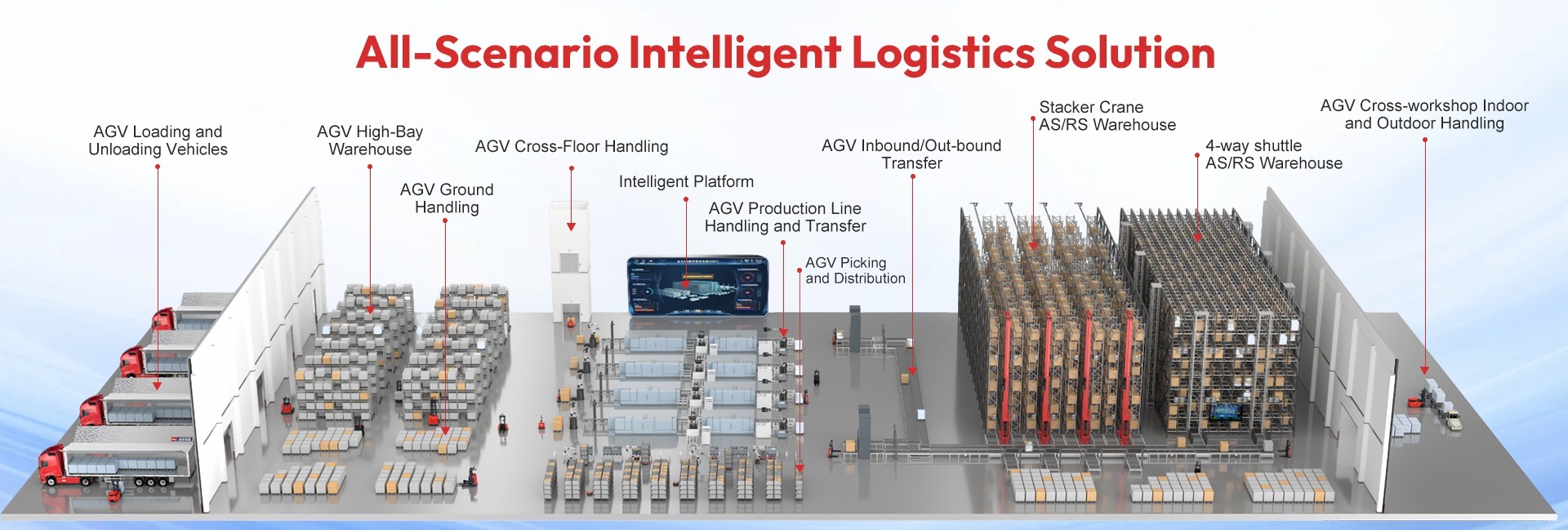
Anhui Nexrik Intelligent Technology Co., Ltd. is a manufacturer of AGV forklifts, VNA AGVs, AS/RS stacker cranes, four-way shuttles and intelligent warehousing systems. The company is based in the Huagang Town Industry-City Integration Demonstration Zone, Feixi County, Hefei, Anhui, China, and serves buyers in Southeast Asia, South America, Eastern Europe, South Asia and North America.
For Japanese buyers, the advantage is not simply a product list. It is the combination of manufacturing scale, CE/ISO documentation, OEM/ODM flexibility and project engineering across multiple automation platforms. Nexrik reports 66,650 m² of factory floorspace, 1,152 employees, more than USD 100 million annual revenue, 7 awarded patents, ISO 9001 and ISO 45001 systems, CE marking under 2006/42/EC for its AGV range, and SGS onsite verification.
- Commercial flexibility: MOQ from 1 set for pilot validation before fleet expansion.
- Customization: OEM, ODM and buyer-label production; load, lift height, fork configuration and cold-storage variants can be engineered.
- One-stop scope: AGVs, stacker cranes, four-way shuttles and RGVs can be planned as one WMS-ready system.
- Export support: FOB, CFR, CIF, EXW, FAS, CIP and DDP; payment via L/C, D/P, D/A, MoneyGram, credit card or Western Union in USD, EUR or CNY.

Total Staff
Onsite-verified workforce scaleFactory Floorspace
Production capacity for fleet ordersAnnual Revenue
Commercial stability for long projectsAwarded Patents
Plus 1 registered trademarkWhat Japanese Buyers Should Verify Before Ordering Autonomous Navigation Robots
Use this scorecard to compare suppliers on engineering evidence rather than brochure claims. The most important column is the evidence you can actually receive and review.
| Verification Area | Why It Matters in Japan | Evidence to Request |
|---|---|---|
| Aisle and rack geometry | Existing warehouses often have fixed columns, fire shutters and narrow aisles. A robot that works in a demo hall may not fit the real building. | CAD layout review, turning radius, mast height, right-angle stacking calculation and traffic simulation. |
| Navigation method | 3D SLAM can reduce reflector and tape work, while laser navigation can be stable for fixed routes. Neither is universally better. | Site survey report, mapping procedure, Wi-Fi coverage plan, localization recovery method and reference project details. |
| Safety concept | Mixed pedestrian, forklift and AGV traffic requires speed zones, warning signals and clear emergency procedures. | Risk assessment inputs, safety scanner layout, safety PLC logic, e-stop design, operating manual and training plan. |
| Electrical compatibility | Japan uses different supply arrangements by site and region, including 200V/400V and 50/60Hz considerations. | Charger specification, plug type, transformer requirement, power-load calculation and electrical drawings. |
| WMS/WCS integration | Automation ROI depends on task release, confirmation and exception handling, not only vehicle motion. | Interface document, API/Modbus/OPC UA options, error-code list, manual override procedure and data-log access. |
| Service and spare parts | Overseas equipment needs a practical escalation route before the first breakdown occurs. | Warranty terms, recommended spare-parts list, remote diagnostics process, response plan and commissioning scope. |
| Compliance documentation | CE and ISO support procurement and customs review, but they do not automatically replace Japan-specific site validation. | CE 2006/42/EC documents, ISO 9001/45001 evidence, test reports, risk assessment and traceable configuration list. |
Questions Local Buyers Ask Before Ordering Autonomous Navigation Robots
These are the practical questions that appear in Japanese warehouse automation projects after the initial catalogue review.
Are autonomous navigation robots suitable for existing Japanese warehouses with narrow aisles?
Should we choose 3D SLAM or laser navigation for a Japanese site?
Can the equipment operate on Japan’s 200V/400V and 50/60Hz power supply?
What documents should a Japanese buyer request before shipment?
What is the minimum order quantity and can we run a pilot first?
What trade and payment terms are accepted?
Can Nexrik customize load, lift height, forks and cold-storage configuration?
How is after-sales support handled for a project in Japan?
How long does a typical deployment take?
Japan Deployment Roadmap: A 90-Day Planning Framework
Use this as a planning framework for a pilot or first-phase automation project. Actual timing depends on site readiness, shipping, customs, WMS integration and safety validation.
Discovery
Collect rack drawings, pallet specs, aisle widths, throughput profile, power data, WMS interface and safety constraints.
Engineering
Select equipment, simulate traffic, confirm navigation method, size the fleet and define acceptance criteria for the pilot.
Build & FAT
Manufacture the configured unit, complete inspection and factory acceptance testing before shipment.
Site Preparation
Prepare charging area, network, floor markings, safety zones, spare-parts storage and operator training plan.
Commissioning
Map the site, integrate WMS/WCS, validate safety logic, train operators and review cycle-time results.
Request a Japan-Ready AGV and AS/RS Layout Review
Send your rack layout, pallet specification, aisle widths, throughput target, power supply details and WMS interface requirements. Nexrik’s engineering team can propose an equipment mix, flag site risks and define a pilot scope before you commit to a full fleet.