Top Trusted Automated Warehouse Forklift Suppliers & Exporters Serving Los Angeles
A 2025 buyer's whitepaper for Los Angeles distribution centers, 3PLs, cold-chain operators and port-driven logistics teams — comparing 3D SLAM AGVs, reach truck AGVs, pallet stackers, VNA and AS/RS systems with verified manufacturer credentials and a transparent selection framework.
8 Automated Warehouse Forklifts Shortlisted for LA Operations
These models cover the local commercial intent behind “automated warehouse forklift suppliers and exporters serving Los Angeles”: port drayage staging, 3PL pallet flow, e-commerce replenishment, cold-chain transfer and high-density narrow-aisle storage. Product links are preserved exactly from the manufacturer listing.
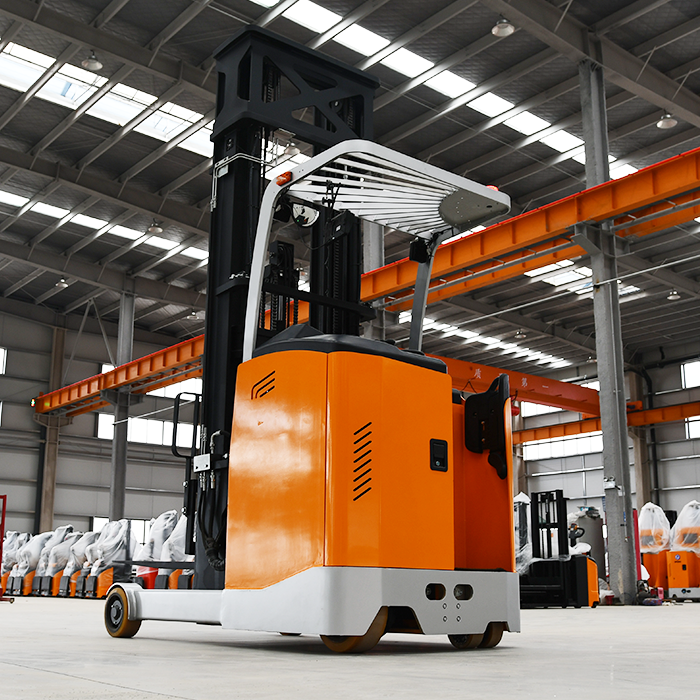
China Wholesale 2000kg 12m 8m 6m Industrial Forklift Pallet Truck High-Speed Steel Hot-Dip Galvanized Good Price
- 2,000 kg capacity
- 6 / 8 / 12 m options
- Hot-dip galvanized
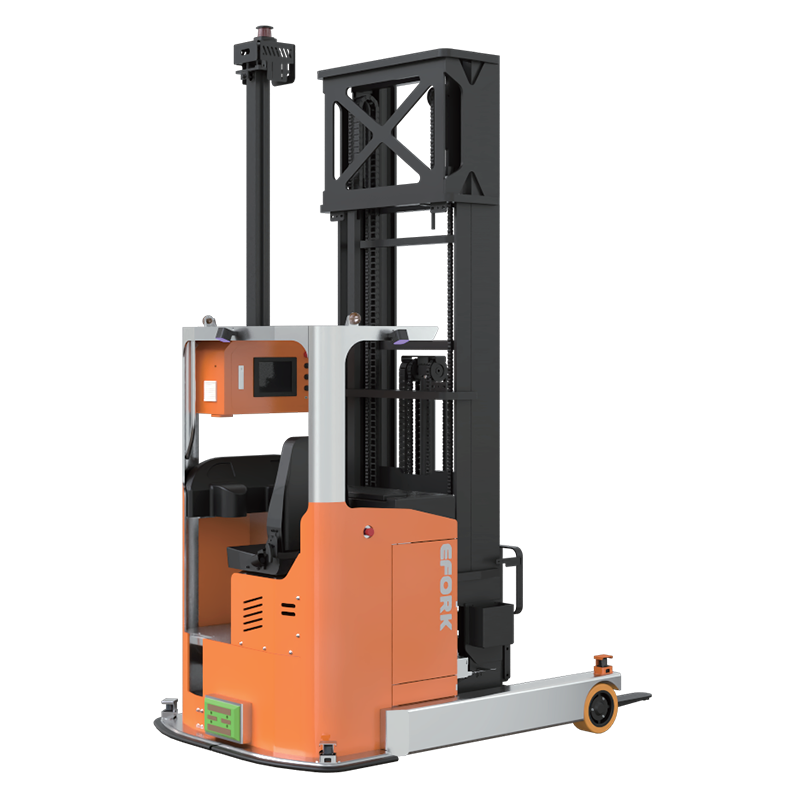
4.5M Reach Truck AGV Body 2T for Pallet Handling High Lifting Smart Warehouse Logistics Robot Laser Slam Navigation CE Certified
- 2,000 kg
- 4.5 m lift
- Laser SLAM
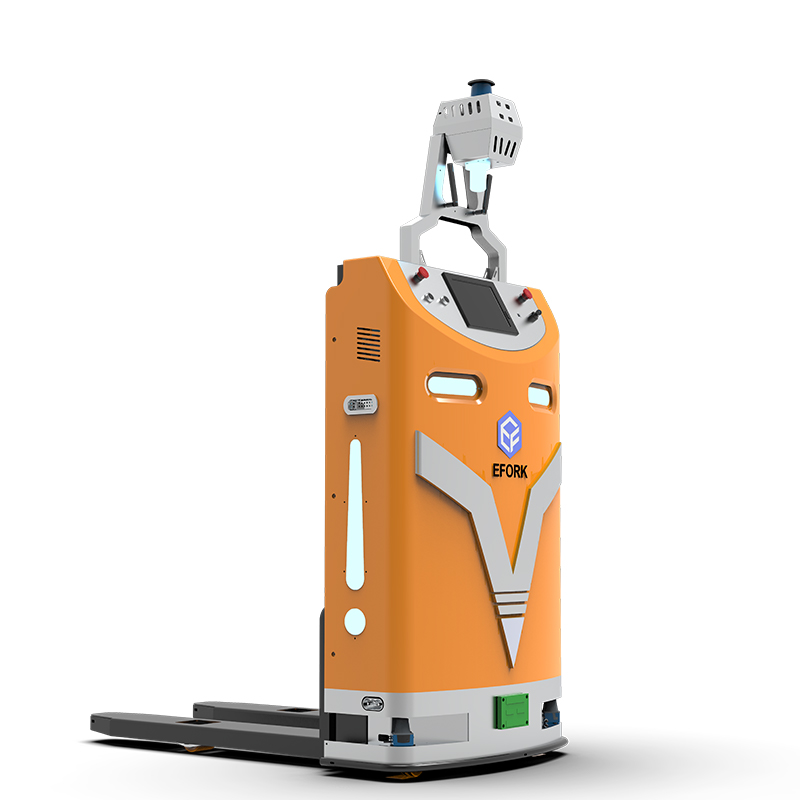
Latest Design Tech Slim Stacking AGV Forklift CE Certified 2T 3M 3D SLAM for Warehouse Automation Handling and Lifting Robot
- 2,000 kg
- 3 m lift
- 3D SLAM
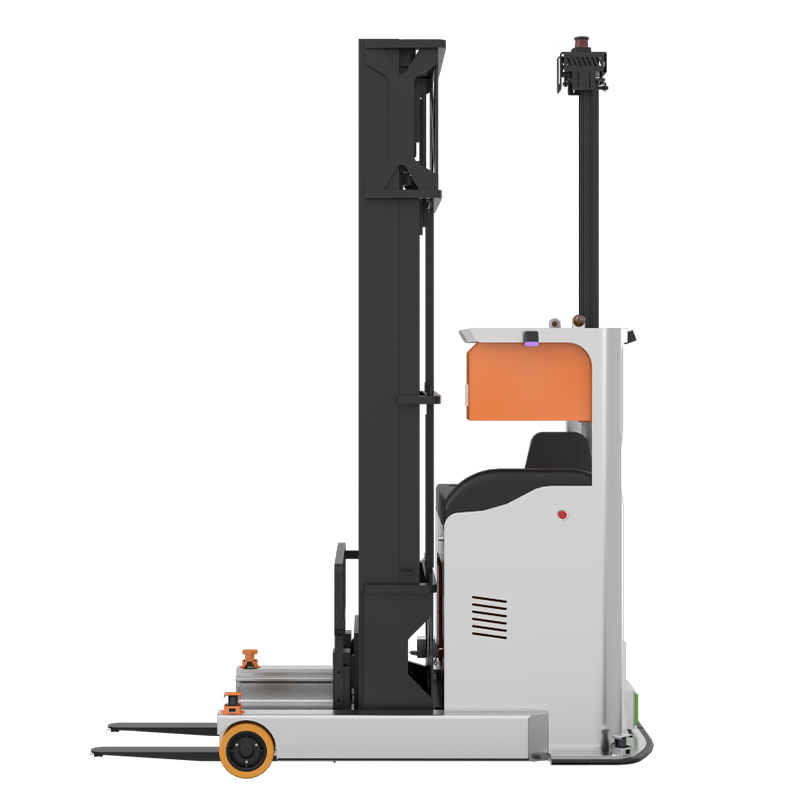
Heli Yufeng CQDE20HJ-65S 2T 6.5M Reach Truck AGV Body Laser Slam Navigation for Pallet Handling High Lifting Smart Warehouse
- 2,000 kg
- 6.5 m lift
- Laser SLAM
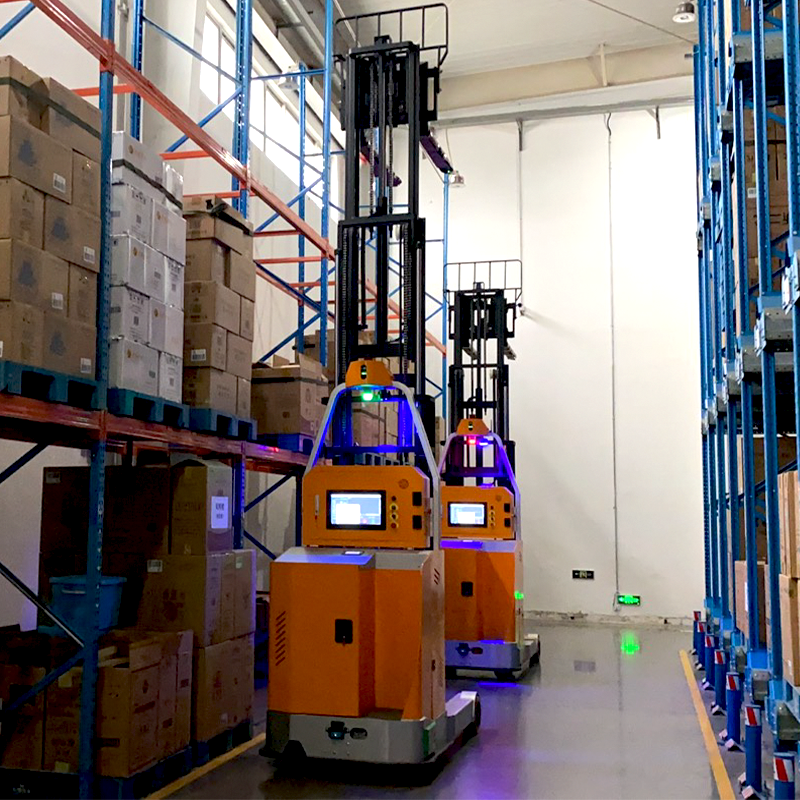
EFORK EQDA15-30 Automated Reach Truck Laser SLAM Navigation 1.5T Capacity ±10mm Accuracy Forklift for Warehouse Logistics
- 1,500 kg
- ±10 mm accuracy
- Laser SLAM
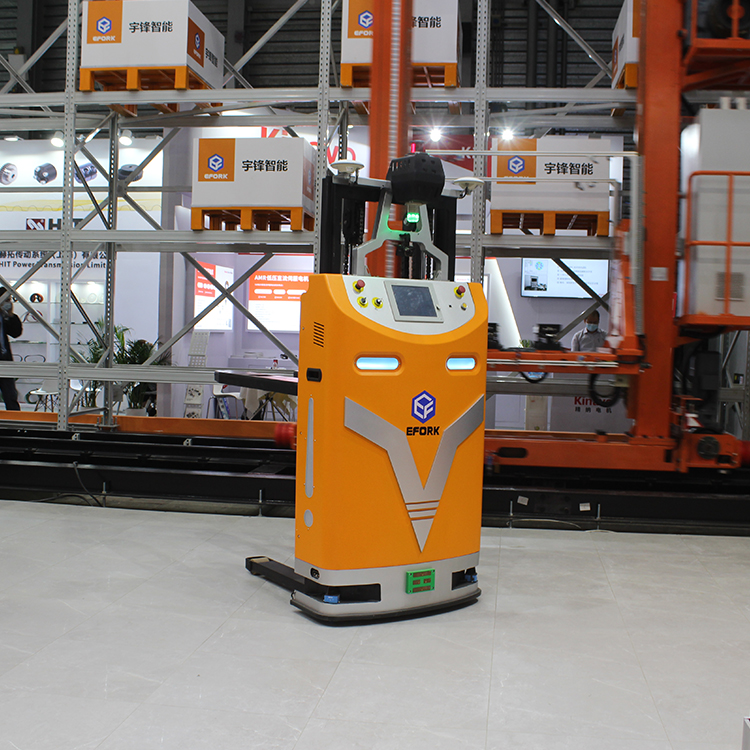
CE Certified EFORK EDA20-16 2T 1600mm Laser Navigation Self-Driving Forklift AGV WIFI/5G 10mm Accuracy 6-8H Working Time
- 2,000 kg
- 1,600 mm
- 6–8 h / WIFI/5G
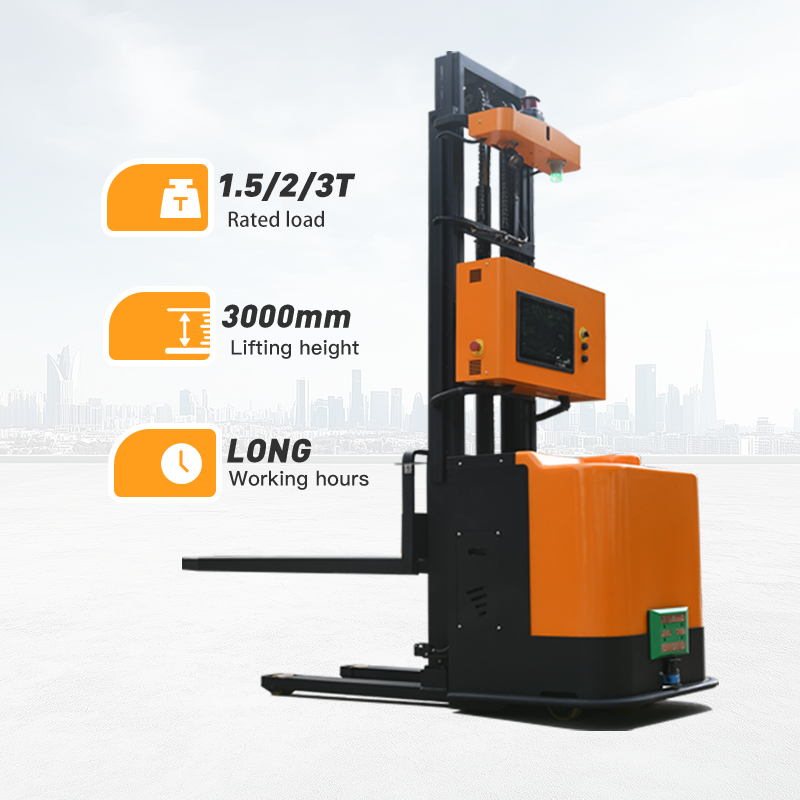
3T 3000mm Pallet Stacker Automated Guided Vehicle Forklift Truck for Intelligent Warehouse Automation
- 3,000 kg
- 3,000 mm
- AGV platform
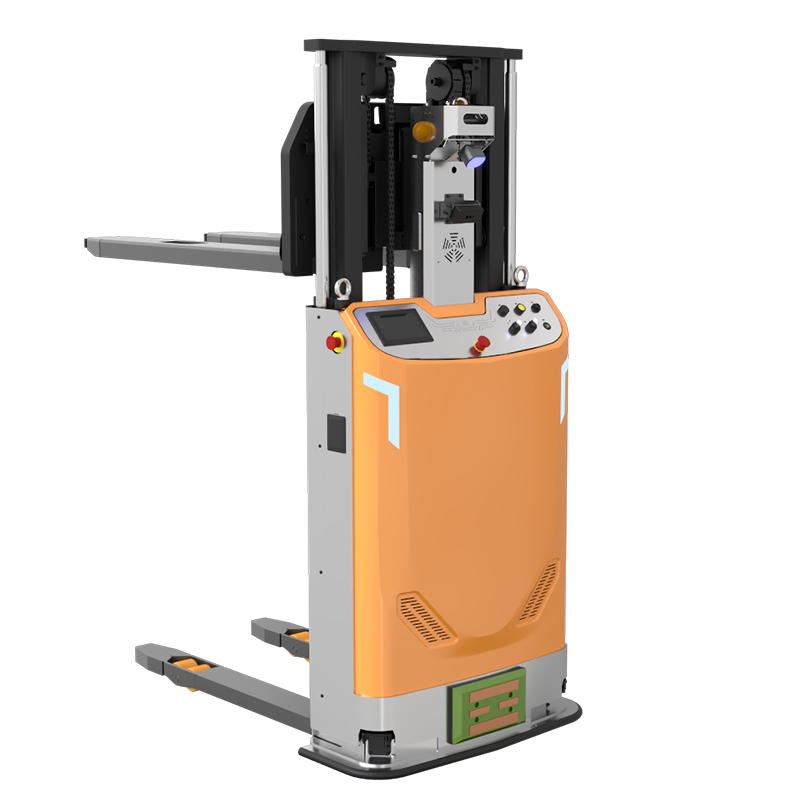
Automatic Stacker AGV Body Slim Narrow-Body 3M 2T High-Density Storage Pallet Stacking 3D SLAM Navigation WIFI/5G Maximize
- 2,000 kg
- 3 m lift
- 3D SLAM / WIFI/5G
Not sure which platform matches your throughput? Send your rack layout, pallet specification and shift pattern for an engineering recommendation.
Send an InquiryWhy Los Angeles Buyers Need More Than a Price List
Los Angeles is not one warehouse market. The Ports of Los Angeles and Long Beach create drayage and transloading peaks, the Inland Empire offers newer high-clear warehouses, and dense urban Los Angeles still contains older buildings with low clear height, tight staging and limited charging space. A supplier that only quotes a truck specification without asking about your pallet profile, rack drawing, floor flatness and fire-code constraints can create hidden engineering costs after the PO is signed.
Search intent for “automated warehouse forklift suppliers and exporters serving Los Angeles” is usually commercial investigation, not casual browsing. Buyers want a manufacturer or exporter that can prove factory scale, safety documentation, WMS integration experience and after-sales support. That is why this guide separates verifiable facts from marketing claims: the manufacturer profile below is backed by SGS onsite verification, CE marking, ISO 9001 and ISO 45001 systems, 7 awarded patents, a 66,650 m² production footprint and a 1,152-person workforce.
For most Los Angeles operations, the strongest first step is a one-truck pilot rather than a full fleet order. A pilot validates aisle width, pallet quality, WIFI coverage, safety scanner performance and operator acceptance before capital is committed. Nexrik's MOQ of one set is intentionally aligned with this pilot-first approach: prove cycle time and uptime, then scale with the same platform.
Use the application and selection modules below to shortlist equipment. Then send your rack layout and throughput target through the inquiry button; an engineer can respond with fleet sizing, navigation choice and a preliminary project schedule.
Where Automated Forklifts Fit in Los Angeles Operations
The same AGV platform can deliver very different value depending on the building, the load unit and the labor model. These four scenarios represent the most common Los Angeles deployment patterns.
Port Drayage & 3PL Staging
Automated reach trucks and pallet stackers move sealed pallets from receiving lanes to staging and racking without waiting for operator breaks. For 3PLs near the ports, a one-truck pilot can prove whether an AGV keeps pace with variable drayage arrivals.
E-Commerce Replenishment
High-throughput fulfillment centers need predictable pallet replenishment to pick modules. Slim stacking AGVs and 3D SLAM models reduce aisle footprint while supporting 24/7 replenishment cycles and WIFI/5G dispatch.
Cold Chain & Food Distribution
Cold storage operators can reduce associate exposure to freezer conditions by automating repetitive pallet moves. Confirm battery chemistry, condensation protection and door-cycle coordination during solution design.
Aerospace, Apparel & High-Value Goods
Where product damage and traceability matter, automated guided vehicles can follow fixed routes with repeatable positioning. Pair the fleet with WMS-directed tasking and audit trails to support handling procedures.
Capacity Buyers Can Actually Verify
For a warehouse automation project expected to run for a decade, supplier capacity and traceability matter as much as the machine itself. Figures below reflect the SGS onsite-verified manufacturer profile.
Total Staff
Onsite-verified workforceFactory Floorspace
Two production bases in AnhuiAnnual Revenue
Capacity for fleet ordersAwarded Patents
Plus 1 registered trademarkWhat Is Shaping Warehouse Automation in Los Angeles
Los Angeles buyers are responding to land costs, labor volatility, port-driven volume swings and stricter code reviews. These trends influence both equipment selection and project sequencing.
Land Scarcity Pushes Cubic Storage
High rent in Los Angeles and the Inland Empire makes every pallet position count. VNA 3-way AGVs up to 11 m and AS/RS stacker cranes up to 40 m can increase storage density where building height and fire protection allow.
Labor Volatility Favors Fleet Scalability
Shift availability and turnover remain operational risks. Automated pallet handling helps stabilize throughput across second and third shifts, while a pilot-first model lets buyers scale without overcommitting.
Port-Driven Demand Swings
Import surges and drayage variability can stress receiving and staging. Flexible AGV fleets, WMS-directed tasking and MOQ 1 pilot programs let Los Angeles operators test peak-week throughput before a broader rollout.
Fire, Seismic & Energy Planning
High-bay and dense storage projects require early coordination with the local fire authority, NFPA 13 review, seismic racking design and battery charging strategy. Bring these constraints into the layout stage, not post-order.
Why Nexrik Is Shortlisted by Los Angeles Buyers
The manufacturer combines factory scale, multiple navigation platforms and one-stop integration. The details below are drawn from the company profile and are relevant to export buyers evaluating supplier risk.
Manufacturing Scale You Can Verify
SGS onsite verification, two production bases and a 1,152-person workforce support fleet orders and custom builds.
- 66,650 m² factory floorspace
- $100M+ annual revenue
- Onsite material and finished-product inspection
Navigation Flexibility for Existing Buildings
Choose laser navigation for fixed repetitive routes or 3D SLAM for natural-feature localization that can reduce reflectors and floor tape.
- Laser SLAM and 3D SLAM options
- Better fit for older Los Angeles buildings
- Site survey and traffic simulation support
One-Stop Turnkey Integration
AGV forklifts, VNA AGVs, AS/RS stacker cranes, four-way shuttles and RGVs can be engineered as one WMS-ready system.
- Single-source accountability
- WMS / WCS interface planning
- Fleet sizing against peak demand
Compliance, Customization & MOQ 1
CE marking under 2006/42/EC, ISO 9001 and ISO 45001 systems, 7 awarded patents and full OEM/ODM support lower procurement friction.
- MOQ 1 set for pilot projects
- Cold-storage and fork-configuration variants
- Buyer-label production available
Matching Equipment to Los Angeles Warehouse Constraints
Use this engineering reference to shortlist platforms before requesting a layout proposal. Final specifications must be confirmed against your load units, rack drawings and building constraints.
| Model | Best-Fit Los Angeles Scenario | Load | Lift / Height | Navigation | Buyer Note |
|---|---|---|---|---|---|
| Industrial Pallet Truck | Dock, yard and pallet staging in coastal air; hot-dip galvanized finish | 2,000 kg class | 6 / 8 / 12 m options | Industrial truck platform | Cost-effective transitional option; pair with AGVs for pallet handoff |
| 4.5M Reach Truck AGV Body 2T | Selective racking and 3PL pallet handling | 2,000 kg | 4.5 m | Laser SLAM | Good first AGV for existing racking where aisle width is constrained |
| Slim Stacking AGV 2T 3M | High-density storage and tight-aisle transfer | 2,000 kg | 3 m | 3D SLAM | Slim body helps maximize pallet positions in older LA buildings |
| Heli Yufeng 2T 6.5M Reach Truck AGV | High-lift 3PL and distribution center pallet handling | 2,000 kg | 6.5 m | Laser SLAM | Higher lift for dense racking; confirm mast clearance and rack capacity |
| EFORK EQDA15-30 1.5T Reach AGV | Precision pallet logistics and repetitive transfer | 1,500 kg | Project-specific | Laser SLAM; ±10 mm accuracy | Use where repeatable positioning and WMS-directed moves dominate |
| EFORK EDA20-16 2T | Self-driving pallet handling with WIFI/5G connectivity | 2,000 kg | 1,600 mm | Laser navigation | 6–8 h working time; suited to shift-based replenishment |
| 3T 3000mm Pallet Stacker AGV | Heavy pallet stacking and intelligent warehouse automation | 3,000 kg | 3,000 mm | Automated guided vehicle | Verify floor loading and rack beam capacity before deployment |
| Narrow-Body 3D SLAM Pallet Stacker AGV | High-density pallet storage and narrow aisles | 2,000 kg | 3 m | 3D SLAM; WIFI/5G | Slim body improves storage density; confirm aisle and turning clearances |
Values reflect the standard configurations shown in the product listings. Final specifications are confirmed during project engineering based on your load units, rack layout and local code requirements.
Checklist for Trusted Suppliers & Exporters
Price comparison is not supplier verification. Use this checklist to evaluate whether an exporter can support a Los Angeles deployment from engineering through commissioning.
Verify the Factory, Not Only the Trading Company
Ask for the SGS onsite report, business license, production-floor evidence and factory address. Cross-check staff count, floorspace and product scope against the quotation.
Match Navigation to the Building
3D SLAM uses natural features and can reduce reflectors or tape; laser navigation remains strong for highly repetitive fixed routes. Request a site survey and traffic simulation.
Validate Safety and Code Compliance
For California projects, discuss Cal/OSHA, ANSI/ITSDF B56.5, the local fire authority, NFPA 13 and seismic racking requirements with the AHJ. CE documentation supports export but is not a substitute for local approval.
Require FAT and WMS Interface Testing
Do not accept a “WMS-ready” claim without an interface specification and factory acceptance test. Test order routing, error handling and conveyor or door handoff.
Compare TCO, Not Unit Price
Include batteries, chargers, spare parts, warranty, remote support, training, travel and downtime risk. A lower truck price can be offset by longer commissioning and weaker support.
Start With One Truck and Scale
Define cycle time, uptime, safety incidents and operator acceptance before scaling. MOQ 1 enables a measurable pilot and a lower-risk fleet decision.
Certified Quality. Audited Trust.
Documentation buyers and importers commonly request for tenders, customs, insurance and internal supplier qualification.
CE Marking
Applied across the AGV forklift and AS/RS range under the Machinery Directive 2006/42/EC.
ISO 9001 & ISO 45001
Quality management and occupational health and safety management system certification.
SGS Onsite Verification
Premises and legal status verified onsite by SGS Group, supporting supplier qualification.
7 Patents & OEM/ODM
Awarded patents plus one registered trademark, with full customization and buyer-label production.
Questions Los Angeles Buyers Ask First
These answers address the common commercial and technical questions raised during supplier evaluation for automated warehouse forklift projects.
What is the minimum order quantity for automated forklifts and AS/RS equipment?
The MOQ for every AGV forklift, pallet stacker, stacker crane and four-way shuttle model is 1 set. This is intentional: Los Angeles buyers can run a one-truck pilot to validate routes, cycle times and safety before scaling to a full fleet.
Can automated forklifts work in existing Los Angeles warehouses without major rack changes?
Often yes, but it depends on aisle width, floor flatness, rack tolerances, WIFI coverage and safety scanner clearances. A site survey and traffic simulation should be completed before confirming the model. 3D SLAM can reduce the need for reflectors or floor tape, which is useful in older buildings with changing rack layouts.
Which navigation technology is better for LA facilities: laser SLAM or 3D SLAM?
Laser navigation is strong for highly repetitive fixed routes and stable environments. 3D SLAM localizes using natural features and can be more flexible where racks move or infrastructure changes. The right choice should follow a site survey, not a generic preference.
What shipping and payment terms are available for Los Angeles projects?
Accepted delivery terms include FOB, CFR, CIF, EXW, FAS, CIP and DDP. Payment methods include L/C, D/P, D/A, MoneyGram, credit card and Western Union in USD, EUR or CNY. Shipping schedules are confirmed after equipment configuration and project scope are finalized.
How do you handle WMS integration and commissioning for a Los Angeles warehouse?
AS/RS and four-way shuttle systems are designed WMS-ready. Interface requirements with your WMS or ERP are defined during solution design and tested during commissioning. The project team should agree on task routing, error handling, inventory reconciliation and conveyor or door handoff before shipment.
What documents help with supplier due diligence and local approvals?
Request the SGS onsite verification report, CE documentation under 2006/42/EC, ISO 9001 and ISO 45001 certificates, patent list, product test reports and a detailed bill of materials. For local approvals in California, provide project drawings and safety documentation to the authority having jurisdiction for review alongside Cal/OSHA, ANSI/ITSDF B56.5, NFPA 13 and seismic requirements.
Ready to Shortlist a Verified Supplier for Your Los Angeles Project?
Send your rack layout, pallet specification, throughput target and shift pattern. We will respond with equipment selection, fleet sizing, navigation recommendation and a preliminary project schedule.