Top Trusted Automated Guided Vehicle Factory & Exporter Serving the Palembang Market
CE-certified AGV forklifts, slim stackers, reach trucks, 3D SLAM vehicles and high-density warehouse systems for Palembang distributors, manufacturers and logistics parks.
8 Automated Guided Vehicle Models for Palembang Buyers
Below are eight production-ready models commonly requested for pallet movement, narrow-aisle storage, trailer loading, high-density racking and high-bay projects in Palembang and South Sumatra. Each product link keeps the original destination so buyers can compare capacity, lift height, navigation and configuration before requesting a quotation.
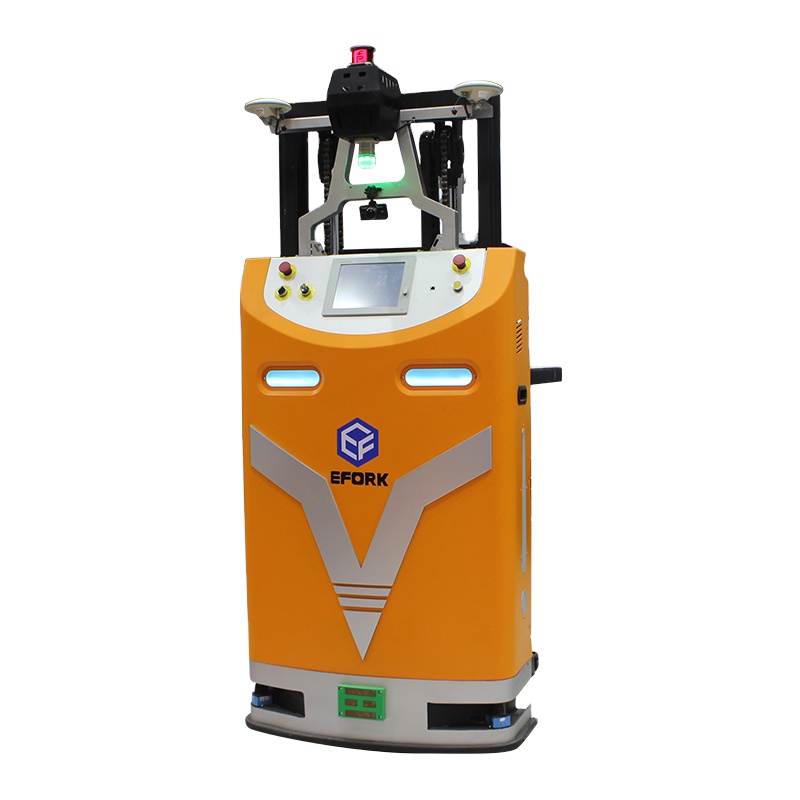 CE Certified
3D SLAM
CE Certified EFORK EDA20-16 2T 1200mm Fork Width 180mm 3D SLAM Laser Navigation AGV WIFI/5G 10mm Accuracy 1600mm Lifting Height
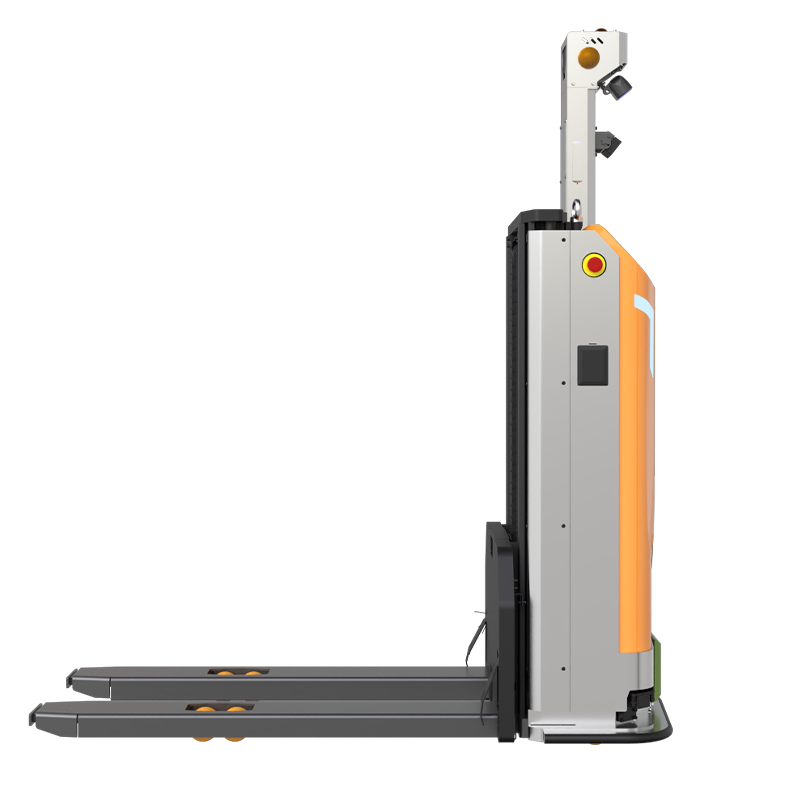 Narrow Aisle
2T 3 M Slim Narrow-Body Stacker AGV High-Density Storage Pallet Stacking AGV for Narrow Aisles Warehouse Automation
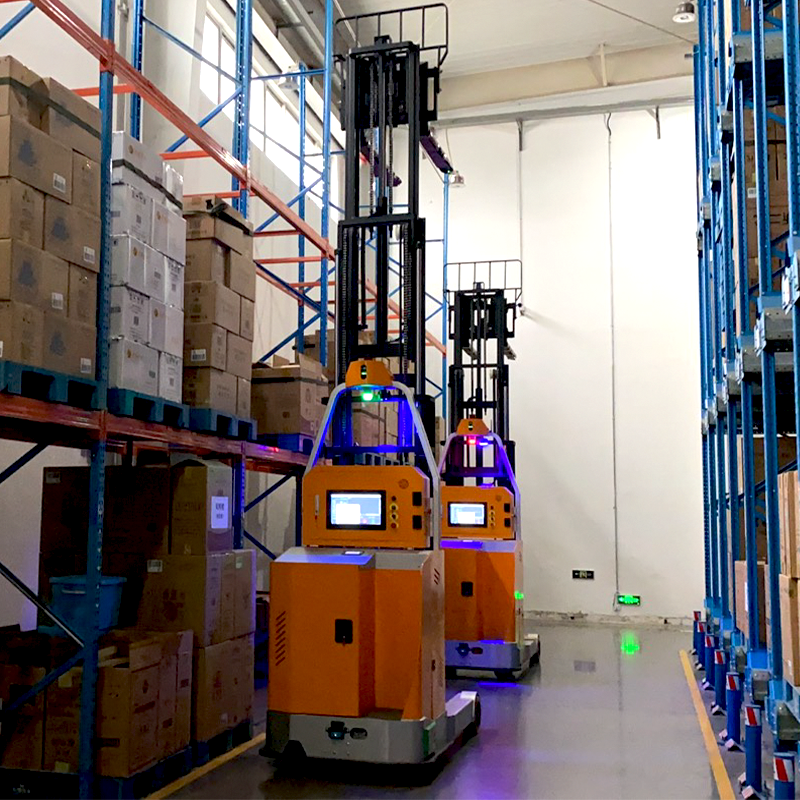 Reach Truck
Laser SLAM
EFORK EQDA15-30 Automated Reach Truck Laser SLAM Navigation 1.5T Capacity ±10mm Accuracy Forklift for Warehouse Logistics
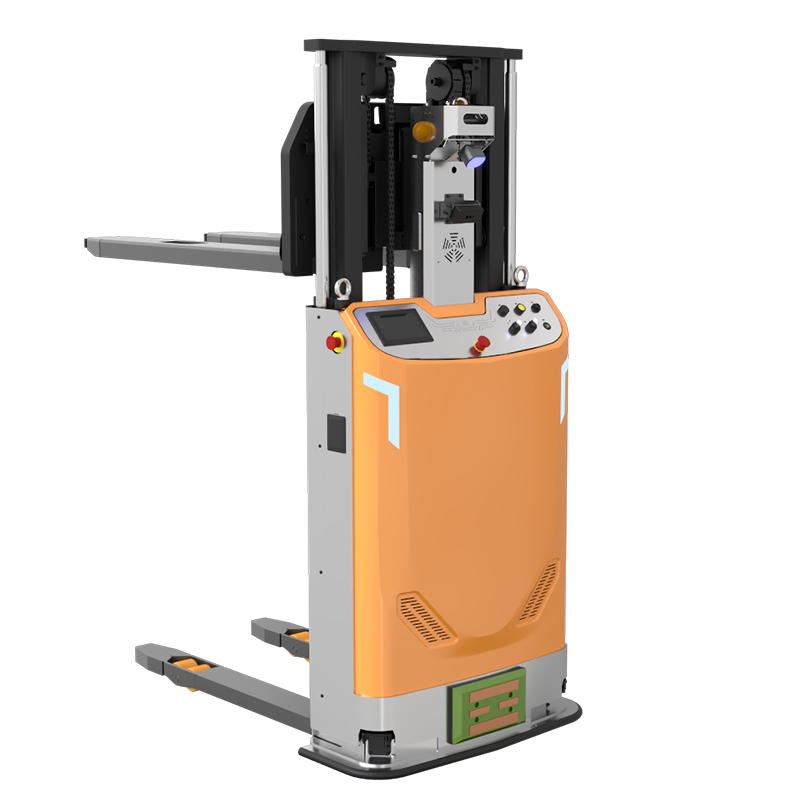 High Density
3D SLAM
Automatic Stacker AGV Body Slim Narrow-Body 3M 2T High-Density Storage Pallet Stacking 3D SLAM Navigation WIFI/5G Maximize
 3T Capacity
3D SLAM
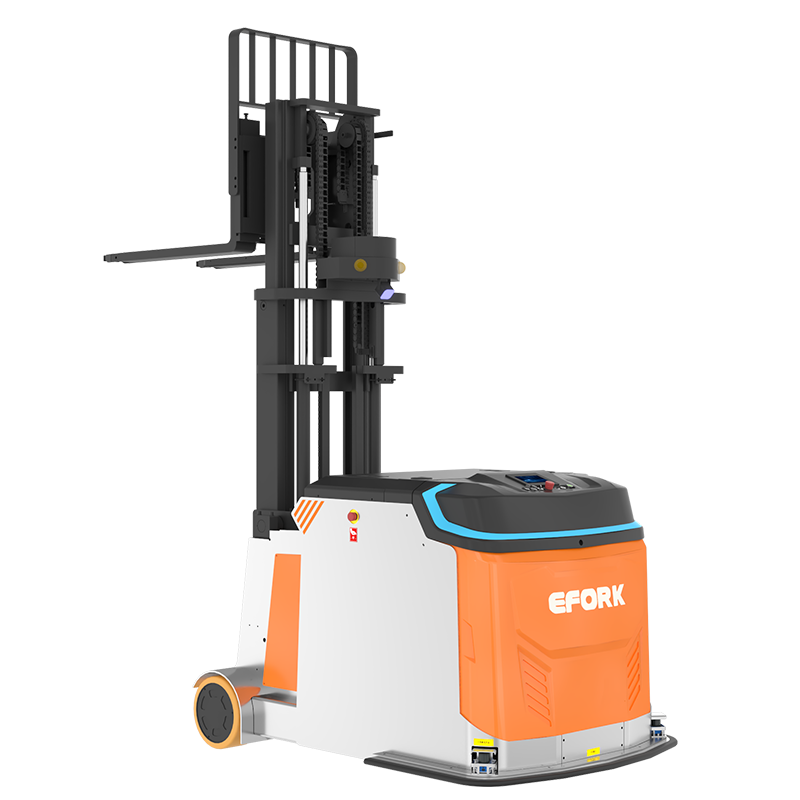
EFORK EDB30-30 Counterbalanced AGV Body 3M 3T High Lift Capacity Forklift Fork Legs High Flexibility 3D SLAM Navigation for
 CE Certified
Laser Nav
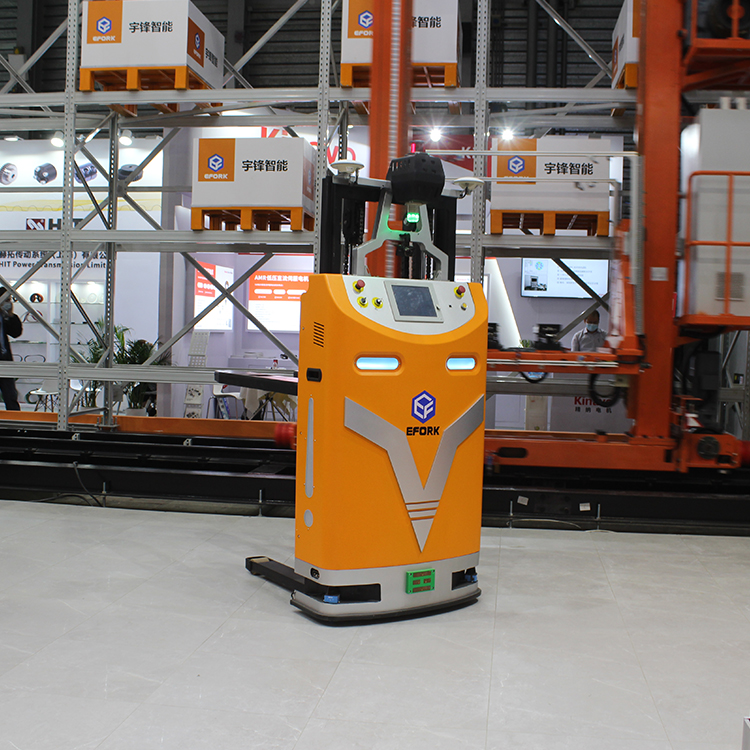
CE Certified EFORK EDA20-16 2T 1600mm Laser Navigation Self-Driving Forklift AGV WIFI/5G 10mm Accuracy 6-8H Working Time
 Factory Logistics
3D SLAM
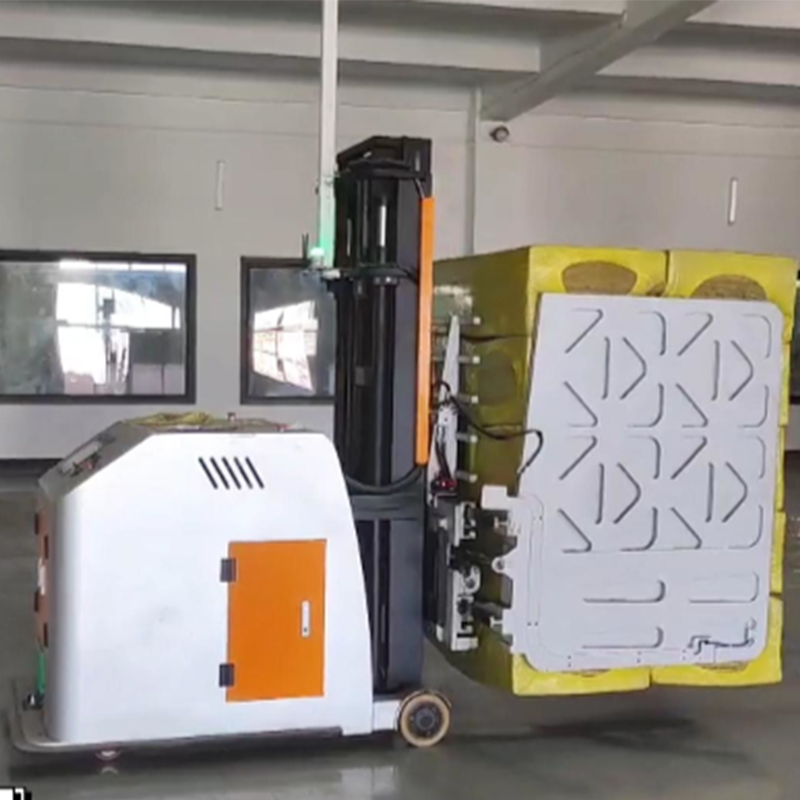
EFORK Automated Guided Vehicle AGV Forklift 3T 3000MM Counterbalanced 3D SLAM Construction Factory Logistics Pallet Truck
 Storage Optimization
WIFI/5G
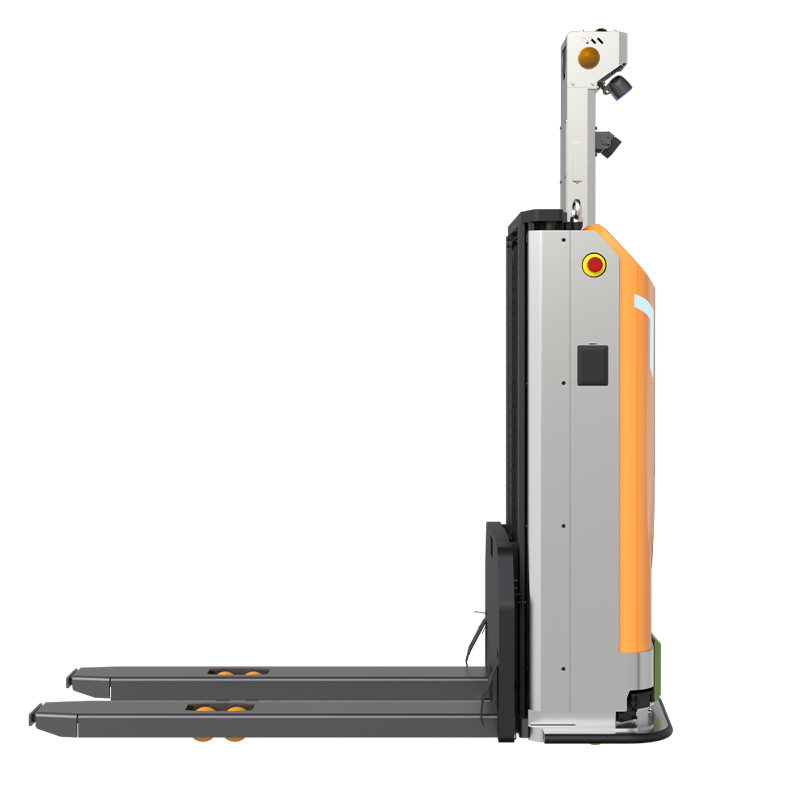
2T Slim Narrow-Body Stacker AGV with 3D SLAM & WIFI/5G for High-Density Storage 1.6M Pallet Stacking Maximize Warehouse Space
Why Palembang Warehouses Are Moving Toward AGV Automation
Palembang is a strategic logistics gateway for South Sumatra, connected to retail distribution, manufacturing supply chains, building materials, food and beverage, and river-port cargo flows. As local operators face rising labour turnover, tighter delivery windows and higher racking utilization, automated guided vehicles are being evaluated less as a “future project” and more as a practical productivity tool.
For buyers in Palembang, the most important question is not simply “which AGV is cheapest?” but “which supplier can prove repeatable engineering, export documentation, safety compliance and lifecycle support?” A warehouse automation project typically changes material flow, labour allocation, WMS logic and maintenance routines. That is why factory verification, project experience and transparent specifications matter earlier in the buying process than many first-time buyers expect.
Anhui Nexrik Intelligent Technology Co., Ltd. manufactures AGV forklifts, AS/RS stacker cranes, four-way shuttles and related intelligent warehousing equipment from Hefei, Anhui, China. The company reports 1,152 employees, 66,650 m² of factory floorspace, more than USD 100 million in annual revenue, 7 awarded patents and SGS onsite verification. Its AGV range is CE marked under Machinery Directive 2006/42/EC, with ISO 9001 and ISO 45001 management systems. For Palembang procurement teams, this evidence base supports due diligence when comparing overseas suppliers.
Where AGVs Deliver Value in Palembang Operations
Automation should be matched to the actual operating environment: pallet quality, floor flatness, aisle width, truck dock behaviour, Wi-Fi coverage, humidity and spare-parts response. The four application scenarios below are common starting points for Palembang and South Sumatra buyers.
Distribution & FMCG Warehouses
High-turnover pallet flows between receiving, put-away, picking and dispatch can be automated with 2T stacker AGVs or reach truck AGVs. 3D SLAM navigation helps when rack layouts change or when installing reflectors would interrupt operations.
Port, CFS & Cross-Dock Staging
Near river-port and trucking corridors, counterbalanced AGVs can move closed-bottom pallets, cages and staged cargo without front outriggers. This is often more practical than stacker-only designs where trailers and mixed load units are involved.
Manufacturing & Building Materials
Heavy pallets and repetitive line-side replenishment suit 3T counterbalanced AGV forklifts. Safety laser scanners, accurate fork positioning and stable Wi-Fi/5G coverage are essential when pedestrians and manual forklifts share traffic zones.
High-Density Racking & Cold Storage
Where land cost and rack height rise, VNA 3-way AGVs and AS/RS stacker cranes increase storage density. In cold or humidity-sensitive zones, battery strategy, condensation control and corrosion-resistant detailing should be reviewed during design.
Palembang Procurement Trends for Automated Forklifts
Buyer intent in Palembang is shifting from “Can I buy an AGV?” to “Can this AGV integrate with my WMS, safety rules, battery strategy and spare-parts plan?” These trends align with the broader Southeast Asian move toward flexible, data-connected intralogistics.
1. From Fixed Guidance to 3D SLAM
Laser navigation remains useful for stable, high-repeatability routes, but 3D SLAM is increasingly attractive where racks are rearranged, floors are congested or quick deployment is required. It localizes using natural features in the building and can reduce dependence on floor tape or reflectors.
2. From Single Truck to Mixed Fleet
Palembang buyers often start with one pilot unit, then expand to a mix of stackers, reach trucks and counterbalanced AGVs. A phased model keeps capital exposure controlled while proving cycle time, traffic rules and ROI before fleet-scale investment.
3. From Equipment Price to Total Cost
Professional buyers now compare battery cycles, charger compatibility, safety scanner redundancy, spare-parts lead time, remote diagnostics and operator training. A lower machine price can be offset by higher downtime if local support and documentation are weak.
4. WMS-Ready Integration
AGVs increasingly connect to WMS/WCS, barcode or QR location logic, and production call-off systems. Before shipment, task allocation, handshake protocols, exception handling and network coverage should be tested in a factory acceptance test.
5. Humidity-Ready Maintenance Planning
Tropical operations require attention to electrical enclosures, connector protection, charging area ventilation, battery temperature and periodic inspection. A supplier should provide a maintenance schedule and spare-part list that reflects actual local conditions.
6. Evidence-Based Supplier Selection
CE marking, ISO systems, SGS onsite verification, product patents and export documentation are increasingly requested during tender and vendor onboarding. These documents support internal approval, customs clearance and long-term risk management.
How to Match an AGV to Your Palembang Warehouse
Use this practical shortlisting guide before requesting a layout proposal. The right model depends on load type, rack height, aisle width, floor condition, docking method and the number of moves per shift.
Dock-to-Rack & Line-Side Delivery
Choose a 2T slim stacker or pallet stacker AGV when pallets are standard, racking is medium height and low-friction entry into automation is important. Confirm fork width, lifting height and charging window.
Tight Selective Racking
A reach truck AGV is often the best fit where the mast retracts and aisle space is tighter than a counterbalanced truck requires. Verify rack beam clearances and the pallet overhang profile.
Closed-Bottom Pallets & Truck Loading
Use a counterbalanced AGV for closed-bottom pallets, cages, trailers and production-line interfaces where front outriggers would interfere with pick-up or placement.
High-Bay Narrow Aisle Storage
A 3-way VNA AGV supports high-density pallet storage up to high lift heights. It is suitable when the building envelope, rack engineering and safety system are designed together.
High-Density Pallet & Bin Storage
AS/RS stacker cranes and four-way shuttles are suited to projects where storage density, WMS integration and long-term scalability outweigh the simplicity of a standalone AGV.
WMS, Safety & Local Conditions
Request interface definition, network survey, safety-zone design, floor flatness checks, battery strategy and a local spare-parts plan. These items should be part of the quotation, not an afterthought.
From Palembang Site Survey to Fleet Go-Live
A disciplined five-stage process reduces deployment risk for first-time and multi-site buyers. The same workflow applies whether the project begins with one AGV or a full AS/RS system.
Site Analysis
Review rack layout, pallet specification, floor flatness, aisle width, throughput, shift pattern and charging area.
Solution Design
Select equipment, size the fleet, define traffic rules and simulate peak demand before confirming the layout.
Factory Build
Manufacture and integrate the equipment, then complete factory acceptance testing with agreed checklists.
Shipping & Commissioning
Prepare export documentation, support shipping to the nominated Indonesian port, map the site and train operators.
Lifecycle Support
Provide remote diagnostics, spare-parts guidance, maintenance planning and fleet-expansion support.
Why Palembang Buyers Shortlist Nexrik
For a cross-border automation project, the supplier must be more than a trading company. Manufacturing scale, engineering discipline and documentation quality directly influence delivery certainty.
In-House Manufacturing
Chassis, masts and control integration are produced and tested on company lines, with onsite material and finished-product inspection before shipment.
3D SLAM & Laser Navigation
Choose reflector-based laser navigation for stable fixed routes or 3D SLAM for natural-feature localization that minimizes floor and rack modifications.
One-Stop Turnkey Scope
AGV forklifts, AS/RS stacker cranes, four-way shuttles and RGVs can be engineered as one WMS-ready system rather than sourced from disconnected vendors.
Audited Compliance
SGS onsite verification, CE marking under 2006/42/EC, ISO 9001 and ISO 45001 systems help support tender review, customs clearance and vendor onboarding.



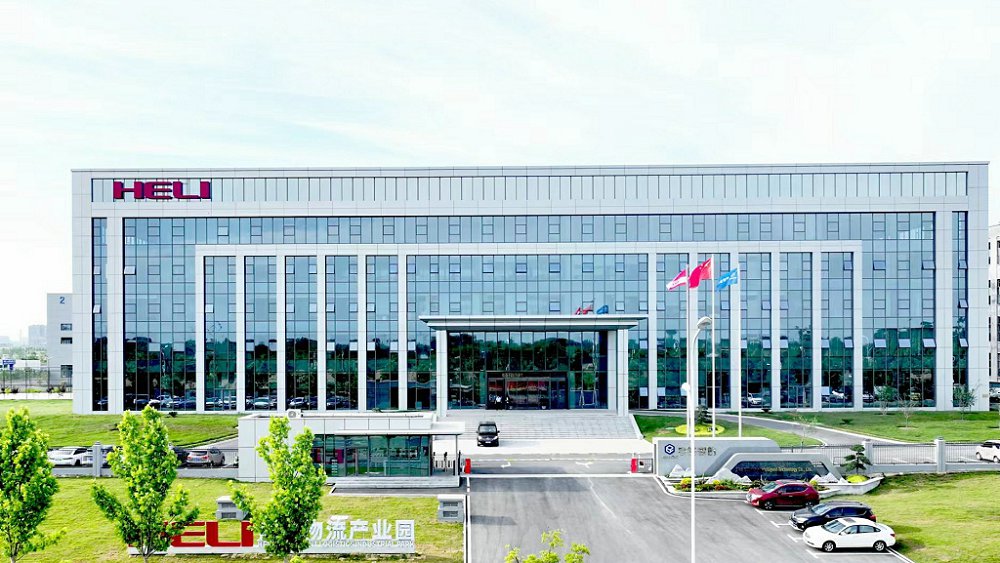
Anhui Nexrik Intelligent Technology Co., Ltd. operates as a manufacturer and trading enterprise with OEM, ODM, design and buyer-label services. Its export scope covers Southeast Asia, South America, Eastern Europe, South Asia and North America. For Palembang buyers, that combination matters because the project may require CE documentation, customized fork dimensions, alternative battery configurations, cold-storage detailing or English-language operator manuals. The company also reports seven international exhibitions and a quality management system aligned with onsite inspection practices.
Equally important is information gain during evaluation. A credible supplier should explain what must be confirmed before shipment: pallet load centre, rack beam height, floor flatness tolerance, door and lift dimensions, Wi-Fi/5G dead zones, charger location, emergency-stop zones and how manual forklifts will interact with autonomous traffic. These details prevent costly rework and are part of a professional AGV factory’s engineering responsibility.
Questions Palembang Buyers Ask First
These answers reflect common procurement concerns for overseas automation projects. Final specifications should always be confirmed against your building, load units and WMS requirements.
What is the minimum order quantity for Nexrik AGV forklifts?
The MOQ is 1 set for every AGV forklift, stacker crane and four-way shuttle model. Many Palembang buyers begin with a pilot unit to validate routes, cycle time and operator acceptance before scaling to a fleet.
Can you ship to Palembang and support overseas commissioning?
Yes. Export-ready documentation and remote commissioning support are available, with shipping coordinated to the nominated Indonesian port. Accepted trade terms include FOB, CFR, CIF, EXW, FAS, CIP and DDP. Payment methods include L/C, D/P, D/A, MoneyGram, credit card and Western Union in USD, EUR or CNY. On-site commissioning and training can be quoted per project scope.
Which navigation technology is better for Palembang: laser or 3D SLAM?
Laser navigation is suitable for highly repetitive fixed routes and stable environments. 3D SLAM is often preferred when racks may change, floor modifications should be minimized or deployment speed matters. The final choice should be based on aisle geometry, traffic density, Wi-Fi coverage and maintenance capability.
How should an AGV be prepared for Palembang’s tropical humidity?
Review electrical enclosure protection, connector sealing, charging-area ventilation, battery temperature management and periodic inspection intervals. For cold-chain or high-humidity areas, specify corrosion-resistant detailing and a preventive maintenance plan. A supplier should provide a humidity-aware inspection checklist and spare-parts recommendation.
Can the AGV integrate with our existing WMS or ERP?
AS/RS and four-way shuttle systems are designed WMS-ready, and AGV projects can be scoped with WCS/WMS interface requirements. Interface protocols, task allocation, barcode/QR logic and exception handling should be defined during solution design and verified during factory acceptance testing.
What certifications and company evidence are available?
Nexrik holds ISO 9001 and ISO 45001 management system certification, CE marking under Machinery Directive 2006/42/EC for its AGV range, 7 awarded patents, and SGS onsite verification of premises and legal status. Buyers can request documentation aligned with tender, customs and internal vendor approval requirements.
Do you offer OEM/ODM and customization?
Yes. Full customization, OEM, ODM and buyer-label production are available, including load capacity, lift height, fork configuration, battery strategy and cold-storage variants. For Palembang projects, customization should be confirmed together with floor conditions, rack drawings and throughput targets.
What should be included in a quotation request?
Send pallet dimensions and weight, racking drawing or aisle width, required lift height, throughput per hour, shift pattern, load type, truck dock details, floor condition, WMS/ERP environment and preferred Incoterms. This information allows the factory to propose a realistic model mix, battery strategy and deployment plan instead of a generic price list.
Get a Palembang-Ready AGV Layout and Quotation
Share your pallet specification, rack drawing, throughput target and operating hours. Our engineering team will help shortlist the right AGV forklift, stacker, reach truck, VNA or AS/RS configuration and prepare an export-oriented proposal for your Palembang project.
Factory-direct · MOQ 1 set · CE 2006/42/EC · ISO 9001 & ISO 45001 · SGS onsite-verified manufacturer