Top China Tow Tractor AGV Factories & Suppliers Serving San Francisco
A Bay Area procurement white paper for comparing verified China factories, 3D SLAM AGV forklifts, VNA reach trucks, omni-directional mobile robots, and tow-tractor-compatible automation for San Francisco warehouses.
8 AGV Models for San Francisco Tow Tractor AGV Projects
These are the most relevant starting points for San Francisco and Bay Area buyers who are comparing China tow tractor AGV factories and suppliers. Product URLs are preserved from the factory’s live catalog so procurement teams can verify specifications, request drawings, and move from shortlist to RFQ without losing the original model reference.
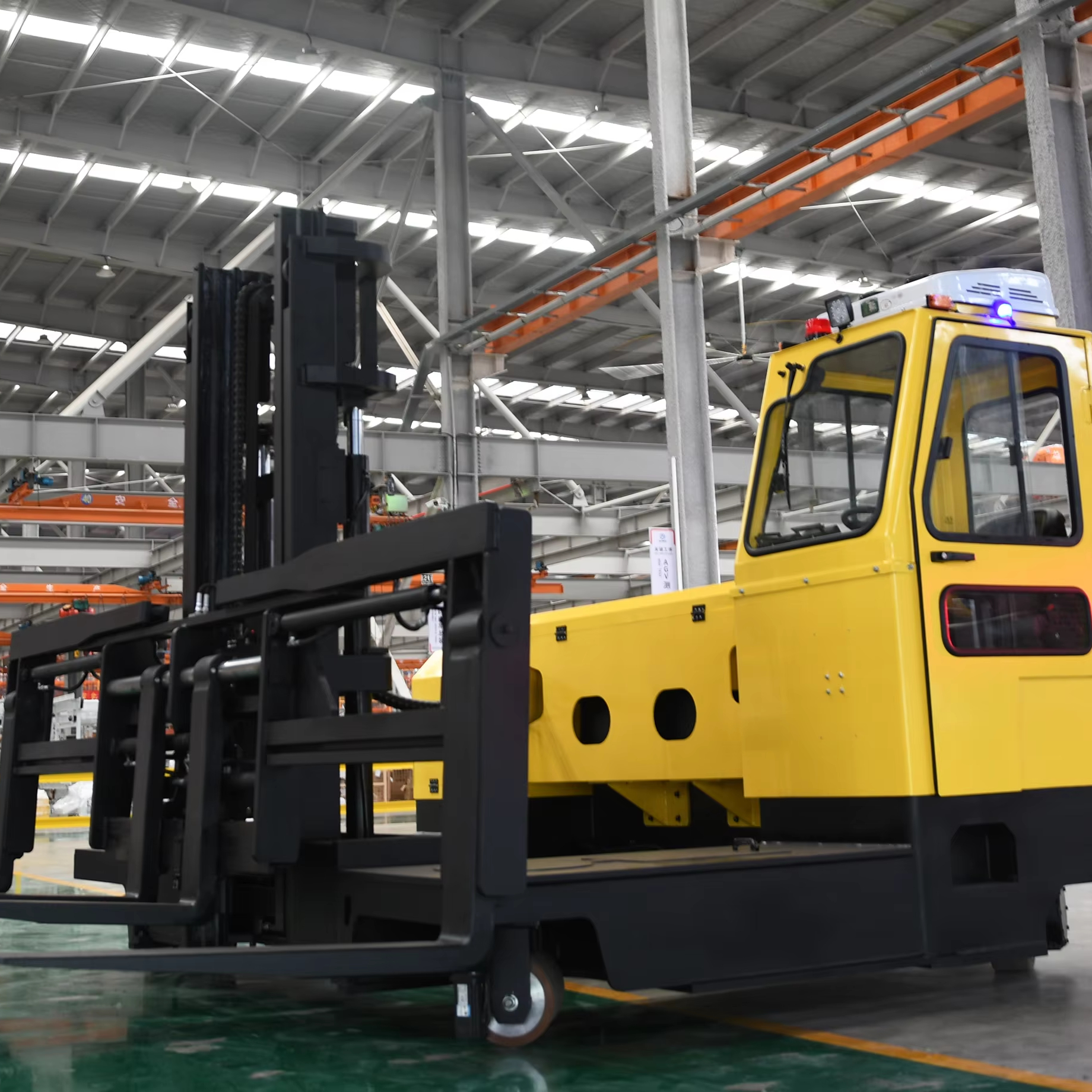 Side Loader
Multi-directional Forklift Reach Truck Stacker 3.5 Ton / 5 Ton Full Way Electric Side Loader Forklift with Wide Body Seat
For long loads, side loading, and multi-directional handling in space-constrained Bay Area facilities, including metal, timber, and oversized pallet operations.
- 3.5–5 T
- Side loader
- Wide-body seat
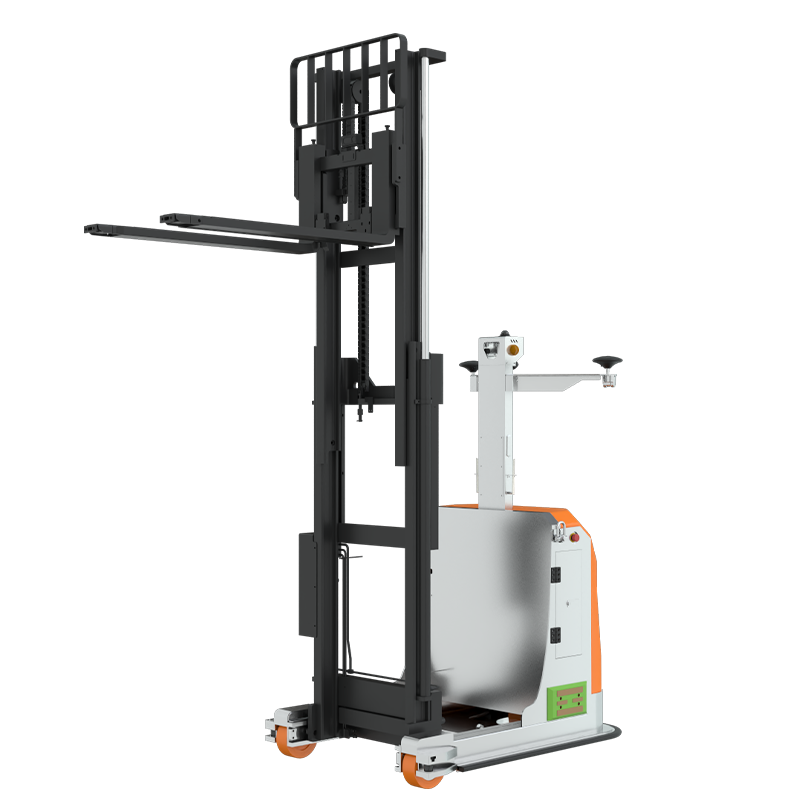 3D SLAM
Reach Truck AGV Narrow Body 1.5T 3M Compact Design Fork Forward Function 3D SLAM Navigation 10mm Positioning Accuracy for Narrow Aisle Storage
A compact 1.5T reach AGV with 3D SLAM and ±10 mm positioning, designed for narrow aisles where reflectors or floor tape are costly or impractical.
- 1.5 T
- 3 m
- 3D SLAM
- ±10 mm
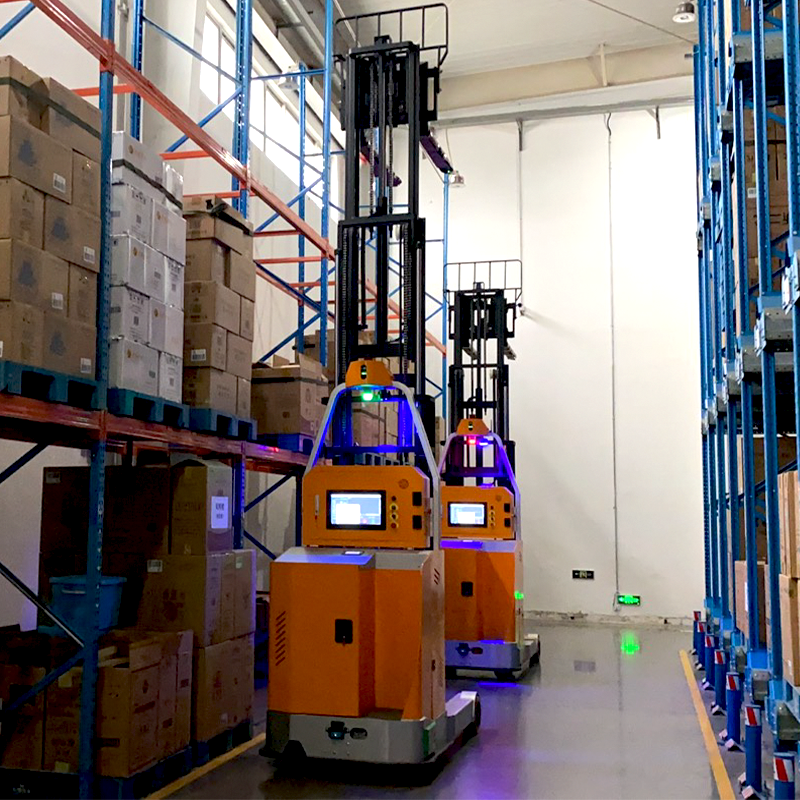 Laser SLAM
EFORK EQDA15-30 Automated Reach Truck Laser SLAM Navigation 1.5T Capacity ±10mm Accuracy Forklift for Warehouse Logistics
Laser SLAM reach truck for warehouse logistics, useful where a San Francisco project needs repeatable put-away and retrieval with documented accuracy.
- 1.5 T
- Laser SLAM
- ±10 mm
- Warehouse
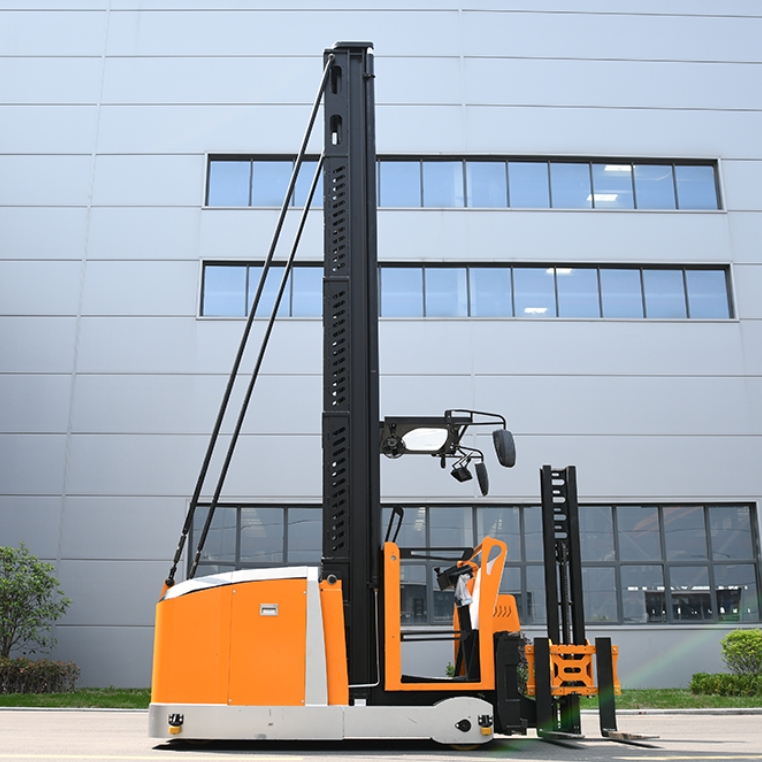 VNA
New 1.5T Manual Electric 3-Way Pallet Stacker Forklift, 3-Way Manual VNA Forklift with 1600kg Loading Capacity, AC Motor Powered
A 3-way VNA stacker platform for high-density pallet storage; compare this with a powered VNA truck during pilot planning and racking review.
- 1.6 T
- 3-way
- VNA
- AC motor
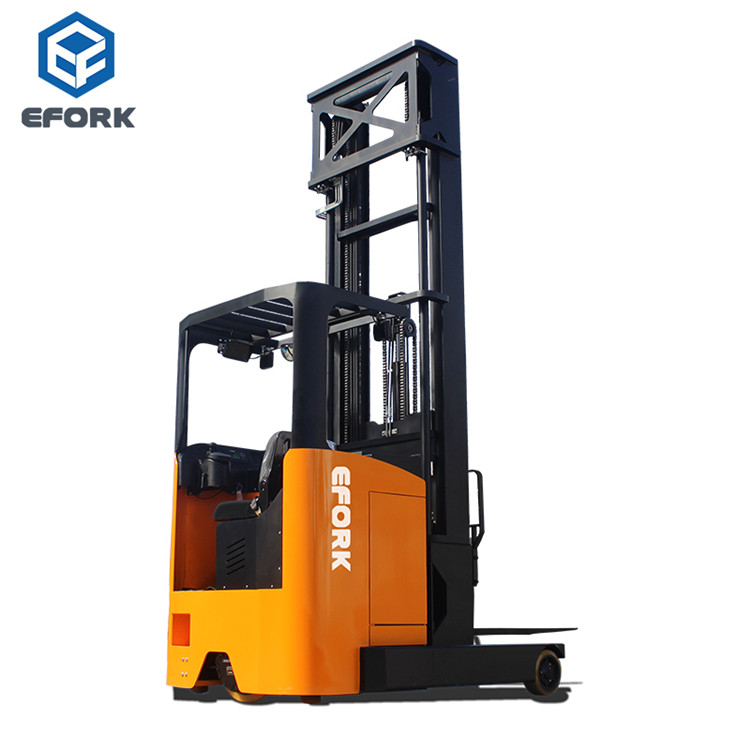 Industrial
CQDE China Wholesale 2000kg 12m 8m 6m Industrial Forklift Pallet Truck at a Good Price
Industrial pallet truck with 6 m, 8 m, and 12 m options; a practical reference point for medium-high racking, wholesale projects, and budget benchmarking.
- 2,000 kg
- 6/8/12 m
- Industrial
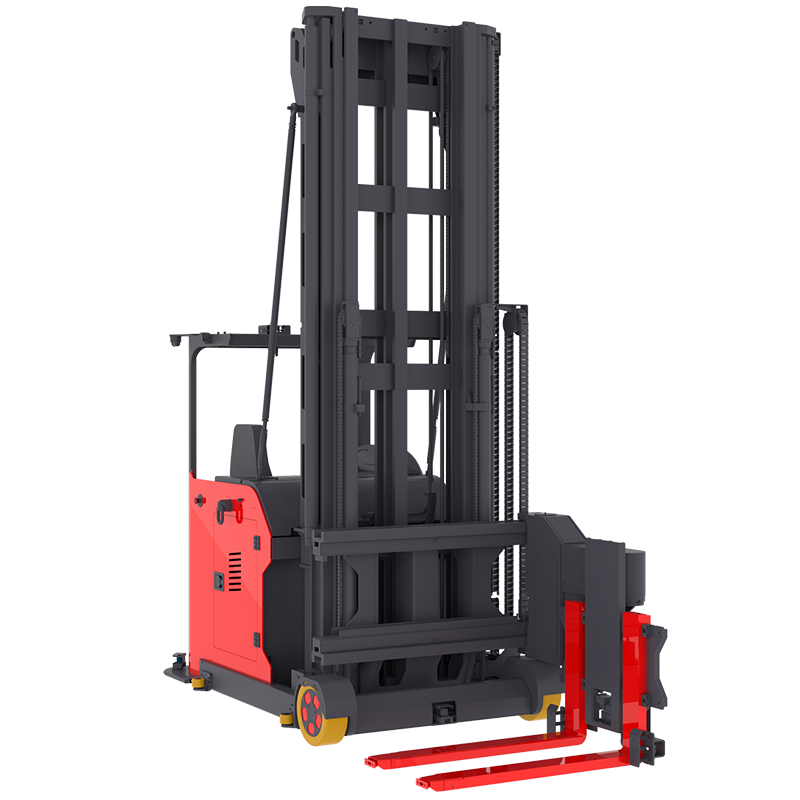 8 m VNA
EFORK CDME16J-80S VNA Truck AGV Mobile Robot 1.6T 8M 3-Way Forklift Laser SLAM Narrow Aisle 1200mm Fork Length 125mm Fork Width
A 1.6T, 8 m VNA AGV with laser SLAM, 3-way fork, 1,200 mm fork length, and 125 mm fork width, aimed at narrow-aisle high-bay pallet handling.
- 1.6 T
- 8 m
- 3-way
- Laser SLAM
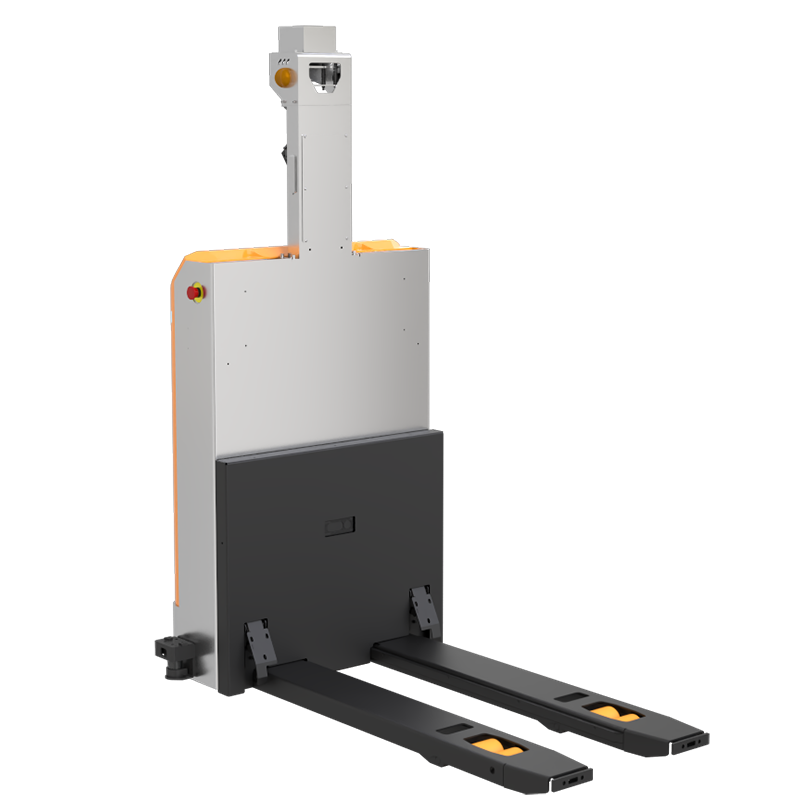 Omni
T 2.5M Omni-directional AGV Body, 3D SLAM Navigation, 1000kg Load Capacity, Flexible Movement, Zero Turning Radius
Omni-directional AGV body with 1,000 kg load capacity and zero turning radius; well suited to tight pick-and-place routes and flexible production logistics.
- 1,000 kg
- 3D SLAM
- Zero radius
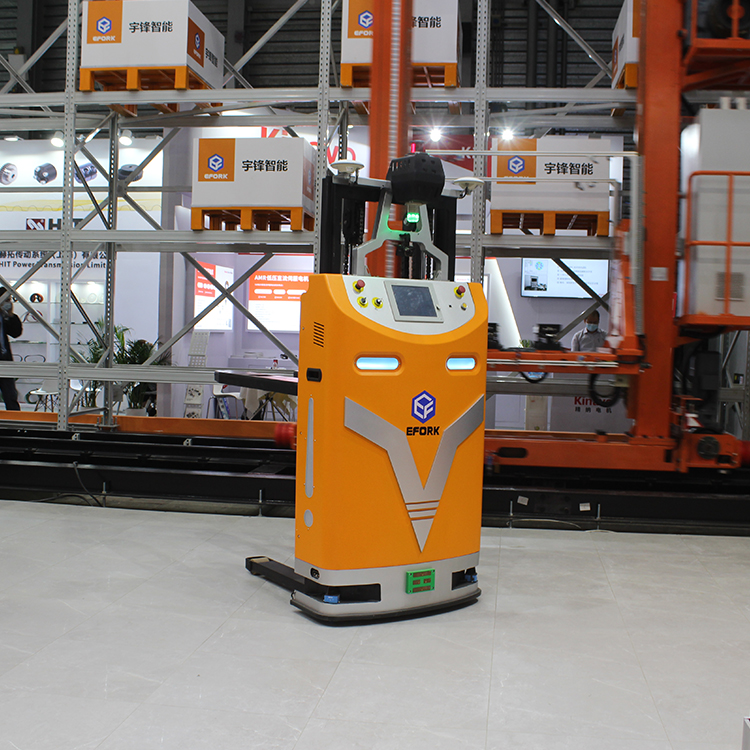 CE
CE Certified EFORK EDA20-16 2T 1600mm Laser Navigation Self-Driving Forklift AGV WIFI/5G 10mm Accuracy 6–8H Working Time
CE-certified 2T self-driving forklift AGV with laser navigation, Wi-Fi/5G connectivity, 10 mm accuracy, and 6–8 h working time; a good fit for connected warehouse pilots.
- 2 T
- 1,600 mm
- Laser
- Wi-Fi/5G
Why San Francisco Buyers Search for China Tow Tractor AGV Factories
San Francisco is not a generic warehouse market. The city and the surrounding Bay Area combine high industrial rents, older buildings with tight doors and low clear heights, a globally connected port gateway at Oakland, dense life-science clusters, and a mature e-commerce fulfillment network from South San Francisco to Hayward, Fremont, and Richmond. For these buyers, a China tow tractor AGV factory is useful only when it can translate factory capacity into a layout that survives real local constraints.
Commercial Investigation, Not a Price Scrap
Buyers searching for “top China tow tractor AGV factories and suppliers serving San Francisco” are usually comparing total landed cost, factory verification, safety documentation, integration risk, and after-sales response. A low quotation without a site survey, safety file, and spare-parts plan is not a lower-cost decision; it is a deferred project risk.
Local Fit Beats Generic Specifications
A 3D SLAM reach truck that performs well in a new distribution center may struggle in a multi-tenant San Francisco building with freight elevators, mixed pedestrian traffic, patchy Wi-Fi, and tight turning areas. The right supplier will ask for aisle widths, rack drawings, floor flatness, door dimensions, charging-room constraints, and WMS interfaces before finalizing the model.
Lifecycle Risk Is the Hidden Purchase Cost
For U.S. buyers, CE marking is a useful baseline but not the entire compliance story. California facilities should also verify local AHJ, insurer, landlord, and Cal/OSHA expectations, plus electrical compatibility, emergency-stop logic, scanner coverage, spare-parts lead time, remote diagnostics, and operator training. This is where factory transparency becomes a procurement advantage.
Where Tow Tractor AGVs and AGV Forklifts Fit in the Bay Area
San Francisco projects rarely copy a generic warehouse template. The following six scenarios show how tow tractor AGV projects, automated forklifts, and VNA platforms are typically evaluated from San Francisco through Oakland, Richmond, Hayward, Fremont, and South San Francisco.
Port of Oakland Drayage and Cross-Docking
For Bay Area importers using Oakland as a gateway, tow tractor AGVs can support repetitive horizontal towing, while counterbalanced or reach AGVs handle pallet transfer at cross-dock doors. The RFQ should distinguish indoor-only routes from mixed dock and yard transitions, because floor surfaces, lighting, and pedestrian zones change safety requirements.
Older San Francisco Buildings and Multi-Tenant Facilities
Older buildings may have narrow doorways, low clear heights, uneven slabs, freight-elevator weight limits, and shared loading zones. A compact reach truck AGV, slim stacker, or omni-directional platform can be more appropriate than a large counterbalanced truck. A valid proposal should include a route map and traffic simulation, not only a vehicle datasheet.
Bay Area E-Commerce Fulfillment
Fulfillment operations in Fremont, Hayward, Richmond, and South San Francisco often need flexible routing, rapid onboarding, and WMS integration. 3D SLAM reach trucks and omni-directional AGV bodies reduce fixed infrastructure, which matters when promotional peaks, seasonal SKU changes, or re-racked zones require layout updates.
Life Science and Advanced Manufacturing
Mission Bay, South San Francisco, and Peninsula manufacturing clusters may require clean, traceable material movement with strict change control. Buyers should specify cleanliness expectations, ESD concerns if applicable, data logging, access control, and WMS/ERP interfaces early. The factory should provide a documented FAT plan and a clear exception-handling workflow.
Cold Chain and Food Distribution
Cold-storage projects require more than a standard AGV quotation. Battery performance, condensation, lubrication, scanner reliability, and maintenance access can change at low temperatures. For VNA or 3-way AGV deployments, ask the factory to confirm cold-store derating, charger placement, and spare-parts strategy before committing to a fleet size.
High-Density Storage and VNA Retrofit
Where land is scarce and racking must go higher, VNA 3-way AGVs and reach truck AGVs can unlock dense pallet storage. San Francisco buyers should validate aisle width against mast reach, fork rotation, floor tolerance, sprinkler clearance, and rescue procedures. A model that works on paper may fail if the building’s slab and rack tolerances are not measured correctly.
2025–2026 Trends Shaping San Francisco AGV Procurement
These trends are not abstract market forecasts. They directly affect how San Francisco and Bay Area buyers write specifications, evaluate factory capability, and phase investment across a warehouse automation roadmap.
Space Scarcity Pushes Higher Storage
High industrial rents and limited vacant warehouse space encourage VNA, high-bay racking, and compact AGV platforms. Buyers increasingly ask for 7 m, 8 m, and higher lift options while also requesting route simulations that prove throughput inside existing buildings.
Labor Cost and Safety Drive Automation
Forklift labor availability, training consistency, and workplace safety remain top concerns. Electric AGVs reduce repetitive travel and can support safer pedestrian zones when scanners, speed limits, and traffic rules are engineered correctly. Cal/OSHA-aware safety reviews should be part of the project plan.
Electric Fleets and Air Quality
Bay Area operators face ongoing pressure to reduce emissions from material handling equipment. Battery-electric AGVs and automated forklifts align with indoor air-quality goals, but buyers must still confirm charger input voltage, charging-room ventilation, battery strategy, and utility capacity.
WMS/ERP Integration Becomes Standard
Automation buyers now expect more than vehicle movement. They want task dispatch, location validation, exception handling, KPI dashboards, and spare-parts visibility. A factory that can document WMS/WCS interfaces and test them during FAT reduces commissioning risk.
Pilot-First Procurement
MOQ 1 set and phased deployment models are attractive to San Francisco buyers who need to validate routes, cycle times, and operator acceptance before scaling. A pilot should define success metrics, safety gates, integration tests, and a scale-up price schedule in advance.
Supply Chain Resilience
Port diversification, inventory buffers, and multi-site fulfillment strategies are influencing equipment planning. China factories serving North America should provide export-ready documentation, Incoterm flexibility, and a clear escalation path for spare parts and remote support.
What San Francisco Buyers Should Validate Before Approving a Factory
The most reliable way to compare China tow tractor AGV factories is to score them against the same evidence set. Replace generic assurances with documents, drawings, test plans, and named responsibilities.
Safety and Compliance
Request CE documentation, load charts, guarding details, emergency-stop logic, scanner coverage, and risk-assessment support. For California, confirm whether UL-recognized components, local AHJ acceptance, insurer conditions, and Cal/OSHA-aware procedures are required for your site.
Site Fit and Navigation
Measure aisle width, door width, rack height, sprinkler clearance, floor flatness, elevator limits, and pedestrian traffic. For 3D SLAM, verify Wi-Fi dead zones, dynamic obstacles, and map-maintenance responsibilities. For VNA, confirm fork rotation clearance and rescue access.
Power and Charging
Confirm charger input compatibility for the project, charging-room ventilation, battery swap or opportunity-charging strategy, utility capacity, and low-temperature derating if the AGV will enter cold storage. Do not assume that a CE-rated charger automatically matches U.S. site power.
Integration and Lifecycle
Define WMS/ERP handshake, barcode or QR requirements, fleet-manager access, exception handling, acceptance metrics, training, spare-parts list, warranty terms, and remote-support response expectations. A clear lifecycle plan is more valuable than an optimistic delivery promise.
Information gain matters here: the objective is not to collect the longest supplier list, but to compare factories on verifiable capacity, San Francisco-specific application fit, and lifecycle accountability.
Inside Anhui Nexrik Intelligent Technology Co., Ltd.
For San Francisco buyers, the strongest factory is not simply the one with the lowest initial quotation. It is the one that can prove manufacturing scale, certification discipline, customization depth, export experience, and a realistic support model for a North American deployment.
Manufacturer with Export-Ready Documentation
Anhui Nexrik Intelligent Technology Co., Ltd. specializes in the R&D, production, and integration of intelligent warehousing equipment, including AGV forklifts, VNA AGVs, AS/RS stacker cranes, four-way shuttles, and related automat