1. How long does it take from inquiry to an AGV pallet truck arriving in Makassar?
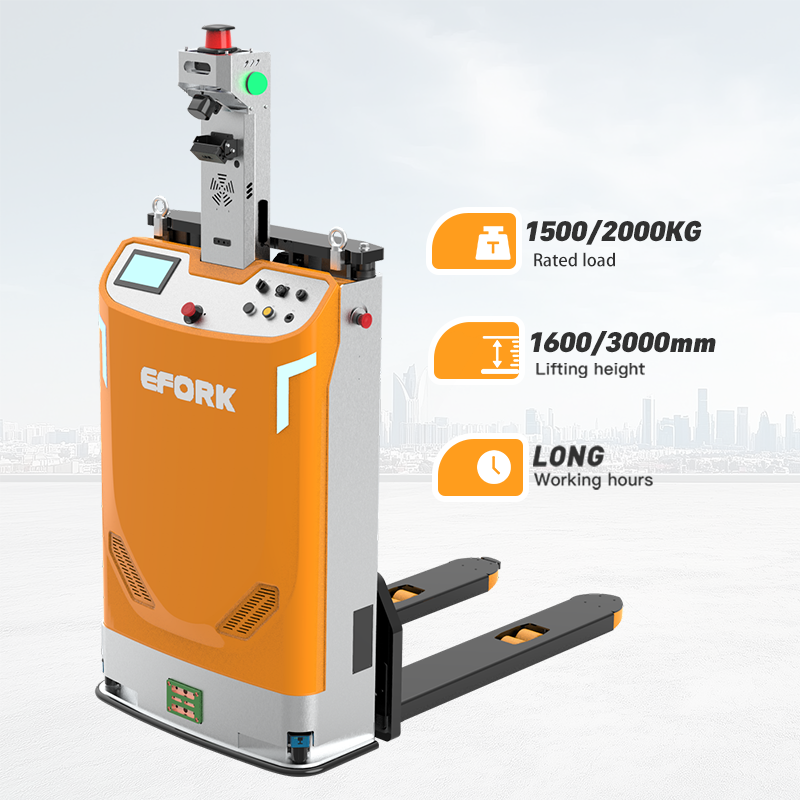
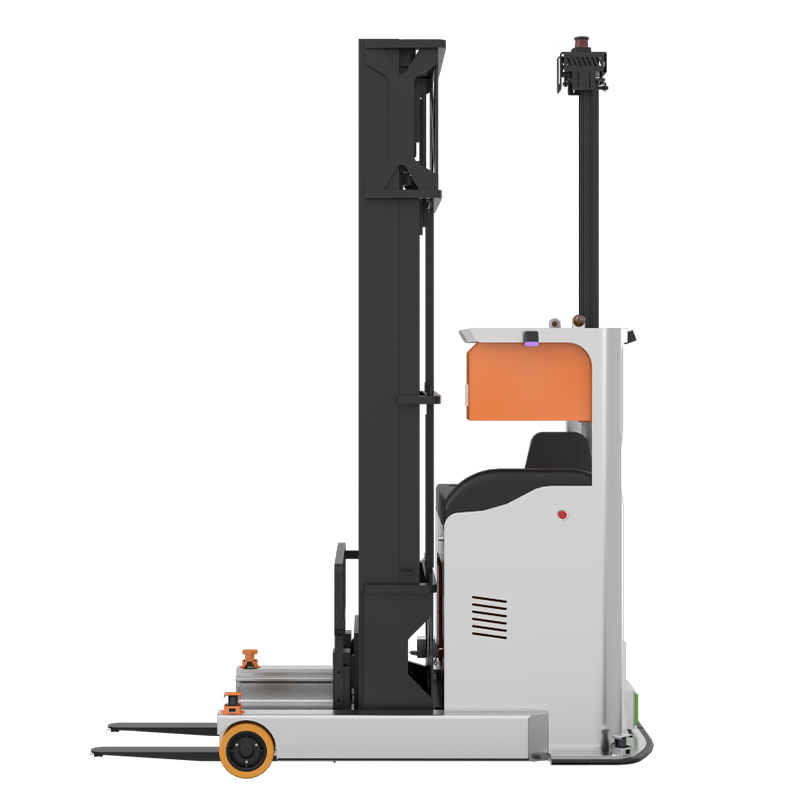
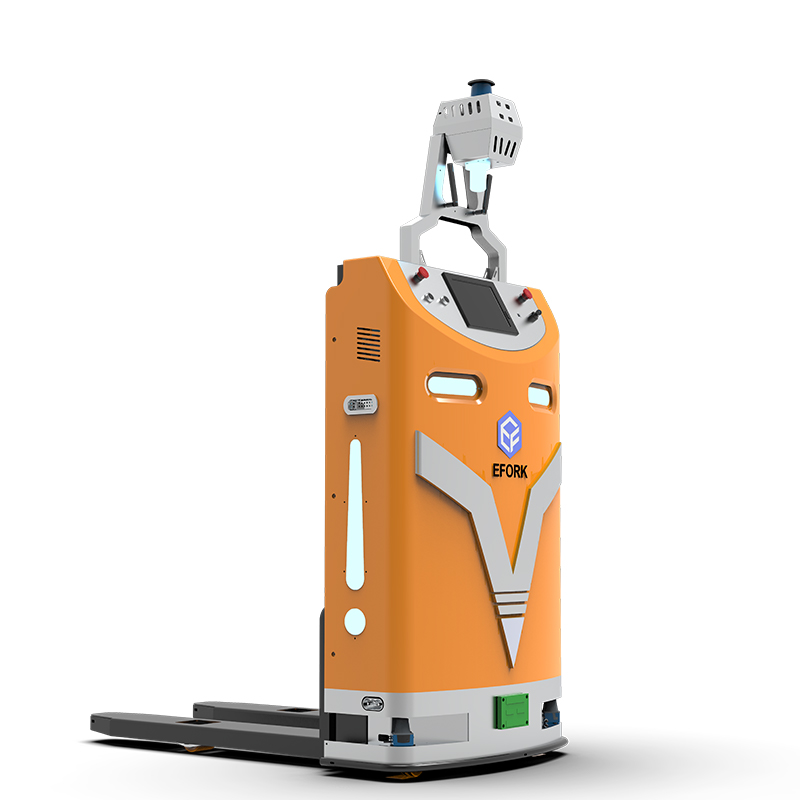
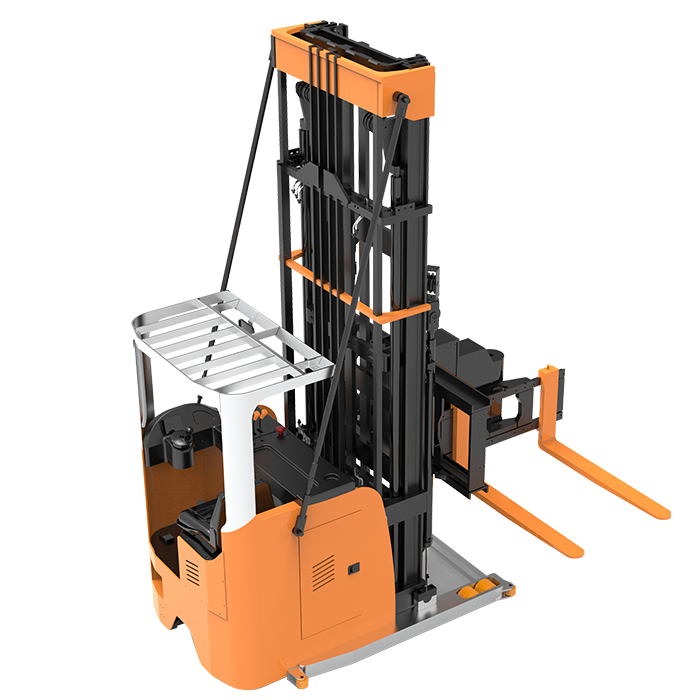
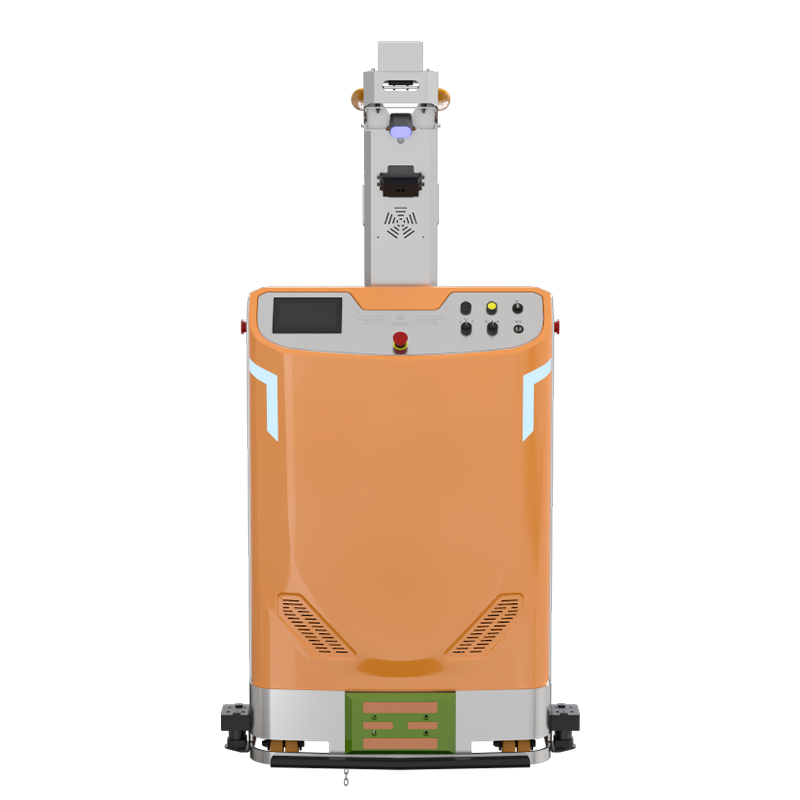
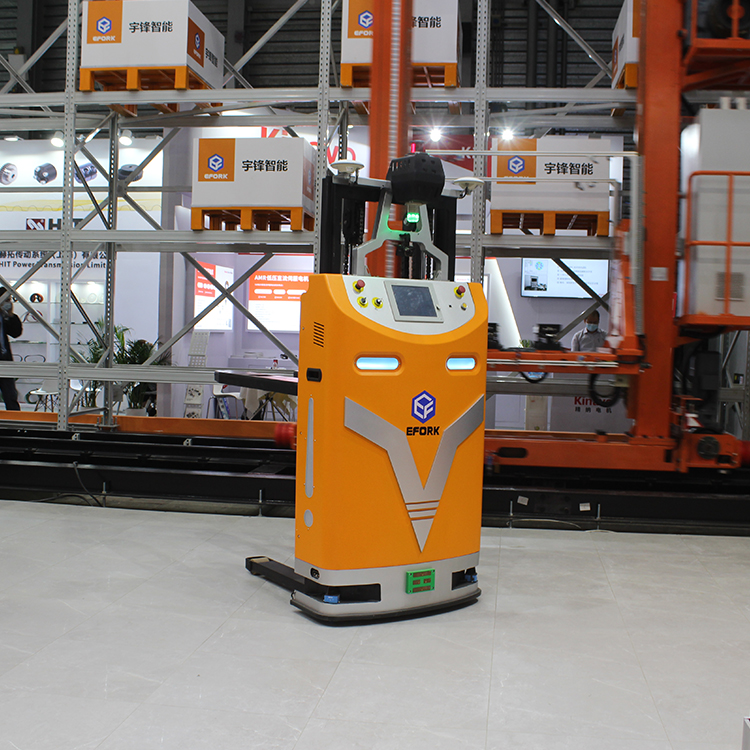
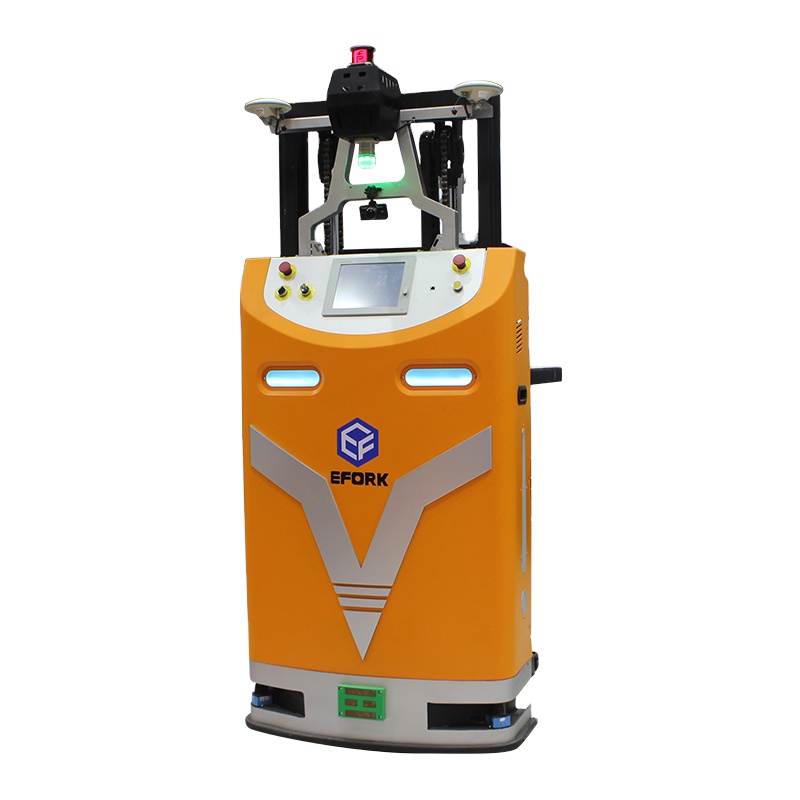
A standard 2T / 3 m stacking AGV is typically produced in 25–35 days after drawing approval; a narrow-aisle three-way model takes 45–60 days. Ocean freight from Shanghai or Ningbo to Makassar usually runs 20–30 days direct, or a few days longer via Singapore or Jakarta feeder services. Add 3–7 working days for Indonesian customs clearance and inland delivery to the KIMA or Balangbaraya corridor.
2. Which trade terms and payment methods are accepted?
Delivery terms include FOB, CFR, CIF, EXW, FAS, CIP and DDP, which means we can quote landed at your Makassar site if you prefer a single number. Payment can be made by L/C, D/P, D/A, MoneyGram, credit card or Western Union in USD, EUR or CNY. A single set is the minimum order quantity, so a pilot installation does not require a fleet-scale commitment.
3. Will the AGV work reliably on the site power available in Makassar?
The drivetrain is battery-powered, so the truck itself is unaffected by grid fluctuations during operation. What matters is the charger: we supply 220 V single-phase or 380 V three-phase, 50 Hz charging solutions to match your supply, and recommend an AVR where voltage sag is common. Scheduling charging during the night shift also helps where daytime industrial demand is high.
4. How do you handle the tropical heat, humidity and coastal salt air?
IP54 protection, anti-corrosion coating on exposed frames and connectors, and humidity-cycle testing before shipment are available as standard options for Indonesian deliveries. For frozen-storage applications at −18 °C to −25 °C, cold-store variants use low-temperature batteries, heated hydraulic components and anti-condensation laser windows so positioning accuracy remains stable across the shift.
5. Can the AGV integrate with our existing WMS or ERP?
Yes. The fleet controller exposes an open interface over API, Modbus TCP, OPC UA or MQTT, and the mapping between your WMS task model and the robot's mission model is defined during the solution-design stage. Interface behaviour is then validated during factory acceptance testing, before the container leaves China.
6. What does after-sales support look like from 4,000 km away?
Commissioning can be supported remotely over WIFI/5G, with a local technician executing the on-site steps under guidance. We supply a recommended spare-parts kit with the first shipment, provide English-language operation and maintenance documentation, and operate remote diagnostics so a fault code can be analysed without waiting for a service flight. On-site engineering visits can also be arranged for larger fleet projects.
7. How do I verify that you are a real factory and not a trading company?
Ask for the SGS onsite verification file, the CE declaration under Machinery Directive 2006/42/EC and the ISO 9001 and ISO 45001 certificates. Our Hefei premises cover 66,650 m² with 1,152 employees and hold 7 awarded patents plus one registered trademark. We also welcome a live video walkthrough of the production line or a physical factory visit before purchase.
8. Can you customize the truck for our specific pallets and racks?
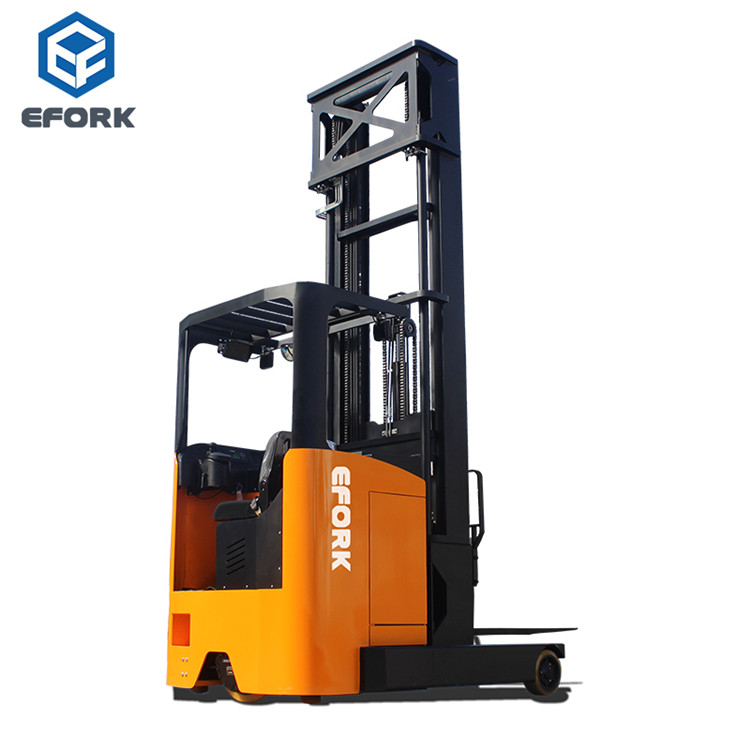
Yes. Full customization, OEM, ODM and buyer-label production are available, covering load capacity, lift height, fork length and spread, battery configuration, cold-storage specification and control-panel branding. Send the pallet drawing and rack section and our engineers will confirm the required aisle width and mast specification before quoting.