8 Warehouse Automation Products for Tijuana Buyers
These eight models are selected for common Tijuana procurement scenarios: maquiladora line-side replenishment, cross-border 3PL fulfillment, narrow-aisle storage, dock-to-rack transport and first-stage automation pilots. Every model is available for wholesale, OEM/ODM, buyer-label production and project engineering.
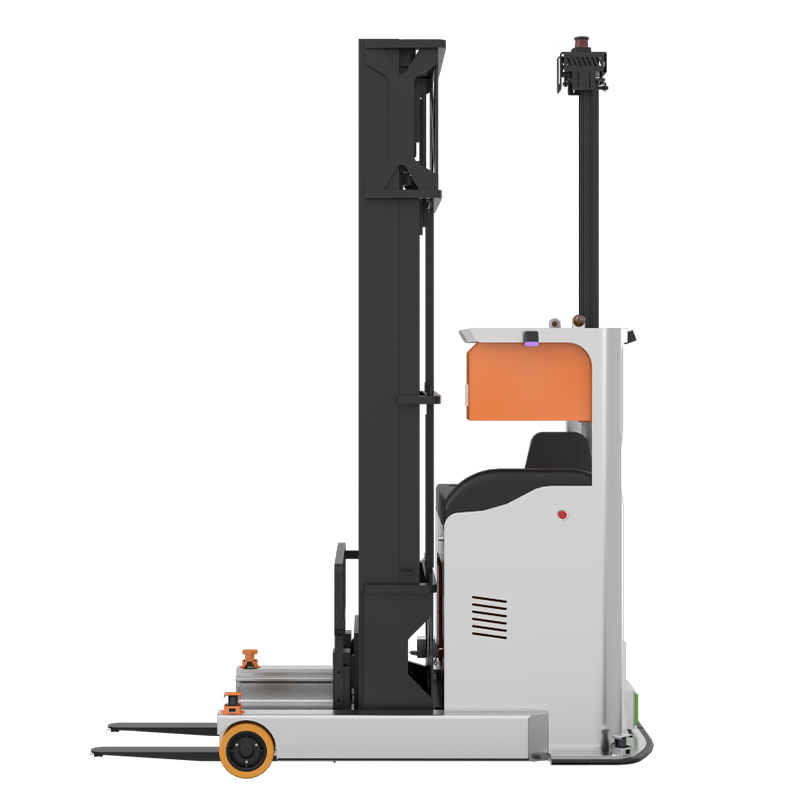 AGV · 6.5M
Laser SLAM
Heli Yufeng CQDE20HJ-65S 2T 6.5M Reach Truck AGV Body Laser Slam Navigation for Pallet Handling High Lifting Smart Warehouse
Tijuana fit: high-lift pallet put-away for maquiladora plants that need 6.5 m reach without widening existing selective racking.
- 2T
- 6.5 m lift
- Laser SLAM
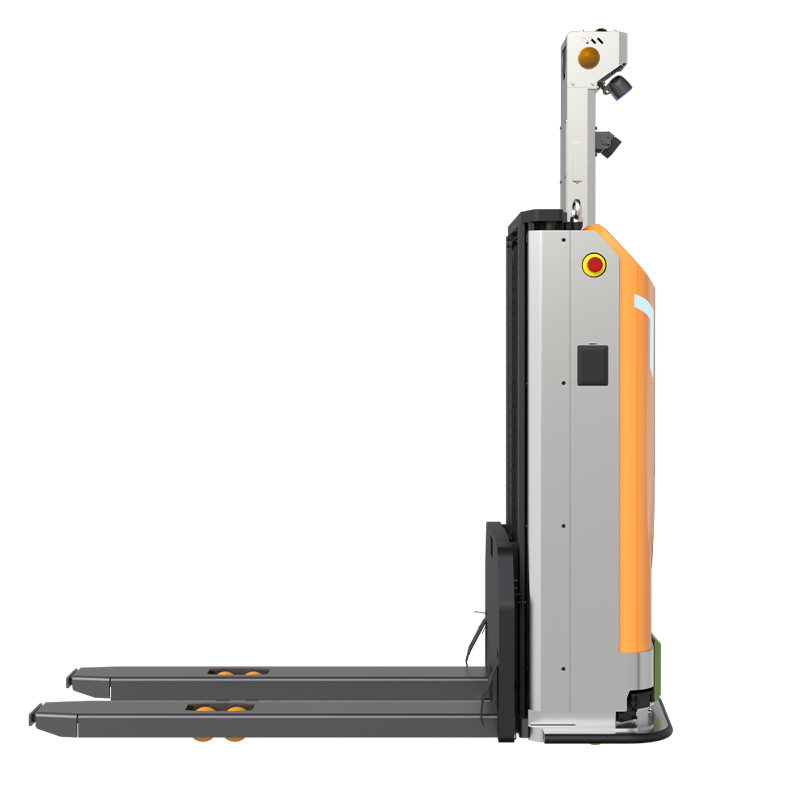 High Density
3D SLAM
2T Slim Narrow-Body Stacker AGV with 3D SLAM & WIFI/5G for High-Density Storage 1.6M Pallet Stacking Maximize Warehouse Space
Tijuana fit: leased low-ceiling buildings in Otay Mesa or El Florido where 1.6 m stacking and a narrow chassis recover valuable aisle space.
- 2T
- 1.6 m stacking
- WIFI/5G
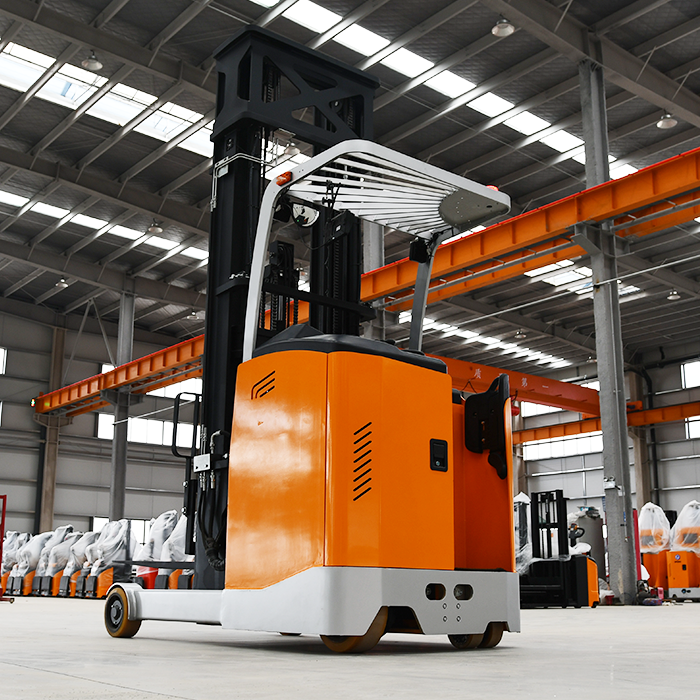 Wholesale
Galvanized
China Wholesale 2000kg 12m 8m 6m Industrial Forklift Pallet Truck High-Speed Steel Hot-Dip Galvanized Good Price
Tijuana fit: hot-dip galvanized protection for humid coastal air, yard staging, cross-border loading lanes and distributor stock orders.
- 2000 kg
- Hot-dip galvanized
- Wholesale
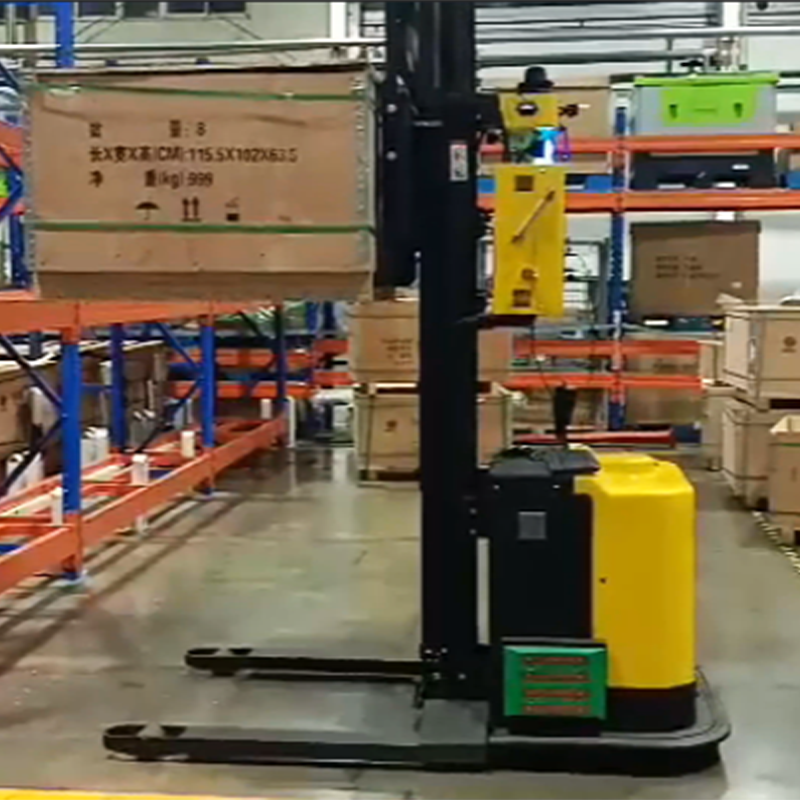 3M Lift
AGV Forklift
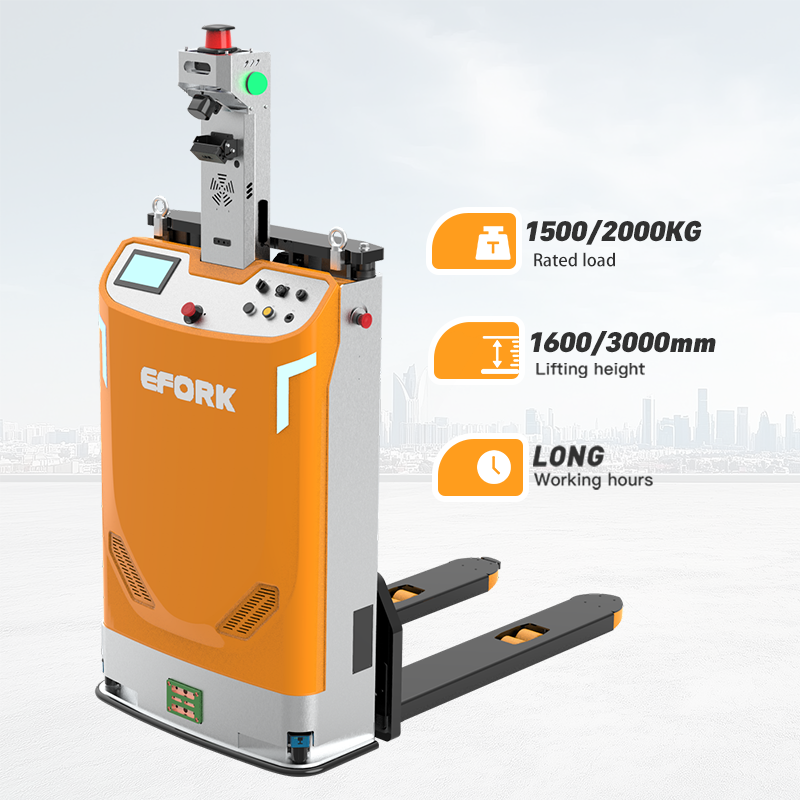
2T 3000MM Pallet AGV Forklift Automated Guided Vehicle 3D SLAM Navigation WIFI/5G Communication for Warehouse Automation Robot
Tijuana fit: repetitive dock-to-rack pallet movement for 3PL operations seeking WMS-directed put-away and stable JIT cycle times.
- 2T
- 3000 mm
- 3D SLAM
 CE Certified
Slim Stacker
New Heli Yufeng EDA20-30 Slim Stacking AGV Forklift CE Certified 2T 3M 3D SLAM WIFI/5G for Stacking Mobile Robot
Tijuana fit: CE-certified slim stacking for crowded production cells, finished-goods staging and multi-shift maquiladora replenishment.
- 2T
- 3 m
- CE · 3D SLAM
 Compact
AGV Body
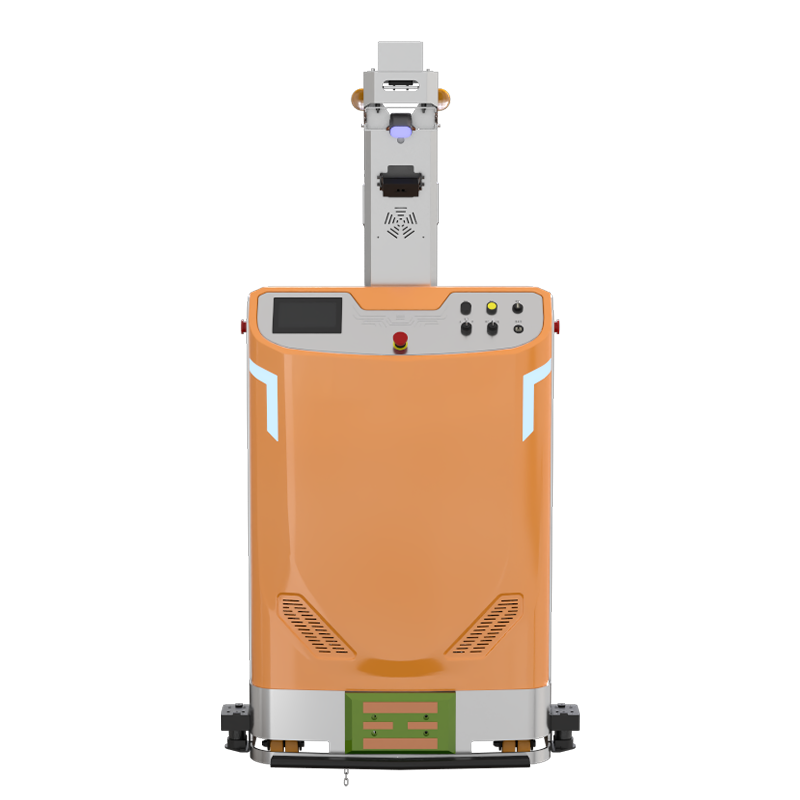
Material Handling AGV Body 2T with Narrow Body Compact Chassis for Efficient Production Line & Workshop Transport in Tight Space
Tijuana fit: compact AGV body for electronics, medical-device and automotive harness plants where work cells, forklift lanes and people share tight space.
- 2T
- Narrow chassis
- Production line
 High Lift
Narrow Body
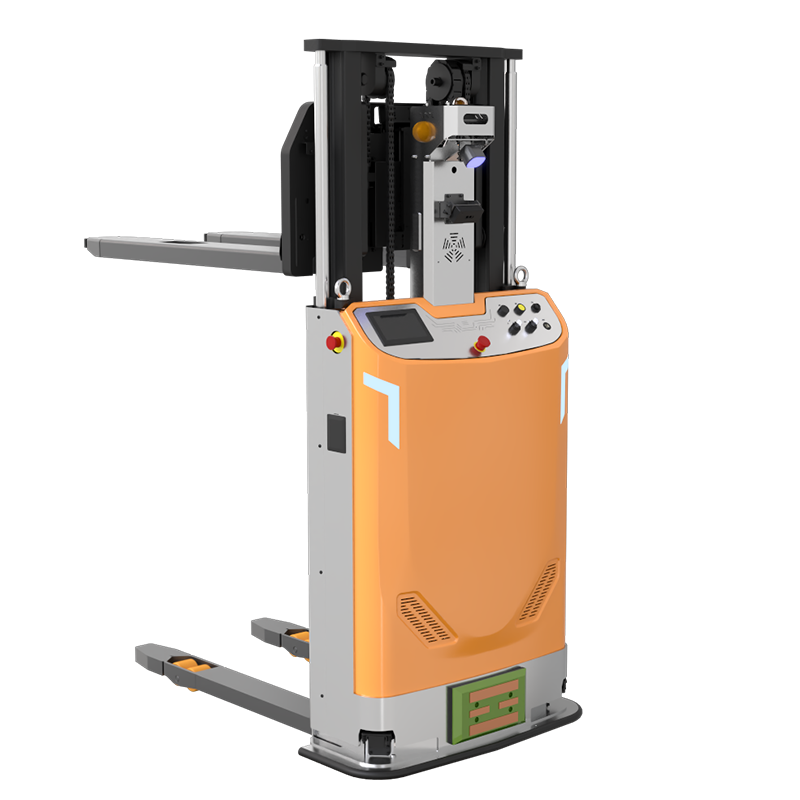
2T 1.6 M Slim Narrow-Body Stacker AGV Body for High-Density Storage High Lift Pallet Stacking AGV Maximize Warehouse Space
Tijuana fit: converts manual pallet stacking into dense, WMS-ready storage inside Baja California warehouses with limited expansion options.
- 2T
- 1.6 m
- Dense storage
 Factory Direct
1.5–3T
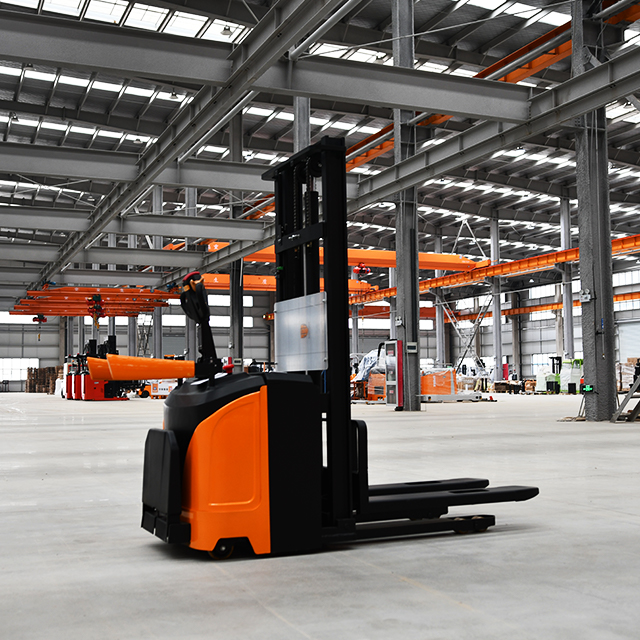
Factory Direct Sales Electric Pallet Lift Stackers 1.5-Ton 2-Ton 3Ton 3m 4m 5m Portable Self-Loading
Tijuana fit: flexible 1.5–3T stacker for mixed-SKU operations, rental fleets and first-stage automation before full AGV deployment.
- 1.5–3T
- 3/4/5 m
- Self-loading
Why Tijuana Buyers Need a Different Warehouse Automation Shortlist
Tijuana is not a generic Mexico warehouse market. It is a cross-border manufacturing and distribution corridor where uptime, customs coordination, bilingual training and spare-parts response directly shape total cost of ownership.
Tijuana warehouses do more than store goods. They synchronize inbound components, production-line replenishment and northbound finished goods across the Otay Mesa and San Diego border corridor. A warehouse automation exporter that performs well in a distant distribution center may still fail in Tijuana if it cannot support Spanish-language operator training, cross-border documentation, fast spare-parts response and mixed-fleet integration with existing WMS/ERP systems.
For buyers near Otay Mesa, El Florido, Pacífico, La Mesa or the larger industrial parks of Baja California, the practical constraints are consistent: rising industrial rents, limited room to expand racking, tight aisle widths in leased buildings, multi-shift 3PL operations and JIT pressure from maquiladora customers. The right automation plan often begins with a single AGV or slim stacker pilot, then scales into a WMS-directed fleet after route validation. The product set above is selected to support that staged path, with MOQ 1 set, CE documentation, OEM/ODM options and wholesale supply from a verified manufacturer.
This is also why a proper Tijuana shortlist should compare more than load capacity and price. It should test whether the exporter can provide Spanish safety labels, remote commissioning, import documents, recommended spare-parts kits, WMS interface planning and a realistic ramp-up path. For procurement teams, those details are not “extras”; they are the difference between a pilot that proves value and a machine that becomes a bottleneck.
What Tijuana Buyers Ask Us to Solve First
This qualitative planning index reflects common buyer requirements in cross-border manufacturing and 3PL warehouses. It is not a statistical market study; use it to structure a Tijuana RFQ and internal approval case.
Planning Priority Index
Information Gain for Tijuana Buyers
The highest-scoring categories are not cosmetic. A machine with the right lift height but a six-week spare-part delay can stop a production line. A system that ignores electrical or safety requirements can create import and EHS delays. A solution that cannot be taught in Spanish shifts risk to local operators.
Use this index as a procurement filter: ask each exporter to show evidence for documentation, service escalation, training materials and integration testing before you compare price.
Tijuana Warehouse Automation Trends Shaping 2025–2026
Nearshoring is increasing warehouse activity, but it is also increasing the cost of mistakes. These four trends explain why Tijuana buyers are moving from standalone equipment purchases toward verified, service-ready automation partners.
Nearshoring-driven JIT
More production and distribution activity is moving closer to the US border. Tijuana warehouses must coordinate inbound components and outbound finished goods with tighter cycle times, making reliable autonomous transport and WMS visibility more valuable.
High-density storage in leased buildings
Industrial space is expensive and often difficult to expand. Slim stacker AGVs, narrow-body AGV bodies and high-lift stacking let buyers increase storage density without committing to a new building or a full AS/RS project.
Mixed manual and AGV fleets
Most Tijuana operations begin with a pilot. The winning model is usually a mixed fleet where one or two AGVs handle repetitive routes while manual forklifts cover exceptions. Scalability and traffic planning matter more than a single machine’s top speed.
Service localization and bilingual support
Buyers increasingly ask for Spanish operator training, bilingual manuals, clear escalation paths and recommended spare-parts kits. A low purchase price cannot compensate for language gaps or long downtime in a multi-shift operation.
Where These Products Fit in Tijuana Operations
Use these local scenarios to map equipment to real workflows before requesting a layout review and fleet simulation.
Maquiladora Line-Side Replenishment
Use compact AGV bodies and slim stacker AGVs to move components from staging to production cells without blocking people, tools or forklift lanes. Spanish training and safe traffic rules are essential.
Cross-Border 3PL and E-commerce
For dock-to-rack transport and high-volume put-away, 3D SLAM pallet AGVs and slim stackers can reduce travel time and make WMS-directed work more predictable across shifts.
High-Density Storage Under Rent Pressure
Use narrow-body stackers and 1.6 m stacking solutions to recover cubic storage capacity in existing buildings. Validate floor flatness, rack tolerances and charging space before rollout.
Medical Device and Electronics Production
Tight work cells and clean material flow favor compact, CE-certified equipment with controlled traffic paths. Buyers should request safety validation, operator training and integration testing.
Which Model Fits Which Tijuana Use Case?
This matrix links the eight recommended products to typical local workflows. Final specifications should always be confirmed by a site survey, pallet review and throughput simulation.
| Tijuana Use Case | Recommended Model | Why It Fits | Local Check Before Order |
|---|---|---|---|
| 6–7 m selective racking | Heli Yufeng CQDE20HJ-65S 2T 6.5M Reach Truck AGV | Laser SLAM reach body for high lifting and pallet handling. | Rack beam height, aisle width and floor flatness. |
| Low-ceiling 1.6 m stacking | 2T Slim Narrow-Body Stacker AGV or 2T 1.6 M Slim Stacker AGV Body | Narrow chassis and 3D SLAM for dense storage in leased buildings. | Aisle clearance, pallet overhang and charging location. |
| Dock-to-rack pallet transport | 2T 3000MM Pallet AGV Forklift | WIFI/5G communication and 3D SLAM for repetitive autonomous routes. | WMS interface, route traffic and safety scanner zones. |
| Crowded production cells | Material Handling AGV Body 2T | Compact chassis for tight-space production line and workshop transport. | Pedestrian traffic, blind corners and line-side pickup height. |
| First-stage automation pilot | Factory Direct Electric Pallet Lift Stackers | 1.5–3T portable stacker range for mixed SKU and lower initial capex. | Lift height, battery strategy and operator training plan. |
| Humid coastal or yard staging | 2000kg Hot-Dip Galvanized Industrial Pallet Truck | Galvanized protection for coastal air, yard transfer and wholesale stock orders. | Duty cycle, wheel type and loading-lane surface condition. |
| CE-certified slim stacking | Heli Yufeng EDA20-30 Slim Stacking AGV | CE-certified 2T 3M slim stacker for production replenishment and staging. | Documentation package, Spanish labels and maintenance access. |
Note: model URLs are preserved exactly as listed. Buyers comparing a top 10 warehouse automation exporter & wholesaler shortlist should request a site-specific layout review before confirming load, lift height, fork dimensions or battery configuration.
10 Due-Diligence Checks for a Tijuana Automation Contract
Use this scorecard as an RFQ appendix. It is designed for procurement, operations and EHS teams comparing an exporter or wholesaler for the Tijuana market.
Site Survey and Rack Compatibility
Confirm aisle width, rack height, floor flatness, pallet condition and clearance before quoting a model.
Navigation Fit
Compare laser SLAM, 3D SLAM and fixed-route options against the amount of rack or floor modification you can accept.
Cross-Border Documentation
Review commercial invoice, packing list, certificate package and Incoterms before deposit. Confirm who manages customs brokerage.
Safety and Electrical Compliance
Ask for CE documentation, Spanish safety labels and a local review of NOM or EHS requirements with your compliance team.
Spanish Training and Manuals
Confirm operator training format, maintenance instructions, warning labels and escalation contacts for local staff.
Spare-Parts Strategy
Request a recommended spare-parts kit, component lead times and remote diagnostic process for Baja California operations.
WMS / ERP Integration
Define interface responsibility, data points, test cases and commissioning acceptance criteria before the project starts.
Fleet Scalability
Check whether one pilot unit can later join a multi-vehicle traffic system without replacing the control platform.
Battery and Charging Plan
Plan charging space, shift patterns, battery exchange or opportunity charging based on real Tijuana duty cycles.
Factory Verification and References
Prefer a manufacturer with verifiable factory scale, certifications, patents and export experience; request project references where available.
Why Anhui Nexrik Is a Practical Fit for Tijuana Buyers
Anhui Nexrik Intelligent Technology Co., Ltd. is a manufacturer and trading company focused on AGV forklifts, AS/RS stacker cranes, four-way shuttles and intelligent warehousing integration. The company operates from Hefei, Anhui, with two production bases, in-house manufacturing and integrated control engineering.
For Tijuana procurement teams, the value is not simply product range. It is the ability to supply MOQ 1 set pilot units, scale into wholesale or mixed-fleet orders, support OEM/ODM and buyer-label production, and provide the certification package that importers, tender teams and customs brokers expect.
- 1,152 staff with SGS onsite verification
- 66,650 m² production floorspace
- CE, ISO 9001 and ISO 45001 systems
- 7 awarded patents plus 1 trademark
- OEM, ODM and buyer-label production
- Turnkey AGV, AS/RS and shuttle integration
The original site also states accepted trade terms including FOB, CFR, CIF, EXW, FAS, CIP and DDP, plus payment methods such as L/C, D/P, D/A, MoneyGram, credit card and Western Union in USD, EUR or CNY. For Tijuana buyers, these terms can support ocean freight, cross-border trucking and broker-coordinated delivery planning.
Inquire Now Production Base
 AGV Assembly
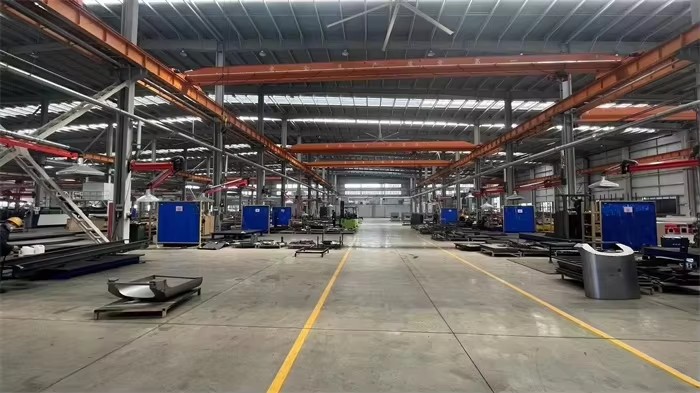 Factory Workshop
Questions Tijuana Buyers Ask First
These answers reflect common buyer intent for warehouse automation sourced from China and delivered into the Tijuana market.
What is the minimum order quantity and can we test one unit in Tijuana?
+
How are machines shipped to Tijuana and which Incoterms are accepted?
+
Can you support Spanish manuals, labels and operator training?
+
Do the AGVs and AS/RS systems integrate with our existing WMS?
+
Which navigation technology is better for Tijuana warehouses?
+
What certifications and import documents do you provide?
+
What are the accepted payment methods and currencies?
+
How do spare parts and after-sales support work for Baja California?
+
Ready to Build a Tijuana-Ready Automation Shortlist?
Send your rack layout, pallet dimensions, aisle width, target throughput, WMS/ERP environment and cross-border delivery constraints. Our engineers will recommend a model mix, fleet size and documentation checklist for your Tijuana procurement team.