8 Pallet Stacker AGV Models for Nagoya Warehouses
These eight models are relevant to Nagoya buyers because they cover narrow-aisle storage, 3D SLAM workshop transport, counterbalanced dock handling, high-density stacking and low-cost manual backup. Product URLs are preserved from the original range; every inquiry button opens the existing live-chat conversion path.
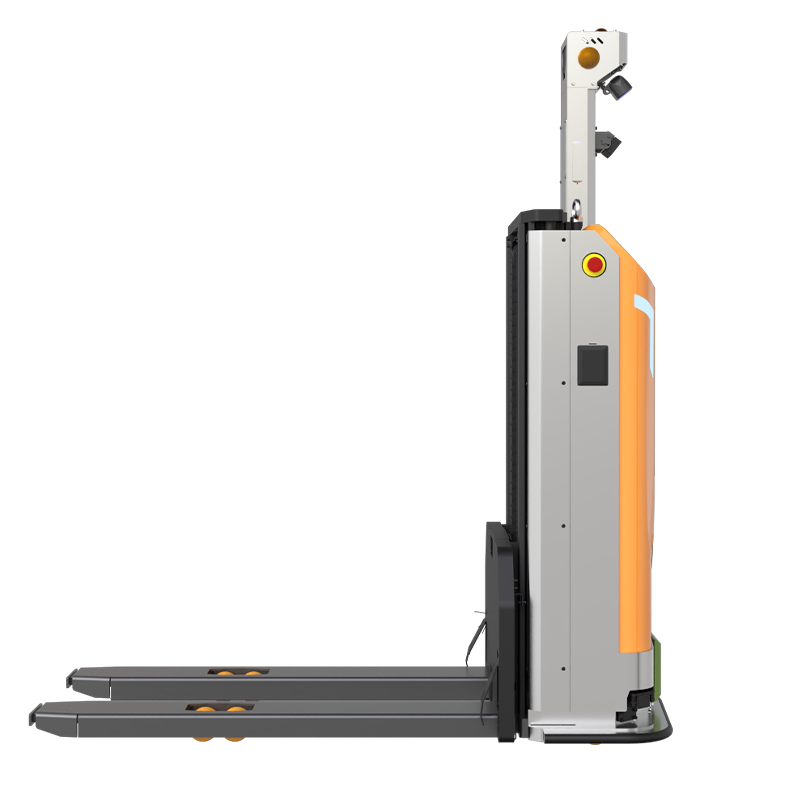
2T 3 M Slim Narrow-Body Stacker AGV High-Density Storage Pallet Stacking AGV for Narrow Aisles Warehouse Automation
Best for compact urban warehouses in Nagoya where aisle width, turning radius and pallet density decide project ROI.
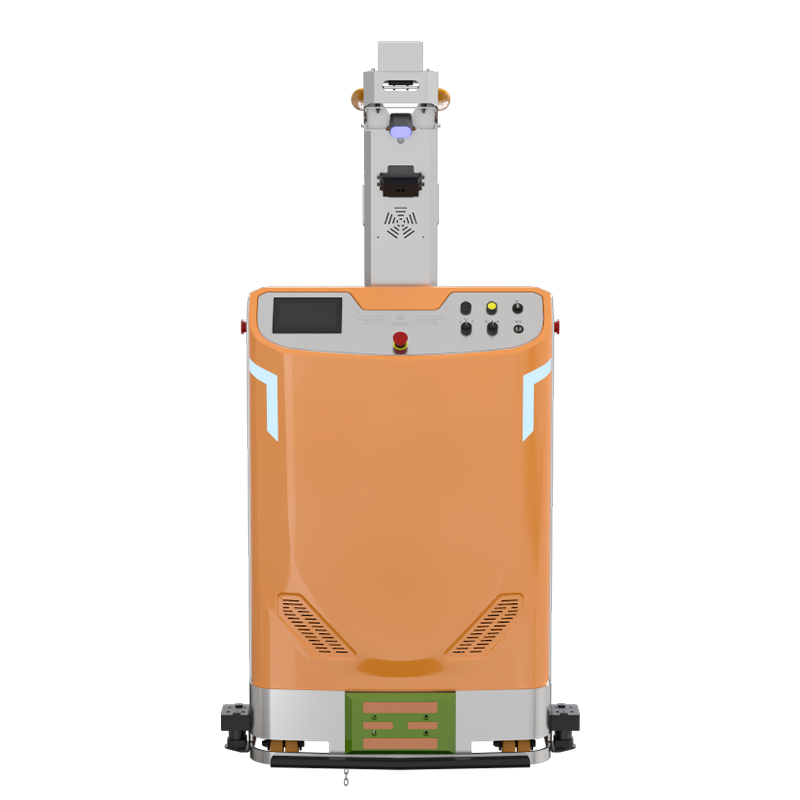
2T Material Handling AGV Body Narrow Body Compact Chassis 3D SLAM Navigation Laser Obstacle Avoidance for Workshop Transport
Suitable for Nagoya Tier-1 and Tier-2 factories that need line-side replenishment without rebuilding the entire floor layout.
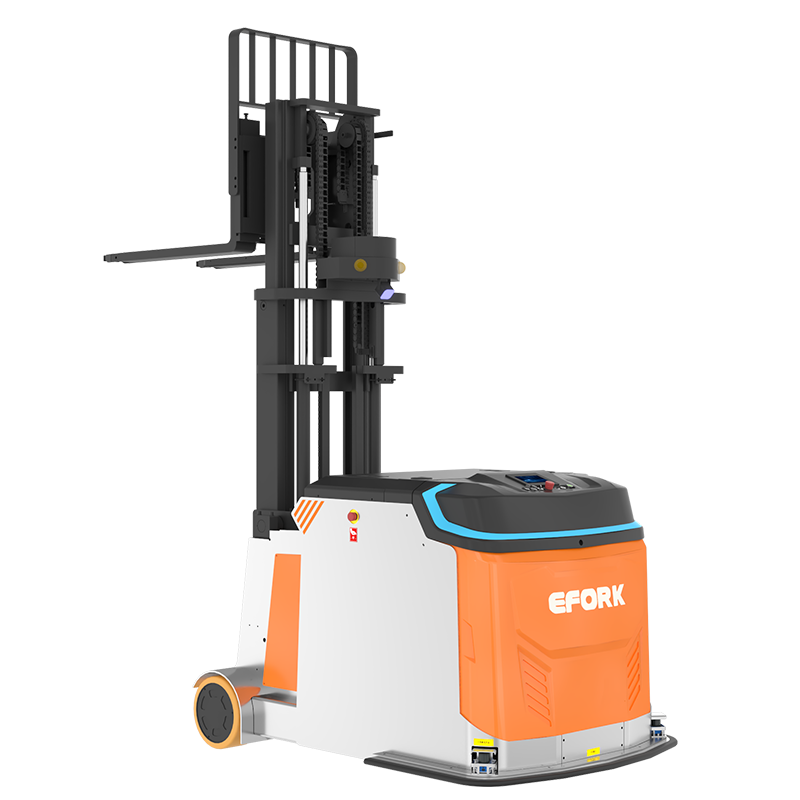
EFORK EDB30-30 Counterbalanced AGV Body 3M 3T High Lift Capacity Forklift Fork Legs High Flexibility 3D SLAM Navigation
A stronger option for heavier pallets, trailer docks and production-line interfaces where front outriggers would interfere.
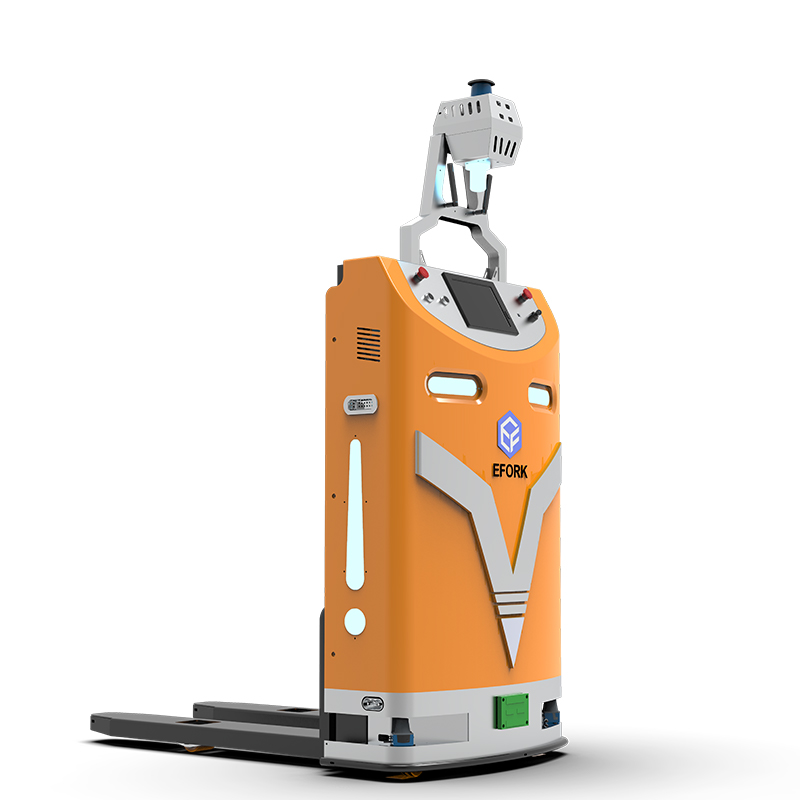
Latest Design Tech Slim Stacking AGV Forklift CE Certified 2T 3M 3D SLAM for Warehouse Automation Handling and Lifting Robot
Recommended for Nagoya warehouses that need a modern, CE-certified stacker with a small footprint and flexible deployment.
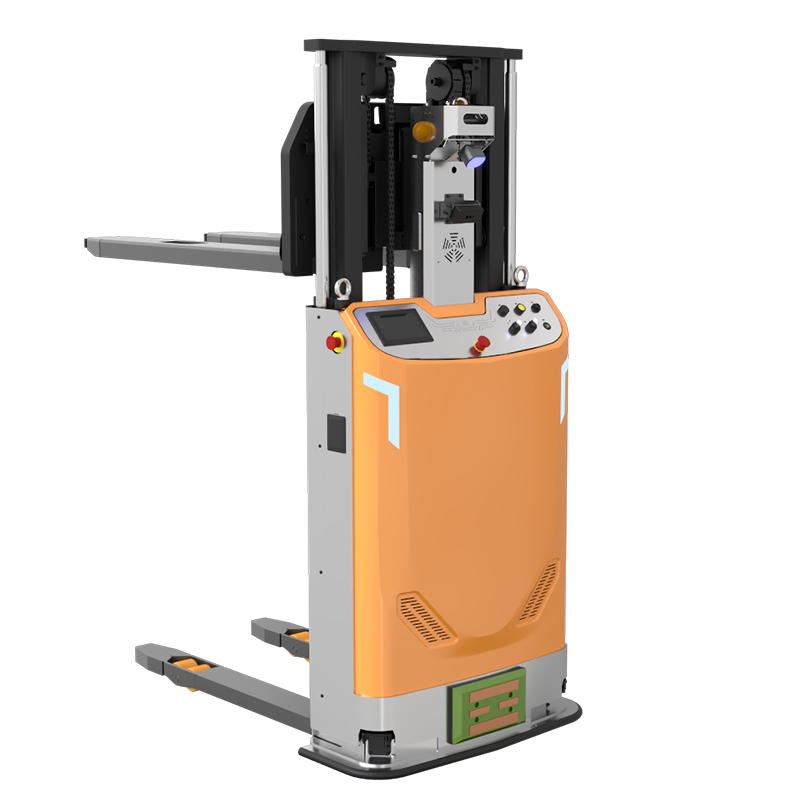
Automatic Stacker AGV Body Slim Narrow-Body 3M 2T High-Density Storage Pallet Stacking 3D SLAM Navigation WIFI/5G
For connected fleets that need high-density pallet storage, wider coverage and stable data exchange with WMS or fleet-management software.
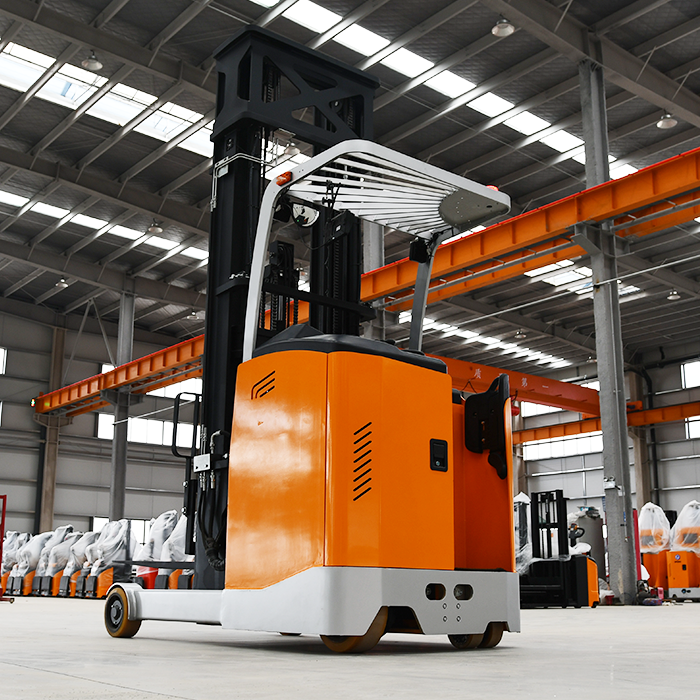
China Wholesale 2000kg 12m 8m 6m Industrial Forklift Pallet Truck High-Speed Steel Hot-Dip Galvanized Good Price
A practical value option for manual or backup zones, pilot operations and mixed environments where AGV deployment is phased.
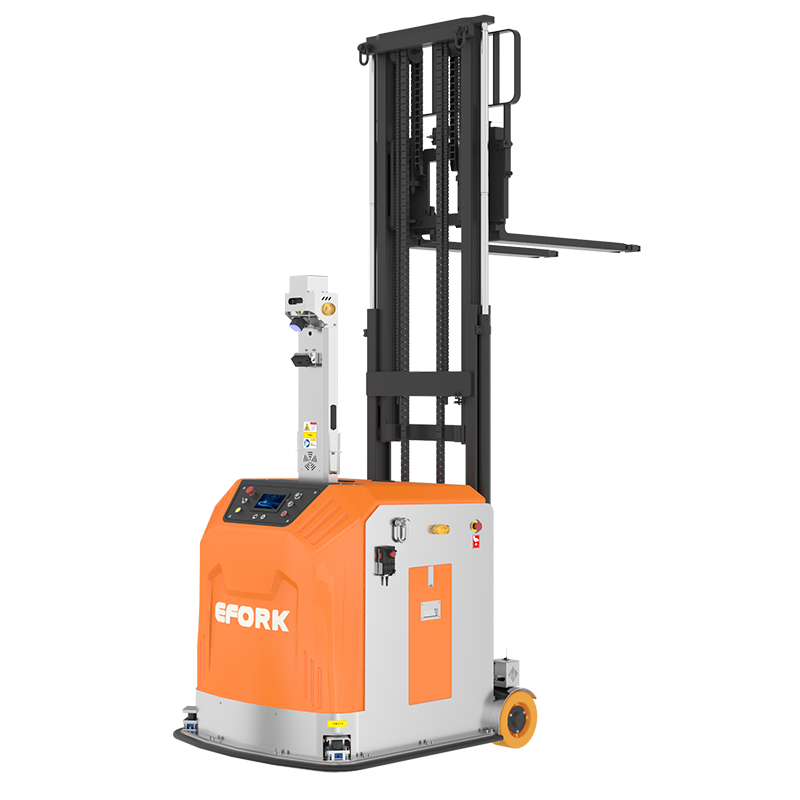
EFORK Heavy Duty Forklift AGV Counterbalanced Body 2T 3M Fork Legs High Flexibility 3D SLAM Navigation WIFI/5G for Pallet
Built for demanding multi-shift pallet flows, robust counterbalanced handling and connected factory logistics.
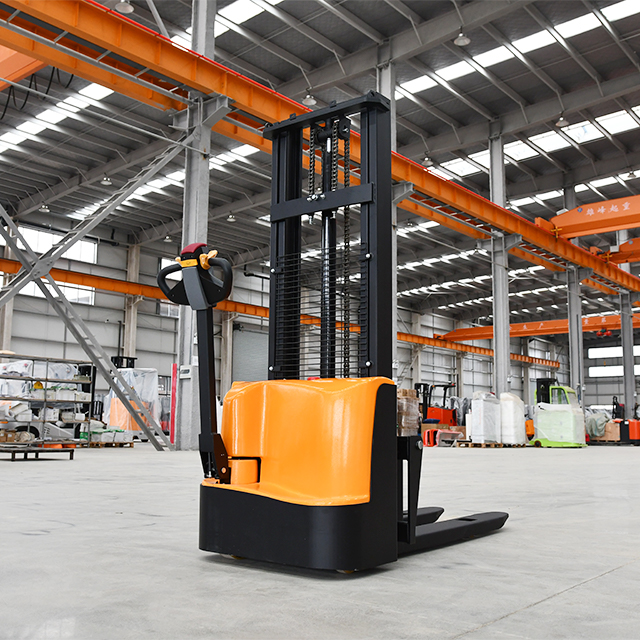
1Ton & 2Ton Full Electric Pallet Stacker Walkie Type High Performance, Low Cost Optional with Training Wheels
Useful for manual zones, overflow handling and operations that are not yet ready for a full autonomous fleet.
What Nagoya Buyers Should Know Before Shortlisting a Pallet Stacker AGV Factory
Nagoya is not a generic warehouse market. It combines automotive and aerospace supply chains, precision-machinery production, ceramics, food distribution and port-linked logistics around Nagoya Port. That mix creates a very specific automation problem: many facilities are brownfield buildings with limited aisle width, mixed pallet quality, multiple shifts and a shortage of experienced forklift operators. A pallet stacker AGV is therefore not simply a machine purchase; it is an operating-system decision.
Three procurement mistakes that slow down Nagoya projects
Mistake 1: comparing only the purchase price. In Nagoya, the real cost is often the cost of rework: changing aisle layouts, relocating racks, adjusting WMS interfaces, or accepting lower throughput than planned. A factory that can simulate traffic, confirm pallet overhang and document safety assumptions will usually deliver a better total cost than a cheaper unit that requires site changes.
Mistake 2: treating 3D SLAM as a universal answer. 3D SLAM is valuable when you want to reduce floor tape and reflector work, especially in existing buildings. Laser navigation remains strong for fixed, highly repetitive routes. The correct choice depends on environment complexity, ceiling height, rack density and the acceptable commissioning window.
Mistake 3: ignoring the after-sales model. A single stacker AGV may be easy to ship, but uptime depends on spare parts, remote diagnostics, local service escalation and operator training. Nagoya buyers should ask how a supplier handles a failed scanner or a WMS communication fault before they approve a pilot.
Why this guide takes an E-E-A-T approach
Experience matters because AGV performance is shaped by pallet type, floor flatness, rack tolerance and traffic peaks. Expertise matters because 3D SLAM, laser obstacle avoidance, lift derating and battery strategy are engineering questions, not catalogue features. Authority and trust matter because Nagoya procurement teams need traceable certifications, documented inspections and a supplier who can support audits.
- Factory scale: 1,152+ employees and 66,650 m² of production space, verified through onsite supplier assessment.
- Compliance: CE, ISO 9001, ISO 45001 and SGS onsite verification support tender, customs and insurance review.
- Configuration flexibility: MOQ 1 set, OEM / ODM, custom lift height, fork dimensions, battery configuration and buyer-label production.
- System thinking: AGV forklifts, pallet stackers, counterbalanced AGVs, VNA AGVs, AS/RS stacker cranes and four-way shuttles can be engineered as one WMS-ready solution.
Product Applications in the Nagoya and Chubu Supply Chain
The same pallet stacker AGV can perform very differently across industries. The recommendations below translate product capabilities into local operational scenarios.
Automotive parts and Tier-1 production
Use compact 2T stacker AGVs for line-side replenishment, empty-container return and sequenced pallet delivery. 3D SLAM reduces dependence on floor markers in high-change production zones, while WIFI/5G support traceability and WMS-triggered calls.
3PL and distribution near Nagoya Port
Port-linked logistics operators need flexible dock-to-storage movement and peak scalability. The 3T counterbalanced AGV and slim narrow-body stacker AGV can cover heavier pallets, container unloading support and high-density storage without committing to a fixed conveyor layout.
Food and cold-chain distribution
Food warehouses in Aichi require traceability, hygienic handling and stable route execution. Pallet stacker AGVs can be configured with suitable battery and component choices for cold-storage projects; the final enclosure, lubrication and condensation strategy should be confirmed during engineering.
Precision machinery, ceramics and SMEs
Nagoya’s SME base often operates in older buildings where installing reflectors or floor tape is disruptive. A 3D SLAM pallet stacker AGV can localize using natural features, reducing site preparation and making phased automation more practical.
High-density urban warehouses
Where land cost and building constraints limit expansion, narrow-body stackers and high-lift AGV forklifts help increase storage density. Buyers should confirm pallet overhang, rack beam clearance and residual capacity at the required lift height before finalizing the fleet size.
E-commerce and retail replenishment
Retail and e-commerce operations can start with a single pallet stacker AGV, then expand to a fleet after cycle-time validation. MOQ 1 set allows a low-risk pilot before scaling to multi-shift operations.
What Is Changing in Nagoya Intralogistics?
Nagoya buyers are moving from isolated automation to connected, incremental deployment. The strongest projects usually begin with one bottleneck lane, prove cycle time and safety performance, then scale to additional routes, racks and shifts. This reduces disruption to production and makes budget approval easier for Japanese management teams.
Another trend is brownfield-friendly automation. Instead of rebuilding the warehouse, many Aichi companies prefer 3D SLAM pallet stacker AGVs because they minimize reflector installation and can adapt to existing rack layouts. At the same time, WMS and ERP integration is becoming a minimum requirement, not an upgrade.
Energy management is also moving into the procurement checklist. Nagoya and the Chubu region operate on a 60 Hz grid, and industrial facilities may use different voltage classes. Buyers should specify voltage, frequency, charging windows and opportunity-charging requirements early, because battery and charger configuration affects fleet size and shift planning.
Finally, safety documentation is no longer a back-office detail. Warehouses need risk assessments, operator training records, clear traffic rules and emergency-stop procedures. A manufacturer that can provide structured documentation and remote commissioning support will reduce the operational risk of a first AGV project.
Top 10 Capabilities to Verify in a Nagoya Pallet Stacker AGV Factory Shortlist
When comparing the top 10 pallet stacker AGV manufacturers and factories for the Nagoya market, the strongest supplier is not always the one with the lowest quotation. Use these ten checks to qualify a factory before a technical review.
Verified factory scale
Check employee count, production floor space, inspection workflow and third-party verification. Factory scale matters because fleet orders and spare parts need stable capacity.
3D SLAM and laser capability
Ask how localization works in your actual building, how mapping is validated and how the AGV handles dynamic obstacles in narrow aisles.
Load and lift engineering
Confirm residual capacity at full lift height, mast sway control, fork dimensions, pallet overhang and stability during emergency stops.
Safety architecture
Review scanners, bumpers, speed zones, emergency-stop logic, CE documentation under Machinery Directive 2006/42/EC and risk-assessment support.
WMS / ERP integration
A pallet stacker AGV should exchange task, location and status data with your warehouse system. Ask for interface testing, not just a promise of compatibility.
Battery and charging strategy
Define voltage, frequency, charger placement, opportunity charging, battery life and spare-battery requirements before comparing fleet size.
Narrow-aisle compatibility
Measure aisle width, turning clearance, rack protection and floor flatness. A slim body is useful only when the complete route has been validated.
After-sales in Japan
Ask about remote diagnostics, response escalation, spare-parts lead time, engineer dispatch and operator training for Japanese teams.
Customization and OEM / ODM
Check whether lift height, fork length, load capacity, cold-storage configuration and buyer-label production are supported without losing documentation quality.
Pilot-to-fleet roadmap
MOQ 1 set is valuable only if the supplier can scale from a pilot to a fleet with consistent software, spare parts and service standards.
Why Nexrik Is a Factory-Direct Pallet Stacker AGV Partner for Nagoya
Anhui Nexrik Intelligent Technology Co., Ltd. is a manufacturer of AGV forklifts, pallet stacker AGVs, VNA AGVs, AS/RS stacker cranes, four-way shuttles and intelligent warehousing equipment. The company is located in the Huagang Town Industrial Park, Feixi County, Hefei, Anhui, China, and serves buyers in Southeast Asia, South America, Eastern Europe, South Asia and North America.
For Nagoya buyers, the advantage is not only product range. It is the ability to combine AGV stackers, counterbalanced AGVs and high-bay systems under one engineering process. That reduces interface risk between machines, software and rack planning. Every project starts from pallet type, rack drawing, aisle width, throughput target and shift pattern, then moves to layout simulation, factory acceptance testing, shipping and commissioning support.
The company holds CE marking, ISO 9001 quality management system certification, ISO 45001 occupational health and safety certification, 7 awarded patents and SGS onsite verification. MOQ is 1 set, and OEM / ODM, buyer-label production and full customization are available for load capacity, lift height, fork configuration and cold-storage variants.
- CE and ISO documentation support
- SGS onsite-verified manufacturer
- 3D SLAM and laser navigation options
- WMS-ready turnkey system engineering
- MOQ 1 set for low-risk pilot projects
- OEM / ODM, custom fork and lift height



Total Staff
Onsite-verified scaleFactory Floorspace
Two production basesAnnual Revenue
Capacity for fleet ordersAwarded Patents
Plus registered trademarkPallet Stacker AGV Selection Matrix for Common Nagoya Applications
Use this table to align the product model with the operating environment before requesting a detailed layout review.
| Nagoya Application | Recommended Model | Why It Fits | Local Consideration |
|---|---|---|---|
| Narrow-aisle urban warehouse | 2T 3M Slim Narrow-Body Stacker AGV | Slim chassis and high-density storage logic help maximize pallet positions where building width is fixed. | Confirm aisle width, floor flatness, rack protection and turning clearance before finalizing the fleet. |
| Mixed workshop transport | 2T Material Handling AGV Body | Compact chassis, 3D SLAM and laser obstacle avoidance suit changing production zones. | Define traffic rules at crossings and shared pedestrian zones; include operator training. |
| Heavy pallets and dock handling | EFORK EDB30-30 3T Counterbalanced AGV | Counterbalanced design avoids front outrigger interference and supports heavier loads. | Validate floor loading, dock levelers, ramp gradients and trailer interface dimensions. |
| Connected high-density storage | Automatic Stacker AGV Body WIFI/5G | Combines narrow-body pallet stacking with 3D SLAM and stable WIFI/5G connectivity. | Check wireless coverage, handover between access points and WMS task-release logic. |
| Low-risk pilot and manual backup | 1T & 2T Full Electric Walkie Pallet Stacker | Lower-cost electric stacker can support manual zones while AGV routes are validated. | Plan battery charging, operator certification and transition from manual to autonomous flow. |
From Nagoya Site Audit to Pallet Stacker AGV Go-Live
A structured five-stage process reduces installation risk and makes internal approval easier for Japanese operations, procurement and safety teams.
Site Audit
Review rack drawings, pallet specifications, aisle width, floor condition, voltage, frequency and shift pattern.
Simulation
Select equipment, size the fleet and model traffic against peak demand before committing to hardware.
Factory Testing
Perform FAT, document safety functions, confirm WMS interface assumptions and prepare export packing.
Nagoya Delivery
Support Incoterms, shipping documents and delivery coordination to Nagoya Port or the project site.
Commissioning
Mapping, route validation, operator training, remote diagnostics setup and fleet expansion planning.
Common Questions from Nagoya Pallet Stacker AGV Buyers
These are the questions procurement teams usually ask before a factory audit, pilot approval or tender submission.
What is the minimum order quantity for a pallet stacker AGV pilot in Nagoya?
Can the equipment be configured for Japan’s 200 V / 60 Hz environment?
Should we choose 3D SLAM or laser navigation for a Nagoya warehouse?
How do you support Japanese WMS and ERP integration?
What after-sales support is available for Nagoya projects?
What trade terms and payment methods are accepted?
Can fork height, fork length, load capacity and cold-storage configuration be customized?
How should a Nagoya buyer prepare for a layout review?
Request a Nagoya-Specific Pallet Stacker AGV Layout Review
Send your rack drawing, pallet specification, aisle width, required lift height, throughput target, voltage and frequency. Our engineers will return a model shortlist, fleet-size assumptions and a practical pilot-to-fleet path for Nagoya and the Chubu region.
info@nexrikbot.com · Factory-direct · MOQ 1 Set · CE / ISO / SGS