Kobe Market White Paper · 2025

Top 10 AGV Robot Manufacturer & Exporter in the Kobe Market

A due-diligence guide for Kobe warehouse, port-logistics and manufacturing teams comparing AGV forklifts, VNA robots, 3D SLAM navigation, WMS integration and export-ready after-sales support.

  • CE / 2006/42/EC
  • ISO 9001 & ISO 45001
  • SGS Onsite-Verified
  • MOQ 1 Set
  • 3D SLAM & Laser Navigation
  • OEM / ODM
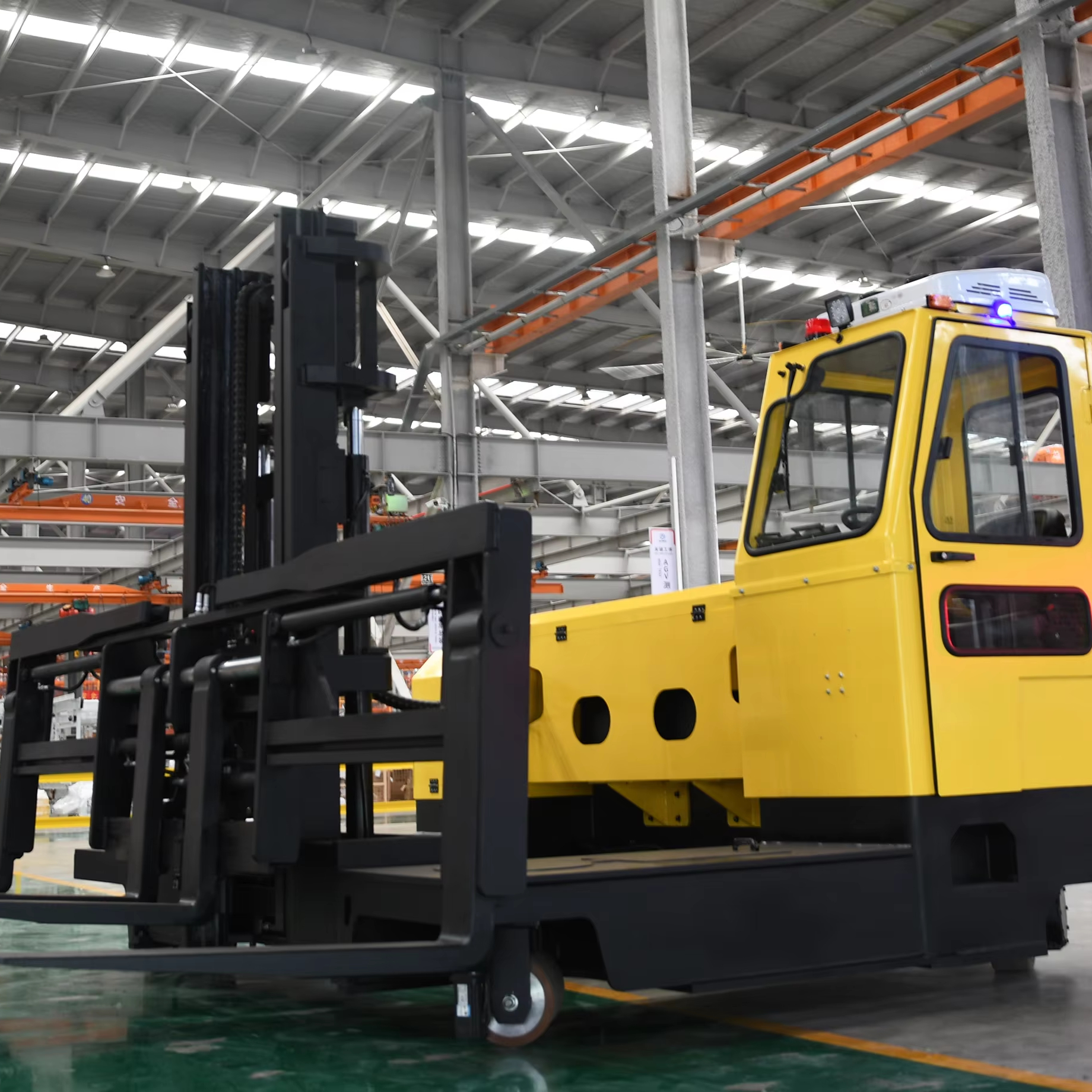
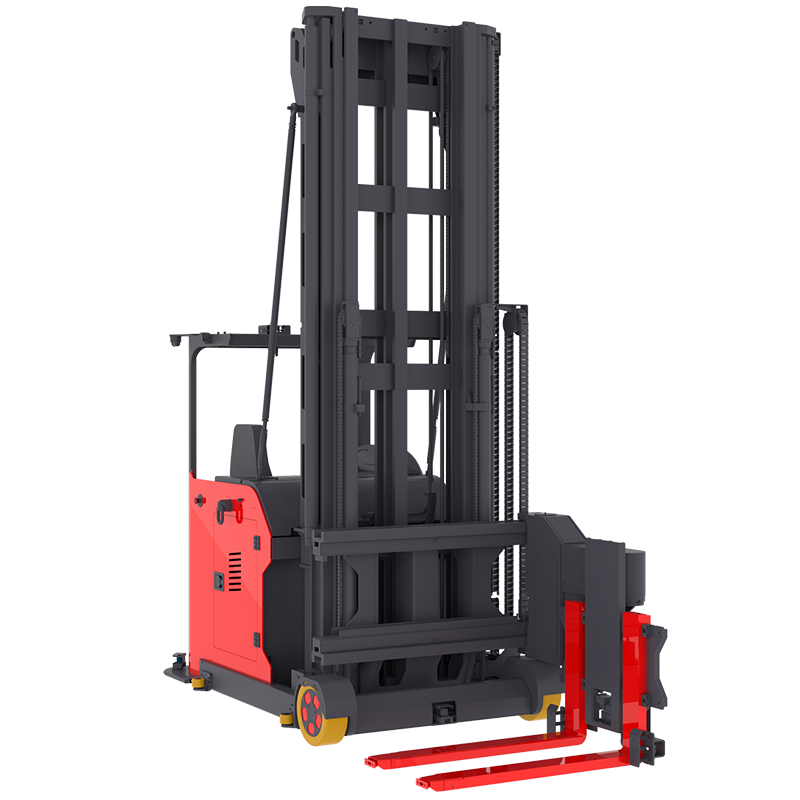
Banner Product Shortlist

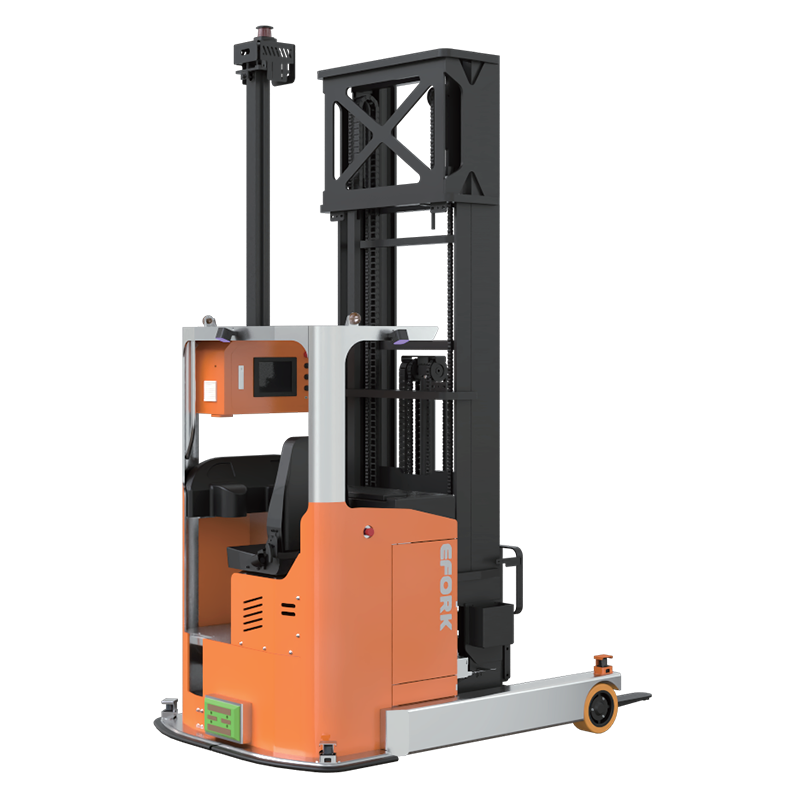
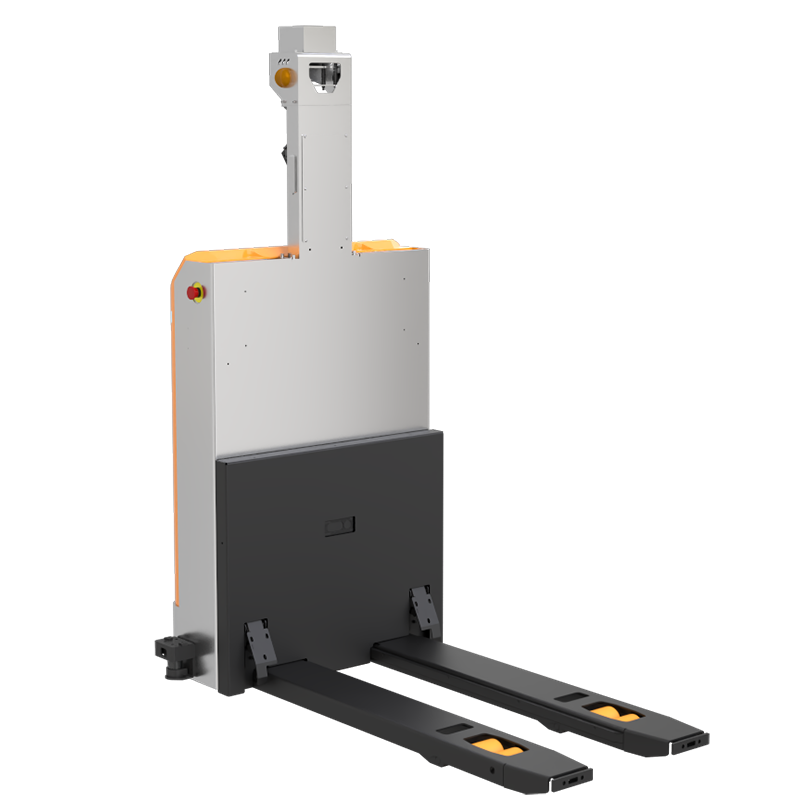
8 AGV Robot Configurations Shortlisted for Kobe Operations

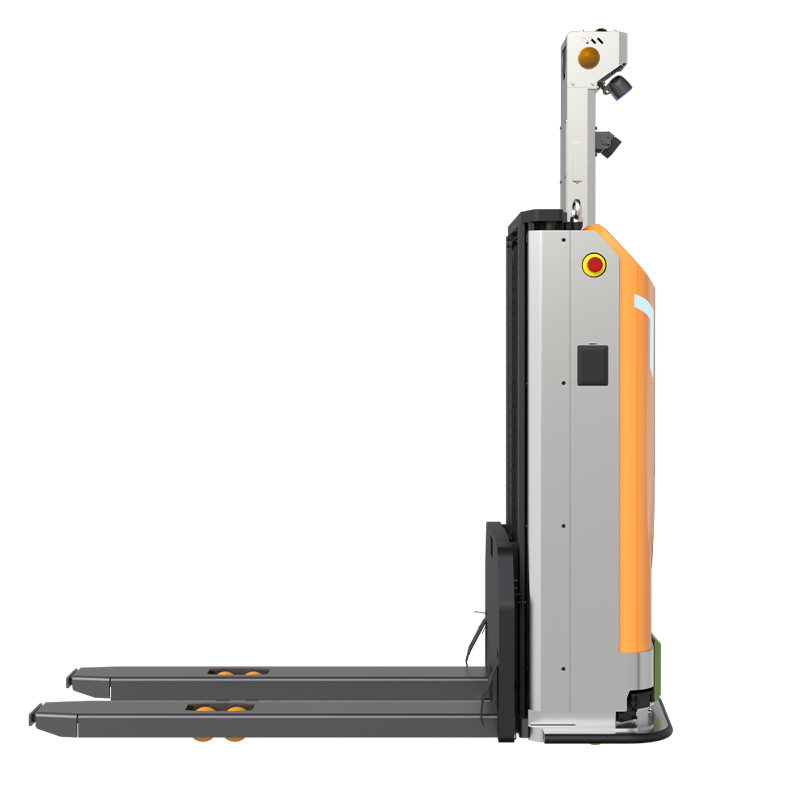
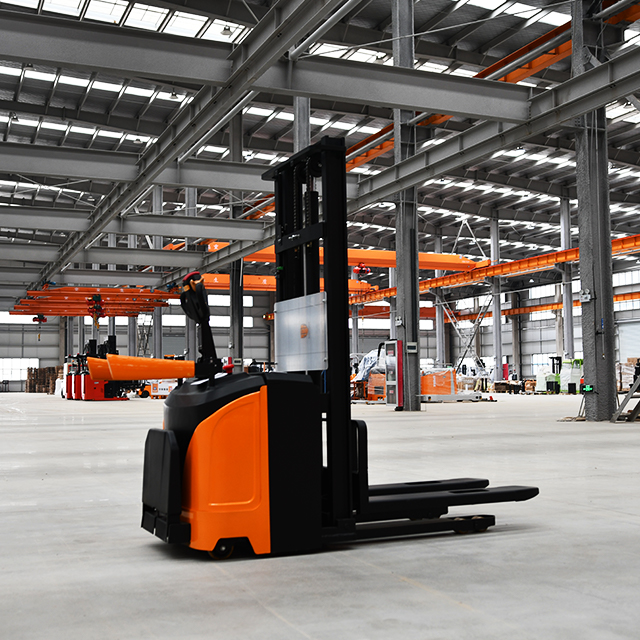
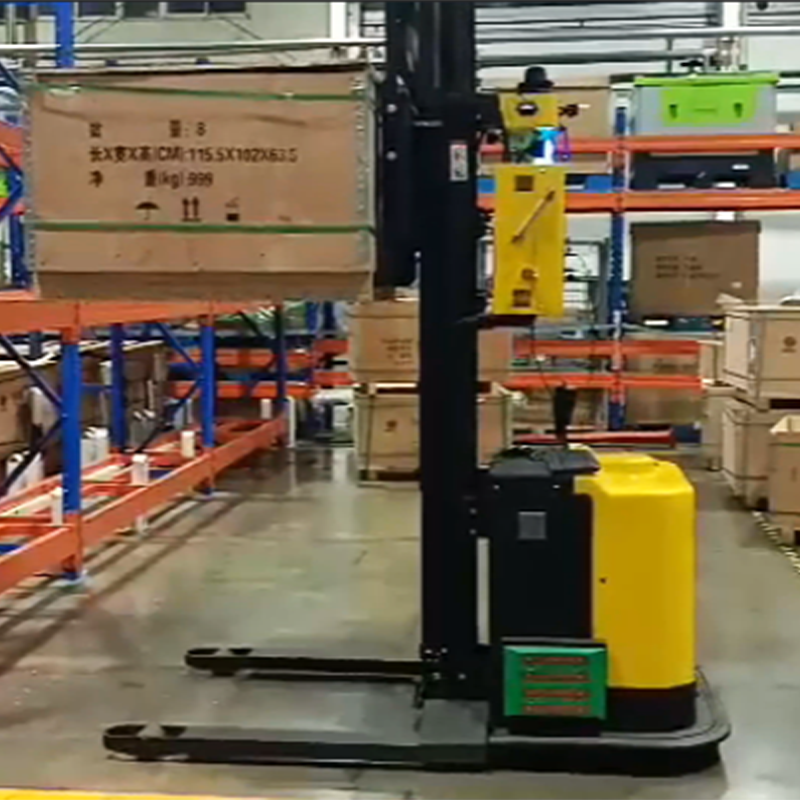
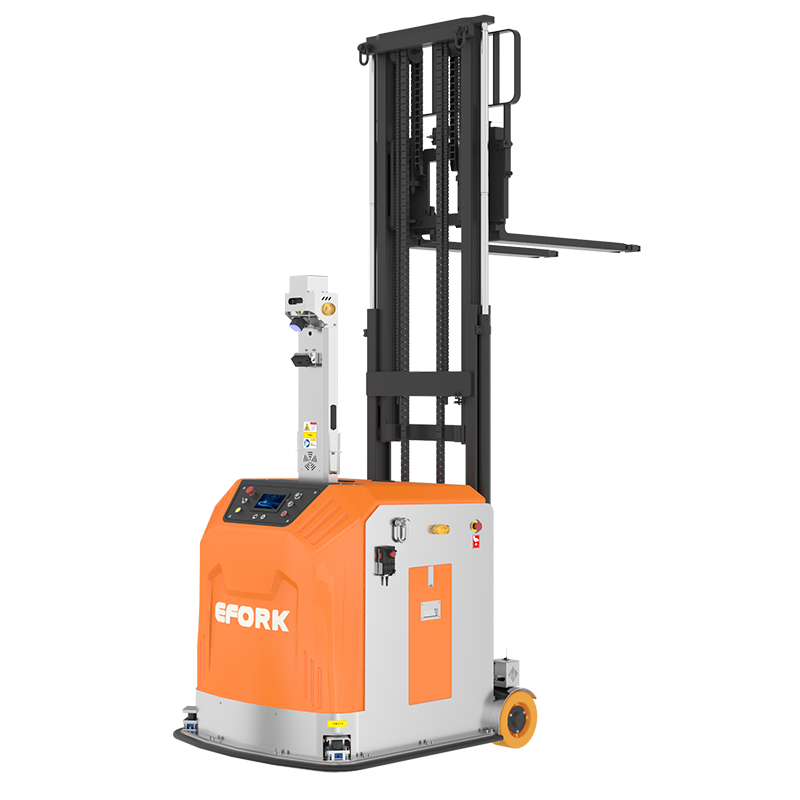
The eight models below are mapped to Kobe’s high-density warehouses, port drayage, food and beverage lines, cold-chain storage and mixed manufacturing sites. Product URLs and image paths are preserved from the original catalogue so buyers can request model-level drawings, load charts and safety documentation without losing traceability.

Kobe Buyer’s White Paper

Why Kobe Buyers Need a Different AGV Robot Due-Diligence Model

Kobe is not a generic automation market. The Port of Kobe and the wider Hanshin industrial corridor combine port drayage, compact urban distribution centers, food and beverage production, pharmaceutical handling, precision manufacturing and high-density storage. Many sites operate with limited floor space, mixed pallet quality, multiple shifts and a workforce that is increasingly difficult to recruit for repetitive forklift work. For procurement teams, the question is no longer whether AGV robots work; it is whether a manufacturer or exporter can prove that its robot will keep working inside a Kobe operating environment.

That is why a credible “top 10” shortlist should not be based on catalogue claims alone. Kobe buyers should compare evidence: navigation tolerance, safety validation, floor and rack interface, WMS/ERP integration, spare-parts logistics, export documentation and the ability to customize load handling for Japanese pallet practices. Information gain matters more than a generic list: the strongest AGV robot supplier is the one that reduces site-specific risk before the purchase order is signed. This white paper applies ten due-diligence criteria and then maps them to the Nexrik product range and company evidence supplied in the original manufacturer profile.

Kobe Due-Diligence Framework

Top 10 AGV Robot Manufacturer & Exporter Evaluation Criteria for Kobe

Use these ten criteria to structure RFQs, factory audits and technical clarification meetings. They are intentionally practical: each one can be converted into a document request, a site test or a contractual milestone.

01

Navigation Fit

Ask whether 3D SLAM, laser reflectors or hybrid navigation suits your aisles, racking and Wi-Fi conditions. 3D SLAM reduces floor markers; laser navigation can suit fixed, highly repetitive routes.

02

Safety Evidence

Request CE documentation, risk assessment, emergency-stop logic, scanner coverage, speed limits and validation records. Kobe site safety expectations should be reviewed with local engineers before deployment.

03

Kobe Load Handling

Confirm pallet dimensions, bottom-board condition, load center, fork length, lift height and floor flatness. Mixed pallets and older racks often require custom fork or mast configuration.

04

WMS / ERP Integration

Clarify task allocation, traffic control, inventory handshakes, error recovery and reporting. A robot fleet that cannot communicate cleanly with the warehouse system becomes an isolated cost center.

05

Fleet Simulation

Ask for throughput simulation based on your peak hours, charging windows, elevator use, door crossings and pedestrian zones. Fleet size should be engineered, not guessed from a catalogue table.

06

Kansai Service Plan

Define remote diagnostics, spare-parts kits, engineer response, training and escalation paths. For Kobe, a clear service model matters as much as the robot’s headline speed.

07

Export Readiness

Review Incoterms, packing, port documentation, voltage configuration, warranty terms and spare-parts labelling. Export experience reduces friction between factory acceptance and Kobe site acceptance.

08

Factory Verification

Check whether capacity, staff, revenue and certificates can be independently verified. SGS onsite verification, ISO systems and current CE documents are stronger than unsupported claims.

09

Customization Discipline

OEM/ODM capability should include documented change control for load, lift height, fork size, battery and cold-storage variants. Customization without engineering discipline creates downtime.

10

Total Cost of Ownership

Compare energy use, tire and scanner maintenance, battery strategy, spare-parts lead time, training and expansion cost. The lowest purchase price can be the most expensive fleet over five years.

Localized Application Scenarios

Where AGV Robots Deliver the Fastest Payback in Kobe

Kobe buyers usually achieve the fastest return by targeting repeatable, high-frequency movement before attempting a fully lights-out warehouse. The scenarios below show where the eight shortlisted models are most likely to fit.

Port Drayage & 3PL

For Kobe port-linked warehouses, use reach truck AGVs, 2T pallet AGV forklifts and counterbalanced models for dock-to-rack transfer, trailer loading and staged outbound flows. The priority is stable handshakes between WMS tasks, door controls and charging windows during 24/7 peaks.

High-Density Urban Storage

Land cost and building constraints push Kobe operators toward narrower aisles and higher racking. Slim stacker AGVs, VNA 3-way forklifts and 3D SLAM pallet robots can improve storage density while reducing dependence on manually driven reach trucks in tight zones.

Food, Beverage & Cold Chain

Food and beverage sites in the Hanshin area need hygienic handling, reliable battery performance and clear cleaning routines. Stacker AGVs and VNA robots can support pallet movement into cold rooms, while Nexrik’s wider AS/RS and four-way shuttle range can be considered for deep frozen-storage projects.

High-Mix Manufacturing

Pharmaceutical, electronics and precision-machinery plants often run high-mix, low-volume production. Omni-directional AGVs, slim stackers and configurable pallet AGVs can move totes, cages and pallets between line-side buffers while keeping traceability through the customer’s WMS or MES.

Kobe Market Trends

Three Local Development Trends That Should Shape Your AGV Specification

The Kobe market is moving toward more flexible automation, higher storage density and tighter digital integration. Specifications written for a standalone robot often miss these operational realities.

Labor Resilience

Kobe operators are designing workflows that remain stable when shifts are difficult to staff. AGV robots should be specified by realistic cycle time, charging strategy and exception handling, not by a theoretical maximum speed that cannot be sustained during peak waves.

Density Before Expansion

With limited land and high construction costs, many Kobe projects prioritize narrow-aisle racking, VNA robots, higher lift and better cube utilization before adding new floor space. Confirm rack tolerances, aisle width and floor flatness early, because these factors decide whether a VNA or slim stacker can operate safely.

Digital & Safety Integration

3D SLAM, WIFI/5G communication and WMS-ready control are becoming baseline expectations. Kobe buyers should require documented interface testing, cyber-security responsibilities, operator training and safety validation at the intersection of robots, pedestrians, forklifts and automatic doors.

Supplier Evidence

Inside the Supplier: What Nexrik Adds to a Kobe AGV Robot Project

For Kobe procurement teams, a supplier profile is useful only when it can be converted into audit evidence. The original Nexrik company profile provides several concrete data points that belong in the RFQ clarification file.

Anhui Nexrik Intelligent Technology Co., Ltd. is a Hefei-based high-tech manufacturer specializing in the R&D, production and integration of intelligent warehousing equipment, including AGV forklifts, VNA AGVs, AS/RS stacker cranes, four-way shuttles and RGVs. The company reports a 66,650 m² manufacturing footprint, 1,152 employees, annual revenue above USD 100 million and 7 awarded patents. Those figures are supported by SGS onsite verification, ISO 9001 and ISO 45001 management systems, and CE marking under the Machinery Directive 2006/42/EC for its AGV range.

Nexrik’s product logic is relevant to Kobe because it combines laser navigation and 3D SLAM navigation in one commercial platform. That allows buyers to choose reflector-based laser navigation for fixed, repetitive routes or 3D SLAM for natural-feature localization that may reduce floor tape and reflector work. The product portfolio also spans reach truck AGVs, slim stackers, counterbalanced AGVs, VNA 3-way forklifts, multi-directional side loaders, AS/RS stacker cranes and four-way shuttles, which supports a phased automation roadmap rather than a single-machine purchase.

From an export perspective, Nexrik accepts MOQ 1 set for key models, provides OEM, ODM and buyer-label production, and supports customization of load capacity, lift height, fork configuration, battery setup and cold-storage variants. Accepted trade terms include FOB, CFR, CIF, EXW, FAS, CIP and DDP; payment methods include L/C, D/P, D/A, MoneyGram, credit card and Western Union in USD, EUR or CNY. Export markets listed in the original profile include Southeast Asia, South America, Eastern Europe, South Asia and North America. Kobe buyers should still confirm the current certificate pack for the exact model, destination-port documentation and local Japanese site requirements with their safety and customs advisors.

1,152+ Employees Onsite-verified workforce scale for fleet orders and customization
66,650 m² Factory Floorspace Manufacturing and integration capacity across production bases
$100M+ Annual Revenue Commercial stability for multi-unit and turnkey projects
7 Awarded Patents Plus registered trademark and ongoing engineering development

Manufacturing Scale

Chassis, masts and control integration are supported by a large production footprint, onsite inspection and export packing discipline.

Laser & 3D SLAM

Buyers can compare reflector-based laser navigation with natural-feature 3D SLAM based on aisle geometry and site preparation budget.

One-Stop Turnkey

AGVs, AS/RS stacker cranes and four-way shuttles can be engineered as one WMS-ready system rather than stitched together from unrelated vendors.

Export & OEM

MOQ 1 set, OEM/ODM, buyer-label production and flexible Incoterms support pilot projects, tenders and phased fleet rollouts.
Local Procurement FAQ

Questions Kobe Buyers Ask Before Ordering AGV Robots

These answers focus on the procurement, engineering and after-sales questions that usually appear after the first catalogue review.

How should a Kobe buyer shortlist an AGV robot manufacturer or exporter?

Start with site evidence, not a supplier ranking. Provide rack drawings, pallet samples, floor flatness data, aisle widths, throughput peaks, charging locations and WMS interface requirements. Then request a model recommendation, fleet simulation, safety concept, spare-parts list and export document checklist. A supplier that asks detailed site questions is usually stronger than one that quotes a price immediately.

Which models fit Kobe’s narrow warehouses and port operations?

For narrow aisles and high-density storage, evaluate the 2T slim narrow-body stacker AGV and the EFORK 1.6T 8M VNA AGV. For dock-to-rack pallet movement, the 4.5M reach truck AGV and 2T 3000MM pallet AGV forklift are practical starting points. For high-mix production and tight turning areas, the omni-directional AGV body and multi-directional side loader should be reviewed with a traffic simulation.

How does Nexrik support export to the Kobe market?

The original company profile lists export support through flexible trade terms, including FOB, CFR, CIF, EXW, FAS, CIP and DDP, with payment options such as L/C, D/P, D/A, credit card and Western Union in USD, EUR or CNY. Kobe buyers should confirm the final destination port, Incoterm, packing standard, voltage configuration and spare-parts shipment plan in the contract. Factory acceptance testing and remote inspection can be arranged before shipment.

What is the MOQ, lead time and customization scope?

The MOQ for key AGV, stacker crane and shuttle models is 1 set, which allows a pilot before scaling. Lead time depends on the model, customization level, battery choice and inspection schedule, so it should be confirmed in the quotation. Customization can cover load capacity, lift height, fork dimensions, navigation configuration, battery setup, cold-storage variants and buyer-label production through OEM/ODM cooperation.

Can the AGVs connect to an existing WMS or ERP?

Yes, integration should be defined during solution design. The project should specify task creation, location mapping, traffic control, inventory handshakes, exception handling, operator screens and reporting. WIFI/5G communication options are available on several models. Before shipment, require interface testing and a commissioning plan that covers the customer’s WMS, ERP or MES environment.

What after-sales and spare-parts plan should be agreed before purchase?

For Kobe, request a written service model covering remote diagnostics, spare-parts kit contents, wear-part replacement intervals, engineer response paths, operator training and warranty terms. Because response time can depend on local partner arrangements, the final SLA should be confirmed in the contract. A recommended spare-parts kit at go-live often reduces the risk of long downtime during the first year.

Build a Kobe-Specific AGV Robot Business Case

Send your rack layout, pallet drawing, floor condition, peak throughput and shift pattern. Our engineers can use those inputs to recommend the right AGV, stacker or VNA configuration and prepare a model-level catalogue for your Kobe project review.