8 AGV & Automated Forklift Products for Philadelphia Automation Projects
The equipment below can be specified with laser or 3D SLAM navigation, WMS/WCS interfaces, cold-storage options and commissioning support. Product URLs are preserved from the original supplier pages.
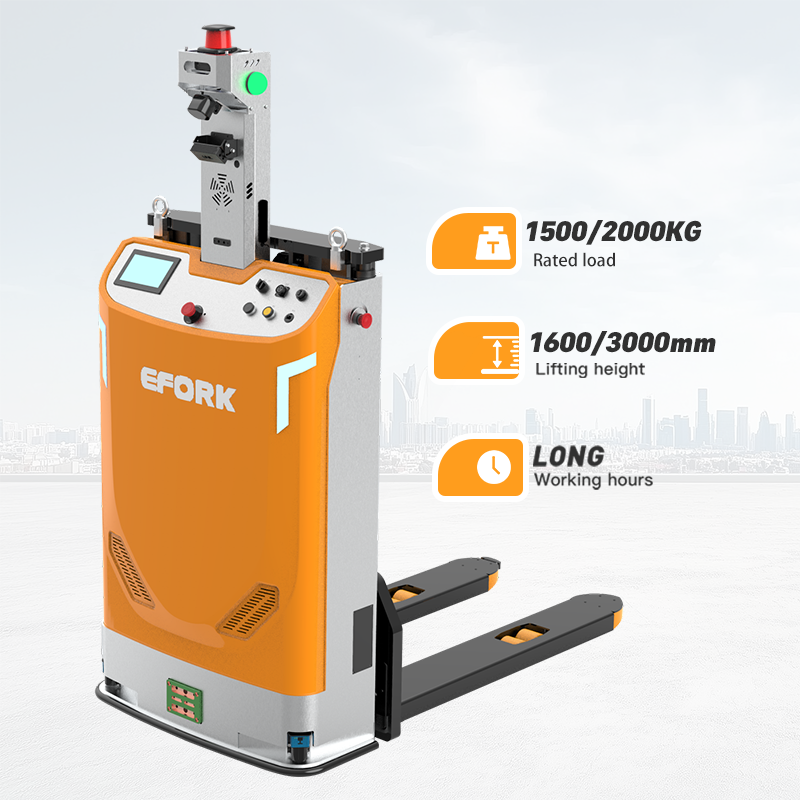
CE Certified EFORK EDA20-16 2T 1600mm Laser Navigation Self-Driving Forklift AGV WIFI/5G for Warehouse Automation Logistics
For 3PLs and food distributors that need repeatable pallet moves between receiving, staging and reserve racking without fixed floor tape.
- 2T
- 1600mm
- WIFI/5G
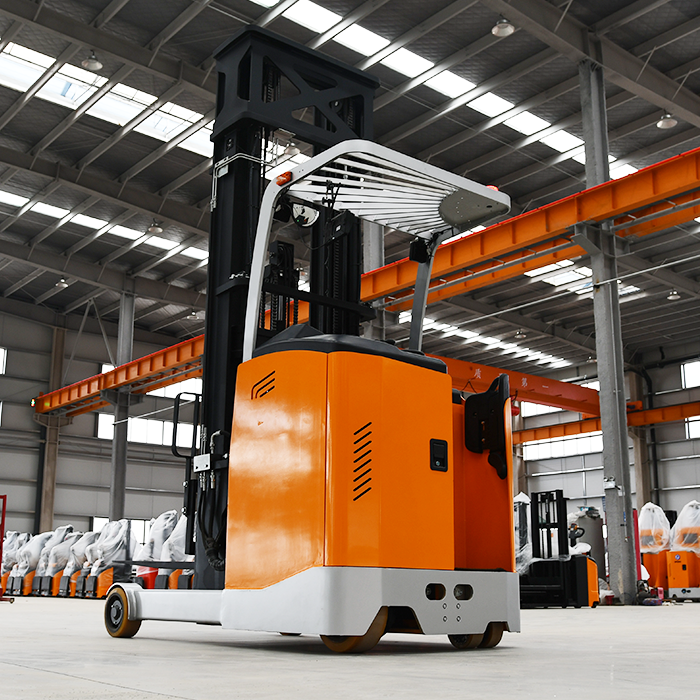
China Wholesale 2000kg 12m 8m 6m Industrial Forklift Pallet Truck High-Speed Steel Hot-Dip Galvanized Good Price
Hot-dip galvanized, high-speed steel construction for wash-down areas, cold-chain antechambers and high-use pallet handling.
- 2000kg
- 12m / 8m / 6m
- Galvanized
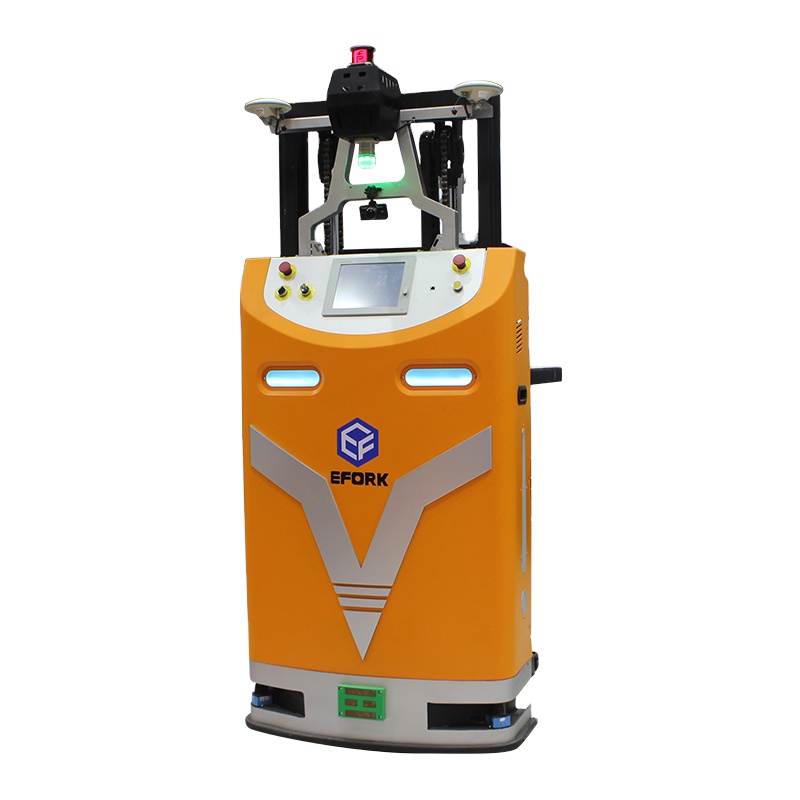
CE Certified EFORK EDA20-16 2T 1200mm Fork Width 180mm 3D SLAM Laser Navigation AGV WIFI/5G 10mm Accuracy 1600mm Lifting Height
A 3D SLAM alternative that uses natural building features, reducing reflector installation in older Philadelphia warehouses and multi-tenant sites.
- 2T
- 1200mm
- 3D SLAM
- ±10mm
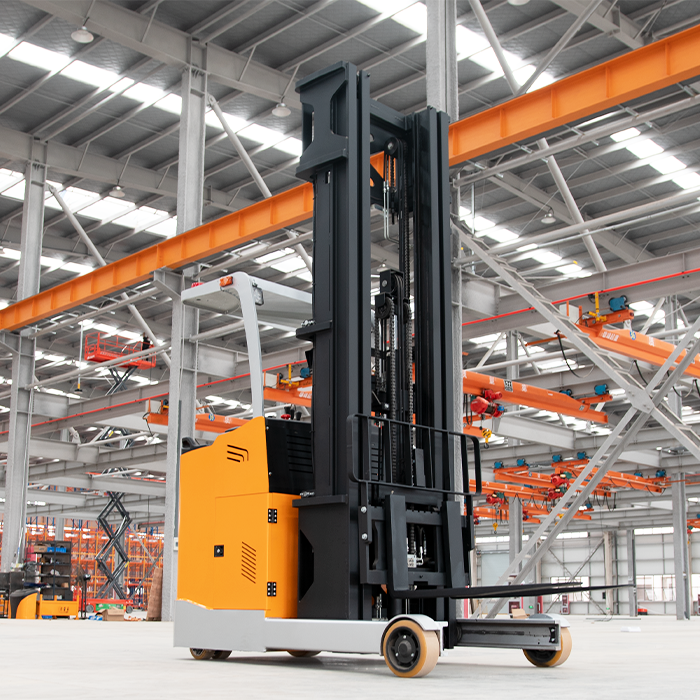
China Wholesale 2000kg 12m 8m 6m Industrial Forklift Pallet Truck Good Price
A standard 2,000 kg industrial pallet truck for buyers that want wholesale availability and a familiar maintenance profile.
- 2000kg
- 12m / 8m / 6m
- Wholesale
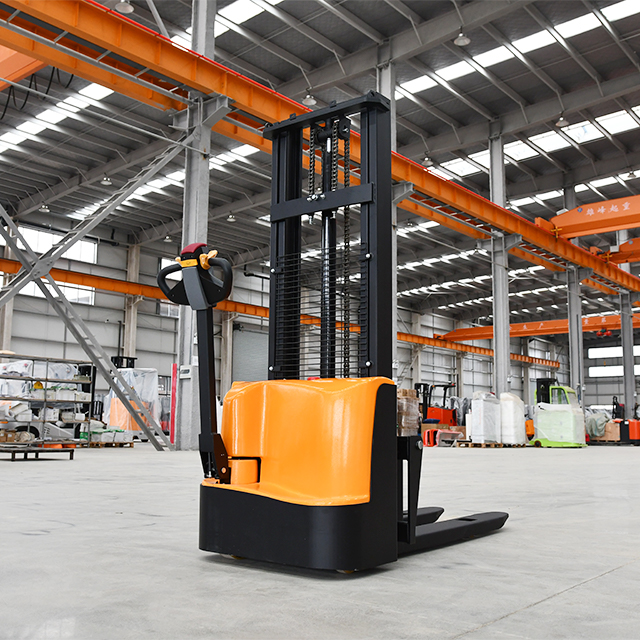
1Ton & 2Ton Full Electric Pallet Stacker Walkie Type High Performance, Low Cost Optional with Training Wheels
Low-cost entry point for line-side delivery, dock staging and small-bay storage; training wheels help new operators transition safely.
- 1–2T
- Walkie type
- Training wheels optional
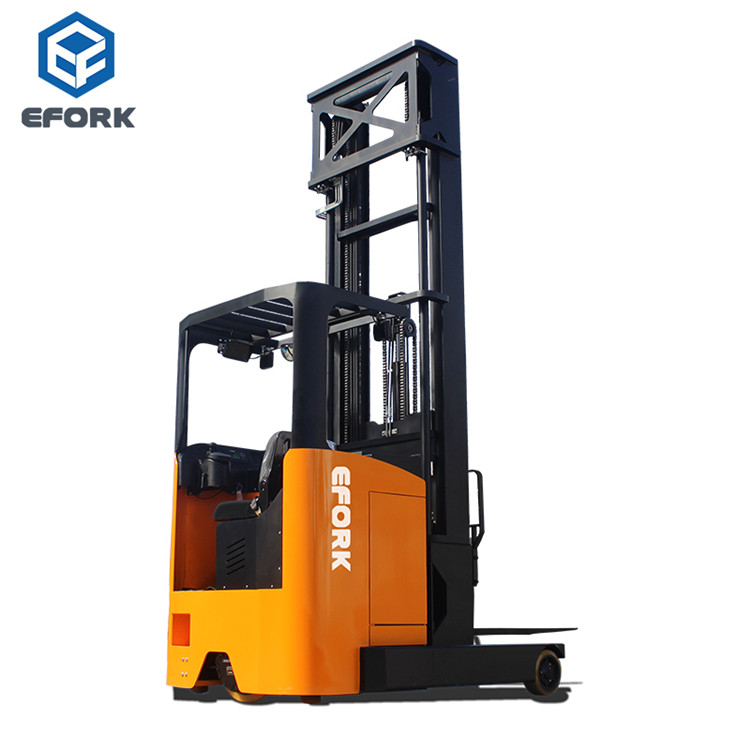
CQDE China Wholesale 2000kg 12m 8m 6m Industrial Forklift Pallet Truck Good Price
CQDE wholesale configuration for distribution centers comparing standard pallet trucks with future automation-ready material flow.
- 2000kg
- 12m / 8m / 6m
- CQDE
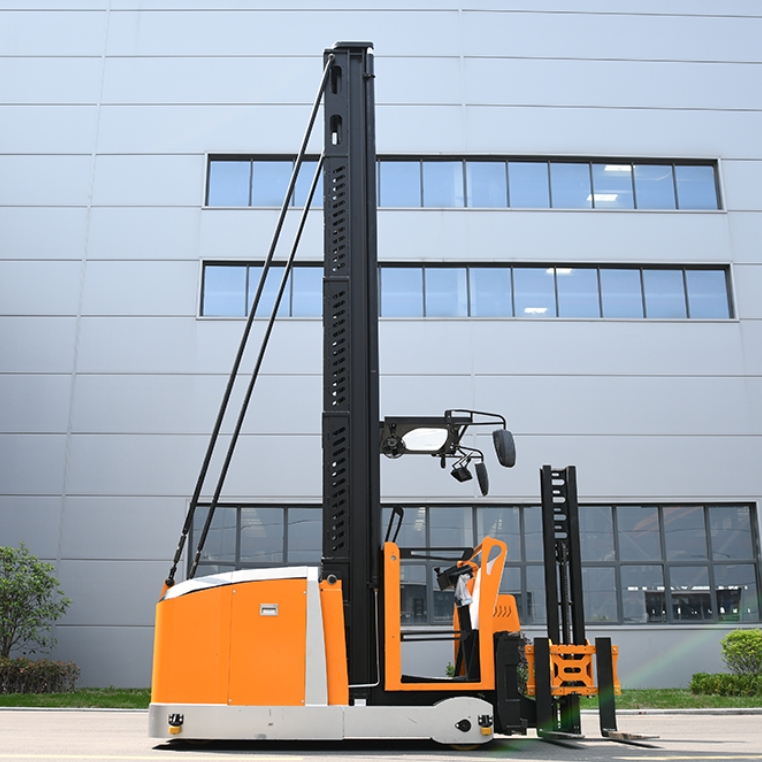
New 1.5T Manual Electric 3-Way Pallet Stacker Forklift 3 Way Manup Vna Forklift with 1600kg Loading Capacity AC Motor Powered
Very narrow aisle 3-way VNA design for high-rent metro facilities where every square foot of racking density matters.
- 1.5T
- 3-way
- VNA
- AC motor
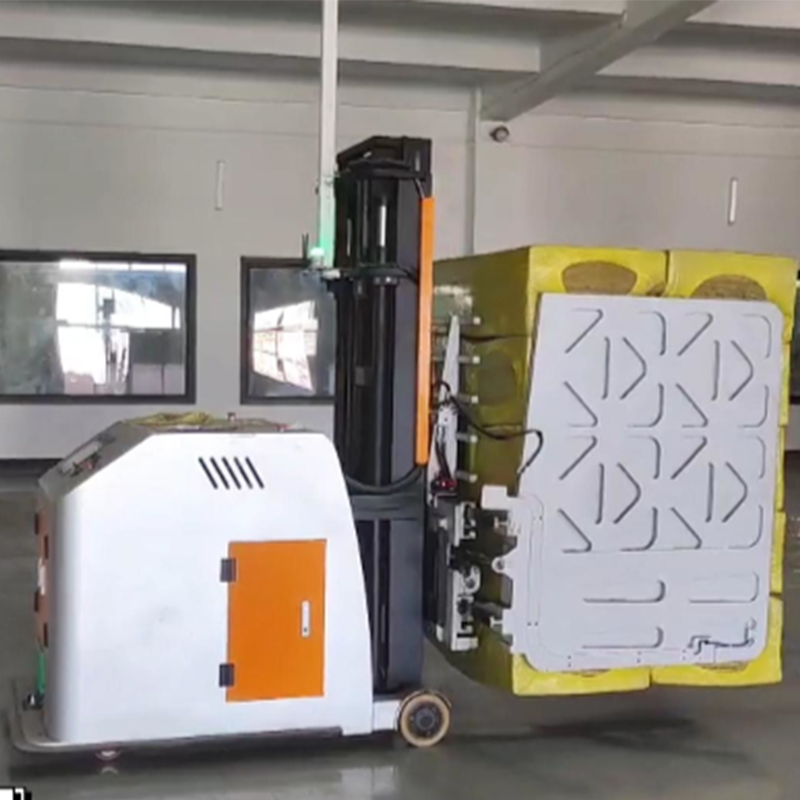
EFORK Automated Guided Vehicle AGV Forklift 3T 3000MM Counterbalanced 3D SLAM Construction Factory Logistics Pallet Truck
Counterbalanced 3T AGV with 3D SLAM for closed-bottom pallets, production lines and dock operations where outriggers interfere.
- 3T
- 3000mm
- Counterbalanced
- 3D SLAM
How to Read a “Top 10” AGV Control System List for Philadelphia
Philadelphia is not a single warehouse market. A 3PL near the Port of Philadelphia may need cross-dock speed; a food distributor in South Jersey may need cold-chain discipline; a life-science site may need documentation and change control; a manufacturer in the Northeast may need line-side sequencing.
The phrase “AGV control system manufacturers and wholesalers in Philadelphia” contains several buying intents: local service, factory price, WMS integration, safety validation, spare-parts depth and fast delivery. That is why a useful shortlist should be built around application fit and verifiable evidence, not a directory of ten look-alike vendors.
A manufacturer controls the vehicle architecture, navigation stack, safety configuration and customisation. A wholesaler can shorten availability for standard models, but it may not control the software or the factory acceptance test. For multi-shift operations, the strongest procurement model is often a factory-direct manufacturer/wholesaler paired with a Philadelphia-area integration partner for site survey, local electrical work, operator training and uptime response.
Google-quality content should help the buyer make a safer decision. That means showing the control stack, the local use cases, the acceptance testing path and the documents a supplier should provide. Use the framework below to evaluate Nexrik or any other AGV control system supplier serving Philadelphia, Pennsylvania, New Jersey and the wider Mid-Atlantic region.
Quick answer for procurement teams
Best supplier formula: control-layer depth + vehicle engineering + local commissioning + spare-parts clarity + documented acceptance testing.
- Factory-direct manufacturer: best for 3D SLAM, VNA, counterbalanced AGV and AS/RS customisation.
- Philadelphia-area integrator: best for site survey, safety validation, WMS interface testing and local response.
- Wholesaler: best for standard models, faster availability and spare parts — confirm who owns software support.
- Ask for: FAT/SAT plan, CE and ISO evidence, WMS test cases, spare-parts list and reference sites.
The Control Stack Behind Every Autonomous Forklift
An AGV control system is not only a box on the truck. It is a layered system that must connect the vehicle, the building, the safety case and the warehouse management system.
Onboard Controller
Coordinates drive, steering, lifting, braking, battery management and sensor inputs. Ask for the controller model, firmware support policy and diagnostics access.
Navigation & Perception
Laser navigation uses reflectors for repeatable fixed routes. 3D SLAM uses natural features and is often better for older buildings with changing pallet layouts.
Fleet / WCS
Assigns tasks, prevents traffic conflicts, manages charging and exchanges data with WMS or ERP. The interface must be tested before go-live.
Safety & Documentation
Safety scanners, bumpers, speed zoning and emergency stop logic must align with site risk assessment, local rules and standards such as ISO 3691-4 and ANSI/ITSDF B56.5.
The Top 10 AGV Control System Capabilities Philadelphia Buyers Should Compare
Use these ten capabilities as a due-diligence screen for manufacturers, wholesalers and integration partners. The strongest bid is the one that closes the most evidence gaps.
1. Controller Architecture
Ask who owns the onboard controller, firmware and diagnostics. Open interfaces reduce lock-in and shorten troubleshooting.
2. Navigation Choice
3D SLAM reduces reflector work; laser suits fixed, high-repeat routes. The right answer depends on building geometry and rack changes.
3. Fleet Management
Traffic control, task allocation, charging logic and multi-vehicle expansion should be demonstrated, not only promised.
4. WMS / ERP Integration
Define the interface, test cases, error handling and fallback process. “WMS-ready” should include a commissioning checklist.
5. Safety Compliance
Request risk assessment, scanner layout, speed zoning, emergency-stop design and references to ISO 3691-4, ANSI/ITSDF B56.5 and CE where relevant.
6. Load & Aisle Engineering
Pallet type, load centre, lift height, aisle width and floor condition determine whether a stacker, reach truck, VNA or counterbalanced AGV fits.
7. Cold-Chain Readiness
For Philadelphia food and pharma sites, specify battery performance, condensation protection, scanner windows and freezer-duty components.
8. Spare Parts & Service
Confirm who stocks critical parts, remote diagnostic access, response time and whether local technicians are certified.
9. OEM / ODM Flexibility
Custom fork dimensions, lift height, battery configuration, branding and future fleet expansion should be documented in the offer.
10. TCO & Acceptance Testing
Model throughput, battery strategy, maintenance and downtime. Tie final payment to documented FAT/SAT results and operator training.
Where AGV Control Systems Deliver the Most Value in Philadelphia
The Philadelphia metro combines port logistics, dense food distribution, life sciences, manufacturing and high-rent warehouses. Each environment places different demands on the control system and the vehicle format.
Port & 3PL Cross-Dock
Near the Port of Philadelphia, speed matters. Laser or 3D SLAM AGVs can move pallets from receiving to staging and reserve locations with repeatable cycle times and fewer empty travel moves.
Food & Beverage Distribution
Cold-chain antechambers, wash-down areas and high-SKU pallet flows need equipment specified for condensation, hygiene and battery performance. Galvanized and cold-storage variants should be discussed early.
Life Sciences & Pharma
Philadelphia’s life-science cluster needs documentation, change control and validated interfaces. A supplier should provide CE/ISO evidence, FAT records, serial traceability and a WMS interface test plan.
Manufacturing & Fabrication
Line-side delivery, WIP movement and dock transfers often favour counterbalanced AGVs because there are no front outriggers. Closed-bottom pallets, cages and trailers are handled more naturally.
E-commerce & Retail Replenishment
High-frequency replenishment needs reliable fleet software, charging strategy and clear exception handling. Start with a pilot loop, then scale once the WMS handshakes are stable.
Older Buildings & High-Rent Space
Older Philadelphia warehouses may have low clear height, uneven floors or tight aisles. A 3D SLAM stacker or VNA 3-way forklift can improve density without the reflector work of conventional laser layouts.
Philadelphia Warehouse Automation Trends Shaping 2025–2026 Procurement
Buyers are moving away from “robot-only” purchases and toward staged, data-backed automation. The strongest projects connect equipment selection to WMS logic, safety validation and lifecycle support.
3D SLAM Adoption
3D SLAM is being selected more often where reflectors conflict with fast rack changes or multi-tenant traffic.
78% buyer interest in natural-feature navigationWMS-First Integration
Procurement teams now ask for interface test cases before final equipment approval, especially in 3PL environments.
84% prioritise WMS/WCS proofPhased Pilot Fleets
A one-truck pilot reduces risk. Scale-up is tied to cycle time, uptime, safety observations and operator acceptance.
72% start with a controlled pilotDocumentation Scrutiny
Philadelphia buyers want CE/ISO evidence, risk assessment, training records, spare-parts lists and FAT/SAT sign-off.
91% require a documented acceptance pathWhy Nexrik Fits a Philadelphia Due-Diligence Shortlist
Anhui Nexrik Intelligent Technology Co., Ltd. is a manufacturer and trading company focused on intelligent warehousing equipment: AGV forklifts, AS/RS stacker cranes, four-way shuttles and RGVs. The value for a Philadelphia buyer is factory-direct scope, customisation control and documented manufacturing scale.
Total staff
Onsite-verified manufacturing scaleFactory floorspace
Two production bases in AnhuiAwarded patents
Plus one registered trademarkSet per model
Pilot before fleet scale-upFactory-Direct Scope, Not a Catalogue-Only Wholesaler
Nexrik is located in the Huagang Town Industry-City Integration Demonstration Zone, Feixi County, Hefei, Anhui, China. The company reports a broad product range covering AGV forklifts, VNA AGVs, counterbalanced AGVs, AS/RS stacker cranes, four-way shuttles and mini-load handling systems.
For Philadelphia buyers, that matters because AGV control systems are rarely “off-the-shelf” once pallet dimensions, aisle width, WMS logic and safety zoning are included. A factory-direct manufacturer can align the controller, navigation, lift equipment and interface documentation before shipment.
- Certifications: CE marking under Machinery Directive 2006/42/EC, ISO 9001 quality management and ISO 45001 occupational health and safety.
- Verification: SGS onsite verification of premises and legal status; ISO 9001 and ISO 45001 management systems; 7 awarded patents plus 1 registered trademark.
- Manufacturing: 1,152 employees and 66,650 m² of floorspace; onsite material and finished-product inspection before shipment.
- Customisation: OEM, ODM, buyer-label production, custom load capacity, lift height, fork dimensions, battery configuration and cold-storage variants.
- Trade terms: FOB, CFR, CIF, EXW, FAS, CIP and DDP; payment via L/C, D/P, D/A, MoneyGram, credit card and Western Union in USD, EUR or CNY.
- Markets: Southeast Asia, South America, Eastern Europe, South Asia and North America, with export documentation and remote commissioning support.
The company also reports Fortune 500 supplier experience and seven international trade exhibitions, which may help Philadelphia procurement teams assess commercial maturity and export readiness.




Manufacturer vs. Wholesaler: Which Model Fits Your Philadelphia AGV Project?
The right answer depends on how much custom engineering, local site work and ongoing software support the project requires. Use this comparison to decide what type of partner to invite into the shortlist.
| Supplier type | Control-system depth | Customisation | Speed to quote | Best fit for Philadelphia buyers |
|---|---|---|---|---|
| Factory-direct manufacturer / wholesaler | Controller, navigation, fleet software, vehicle integration | High: load, lift height, fork size, battery, cold storage, OEM/ODM | Build-to-order; requires technical review | Multi-shift AGV, VNA, counterbalanced and AS/RS projects with custom interfaces |
| Philadelphia-area systems integrator | Site design, WMS integration, safety validation | Medium to high at site level | Fast for site survey; dependent on equipment supplier | Older buildings, phased retrofits and projects needing local commissioning labour |
| Industrial equipment wholesaler | Standard vehicle supply; limited software depth | Low to medium | Often fastest for standard models | Spot capacity, spare parts and standard pallet trucks |
| Fleet software / WCS vendor | Traffic control, WMS/WCS interface, data dashboards | Software-focused | Fast software scoping | Multi-vendor fleets or sites with an existing vehicle estate |
| Turnkey AS/RS contractor | High-bay stacker cranes, shuttles, racking and WMS | High at project level | Longer engineering cycle | New high-density warehouses and cold-storage automation |
| Rental / temporary fleet provider | Standard telematics and support | Low | Fast availability | Seasonal peaks, temporary cross-docks and pilot testing |
A De-Risked 6-Stage Path from Inquiry to Go-Live
For Philadelphia buyers, time-zone overlap, remote FAT and spare-parts planning should be agreed before the purchase order — not after the truck arrives.
Application Discovery
Share pallet dimensions, load weight, rack drawings, throughput targets, shift pattern, floor condition and dock constraints.
Site & Safety Review
Define aisle width, traffic zones, pedestrian interaction, charging location and the local risk-assessment requirements.
Simulation & Fleet Sizing
Model routes, peak demand and battery strategy. Confirm whether laser, 3D SLAM, stacker, reach, VNA or counterbalanced AGV is the better fit.
Factory Acceptance Test
Verify load handling, navigation, safety functions and interface logic before shipment. Photograph and document the FAT results.
Shipping & Commissioning
Plan export documents, Incoterms, installation labour, mapping, WMS interface testing and operator training.
Training & Lifecycle Support
Agree spare-parts lists, remote diagnostics, firmware support and fleet expansion planning to protect uptime after go-live.
AGV Control System FAQs for Philadelphia Buyers
These are the questions Philadelphia procurement teams, warehouse managers and facility engineers most often raise before requesting a formal quotation.
Are there AGV control system manufacturers and wholesalers in Philadelphia that support older buildings?
Yes, but the practical shortlist may combine a factory-direct manufacturer with a local integrator. Older Philadelphia warehouses often have low clear height, uneven floors or racking that was not designed for automation. A 3D SLAM stacker AGV, slim stacker or VNA 3-way forklift can reduce building modification, but the supplier should review floor flatness, aisle width and safety zones before quoting.
Is 3D SLAM or laser navigation better for a Philadelphia warehouse?
3D SLAM is often preferred where rack layouts change, reflectors are inconvenient or the building has complex natural features. Laser navigation remains a strong choice for fixed, highly repetitive routes. The correct decision should be based on aisle geometry, traffic, pallet height, Wi-Fi/5G coverage and the amount of reflectors the site can maintain.
What safety and compliance documents should a Philadelphia buyer request?
Ask for a site-specific risk assessment, safety scanner layout, emergency-stop design, speed zoning, operator training records and a maintenance plan. For driverless industrial trucks, reference standards commonly include ISO 3691-4 and ANSI/ITSDF B56.5; CE marking under Machinery Directive 2006/42/EC is relevant where applicable. Local authorities and insurers may require additional documentation.
How do we integrate an AGV control system with our local WMS or ERP?
Define the data model first: pallet ID, task priority, source/destination, charging rules, error handling and operator confirmation. The supplier should provide an interface specification and test cases before commissioning. “WMS-ready” is useful only if the interface is validated during FAT or site acceptance testing.
What is the minimum order quantity and typical payment terms?
For Nexrik AGV forklifts, stacker cranes and four-way shuttles, the minimum order quantity is 1 set, which allows a pilot before fleet scale-up. Accepted trade terms include FOB, CFR, CIF, EXW, FAS, CIP and DDP. Payment can be made by L/C, D/P, D/A, MoneyGram, credit card or Western Union in USD, EUR or CNY.
How should we plan a pilot before committing to a full AGV fleet?
Define one measurable loop, one pallet type and one shift pattern. Record cycle time, intervention rate, charging behaviour and operator feedback. Use the pilot to validate the WMS handshake and safety zones before expanding. A pilot should also test the after-sales process: spare-parts response, remote diagnostics and local support escalation.
Send Your Philadelphia AGV Project Data for a Technical Review
Share your pallet dimensions, rack layout, throughput target, shift pattern, floor condition and dock constraints. A useful first review should return the navigation choice, fleet-size logic, safety considerations, acceptance-test plan and a stage-gate budget.
Send an Inquiry