Pallet Transfer AGV Factories & Exporter for Chiang Mai
CE-certified 3D SLAM pallet transfer AGVs, narrow-aisle stackers, reach trucks and WMS-ready automation from an SGS onsite-verified manufacturer — engineered for Chiang Mai factories, cold-chain warehouses, retail distribution and Northern Thailand cross-border logistics.
Eight Pallet Transfer AGV Configurations for Chiang Mai Buyers
The shortlist below reflects the models most often discussed by factories, 3PL warehouses, cold-storage operators and cross-border distributors evaluating pallet transfer automation for Chiang Mai and Northern Thailand. Every model can be customized for load capacity, lift height, fork dimensions, battery strategy, cold-room protection and WMS interface requirements.
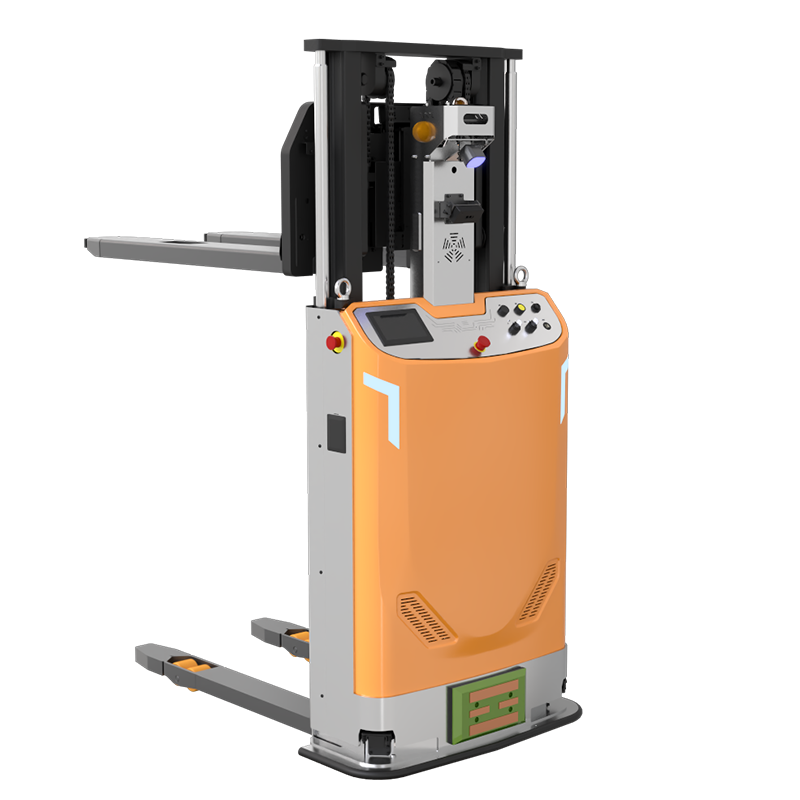 2T • 1.6m
2T 1.6 M Slim Narrow-Body Stacker AGV Body for High-Density Storage
A space-efficient pallet transfer AGV for floor-to-rack handling, line-side replenishment and high-density storage where aisle width is limited.
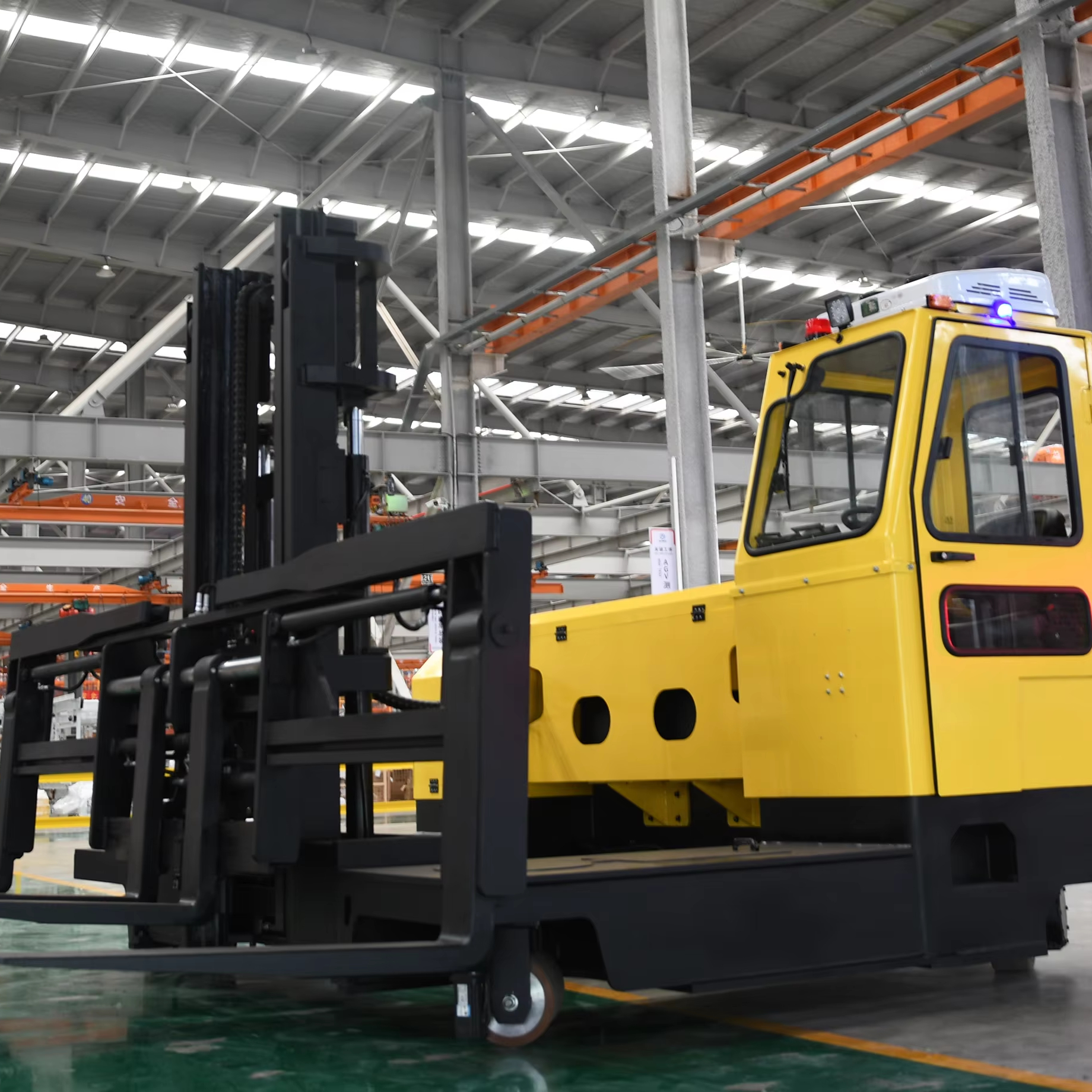 3.5T / 5T
Multi-directional Forklift Reach Truck Stacker 3.5 Ton / 5 Ton Side Loader
Ideal for long loads, wide-body pallets and space-constrained yards where conventional reach trucks need too much turning clearance.
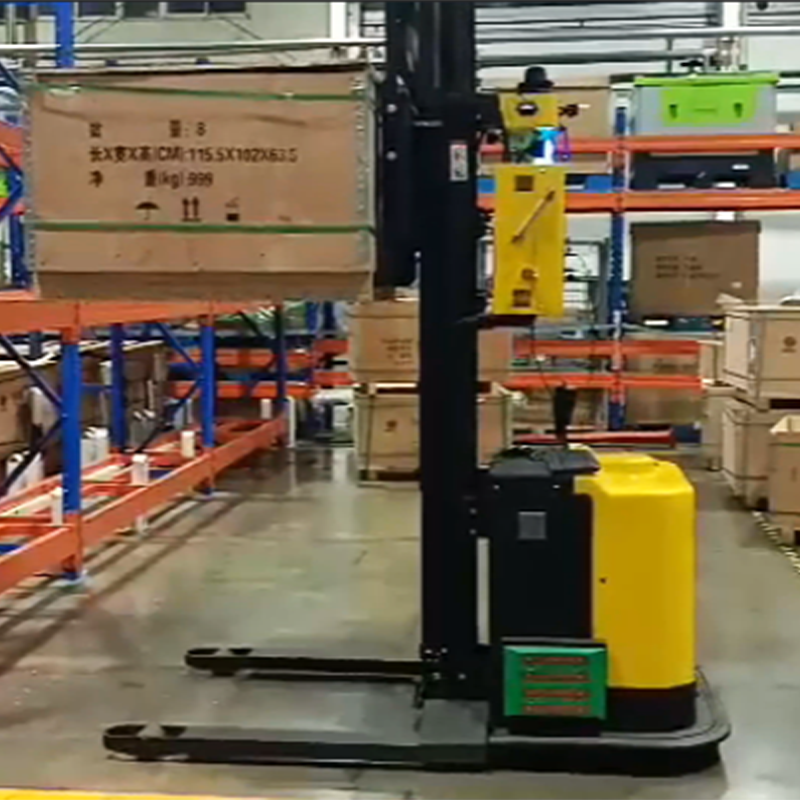 3D SLAM
2T 3000MM Pallet AGV Forklift with 3D SLAM Navigation
A strong general-purpose choice for Chiang Mai distribution centers that need autonomous pallet transfer, trailer staging and racking support.
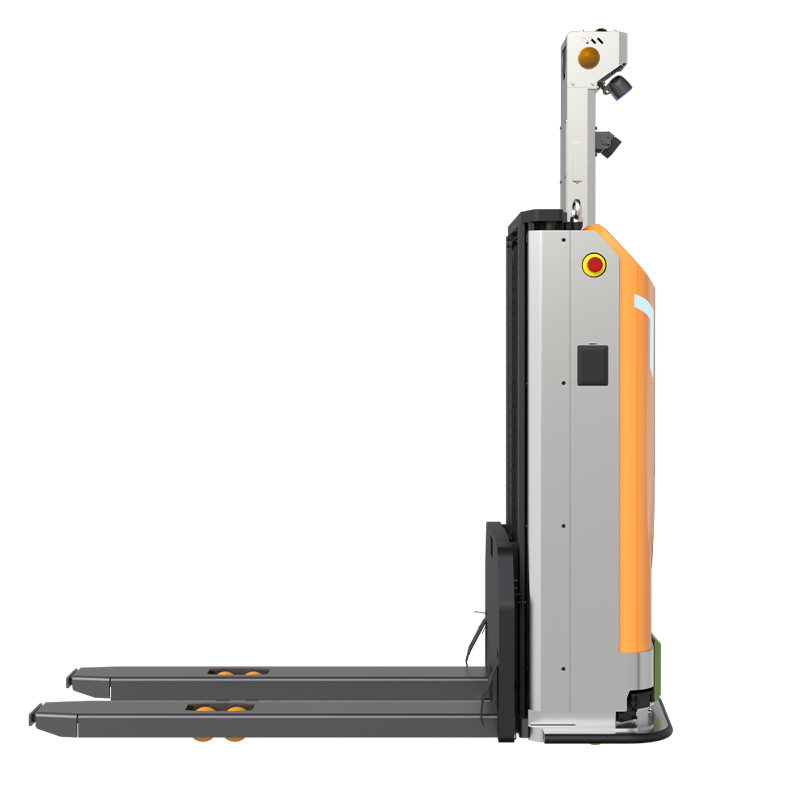 High Density
2T Slim Narrow-Body Stacker AGV with 3D SLAM & WIFI/5G
Designed for high-density storage and 1.6 m pallet stacking, helping local warehouses recover usable pallet positions without a full rack rebuild.
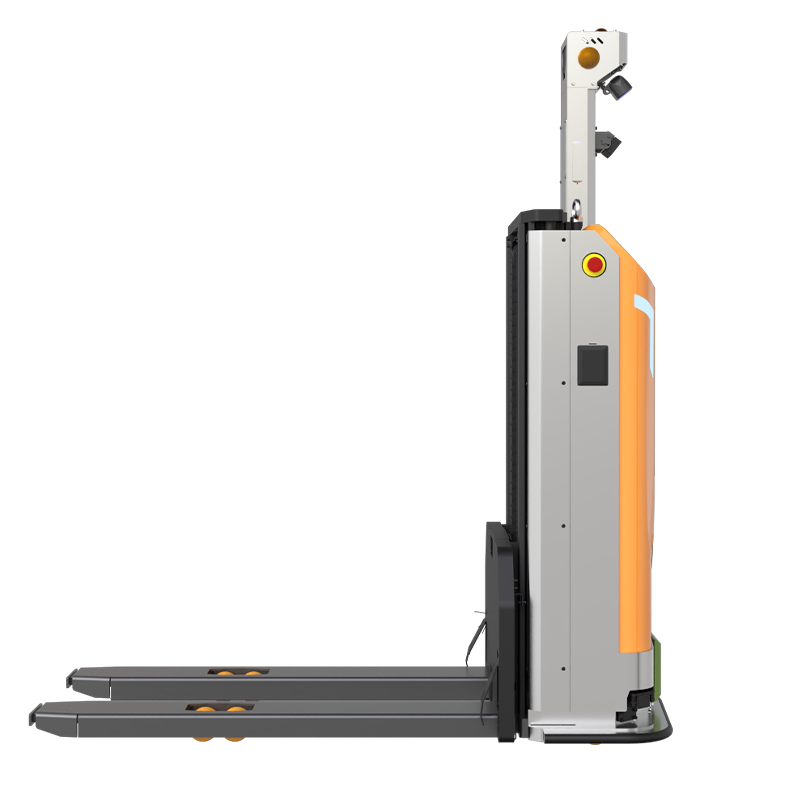 3M Lift
2T 3 M Slim Narrow-Body Stacker AGV for Narrow Aisles
A practical pallet transfer AGV for existing Chiang Mai warehouses with narrow aisles and medium-height racking but limited room for fleet expansion.
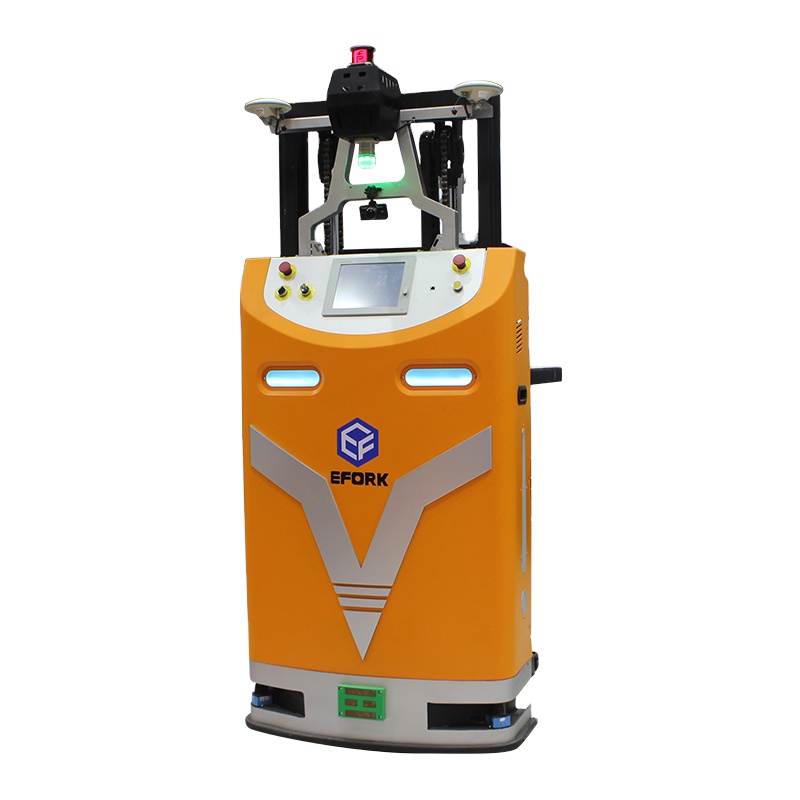 CE Certified
 EFORK EDA20-16 2T 3D SLAM Laser Navigation AGV
A 1200 mm fork-width, 1600 mm lifting-height configuration with 10 mm accuracy for repeated pallet handling and controlled warehouse interfaces.
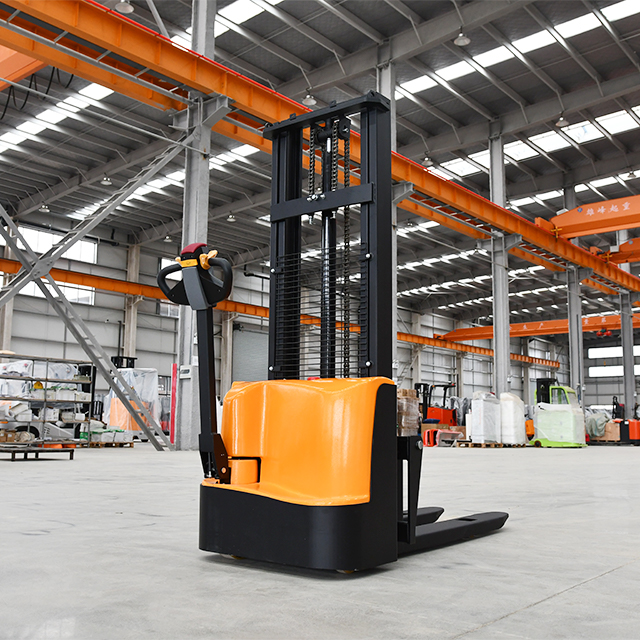 1T / 2T
1Ton & 2Ton Full Electric Pallet Stacker Walkie Type
A lower-cost, high-performance option for buyers who want electric pallet handling before moving to a fully autonomous pallet transfer route.
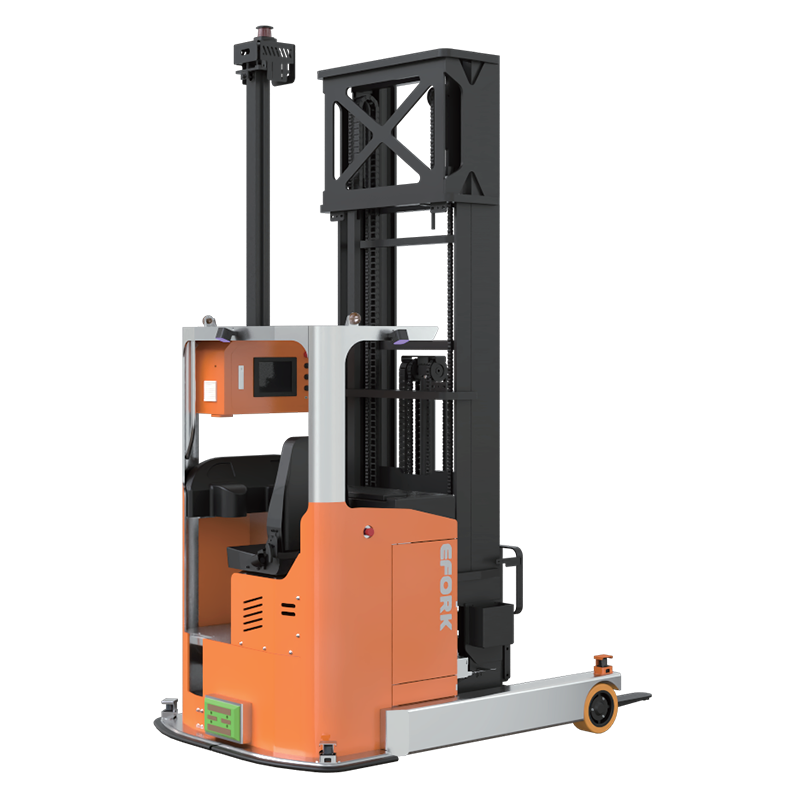 4.5M Reach
 Truck AGV Body 2T for Pallet Handling
A laser SLAM reach truck AGV for high lifting, smart warehouse logistics and selective racking where medium-high reach is required.
Need help matching a model to your pallet size, aisle width or cold-room layout in Chiang Mai?
Inquire NowWhy Chiang Mai Buyers Shortlist Nexrik as a Pallet Transfer AGV Exporter
Automation projects are long-term capital investments. For buyers in Chiang Mai, the supplier decision should be based on factory evidence, compliance documentation, customization capability and export support — not only on a machine price. The figures below are part of the public company profile and are relevant to procurement, EHS and customs review.
Two production bases in Anhui, China.
Production, engineering and service teams.
Plus one registered trademark.
Start with a pilot deployment.
Factory-Direct Manufacturing
Chassis, mast and control integration are built and tested on company lines. Buyers can request factory video review, FAT inspection and packing checks before shipment to Thailand.
3D SLAM & Laser Navigation
Choose reflector-based laser navigation for fixed routes or 3D SLAM for natural-feature localization. This reduces floor tape, reflector work and site modification in existing Chiang Mai buildings.
WMS-Ready Turnkey Integration
Pallet transfer AGVs, AS/RS stacker cranes, four-way shuttles and RGVs can be specified as one WMS-ready system, reducing multi-vendor interface risk for local project teams.
Export Documentation & Compliance
CE marking under 2006/42/EC, ISO 9001 and ISO 45001 management systems, plus SGS onsite verification support tender review, customs clearance and internal EHS approval.




Where Pallet Transfer AGVs Fit in Chiang Mai Operations
Chiang Mai is often described as a tourism city, but the procurement logic for pallet transfer AGVs is driven by the industrial and logistics corridor running from Chiang Mai through Lamphun toward Lampang. Food processors, cold-storage operators, electronics and auto-parts plants, 3PL providers and cross-border traders share the same constraints: limited floor space, seasonal demand swings, rising labor costs and the need to move standard pallets safely during day and night shifts.
Cold-Chain & Agri-Food
Northern Thailand’s longan, mango, vegetable, coffee and prepared-food supply chains depend on fast transfer between receiving, blast freezing, cold storage and dispatch. A pallet transfer AGV can reduce waiting time at cold-room doors and improve traceability when integrated with WMS scanning.
Electronics & Auto Parts
Factories in the Chiang Mai–Lamphun industrial cluster need repeatable line-side delivery, work-in-process movement and finished-goods transfer. 3D SLAM pallet AGVs can operate in mixed pedestrian and forklift zones while following fixed routes and scheduled calls.
Retail, FMCG & Tourism Seasonality
Chiang Mai’s retail and hospitality supply chains face high-season peaks and low-season rebalancing. A pilot pallet transfer AGV can cover repetitive put-away and replenishment trips while staff focus on exceptions, returns and customer-specific orders.
Cross-Border Logistics
For companies moving goods through Mae Sai, Chiang Khong and the R3A corridor toward Laos or Southern China, automated staging can improve trailer-loading rhythm, pallet labeling and dispatch accuracy without changing the forwarder relationship.
3PL & E-Commerce Fulfillment
Third-party logistics providers in Northern Thailand need flexible automation that can be reassigned when client volumes change. Battery opportunity charging, route editing and WMS-ready interfaces help protect ROI across multi-client operations.
Existing Warehouse Retrofit
Many warehouses in Hang Dong, San Kamphaeng, Saraphi and surrounding districts were not designed for automation. Slim-body stacker AGVs and 3D SLAM navigation can reduce structural changes while improving pallet handling density.
Trends Shaping Pallet Transfer AGV Procurement in Chiang Mai
Northern Thailand is moving from isolated forklift automation trials toward phased, WMS-connected fleets. The most successful projects are not necessarily the largest deployments; they are the ones that prove one route, one shift, one pallet type and one cold-chain handoff before scaling. Buyers should treat navigation choice, charging strategy and service access as part of the business case.
From Manual Forklifts to Pallet-to-Point Transfer
Repeatable pallet moves are being redesigned as scheduled autonomous tasks rather than ad-hoc forklift trips. This is especially relevant where receiving, storage and dispatch are separated by long internal travel distances.
3D SLAM in Older Buildings
Because 3D SLAM uses natural features of the building, it can reduce reflector installation and floor tape work. This is useful for existing Chiang Mai warehouses where production cannot stop for long site modifications.
Phased Fleet Scaling
MOQ 1 set allows a pilot AGV to validate cycle time, safety behavior and operator acceptance. Once the route is stable, additional units and WMS rules can be added without replacing the original platform.
WMS & Traceability
Pallet transfer is increasingly linked to scan events, location updates and exception alerts. Buyers now ask how the AGV will communicate with WMS, ERP and label systems before they approve the layout.
Cold-Chain & Energy-Aware Charging
Cold rooms, freezer staging and long shifts require careful battery and charging planning. Opportunity charging during natural breaks can reduce the need for oversized batteries and dedicated charging rooms.
Safety & Compliance Review
CE documentation, safety scanners, warning zones and emergency-stop design are now standard review items. This is important for factories exporting to regulated markets or working with global customers.
Illustrative Business-Case Weighting for a Chiang Mai AGV Project
Typical planning priorities used during project discovery. This is an illustrative weighting, not a statistically representative market survey; actual priorities depend on pallet volume, shift pattern, rack height, building constraints and cold-chain exposure.
Pallet Transfer AGV Selection Matrix for Chiang Mai Warehouses
Use this matrix to prepare a technical brief before requesting a layout proposal. The most useful inputs are pallet length, width and height, loaded weight, rack beam height, aisle width, floor flatness, door sizes, charging location, shift pattern, WMS/ERP type and the temperature zone where the AGV will operate.
From Inquiry to Chiang Mai Commissioning
A controlled five-stage process reduces technical and commercial risk for first-time buyers as well as companies expanding an existing automation fleet.
Site Data Review
Share pallet drawings, rack layout, aisle widths, floor condition, door sizes, throughput and shift pattern. For cold rooms, include temperature and door-cycle data.
Solution & Simulation
Select AGV type, fleet size, charging strategy and route logic. Confirm WMS/ERP interface needs and safety zones before quotation.
Build & FAT
Manufacturing with material and finished-product inspection. Factory acceptance testing can be arranged with video review, load testing and packing confirmation.
Export & Logistics
Support EXW, FOB, CIF or DDP discussions with your forwarder. Documentation can be aligned to Thailand import requirements and project schedules.
Commissioning & Aftercare
Route mapping, WMS interface testing, operator training and remote diagnostics. Spare-part planning helps protect uptime after go-live.
Common Procurement Questions Answered
Are you a pallet transfer AGV factory or only an exporter?
Anhui Nexrik Intelligent Technology Co., Ltd. is a manufacturer and trading company specializing in AGV forklifts, AS/RS stacker cranes, four-way shuttles and intelligent warehousing equipment. The company operates 66,650 m² of factory floorspace in Hefei and is SGS onsite verified. Buyers can request factory video review and pre-shipment inspection.
What is the minimum order quantity for Chiang Mai buyers?
The MOQ is 1 set for every AGV forklift, stacker crane and four-way shuttle model. Many customers begin with one pallet transfer AGV to validate routes, cycle times and operator acceptance before expanding to a larger fleet.
Can you ship to Chiang Mai and provide CE/ISO documents?
Yes. Export documentation can include CE marking under 2006/42/EC where applicable, ISO 9001 and ISO 45001 certificates, packing lists, commercial invoices and test records. Delivery can be coordinated to Laem Chabang, Bangkok or a DDP destination, with onward inland transport to Chiang Mai arranged through your forwarder.
Which navigation technology suits existing Chiang Mai warehouses?
Both 3D SLAM and laser navigation are available. 3D SLAM localizes using natural building features and can reduce reflector or floor-tape work, making it attractive for older warehouses. Laser navigation remains a strong option for highly repetitive fixed routes with stable infrastructure.
How do you handle Thai voltage and electrical integration?
Electrical configuration is confirmed during engineering based on your site supply, charging room design and safety requirements. The AGV, charger and control interface must be reviewed together with your electrical contractor so that installation and EHS approval are aligned before shipment.
Can the AGV be customized for cold storage?
Yes. Cold-storage variants require changes to battery strategy, sealing, lubrication, sensors and condensation management. Buyers should provide temperature range, door-cycle frequency, defrost patterns and charging location so the configuration can be validated correctly.
What about lead time, warranty and spare parts?
Lead time is confirmed after model selection, customization level and project schedule review. Warranty and spare-part terms are agreed in the sales contract. Remote diagnostics, operator training and recommended spare-parts lists help Chiang Mai users maintain uptime after commissioning.
How can we calculate ROI before committing to a fleet?
Start with current pallet moves per shift, average travel distance, labor cost, forklift downtime and space constraints. A pilot AGV can measure real cycle time in your building. The business case should combine labor recovery, safety improvement, space utilization and throughput stability — not only equipment price.
Request a Pallet Transfer AGV Layout Proposal for Chiang Mai
Send your rack layout, pallet dimensions, loaded weight, throughput target, shift pattern, cold-room temperature and dock information. Our engineers will propose a suitable AGV model, fleet size and phased deployment plan for your Chiang Mai project.
- 8 recommended AGV models
- 3D SLAM / laser navigation review
- CE / ISO documentation support
- OEM / ODM customization
- MOQ 1 set pilot option
- Export support to Thailand
Factory: Huagang Town Industry-City Integration Demonstration Zone, Feixi County, Hefei, Anhui, China · Email: info@nexrikbot.com