Factory-direct · CE · ISO · SGS verified · MOQ 1 set
Pallet Lifting AGV Factories & Exporters in the Osaka Market
A practical, E-E-A-T-led buyer guide for Osaka warehouse operators, 3PLs and manufacturers comparing VNA, 3D SLAM, stacker, counterbalanced and walkie pallet lifting AGVs for narrow aisles, line-side supply and high-density storage.
Osaka-ready layoutsLaser & 3D SLAMCE · ISO 9001 · ISO 45001
Why Osaka Buyers Are Re-Evaluating Pallet Lifting AGVs Now
Osaka is not a generic port city in an automation brochure. It is a dense, multi-layered logistics market where container terminals, urban 3PL warehouses, food factories, electronics suppliers, pharmaceutical distributors and retail fulfilment centres operate within a short drive of one another. That density changes the specification. In a greenfield site a buyer may optimise for maximum travel speed; in Osaka the real constraints are often aisle width, floor tolerance, safety zoning, WMS hand-off, installation downtime and lifecycle support.
Capacity to support fleet orders and phased rollouts
7patents
Awarded patents
Plus one registered trademark and CE documentation
Land scarcity rewards vertical thinking
Urban Osaka facilities rarely have room to expand horizontally. High-bay racking, narrow-aisle VNA trucks and 3D SLAM AGVs can add pallet positions without adding floor area, but only when the rack interface, floor condition and safety distances are engineered together.
The 2024 logistics reform is still reshaping schedules
Japan’s tighter limits on truck driver overtime have pushed shippers and 3PLs to smooth dock arrivals, reduce waiting time and stabilise night shifts. Pallet lifting AGVs are increasingly specified as part of a wider dock-to-rack flow rather than as a standalone machine purchase.
The most useful procurement question is therefore not “Which is the cheapest AGV?” but “Which configuration keeps our Osaka operation stable when labour is short, dock windows are tight, racking is dense and the WMS must remain the single source of truth?” That is the lens used in this guide. The recommendations below connect factory capability, product fit and local purchasing expectations so that a buyer can compare exporters on evidence rather than brochure claims.
Product Recommendations
Eight Pallet Lifting AGV & Stacker Options for Osaka Buyers
The shortlist below reflects the models supplied in the original product series. All product URLs are preserved. For an Osaka project, use the “local fit” note to screen models before requesting a layout simulation, floor survey and WMS interface review.
Where Pallet Lifting AGVs Fit in Osaka and the Kansai Region
The same AGV model can succeed in one building and fail in another. In Osaka, the application context usually determines the navigation choice, safety configuration, battery strategy and service plan. These scenarios reflect the questions that export engineers should ask before quoting a factory-direct system.
Port-adjacent 3PL and distribution
Around Nanko, Maishima and the Port of Osaka, 3PLs handle inbound containers, cross-docking and short dwell times. A pallet stacker AGV or counterbalanced AGV can reduce empty travel between dock doors and racking, provided the WMS task release, label reading and safety zones are designed around peak arrival waves.
Narrow-aisle urban warehouses
In Higashi-Osaka, Kadoma and other built-up districts, racking is often fixed and aisle width cannot be changed. A 3-way VNA AGV or slim stacking AGV may be the only way to raise storage density without rebuilding the building. Laser SLAM and 3D SLAM options should be compared using the actual rack tolerances, floor flatness and reflector strategy.
Food, beverage and cold chain
Osaka’s food and beverage distribution base needs hygienic handling, condensation management and reliable battery performance in temperature-controlled rooms. Buyers should specify cold-storage variants, charger placement, floor drainage and washdown procedures early; retrofitting these details after factory acceptance is expensive.
Electronics and precision manufacturing
Kansai’s electronics and component suppliers often need line-side replenishment at short intervals. A compact 2T material handling AGV with 3D SLAM and 10mm positioning accuracy can support just-in-time delivery, but the project must define ESD precautions, lift height, fork entry clearance and handover signals with production equipment.
Pharma, cosmetics and traceability
Regulated supply chains value predictable movement and documented interfaces. For pharma and cosmetics warehouses in the Kansai region, AGV projects should include audit-friendly logs, clear exception handling and validated WMS/WCS communication. The equipment supplier should provide documentation packages that the importer can review with local compliance advisors.
Retail and e-commerce fulfilment
Peak-season fulfilment in Osaka rewards scalable automation. A pilot with one or two AGVs can validate travel routes, charging windows and pick-face replenishment before a larger fleet is ordered. Because MOQ can be one set, buyers can start with a single unit and expand after measuring real cycle times and operator acceptance.
Market Trends
Osaka Trends That Should Shape Your AGV Specification
Local trends are not background colour; they translate directly into technical requirements. The four signals below should appear in the technical annex of any Osaka pallet lifting AGV inquiry.
01
Regulatory pressure on trucking
Japan’s 2024 logistics reform has made dock scheduling and labour productivity board-level topics. Buyers should ask exporters to simulate peak inbound and outbound windows, not only average throughput. A system that works at average demand but fails at the 7 a.m. dock peak will not solve the real problem.
02
Labour shortage and safety
Osaka warehouses face the same demographic pressure as the rest of Japan. Replacing repetitive pallet movement can improve retention, but safety must be engineered: obstacle scanners, speed zones at blind corners, audible warnings, floor marking and clear pedestrian crossings should be part of the site plan.
03
High-density storage in constrained buildings
Land and construction costs push Osaka operators toward higher racking and narrower aisles. A VNA AGV or AS/RS stacker crane can unlock capacity, but the building structure, floor flatness, rack tolerance and fire strategy must be checked by local professionals before the machine specification is frozen.
04
Digital integration and energy planning
WMS-ready equipment is now expected. Buyers should define task messages, exception codes, charging opportunities and reporting requirements during solution design. For multi-shift operations, energy planning matters as much as battery capacity: charger location, opportunity charging, peak tariffs and spare battery policy all affect uptime.
Selection Matrix
Matching Pallet Lifting Equipment to Osaka Constraints
Use this matrix as a first filter. Final specifications must be confirmed through a site survey, load-unit review, rack drawing check, WMS interface workshop and risk assessment.
Equipment family
Best-fit Osaka application
Typical load
Lift / height
Guidance options
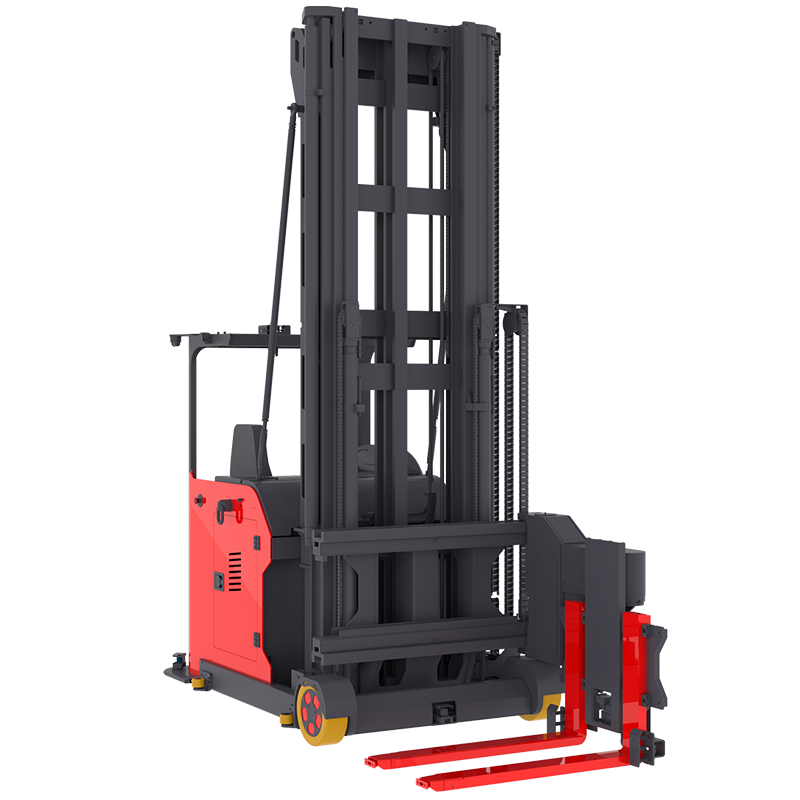
VNA 3-way AGV
Very narrow aisle, high-bay pallet storage, urban warehouses with fixed racking
1.6T
7–11m
3D SLAM, laser SLAM
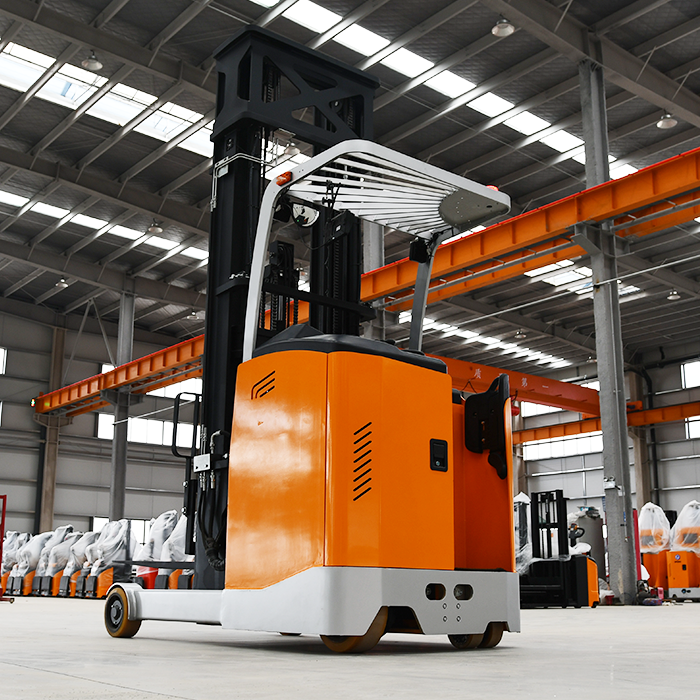
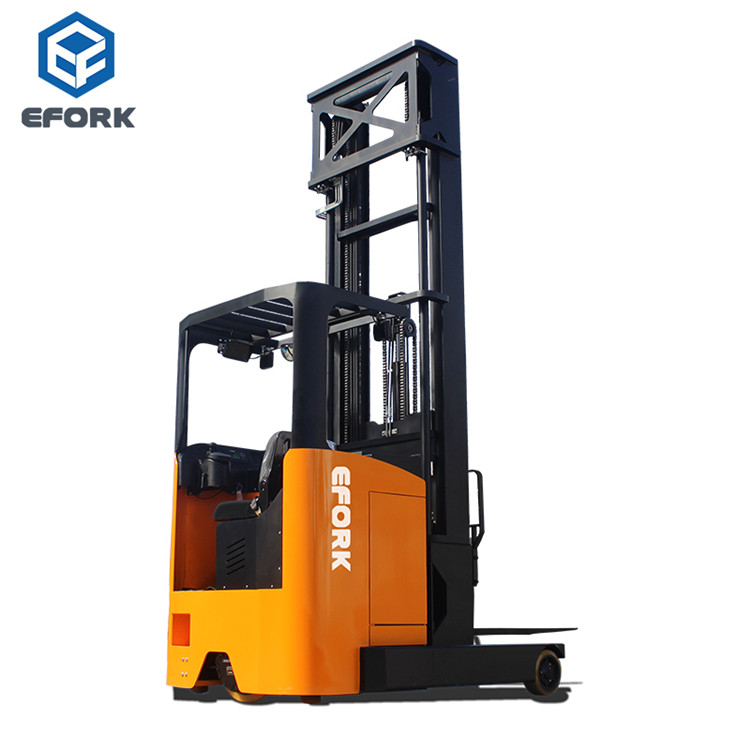
Reach truck AGV
Selective racking where aisle space is tighter than a counterbalanced truck requires
1.5–2T
3m
3D SLAM
Counterbalanced AGV
Dock handling, closed-bottom pallets, cages, production line interfaces
1.5–3T
3m
3D SLAM
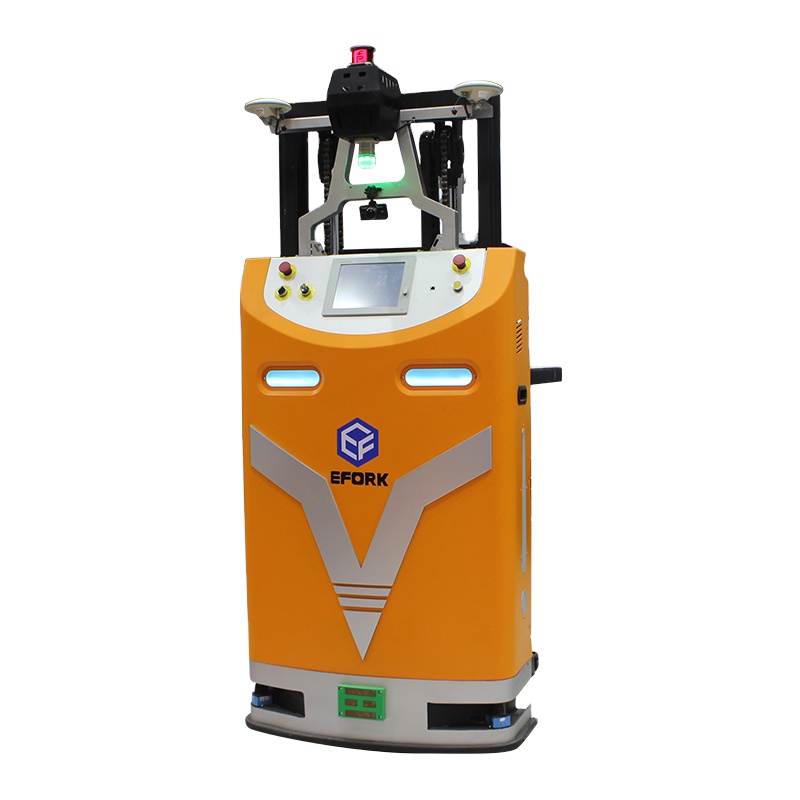
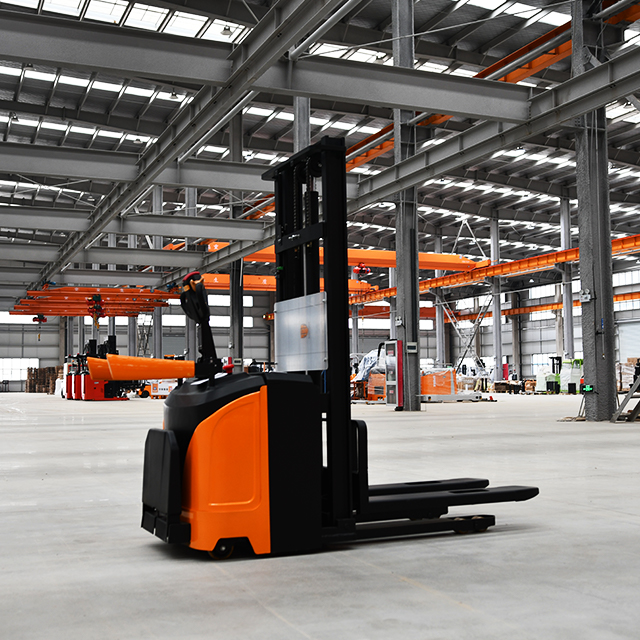
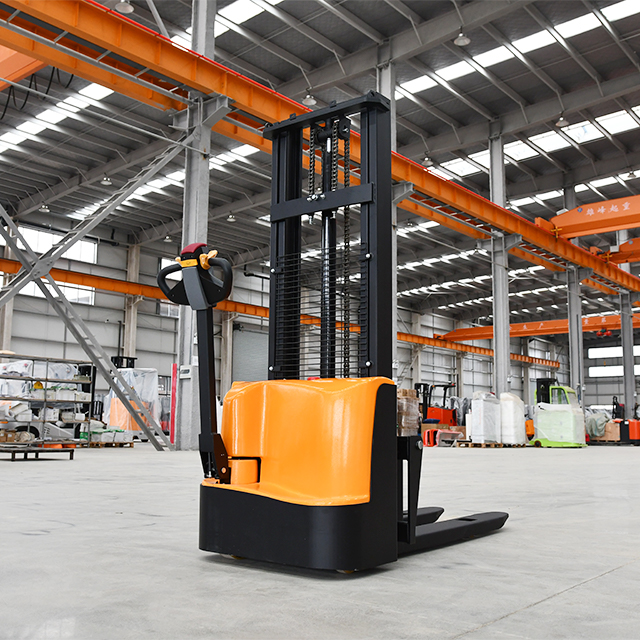
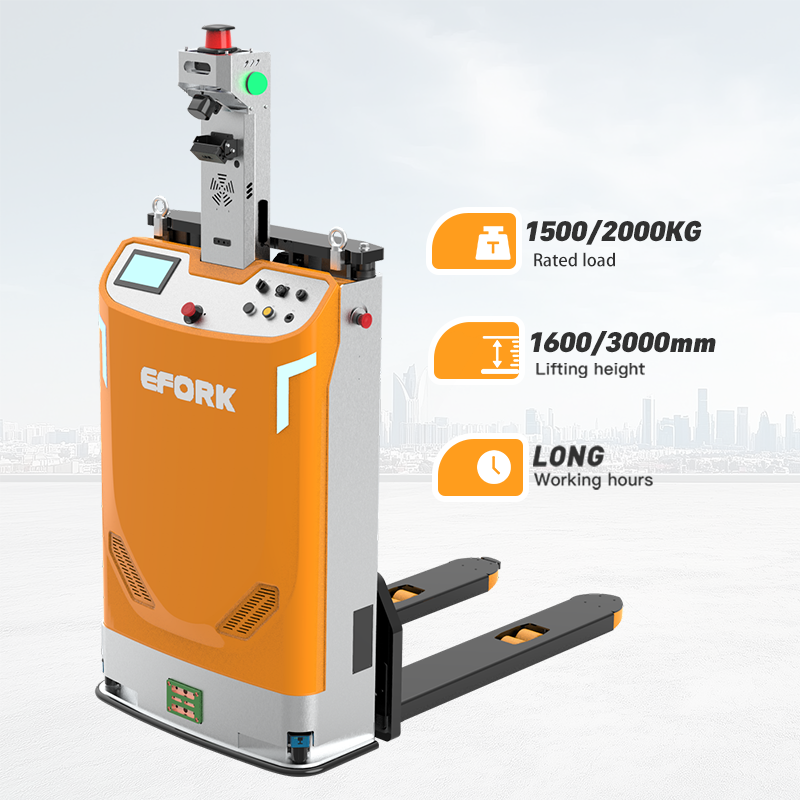
Pallet stacker AGV
Floor-to-rack transfer, line-side delivery and low racking
1.5–2T
1.6–3m
3D SLAM or laser
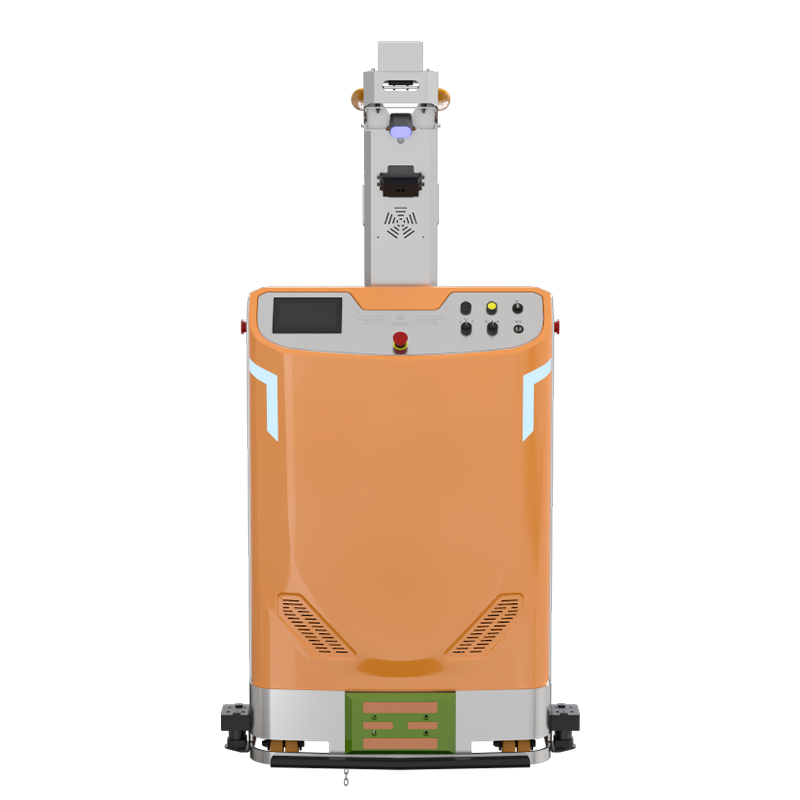
Slim stacking AGV
Compact stacking cells and narrow service corridors
Dense pallet storage with flexible FIFO/LIFO and high land efficiency
1–2T
Multi-level by lift
Rail-guided, ±2mm positioning
For a first Osaka pilot, a reach truck AGV, pallet stacker AGV or slim stacking AGV is often the lowest-risk entry point because it can be integrated into existing aisles without changing the building. VNA AGVs and AS/RS systems usually justify a deeper engineering study because they are tied to rack layout, building height and fire strategy.
Factory & Exporter Strength
Why Nexrik Is a Relevant Factory Partner for Osaka Buyers
Anhui Nexrik Intelligent Technology Co., Ltd. is a high-tech manufacturer and trading enterprise focused on AGV forklifts, VNA AGVs, AS/RS stacker cranes, four-way shuttles, RGVs and intelligent warehousing integration. The company is based in the Huagang Town Industry-City Integration Demonstration Zone, Feixi County, Hefei, Anhui — an established forklift and equipment manufacturing region in China.
Evidence Osaka buyers can review before an order
The company profile reports 1,152 employees, 66,650 m² of factory floorspace, annual revenue scale above USD 100 million, 7 awarded patents, one registered trademark, ISO 9001, ISO 45001, CE marking under Machinery Directive 2006/42/EC and SGS onsite verification. For overseas buyers, these are not decorative claims; they are the basis for a due-diligence checklist that can be attached to an RFQ, tender or internal capex approval.
The export model supports OEM, ODM, full customization and buyer-label production. Equipment can be configured around load capacity, lift height, fork dimensions, battery and charging strategy, cold-storage requirements and WMS/WCS interface expectations. Accepted trade terms include FOB, CFR, CIF, EXW, FAS, CIP and DDP, with payment methods such as L/C, D/P, D/A, MoneyGram, credit card and Western Union in USD, EUR or CNY.
Manufacturer & trading: in-house production plus export support
MOQ: 1 set for pilot projects and phased fleet rollouts
Markets: Southeast Asia, South America, Eastern Europe, South Asia, North America
Lifecycle: remote diagnostics, spare parts planning and fleet expansion support
For an Osaka project, the practical advantage is one-stop engineering. Instead of stitching together AGVs, stacker cranes, shuttles and conventional equipment from separate suppliers, the buyer can evaluate a single equipment platform and a single technical contact. That reduces interface risk when the WMS, safety systems and material flow need to work as one system.
From Osaka Site Survey to Go-Live: A Four-Stage Workflow
A factory-direct AGV is only as good as the assumptions behind it. The workflow below is designed to expose constraints early, before steel is cut and before a shipment leaves the factory.
01
Site and load review
Collect rack drawings, aisle widths, floor flatness, pallet and cage dimensions, dock heights, Wi-Fi coverage, charging locations and shift patterns. Identify where existing operations cannot tolerate downtime.
02
Solution and simulation
Select the AGV family, navigation method, fleet size and safety zones. Simulate peak traffic and define the WMS/WCS task flow. Freeze the equipment specification only after the interface assumptions are agreed.
03
Manufacturing and FAT
Build and test the equipment with onsite material and finished-product inspection. Confirm CE documentation, charger configuration, spare parts list and the factory acceptance test checklist before shipment.
04
Commissioning and lifecycle
Map the live site, validate safety, test WMS hand-off, train operators and plan remote diagnostics. Define spare-part stock levels and a fleet expansion path so the first unit does not become a stranded pilot.
采购 FAQ · Osaka Buyer Questions
FAQ: What Osaka Buyers Commonly Ask Before Ordering a Pallet Lifting AGV
These answers are written for procurement, engineering and operations teams comparing factories and exporters. They focus on the questions that affect total cost of ownership, not only the unit price.
What is the minimum order quantity, and can we start with one unit?
The supplier profile states MOQ 1 set for AGV forklifts, stacker cranes and four-way shuttles. This is useful for Osaka buyers who want to run a pilot before scaling. A single-unit pilot should still include a site survey, safety review and WMS interface test; otherwise the buyer risks proving only that the machine moves, not that the process works.
Can the AGV be configured for Japanese voltage and Japanese-language operation?
Charging configuration, HMI language and documentation should be specified during the inquiry. The buyer should confirm the site’s actual power supply with a local electrical contractor and check whether any local certification or registration applies to the imported equipment. A reputable exporter will separate what it can configure from what the importer must verify locally.
Which navigation technology is better for Osaka warehouses: laser or 3D SLAM?
Laser navigation is strong for fixed, repetitive routes and can be very stable when reflectors are well maintained. 3D SLAM uses natural features and can reduce reflector or floor-tape work, which is attractive in leased buildings and multi-tenant warehouses. The right choice depends on aisle geometry, rack density, ceiling structure, lighting, Wi-Fi coverage and how often the layout changes.
How can we verify that the factory is real and the exporter is reliable?
Ask for SGS onsite verification, ISO 9001 and ISO 45001 certificates, CE documentation, patent records, factory photos and a live video audit. Compare the legal entity name on the quotation, bank account and certificate. For an Osaka capex project, the verification file should be reviewed by both procurement and engineering; a certificate alone does not prove that the proposed configuration fits your building.
Can the system integrate with our existing WMS and ERP?
AS/RS and four-way shuttle systems are described as WMS-ready, but integration must be engineered. The buyer should provide task message formats, exception codes, inventory rules, location naming and reporting requirements. The exporter should confirm which interfaces are standard, which are customized and what is tested during factory acceptance and site commissioning.
What trade terms, payment methods and customization options are available?
The company accepts FOB, CFR, CIF, EXW, FAS, CIP and DDP, and payment methods including L/C, D/P, D/A, MoneyGram, credit card and Western Union in USD, EUR or CNY. Customization, OEM, ODM and buyer-label production are available for load capacity, lift height, fork dimensions, battery configuration and cold-storage variants. Final terms should be written into the contract, including spare parts, documentation and commissioning responsibilities.
Request an Osaka-Ready AGV Configuration Review
Send your rack layout, pallet specification, throughput target and shift pattern. The engineering team can screen the right pallet lifting AGV family, identify site-survey requirements and prepare a factory-direct proposal for an Osaka pilot or fleet rollout.