Eight Outdoor-Capable AGV Platforms for Austin Buyers
These models cover the practical range of outdoor logistics AGV work in the Austin metro: trailer-to-dock transfer, yard staging, high-bay narrow-aisle storage, construction material movement and wholesale fleet procurement. Final load, lift, battery and weather-protection specifications are confirmed during project engineering.
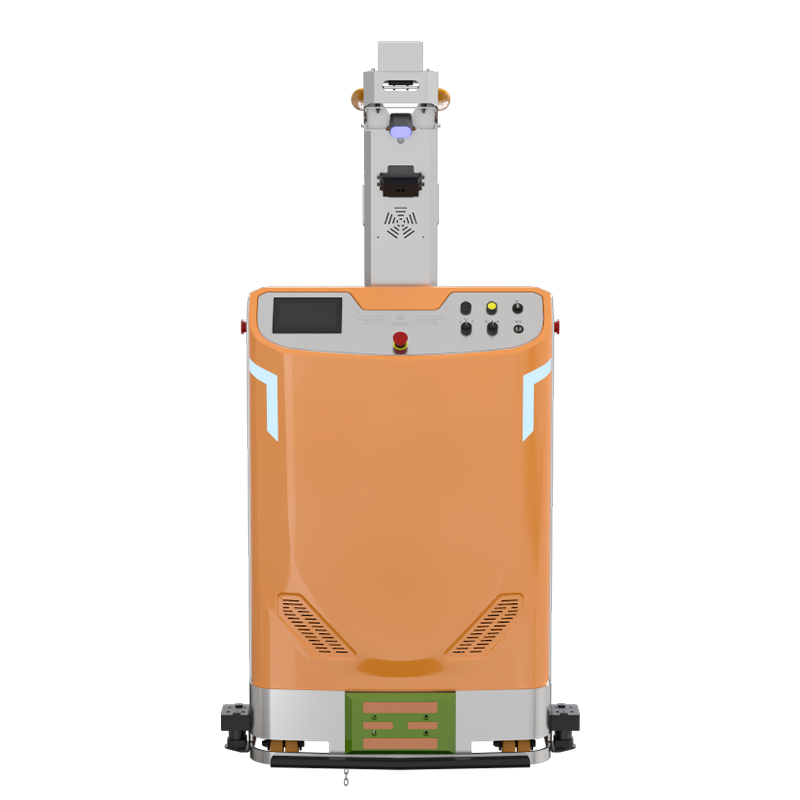
2T Material Handling AGV Body Narrow Body Compact Chassis 3D SLAM Navigation Laser Obstacle Avoidance for Workshop Transport
Best for tight dock-to-stock flows and mixed indoor-outdoor transition zones where a narrow body reduces aisle conflict.
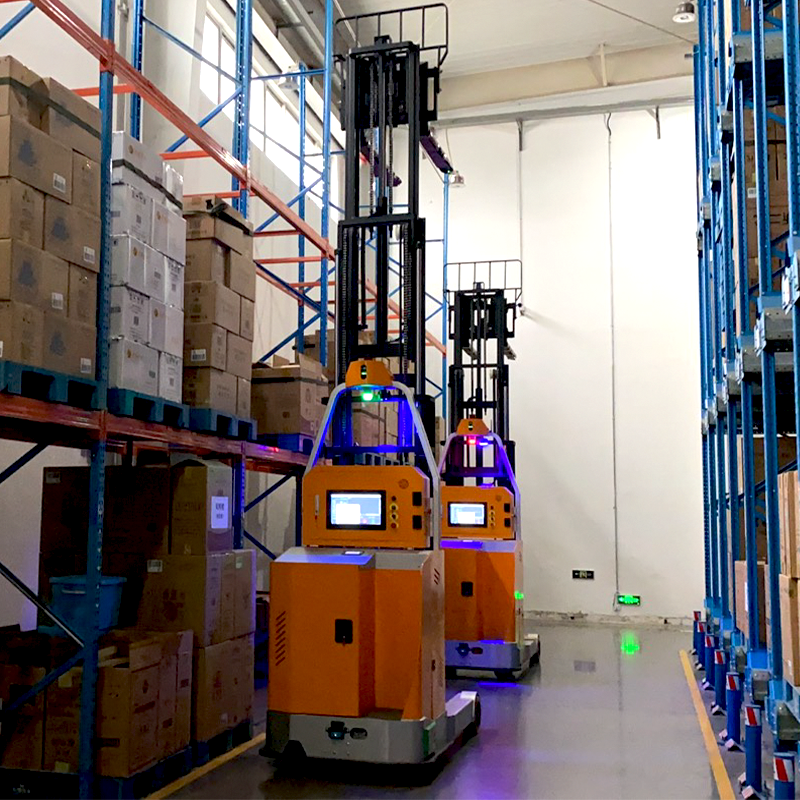
EFORK EQDA15-30 Automated Reach Truck Laser SLAM Navigation 1.5T Capacity ±10mm Accuracy Forklift for Warehouse Logistics
Suited to repeated put-away and retrieval cycles in selective racking, with laser SLAM navigation for predictable routes.
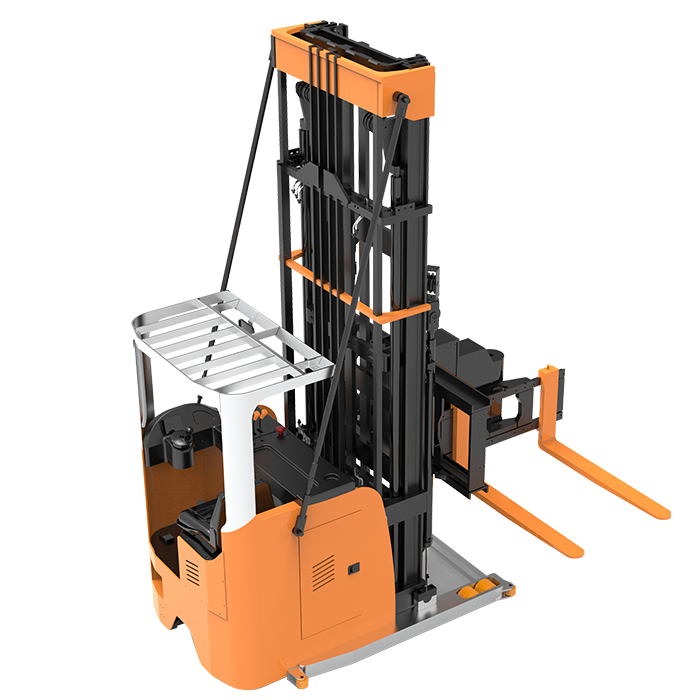
Narrow Aisle 3 Way 1600kg 1.6 Tons 1.5 Tons 3 Tons Certified Electric Forklift Three Stage Mast
A high-density storage option where Austin land costs and rack height make every aisle foot worth optimizing.
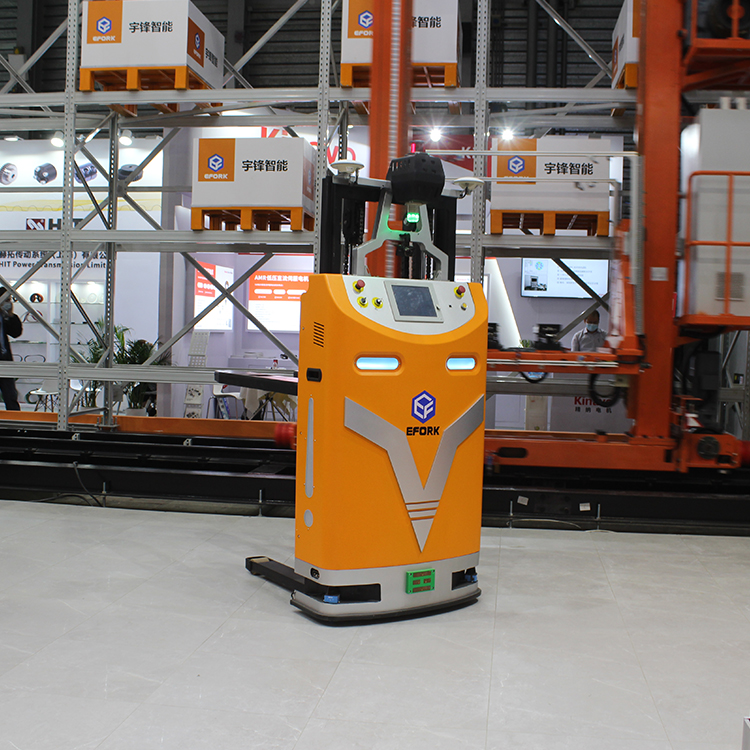
CE Certified EFORK EDA20-16 2T 1600mm Laser Navigation Self-Driving Forklift AGV WIFI/5G 10mm Accuracy 6-8H Working Time
An efficient 2T platform for repetitive pallet shuttles, line-side replenishment and cross-dock support.
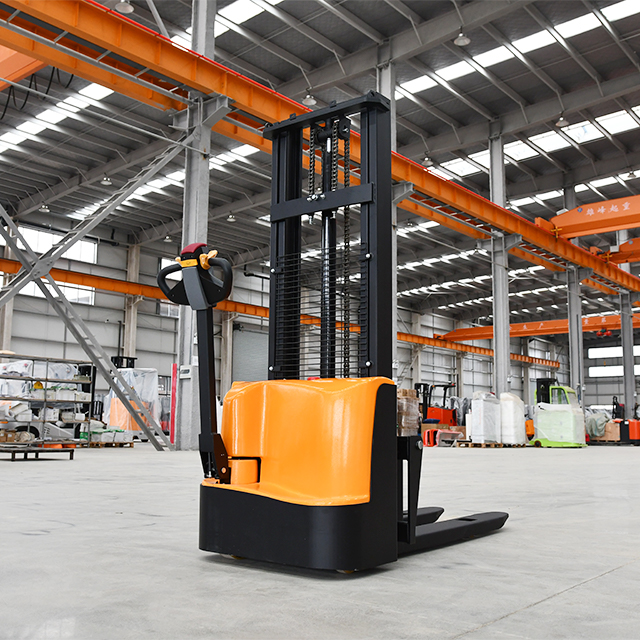
1Ton & 2Ton Full Electric Pallet Stacker Walkie Type High Performance, Low Cost Optional with Training Wheels
A practical pilot-stage stacker for pallet staging and low-height racking before a buyer scales into a larger fleet.
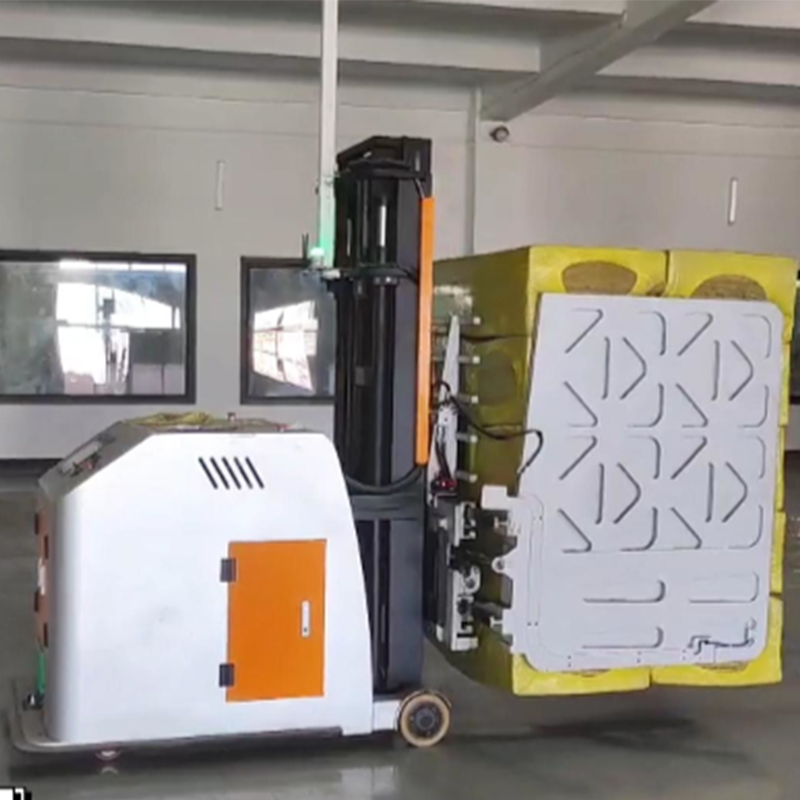
EFORK Automated Guided Vehicle AGV Forklift 3T 3000MM Counterbalanced 3D SLAM Construction Factory Logistics Pallet Truck
An outdoor logistics AGV candidate for construction materials, factory logistics and closed-bottom pallet handling.
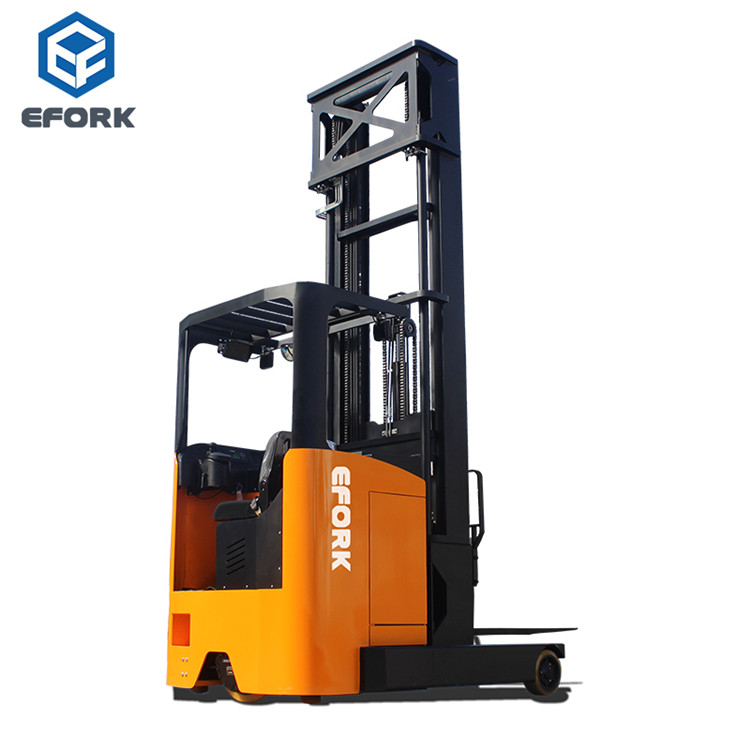
CQDE China Wholesale 2000kg 12m 8m 6m Industrial Forklift Pallet Truck Good Prce
A budget-conscious industrial truck option for buyers comparing mixed fleets, spare units and wholesale quantities.
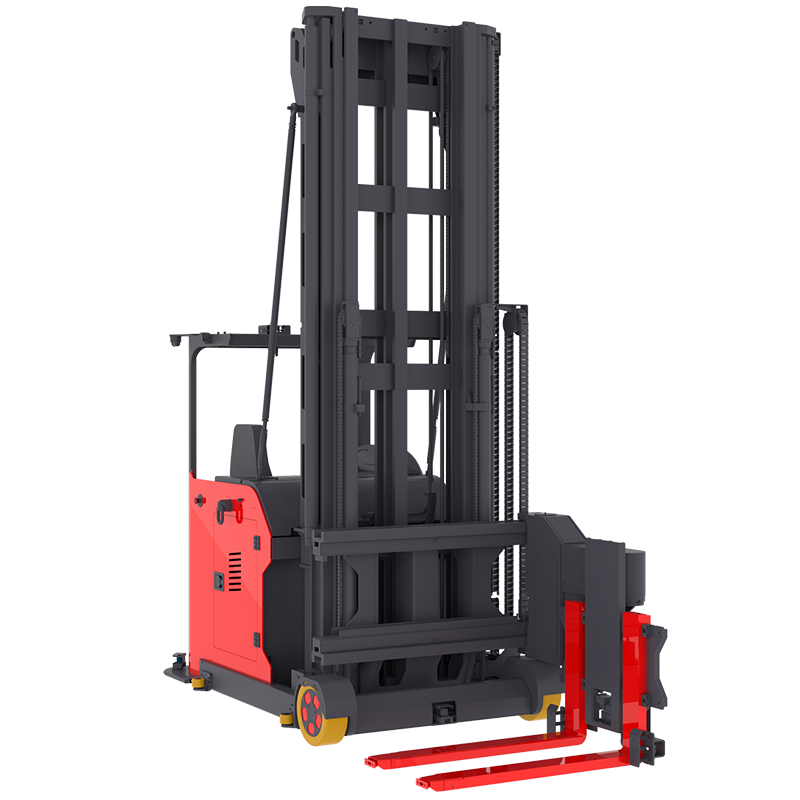
EFORK CDME16J-80S VNA Truck AGV Mobile Robot 1.6T 8M 3-way Forklift Laser Slam Narrow Aisle 1200mm Fork Length 125mm Fork Width
For high-bay warehouses that need dense storage and laser SLAM navigation in narrow aisles.
All product links are preserved. For application-fit questions, request a live engineering review before comparing price alone.
Why outdoor logistics automation is becoming a board-level decision in Central Texas
Austin is no longer a single-node logistics market. Growth along I-35, SH-130, US-183 and the SH-45 corridor has pushed warehousing, manufacturing and construction-material staging outward into Round Rock, Pflugerville, Hutto, Georgetown, Buda, Kyle and San Marcos. For buyers, that means more yard movement, more trailer drops and more handoffs between outdoor storage and indoor fulfillment.
An outdoor logistics AGV program should be evaluated as an operating system, not a single machine purchase. The real gain comes from shorter dock cycles, safer night operations, consistent pallet placement and lower dependence on scarce forklift labor. The risk comes from specifying an indoor-only truck for a yard that sees intense solar load, limestone dust, sudden storms and mixed pedestrian traffic.
That is why serious Austin buyers compare manufacturer capability, CE documentation, navigation redundancy, service response and project engineering before comparing a wholesale unit price. A low-cost AGV that cannot cross from a sun-exposed concrete yard into a refrigerated dock is not a bargain; it is an expensive bottleneck.
Onsite-verified manufacturing capacity for fleet orders.
Two production bases in Anhui, China.
Stable capacity for wholesale and project-scale demand.
Engineering depth for customized automation projects.
Austin-Specific Outdoor Logistics AGV Application Scenarios
The value of an outdoor AGV is determined by the route, surface, load unit, weather exposure and handoff point. These six scenarios show where Austin buyers most often request engineering support.
Industrial park pallet yards along SH-130
Outdoor yard automation for trailer drop zones, empty-pallet stacks and finished-goods staging. A 3D SLAM counterbalanced or reach truck can move pallets from weather-exposed concrete to dock doors while keeping a consistent travel lane and reducing spotter delays.
Dock-to-stock at 3PLs near Round Rock and Pflugerville
Austin-area third-party logistics operations often handle high SKU variability and peak surges. Pallet stacker AGVs and reach truck AGVs can shuttle inbound pallets from staging to racking, with WMS-directed routes and predictable handoffs that free human operators for exception handling.
Construction-material laydown yards on limestone terrain
Central Texas construction sites present dust, slope changes and irregular pallet placement. A 3T counterbalanced AGV with robust obstacle avoidance and route planning can move block, tile, fixtures and packaged materials from laydown areas to site storage points, reducing manual forklift exposure.
Food, beverage and cold-chain corridors toward San Marcos
Temperature transitions are a critical design point. The AGV must manage condensation, floor traction and door interlocks when moving from an outdoor dock into a chilled or frozen room. Buyers should define washdown, food-safety and battery-thermal requirements during the engineering review.
Advanced manufacturing line-side supply
Austin’s semiconductor, EV and equipment-manufacturing ecosystem requires just-in-time material movement without congesting clean production zones. AGV forklifts can operate between outdoor receiving, staging and line-side supermarkets, using scheduled routes and safety scanners for mixed traffic.
Cross-dock and trailer loading near I-35 distribution nodes
Cross-dock operations live on cycle time. A 2T laser-navigation self-driving forklift can align to trailer floors, transfer pallets to staging lanes and return for the next load without waiting for a driver. For high-volume fleets, central dispatch and charging strategy matter as much as the truck itself.
Engineering the Outdoor AGV for Austin Heat, Dust, Rain and Mixed Traffic
Outdoor autonomy is not simply an indoor AGV placed on concrete. The following engineering checklist should be resolved before a wholesale order is released.
Thermal load and battery strategy
Long summer days can stress batteries, chargers and onboard computers. Define operating windows, shade or charging canopies, opportunity charging schedules and battery chemistry according to shift length.
- Confirm charger location and heat exposure
- Plan battery swaps or fast charging for multi-shift use
- Set derating and alarm rules for high-temperature periods
Limestone dust and sensor cleanliness
Central Texas yards can produce fine dust that settles on scanners and lenses. Choose protected sensor placement, scheduled cleaning intervals and route designs that avoid persistent dust clouds from vehicle traffic.
- Define cleaning frequency by shift
- Keep critical sensors above splash and dust zones
- Use diagnostic logs to detect degraded localization early
Storm, drainage and flood-safe routing
Flash flooding is a route-design issue. Map low points, drainage paths and door thresholds. The AGV should stop or reroute when water, debris or poor traction is detected rather than forcing a path through a hazard.
- Set no-go zones during heavy rain
- Define indoor refuge points for hail or lightning events
- Inspect slab joints and drain covers for wheel safety
Outdoor-to-indoor transitions
Lighting changes, reflective floors and door curtains can confuse a navigation system. Design transition zones with clear landmarks, controlled speed, door interlocks and stable Wi-Fi coverage.
- Validate localization at the doorway, not only in open yard
- Define speed limits for light-transition areas
- Confirm door and dock communication protocols
Wi-Fi, 5G and fleet orchestration
Autonomy depends on reliable dispatch and telemetry. Validate access-point coverage in racking, yards and dock recesses. For multi-AGV sites, define traffic zones, charging queues and WMS/ERP interfaces early.
- Survey wireless coverage outdoors and at dock doors
- Set cybersecurity and remote-access rules
- Plan for WMS, WCS or ERP integration testing
Safety in mixed pedestrian and forklift traffic
Outdoor yards often have pedestrians, contractors, manual forklifts and truck traffic. Safety scanners, speed zones, audible alerts, floor markings and operator training must be designed as one system.
- Map blind corners, pedestrian walkways and truck lanes
- Set speed rules by zone and time of day
- Document emergency-stop and recovery procedures
Outdoor readiness scorecard
Use this visual checklist to align internal stakeholders before requesting a proposal. Each bar represents an engineering priority, not a guaranteed performance claim for any single model.
Information gain matters: the more route, load and weather data you provide, the more accurate the fleet size and ROI model will be.
Outdoor Logistics AGV Trends Shaping Austin Procurement
Austin buyers are not only replacing manual forklift hours. They are rethinking yard flow, safety and data visibility as the region’s industrial footprint expands.
Higher-density storage in a land-constrained metro
As available industrial land tightens around Austin’s core, buyers look at VNA AGVs, reach trucks and high-bay AS/RS designs to gain storage capacity without expanding the building footprint.
3D SLAM reduces fixed infrastructure
Natural-feature localization is attractive for multi-tenant and leased facilities. It can reduce reflector or tape installation, shorten reconfiguration time and make fleet redeployment easier as Austin operations grow.
Yard-to-dock continuity instead of isolated automation
The strongest business case links outdoor pallet movement to indoor put-away. Buyers increasingly request one AGV fleet that can cross from sun-exposed concrete into dock and racking environments without a manual transfer.
WMS, WCS and ERP integration become non-negotiable
An AGV is only as useful as the work order it receives. Austin buyers are asking for clear interface responsibility, acceptance testing and data logs that show where each pallet moved and when.
Safety documentation rises in importance
Warehouse operators need proof for insurance, tender and internal risk reviews. CE marking, ISO management systems, risk assessments and commissioning records help projects move through procurement faster.
Pilot-first purchasing and wholesale fleet expansion
MOQ 1 set allows a pilot route to be validated before scaling. Once cycle time, safety and service are proven, buyers can move to a wholesale fleet plan with spare parts, charging infrastructure and site expansion in mind.
Manufacturer Depth for Austin Buyers Who Need More Than a Catalog
Anhui Nexrik Intelligent Technology Co., Ltd. is a manufacturer of intelligent warehousing and logistics equipment based in Hefei, Anhui. The company’s range includes AGV forklifts, VNA AGVs, pallet stackers, AS/RS stacker cranes, four-way shuttles and integrated warehouse automation systems.
For Austin-market buyers, this matters because outdoor logistics AGV projects rarely ship as standalone machines. They require load assessment, route planning, safety review, documentation, WMS interface coordination and lifecycle support. Nexrik’s 66,650 m² production footprint, 1,152 employees, SGS onsite verification and CE / ISO credentials give procurement teams verifiable facts for supplier comparison.
- SGS onsite-verified manufacturer with audited premises and legal status.
- CE marking under 2006/42/EC, ISO 9001 and ISO 45001 systems for tender and customs support.
- 7 awarded patents, 1 registered trademark and full OEM, ODM and buyer-label customization.
- MOQ 1 set for pilot orders, with export terms including FOB, CFR, CIF, EXW, FAS, CIP and DDP.
In-house manufacturing and inspection
Chassis, mast and control integration are supported by onsite material and finished-product inspection. That traceability is valuable for buyers who need consistent fleet quality, not one-off sample machines.
Laser and 3D SLAM navigation options
Buyers can choose reflector-based laser navigation for fixed repetitive routes or 3D SLAM for natural-feature localization that minimizes floor and rack modifications in leased Austin facilities.
One-stop turnkey integration
AGVs, stacker cranes, four-way shuttles and RGVs can be engineered as one WMS-ready system. This reduces interface risk compared with stitching together equipment from multiple unconnected suppliers.
Procurement-ready certification package
CE, ISO 9001, ISO 45001, SGS onsite verification and patent records help Austin buyers answer questions from risk, customs, insurance and corporate supplier onboarding teams.
OEM, ODM and full customization
Load capacity, lift height, fork dimensions, battery configuration and cold-storage variants can be customized. Buyer-label production is available for wholesalers and project integrators.
Export terms and lifecycle support
Accepted trade terms include FOB, CFR, CIF, EXW, FAS, CIP and DDP; payment can be structured through L/C, D/P, D/A, credit card, Western Union or MoneyGram. Remote diagnostics and spare-parts planning support long-term operation.
Frequently Asked Questions from Austin Buyers
These are the questions purchasing teams, warehouse managers and project engineers ask most often when comparing outdoor logistics AGV manufacturers and wholesalers.
Can Nexrik supply outdoor logistics AGVs and warehouse equipment to Austin, Texas?
Yes. Nexrik supports overseas buyers with export documentation, CE-related compliance files, project engineering, packing and shipment coordination. Typical trade terms include FOB, CFR, CIF, EXW, FAS, CIP and DDP, subject to the final quotation and destination requirements. Austin buyers should provide delivery address, load unit details, site drawings and target go-live date for an accurate proposal.
What should Austin buyers specify for summer heat and long outdoor shifts?
Specify maximum ambient temperature, daily operating hours, charging windows, battery chemistry preference, shade availability and whether the AGV will be exposed to direct sun during idle periods. A robust project review should cover battery thermal management, controller cooling, charger placement, speed derating rules and preventive maintenance frequency during the hottest months.
How do you handle heavy rain, flash flooding and drainage issues?
Outdoor AGV deployment begins with route hazard mapping. Low points, drain covers, door thresholds and roof runoff should be identified. The AGV route plan can include no-go zones, reduced-speed wet zones, indoor refuge points and stop rules when water or debris is detected. Buyers should also confirm whether the selected model requires additional weather protection for their specific yard exposure.
Can one outdoor AGV move from a yard into a dock and racking area?
Often this is possible, but the transition zone must be engineered. Lighting changes, reflective surfaces, door curtains, floor flatness and wireless coverage can affect localization. Nexrik reviews transition-zone mapping, door interlocks, speed limits and scanner coverage during commissioning so the same truck can link outdoor staging with indoor pallet handling.
What is the minimum order quantity, and can we run a pilot?
The MOQ for the listed AGV forklift, stacker crane and shuttle categories is 1 set. A single-truck pilot is often the most responsible way to validate route safety, cycle time and operator acceptance before scaling to a wholesale fleet. Pilot success criteria should be agreed in advance, including throughput, uptime, charging time and exception handling.
Which certifications and supplier checks are available?
Nexrik holds ISO 9001 and ISO 45001 management system certification, CE marking under Machinery Directive 2006/42/EC for its AGV range, 7 awarded patents, and SGS onsite verification. These documents support customs discussions, tender submissions and internal supplier onboarding. Final technical file scope should be confirmed for the exact model and configuration.
Can the AGV fleet integrate with our existing WMS or ERP?
Yes, integration requirements should be defined during solution design. The project team should confirm data points, API or interface method, Wi-Fi or 5G coverage, task dispatch logic, error handling and acceptance tests. AS/RS and four-way shuttle systems are designed to be WMS-ready, but every Austin facility has its own software landscape and cybersecurity rules.
How do you protect pedestrians and manual forklifts in a mixed yard?
Safety is a system design issue. The project should map pedestrian walkways, truck lanes, blind corners and loading zones; define speed limits by zone; set audible and visual alerts; and document emergency-stop procedures. Operator training and traffic-management rules remain essential even with autonomous equipment.
What payment methods and currencies are accepted?
Accepted payment methods include L/C, D/P, D/A, MoneyGram, credit card and Western Union. Quotations can be issued in USD, EUR or CNY. Final terms depend on order value, project scope, destination and the agreed Incoterm. Buyers should always confirm the commercial terms in the formal quotation.
How do we request a reliable outdoor AGV quote for the Austin market?
Send the intended route, indoor and outdoor surface conditions, pallet or load dimensions, rack drawings, trailer types, throughput target, shift pattern, WMS/ERP environment and preferred delivery address. Our team can then recommend the right mix of counterbalanced AGVs, reach truck AGVs, VNA AGVs, pallet stackers, AS/RS or shuttles. Start the conversation with a quote request and a layout review.
Request an Austin-Ready Outdoor AGV Layout and Quote
Share your yard map, rack layout, pallet specification and throughput target. We will help shortlist the right outdoor logistics AGV platform and confirm the equipment, certification and export requirements for the Austin market.