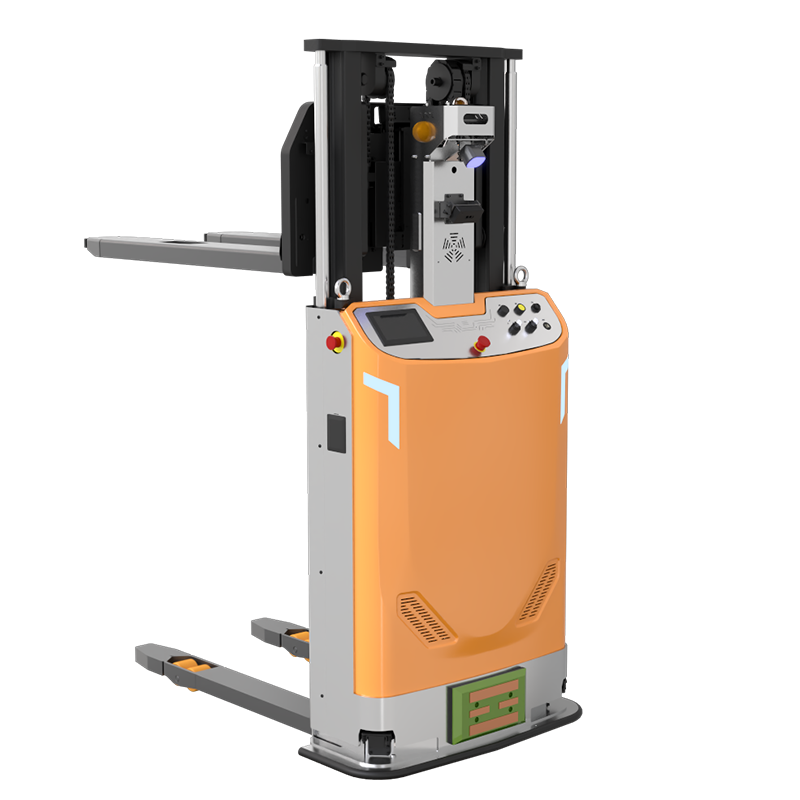
High-density storage
2T 1.6 m Slim Narrow-Body Stacker AGV Body
Useful where Fort Worth rack buildings have fixed aisle widths but need higher pallet throughput and dense storage.
Load: 2TLift: 1.6 mSlim body
View model →
Each platform below can be specified as a standard machine or developed as an OEM/ODM project for your pallet profile, rack layout, throughput target and safety requirements. Product links are preserved so your team can review full specifications before an engineering call.
Useful where Fort Worth rack buildings have fixed aisle widths but need higher pallet throughput and dense storage.
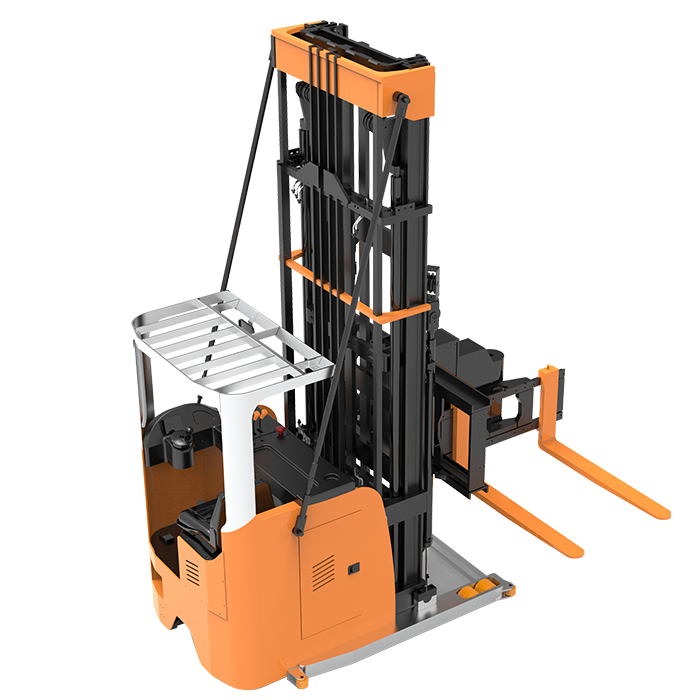
Three-stage mast and 3-way fork action support Fort Worth high-bay racking where conventional trucks waste aisle space.
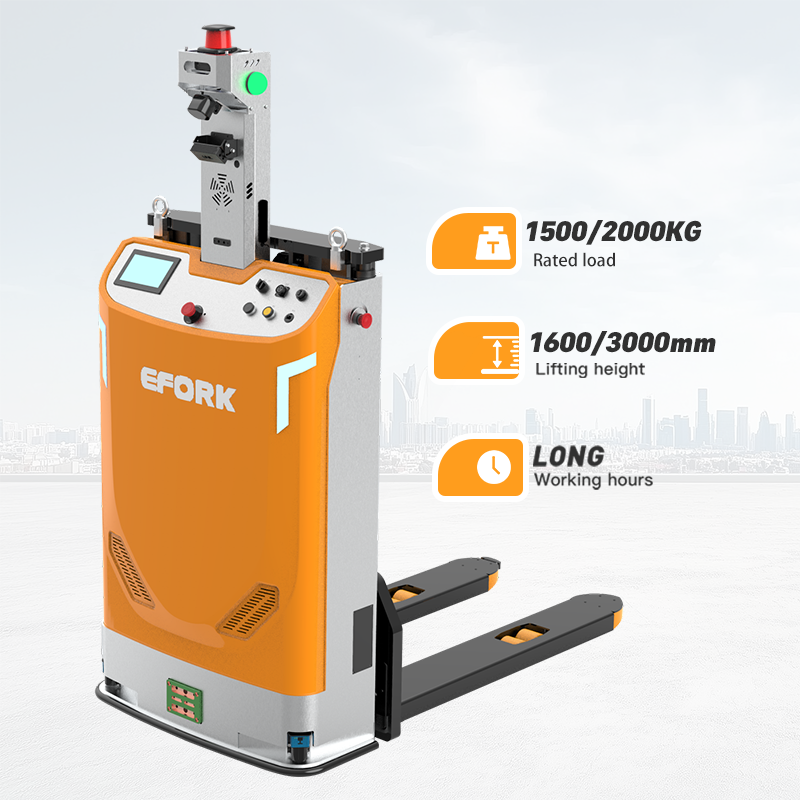
Built for repeatable pallet moves in Fort Worth 3PL and distribution operations with WIFI/5G-connected fleet control.
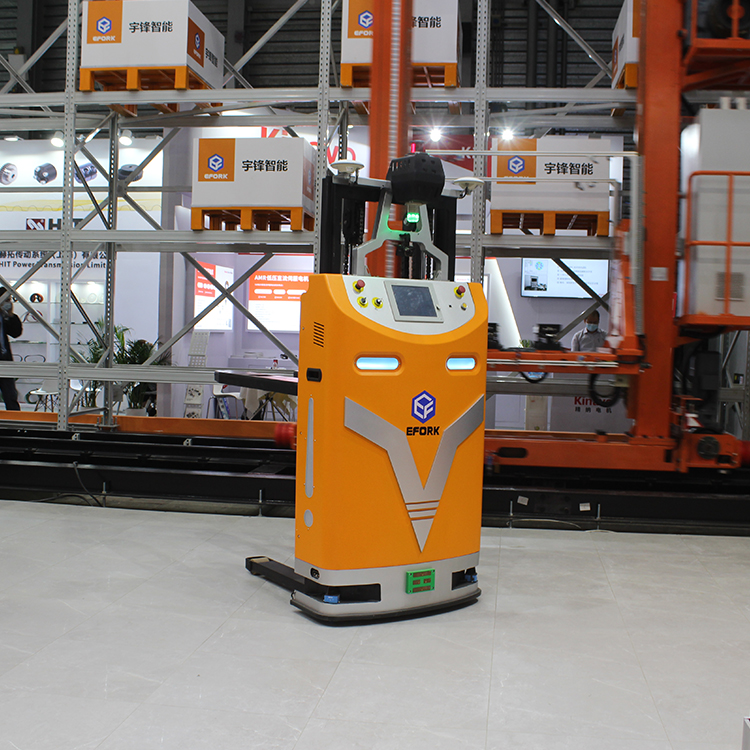
10 mm positioning accuracy and 6–8 h working time suit high-cycle Fort Worth put-away and replenishment routes.
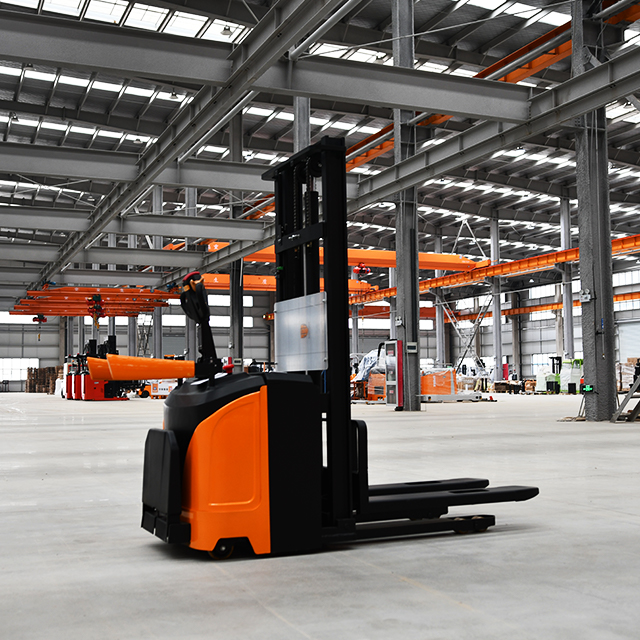
A practical first automation step for Fort Worth plants that need portable self-loading and flexible lift height.
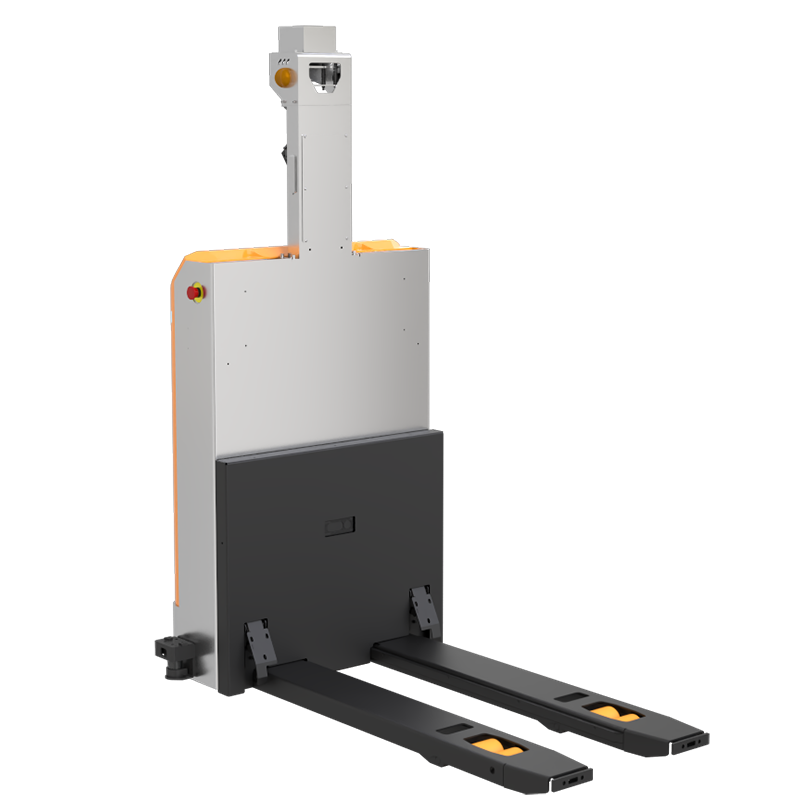
Zero turning radius and flexible movement make this model useful in cramped Fort Worth production cells and cross-dock lanes.
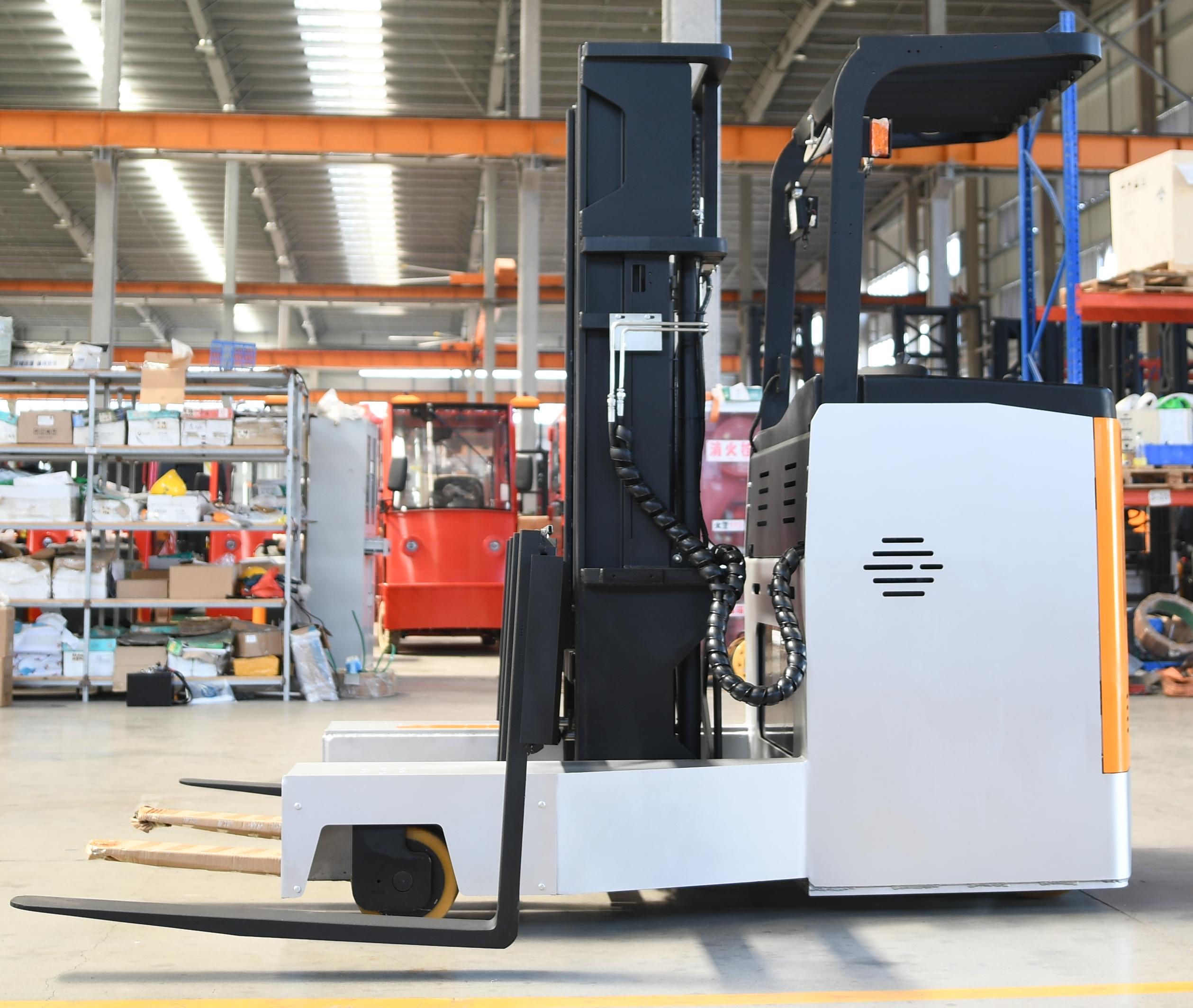
For Fort Worth heavy equipment, building products and industrial distributors that need 4-way handling in narrow aisles.
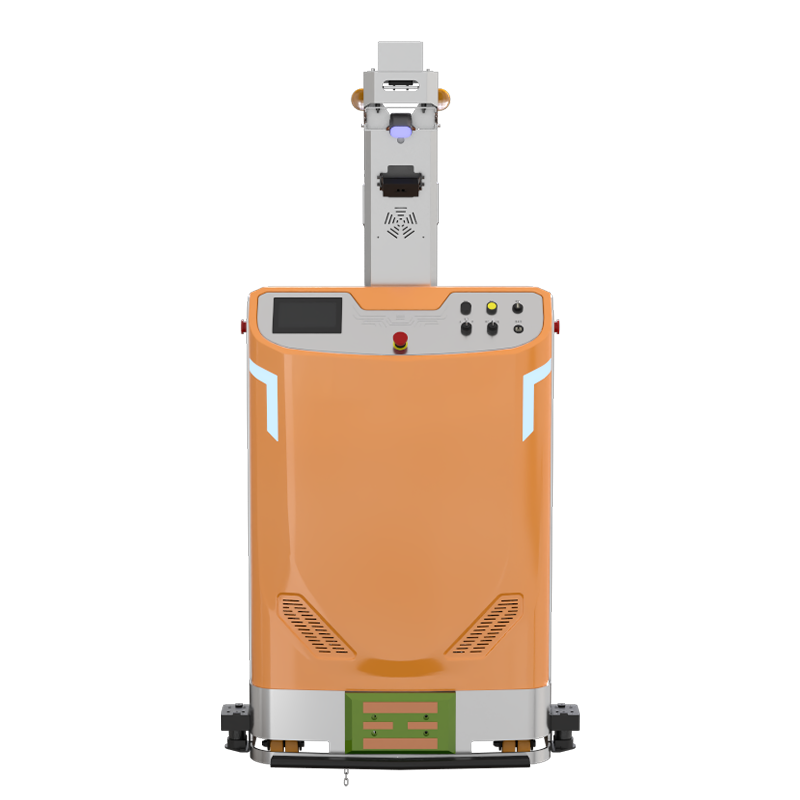
A compact 2T platform for Fort Worth workshops and production lines where space is tight but payload remains critical.
Fort Worth is the western anchor of the DFW Metroplex and a logistics gateway for Texas and the central United States. Local buying decisions are shaped less by “robot novelty” and more by dock-to-rack cycle time, labor continuity, safety documentation, WMS integration and the ability to scale a pilot without replacing the original equipment.
AllianceTexas, the BNSF Alliance intermodal facility, Fort Worth Alliance Airport, DFW International Airport and the I-35W/I-20/I-30 corridors put Fort Worth warehouses close to regional, national and international freight flows.
Fort Worth operators compete for forklift talent across the DFW industrial market. Automated pallet movement reduces dependence on shift-to-shift variation while redeploying trained staff to exception handling and quality checks.
Newer Fort Worth industrial buildings often push storage upward. That increases the value of 3-way VNA trucks, high-lift stacker AGVs and AS/RS systems that can use vertical space without widening every aisle.
Fort Worth buyers increasingly ask for one-truck pilots, documented safety validation, WMS-ready interfaces, spare-parts plans and an OEM/ODM path to scale after proving cycle time and uptime.
| Fort Worth operating pressure | Engineering response | What to verify before purchase |
|---|---|---|
| Peak-season pallet surges | Fleet sizing based on peak-to-average throughput, charger windows and battery strategy | Measured pallets per hour at the slowest route segment, not only the robot’s top speed |
| Variable labor availability | Automated dock-to-rack moves, line-side replenishment and repetitive put-away | Exception-handling workflow and operator interface for non-technical staff |
| Tight aisle and high-bay racking | VNA 3-way forklifts, slim stacker AGVs and omni-directional platforms | Aisle width, load center, rack beam clearance and floor flatness in the actual Fort Worth building |
| Mixed pallets and closed-bottom containers | Counterbalanced or reach configurations without front outrigger interference | Pallet quality, fork entry dimensions and load stability at lift height |
| Safety and insurance review | CE documentation, risk assessment support and site-specific safety layout | U.S. site review against ANSI/ITSDF B56.5 and local fire, electrical and insurer requirements |
Fort Worth projects should treat CE certification as a baseline, not the complete U.S. safety file. Final deployment requires a site risk assessment and confirmation of applicable local codes.
The same robot can be highly profitable in one Fort Worth building and a poor fit in another. These application scenarios help procurement and engineering teams align the equipment to the real work.
North Fort Worth distribution campuses handle inbound pallets from intermodal and truck freight. A 2T laser-navigation AGV or slim stacker can automate trailer-to-staging and staging-to-rack moves while keeping the dock layout flexible.
Fort Worth aerospace and manufacturing suppliers often work with tight internal layouts and mixed load units. A compact 2T AGV body or omni-directional 1000 kg platform can move material without forcing a full aisle redesign.
Fort Worth food processors and cold-storage operators need repetitive pallet movement under controlled temperatures. VNA 3-way trucks and AS/RS stacker cranes can reduce exposure time, improve density and stabilize throughput.
Fort Worth fulfillment operations face peak cycles and SKU volatility. High-lift stacker AGVs, 4-way forklifts and four-way shuttle systems support dense storage, FIFO/LIFO flexibility and scalable replenishment.
Fort Worth buyers are becoming more precise. Instead of asking only for a robot price, they ask for cycle-time proof, safety documentation, integration scope and a credible spare-parts path. That is exactly where an OEM/ODM manufacturer with in-house production and engineering control has an advantage.
One or two robots prove routes, cycle time and operator acceptance before a Fort Worth site commits to a larger fleet.
Load capacity, lift height, fork dimensions, battery charging and cold-storage variants are engineered around the building, not forced into a catalog frame.
WMS-ready AS/RS and AGV systems help Fort Worth operators see real-time task status, storage density and exception data.
Buyers request CE documents, inspection records, spare-parts lists and commissioning checklists before release of final payment.
This matrix is a shortlisting tool. Final selection should be confirmed with a pallet audit, rack drawing, route map, throughput study and safety review.
| Fort Worth use case | Recommended model | Why it fits | Procurement note |
|---|---|---|---|
| Dense pallet storage in an existing high-rack building | 2T Slim Narrow-Body Stacker AGV Body | Narrow chassis and high-lift stacking help use vertical space without widening aisles | Confirm rack beam clearance and pallet overhang |
| Very narrow aisle warehouse near Alliance | Narrow Aisle 3-Way Electric Forklift | 3-way fork action reduces truck turning and supports high-bay pallet handling | Review floor flatness and guide-path tolerance |
| 3PL inbound staging and put-away | EFORK EDA20-16 Laser Navigation AGV | Repeatable laser navigation and fleet connectivity suit high-cycle logistics routes | Map WIFI coverage and traffic intersections |
| High-accuracy replenishment routes | EFORK 2T AGV with 10 mm accuracy | Precision positioning supports repetitive rack interface and line-side delivery | Validate pallet condition and rack tolerance |
| Flexible plant expansion with portable equipment | Electric Pallet Lift Stacker 1.5T–3T | Self-loading portability lowers the entry barrier for Fort Worth manufacturing teams | Check charger input and shift battery strategy |
| Tight production cells and cross-dock lanes | 1000 kg Omni-Directional AGV Body | Zero turning radius supports material flow where conventional trucks cannot turn easily | Confirm floor marking and traffic rules |
| Heavy industrial distribution | 4T–5T Multi-Directional Forklift | 4-way handling for heavy loads in narrow aisles and high-value racking | Load-center verification is essential |
| Compact workshop material transport | 2T Compact Material Handling AGV Body | Narrow body fits Fort Worth production lines with limited transfer space | Review top-clearance and pedestrian zones |
For a Fort Worth project that must run through multiple shifts and peak seasons, the supplier behind the robot matters as much as the robot itself. Nexrik supports OEM/ODM production, buyer-label programs, full customization and turnkey intelligent warehousing from one factory ecosystem.
Chassis, masts and control integration are built and tested on our own lines, with material and finished-product inspection before shipment. Factory-direct engineering reduces the gap between sales promises and delivered performance.
Choose reflector-based laser navigation for highly repetitive routes, or 3D SLAM for natural-feature localization that can reduce reflector and floor-tape work in Fort Worth buildings.
AGV forklifts, pallet stackers, AS/RS stacker cranes, four-way shuttles and RGVs can be engineered as one WMS-ready system rather than separate equipment packages.
SGS onsite verification, CE marking under Machinery Directive 2006/42/EC, ISO 9001 quality management and ISO 45001 occupational health and safety systems.
Load capacity, lift height, fork configuration, battery strategy, safety options and cold-storage variants can be developed around your brand and Fort Worth customer requirements.
Trade terms include FOB, CFR, CIF, EXW, FAS, CIP and DDP. Payment methods include L/C, D/P, D/A, MoneyGram, credit card and Western Union in USD, EUR or CNY.



A load handling robot is not a standalone purchase when it affects docks, racks, traffic, WMS and safety. Our project process keeps those interfaces visible from the first drawing.
Collect rack drawings, pallet dimensions, load centers, aisle widths, floor flatness, shift pattern and throughput targets for the Fort Worth facility.
Select AGV, VNA, stacker or AS/RS architecture, size the fleet and simulate peak traffic before committing to equipment quantities.
Develop OEM/ODM features such as fork geometry, lift height, battery charging strategy, cold-storage protection and WMS/WCS interfaces.
Document mechanical, electrical and functional checks before shipment. Inspection records and test reports support customs and internal approval.
Support FOB, CIF, DDP and related terms, with packaging and documentation planned for the North Texas delivery address and project schedule.
Map routes, validate safety zones, test WMS tasks, train operators and plan spare parts, remote diagnostics and fleet expansion.
Precise RFQ data shortens engineering review and helps compare suppliers on the same basis. Use these four modules to structure your inquiry.
Pallet size, load weight, load center, overhang, fork entry, stack height and whether the load is open-bottom, closed-bottom, cage or bin.
Aisle width, clear height, floor slab condition, door sizes, charging location, traffic intersections, pedestrian zones and fire-code constraints.
Pallets per hour by route, peak-to-average ratio, shift schedule, charging windows, battery strategy and required uptime for the Fort Worth operation.
WMS/ERP interface requirements, Wi-Fi coverage, site safety review, charger voltage, 480V/60Hz confirmation and applicable U.S. standards.
These answers address the procurement, engineering and logistics questions that commonly appear in DFW automation projects.
Send your pallet drawings, rack layout, throughput target and building constraints. Our engineers will review the application, recommend the right platform and outline an OEM/ODM path from pilot to fleet.
Get Catalog