Eight Factory-Direct AGVs for Stuttgart Intralogistics
These eight production models cover line-side replenishment, pallet stacking, very narrow aisle handling, compact workshop transport and high-accuracy 3D SLAM navigation. All links below preserve the original product URLs and can be quoted with CE documentation for German procurement teams.
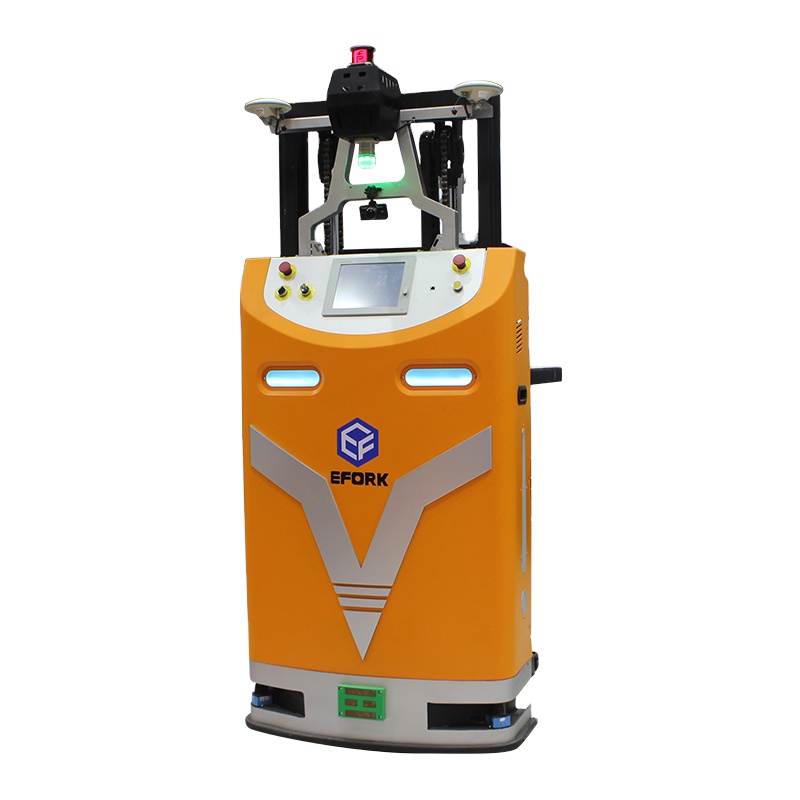
CE Certified EFORK EDA20-16 2T 1200 mm Fork Width 3D SLAM Laser Navigation AGV
10 mm accuracy, 1,600 mm lifting height and Wi-Fi/5G connectivity for precise pallet docking in constrained Stuttgart halls.
- 2,000 kg
- 1,600 mm lift
- 10 mm accuracy
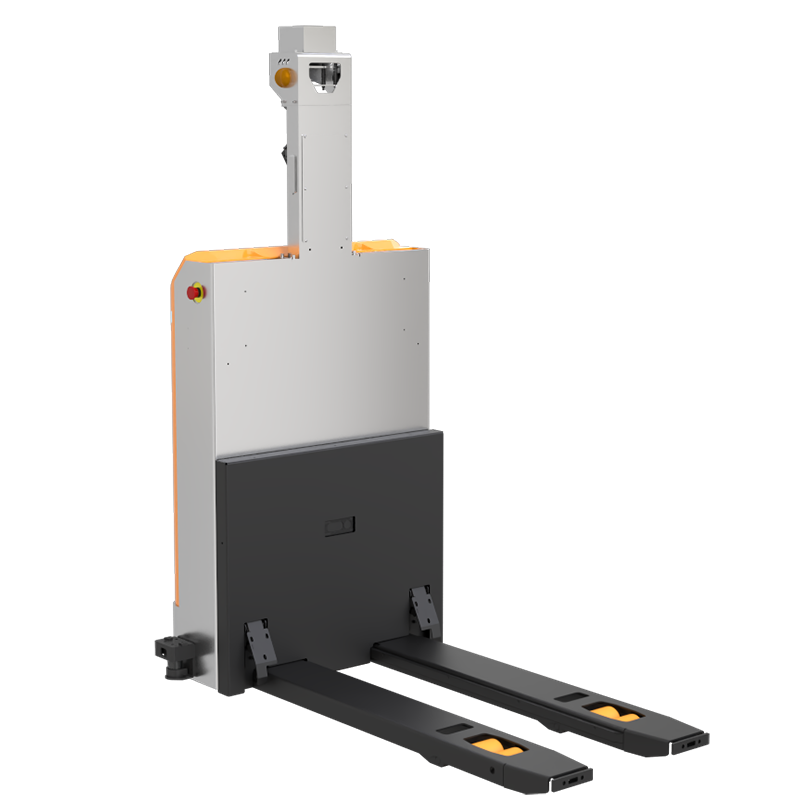
T 2.5M Omni-directional AGV Body, 1000 kg, 3D SLAM, Zero Turning Radius
Flexible movement in tight cells, machine tending and assembly islands where a conventional truck cannot turn cleanly.
- 1,000 kg
- 3D SLAM
- Zero turning radius
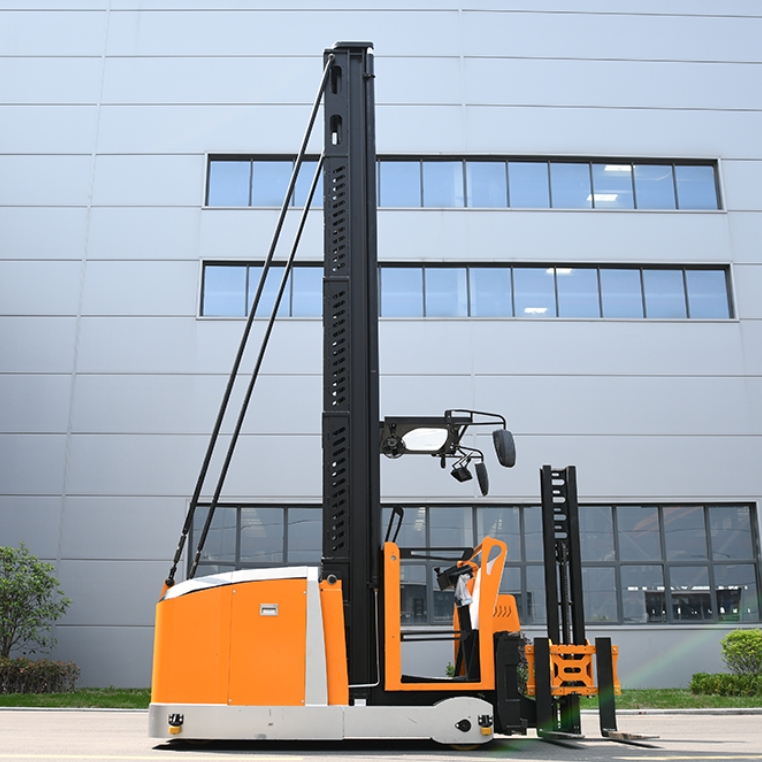
1.5T Electric 3-Way VNA Pallet Stacker Forklift, 1600 kg Loading Capacity
Left, right and forward fork handling with AC motor power for dense racking and high-bay pallet storage.
- 1,600 kg
- 3-way VNA
- AC powered
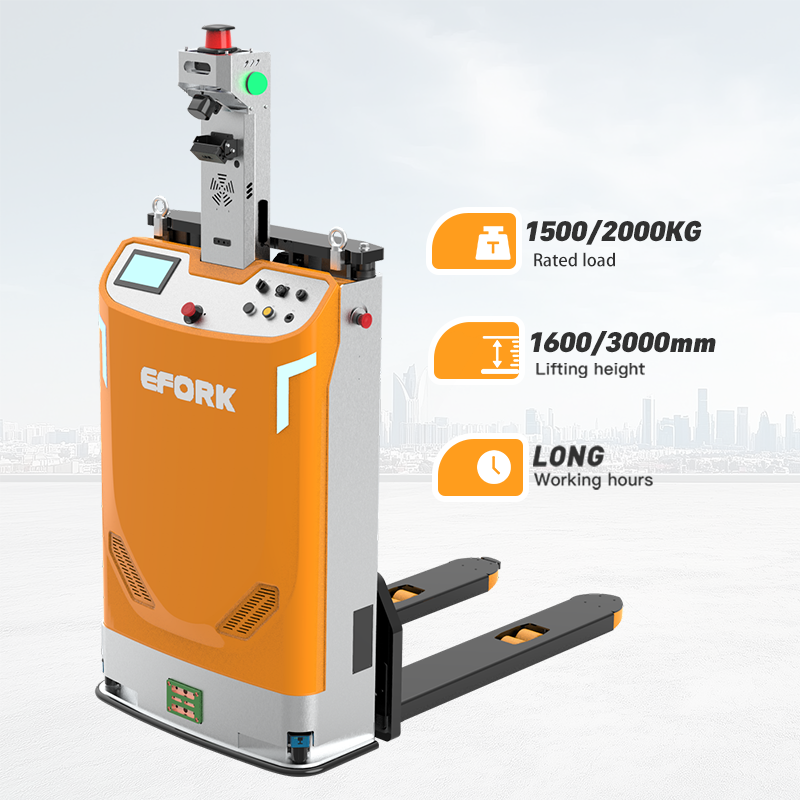
New Heli Yufeng EDA20-30 Slim Stacking AGV Forklift, CE, 2T, 3M, 3D SLAM
Slim chassis and 3 m lift for pallet stacking, line feeding and automation projects that need a narrow footprint.
- 2,000 kg
- 3,000 mm lift
- Wi-Fi / 5G
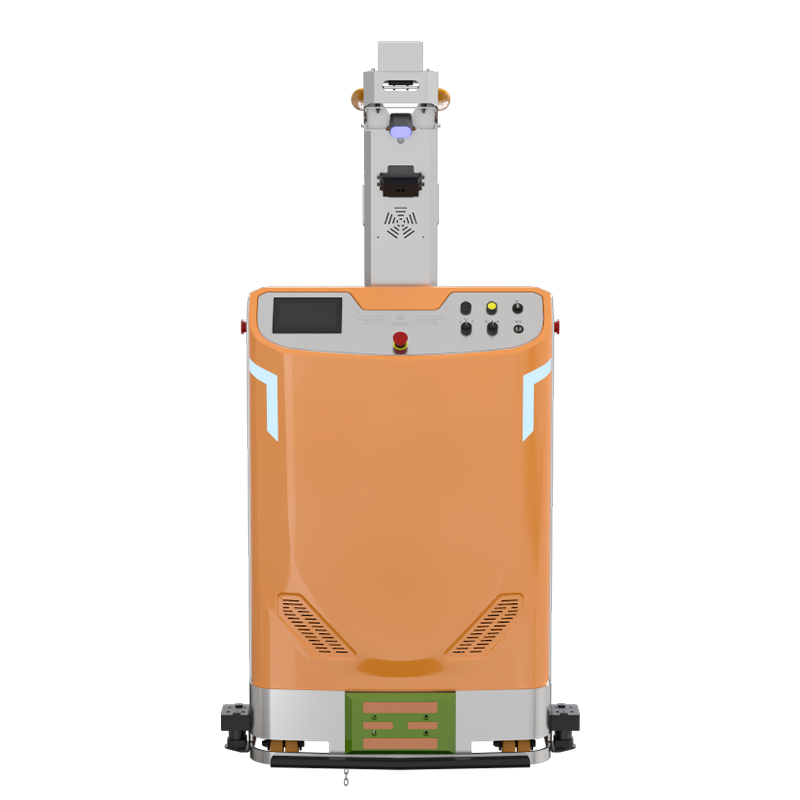
2T Material Handling AGV Body, Narrow Body, 3D SLAM, Laser Obstacle Avoidance
Compact chassis for workshop transport, transfer aisles and mixed-traffic areas where space is measured in centimetres.
- 2,000 kg
- Narrow body
- 3D SLAM
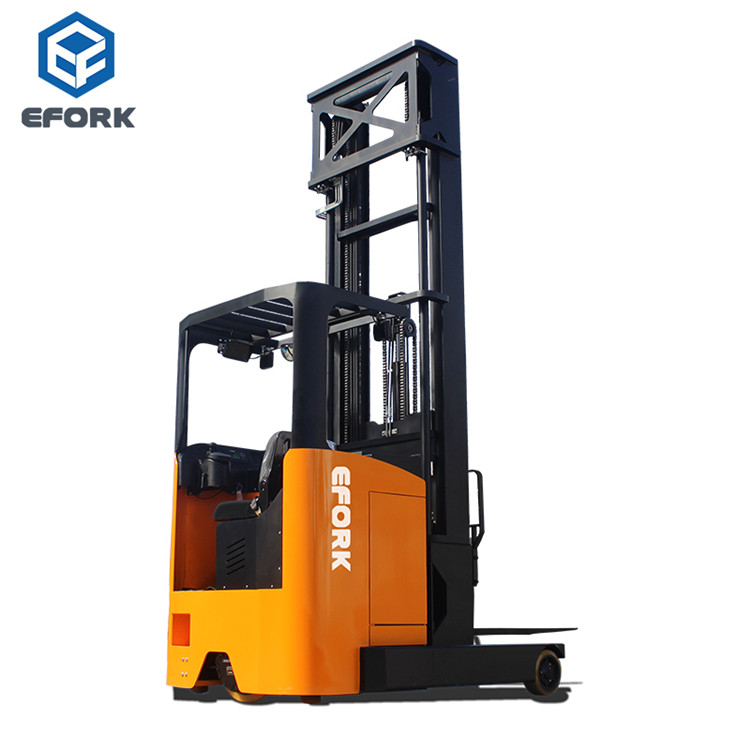
CQDE 2000 kg 12 m / 8 m / 6 m Industrial Forklift Pallet Truck
Heavy-duty pallet handling option for loading, production logistics and high-lift requirements in factory environments.
- 2,000 kg
- 6 / 8 / 12 m
- Industrial duty
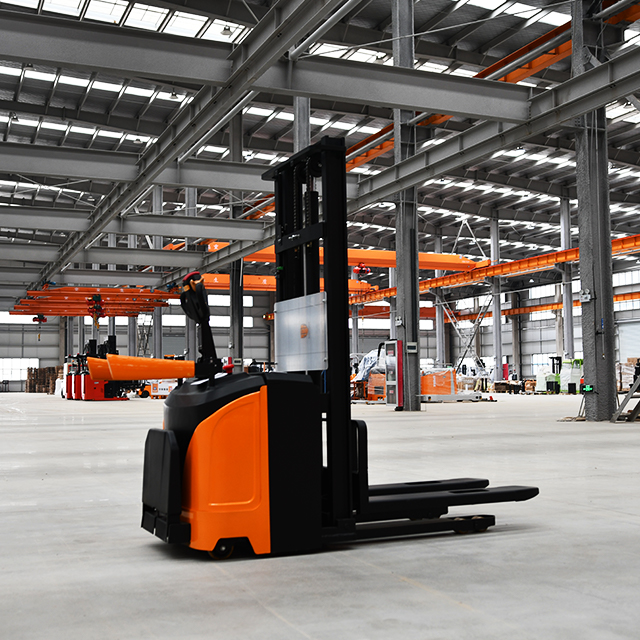
Factory Direct Electric Pallet Lift Stackers, 1.5-Ton, 2-Ton, 3-Ton, 3 m–5 m
Portable self-loading stacker family for dispatch, low racking and flexible pallet lifting without a fixed automation budget.
- 1.5–3 T
- 3–5 m
- Self-loading
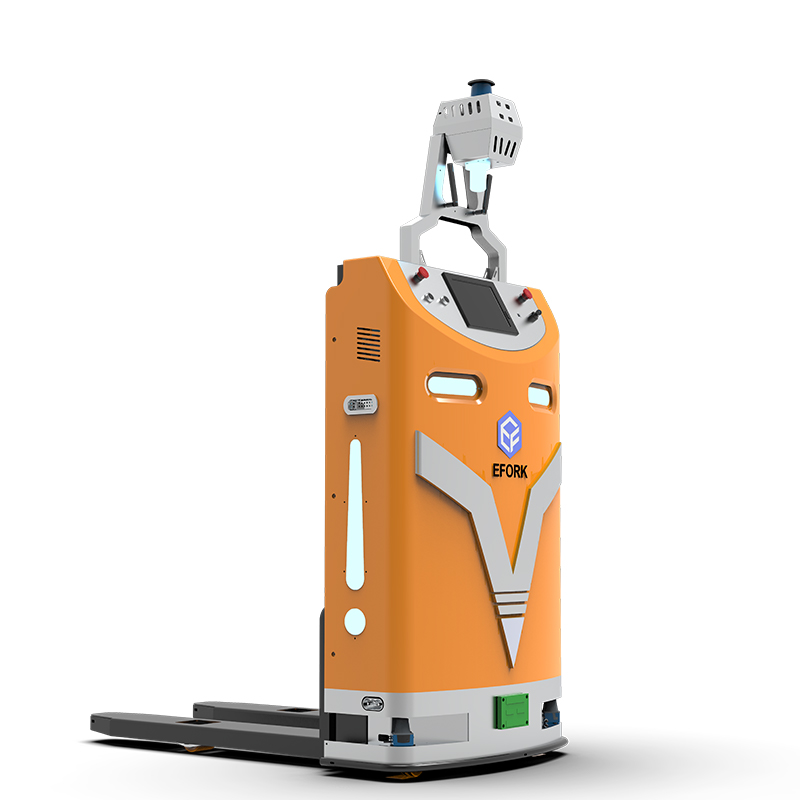
Latest Design Tech Slim Stacking AGV Forklift, CE, 2T, 3M, 3D SLAM
Automation-ready 2 t / 3 m lifting robot for warehouse handling, repetitive stacking and scalable fleet deployment.
- 2,000 kg
- 3,000 mm lift
- CE certified
All eight models can be quoted with CE documentation, English/German technical files where required, spare-parts lists, commissioning support and OEM/ODM customization for load, lift height, fork dimensions, battery strategy and cold-storage variants.
Why Stuttgart Buyers Source From a Factory, Not a Catalogue
Stuttgart is a demanding intralogistics market: expensive floorspace, established buildings, mixed traffic and high traceability expectations. A narrow aisle AGV only works when the truck, navigation, safety scanners, charging and WMS handshake are engineered as one system.
Engineering starts with rack drawings
We review pallet types, rack elevations, aisle geometry and throughput before recommending a model. The quotation is based on the building, not on a generic capacity table.
3D SLAM or laser navigation
Natural-feature 3D SLAM shortens retrofit preparation where reflectors and floor tape are undesirable. Laser navigation remains a strong choice for repeatable fixed routes.
One-source AGV and AS/RS integration
AGV forklifts, stacker cranes, four-way shuttles and RGVs can be coordinated as one WMS-ready intralogistics system rather than assembled from unrelated suppliers.
Documentation for EU procurement
CE marking under 2006/42/EC, ISO 9001, ISO 45001, SGS onsite verification, 7 patents and export-ready Incoterms support German purchasing and compliance teams.



Where Narrow Aisle AGVs Fit in Stuttgart Industry
From automotive line-side feeding to high-bay retrofits in Böblingen, Esslingen, Ludwigsburg and the wider Stuttgart region, the correct AGV platform depends on aisle width, load unit stability, docking tolerance and the IT environment.
Automotive line-side and sequence feeding
Stuttgart's automotive OEM and Tier 1 ecosystem runs on repeatable material flow. A 2T compact material handling AGV or slim stacking AGV can move pallets and stillages from supermarkets to line-side buffers with consistent docking points and traceability-friendly handshakes.
Metalworking, tooling and machine tending
Machinery, precision parts and tooling plants often have narrow cells and uneven traffic. Omni-directional AGV bodies with zero turning radius reduce manoeuvring space, while 3D SLAM localization supports brownfield layouts without heavy infrastructure changes.
Urban 3PL and distribution centres
High land values around Stuttgart push warehouses toward denser racking and faster dock turnaround. Very narrow aisle stackers and reach-type AGVs help increase pallet positions per square metre while keeping inbound, put-away and replenishment cycles predictable.
High-bay retrofit in established buildings
Existing halls in Böblingen, Esslingen, Ludwigsburg and Waiblingen rarely offer a clean greenfield floor. A pre-project survey checks slab flatness, rack tolerances, column positions and fire compartments before selecting a narrow aisle AGV or AS/RS interface.
Cold-chain and food logistics
Temperature-controlled warehouses need stable batteries, condensation-aware safety design and service access. The same AGV platform can be adapted for cold-storage variants, with charging and battery strategy agreed during engineering rather than after installation.
Precision assembly and electronics
For clean, quiet assembly areas, a slim stacking AGV or compact material handling chassis can replace manual pallet pushing while keeping safety scanners and traffic rules aligned with pedestrian routes, forklift crossings and emergency exits.
What Procurement Teams Now Ask Before Choosing an AGV
Recent Stuttgart projects are less about buying a single automated forklift and more about reducing operational risk. These buyer priorities directly affect model selection, safety validation and total cost of ownership.
1. Brownfield-first planning
Retrofitting an existing hall is now the default. Buyers want 3D SLAM, clear aisle studies, floor remediation advice and an honest view of where manual handling still makes sense.
2. Fleet orchestration, not single trucks
The AGV must report to a WMS, MES or fleet manager. Interface testing, task priorities and error handling are evaluated before the first truck is accepted.
3. Energy and charging strategy
High electricity costs and multi-shift operation make opportunity charging, battery sizing and charger placement part of the business case, not a later accessory decision.
4. Safety in mixed traffic
German sites expect documented risk assessment and predictable behaviour around pedestrians, forklifts, fire doors and blind corners. The safety envelope must be engineered for the real layout.
Aisle Width, Integration and Safety: The Stuttgart Pre-Engineering Brief
Before comparing quotations, define the constraints that determine whether a narrow aisle AGV will achieve the promised cycle time. This is the same technical logic our engineers use when preparing a factory-direct proposal for an overseas project.
| Project question | Engineering input required | Why it matters in Stuttgart |
|---|---|---|
| Will the AGV physically fit? | Rack drawing, upright positions, pallet overhang, floor markings and door clearances. | Many Stuttgart buildings are brownfield facilities where the rack layout and building columns are fixed constraints. |
| Can it dock accurately? | Pallet tolerance, fork entry height, floor flatness, reflections and target position repeatability. | High-accuracy docking reduces damaged goods and manual intervention during line-side delivery. |
| Will the fleet maintain throughput? | Peak tasks per hour, travel speed, lift height, charger ratio and traffic simulation. | Automotive and 3PL operations often fail at shift changes and peak windows, not average demand. |
| Can the WMS control the work? | WMS/ERP/MES interface list, task allocation rules, exception handling and network coverage. | German procurement teams expect the AGV to behave like a managed asset, not an isolated machine. |
| Is the safety concept buildable? | Mixed-traffic map, pedestrian zones, scanner fields, emergency stops, fire doors and blind corners. | Safety must be validated against the actual site layout and operating rules before go-live. |
| Can the system be supported? | Spare-parts list, remote diagnostics, training plan, maintenance intervals and local partner coordination. | Lifecycle support protects uptime after commissioning and during future fleet expansion. |
Recommended Starting Point by Stuttgart Project Brief
Use this short recommendation matrix to shortlist the first model before requesting a full layout review. Final selection is confirmed only after the rack and pallet data have been reviewed.
High-bay / very narrow aisle
Start with the 1.5T electric 3-way VNA pallet stacker or the slim stacking AGV. Confirm rack tolerances, lift height and floor flatness before quotation.
Line-side replenishment
The 2T narrow-body material handling AGV and omni-directional AGV body are strong fits for compact cells, assembly islands and frequent direction changes.
Pallet stacking and low racking
The EFORK EDA20-16 and Heli Yufeng EDA20-30 models balance 2T capacity, compact dimensions, 3D SLAM and CE documentation for standard warehouse pallets.
Factory logistics and dispatch
The CQDE industrial pallet truck and portable electric stacker family suit loading, low-to-medium lifts, production logistics and staged automation budgets.
Six Checks Before You Approve an AGV Factory Order
These checks reduce the risk of an expensive retrofit surprise and help internal stakeholders compare suppliers on the same technical basis.
Rack and pallet survey
Collect pallet dimensions, load weights, overhang, rack beam levels, upright positions and damaged-pallet policy. This defines the minimum viable AGV envelope.
Aisle-width measurement
Measure the narrowest point, door frames, columns and safety clearance. Do not rely on nominal aisle labels from an old drawing or a rack supplier's brochure.
Floor and building constraints
Check slab flatness, joints, ramps, thresholds and fire compartments. A 3D SLAM AGV is flexible, but it still needs a defined driving surface and safety layout.
WMS, ERP and network
Define the task interface, Wi-Fi/5G coverage, handover points and exception rules. The AGV should fit the information flow, not become a separate island.
Safety and mixed traffic
Map pedestrian routes, forklift crossings, blind corners, charging areas and emergency exits. Safety parameters are part of the engineering scope, not a final add-on.
Service and spare-parts plan
Agree remote diagnostics, spare-parts list, training, maintenance intervals and escalation paths before shipment. Uptime planning starts before the FAT, not after arrival.
What Stuttgart Buyers Ask About Narrow Aisle AGVs
Clear answers for purchasing, engineering and operations teams comparing a factory-direct supplier with local integrators.
Are you a Stuttgart-based manufacturer or a factory-direct exporter?
Nexrik manufactures in Hefei, Anhui, China, and supplies Stuttgart buyers factory-direct. We do not claim a local manufacturing plant in Stuttgart. The advantage is direct engineering access to the factory, CE documentation, export packing and remote or on-site commissioning coordination for German projects.
How do we verify quality before placing a factory order?
Review the SGS onsite verification, CE marking under 2006/42/EC, ISO 9001 and ISO 45001 systems, 7 patents, factory images and product inspection records. For a pilot project, we recommend a factory acceptance test before shipment and a documented commissioning checklist after arrival.
What is the lead time for delivery to Stuttgart?
Lead time depends on the model, battery strategy, custom fork or lift requirements and the interface scope. A firm schedule is issued after design freeze and deposit. Single-unit pilots are prioritized; fleet projects are phased against your installation windows and WMS testing plan.
Which AGV fits a very narrow aisle in an older building?
Start with the 1.5T electric 3-way VNA pallet stacker or a slim stacking AGV. The final choice depends on lift height, rack beam depth, pallet overhang and floor tolerance. Send rack drawings and a measured aisle plan so our engineers can calculate the real operating envelope.
Can your AGVs integrate with SAP EWM, WMS or MES?
Our systems are WMS-ready and can be engineered around agreed task interfaces. During solution design we define handover points, task status messages, error codes and exception handling, then test the interface during commissioning so the AGV fleet fits the existing information flow.
What CE and safety documentation is available?
We provide CE documentation under the Machinery Directive 2006/42/EC for the AGV range, ISO management certification and model-specific technical information. Site safety still requires a project risk assessment and validation against the actual traffic and building layout, including applicable local requirements.
How is after-sales service handled for German customers?
Support can include remote diagnostics, commissioning guidance, operator training, spare-parts planning and coordination with your local service partner. Spare-parts recommendations are agreed before shipment so maintenance is not dependent on overseas lead times for routine wear items.
What trade and payment terms do you accept?
Accepted delivery terms include FOB, CFR, CIF, EXW, FAS, CIP and DDP. Payment methods include L/C, D/P, D/A, MoneyGram, credit card and Western Union in USD, EUR or CNY. MOQ is 1 set for standard AGV models, which allows a pilot before scaling a fleet.
Send Your Rack Layout. Get a Factory-Direct AGV Proposal for Stuttgart.
Share your pallet dimensions, rack drawing, aisle width, throughput target and WMS requirements. Our engineers will respond with a recommended model, fleet size and the next steps for a CE-ready project.