Material Handling AGV Exporter & Wholesalers for Louisville
Factory-direct AGV forklifts, 3D SLAM stacker robots, narrow-aisle VNA trucks and AS/RS equipment from a 66,650 m² CE-certified plant — supplied to distributors, integrators and warehouse operators across Jefferson County and the wider Kentucky–Indiana logistics region.
Eight Material Handling AGV Platforms Available to Louisville Buyers
Each model is built to order with CE documentation, 48V lithium power options, cold-store variants and buyer-label branding. Open any listing for full load, lift and navigation specifications.
 CE
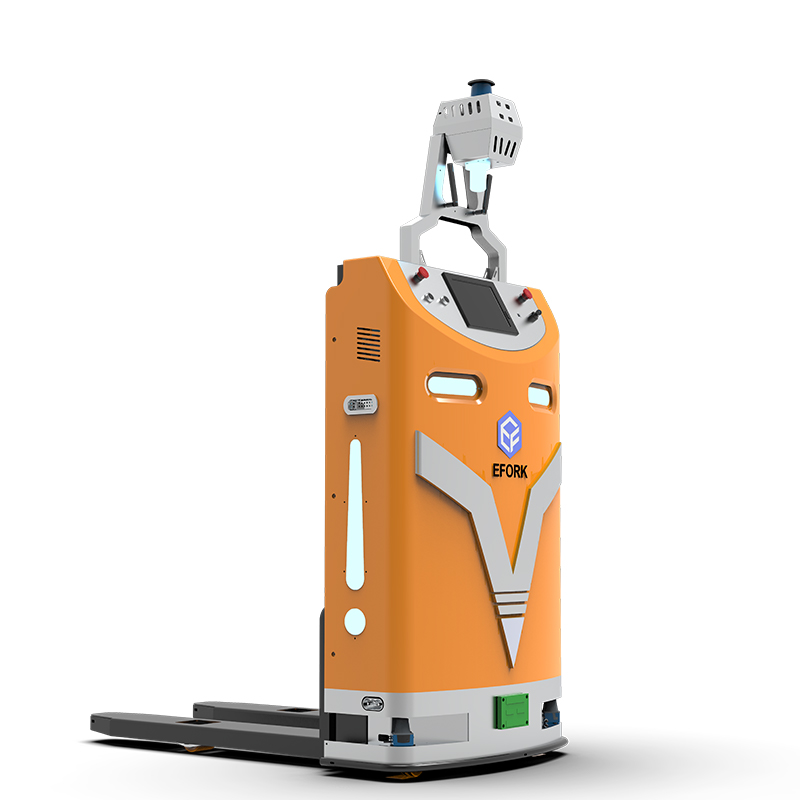
Latest Design Tech Slim Stacking AGV Forklift CE Certified 2T 3M 3D SLAM for Warehouse Automation Handling and Lifting Robot
- 2,000 kg
- 3 m lift
- 3D SLAM
 CE
3D SLAM
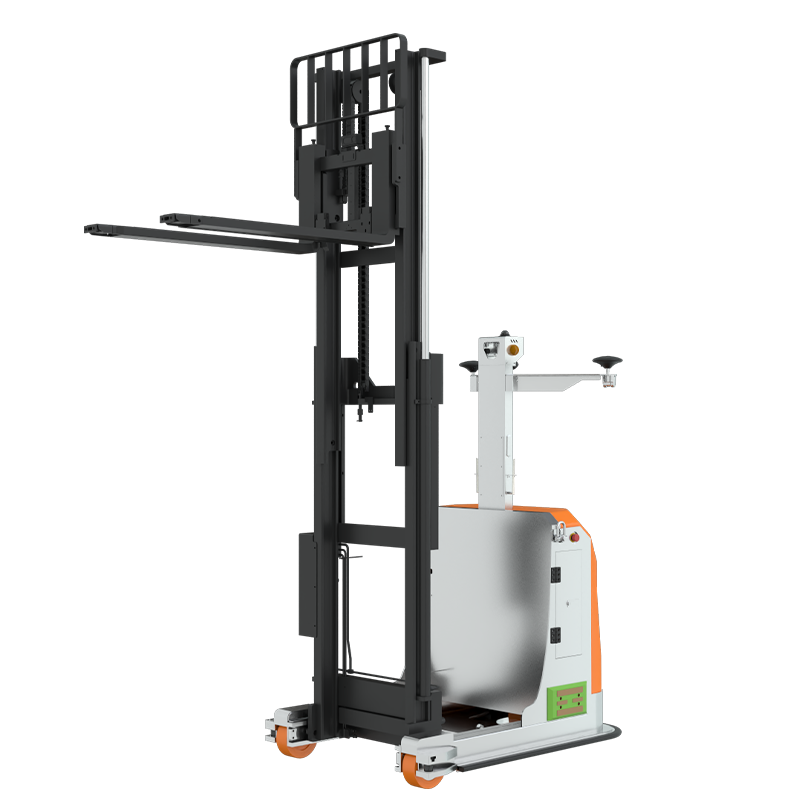
Reach Truck AGV Narrow Body 1.5T 3M Compact Design Fork Forward Function 3D SLAM Navigation 10mm Positioning Accuracy for
- 1,500 kg
- 3 m lift
- ±10 mm
 CE
WiFi / 5G
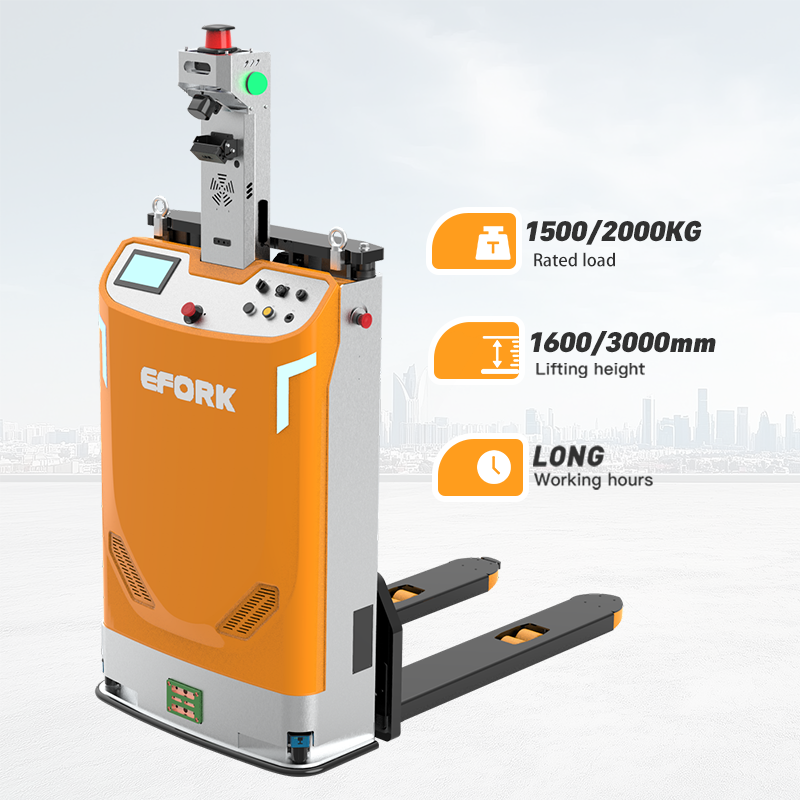
New Heli Yufeng EDA20-30 Slim Stacking AGV Forklift CE Certified 2T 3M 3D SLAM WIFI/5G for Stacking Mobile Robot
- 2,000 kg
- 3 m lift
- 3D SLAM
 2T
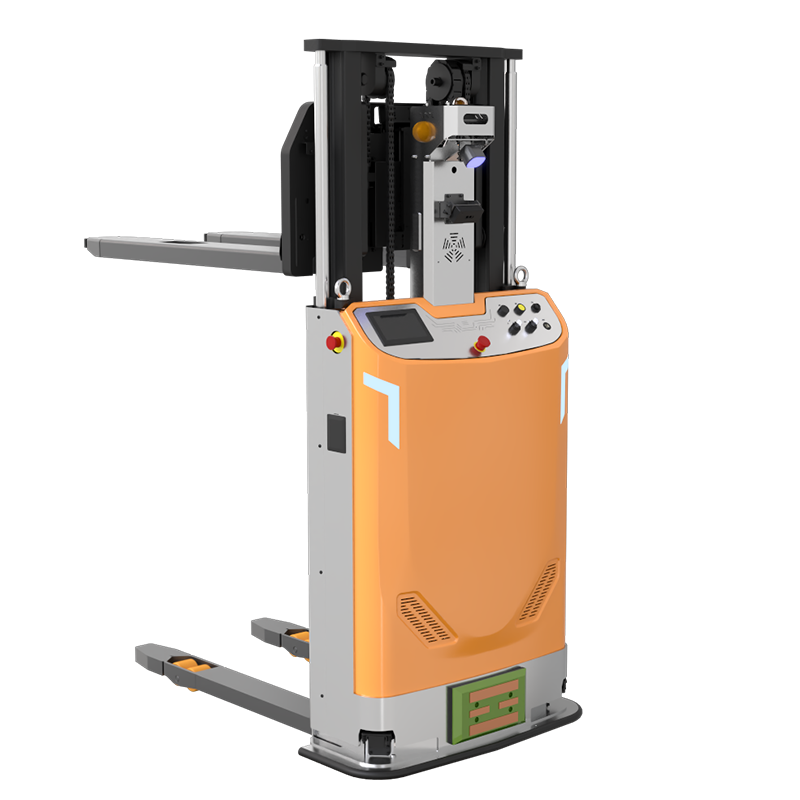
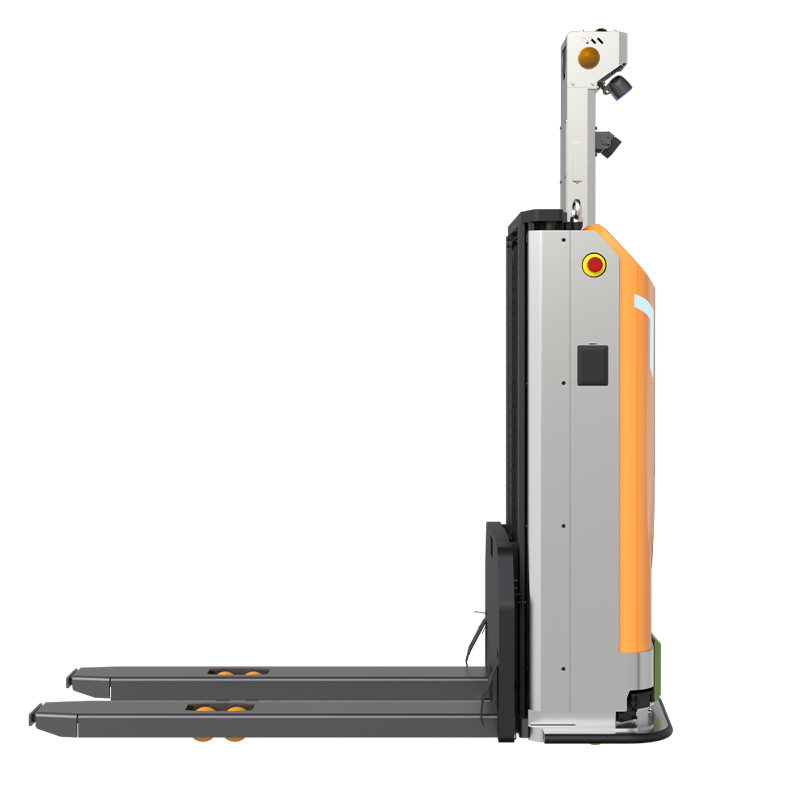
2T 1.6 M Slim Narrow-Body Stacker AGV Body for High-Density Storage High Lift Pallet Stacking AGV Maximize Warehouse Space
- 2,000 kg
- 1.6 m lift
- Narrow body
 CE
3D SLAM
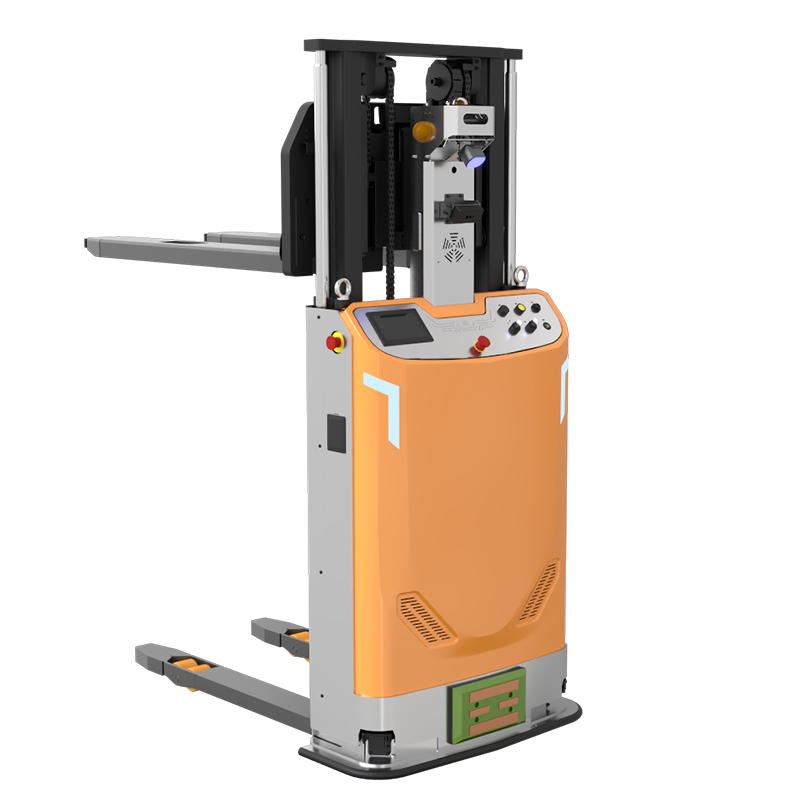
2T Slim Narrow-Body Stacker AGV with 3D SLAM & WIFI/5G for High-Density Storage 1.6M Pallet Stacking Maximize Warehouse Space
- 2,000 kg
- 1.6 m lift
- WiFi / 5G
 CE
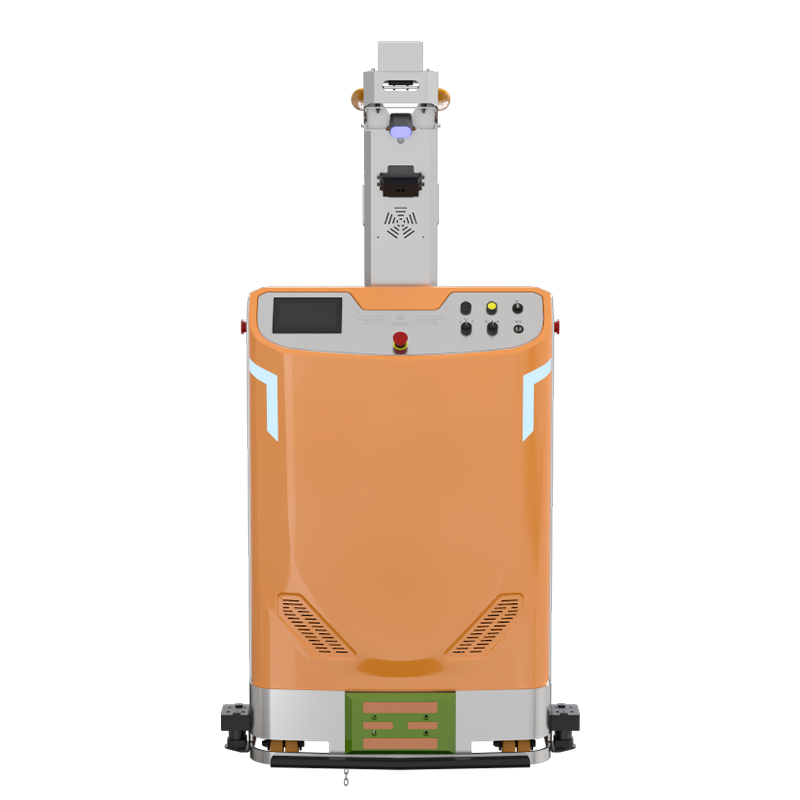
Automatic Stacker AGV Body Slim Narrow-Body 3M 2T High-Density Storage Pallet Stacking 3D SLAM Navigation WIFI/5G Maximize
- 2,000 kg
- 3 m lift
- 3D SLAM
 CE
Laser Safety
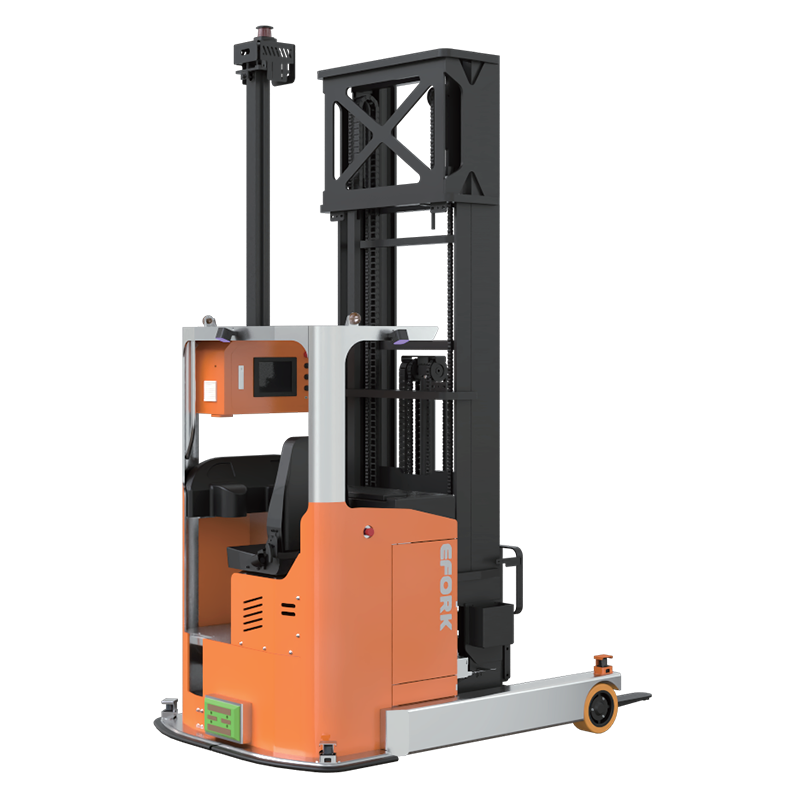
2T Material Handling AGV Body Narrow Body Compact Chassis 3D SLAM Navigation Laser Obstacle Avoidance for Workshop Transport
- 2,000 kg
- 3D SLAM
- Obstacle avoidance
 CE
4.5 M
4.5M Reach Truck AGV Body 2T for Pallet Handling High Lifting Smart Warehouse Logistics Robot Laser Slam Navigation CE Certified
- 2,000 kg
- 4.5 m lift
- Laser SLAM
- 1,152Onsite-Verified Staff
- 66,650m²Production Floorspace
- 100M+ USDAnnual Revenue
- 7Awarded Patents
What Louisville Buyers Actually Need From an AGV Supplier
Louisville is not a generic warehouse market, and a supplier page written for a generic market will not answer the questions a Jefferson County operations director actually asks. The metro sits around UPS Worldport, the courier's largest global air hub, with the Jefferson Riverport industrial belt, Louisville Muhammad Ali International Airport and three converging interstates — I-65, I-71 and I-64 — inside a thirty-minute drive. Add GE Appliances, the Ford Kentucky Truck Plant, a dense beverage and spirits distribution base, and a 3PL cluster that stretches south through Shepherdsville and Bullitt County, and you get a region where pallets move on short cycles, under tight dock windows, seven days a week.
That operating pattern changes what a material handling AGV has to do. It rarely needs to travel long distances. It needs to repeat a short, high-frequency loop with near-zero positional drift, hand off cleanly to a WMS, and keep running through the seasonal peaks that air-cargo and retail cycles produce. It also has to fit buildings that were laid out years before automation was on the roadmap — buildings where nobody wants to pour new floors or bolt reflector plates to the racking uprights.
This page is written as a buying reference rather than a brochure. Below you will find the application scenarios where autonomous pallet handling pays back fastest in Louisville, the procurement trends reshaping 2025 specifications, an engineering comparison of platforms, the manufacturing and certification record behind the equipment, and the questions international buyers ask before placing a first order.
Where Material Handling AGVs Earn Their Keep in Louisville
Six recurring warehouse jobs in the Kentuckiana region where a driverless pallet truck, stacker or VNA unit typically reaches payback inside two years.
Air-Cargo & Express Hub Staging
Around Worldport, pallets are landed, sorted and re-departed within hours. A stacker AGV can run the repetitive warehouse-to-dock loop on a fixed schedule, freeing licensed drivers for the irregular receiving and exception handling that still needs human judgement.
Appliance & Automotive Line-Side Replenishment
High-volume assembly plants across the metro replenish components on takt time. A narrow-body AGV can pass through 2.6–2.8 m aisles where a seated counterbalanced truck needs roughly 3.5 m, which matters when the line-side supermarket was designed before automation.
Bourbon, Spirits & Beverage Warehousing
A filled bourbon barrel weighs roughly 220 kg before the pallet is counted. Barrel-handling and case-pick warehouses in the region need repeatable, low-vibration lifts at height, which is exactly where a 2T slim stacker with 3 m lift and ±10 mm positioning removes both product damage and driver fatigue.
3PL & E-Commerce Fulfillment
Distribution centers heading south along I-65 toward Shepherdsville and Elizabethtown are usually leased to the rack. Where new footprint is unavailable, converting a 3.5 m aisle to 2.7 m can recover 15–22% more pallet positions inside the same four walls — without a construction permit.
Cold Chain & Food Distribution
Freezer rooms punish batteries and punish people. Cold-store variants of our stacker and reach truck platforms use heated enclosures and low-temperature-rated cells, so throughput does not collapse when the door closes — and staffing a −25 °C shift stops being a recruitment problem.
Retail & Grocery Distribution
Multi-temperature grocery DCs need both dense storage and fast case flow. Pairing four-way shuttles with AS/RS stacker cranes lets a single WMS drive put-away and retrieval across ambient, chilled and frozen zones without duplicating forklift fleets per temperature band.
Six Procurement Shifts Reshaping Material Handling in Louisville
What changed in 2024–2025 specification meetings, and why it changes the equipment you should be quoting.
Forklift Labour Is the Constraint
Warehouse wages in the metro have risen faster than general inflation for several consecutive cycles, and experienced reach-truck operators are the hardest role to fill. Buyers now model AGVs against a loaded labour rate, not against equipment price alone — which shortens payback calculations considerably.
Industrial Land Is Priced as a Premium
With industrial vacancy tight along the I-65 and I-71 corridors, the marginal cost of a new square metre dwarfs the marginal cost of densifying an existing one. Narrow-body AGV chassis and VNA 3-way units are being specified specifically to convert existing aisles into storage.
Retrofit Beats Greenfield
Most Louisville projects now start inside a building that is already racked. That pushes suppliers toward natural-feature localisation instead of floor tape or reflector networks, because a retrofit must not interrupt live operations for weeks of site preparation.
Volume Volatility Favours Scalable Fleets
Air-cargo peaks and e-commerce promotions create swings that a fixed conveyor system cannot absorb. Buyers are shifting to modular fleets that scale one truck at a time — which is why a single-set minimum order matters more than a headline fleet price.
WMS-First Specification
Automation is now bought as a data project. Interface requirements — task allocation, location mapping, exception handling, audit trails — are defined before hardware is quoted, and suppliers who cannot document a WMS/WCS interface are filtered out early in the tender.
Safety and ESG Documentation
Insurers, customers and corporate ESG teams now ask for machinery safety files, battery chemistry data and energy consumption per cycle. CE documentation under 2006/42/EC, plus ISO 9001 and ISO 45001 system certification, has become a pre-qualification item rather than a bonus.
Matching the Platform to the Louisville Facility
Use this reference to shortlist equipment before an engineered layout proposal is produced.
| Platform | Typical Load | Lift / Height | Navigation | Best-Fit Louisville Scenario |
|---|---|---|---|---|
| Material Handling AGV Body | 2,000 kg | Workshop transport | 3D SLAM + laser avoidance | Mixed production and warehouse routes with pedestrian traffic |
| Reach Truck AGV | 1,500 kg | 3,000 mm | 3D SLAM, ±10 mm | Selective racking where the aisle is tighter than a counterbalanced truck allows |
| Slim Narrow-Body Stacker | 2,000 kg | 1,600 mm | 3D SLAM / WiFi / 5G | Floor-level to low-bay transfer in leased buildings with no floor work |
| Heli Yufeng Slim Stacking AGV | 2,000 kg | 3,000 mm | 3D SLAM, WiFi / 5G | High-density put-away and line-side replenishment at mid height |
| 4.5 m Reach Truck AGV Body | 2,000 kg | 4,500 mm | Laser SLAM | Pallet handling at higher racking levels in existing warehouses |
| AS/RS Stacker Crane | 1,000–5,000 kg | Up to 40 m | Rail-guided / WMS-WCS | New-build high-bay and frozen-storage warehouses |
| Four-Way Shuttle System | 1,000–2,000 kg | Multi-level via lifts | Rail-guided, ±2 mm | Dense pallet storage with flexible FIFO / LIFO logic |
Values reflect standard configurations. Final specifications are fixed during project engineering against your pallet types, rack drawings and throughput targets.
Why Louisville Distributors Source From Our Plant
Anhui Nexrik Intelligent Technology Co., Ltd. designs and manufactures AGV forklifts, AS/RS stacker cranes and four-way shuttle systems at two production bases in Feixi County, Hefei — a recognised hub of China's forklift industry. Every claim below is verifiable through third-party documentation.
Manufacturing Scale You Can Verify
66,650 m² of production floorspace, 1,152 staff and more than USD 100 million in annual revenue, all confirmed by independent onsite inspection. For a fleet order that will run your warehouse for a decade, supplier capacity and continuity matter as much as the machine.
SGS Onsite Verification & CE Marking
Premises and legal status have been checked on site by SGS Group, and the AGV range carries CE marking under Machinery Directive 2006/42/EC. Documentation ships with the equipment, so customs clearance, tender submissions and insurance reviews do not stall at the border.
ISO 9001 & ISO 45001 Systems
Quality management and occupational health and safety are certified management systems, not slogans. Onsite material inspection and finished-product inspection run before every shipment, and seven awarded patents plus one registered trademark back the R&D claim.
Dual Navigation Expertise
We build both 3D SLAM and laser-navigation platforms, so the recommendation follows your building rather than our catalogue. SLAM localises on the natural features of the facility and typically removes the need for reflector plates or floor tape, shortening site preparation dramatically.
One-Stop Turnkey Integration
AGV forklifts, AS/RS stacker cranes, four-way shuttles and RGVs come from one source and are engineered as a single WMS-ready system. That removes the interface finger-pointing that appears when a Louisville integrator has to stitch together four vendors on one commissioning date.
OEM, ODM & Export Terms
Full customization, OEM, ODM and buyer-label production are available — load capacity, lift height, fork dimensions, battery configuration and cold-storage variants. Accepted Incoterms include FOB, CFR, CIF, EXW, FAS, CIP and DDP, with payment by L/C, D/P, D/A, credit card or Western Union in USD, EUR or CNY.
From Site Survey to Go-Live in Five Stages
A structured process that de-risks a first automation project — and keeps a multi-site rollout on the same engineering standard.
Site Analysis
Rack layout, pallet specification, floor flatness, door widths, throughput and shift pattern are reviewed before any hardware is proposed.
Solution Design
Equipment selection, fleet sizing and traffic simulation are run against peak demand — including the seasonal spikes typical of this region.
Manufacturing & FAT
Production with onsite material and finished-product inspection, followed by a factory acceptance test before the unit is released for shipment.
Shipping & Clearance
Export packing, CE documentation and Incoterms of your choice — FOB, CIF or DDP to a Louisville address with customs handled end to end.
Commissioning & Support
Mapping, WMS interface testing, safety validation, operator training, then remote diagnostics and spare-parts supply through the lifecycle.
Questions Louisville Buyers Ask Before Ordering
Can you ship material handling AGVs directly to Louisville with DDP terms?
Yes. We regularly quote DDP to warehouses and freight forwarders in Jefferson County, Bullitt County and the wider Kentuckiana area, and we also work on FOB, CFR, CIF, EXW, FAS and CIP depending on your customs broker. Typical production lead time for a standard single-unit order is four to six weeks, with ocean transit and inland trucking added on top. Export packing, CE documentation and commercial invoices are prepared before the container leaves the plant.
Does 3D SLAM work in our existing racking without adding reflectors or floor tape?
In most retrofits, yes. 3D SLAM localises against the natural features of the building — rack uprights, walls, columns and structural steel — rather than a purpose-built marker network. That means you generally do not need to pause live operations for weeks of site preparation, and you do not need to modify racking you may not own. For highly repetitive fixed routes inside a new building, reflector-based laser navigation remains a strong and slightly more economical alternative, and we will recommend whichever matches your building.
What is the minimum order quantity for a Louisville distributor or 3PL?
The MOQ is one set for every AGV forklift, stacker crane and four-way shuttle model. Most first-time buyers start with a single truck on a defined loop to validate cycle time, WMS hand-off and safety performance in their own environment before scaling to a fleet. Because we manufacture the chassis and control systems in-house, expanding a pilot fleet later does not require a re-engineering cycle.
Which certifications should we expect to see in the supplier file?
Our file includes CE marking under Machinery Directive 2006/42/EC for the AGV range, ISO 9001 quality management certification, ISO 45001 occupational health and safety certification, and SGS onsite verification of premises and legal status. We also hold seven awarded patents and one registered trademark. These are the documents insurers, tender reviewers and customs authorities most often request for imported powered industrial equipment.
Can the equipment integrate with our existing WMS or ERP?
Yes. Our AS/RS and four-way shuttle systems are designed WMS-ready, and the AGV fleet is commissioned against an agreed interface specification — task allocation, location mapping, exception handling and audit logging are defined during solution design, not after delivery. If you already run a tier-one WMS, we will work from your integration document; if you do not, we will help define the minimum viable interface before the first unit ships.
Do you offer cold-storage variants for frozen or chilled warehouses?
Yes. Cold-store variants are available across the stacker, reach truck and AS/RS product lines, using low-temperature-rated battery cells, heated enclosures and cold-duty hydraulics. This matters in a metro where multi-temperature grocery distribution and beverage cold-chain operations are common — and where recruiting staff for a −25 °C shift is harder than automating the loop itself.
How are spare parts and service handled from Louisville?
Remote diagnostics are included, allowing our engineering team to read fault logs and guide your maintenance staff in real time. Consumable and wear parts — wheels, forks, sensors, battery modules — are stocked for shipment on standard export terms, and we will agree a recommended critical spares list with you at commissioning so that your first line of response does not depend on an international shipment.
What trade and payment terms are accepted?
Incoterms accepted are FOB, CFR, CIF, EXW, FAS, CIP and DDP. Payment can be made by L/C, D/P, D/A, MoneyGram, credit card or Western Union in USD, EUR or CNY. For distributors planning repeat orders, we will quote against an annual volume so your landed cost per unit is predictable across the year rather than fixed at the spot rate of a single shipment.
Send Us Your Rack Layout and Throughput Target
Our engineers will return a platform recommendation, a fleet size estimate and an indicative landed cost to Louisville — including the navigation option that best suits your building, not the one that is easiest for us to sell.
Send an Inquiry