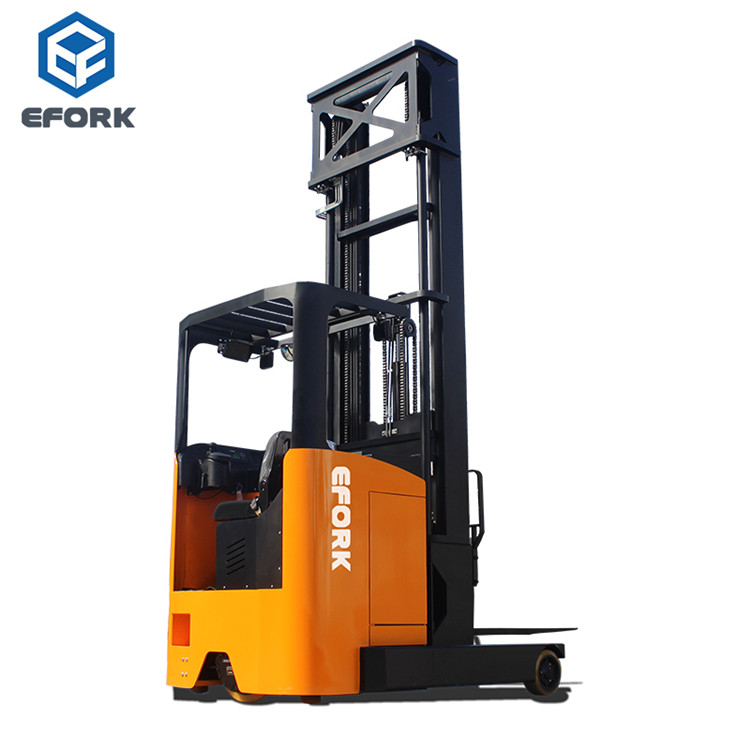
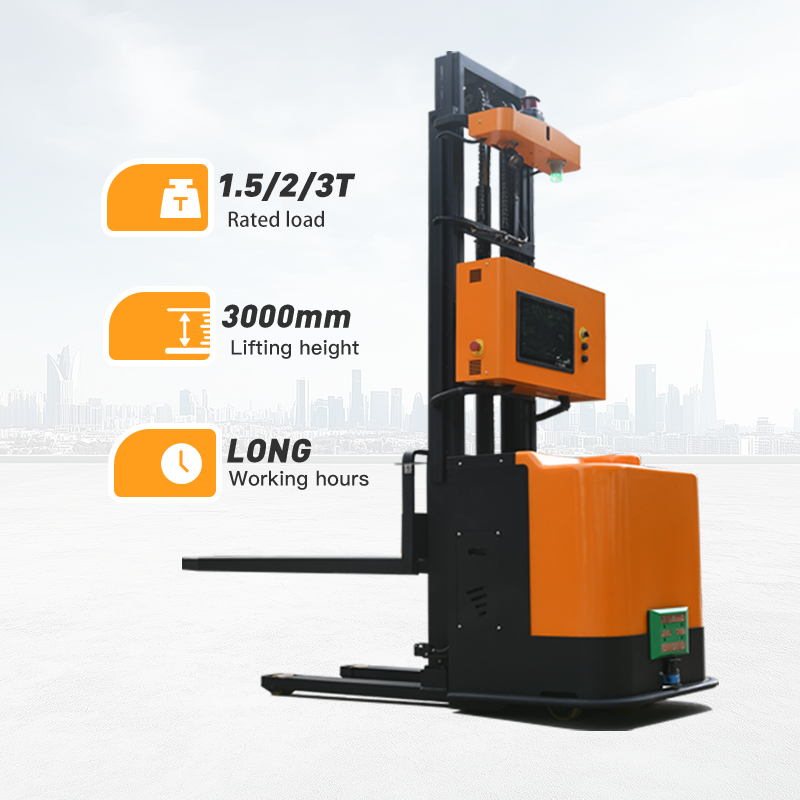
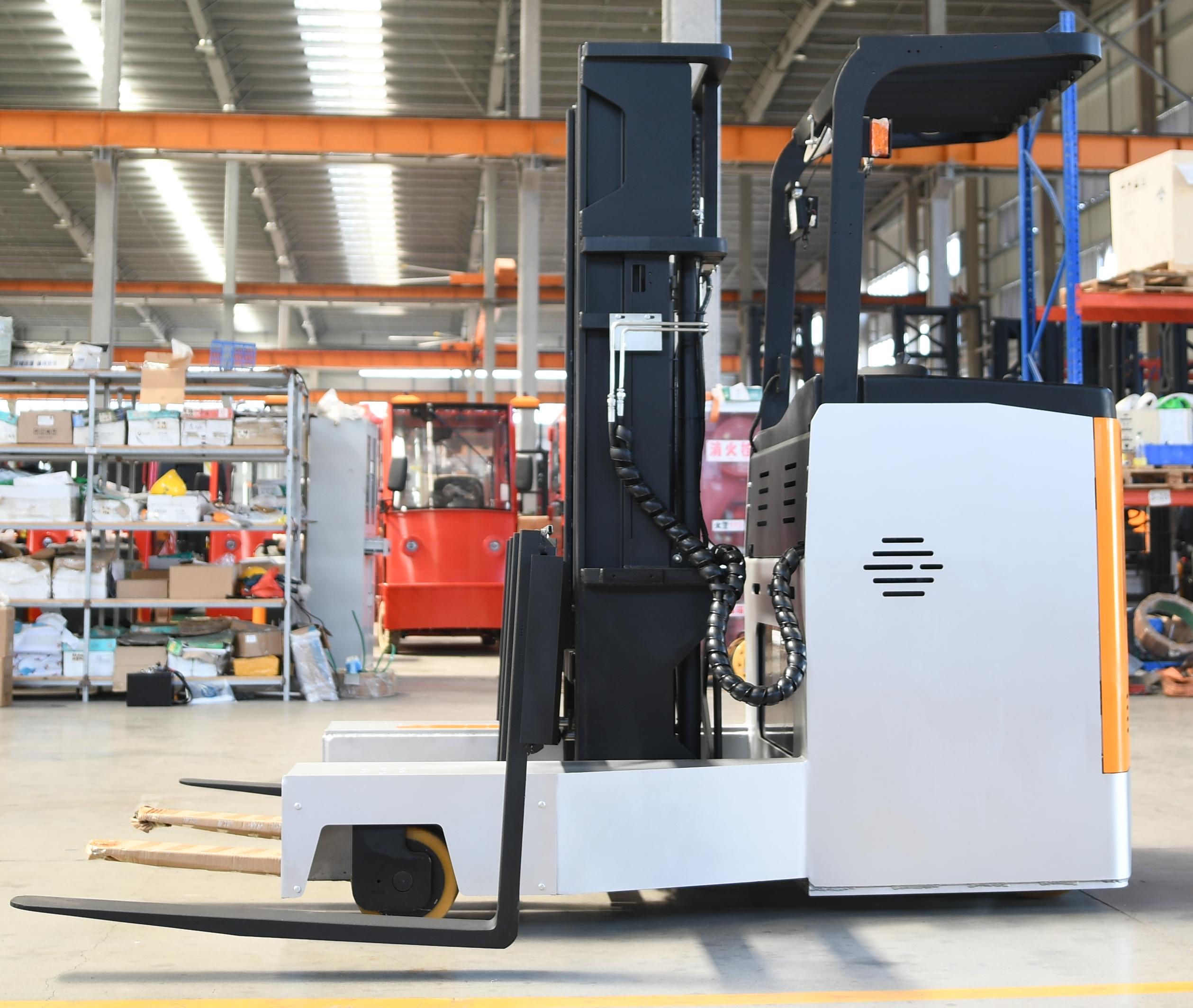
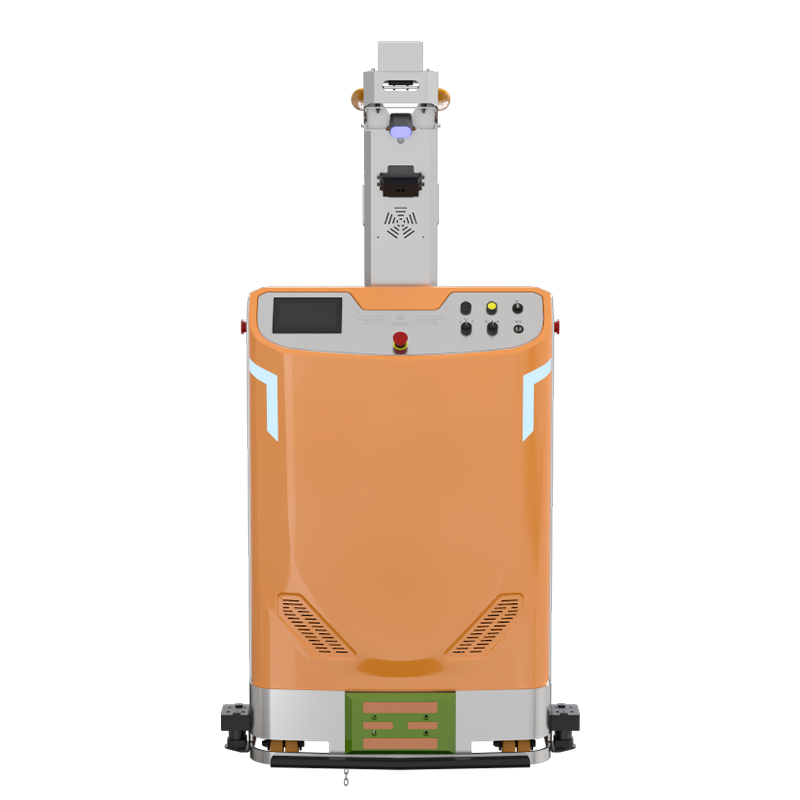
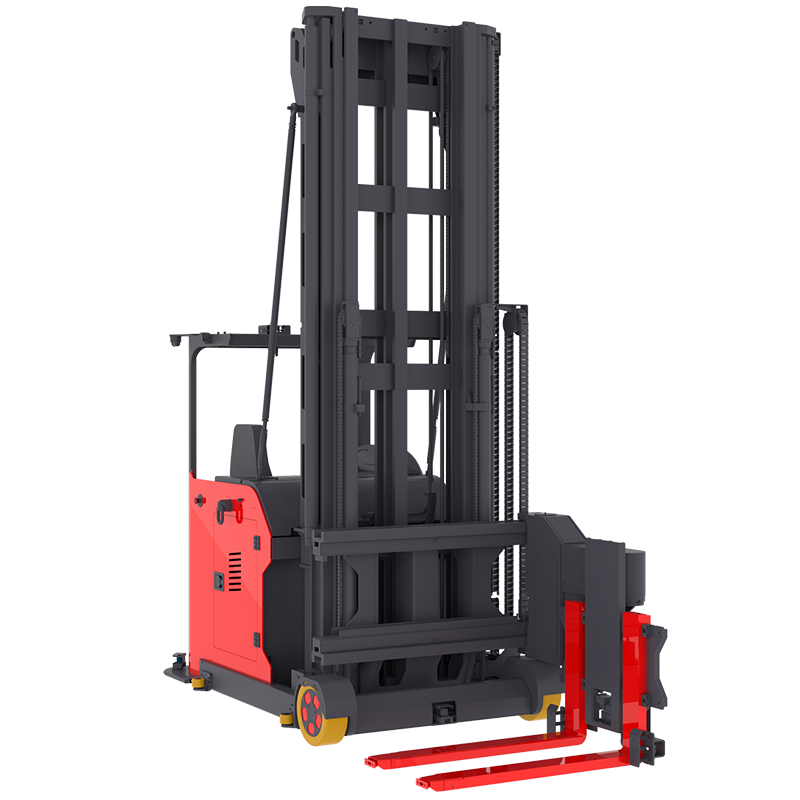
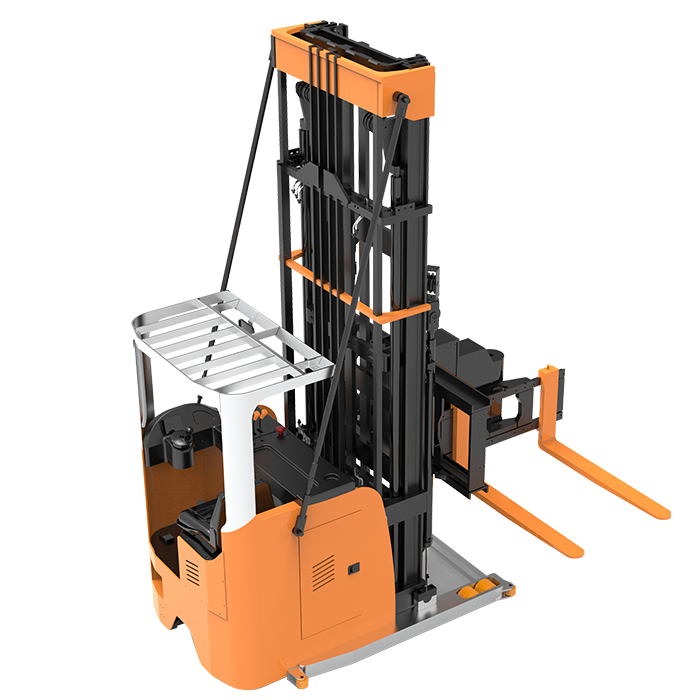
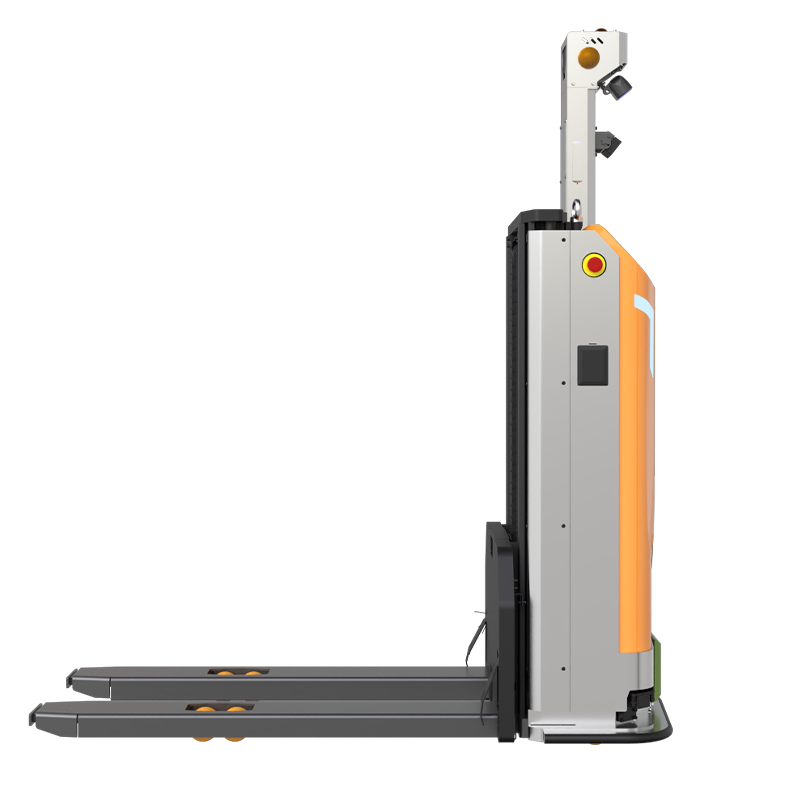
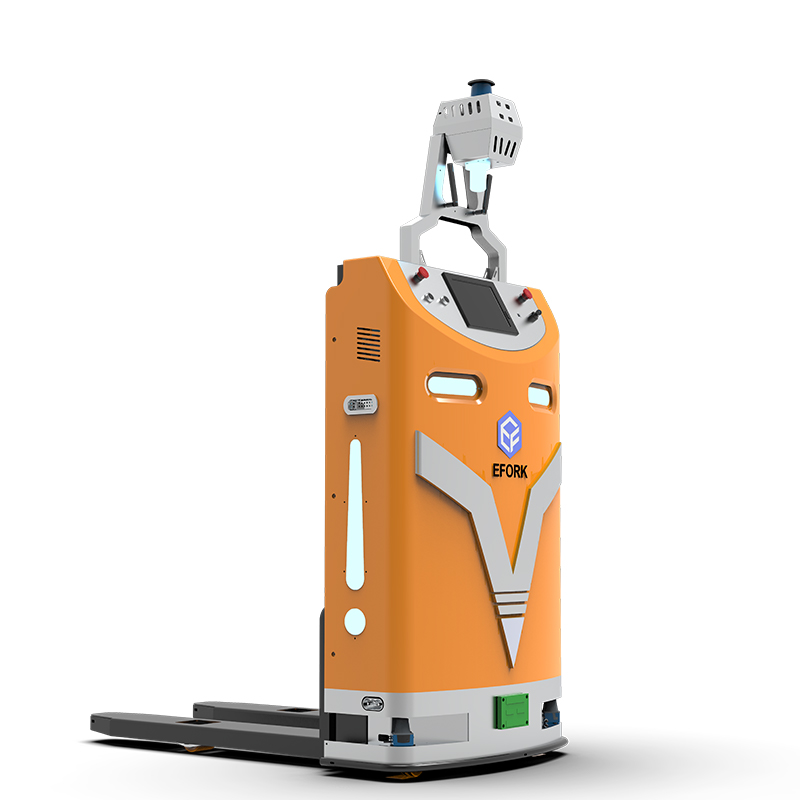
Lithium battery AGV forklift operating in an automated warehouse
U.S. Market Briefing · Factory-Direct AGV & AS/RS

Lithium Battery AGV Factories & Wholesaler in the United States Market

Factory-direct lithium battery AGV forklifts, narrow-aisle VNA trucks, pallet stackers and high-density automated storage systems for U.S. warehouses, 3PLs, cold-chain sites, manufacturers and wholesale equipment partners.

SGS Onsite Verified CE · ISO 9001 · ISO 45001 66,650 m² Factory MOQ 1 Set · OEM / ODM
Product Recommendation

Eight Lithium Battery AGV Platforms for the U.S. Market

These eight platforms cover the most common U.S. warehouse jobs: pallet stacking, selective racking, narrow-aisle VNA storage, multi-directional handling, trailer and dock movement, and high-density storage. Product links are preserved below each image; every inquiry button opens your existing live-chat conversion path.

Lift-Height Reference: Matching the Machine to the Rack

Compact stacker AGV
3m
VNA 3-way AGV
8m
Industrial pallet truck range
6–12m
AS/RS stacker crane range
Up to 40m
U.S. Buying Intelligence

What U.S. Buyers Should Verify Before Sourcing Lithium Battery AGVs

For a U.S. warehouse project, the real decision is not simply “which AGV is cheapest.” It is which factory can provide verifiable engineering, safety documentation, spare-parts discipline, WMS integration and a credible commissioning plan for a system expected to run for years.

U.S. warehouses are under pressure from labor volatility, rising land costs, tighter service-level agreements and the need to run more shifts without proportional headcount growth. Lithium battery AGVs are attractive because they combine zero tailpipe emissions, lower noise, opportunity charging potential, predictable route execution and data visibility. For 3PL operators, e-commerce fulfillment centers, food and beverage distributors, automotive suppliers and wholesale equipment buyers, the strongest business case usually comes from repetitive pallet movement rather than from a single showroom demonstration.

However, the U.S. market also raises the bar on supplier diligence. A credible factory should be able to explain how the AGV will localize in your building, how it will avoid pedestrians and racking, how the battery and charger will be specified, how the fleet will communicate with the WMS, and how replacement parts will reach the site. That is where information gain matters: the supplier should add engineering evidence, not just product pictures.

Anhui Nexrik Intelligent Technology Co., Ltd. operates from Hefei, China, with a manufacturing base of 66,650 m², 1,152 employees, SGS onsite verification, ISO 9001 and ISO 45001 management systems, CE marking under the Machinery Directive 2006/42/EC for its AGV range, 7 awarded patents, and a stated annual revenue of USD 100M+. For U.S. buyers, that scale is useful only when it is translated into project controls: onsite inspection, FAT before shipment, clear acceptance criteria and remote or onsite commissioning support.

1,152+
Total StaffOnsite-verified production and support team
66,650m²
Factory FloorspaceTwo production bases in Anhui, China
$100M+
Annual RevenueCapacity for fleet and wholesale orders
7Patents
Awarded PatentsPlus 1 registered trademark
Six Diligence Filters

How to Separate a Real AGV Factory from a Catalog Seller

Verifiable Manufacturing

Ask for factory video, onsite inspection evidence, production line photos, key component traceability and finished-product inspection records. A wholesaler without manufacturing visibility cannot control lead time or engineering changes.

Navigation Fit

Laser navigation suits fixed, highly repetitive routes. 3D SLAM uses natural building features and can reduce reflector or tape work. The correct choice depends on rack density, ceiling structure, traffic and how often the layout will change.

Safety and Site Compliance

Confirm obstacle avoidance, emergency stop logic, pedestrian interaction, load stability and speed zoning. U.S. sites should map final deployment to applicable OSHA requirements, ANSI/ITSDF B56.5 where relevant, local fire code and AHJ requirements for charging areas.

Lithium Battery Strategy

Confirm battery chemistry, BMS protections, charger voltage, charge-room planning and spare-pack strategy. Many U.S. projects specify lithium iron phosphate or lithium-ion packs with documented charging procedures and local electrical review.

WMS-Ready Integration

A convincing proposal defines the interface: task creation, route dispatch, pallet ID, exception handling, traffic control and reporting. “WMS-ready” should mean tested interface logic, not a promise added to a brochure.

Service and Spare Parts

U.S. buyers should ask for recommended spare-parts lists, remote diagnostic capability, firmware update policy, training materials and escalation paths. For multi-site fleets, standardized components reduce downtime risk.

Localized Applications

Where Lithium Battery AGVs Deliver ROI in the United States

U.S. adoption is strongest where repetitive pallet movement, labor turnover, safety exposure and building density intersect. The following scenarios reflect common warehouse automation business cases.

E-commerce & 3PL Fulfillment

High SKU counts, multi-client constraints and same-day dispatch make repetitive replenishment and put-away ideal for slim stacker AGVs. Buyers often start with one or two units, prove cycle time, then scale.

Recommend: 2T slim narrow-body stacker AGV

Food & Beverage Distribution

Palletized beverage, packaged food and retail distribution benefit from predictable route execution, reduced product damage and cleaner indoor operation. Charging strategy should be reviewed against shift patterns and cold-room adjacency.

Recommend: 3T pallet stacker AGV

Cold Chain & Frozen Storage

Cold environments are expensive to staff and hard on equipment. Nexrik’s wider portfolio includes frozen-storage AS/RS stacker crane variants, while VNA AGVs can support high-bay pallet storage where operators should be minimized.

Recommend: 1.6T 8m VNA AGV

Automotive & Heavy Manufacturing

Line-side delivery, WIP transfer and finished-goods staging require stable handling of heavier loads. Multi-directional and compact AGV platforms help reduce aisle loss in existing buildings.

Recommend: 4T / 5T multi-directional truck

Wholesale Distribution Centers

Wholesale equipment buyers and distributors need a product mix that can serve multiple customer profiles. CE-certified 2T and 3T stackers, reach-truck AGVs and pallet trucks create a scalable catalog.

Recommend: 2000kg pallet truck range

Trailer Yards, Docks & Cross-Docks

Dock staging and trailer loading involve mixed traffic and changing priorities. A compact AGV body with laser obstacle avoidance can support workshop and cross-dock transport without imposing a fixed conveyor layout.

Recommend: 2T compact material handling AGV
U.S. Market Trends

Trends Shaping AGV Procurement in the United States

Automation decisions in the U.S. are increasingly evaluated as operating infrastructure, not one-time equipment purchases. The following trends influence specification, supplier selection and total cost of ownership.

01

Labor Volatility

High turnover and wage pressure make predictable pallet movement more valuable. AGVs help stabilize throughput while freeing operators for exception handling and quality work.

02

Densification

Land and construction costs push warehouses toward narrower aisles and higher racking. VNA AGVs and 3-way forklifts become strategic when building expansion is not attractive.

03

Lithium Battery & Charging

Opportunity charging, BMS monitoring and charger placement are now part of facility planning. U.S. buyers should align battery specifications with local electrical, fire and insurance requirements.

04

WMS-First Integration

AGVs are increasingly evaluated by how they receive tasks, report exceptions and feed data back to the WMS/WCS. Integration clarity reduces commissioning friction.

05

Mixed-Traffic Safety

U.S. facilities often combine forklifts, pedestrians, pallet jacks and autonomous equipment. Speed zoning, warning zones and traffic rules must be engineered before go-live.

06

Regional Distribution

Reshoring and regional fulfillment networks create new mid-sized warehouses. Scalable AGV fleets let operators start with a pilot and expand without redesigning the whole system.

Selection Matrix

Model Selection Matrix for U.S. Procurement Teams

Use this matrix to narrow the shortlist before requesting a layout review. Final specifications must be confirmed against your pallet type, rack drawing, floor condition, throughput target and safety review.

PlatformTypical U.S. UseLoad / Height ReferenceWhy It Wins
Slim Stacking AGVPallet stacking, rack feeding, line-side delivery2T / 3m / 3D SLAMCompact footprint and fast route changes with lower site modification
CQDE Pallet Truck RangeWholesale distribution, multi-customer projects2000kg / 6–12mFlexible height and capacity options for distributors and integrators
3T Pallet Stacker AGVFinished goods, heavier pallet flows, staging3T / 3000mmHigher payload for repetitive automated warehouse handling
4T / 5T Multi-Directional TruckLong loads, narrow aisles, small maneuvering space4–5T / 4-wayReduces aisle loss where conventional trucks cannot turn efficiently
2T Compact AGV BodyWorkshop transport, WIP movement, cross-dock support2T / narrow chassisLaser obstacle avoidance and compact navigation in mixed areas
1.6T 8m VNA AGVVery narrow aisle and high-bay pallet storage1.6T / 8m / 3-wayHigh storage density with laser SLAM and three-way fork action
3-Way Electric ForkliftComparing manual VNA equipment with automation1.6T / 1.5T / 3TCertified electric platform for narrow-aisle operations
2T Narrow-Body Stacker AGVHigh-density storage and narrow-aisle pallet stacking2T / 3mSlim body supports dense layouts and automated pallet flow

Information gain note: request a traffic simulation, aisle-width drawing and safety-zone layout before final purchase. A model that performs well in a demo may still require route changes in a live U.S. facility.

Enterprise Advantage

Why Nexrik Is a Verifiable AGV Factory and Wholesale Partner

Anhui Nexrik Intelligent Technology Co., Ltd. is a high-tech manufacturer specializing in the R&D, production and integration of intelligent warehousing equipment, including AGV forklifts, AS/RS stacker cranes, four-way shuttles and RGVs. Its manufacturing base is located in the Huagang Town Industry-City Integration Demonstration Zone, Feixi County, Hefei, Anhui — an established forklift and logistics-equipment cluster in China.

For U.S. buyers, the advantage is not simply factory-direct pricing. It is the ability to source multiple automation platforms from one engineering organization: AGV forklifts, VNA AGVs, pallet stackers, AS/RS stacker cranes and four-way shuttle systems. That reduces interface risk when a project needs more than one equipment type.

The company reports 1,152 employees, 66,650 m² of factory floorspace, USD 100M+ annual revenue, 7 awarded patents, 1 registered trademark, 7 international exhibitions, MOQ of 1 set, and full OEM / ODM / buyer-label customization. Its stated credentials include ISO 9001, ISO 45001, CE marking under the Machinery Directive 2006/42/EC, and SGS onsite verification. These are the facts a U.S. procurement team should validate during supplier onboarding, alongside warranties, spare parts, lead time and commissioning responsibilities.

1,152Employees
66,650 m²Factory floorspace
USD 100M+Annual revenue
7 PatentsPlus 1 trademark
MOQ 1 SetPilot-friendly ordering
OEM / ODMBuyer-label production

Trade terms: FOB, CFR, CIF, EXW, FAS, CIP and DDP are stated by the supplier. Payment can be made via L/C, D/P, D/A, MoneyGram, credit card or Western Union in USD, EUR or CNY. For U.S. importers, Incoterms, customs bond, HTS classification, Section 301 exposure and final-mile delivery should be confirmed with a licensed customs broker before shipment.
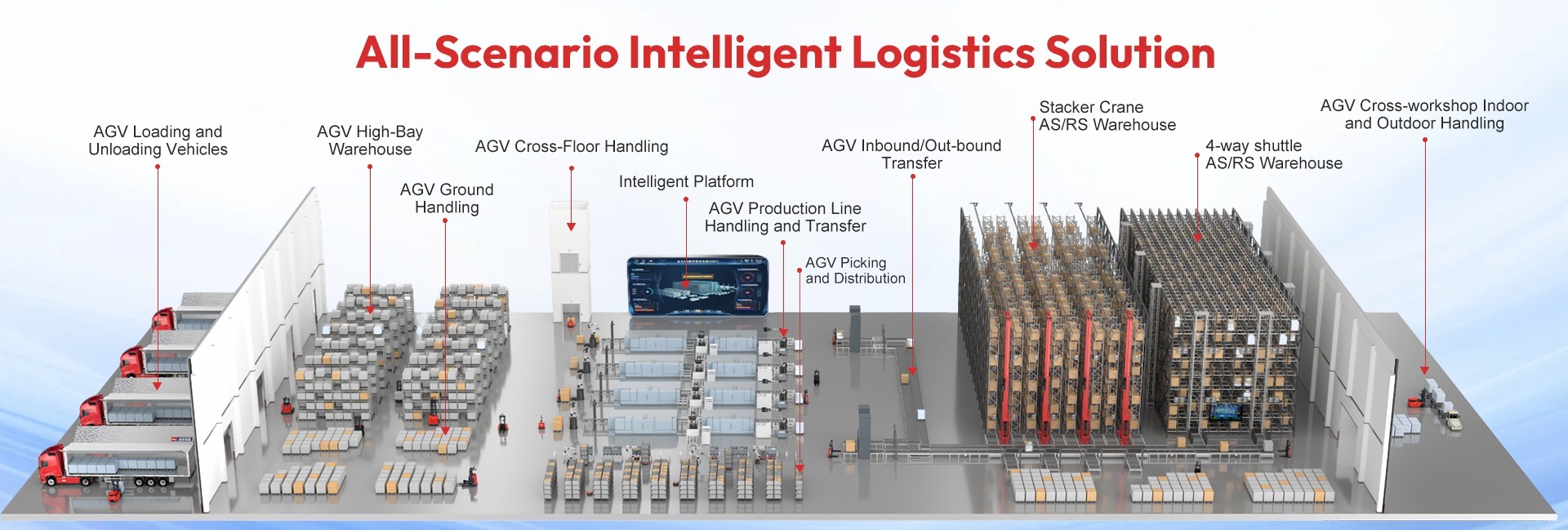
Nexrik intelligent warehousing production base exterior
Nexrik AGV assembly workshop
Nexrik warehouse automation equipment testing area
Nexrik AGV forklift production line

CE Marking

Applied across the AGV forklift and AS/RS range, including Machinery Directive 2006/42/EC references for VNA models.

ISO 9001

Quality management system certification supporting consistent production and inspection discipline.

ISO 45001

Occupational health and safety management system certification.

SGS Onsite Verified

Premises and legal status verified by SGS Group, giving U.S. buyers an independent starting point for supplier due diligence.

7 Patents

Awarded patents plus 1 registered trademark in intelligent warehousing equipment.

OEM / ODM

Full customization and buyer-label production for wholesalers, integrators and private-label equipment programs.

Quality Management, Credibility & Service AAA National Enterprise of Good Creditworthiness Anhui Famous Brand China Automobile Industry Association Member
Turnkey Workflow

From U.S. Site Data to Go-Live

A disciplined six-stage process reduces the risk of buying equipment that cannot integrate with your real rack layout, safety rules and WMS environment.

01

Site Data Review

Rack drawings, pallet specifications, floor flatness, aisle widths, throughput, shift pattern and charging-room constraints are reviewed.

02

Solution Design

Equipment selection, fleet sizing, route logic and traffic simulation are compared against peak demand and future expansion.

03

Production

Manufacturing proceeds with material inspection and finished-product inspection. CE and ISO documentation are prepared as applicable.

04

FAT & Shipment

Factory acceptance testing verifies key functions before shipment. Export packaging and Incoterm responsibilities are confirmed.

05

Commissioning

Mapping, WMS interface testing, safety validation, operator training and go-live support are completed against agreed acceptance criteria.

06

Lifecycle Support

Remote diagnostics, spare-parts planning, firmware updates and fleet-expansion reviews help protect the automation investment.

Procurement FAQ

U.S. Buyer Questions Answered

These are the questions U.S. warehouse operators, wholesale distributors and system integrators most often ask during early supplier evaluation.

What is the minimum order quantity for Nexrik AGV forklifts?

The stated MOQ is 1 set for AGV forklifts, stacker cranes and four-way shuttle models. This is useful for U.S. buyers who want to validate routes, cycle time and operator acceptance with a pilot before scaling to a full fleet.

Should a U.S. warehouse choose laser navigation or 3D SLAM?

Laser navigation is often preferred for fixed, highly repetitive routes where reflectors can be maintained. 3D SLAM uses natural building features and can reduce reflector or floor-tape work, which is advantageous when the layout changes. The final choice should be based on rack geometry, ceiling structure, traffic and site preparation budget.

Which certifications are stated, and what about U.S. site compliance?

Nexrik states ISO 9001, ISO 45001, CE marking under 2006/42/EC and SGS onsite verification, with 7 awarded patents. CE is not a substitute for U.S. local compliance review. U.S. buyers should confirm applicable OSHA requirements, ANSI/ITSDF B56.5 where relevant, local fire code, charger electrical requirements and AHJ approvals for the specific site.

Can the AGV fleet integrate with our existing WMS or ERP?

Nexrik describes its AS/RS and four-way shuttle systems as WMS-ready. For AGV fleets, the interface scope should define task creation, pallet ID, route dispatch, exception handling, traffic control and reporting. Interface requirements are defined during solution design and tested during commissioning.

Do you support customization, OEM, ODM and private label?

Yes. The company states full customization, OEM, ODM and buyer-label production, including load capacity, lift height, fork configuration, battery configuration and cold-storage variants. U.S. wholesalers should document branding, packaging, manual language and spare-parts kit requirements in the quotation.

Which trade and payment terms are available for U.S. importers?

Stated Incoterms include FOB, CFR, CIF, EXW, FAS, CIP and DDP. Payment methods include L/C, D/P, D/A, MoneyGram, credit card and Western Union in USD, EUR or CNY. U.S. buyers should verify HTS classification, customs bond, Section 301 duties if applicable, and final delivery responsibilities with a licensed customs broker.

How should we plan lithium battery charging and safety for a U.S. facility?

Confirm battery chemistry, BMS protections, charger voltage, charging-area ventilation, fire detection and emergency procedures. The charger location should be reviewed with the local AHJ, insurer and electrical contractor. A spare-pack or opportunity-charging strategy can reduce disruption, but it must match the actual shift schedule and available electrical capacity.

What should U.S. buyers prepare before requesting a quote?

Prepare rack drawings, pallet dimensions and weights, aisle widths, floor condition, target throughput, shift pattern, WMS/ERP details, charging area constraints and delivery site information. These inputs allow the supplier to recommend a realistic model mix instead of quoting a generic machine.

Request a U.S. Layout Review and Fleet Recommendation

Send your rack drawings, pallet specifications, aisle widths, throughput target and WMS requirements. Our engineering team can recommend the right lithium battery AGV platform, confirm customization options and outline a pilot-to-fleet roadmap for your U.S. facility.

Email: info@nexrikbot.com  ·  Supply model: Factory-direct, OEM / ODM, wholesale partnership, MOQ 1 set.

Inquire Now Factory-direct engineering support · CE / ISO / SGS verification references · U.S. project documentation