Custom OEM Forklift Robot Supplier & Wholesalers in Manila
Factory-direct AGV forklifts, pallet stackers, reach trucks, VNA trucks and AS/RS platforms for Manila wholesalers, 3PL operators, distributors and PEZA manufacturers. Engineered for 3D SLAM navigation, narrow aisles, WMS integration and 60 Hz electrical configurations.
Eight Forklift Robot Platforms for Manila Wholesale and Custom OEM Programs
These eight platforms cover the most common Manila buying intents: low-cost pallet movement, narrow-aisle reach, high lifting, compact workshop transport, high-density storage and heavy multi-directional handling. Every model below can be quoted with OEM branding, customized load capacity, lift height, fork dimensions, battery configuration and charger specification.
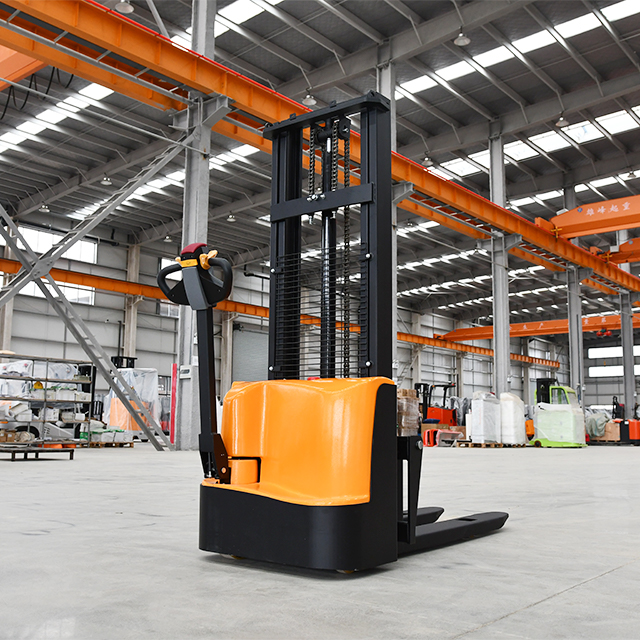
1Ton & 2Ton Full Electric Pallet Stacker Walkie Type High Performance, Low Cost Optional with Training Wheels
- 1–2 T
- Electric walkie
- Training wheels optional
Manila fit: cost-conscious entry for wholesale depots, truck-side unloading, retail replenishment and line feeding.
View model details →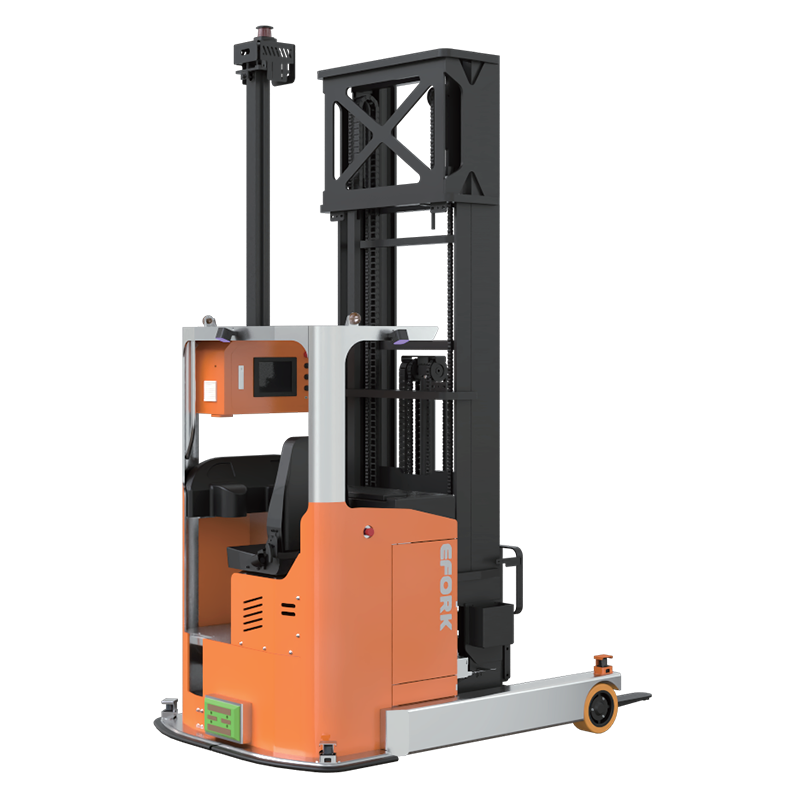
4.5M Reach Truck AGV Body 2T for Pallet Handling High Lifting Smart Warehouse Logistics Robot Laser Slam Navigation CE Certified
- 2 T
- 4.5 m reach
- Laser SLAM
- CE certified
Manila fit: selective racking where land cost makes aisle width and cube utilization critical.
View model details →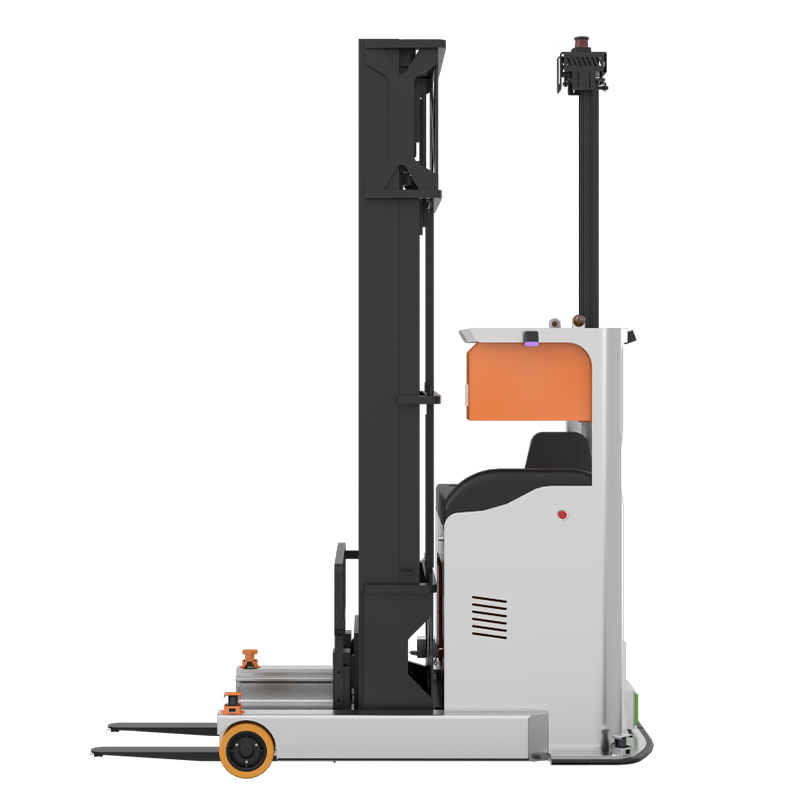
Heli Yufeng CQDE20HJ-65S 2T 6.5M Reach Truck AGV Body Laser Slam Navigation for Pallet Handling High Lifting Smart Warehouse
- 2 T
- 6.5 m lift
- Laser SLAM
- High-bay reach
Manila fit: taller racking in existing buildings where every additional pallet position improves ROI.
View model details →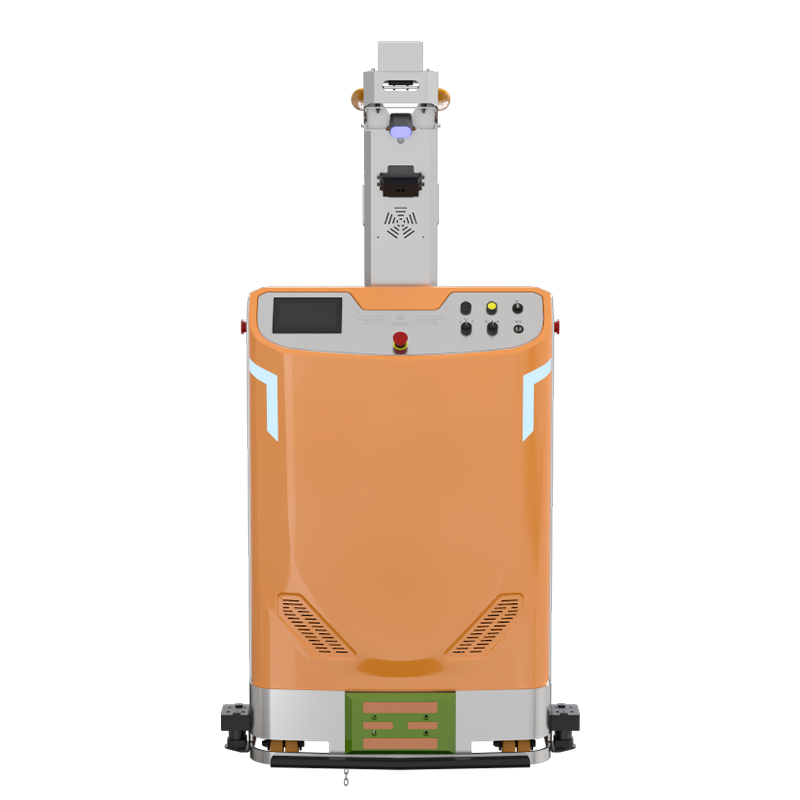
2T Material Handling AGV Body Narrow Body Compact Chassis 3D SLAM Navigation Laser Obstacle Avoidance for Workshop Transport
- 2 T
- Compact chassis
- 3D SLAM
- Obstacle avoidance
Manila fit: congested workshops, production corridors and mixed pedestrian zones where space is constrained.
View model details →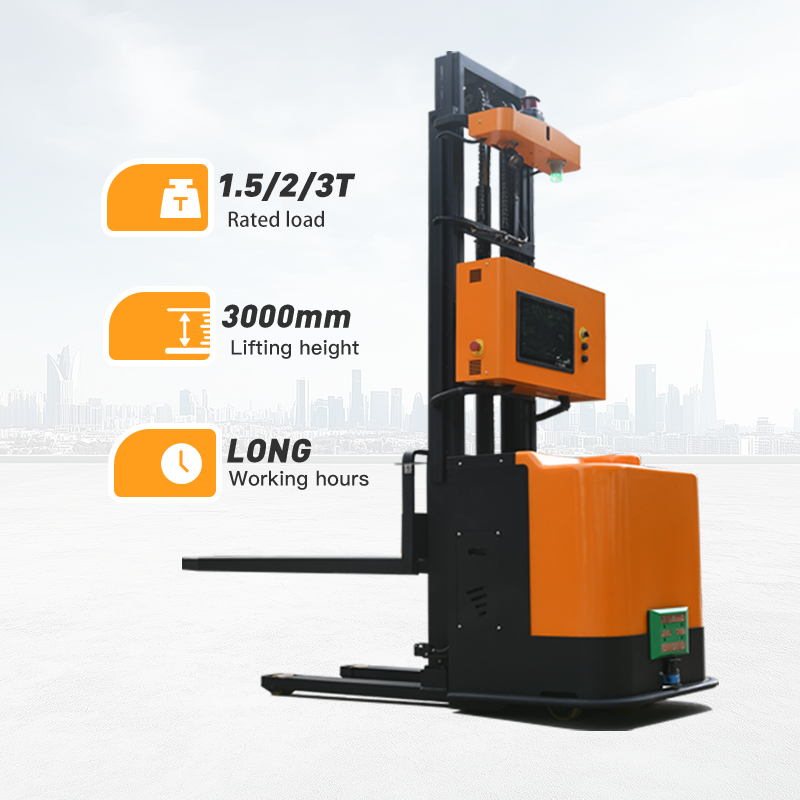
3T 3000mm Pallet Stacker Automated Guided Vehicle Forklift Truck for Intelligent Warehouse Automation
- 3 T
- 3000 mm lift
- AGV forklift
- Warehouse automation
Manila fit: heavier pallet loads in food, beverage, building materials and distribution warehouses.
View model details →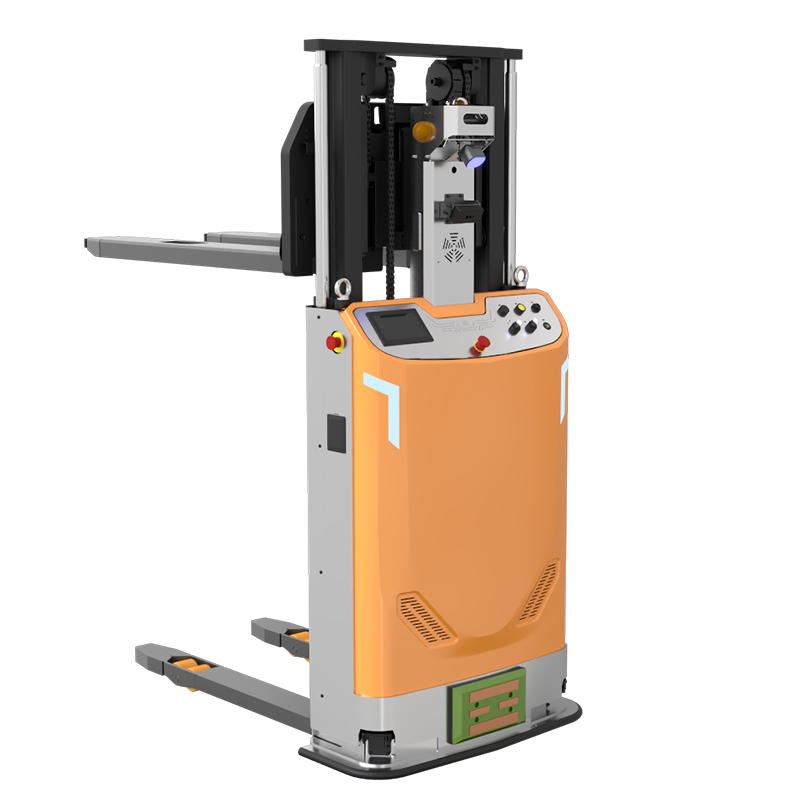
Automatic Stacker AGV Body Slim Narrow-Body 3M 2T High-Density Storage Pallet Stacking 3D SLAM Navigation WIFI/5G Maximize
- 2 T
- 3 m lift
- 3D SLAM
- WiFi / 5G
Manila fit: high-density storage rooms, small distribution centers and retrofit projects with narrow aisles.
View model details →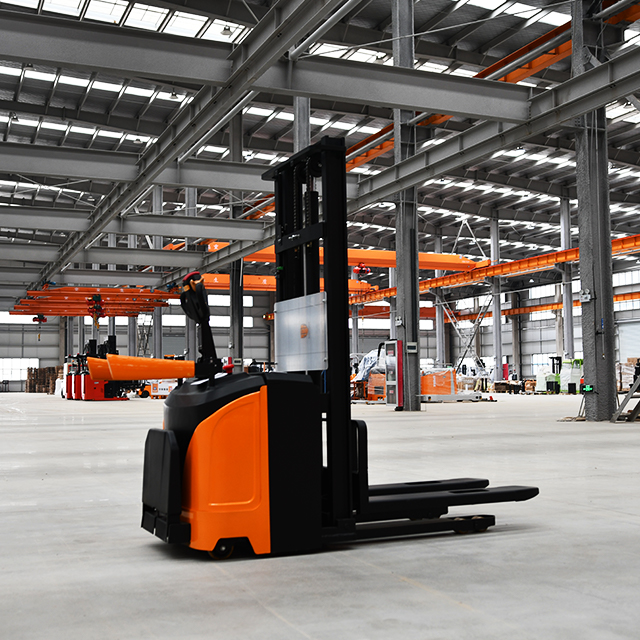
Factory Direct Sales Electric Pallet Lift Stackers 1.5-Ton 2-Ton 3Ton 3m 4m 5m Portable Self-Loading
- 1.5–3 T
- 3–5 m lift
- Portable
- Self-loading
Manila fit: wholesalers that need flexible lifting capacity across multiple sites without a fixed crane system.
View model details →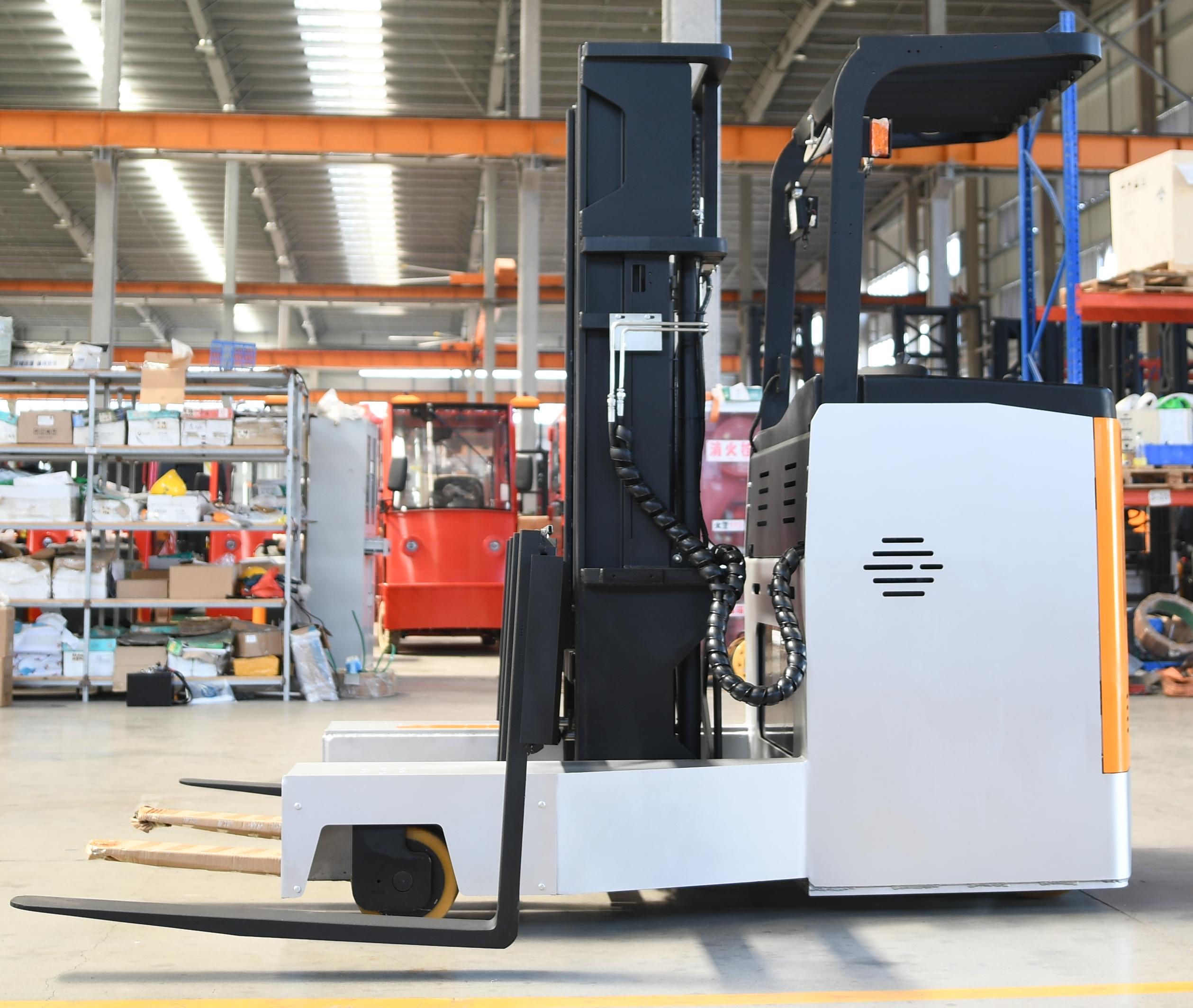
Multi Directional Forklift 4Ton 5Ton 4 Way Forklift Reach Truck Stacker For Narrow Aisle Small Space
- 4–5 T
- 4-way travel
- Narrow aisle
- Heavy load
Manila fit: heavy, long or high-value loads in steel, timber, machinery and project logistics yards.
View model details →What Manila Buyers Should Compare Before Choosing an AGV Forklift Supplier
For Manila wholesalers, distributors and 3PL operators, the real buying decision is rarely “which robot has the lowest unit price.” The stronger comparison is total landed cost, fit with existing racking, integration effort with WMS or ERP, spare-parts strategy, operator training and the supplier’s ability to document safety and compliance for insurers, tenders and multinational clients.
A supplier that only trades machines without engineering review creates hidden project risk. A custom OEM manufacturer should be able to review pallet conditions, aisle widths, floor flatness, door clearances, charger locations, WiFi or 5G coverage, fire-code constraints and peak throughput before recommending a fleet. That is the difference between a quotation and a workable Manila intralogistics plan.
Nexrik’s verified profile is relevant to that evaluation: SGS onsite verification, CE marking under the Machinery Directive 2006/42/EC for the AGV range, ISO 9001 and ISO 45001 management systems, 7 awarded patents and a 66,650 m² manufacturing base. For buyers sourcing through Manila wholesalers, these documents reduce uncertainty when equipment must pass internal procurement, customs and client audits.
Manila project data to collect first
- Pallet dimensions, load weight and overhang tolerance
- Racking type, beam height and aisle width
- Floor flatness, ramps, expansion joints and dock levelers
- Peak pallet moves per hour and shift pattern
- WMS / ERP interface requirements and WiFi coverage
- Electrical supply, charger location and 60 Hz configuration
- Safety rules for pedestrians, forklifts and truck yards
- Import, delivery, installation and after-sales responsibilities
Where Forklift Robots Deliver ROI in Metro Manila and Nearby Industrial Corridors
Manila’s operating environment rewards compact footprints, flexible navigation and clear documentation. These six application scenarios reflect where autonomous forklift robots typically justify a pilot.
Port-Adjacent Deconsolidation
Near Manila North Harbor, South Harbor and MICT, pallet stacker AGVs and reach truck AGVs can move sealed pallets from staging to racking with fewer truck-turn bottlenecks. Confirm floor conditions and charger locations before deployment.
3PL and E-Commerce Fulfillment
In Pasig, Parañaque, Caloocan and other Metro Manila logistics clusters, 3D SLAM stacker AGVs support batch picking, replenishment and outbound staging without permanent floor tape or reflectors.
High-Density Urban Warehousing
Where land and rent are expensive, slim narrow-body stackers, reach truck AGVs and VNA models help add pallet positions vertically. The engineering review should include rack tolerance, aisle width and mast clearance.
Cold Chain and Food Distribution
Cold-storage variants and corrosion-conscious configurations can support food, seafood and pharmaceutical distribution. Battery behavior, condensation, safety scanners and maintenance access must be specified for chilled environments.
PEZA Manufacturing Lines
In Cavite, Laguna, Batangas and Clark, compact material handling AGVs move components between production cells. Narrow chassis design and laser obstacle avoidance are useful where pedestrian traffic is mixed.
Wholesale and Retail Replenishment
Distributors serving Divisoria, Binondo and broader Luzon retail networks can use electric walkie stackers and multi-directional forklifts for flexible lifting, heavy loads and small-yard maneuvering.
Manila Warehouse Automation Trends Shaping Procurement Decisions
These trends explain why Manila buyers increasingly ask for OEM customization, pilot-scale deployment and stronger compliance documentation rather than generic “one-size-fits-all” machines.
More Storage in Less Space
Land and warehouse rents across Metro Manila and nearby industrial parks continue to shape layout decisions. Reach trucks, VNA AGVs, slim stackers and AS/RS concepts help increase cube utilization. Buyers should measure rack height, floor flatness and aisle tolerance before selecting a model.
3D SLAM for Retrofits and 3PL Fleets
3D SLAM navigation localizes using natural building features, which can reduce reflector and floor-tape requirements. For 3PL operators that reconfigure racking or serve changing clients, flexible mapping and WMS-ready integration are valuable procurement criteria.
Safety, CE and Traceable Documentation
Multinational clients, insurers and tender committees increasingly request CE documentation, ISO systems and clear safety validation. OEM suppliers should support FAT records, manuals, training materials and spare-parts planning, not just shipment photos.
Technical Selection Matrix: From Manual Pallet Handling to High-Bay AS/RS
Use this matrix to shortlist the right platform before requesting a Manila-specific quotation. Final specifications must still be confirmed against your rack drawing, pallet condition, floor survey and electrical supply.
| Buying Need | Recommended Platform | Typical Capacity | Lift / Height | Navigation / Control | Manila Procurement Note |
|---|---|---|---|---|---|
| Low-cost dock and line-side pallet movement | Electric walkie pallet stacker | 1–2 T | Up to 3 m class | Manual / electric | Best first step for wholesale depots; training wheels optional. |
| Selective racking with tight aisle space | Reach truck AGV | 2 T | 4.5–6.5 m | Laser SLAM | Survey mast clearance, rack interface and floor flatness. |
| Narrow aisle and high-density pallet storage | VNA / multi-directional forklift | 1.6–5 T | 6.5–11 m+ | Laser / 3D SLAM / manual | Verify aisle width, rack tolerance and operator induction. |
| Closed-bottom pallets, cages and dock work | Counterbalanced AGV forklift | 2–3 T | Up to 3 m class | 3D SLAM | Check door clearance, ramp grade and trailer dock interface. |
| High-bay automated warehouse | AS/RS stacker crane | 1–5 T | Up to 40 m | Rail-guided / WMS-WCS | Building, fire code and structural integration are critical. |
| Dense pallet storage with flexible flow logic | Four-way shuttle system | 1–2 T | Multi-level via lifts | WMS-ready, ±2 mm positioning | Rack precision and lift interface must be engineered together. |
| Spare parts, e-commerce and small-item picking | Mini-load bin stacker | 50–100 kg / bin | Up to 20 m | WMS / WCS | Useful when SKU velocity and pick density justify automation. |
| Heavy, long or high-value loads in small yards | Multi-directional forklift | 4–5 T | Model dependent | Manual / AGV-ready options | Confirm load length, aisle width and turning envelope. |
Information Gain: Pilot Fleet Sizing Formula
Vehicles required ≈ peak pallet moves per hour ÷ (effective moves per vehicle per hour × availability factor).
Illustrative case: 120 peak moves per hour ÷ 18 effective moves per vehicle per hour ÷ 0.85 availability ≈ 7.8 vehicles. A sensible Manila pilot plan would evaluate an 8-unit fleet before adding spare capacity for seasonal peaks, charging windows and future volume growth.
This formula is a planning aid, not a substitute for engineering simulation. Cycle time, route distance, lift height, traffic control and battery strategy must be modelled for the actual building.
Factory-Direct E-E-A-T: What Manila Wholesalers Can Verify Before Deposit
Anhui Nexrik Intelligent Technology Co., Ltd. manufactures AGV forklifts, VNA AGVs, AS/RS stacker cranes, four-way shuttles and turnkey intelligent warehousing systems from its base in Hefei, Anhui. The company profile is supported by SGS onsite verification, ISO 9001 and ISO 45001 systems, CE marking under the Machinery Directive 2006/42/EC for its AGV range, 7 awarded patents and one registered trademark.
For Manila-based importers and wholesalers, the advantage of a factory-direct OEM relationship is not only price. It is configuration control: load capacity, lift height, fork dimensions, battery and charger setup, cold-storage preparation, buyer-label packaging and spare-parts kits can be defined before production. The verified manufacturing scale also matters when a distributor needs repeatable units for multiple clients or a turnkey integrator needs a single source for AGVs, stacker cranes and shuttles.
Nexrik’s profile cites 1,152 staff, 66,650 m² of factory floorspace, US$100M+ annual revenue, MOQ 1 set, OEM/ODM support and experience across Southeast Asia, South America, Eastern Europe, South Asia and North America. These facts help Manila buyers evaluate whether a supplier can handle pilot orders, fleet expansion and export documentation consistently.



In-House Manufacturing
Chassis, masts and control integration are built and tested on company lines, with onsite material and finished-product inspection before shipment.
Laser and 3D SLAM Navigation
Choose laser navigation for fixed routes or 3D SLAM for natural-feature localization that reduces reflector and floor-tape work in retrofits.
One-Stop Turnkey Scope
AGVs, stacker cranes, four-way shuttles and RGVs can be engineered as one WMS-ready system rather than sourced from separate vendors.
Compliance and Documentation
CE, ISO 9001, ISO 45001, SGS onsite verification, patent records and export documentation support tenders, customs and client audits.
Custom OEM and Wholesale Support for Manila Distributors
Manila wholesalers and systems integrators can position these machines under their own brand, bundle them with local installation and service, and scale from a single pilot unit to repeatable fleet orders. The MOQ is 1 set for standard models, which lowers the risk of validating a new segment before committing to inventory.
Private-Label OEM
Buyer-label production, customized manuals, packaging, machine colors, load capacity, lift height, fork dimensions and battery configuration.
Export Documentation
Commercial invoice, packing list, bill of lading, CE documentation where applicable, ISO certificates and project-specific technical files.
Pilot-to-Fleet Planning
Start with one set, validate routes and cycle times, then define a fleet roadmap with spare parts, charger planning and WMS interface scope.
Spare Parts and Training
Spare-parts kits, maintenance guidance, operator training materials and remote diagnostic support can be included in the commercial scope.
Trade and Payment Terms
Incoterms: FOB, CFR, CIF, EXW, FAS, CIP, DDP and express delivery. Payment: L/C, D/P, D/A, MoneyGram, credit card and Western Union. Currency: USD, EUR or CNY.
For Manila buyers, land cost should be calculated carefully: equipment price plus freight, port charges, customs clearance, trucking, rigging, installation, WMS integration, training and spare-parts reserve. DDP can simplify planning, but the buyer should still confirm the customs broker’s scope and final delivery conditions.
From Manila Requirement to Commissioning
Site Data Review
Collect rack drawings, pallet specifications, floor conditions, aisle widths, throughput targets and electrical supply details.
Solution Design
Select equipment, size the fleet, review traffic flow and agree on WMS interface and safety requirements before quotation.
Build and FAT
Manufacture with onsite material and finished-product inspection, then complete factory acceptance testing before shipment.
Ship and Launch
Coordinate export documentation, shipping, mapping, commissioning, training and lifecycle spare-parts planning.
Total Cost of Ownership and Engineering Weighting for Manila Projects
Use a weighted evaluation model before issuing a purchase order. The example below is illustrative for a Metro Manila 3PL pilot; each buyer should calibrate the percentages to building constraints, client contract terms and risk tolerance.
Illustrative Project Decision Weighting
Data visualization is illustrative, not a universal benchmark.
Landing-Cost Items Manila Buyers Often Miss
Initial equipment price is only one line. Build the budget around sea freight, Manila port charges, customs clearance, trucking, rigging, installation, floor preparation, charger installation, WMS interface work, operator training, spare-parts reserve and downtime risk.
When comparing an AGV forklift robot with a manual forklift, also quantify labor redeployment, safety incident exposure, product damage reduction, shift consistency and the value of traceable data in the WMS. These factors often determine whether a Manila project moves from pilot to fleet order.
Common Questions from Manila Wholesalers and Project Buyers
These answers reflect the typical due-diligence questions raised by Philippines-based distributors, 3PL operators and factory engineering teams.
What is the MOQ for Manila wholesale or custom OEM orders?
The MOQ is 1 set for standard AGV forklift, stacker crane and shuttle models. This allows Manila buyers to pilot one route, validate cycle time and then scale to a fleet. OEM branding, special voltage, fork dimensions or cold-storage preparation may add engineering and production lead time, but they do not require a large inventory commitment by default.
Which models are most suitable for expensive or space-constrained warehouses in Metro Manila?
Compare the reach truck AGV, slim narrow-body stacker AGV and VNA or multi-directional forklift. Reach trucks reduce aisle requirements compared with counterbalanced trucks, while slim stackers are useful where the building cannot be expanded. The final choice depends on rack height, load weight, pallet condition and floor flatness.
Can the charger and electrical system be configured for the Philippines?
Yes. Electrical configuration, charger type and battery strategy should be confirmed during engineering because Philippine sites may use different industrial supply arrangements. Buyers should provide the actual voltage, frequency, phase and charger location so the quotation matches site conditions.
How is installation and after-sales support handled for Manila projects?
Support scope is defined in the commercial contract. Typical project support includes remote diagnostics, commissioning documentation, training materials, WMS interface testing and spare-parts planning. Where on-site engineering coordination is required, it should be agreed in advance with clear responsibilities for the Manila buyer, local partners and the factory team.
What certifications and documents are supplied for customs and client audits?
The supplier profile cites CE marking under 2006/42/EC for the AGV range, ISO 9001, ISO 45001, SGS onsite verification and patent records. Commercial documents normally include invoice, packing list, bill of lading and relevant technical or certificate copies. Buyers should confirm the exact certificate package required by their customs broker, insurer, tender or end client before shipment.
How do I calculate how many AGV forklifts I need?
Start with a simple planning formula: vehicles required ≈ peak pallet moves per hour ÷ (effective moves per vehicle per hour × availability factor). Then adjust for route distance, lift height, charging windows, traffic intersections and seasonal peaks. A pilot simulation using your actual rack layout is more reliable than quoting from hourly capacity alone.
Can the equipment integrate with our existing WMS or ERP?
AS/RS, four-way shuttle and AGV projects can be engineered as WMS-ready systems. Interface requirements should be defined during solution design and tested during commissioning. Manila buyers should identify the software owner, API or data-exchange method, network coverage and acceptance criteria before production begins.
What trade and payment terms are accepted?
Accepted trade terms include FOB, CFR, CIF, EXW, FAS, CIP and DDP, as well as express delivery where applicable. Payment methods include L/C, D/P, D/A, MoneyGram, credit card and Western Union in USD, EUR or CNY. Final terms are confirmed in the quotation and sales contract.
Request a Manila-Specific OEM Layout and Fleet Plan
Share your rack layout, pallet sizes, throughput target, building constraints and preferred Incoterm. Our engineering team can recommend the right forklift robot platform, estimate pilot fleet size and prepare an OEM quotation with documentation, spare-parts and training options.