Product recommendations
8 Automated Pallet Stacker & AGV Models for Kawasaki Buyers
Every model below keeps its original product URL. If your application is not an exact match, use the inquiry button to request a Kawasaki-specific layout study, model match and wholesale quotation.
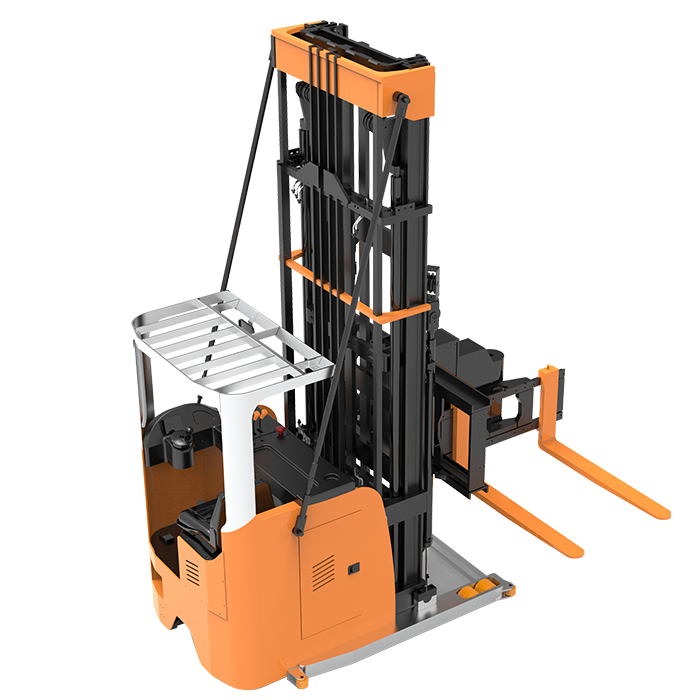
Narrow aisle / 3-way
Narrow Aisle 3-Way 1.6T–3T Certified Electric Forklift with Three-Stage Mast
- 1.6–3.0 t
- High-rack mast
- 3-way handling
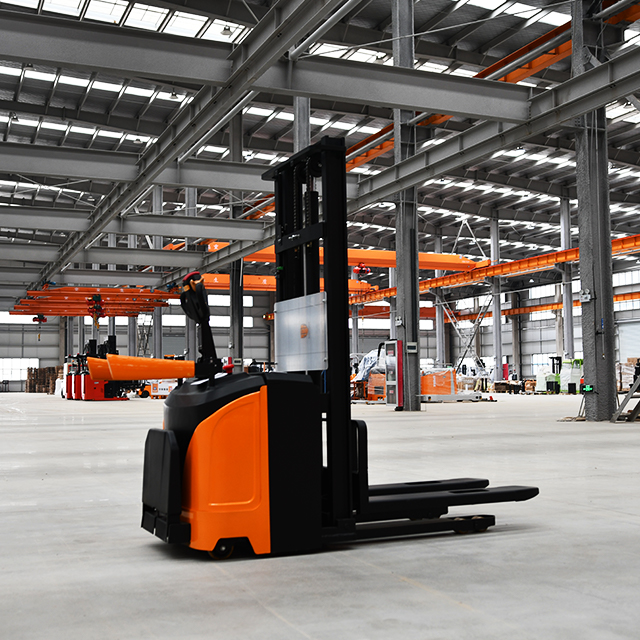
Flexible pallet stacker
Factory-Direct Electric Pallet Lift Stacker 1.5T–3T, 3 m–5 m, Portable Self-Loading
- 1.5–3.0 t
- 3 / 4 / 5 m
- Self-loading
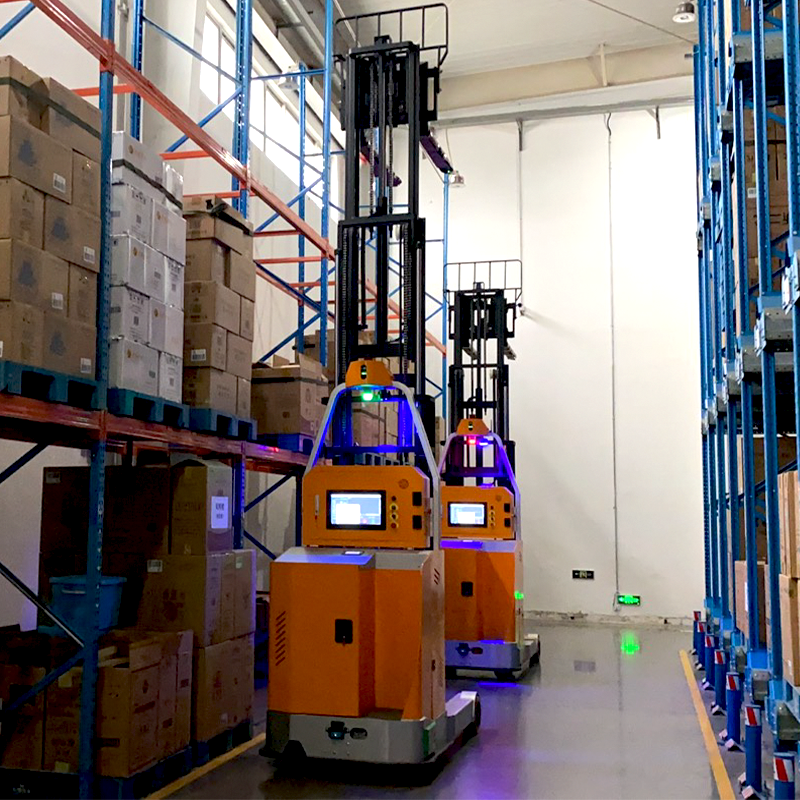
Reach truck AGV
EFORK EQDA15-30 Automated Reach Truck with Laser SLAM Navigation, 1.5T, ±10 mm
- 1.5 t
- ±10 mm
- Laser SLAM
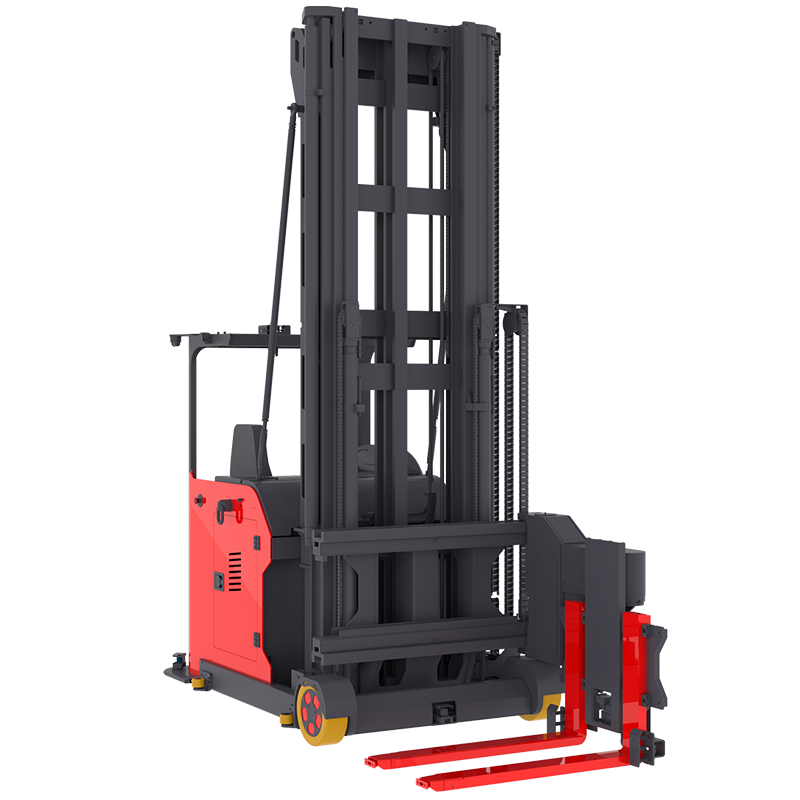
VNA AGV / high bay
EFORK CDME16J-80S VNA AGV Mobile Robot, 1.6T, 8 m, 3-Way Fork, Laser SLAM
- 1.6 t
- 8 m lift
- 1200 mm fork
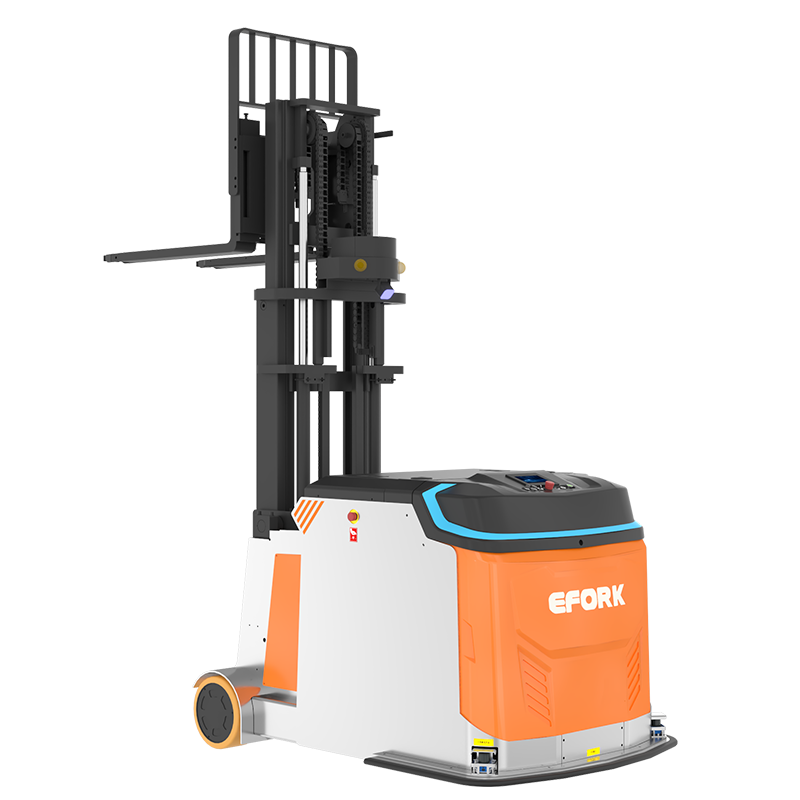
Counterbalanced AGV
EFORK EDB30-30 Counterbalanced AGV, 3T, 3 m Lift, 3D SLAM Navigation
- 3.0 t
- 3 m lift
- 3D SLAM
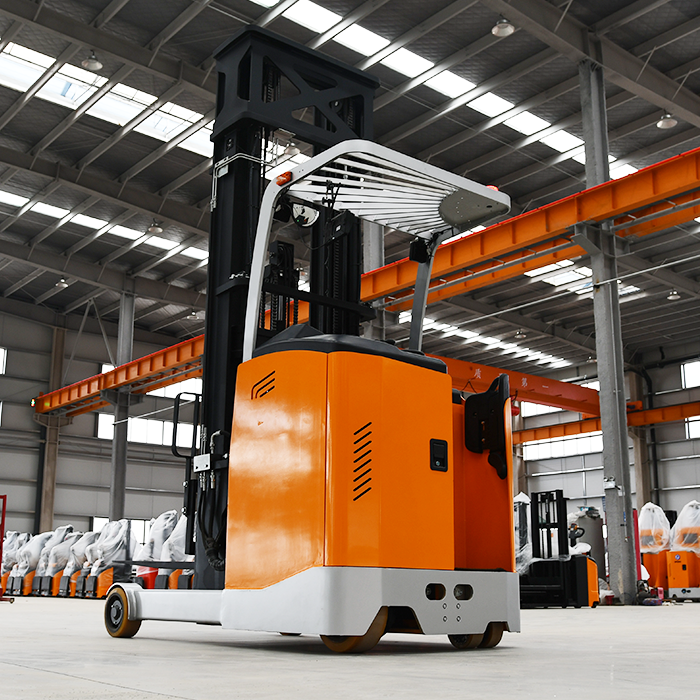
Galvanized pallet truck
China Wholesale 2,000 kg Industrial Forklift Pallet Truck, 6 m / 8 m / 12 m, Hot-Dip Galvanized
- 2,000 kg
- 6 / 8 / 12 m
- Galvanized
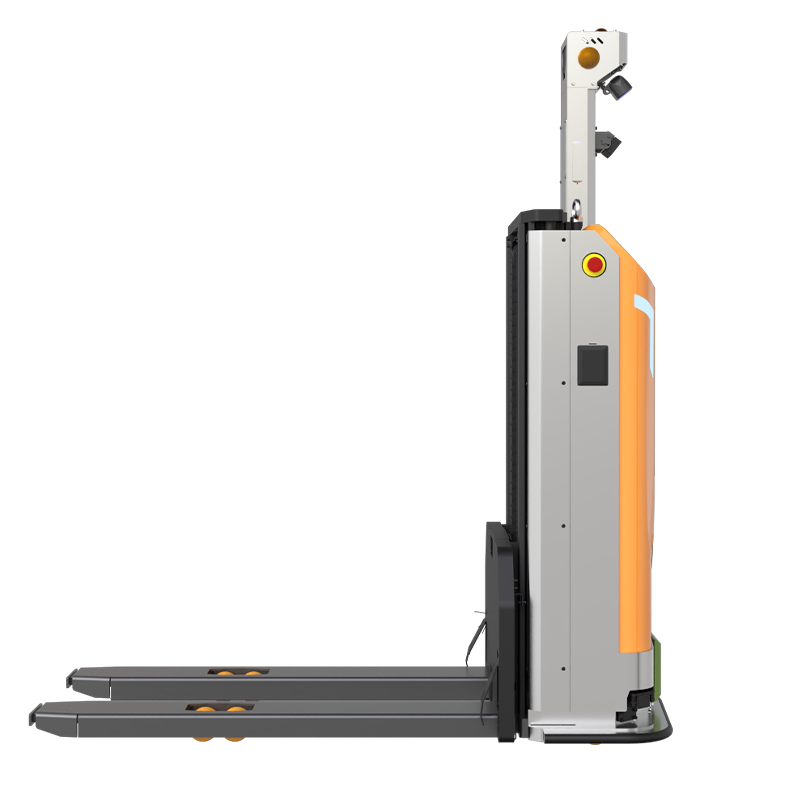
Slim stacker AGV
2T 3 m Slim Narrow-Body Stacker AGV for High-Density Storage
- 2.0 t
- 3 m lift
- Slim body
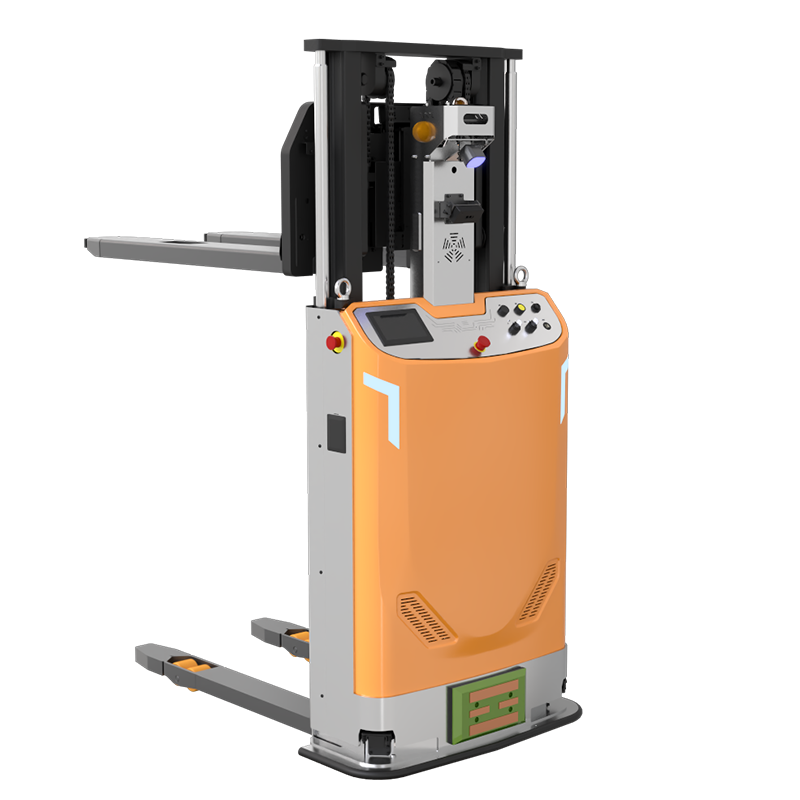
Compact stacker AGV
2T 1.6 m Slim Narrow-Body Stacker AGV for High-Density, High-Lift Pallet Stacking
- 2.0 t
- 1.6 m lift
- Space saving
Not sure which model fits your Kawasaki aisle width, pallet condition or WMS interface? Send your data and let engineering check it.
Kawasaki market intelligence
Why Kawasaki Buyers Search for Custom OEM Automated Pallet Stacker Factories & Wholesalers
Kawasaki is not a generic forklift market. As part of Kanagawa and the wider Keihin industrial belt, it combines port-linked logistics, advanced manufacturing, third-party logistics, food distribution and high-density urban warehousing. For procurement teams, the search phrase “custom OEM automated pallet stacker factories & wholesaler in the Kawasaki market” usually signals a serious buying process: they want a factory-direct source, a model that can be customised, documentation suitable for import and tender review, and a support plan that protects uptime after installation.
The operational need is easy to see. Kawasaki-area warehouses face high land costs, limited expansion space and continuing pressure on labour availability. Japan’s 2024 logistics overtime regulation and the broader driver shortage have pushed more 3PLs, manufacturers and distributors to examine automated pallet movement. A pallet stacker AGV is often the first step because it automates a clear, repetitive task: moving a pallet from floor to rack, from line-side to staging, or from a dock buffer to a storage location. Unlike a full greenfield automated warehouse, it can be piloted with one unit and expanded later.
For a Kawasaki project, the right equipment is rarely the machine with the largest headline capacity. It is the machine that matches the real aisle, pallet quality, rack tolerance, floor condition, shift pattern, Wi-Fi environment and safety rules. A slim 1.6 m stacker AGV may be ideal for low-to-medium racking and tight aisle recovery, while a 3 m slim stacker, reach truck AGV, VNA 3-way AGV or counterbalanced AGV becomes the better choice as lift height, pallet type and traffic complexity increase. High-density sites may need a mixed fleet rather than a single machine category.
This guide is written from the manufacturer’s project-engineering perspective. It uses original product data and company-profile evidence, and it deliberately separates published specifications from site-specific validation. The figures and configurations below are a starting point for a Kawasaki quotation; final load, lift, aisle, safety, electrical and compliance requirements must be confirmed by drawings, a pallet survey and a site risk assessment.
Localized application scenarios
Where Automated Pallet Stackers Deliver Value in Kawasaki
Kawasaki projects often combine import flows, manufacturing supply, 3PL operations and urban delivery. The application logic matters more than the catalogue category.
Port-linked 3PL and cross-docking
Near Kawasaki Port and the wider Tokyo Bay logistics cluster, 3PLs handle inbound pallets, staging, sorting and outbound loading under tight windows. An automated pallet stacker can reduce empty travel between dock buffers and rack locations, standardise pallet placement and support night shifts when labour is scarce. The engineering focus is dock handover, traffic control, safety scanning and clear task allocation from the WMS.
Manufacturing and line-side replenishment
Kawasaki’s industrial base includes machinery, electronics, automotive-related supply and precision manufacturing. In these plants, pallet stackers support line-side replenishment, finished-goods transfer and buffer management. A counterbalanced AGV may suit closed-bottom pallets and trailer interfaces, while a slim stacker is often better for compact cells. Success depends on call-button logic, route priority, pedestrian zones and a safe handover between automated and manual operations.
High-density urban warehouses
High land values make vertical storage and narrow aisles commercially attractive. Slim narrow-body stacker AGVs, 3-way VNA units and high-lift models allow warehouses to use rack height without sacrificing too much floor area. Buyers should measure the true narrowest aisle, including rack uprights, pallet overhang, door frames and column protrusions. The best model for a Kawasaki site is the one that maintains safe clearance while still achieving the required pallet-per-hour throughput.
Food, cold-chain and hygiene-sensitive sites
Kawasaki’s port and consumer market support food distribution, chilled storage and other hygiene-sensitive operations. Standard AGV stackers can handle many ambient pallet flows, but cold-store and condensation-prone sites require review of battery strategy, seals, sensors, charger placement and maintenance access. Where deep cold storage is required, a purpose-configured AS/RS or cold-duty stacker solution should be evaluated rather than assuming a standard model will perform identically.
Kawasaki development trends
Local Trends Shaping Pallet Automation Decisions
These trends explain why Kawasaki buyers increasingly compare factory-direct OEM suppliers, not only local dealers.
Labour availability and the 2024 logistics reset
Japan’s logistics overtime regulation and driver shortage have made labour productivity a board-level issue. For Kawasaki warehouses, automation is no longer only about reducing headcount; it is about stabilising shifts, reducing dependence on overtime and maintaining service levels during peak periods. A single automated stacker pilot can provide the data needed for a wider fleet decision.
Land cost drives narrow-aisle and high-bay design
In Greater Tokyo, land and construction costs encourage denser racking and more vertical storage. This increases interest in slim stacker AGVs, VNA 3-way trucks and high-bay systems. However, denser storage also raises the cost of mistakes: aisle tolerance, rack interface, floor flatness and safety clearance must be engineered before the truck is ordered.
WMS-ready integration and traceability
Kawasaki buyers increasingly ask for WMS/WCS integration, task traceability, API interfaces and remote diagnostics. 3D SLAM navigation reduces dependence on reflectors or floor tape in suitable environments, but it does not remove the need for reliable Wi-Fi, clear traffic rules and robust exception handling. The automation should be treated as part of the information system, not as a standalone truck.
Safety, resilience and business continuity
Mixed pedestrian and forklift traffic remains a major risk. Safety scanners, warning lights, speed zones, emergency stops and route planning must be part of the layout. Kawasaki’s exposure to earthquakes and typhoons also makes rack interface, emergency procedures and spare-parts planning relevant. For procurement, a credible supplier should discuss failure modes and recovery, not just normal operation.
Engineering selection guide
Model Match Table for Kawasaki Warehouse Projects
Use this table to shortlist equipment before requesting a layout proposal. Final specification is confirmed by engineering.
| Kawasaki application need | Suggested model | Why it fits | Site checkpoint |
|---|---|---|---|
| Low-to-medium racking in limited floor space | 2T 1.6 m Slim Narrow-Body Stacker AGV | Compact body, 1.6 m lift, suitable for dense storage and repetitive pallet transfer. | Measure aisle clear width, pallet overhang, floor joints and charger access. |
| High-density storage with 3 m stacking | 2T 3 m Slim Narrow-Body Stacker AGV | Balances narrow-body design with higher lift for urban warehouses. | Check rack beam tolerance, safety clearance at height and traffic rules. |
| Narrow aisle but higher racking | Narrow Aisle 3-Way Certified Electric Forklift | Three-way handling supports demanding high-rack pallet storage. | Verify aisle width, rack type, operator or automation interface and local rules. |
| Automated reach operation with laser accuracy | EFORK EQDA15-30 Laser SLAM Reach Truck | 1.5 t capacity and ±10 mm accuracy for warehouse logistics routes. | Confirm Wi-Fi coverage, route logic, docking targets and safety zones. |
| Very narrow aisle and 8 m lift | EFORK CDME16J-80S VNA AGV | 1.6 t, 8 m lift, 3-way fork and laser SLAM for high-density storage. | Rack tolerance, floor flatness and aisle discipline are critical. |
| Closed-bottom pallets, trailers and production lines | EFORK EDB30-30 Counterbalanced AGV | 3 t capacity, 3 m lift and no front outriggers for flexible pallet handling. | Check load centre, dock interface, floor marking and mixed traffic. |
| Flexible self-loading or humid/outdoor handling | Portable Electric Pallet Lift Stacker or Galvanized Pallet Truck | Useful for mixed manual-automated fleets, temporary peaks and corrosion-conscious areas. | Confirm operating surface, duty cycle, charging arrangement and load stability. |
A Kawasaki deployment should not be specified by load capacity alone. For the same 2 t pallet, aisle width, lift height, fork length, battery strategy and safety architecture can change the correct model.
Information gain
The Kawasaki Specification Checklist Most Catalogue Pages Omit
These six checks usually decide whether an automated pallet stacker becomes a stable asset or an expensive pilot.
What to measure before you request a wholesale quotation
- 1. True aisle clear widthMeasure the narrowest point, not the nominal aisle. Include rack uprights, pallet overhang, column protection, door frames, lift lobbies, charging areas and pedestrian crossings. A slim stacker AGV can reduce infrastructure, but it cannot overcome a physical clearance problem.
- 2. Pallet condition and load stabilityWarped boards, broken stringers, protruding goods and unstable shrink-wrap create mis-picks and safety risk. Score pallet quality before choosing fork dimensions, sensors and stack height. In many Kawasaki projects, improving pallet quality is cheaper than adding complexity to the robot.
- 3. Floor flatness, slope and jointsNavigation accuracy is not the same as mechanical stability. Floor joints, drains, ramps and slope can affect stacker positioning and load security. Confirm the acceptable tolerance with the supplier and consider remedial work before installation.
- 4. Wi-Fi, fleet management and charging3D SLAM reduces reliance on reflectors or tape, but fleet management, task dispatch and diagnostics still depend on reliable network coverage. Map dead zones, access-point height and charging location. For multi-shift Kawasaki sites, opportunity charging and battery strategy should be modelled before purchase.
- 5. Mixed traffic and safety zonesA pallet stacker AGV is only as safe as its traffic plan. Define speed zones, pedestrian crossings, blind corners, dock interlocks, warning lights and emergency stop procedures. The final risk assessment must reflect Japanese site rules and the actual building layout.
- 6. Compliance, documents and after-sales modelCE, ISO 9001 and ISO 45001 documentation help with global procurement, but they do not replace Japanese legal review. Confirm electrical supply, charger safety, machinery risk assessment, operator training, spare-parts kits and remote support. A clear responsibility matrix is part of the commercial value.
This is where a factory-direct OEM relationship creates real advantage. A wholesaler who simply resells a standard unit may struggle to adapt fork length, lift height, battery configuration, safety scanner layout or WMS handshake. By contrast, an OEM factory can review the pallet drawing, aisle survey and throughput target together, then propose a model and configuration that is buildable rather than merely available. That is the practical meaning of information gain in a Kawasaki procurement process: the supplier helps the buyer avoid a specification error before the machine is manufactured.
Enterprise advantages
Verified Manufacturer Advantages for OEM & Wholesale Buyers
Nexrik’s published company profile and third-party verification provide a stronger basis for due diligence than an anonymous trading listing.
Total staff
Factory floorspace
Awarded patents
MOQ for model
In-house manufacturing and inspection
Chassis, mast and control integration are handled on our own production lines, with onsite material and finished-product inspection before shipment. That matters when a Kawasaki buyer needs batch consistency, spare-part traceability and a factory audit trail.
Laser and 3D SLAM navigation options
Choose reflector-based laser navigation for fixed routes or 3D SLAM for natural-feature localisation that can reduce floor and rack modifications. The right choice depends on building geometry, traffic and the level of environmental change in the Kawasaki warehouse.
One-stop turnkey capability
AGV forklifts, pallet stackers, VNA AGVs, AS/RS stacker cranes, four-way shuttles and RGVs can be engineered as one WMS-ready system. For a phased Kawasaki project, this reduces interface risk between different equipment suppliers.
Export documentation and customisation
We hold ISO 9001 and ISO 45001 systems, CE marking under the Machinery Directive 2006/42/EC for the AGV range, SGS onsite verification, 7 patents and 1 registered trademark. OEM, ODM and buyer-label production are available, including load, lift, fork and battery configuration.
The company also reports a USD 100M+ annual revenue scale, 8 years in the industry, 7 international trade shows, Fortune 500 supplier experience and a market footprint across Southeast Asia, South America, Eastern Europe, South Asia and North America. Accepted trade terms include FOB, CFR, CIF, EXW, FAS, CIP and DDP; payment methods include L/C, D/P, D/A, MoneyGram, credit card and Western Union in USD, EUR or CNY. For Kawasaki buyers, these details matter because they shorten the path from technical interest to a bankable quotation.
Factory evidence
From Hefei Production Lines to Kawasaki-Bound Projects
Anhui Nexrik Intelligent Technology Co., Ltd. is based in Huagang Town Industrial Park, Feixi County, Hefei, Anhui, China. For Kawasaki buyers, the value of the factory is not its location but its ability to convert a rack drawing and pallet specification into a tested, documented machine.

Production base infrastructure supporting AGV and warehouse automation manufacturing.

Assembly workshop for AGV forklifts, pallet stackers and custom OEM builds.

Testing area for navigation, safety functions, lifting and WMS interface checks.
For projects where travel to China is difficult, the practical alternative is a structured remote factory review: live video walkthrough, model-specific drawings, FAT checkpoints, safety-scanner test records and packing verification before shipment. This is especially useful for Kawasaki procurement teams that need to satisfy internal engineering, safety and purchasing review before releasing a purchase order.
Production capability should be read together with configuration discipline. A 1,152-person company with 66,650 m² of floorspace can support custom builds, but the Kawasaki customer still needs a clear specification, a named technical contact and an agreed acceptance plan. The strongest OEM relationship is one where the factory can challenge unrealistic assumptions early — for example, when an aisle is too narrow for the requested lift height, or when an existing pallet fleet is not stable enough for high-level stacking.
Kawasaki buyer FAQ
Common Local Procurement Questions
These answers address the questions most often raised by Kawasaki-area buyers comparing OEM factories and wholesalers.
Is the minimum order really one set for a Kawasaki pilot?
Yes. The MOQ for every AGV forklift, stacker crane and four-way shuttle model is 1 set. This allows a Kawasaki buyer to run a pilot line, validate routes and cycle times, and then scale to a fleet. The quotation should still define spare parts, training and commissioning scope so that a one-unit pilot does not become an unsupported experiment.
What lead time and delivery terms are realistic for Kawasaki?
Indicative lead time depends on model and customisation: engineering review, manufacturing, factory acceptance testing, sea freight and commissioning are separate stages. A standard pallet stacker may be faster than a custom VNA or AS/RS project. FOB, CFR, CIF, EXW, FAS, CIP and DDP terms can be discussed; delivery to Kawasaki Port or a nominated Japanese address should be confirmed in the quotation together with import responsibility and local handling arrangements.
How do you handle Japanese voltage, safety and compliance requirements?
The electrical configuration, charger, emergency stop, safety scanners and documentation package must be reviewed against the actual Japanese site. CE marking and ISO systems are useful evidence of manufacturing discipline, but they are not a substitute for Japanese legal review. The final machinery risk assessment, electrical safety check and site acceptance test should be completed with the buyer’s engineering or safety representative.
Can an automated pallet stacker work in a very narrow Kawasaki aisle?
Potentially, yes. Slim narrow-body stacker AGVs, 3-way VNA forklifts and reach truck AGVs exist precisely because aisle space is expensive. However, “narrow” must be measured properly. The survey should include rack uprights, pallet overhang, floor joints, door frames, column protection and the clearance needed for safe lift and travel. A 3D SLAM model may reduce infrastructure, but it does not change the physical dimensions of the truck or the pallet.
Can the equipment integrate with our WMS or ERP?
WMS/WCS integration should be defined during solution design. Typical discussion points include task allocation, call-button logic, route priority, traffic control, error handling, interface protocol and reporting. Interface requirements are tested during factory acceptance and site commissioning. If the Kawasaki site already has a WMS, bring the interface specification to the first technical review.
Do you provide OEM, ODM, buyer-label production and spare parts?
Yes. We provide full customisation, OEM, ODM and buyer-label production, including load capacity, lift height, fork dimensions, battery configuration and cold-storage variants. For after-sales, buyers should define a recommended spare-parts kit, remote diagnostic process, training package and escalation route. A pilot unit should be supported in the same way as a fleet order.
What trade terms and payment methods are accepted?
Accepted delivery terms include FOB, CFR, CIF, EXW, FAS, CIP and DDP. Accepted payment methods include L/C, D/P, D/A, MoneyGram, credit card and Western Union in USD, EUR or CNY. The final terms should be written into the quotation and purchase order, especially for custom-built equipment.
Can you support a Ringi-style technical review and remote factory acceptance?
For Kawasaki procurement teams that need internal consensus, the practical support package includes model drawings, specification sheets, layout logic, safety description, FAT checklist, test video and packing records. English documentation is standard; if Japanese translation or local third-party review is required, confirm it during quotation so that responsibilities and timing are clear.
Request a Kawasaki-Specific Pallet Stacker Layout, Model Match and Wholesale Quotation
Send your rack drawing, pallet specification, aisle width, lift height, throughput target, shift pattern, voltage and WMS interface requirement. Our engineering team will review the application and propose a practical model mix for the Kawasaki market.
Send an InquiryFactory-direct OEM/ODM · MOQ 1 set · CE and ISO documentation · SGS onsite verified manufacturer · Export terms available for Kawasaki-bound projects.