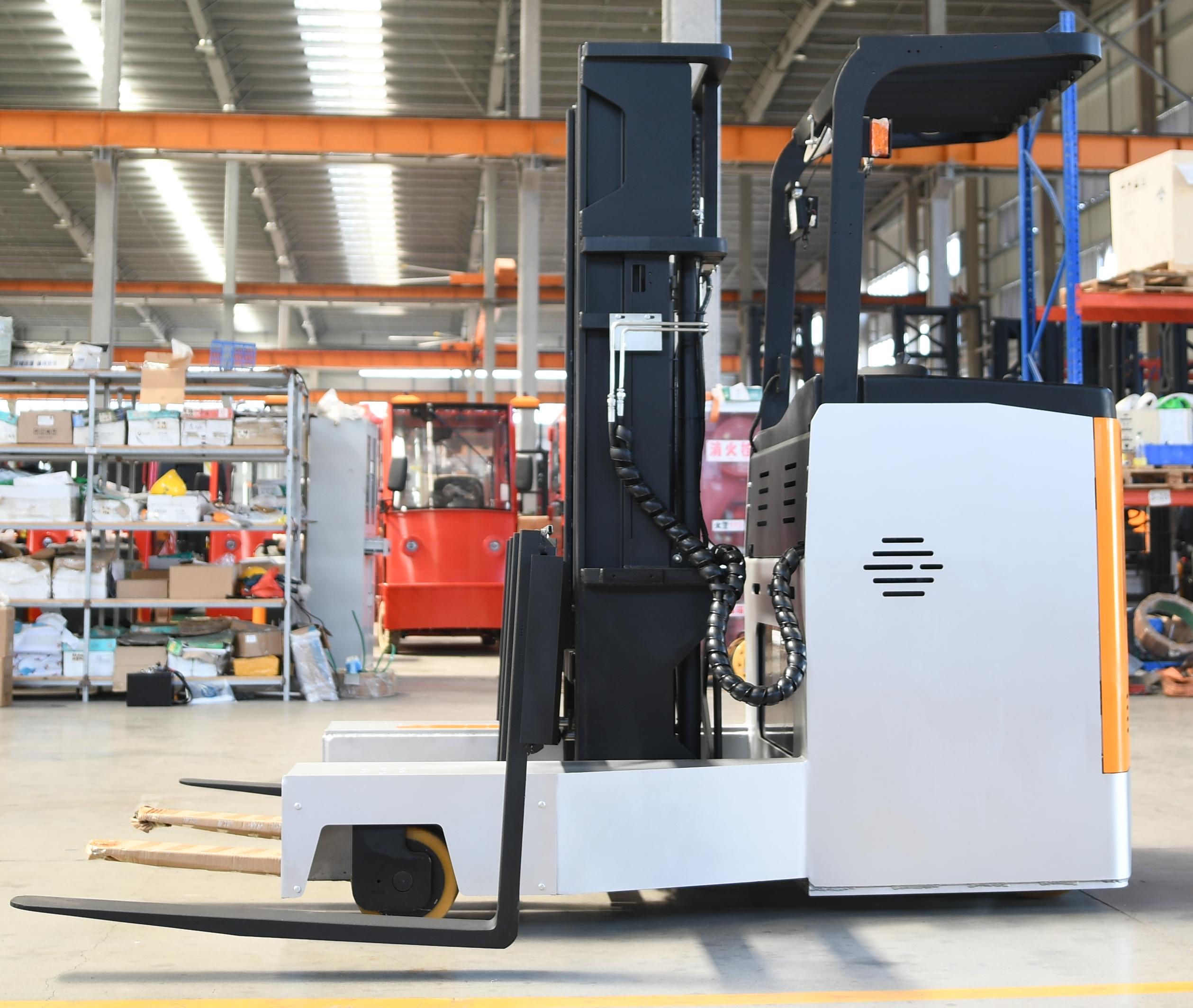
4T / 5T · Narrow Aisle
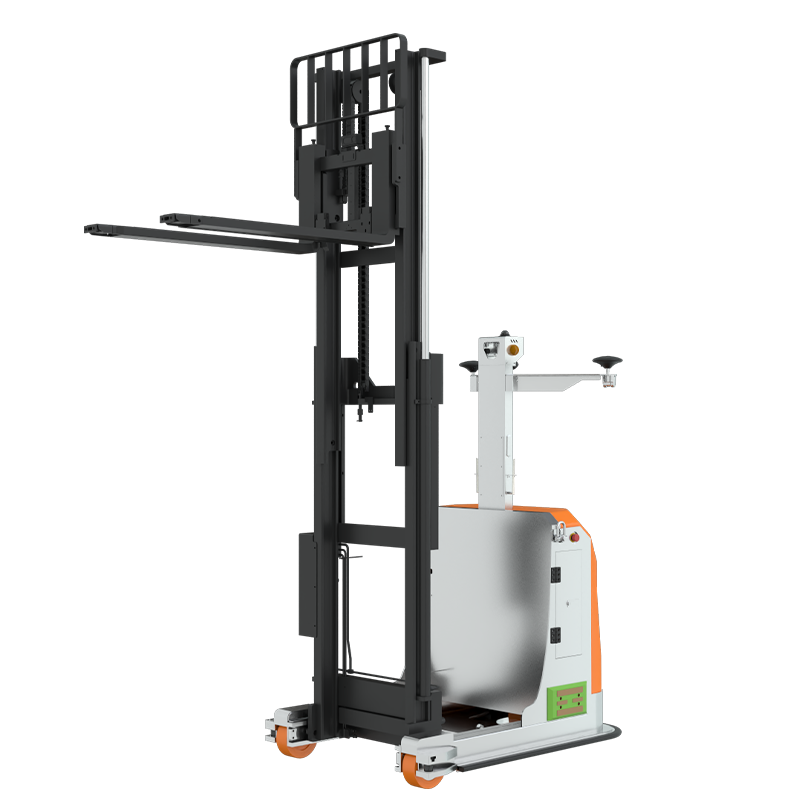
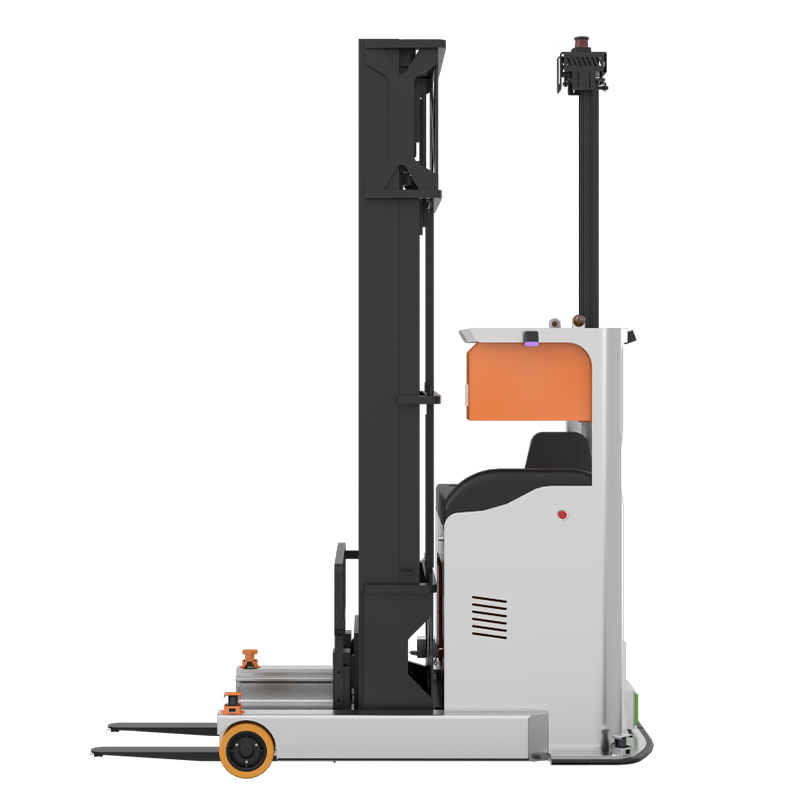
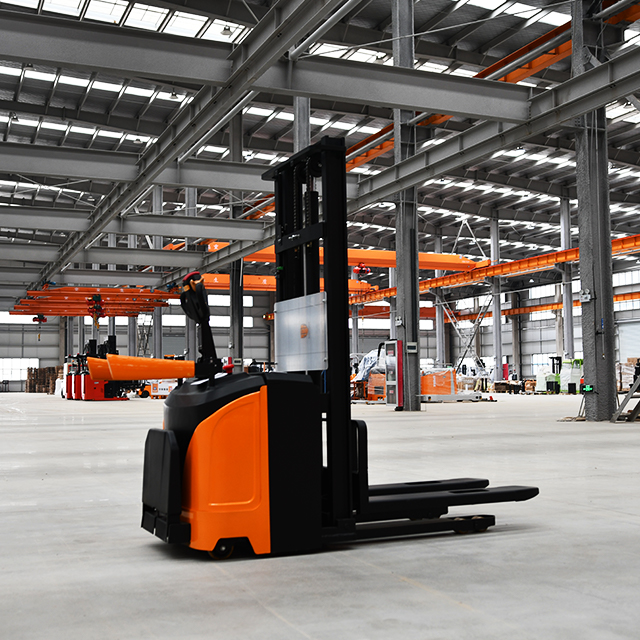
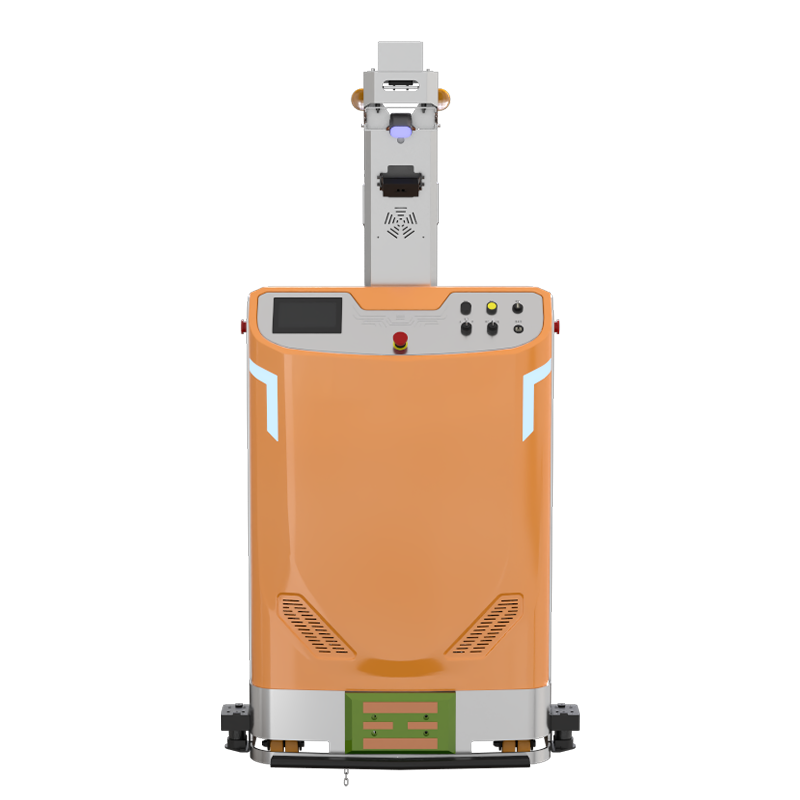
Multi Directional Forklift 4Ton 5Ton 4 Way Forklift Reach Truck Stacker For Narrow Aisle Small Space
- 4–5T
- 4-way
- Small footprint
Engineer-led AGV forklifts, 3D SLAM stackers, narrow-aisle reach trucks, and AS/RS-ready platforms for Middle Tennessee assembly plants, 3PL warehouses, cold-chain facilities, and wholesale equipment partners. CE/ISO-verified manufacturing, MOQ 1 set, and OEM customization from load capacity to frozen-storage protection.
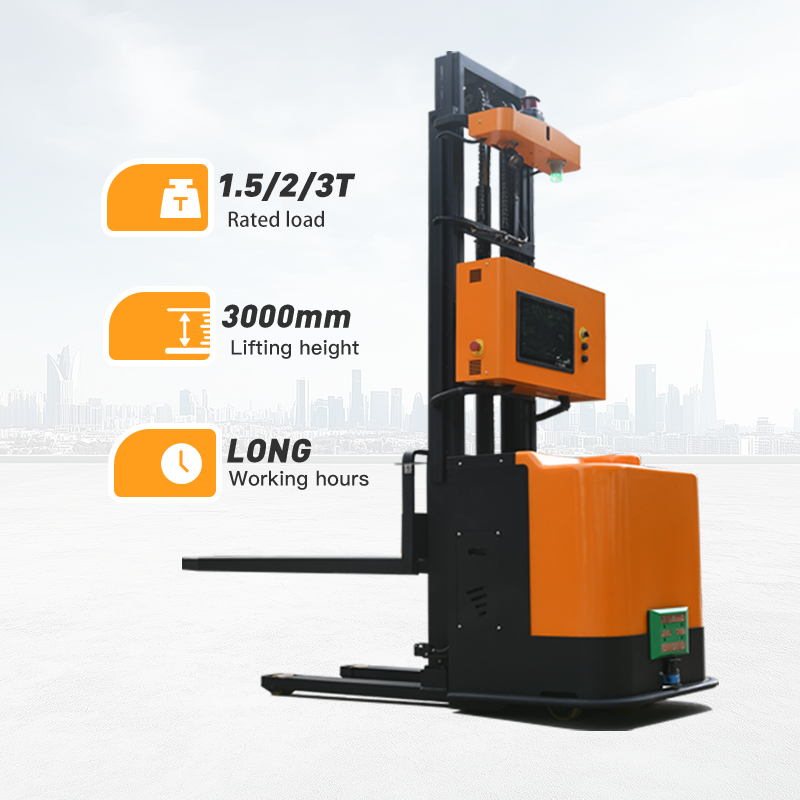
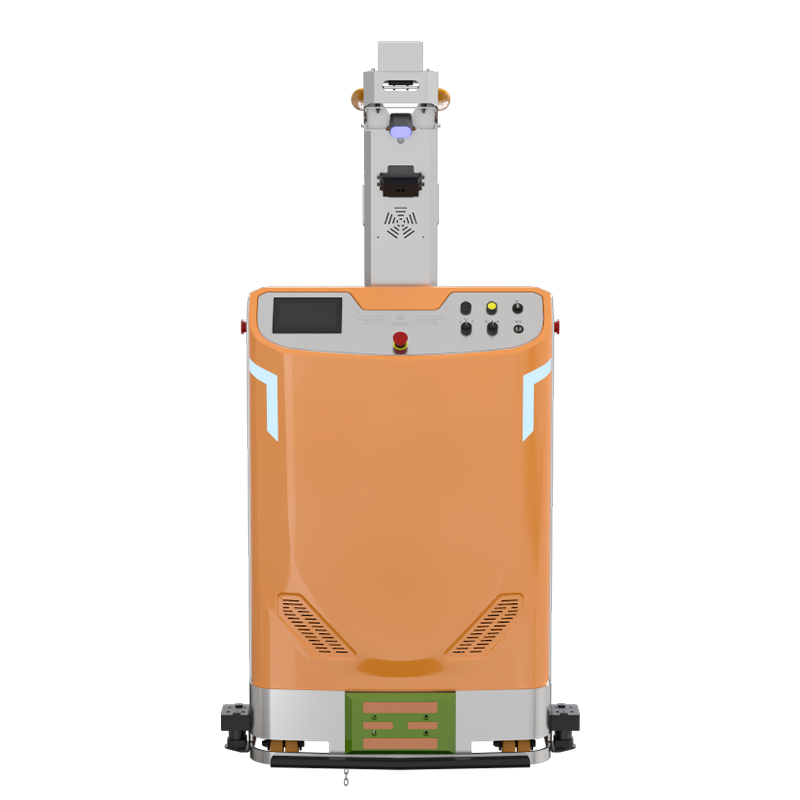
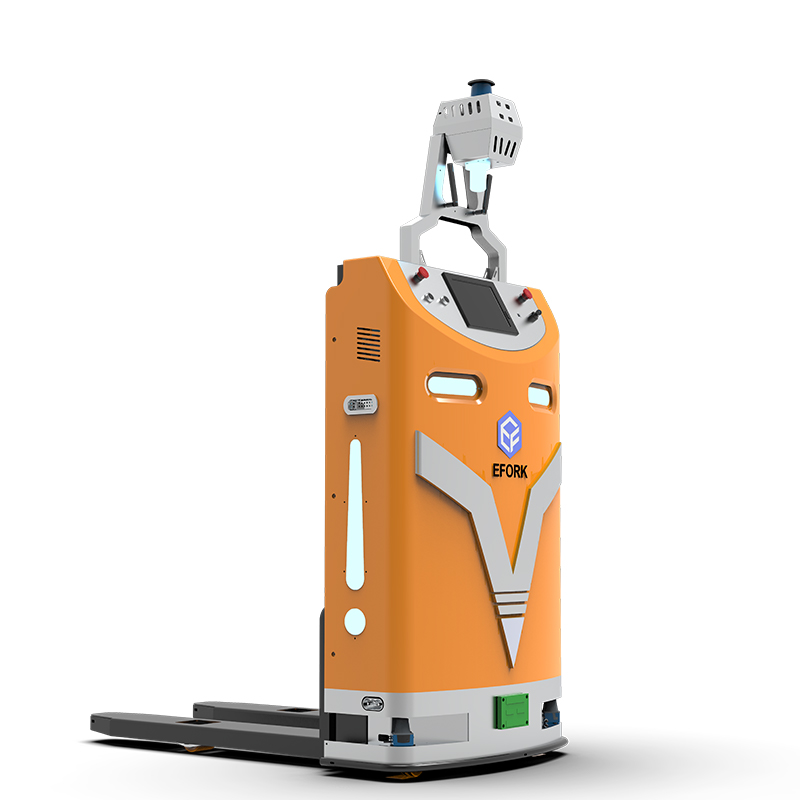
Below are eight application-ready platforms for Nashville-area assembly lines, pallet handling, narrow aisles, and smart warehouse projects. Each model can be quoted as a single pilot unit or configured for OEM, ODM, buyer-label, and wholesale fleet programs.
Middle Tennessee is no longer a secondary logistics market. It is a manufacturing, EV, food and beverage, healthcare, and e-commerce corridor where assembly line AGV projects must fit real buildings, real pallet quality, and real labor constraints.
For buyers around Nashville, Franklin, Murfreesboro, Smyrna, Spring Hill, Lebanon, Gallatin, La Vergne, and Mount Juliet, the decision is rarely as simple as choosing the lowest-cost automated guided vehicle. A custom OEM assembly line AGV supplier must understand how the vehicle will interact with line-side supermarkets, kitting carts, conveyor transfer stations, dock levelers, rack tolerances, fire lanes, Wi-Fi coverage, and the existing WMS or ERP. A generic catalog unit may look adequate on paper, yet fail when the aisle is 150 mm tighter than expected, the pallet is a closed-bottom design, the floor joint triggers sensor noise, or the customer needs a buyer-label program for a regional wholesale channel.
The strongest Nashville projects begin with an engineering brief rather than a model number. The brief should capture load map, pallet type, rack drawing, lift height, takt time, shift pattern, charging window, fleet traffic, door widths, floor flatness, safety zones, and the handshake logic between the AGV, WMS, and conveyor controls. That is the information gain that separates a working AGV deployment from a pilot that never scales. Nexrik engineers use these inputs to compare 3D SLAM against laser navigation, narrow-body reach trucks against counterbalanced models, and stacker AGVs against high-bay AS/RS or four-way shuttle systems.
Nashville is not one single warehouse profile. The right AGV for an automotive Tier 1 plant in Smyrna is often different from the right system for a 3PL in La Vergne or a cold-chain distributor near Lebanon.
Automotive and EV suppliers in Middle Tennessee need repeatable line-side replenishment, kitting delivery, WIP transfer, and finished-goods staging. A 2T compact AGV, slim stacking AGV, or reach truck AGV can reduce forklift traffic in shared pedestrian zones while maintaining 10 mm-level docking accuracy at conveyors and racks. For high-volume plants, the best starting point is a single-route pilot that proves cycle time, traffic logic, and operator acceptance before fleet expansion.
Food and beverage distributors around Nashville often operate mixed pallets, strict FIFO requirements, and temperature-controlled zones. Pallet stacker AGVs and reach truck AGVs can handle dock staging and rack replenishment while reducing time spent by operators inside freezers. For larger operations, AS/RS stacker cranes and four-way shuttle systems provide high-density storage with WMS-ready control. The equipment must be specified for condensation, battery performance, washdown expectations, and safety scanner behavior in low-temperature areas.
High-SKU 3PLs and healthcare distributors need fast put-away, replenishment, and picking support without widening every aisle. A 1.5T reach truck AGV or slim 3D SLAM stacker is often the right pilot platform, while a four-way shuttle or mini-load stacker can be added when density becomes the bottleneck. Because Nashville e-commerce demand is sensitive to labor availability, the AGV business case should include turnover reduction and training time, not only hourly throughput.
Semantic search for “assembly line AGV Nashville” is usually a sign that a buyer is comparing labor, safety, building density, and integration risk. These six trends shape the specification.
As Middle Tennessee industrial space becomes more valuable, warehouse planners reduce aisle width and increase rack height. That makes narrow-body reach trucks, slim stackers, and VNA-style AGVs more attractive than conventional counterbalanced equipment where the layout permits.
Automotive and battery-related plants need controlled material flow, documented handoffs, and repeatable line-side delivery. AGV projects are increasingly evaluated on WMS integration, error-proofing, and data logs rather than transport speed alone.
Nashville-area employers compete for skilled forklift operators. An AGV business case should quantify reduced vacancy risk, lower training overhead, and fewer safety incidents in mixed traffic zones, not just direct labor savings.
Greenfield warehouses can specify reflectors and floor tape from day one, but brownfield facilities in Nashville often prefer 3D SLAM because it reduces site preparation. The trade-off should be evaluated with aisle geometry, rack density, and Wi-Fi coverage.
Food and healthcare distribution continues to grow across Tennessee. Cold-storage AGVs and AS/RS equipment must account for condensation, battery derating, safety scanner windows, and service access in freezer environments.
Regional integrators and equipment wholesalers prefer a compact platform portfolio with shared batteries, chargers, and controls. That is why OEM and buyer-label programs matter for Nashville dealers serving multiple end customers.
For a Nashville manufacturer, the ideal supplier is not only a machine vendor. It should be a production partner that can support a single pilot, then scale to a multi-route fleet without changing control logic, spare parts strategy, or safety documentation. Nexrik supports full OEM, ODM, and buyer-label production, including load capacity, lift height, fork dimensions, battery configuration, charger strategy, and cold-storage variants.
Wholesale buyers and system integrators in the Nashville market can also request standardized configurations that are easier to stock, demonstrate, and service. A regional dealer may need a compact 2T stacker AGV for mixed customer trials, while a 3PL group may want a common reach truck AGV platform across several sites. Standardizing the platform reduces operator training time and simplifies spare parts planning.
For a decade-long warehouse investment, supplier scale and traceability matter as much as the machine specification. Nexrik’s credentials are designed for buyers who need to justify the project internally and externally.
1,152+ employees across 66,650 m² of production space, with chassis, mast, and control integration built and inspected before shipment.
CE marking under 2006/42/EC, ISO 9001, ISO 45001, 7 awarded patents, and SGS onsite verification of premises and legal status.
AGV forklifts, stacker cranes, four-way shuttles, and RGVs from one source, engineered as a WMS-ready system rather than disconnected machines.
MOQ 1 set, buyer-label production, custom load and lift configurations, and export documentation for Nashville dealers and end users.
These verification points help Nashville buyers compare a custom OEM AGV supplier against catalogue resellers. The figures below reflect publicly stated enterprise information and third-party onsite verification used during supplier review.
Use this engineering shortlist before requesting a layout proposal. Final specifications must be confirmed against pallet data, rack drawings, floor conditions, and safety requirements.
| Equipment | Typical Load | Lift / Height | Navigation / Guidance | Best Fit in Nashville |
|---|---|---|---|---|
| Pallet Stacker AGV | 1.5–3 T | 1.6–3 m | 3D SLAM / laser | Line-side delivery, low racking, dock staging |
| Reach Truck AGV | 1.5–2 T | 3–6.5 m | 3D SLAM / laser SLAM | Selective racking with tighter aisles |
| Multi-Directional Forklift | 4–5 T | Application-specific | Operator or automated platform | Narrow aisle, long loads, compact storage |
| Compact 2T AGV Body | 2 T | Application-specific | 3D SLAM / laser | Production line and workshop transport |
| Slim Stacking AGV | 2 T | 3 m | 3D SLAM | Space-constrained assembly and warehouse flow |
| High-Lift Reach AGV | 2 T | 6.5 m | Laser SLAM | High lifting for smart warehouse and pallet handling |
For AS/RS stacker cranes, four-way shuttles, and mini-load systems, the project should be reviewed as a full storage-and-retrieval design rather than a single-vehicle selection.
A disciplined process reduces the risk of buying an AGV that cannot achieve the required cycle time after installation.
Review pallet types, rack layout, floor flatness, door widths, takt time, shifts, charging windows, and WMS handshake requirements.
Select platform type, navigation, fleet size, battery strategy, and traffic rules. Simulate bottlenecks before committing to a fleet order.
Configure load, lift height, fork geometry, body width, safety scanners, and cold-storage options; complete factory acceptance testing.
Map the site, validate interfaces, train operators, and establish spare-parts and lifecycle support for the Nashville installation.
These are the procurement, engineering, and local-application questions that most often appear during first-stage supplier review.
Send your rack drawing, load map, aisle dimensions, and throughput target. Our team will recommend the right mix of custom OEM assembly line AGVs, reach trucks, stackers, or AS/RS-ready equipment for your Middle Tennessee operation.