Custom OEM AGV Safety System Manufacturer & Factories for Berlin
A white-paper guide to CE-aware AGV safety architecture, Berlin-specific deployment scenarios, OEM customization, and factory-direct intelligent warehousing equipment from a verified manufacturer.
Eight AGV Platforms for Berlin OEM Projects
These are production-ready custom OEM AGV safety system building blocks for pallet handling, high lifting, narrow-aisle storage, and laser or 3D SLAM navigation. Product URLs are preserved exactly so Berlin buyers can compare models before an engineering review.
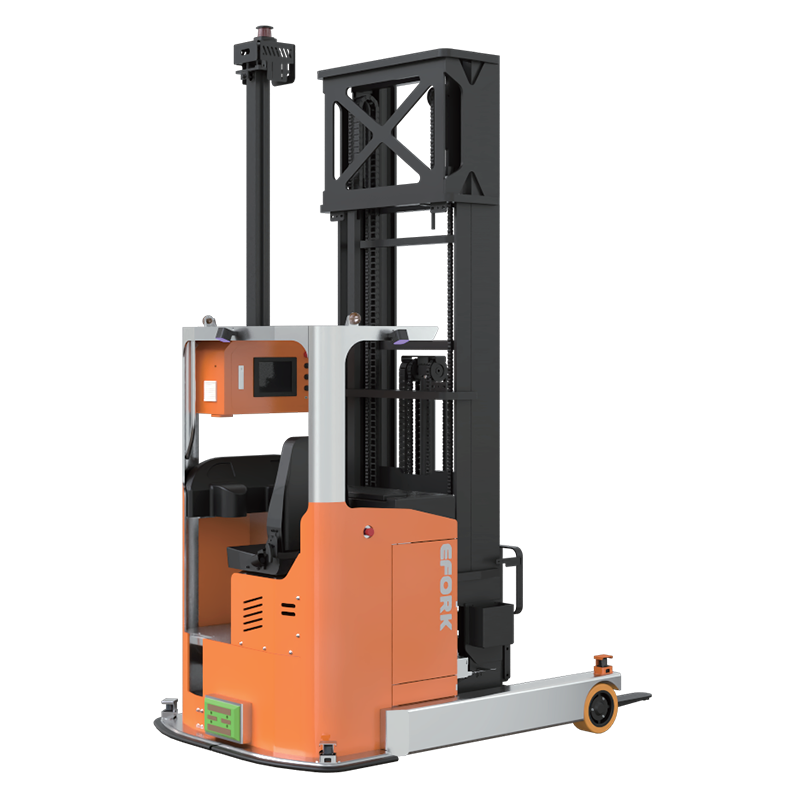
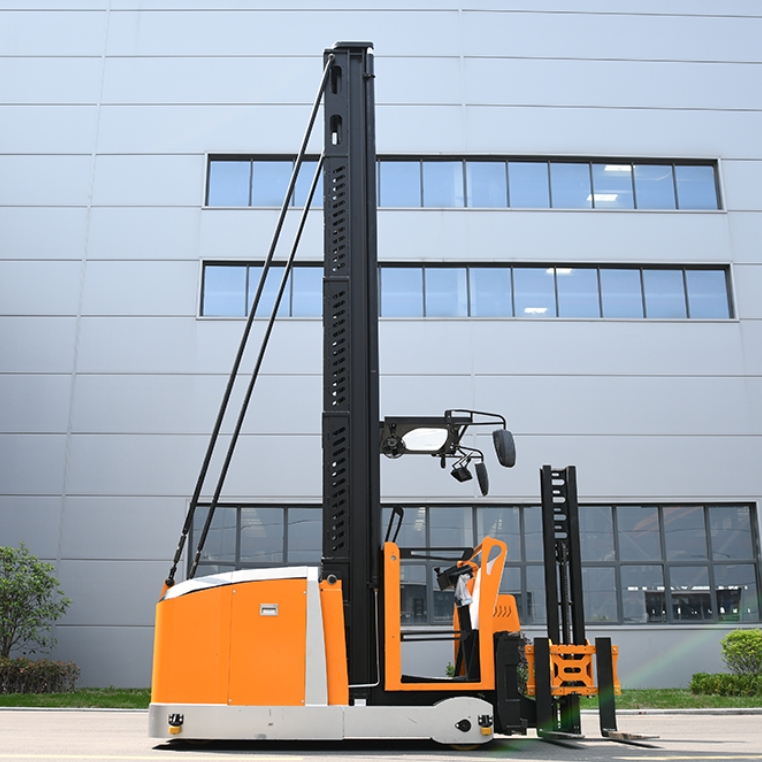
4.5M Reach Truck AGV Body 2T for Pallet Handling High Lifting Smart Warehouse Logistics Robot Laser Slam Navigation CE Certified
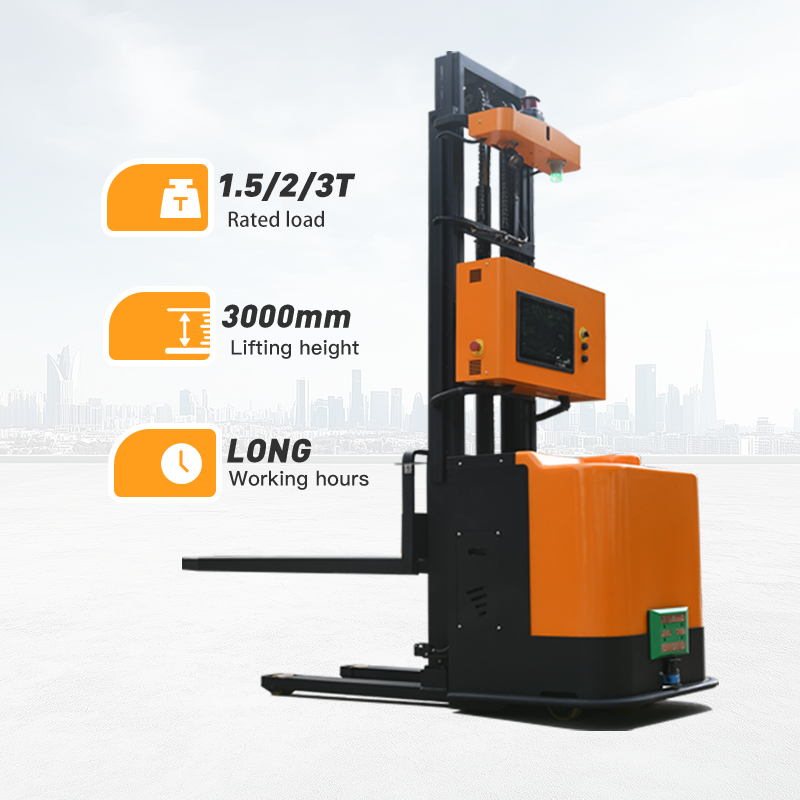
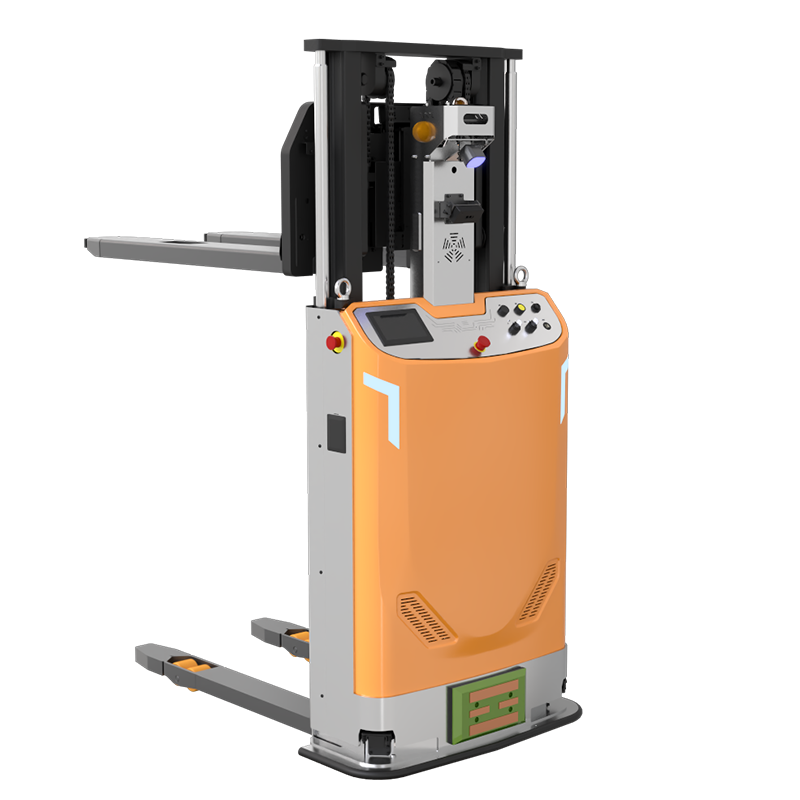
3T 3000mm Pallet Stacker Automated Guided Vehicle Forklift Truck for Intelligent Warehouse Automation
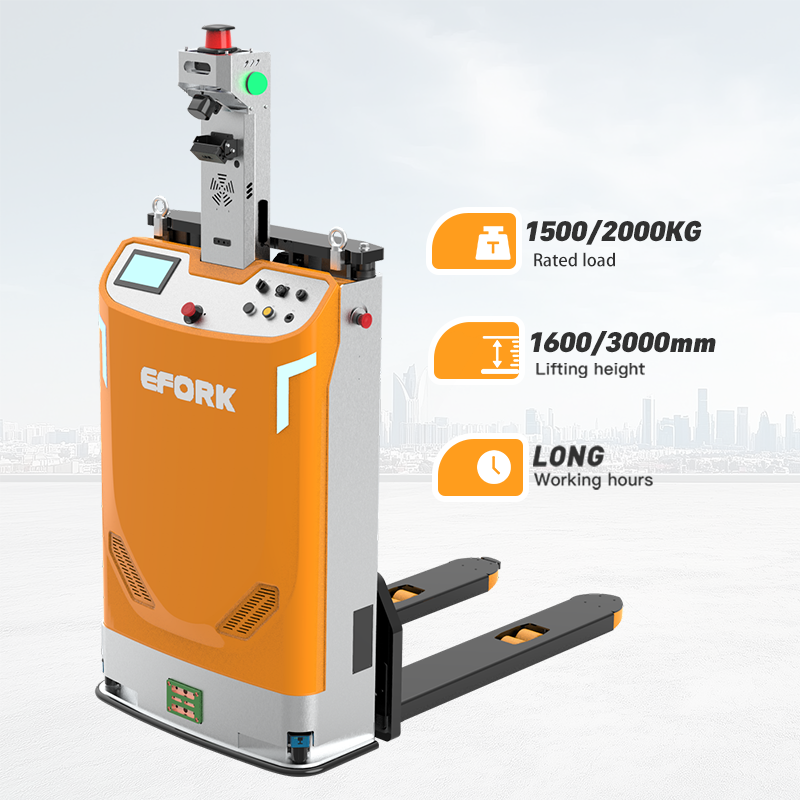
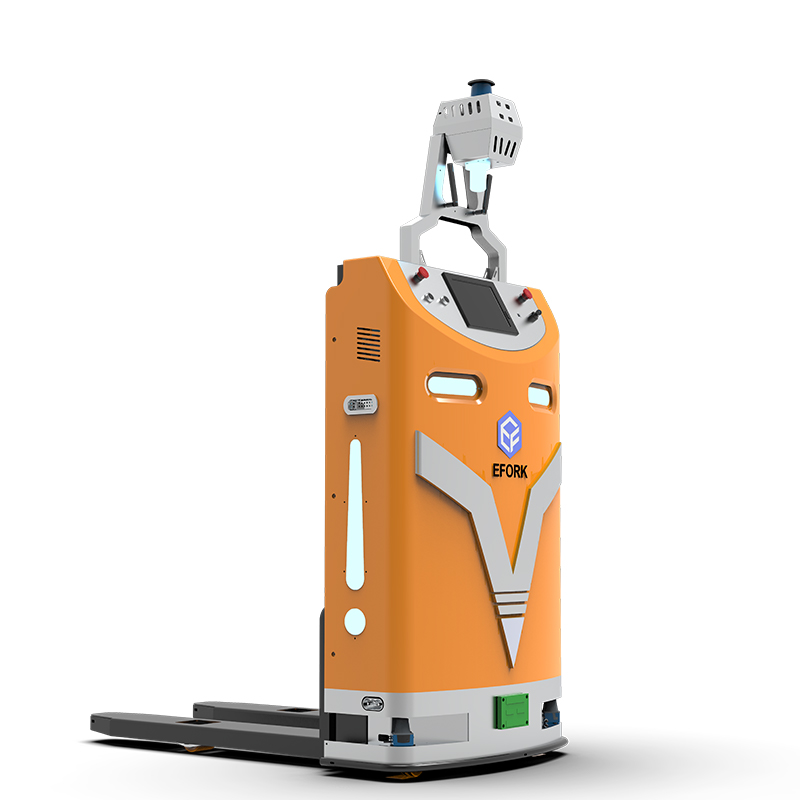
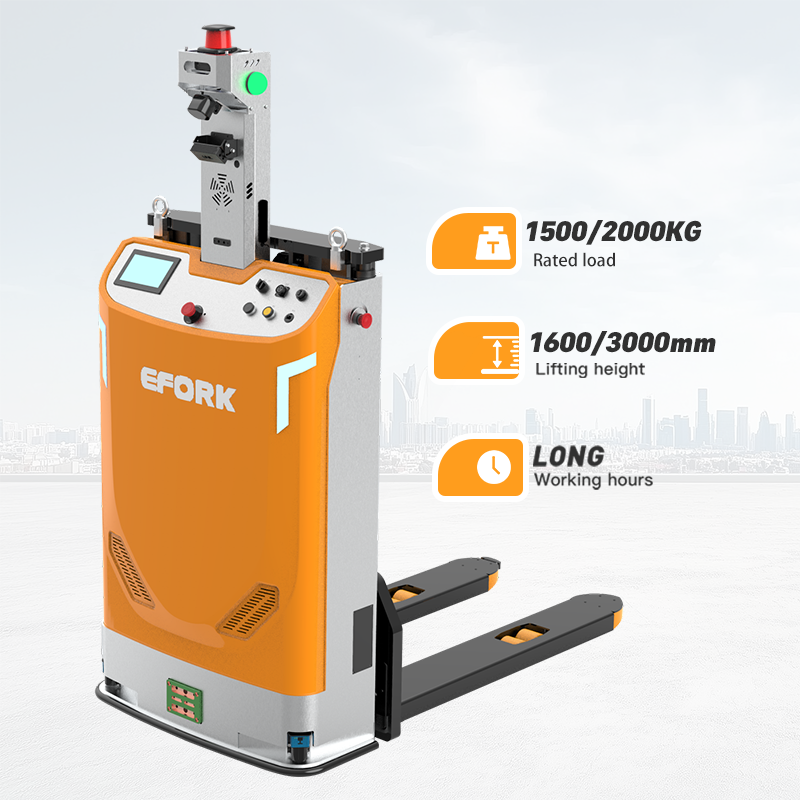
CE Certified EFORK EDA20-16 2T 1600mm Laser Navigation Self-Driving Forklift AGV WIFI/5G for Warehouse Automation Logistics
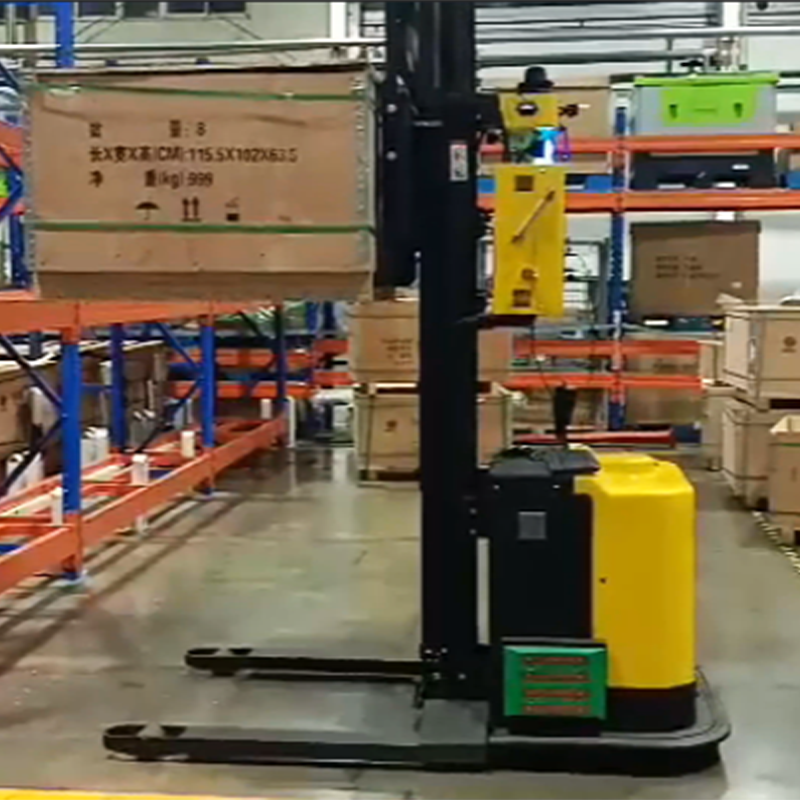
2T 3000MM Pallet AGV Forklift Automated Guided Vehicle 3D SLAM Navigation WIFI/5G Communication for Warehouse Automation Robot
Why Berlin Buyers Search for a Custom OEM AGV Safety System
The intent behind “Custom OEM AGV Safety System Manufacturer & Factories for Berlin” is not simply to compare load capacity. It is a procurement, engineering, and compliance question: which factory can deliver a CE-aware AGV platform, customize it to a Berlin site, document the safety logic, and support integration with local warehouse processes?
Berlin and the wider Brandenburg logistics region combine dense urban delivery, rail-linked industrial parks, e-commerce fulfilment, cold-chain distribution, and manufacturing supply chains. Those environments create a specific AGV brief: mixed traffic with manual forklifts, tight turning zones, fire-door transitions, variable pallet quality, WMS handshakes, and a need for documentation that satisfies internal engineering teams and external auditors.
An AGV safety system is therefore more than a driverless forklift. It is an engineered combination of safety laser scanners, bumpers, emergency-stop circuits, speed and zone control, load handling logic, fleet traffic management, and a risk assessment file. For Berlin projects, the most valuable supplier is one that can align mechanical customization with EN ISO 3691-4 thinking, CE documentation, and factory traceability rather than offering a catalogue machine with a generic safety label.
Anhui Nexrik Intelligent Technology Co., Ltd. — Nexrik — is a high-tech manufacturer focused on AGV forklifts, AS/RS stacker cranes, four-way shuttles, and intelligent warehousing integration. Its production base in Hefei, Anhui, is supported by verified scale, in-house manufacturing, laser and 3D SLAM navigation experience, and OEM/ODM customization. For a Berlin buyer, that means the project can begin with the real constraints: pallet drawings, rack layout, aisle width, floor flatness, throughput peaks, and interface requirements.
- OEM scope: load capacity, lift height, fork dimensions, body width, battery strategy, and buyer-label configuration.
- Safety scope: scanner placement, speed zones, E-stop logic, traffic rules, and documentation support.
- Local fit: pilot simulation before fleet expansion, with Berlin site validation by qualified local specialists.
Berlin OEM Decision Weighting
An illustrative cross-functional model that procurement, operations, and engineering teams can adapt before shortlisting an AGV factory.
Where AGV Safety Systems Deliver ROI in Berlin & Brandenburg
The right platform depends on the route, load unit, rack height, and human traffic around the robot. These are the six scenarios Berlin buyers most often ask us to engineer around.
Urban E-commerce Fulfilment
Berlin's dense delivery market rewards fast replenishment and predictable cut-off times. A compact 1.6 m or 2 m pallet stacker AGV can move totes and pallets between receiving, put-away, and dispatch zones while safety scanners manage mixed foot and forklift traffic.
Fit: Slim Stacking AGV · Pallet StackerAutomotive & Industrial Supply
Manufacturing corridors around Berlin and Brandenburg require line-side replenishment, closed-bottom pallet handling, and stable interfaces with production systems. Counterbalanced AGVs avoid front outriggers, making them practical for trailers, cages, and production staging areas.
Fit: Counterbalanced · Reach Truck AGVCold Chain & Pharma
Near BER airport and regional distribution hubs, cold-chain operators need repeatable movement with minimal door-open time. AGVs can be configured for cold-storage duty, while AS/RS stacker cranes and four-way shuttles support dense, traceable pallet storage.
Fit: Frozen AS/RS · Four-Way ShuttleWholesale & Retail Replenishment
When warehouse rent is high, storage density matters. Very narrow aisle 3-way AGVs and high-lift reach trucks can reduce aisle width and increase rack height, allowing Berlin wholesalers to make better use of existing buildings without a full new facility.
Fit: VNA 3-Way · Reach Truck AGV3PL Multi-Client Warehouses
Third-party logistics sites handle changing SKUs, pallet types, and client requirements. A 3D SLAM AGV with natural-feature localization can reduce dependence on floor tape or reflectors, making reconfiguration easier when racking or client zones change.
Fit: 3D SLAM · Laser Navigation AGVFood & Beverage Production
Shift patterns, hygiene zones, and wet or chilled areas create a safety-first automation case. OEM customization can address fork dimensions, body protection, battery strategy, and traffic rules so AGVs work alongside production staff without disrupting existing lines.
Fit: OEM AGV Body · Pallet StackerBerlin Market Trends Shaping AGV Safety Design
The competitive advantage for Berlin projects is not only the machine price. It is how well the AGV system absorbs regulation, labor change, space pressure, and software integration over the next planning cycle.
Safety-First Procurement
Berlin engineering teams increasingly ask for safety scanner layouts, speed-zone logic, E-stop design, and risk-assessment evidence before approving a pilot. Suppliers that treat safety as a document set, not a sticker, shorten the approval cycle.
Infrastructure-Light 3D SLAM
Reflector and floor-tape systems can slow reconfiguration when racks move. 3D SLAM navigation uses natural building features, which is attractive for Berlin sites that need to phase automation without interrupting existing operations.
WMS & Fleet Interoperability
AGVs are becoming part of the warehouse software stack. Buyers want clear interface definitions, traffic-manager logic, and acceptance tests before go-live. Interoperability planning is now as important as lifting performance.
High-Density Urban Storage
Space pressure favours VNA AGVs, AS/RS stacker cranes, and four-way shuttles. The trend is to design around cubic storage capacity and throughput peaks rather than simply replacing one manual forklift with one AGV.
Electrification & Uptime
Opportunity charging and battery strategy affect fleet size more than a single truck's top speed. Berlin operations teams are asking for energy planning, charging-window simulation, and spare-parts recommendations in the original proposal.
EU Machinery Regulation Transition
EU Machinery Regulation (EU) 2023/1230 is planned to apply from January 2027, replacing the current Machinery Directive framework. Berlin buyers should plan documentation and supplier evidence with that transition in mind while current projects still reference 2006/42/EC.
Factory Capabilities Berlin Buyers Can Audit and Verify
The original Nexrik company profile highlights 1,152 employees, 66,650 m² of floorspace, SGS onsite verification, ISO 9001 and ISO 45001 systems, CE marking, 7 awarded patents, one registered trademark, OEM/ODM service, buyer-label production, and experience across multiple export regions. For a custom AGV safety system, those facts matter because they reduce integration risk after the order is placed.
In-House Manufacturing
Chassis, masts, and control integration are handled on company production lines, with material and finished-product inspection before shipment. This supports traceability when Berlin buyers require documentation for internal audits.
Laser & 3D SLAM Expertise
Laser navigation remains effective for fixed, repetitive routes. 3D SLAM is suitable for sites that need faster mapping and less floor infrastructure. Both options can be reviewed against the Berlin site's rack density and traffic pattern.
Compliance & Verification
SGS onsite verification, ISO 9001, ISO 45001, CE marking under 2006/42/EC, and patent records provide a stronger evidence base for customs, tenders, and engineering review than an unverified trading listing.
OEM / ODM Customization
Load capacity, lift height, fork dimensions, body width, battery configuration, cold-storage variants, and buyer-label branding can be specified during project engineering. MOQ starts at one set, enabling a pilot before fleet expansion.
One-Stop Turnkey Scope
AGV forklifts, AS/RS stacker cranes, four-way shuttles, and RGVs can come from one source. That matters when a Berlin project needs pallet storage, high-bay retrieval, and mobile handling designed as one WMS-ready system.
Export-Ready Commercial Terms
Accepted delivery terms include FOB, CFR, CIF, EXW, FAS, CIP, and DDP. Payment methods include L/C, D/P, D/A, MoneyGram, credit card, and Western Union in USD, EUR, or CNY. Service includes OEM, design, and buyer-label production.


What a Berlin-Ready AGV Safety System Should Specify
For a custom OEM project, use this checklist to compare suppliers on engineering evidence rather than brochure language. Final conformity for a Berlin site must be validated by qualified local safety and integration specialists.
| Control Layer | Specification Question | Evidence to Request |
|---|---|---|
| Risk Assessment | Has the AGV route, load unit, human traffic, and interaction with doors or lifts been assessed? | Risk assessment support, route drawings, safety concept notes. |
| Safety Sensors | Where are safety laser scanners, bumpers, E-stops, and warning indicators positioned? | Sensor layout drawings, test records, validation checklist. |
| Navigation & Zones | Will the site use laser navigation or 3D SLAM, and how are speed zones and restricted areas defined? | Map files, traffic rules, zone logic, recovery procedure. |
| Load Handling | Does the mast, fork, and payload logic match real pallet quality and lift height? | Load chart, fork dimensions, stability review, lift test. |
| Fleet & WMS | How will jobs be dispatched, and how will the AGV handshake with WMS, ERP, or MES? | Interface specification, acceptance test plan, error handling logic. |
| Documentation | What documents will support Berlin customs, tenders, and internal safety approval? | CE Declaration of Conformity, manuals, electrical diagrams, maintenance plan. |
Standards such as EN ISO 3691-4, EN ISO 13849, and EN 1175 are commonly referenced in AGV safety discussions. Applicability depends on the machine design, site integration, and final risk assessment; a responsible supplier should support rather than replace the buyer's local validation process.
Questions Local Procurement Teams Ask First
These answers reflect common factory, compliance, and integration questions from Berlin and Brandenburg buyers preparing an AGV pilot or fleet expansion.
What is included in a custom OEM AGV safety system?
Which standards should a Berlin AGV project check?
Can the factory provide CE documentation for Berlin customs and tenders?
What is the minimum order quantity and typical lead time?
Can the fleet integrate with SAP EWM, WMS, or MES?
Do you customize for cold storage, narrow aisles, and special pallets?
How is service handled for a Berlin deployment?
Which trade and payment terms are accepted?
Build a Berlin-Ready OEM AGV Safety System
Send your rack layout, pallet drawings, aisle widths, throughput target, and WMS interface requirements. Our engineering team can match the right AGV platform, outline OEM customization, and prepare the next technical discussion for your Berlin project.