Monterrey · Nuevo León · Nearshoring-Ready Automation

Custom OEM AGV Robot Manufacturers & Suppliers for the Monterrey Market

Factory-direct AGV forklifts, VNA robots and AS/RS systems engineered for Monterrey's automotive, appliance, cold-chain and 3PL clusters — CE certified, SGS onsite verified, Spanish-ready commissioning, 1-unit MOQ.

OEM AGV Robot Range

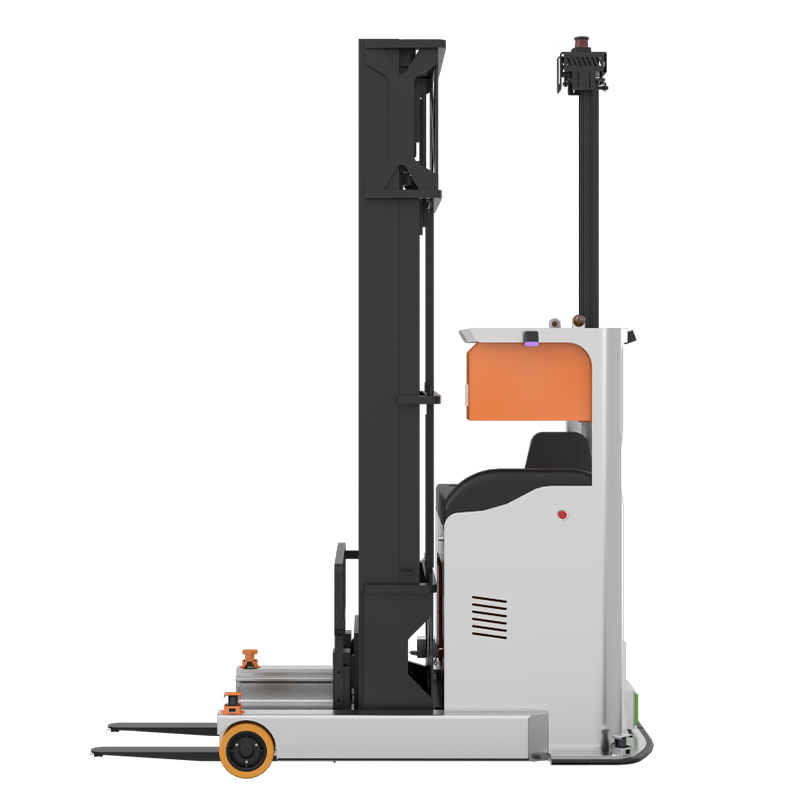
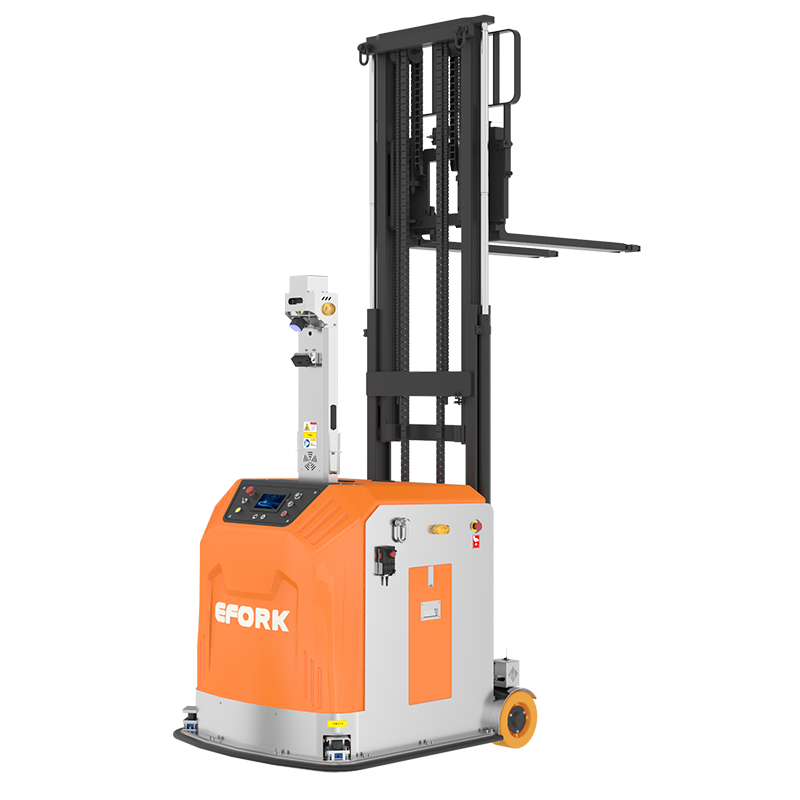
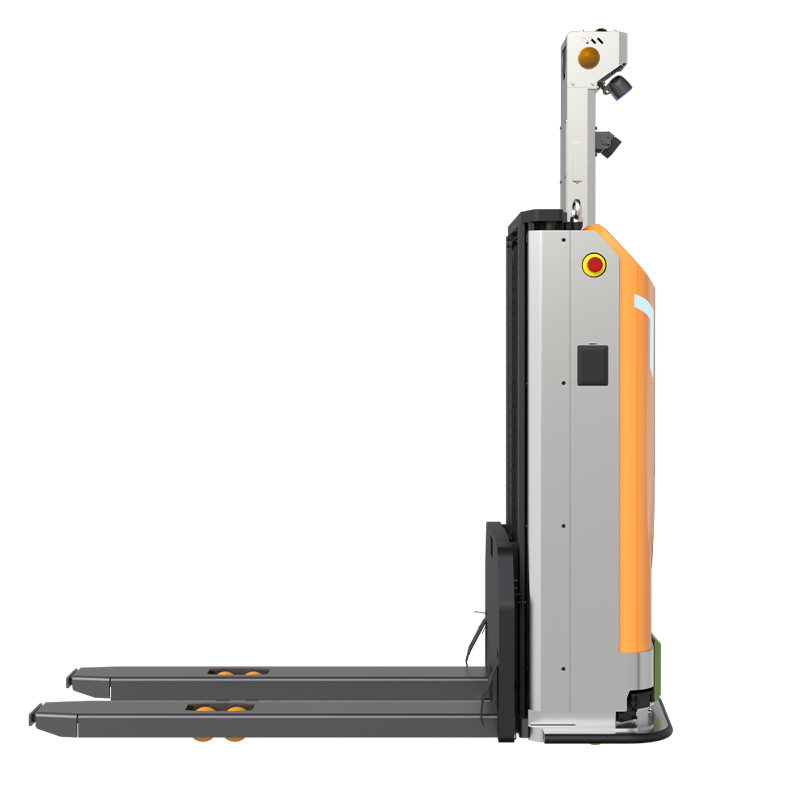
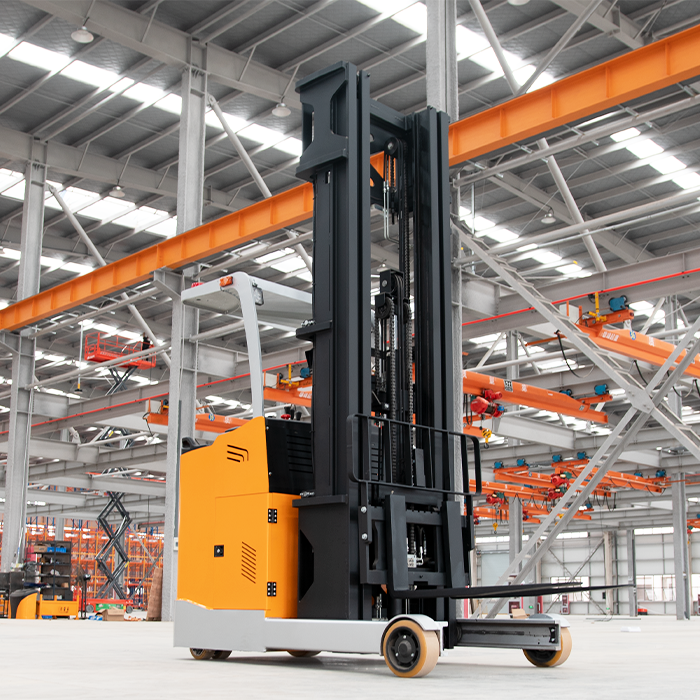
Eight Customizable AGV Platforms Ready for Monterrey Warehouses

Every model below can be re-specified to your pallet footprint, racking height, aisle width, plant voltage and corporate livery. Loads from 1.5 t to 3 t, lifts from 1.6 m to 8 m, with laser SLAM or 3D SLAM navigation.

1,152+Employees Onsite Verified
66,650m²Production Floorspace
US$100M+Annual Revenue Capacity
7PatentsPlus 1 Registered Trademark
Market Context

Why Monterrey Has Become Mexico's Busiest AGV Deployment Market

The metropolitan area of Monterrey — Monterrey proper plus Apodaca, Santa Catarina, Guadalupe, General Escobedo, Ciénega de Flores and Pesquería — concentrates more industrial floor space per square kilometre than almost anywhere else in Mexico.

That density is the reason AGV sourcing conversations in Nuevo León sound different from those in other Mexican states. Buyers here are not asking whether automation works; they are asking which platform fits a specific racking height, which navigation method survives a busy mixed-traffic floor, and how quickly a fleet can be commissioned without stopping production.

Nearshoring has accelerated the question. Automotive OEMs and Tier‑1 suppliers, household-appliance plants, metal-processing operations, food and beverage distributors and third-party logistics providers have all expanded capacity around Monterrey since the USMCA rules took effect — and each expansion adds pallet movements that a manual forklift shift structure struggles to absorb across three shifts, seven days a week.

The result is a market where custom OEM specification beats catalogue purchasing. Two plants on the same industrial park can have different racking heights, different pallet conditions, different floor flatness and different electrical infrastructure. A supplier that can re-engineer the chassis, mast, fork dimensions and charging system against a real layout will always outperform one that ships a fixed SKU.

  • High-bay racking: new Monterrey distribution centres are routinely designed with 8–12 m clear height, which pushes buyers towards VNA three-way AGVs and reach truck AGVs rather than low-lift stackers.
  • Aisle economics: recovering 1.5–2 m of aisle width per racking block is often worth more than the robot itself, because it converts directly into storage positions.
  • Electrical reality: Mexican plants typically run 220 V or 440 V three-phase at 60 Hz, so chargers and on-board power systems must be configured at order stage, not retrofitted on site.
  • Language and labour: Spanish HMI, Spanish documentation and Spanish-language operator training are baseline requirements, not optional extras.
Localised Applications

Six AGV Applications That Fit Monterrey Operations

These are the deployment patterns we engineer most often for Nuevo León buyers, mapped to the platforms shown above.

Automotive Line-Side Replenishment

Inside Apodaca and Pesquería supplier plants, AGV stackers move kits and empty containers from supermarket buffers to assembly stations on fixed call-off cycles. Routes are taught once, then repeated thousands of times per shift with consistent cycle times and no pedestrian-forklift conflict at crossing points.

High-Bay Narrow Aisle Storage

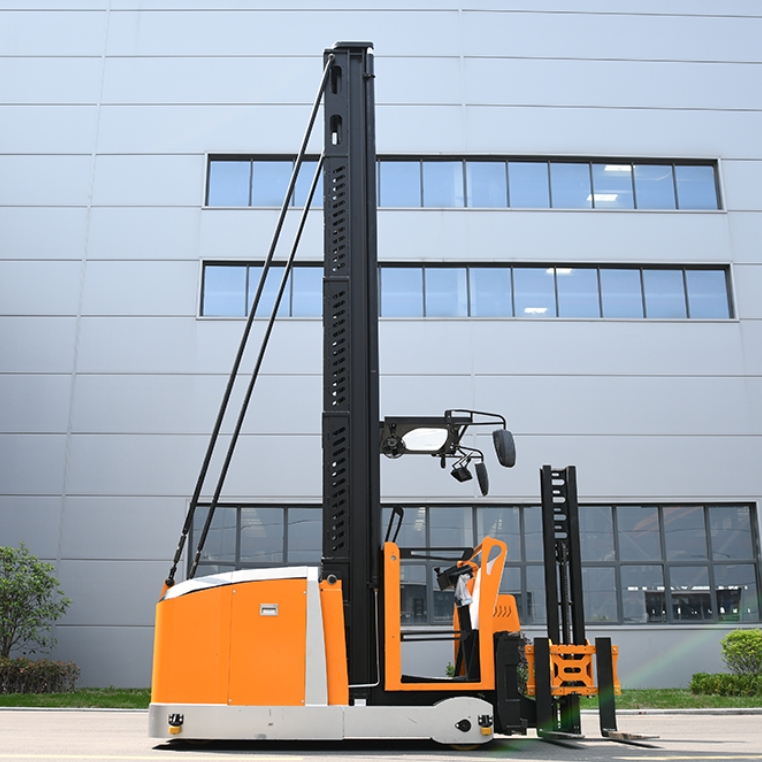
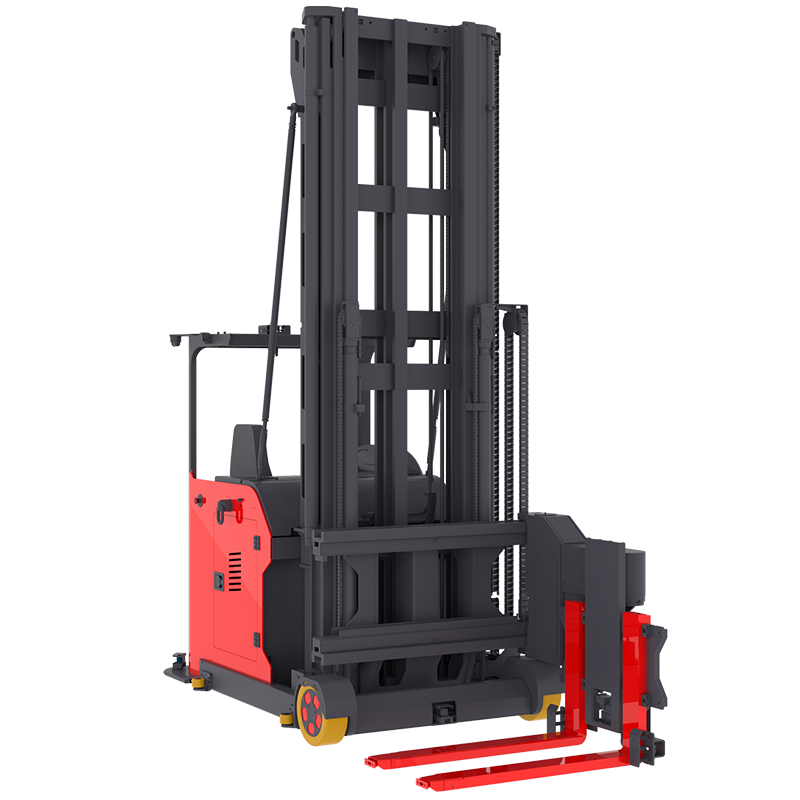
Where a Monterrey distribution centre is designed with racking above 7 m, a VNA three-way AGV is the only way to reach the top beam without widening the aisle. The rotating fork head picks left, right and forward, so the truck never turns inside the aisle and the rack layout keeps its density.

Cold Chain and Refrigerated Chambers

Food, beverage and pharmaceutical distributors around Guadalupe run chambers at low single-digit or sub-zero temperatures. Cold-duty batteries, heated HMI enclosures and sealed connectors let the AGV work the chamber continuously while operators stay outside the freezer door.

Bonded Warehouses and 3PL Cross-Docking

IMMEX and bonded-warehouse operators need trailer-to-rack transfers completed inside tight dock windows. A counterbalanced AGV with no front outriggers can pick a closed-bottom pallet straight from the trailer floor, stage it, and re-slot it without ever requiring a manual driver in the dock lane.

Metal Processing and Heavy Pallet Handling

Santa Catarina's steel and metal-component cluster moves dense, awkward loads that break light-duty robots. Heavy-duty counterbalanced AGV bodies configured for 2–3 t, with reinforced fork legs and wider load centres, keep those movements inside a predictable, auditable digital route.

E-Commerce and FMCG Fulfilment

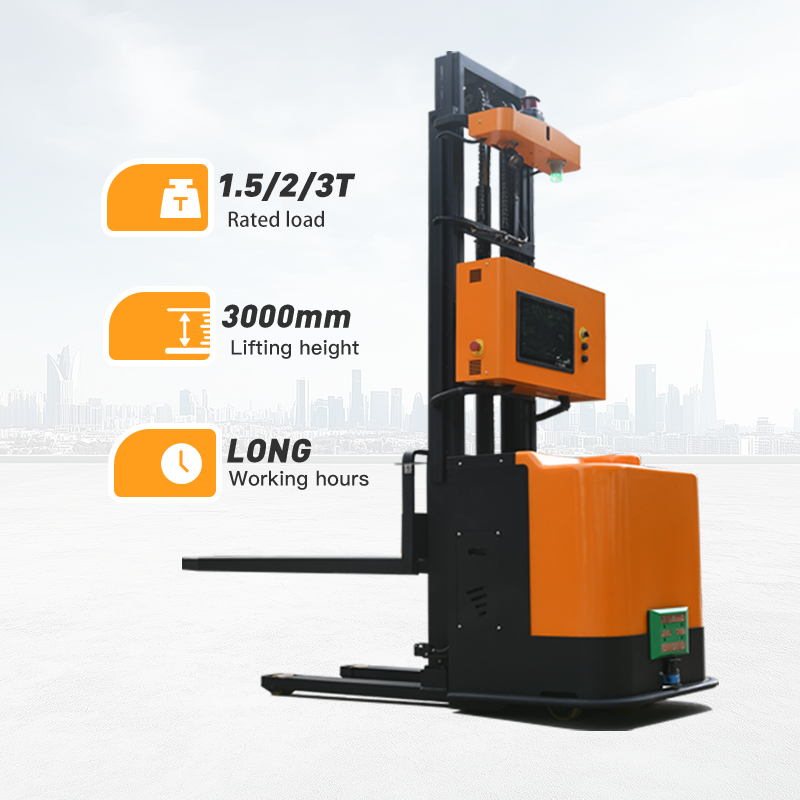
Same-day delivery expectations in the Monterrey metro push fulfilment centres towards 24/7 picking. Pallet stacker AGVs feed pick faces from reserve storage overnight, so human pickers start each shift with full bins and never wait on a forklift to replenish a forward location.

Local Trends

Six Forces Reshaping Warehouse Automation in Nuevo León

Understanding these trends is what turns a robot purchase into a defensible capital decision.

01

Nearshoring Is Adding Volume Faster Than Headcount

Plant expansions across the Monterrey metro keep adding pallet movements, but recruiting and retaining forklift operators at the same pace has become the bottleneck. Automation closes that gap without waiting for the labour market to loosen.

02

Warehouse Rent Is Pushing Storage Upward

Industrial lease rates in the prime Monterrey corridors have moved steadily upward, which changes the maths. A VNA three-way AGV that adds racking positions to an existing footprint often pays back faster than leasing additional square metres.

03

Pilot First, Then Scale to a Fleet

The dominant pattern among Mexican buyers is a single-unit pilot to validate routes, cycle times and safety behaviour, followed by a fleet rollout within six to nine months. Suppliers that support a one-set MOQ fit this pattern naturally.

04

Navigation Is Moving from Tape to Natural Features

3D SLAM localises against the building's own features, so there is no reflector grid or magnetic tape to install, protect and re-map. For leased Monterrey warehouses — where a tenant cannot modify the slab — that is a decisive advantage.

05

Spanish HMI and Local Response Are Procurement Criteria

Purchasing teams now score suppliers on Spanish-language interface text, Spanish documentation, operator training delivery and a defined response time for technical support — not only on capital cost and lead time.

06

Integration with Existing WMS Becomes Non-Negotiable

AGVs are increasingly specified as devices inside an existing WMS or ERP landscape rather than as standalone machines. Interface definition at design stage — not at commissioning — is now the difference between a smooth go-live and a delayed one.

Selection Guide

Match the Platform to Your Monterrey Facility

Use this engineering reference to shortlist equipment before requesting a layout proposal.

AGV Platform Load Capacity Lift / Height Navigation Best-Fit Monterrey Application
Slim Narrow-Body Stacker AGV 2,000 kg 1.6 m 3D SLAM, WiFi/5G Dense low-rack storage where every centimetre of aisle matters
Industrial Forklift Pallet Truck 2,000 kg 6 / 8 / 12 m Manual or AGV-ready Mixed-height racking on a tight capital budget
Three-Way VNA Pallet Stacker 1,500–1,600 kg Up to 8 m Rail or AGV conversion Entry-level narrow aisle before full automation
Pallet Stacker AGV 3,000 kg 3,000 mm 3D SLAM Floor-to-rack transfer and line-side delivery
VNA Truck AGV 1,600 kg 8,000 mm Laser SLAM Very narrow aisle high-bay pallet storage
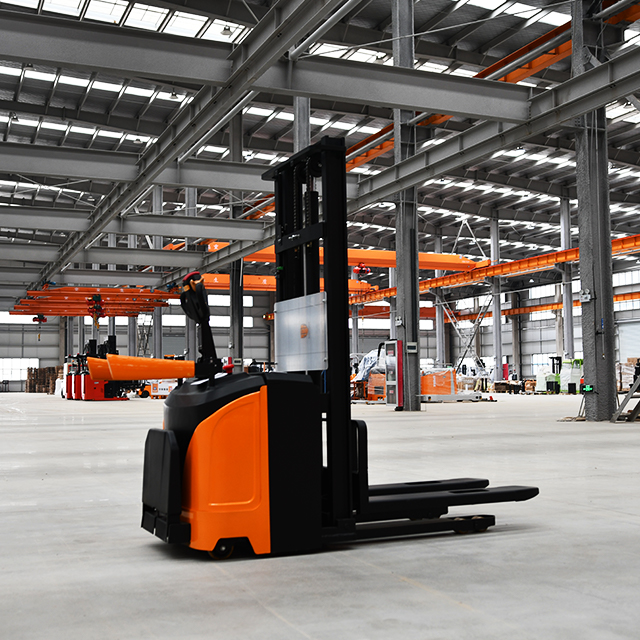
Portable Self-Loading Stacker 1.5 / 2 / 3 t 3 / 4 / 5 m Operator-controlled Low-volume sites preparing for a later AGV phase
Reach Truck AGV 2,000 kg 6,500 mm Laser SLAM Selective racking where aisle space is constrained
Heavy-Duty Counterbalanced AGV 2,000 kg 3,000 mm 3D SLAM, WiFi/5G Closed-bottom pallets, steel cages, trailer docks

Values reflect standard configurations. Final specifications are confirmed during project engineering against your load units, racking drawings and building constraints.

Manufacturer Profile

Why Our OEM Capability Fits Monterrey Buyers

We are Anhui Nexrik Intelligent Technology Co., Ltd. — a manufacturer of AGV forklifts, AS/RS stacker cranes, four-way shuttles and RGVs, based in the Huagang Industrial Park, Feixi County, Hefei, Anhui, China.

Scale

Verified Manufacturing Capacity

A 66,650 m² two-site production base and 1,152 employees, confirmed through onsite third-party inspection. Chassis fabrication, mast assembly, control integration and final testing happen on our own lines rather than through subcontractors.

OEM / ODM

Full Re-Specification, Not a Fixed Catalogue

Load capacity, lift height, fork length and width, chassis width, battery chemistry, charging strategy, display language, colour and buyer-label branding are all configurable. That is what makes a genuine OEM order different from buying a standard unit off the shelf.

Navigation

Laser SLAM and 3D SLAM, Both In-House

Reflector-based laser navigation suits highly repetitive fixed routes with excellent repeatability. 3D SLAM localises against the building's natural features and typically removes the need for reflectors or floor tape — a major advantage in leased Monterrey warehouses.

Compliance

Documentation That Clears Customs

CE marking under Machinery Directive 2006/42/EC, ISO 9001 quality management, ISO 45001 occupational health and safety, seven awarded patents plus a registered trademark, and SGS onsite verification of premises and legal status — the paperwork importers need.

Turnkey

One Integrated Fleet, Not Stitched-Together Machines

AGV forklifts, stacker cranes, four-way shuttles and RGVs are engineered as a single WMS-ready system. Fleet sizing, traffic simulation and interface definition are completed before manufacturing begins, which is where most project risk is eliminated.

Commercial

One-Set MOQ and Flexible Trade Terms

Every model starts at one set, so a Monterrey buyer can run a pilot line before committing to a fleet. Accepted Incoterms include FOB, CFR, CIF, EXW, FAS, CIP and DDP, with payment via L/C, D/P, D/A, credit card, MoneyGram or Western Union in USD, EUR or CNY.

Procurement & Logistics

From Our Factory Floor to Your Monterrey Dock

Most first-time Mexican buyers underestimate two things: the inland leg and the electrical configuration. Both are solved at order stage, not on arrival.

Shipping Routes into Nuevo León

  • Pacific gateway: Shanghai or Ningbo to Manzanillo or Lázaro Cárdenas, then roughly 25–35 days at sea plus a 2–4 day inland haul of around 1,000–1,300 km to Monterrey.
  • Gulf gateway: an alternative discharge at Altamira shortens the inland leg to roughly 500 km, which often suits oversized AS/RS components.
  • Land bridge option: sea freight to a US port followed by rail or truck through Laredo puts the unit about 225 km from Monterrey — often chosen for urgent pilot machines.
  • Typical total lead time: 30–40 days of production for standard configurations, plus transit, giving roughly 8–12 weeks door to door.

Technical and Commercial Preparation

  • Power configuration: chargers and on-board systems set for 220 V or 440 V three-phase at 60 Hz, matched to the actual plant supply.
  • Customs documents: commercial invoice, packing list, bill of lading, certificate of origin and CE technical file supplied as standard.
  • Interface planning: WMS or ERP connection requirements defined during solution design and tested before shipment, not after arrival.
  • Operator readiness: Spanish interface text, Spanish documentation and a training plan agreed before the machine leaves the factory.
Buyer FAQ

What Monterrey Buyers Ask Before Ordering

What does "custom OEM" actually mean when sourcing an AGV for Monterrey?
It means the machine is re-engineered around your facility rather than picked from a catalogue. Load capacity, lift height, fork length and width, chassis width, battery chemistry, charging strategy, display language, colour and brand label are all specified by you. Where required, the controller and fleet software are delivered as an ODM programme so the equipment can carry your own brand in the Mexican market.
How long does delivery to Monterrey take?
A standard configuration is produced in roughly 30–40 days after order confirmation and deposit. Ocean transit to Manzanillo or Lázaro Cárdenas adds about 25–35 days, plus a short inland haul to Monterrey. Most projects land somewhere between eight and twelve weeks door to door, and urgent pilot units can often be accelerated.
Are the robots configured for Mexican plant power?
Yes. Chargers and on-board charging systems are specified for 220 V or 440 V three-phase at 60 Hz to match the actual supply in your building. Control circuits and auxiliary equipment are confirmed during the technical review rather than assumed, because plant infrastructure across Nuevo León is not uniform.
Which documents are needed for customs clearance in Mexico?
Commercial invoice, packing list, bill of lading, certificate of origin and the CE technical file are supplied as standard. Whether an additional NOM conformity document is required depends on the product category and should be confirmed with your customs broker; we provide the technical documentation your broker needs to make that determination.
Can the AGV fleet integrate with our existing WMS or ERP?
Yes. AGV dispatch, AS/RS stacker cranes and four-way shuttle systems are designed with open interfaces and are specified against your existing WMS or ERP. Integration requirements are captured during solution design and validated during commissioning, so the interface is proven before the fleet enters daily operation.
Do you provide Spanish-language support and operator training?
Spanish interface labelling, Spanish operating documentation and a structured operator training programme are available as part of the delivery scope. For Monterrey deployments we work alongside local integration partners on the physical installation and first-line response, while engineering support is handled remotely or on site as agreed.
What is the minimum order quantity and how do pilots work?
The MOQ is one set for every AGV forklift, stacker crane and four-way shuttle model. A pilot approach is common among Mexican buyers: one machine validates routes, cycle times and safety behaviour against real production conditions, after which the fleet scope is defined with actual data instead of estimates.
How is after-sales handled from 12,000 km away?
Support is structured around remote diagnostics, documented troubleshooting procedures and a defined spare-parts supply path. Consumable and high-wear parts are identified at handover so a working stock can be held locally, and warranty cases are handled through a named technical contact rather than a general enquiry queue.
Can a Monterrey company become a regional distributor?
Yes. Our OEM, ODM and buyer-label production capability is designed to support regional partners, including re-branded equipment, local documentation and technical training. Distribution terms, territory and stocking commitments are discussed directly with our export team.
Send Us Your Rack Drawing — We Will Return a Fleet Plan

Share your pallet specification, aisle width, racking height, throughput target and plant voltage. Our engineers will respond with a recommended platform mix, an estimated fleet size and a Monterrey-specific delivery schedule.

Get a Quote