Custom OEM AGV Positioning System Suppliers & Wholesaler Serving Detroit
3D SLAM and laser-localized AGV forklifts, VNA platforms, compact stackers and WMS-ready positioning hardware for Detroit automotive, Tier 1, EV, 3PL, food and cross-border manufacturing operations.
Eight OEM AGV Positioning Platforms for Detroit Buyers
These eight platforms are practical starting points for a Detroit-area automation project. Each product link preserves the original model URL; load, lift height, fork geometry, battery configuration and navigation package can be engineered to your plant layout.
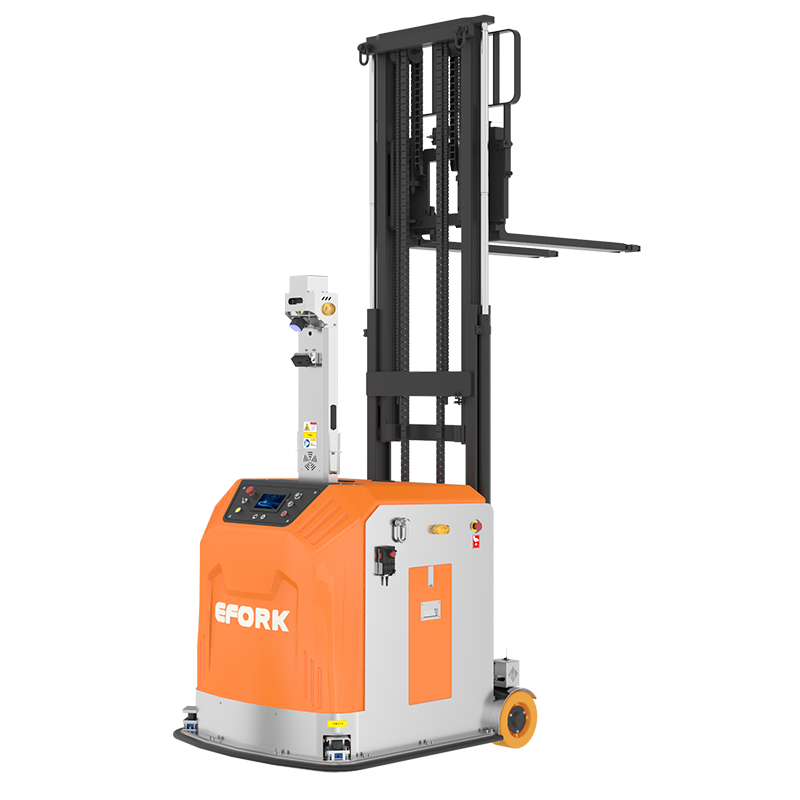 3D SLAM
EFORK Heavy Duty Forklift AGV Counterbalanced Body 2T 3M Fork Legs High Flexibility 3D SLAM Navigation WIFI/5G for Pallet
A 2T counterbalanced AGV body with 3M fork legs and 3D SLAM localization. Suited to Detroit assembly plants and supplier parks that need flexible pallet movement without fixed floor tracks.
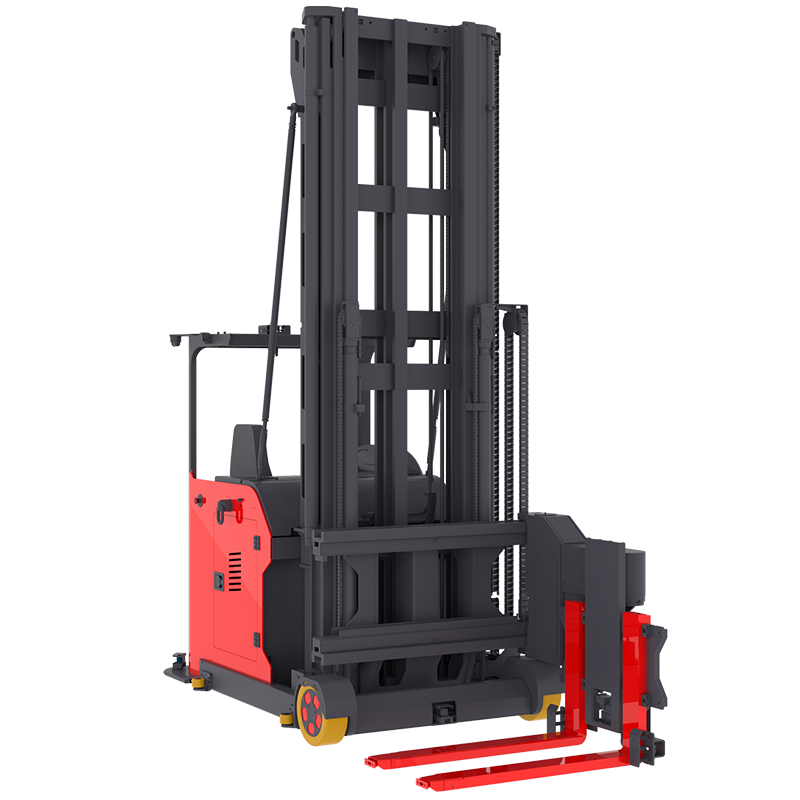 VNA
EFORK CDME16J-80S VNA Truck AGV Mobile Robot 1.6T 8M 3-way Forklift Laser Slam Narrow Aisle 1200mm Fork Length 125mm Fork Width
A 1.6T very narrow aisle AGV with 8M lift and three-way fork action. A good fit for Metro Detroit brownfield warehouses where rack density must increase without expanding the building footprint.
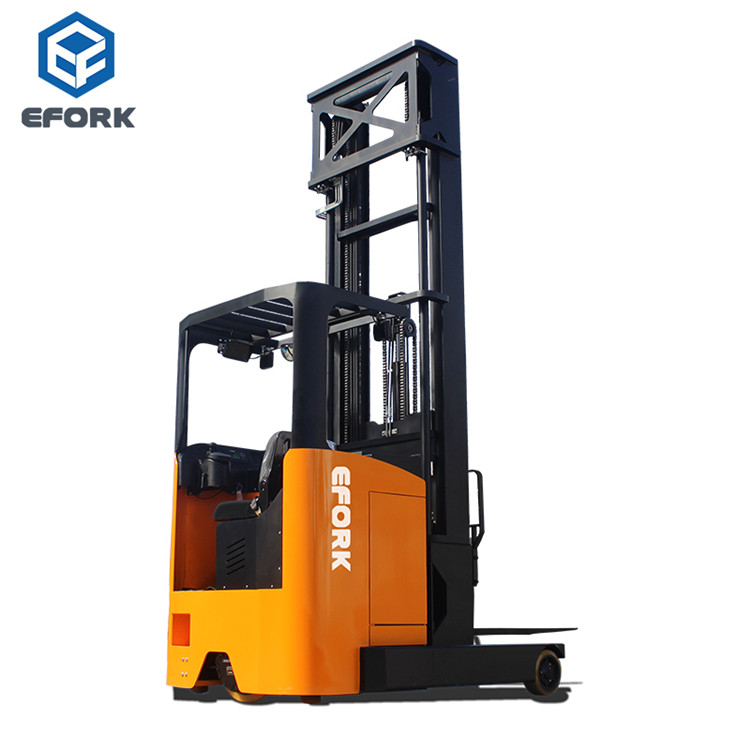 2000KG
CQDE China Wholesale 2000kg 12m 8m 6m Industrial Forklift Pallet Truck Good Price
A 2,000 kg class pallet truck platform for buyers comparing cost-effective industrial handling capacity alongside a future AGV rollout. Suitable as backup or transitional capacity in mixed fleets.
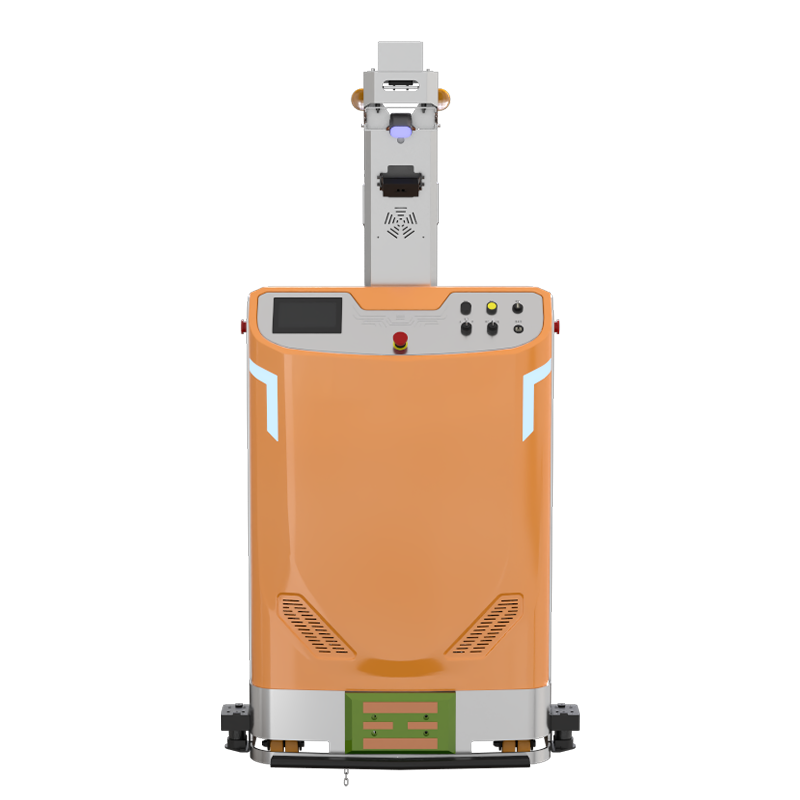 COMPACT
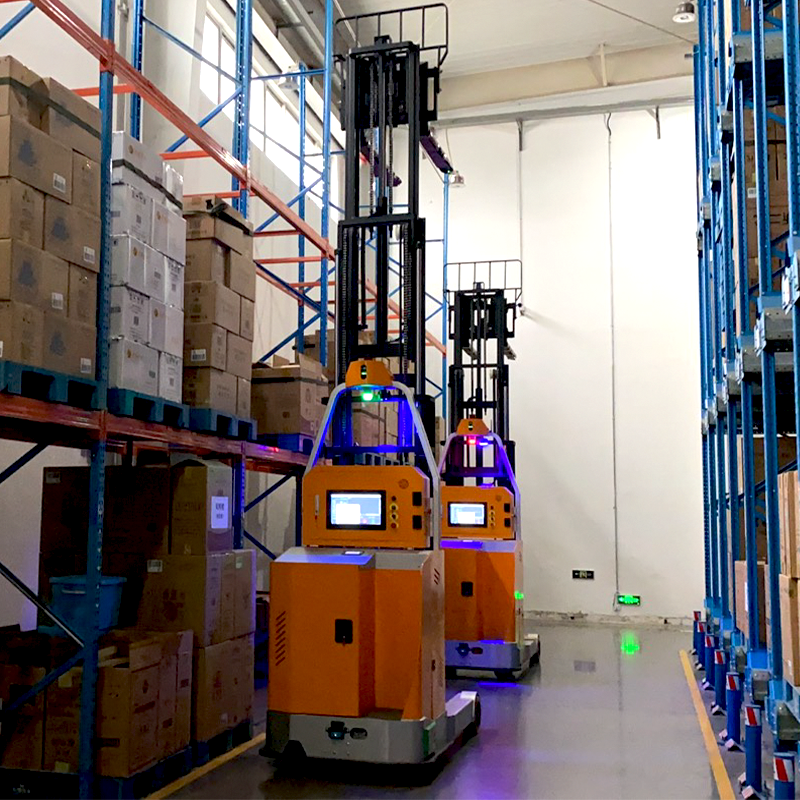
Material Handling AGV Body 2T with Narrow Body Compact Chassis for Efficient Production Line & Workshop Transport in Tight Space
A narrow-body 2T AGV platform for tight production cells, conveyor interfaces and workshop routes. Useful where Detroit plants cannot sacrifice aisle width for conventional forklift turning space.
 ±10MM
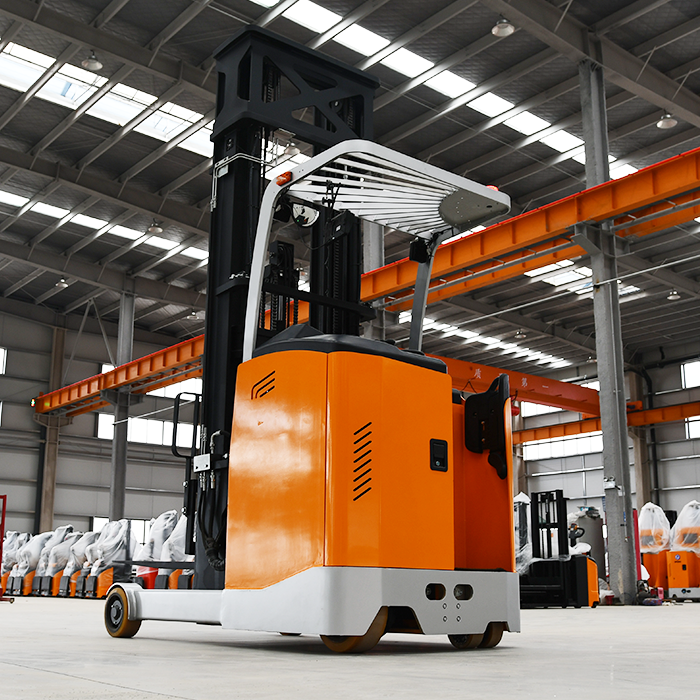
EFORK EQDA15-30 Automated Reach Truck Laser SLAM Navigation 1.5T Capacity ±10mm Accuracy Forklift for Warehouse Logistics
A 1.5T reach truck AGV with laser SLAM and listed ±10 mm accuracy. Strong candidate for repetitive rack transfer, trailer staging and finished-goods movement where docking repeatability matters.
 GALVANIZED
China Wholesale 2000kg 12m 8m 6m Industrial Forklift Pallet Truck High-Speed Steel Hot-Dip Galvanized Good Price
A hot-dip galvanized pallet truck option for damp, cold or wash-down-adjacent environments. Detroit food distribution, cold storage and outdoor dock areas often prioritize corrosion resistance.
 3D SLAM
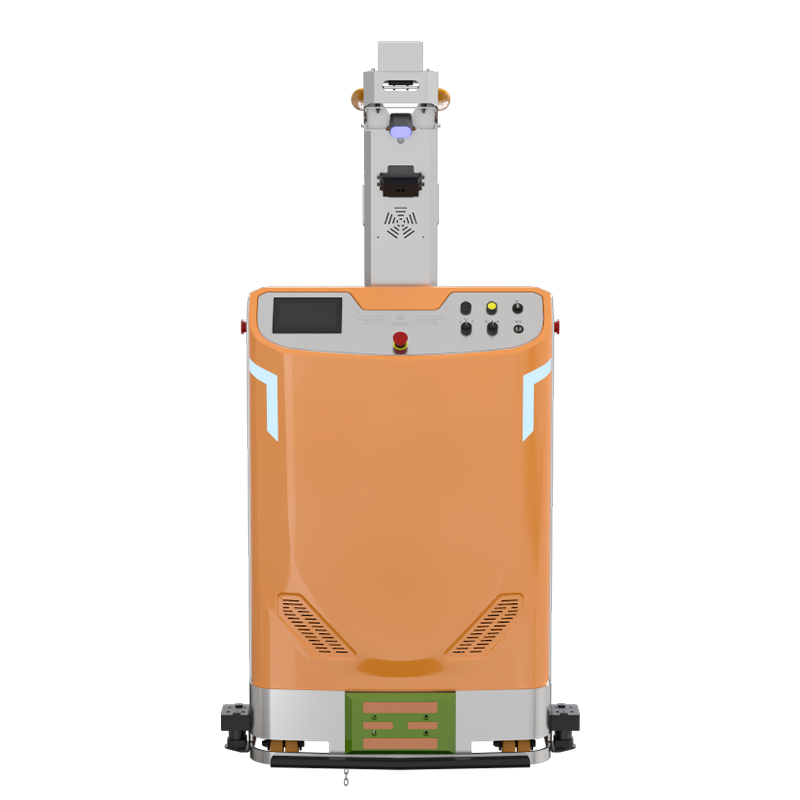
2T Material Handling AGV Body Narrow Body Compact Chassis 3D SLAM Navigation Laser Obstacle Avoidance for Workshop Transport
A 2T compact AGV with 3D SLAM and laser obstacle avoidance for mixed workshop traffic. Appropriate for Detroit job shops and Tier 2 suppliers moving work-in-process between cells.
 SLIM BODY
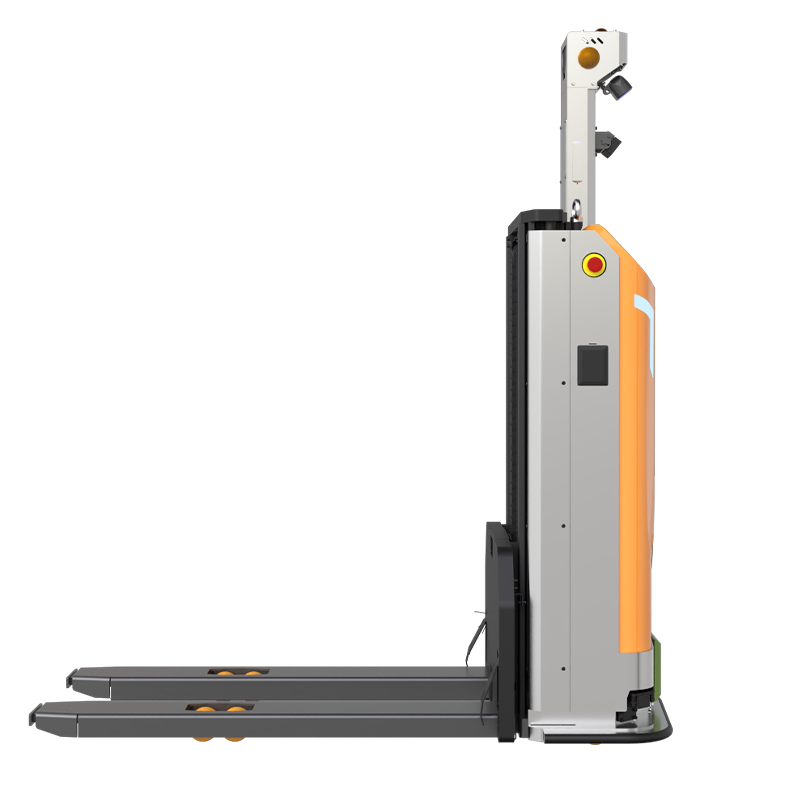
2T 3 M Slim Narrow-Body Stacker AGV High-Density Storage Pallet Stacking AGV for Narrow Aisles Warehouse Automation
A 2T slim stacker AGV built for narrow aisle pallet stacking and high-density storage. A practical first automation step for a Detroit warehouse with constrained racking and predictable pallet flows.
A Supplier Detroit Can Audit, Not Just a Catalog
For an automation investment that will run for years, supplier capacity and traceability matter as much as the machine itself. These figures come from the manufacturer’s public company profile and onsite verification information.
In-House Manufacturing
Chassis, masts and control integration are built and tested on the manufacturer’s own lines, with material and finished-product inspection before shipment.
Laser & 3D SLAM
Choose reflector-based laser navigation for fixed routes or 3D SLAM for natural-feature localization that minimizes floor tape, reflectors and rack modifications.
One-Stop Turnkey
AGVs, stacker cranes, four-way shuttles and RGVs can be engineered as one WMS-ready system rather than assembled from disconnected suppliers.
Proven Compliance
CE under 2006/42/EC, ISO 9001 and ISO 45001 systems, plus SGS onsite verification support smoother tender review, customs clearance and insurance discussions.
Where AGV Positioning Systems Deliver Value in Detroit
Detroit’s advantage is not only its automotive OEM footprint; it is the dense network of Tier 1 and Tier 2 suppliers, tooling shops, logistics providers and cross-border operations connected by I-75, I-94 and the Detroit-Windsor corridor.
Automotive Assembly & Line-Side Sequencing
Plants across Wayne, Oakland and Macomb counties do not buy AGVs as a gadget; they buy protection against line stoppage. The hard part is not driving in open floor—it is repeatable pick-and-drop at conveyors, dunnage racks and trailer docks. Counterbalanced AGVs, reach trucks and compact 2T bodies can handle JIT replenishment, empty-container removal and sequenced kit movement.
Engineering note: define docking targets, floor markings, charger locations and pedestrian crossings before selecting the fleet size. Verify listed accuracy such as ±10 mm on the reach truck model during FAT, not only on the datasheet.Tier 1, EV Support & High-Bay Racking
Metro Detroit suppliers are squeezing more storage into existing buildings. VNA AGVs and AS/RS-ready systems increase cube utilization, but older buildings may have column grids, sprinkler clearances and floor flatness limits that constrain the design. A 1.6T 8M VNA unit or higher-bay stacker crane can reduce aisle width, yet the project still needs rack tolerance and local fire-code review.
Engineering note: collect rack drawings, beam elevations, floor flatness data, ceiling height and fire-sprinkler layout. These inputs are more valuable than a generic “warehouse size” estimate.3PL, Food & Cross-Border Logistics
Third-party logistics operators near the Detroit-Windsor crossing need flexible fleets that can switch between inbound staging, put-away and outbound trailer loading. Slim-body stackers, compact AGV bodies and galvanized pallet trucks support mixed SKU profiles, cold-chain adjacency and multi-shift operations. WMS/WCS integration should be tested with exception scenarios, not only happy-path task creation.
Engineering note: map trailer-to-rack routes, dock-level changes, battery charging windows and network coverage. For cross-border sites, standardize fleet software and spare-parts BOMs across locations.Local Trends to Watch Before You Specify an AGV Fleet
Detroit buyers are moving from standalone robot trials toward fleet-level procurement. The purchasing criteria now include safety documentation, WMS integration, multi-site standardization and total cost of ownership.
Safety Evidence Moves to the Front of the RFP
Material handling labor remains difficult to forecast. Buyers compare AGVs against overtime, turnover, product damage and training costs, but they also require risk assessment, obstacle detection, emergency-stop logic and documented validation. In the U.S., align the project safety review with ANSI/ITSDF B56.5 and applicable OSHA requirements.
Brownfield Retrofits Favor Compact and VNA Platforms
New industrial space is expensive and slow to deliver. Detroit-area plants are more likely to retrofit existing racking than build new warehouses. Narrow-body AGVs, slim stackers and VNA trucks are being specified around existing columns, floor joints and sprinkler layouts.
WMS/WCS-First Procurement Reduces Rework
Automotive traceability and cross-border part flows require clean data handoffs. Before a purchase order, buyers should document task creation, queue rules, blocked-route behavior, error recovery and audit-trail requirements. “WMS-ready” should be evidenced by an interface responsibility matrix.
Multi-Site Fleets Need One OEM Platform
Suppliers operating in Michigan and Ontario increasingly prefer one fleet manager, one spare-parts structure and one engineering standard across sites. OEM and buyer-label programs let wholesalers and integrators deploy consistent AGV positioning hardware under their own brand.
Capacities, Lifts and Navigation Choices
Use this planning table to shortlist equipment before requesting a layout proposal. Final specifications are confirmed during engineering based on load units, racking and building constraints.
| Platform | Typical Load | Lift / Height | Navigation / Guidance | Best-Fit Detroit Application |
|---|---|---|---|---|
| Counterbalanced AGV | 2T | 3M fork legs | 3D SLAM, WIFI/5G | Assembly line-side pallet movement, trailer staging, flexible routes |
| VNA 3-Way AGV | 1.6T | 8M | Laser SLAM | Very narrow aisle racking, high-density storage, brownfield retrofits |
| Compact 2T AGV Body | 2T | Custom body | Project-specific | Tight production cells, conveyor transfer, workshop transport |
| Reach Truck AGV | 1.5T | 3M class | Laser SLAM | Rack transfer, finished goods, repeated docking with ±10mm specification |
| 2T Compact 3D SLAM AGV | 2T | Workshop platform | 3D SLAM, obstacle avoidance | WIP movement between cells, Tier 2 supplier workflow |
| Slim Stacker AGV | 2T | 3M | 3D SLAM | High-density pallet stacking, narrow aisles, predictable flows |
| Galvanized Pallet Truck | 2T class | 6 / 8 / 12M options | Manual / transitional | Dock areas, cold-chain adjacency, damp environments, backup capacity |
Lift-Height Planning Band for AGV Positioning Projects
Chart reflects public product-range values for standard configurations. Actual available height is always limited by the building, rack engineering, sprinkler clearance, floor flatness and local code review.
Questions Local Buyers Ask First
These answers are written for procurement, plant engineering and warehouse operations teams comparing OEM AGV positioning suppliers for Metro Detroit projects.
What is included in a custom OEM AGV positioning system?
At a practical level, the positioning system includes localization sensors, the navigation controller, mapping and route logic, safety I/O, fleet communication and the interface to your WMS/WCS or plant system. OEM customization can cover load capacity, lift height, fork length, battery configuration, cold-storage protection, branding and fleet software rules. The right scope is defined from your pallet specifications, rack drawings, traffic flow and docking targets.
Can a Detroit plant trial one unit before committing to a full fleet?
Yes. The public product information lists a minimum order quantity of one set for the AGV range. A single-unit pilot is usually the right way to validate route feasibility, cycle time, docking repeatability, operator acceptance and WMS handshake before ordering multiple trucks. Define pilot KPIs before shipment: successful picks per shift, blocked-route recovery time, charging window and docking accuracy.
How do you handle WMS, ERP and plant integration?
Integration requirements should be documented before the purchase order. For Detroit plants, that means task creation, queue priority, error handling, blocked-route logic, audit trail and reporting expectations. Our AS/RS and four-way shuttle systems are described as WMS-ready, and AGV deployments are engineered around the buyer’s interface responsibility matrix. Commissioning should test exception scenarios, not only normal material flow.
What safety and import documentation should a Michigan buyer verify?
Ask for CE documentation under Machinery Directive 2006/42/EC, ISO 9001 and ISO 45001 evidence, and SGS onsite verification records where applicable. For a U.S. site, a project-specific risk assessment should align with ANSI/ITSDF B56.5 and applicable OSHA requirements; CE marking alone is not a substitute for local site validation. Importers should also confirm commercial invoice, packing list, HS code, freight terms and insurance documents with their customs broker.
Which trade terms, currencies and payment methods are accepted?
Accepted delivery terms include FOB, CFR, CIF, EXW, FAS, CIP and DDP. Payment methods include L/C, D/P, D/A, MoneyGram, credit card and Western Union. Quotations can be issued in USD, EUR or CNY. For a Detroit buyer, compare the landed-cost implications of each Incoterm with your freight forwarder before finalizing the PO.
How are spare parts and lifecycle support handled for Michigan?
Support planning should cover remote diagnostics, commissioning support, operator training, a recommended spare-parts BOM and fleet-expansion planning. Because local service expectations vary by fleet size and site location, the support model should be written into the project scope rather than assumed. Buyers should request response-time expectations, escalation paths and spare-part lead times before order placement.



Inside the OEM Factory Behind Your Detroit Deployment
Anhui Nexrik Intelligent Technology Co., Ltd. is a high-tech manufacturer based in Hefei, Anhui, China, focused on AGV forklifts, VNA AGVs, AS/RS stacker cranes, four-way shuttles and intelligent warehousing integration. The company’s public profile lists 1,152 staff, 66,650 m² of production floorspace, more than USD 100 million in annual revenue, 7 awarded patents and 8 years in the industry.
For Detroit buyers, the value is not a logo wall—it is traceable manufacturing, documented inspection and an OEM process that can adapt fork dimensions, battery configuration, cold-storage protection and fleet software to a local layout. Premises are SGS onsite verified, systems are CE marked under 2006/42/EC, and management systems include ISO 9001 and ISO 45001.
- OEM, ODM and buyer-label production
- CE, ISO 9001 and ISO 45001 systems
- Export experience across five regions
- FOB, CFR, CIF, EXW, FAS, CIP and DDP
Projects are usually engineered from pallet specifications, rack drawings, floor data, throughput targets and shift patterns. The factory then prepares equipment selection, traffic simulation, FAT criteria and shipment documentation. For a Detroit project, start with a site package that includes rack layout, aisle widths, floor flatness, charger locations, WMS/WCS interface expectations and target cycle times.
Send an InquiryBuild a Detroit-Ready AGV Positioning BOM
Send your plant layout, load unit, rack height, throughput target and go-live expectation. We will return a recommended platform mix, navigation choice, charging strategy, safety scope and OEM customization list. For supplier comparison, request the evidence package: CE/ISO documentation, SGS verification, FAT checklist, spare-parts BOM and a WMS interface responsibility matrix.
Send an Inquiry Email: info@nexrikbot.com · Factory: Huagang Town Industrial Park, Feixi County, Hefei, Anhui, China