Featured equipment for New York projects
8 Automated Warehouse Equipment Models for New York Buyers
New York projects rarely fail because a robot cannot lift a pallet. They fail when aisle width, floor flatness, fire-code review, WMS logic, charging space and spare-parts planning are discovered too late. The eight models below cover the most common equipment requirements in the New York metro area, from Brooklyn last-mile hubs to Bronx cold-chain facilities and New Jersey port-corridor distribution centers. Product URLs are preserved from the original catalog; request an engineering review before converting a catalog model into a purchase order.
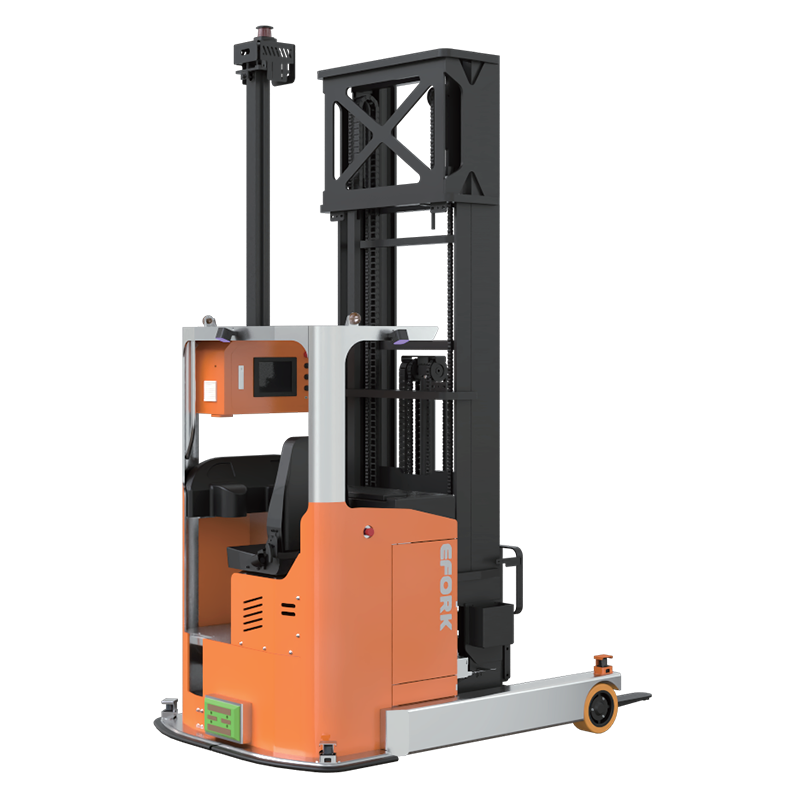
Reach Truck AGV Body
4.5M Reach Truck AGV Body 2T for Pallet Handling, High Lifting and Smart Warehouse Logistics with Laser SLAM Navigation, CE Certified
- 2,000 kg
- 4.5 m lift
- Laser SLAM
- Pallet handling
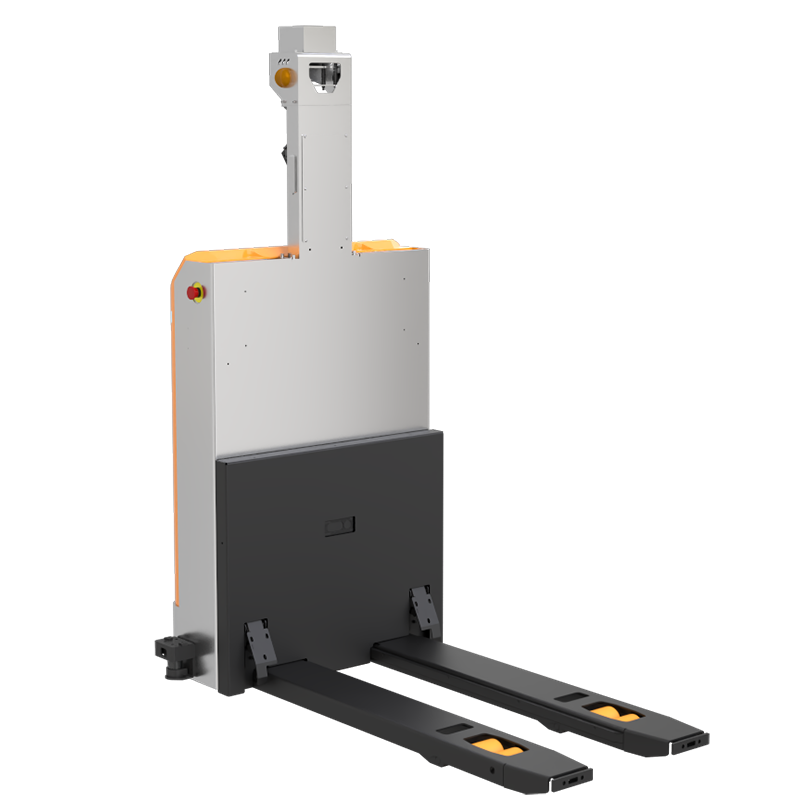
Omni-directional AGV Body
T 2.5M Omni-directional AGV Body with 3D SLAM Navigation, 1000kg Load Capacity, Flexible Movement and Zero Turning Radius
- 1,000 kg
- Zero turn radius
- 3D SLAM
- Flexible movement
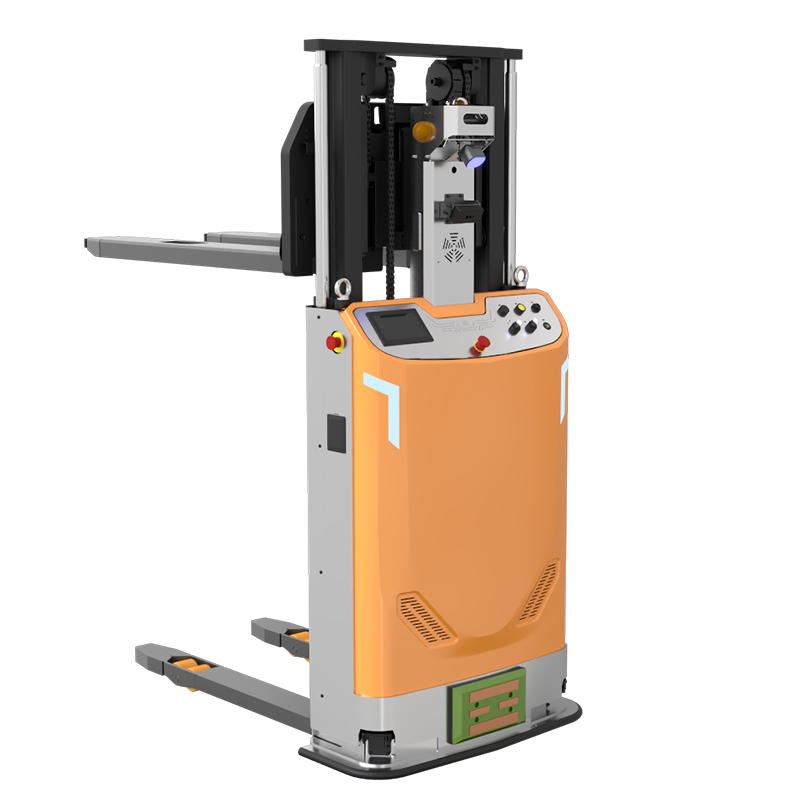
Automatic Stacker AGV
Automatic Stacker AGV Body Slim Narrow-Body 3M 2T for High-Density Storage Pallet Stacking with 3D SLAM Navigation and WIFI/5G
- 2,000 kg
- 3 m lift
- Narrow body
- 3D SLAM
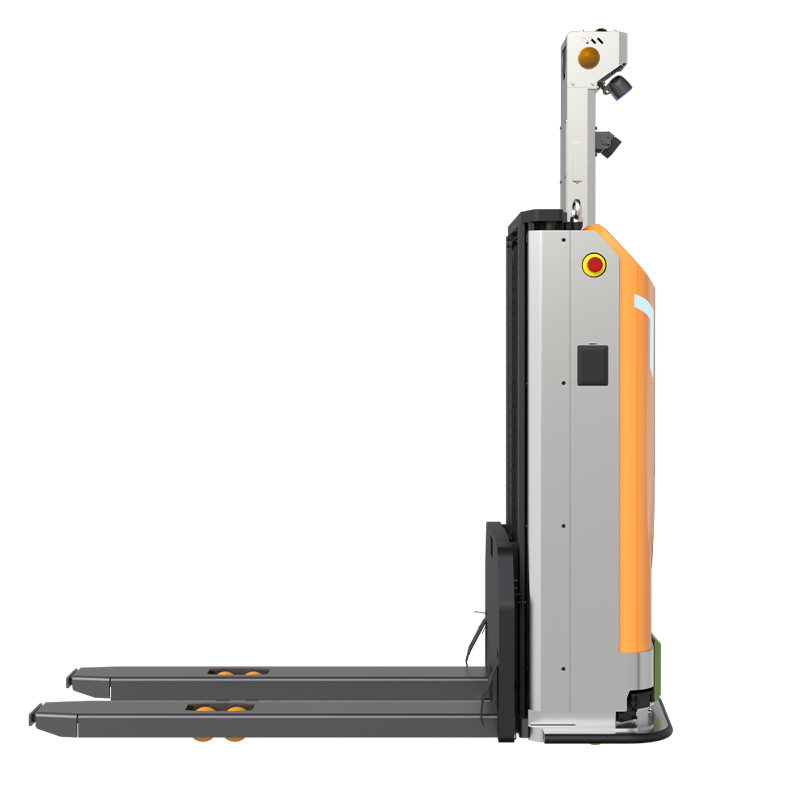
Slim Stacker AGV
2T Slim Narrow-Body Stacker AGV with 3D SLAM & WIFI/5G for High-Density Storage and 1.6M Pallet Stacking
- 2,000 kg
- 1.6 m stack
- 3D SLAM
- Narrow body
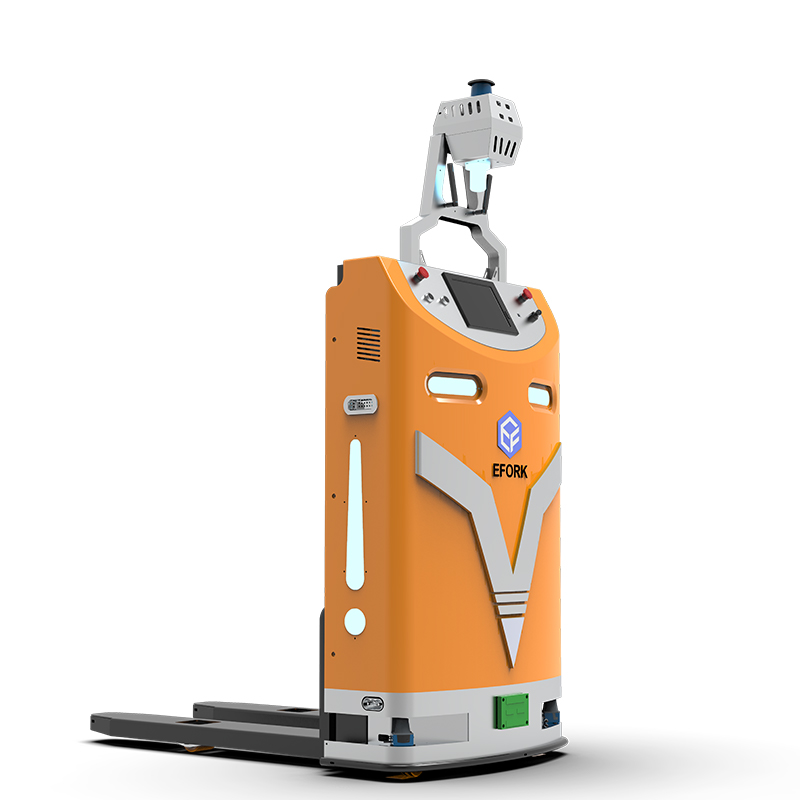
Slim Stacking AGV Forklift
Latest Design Tech Slim Stacking AGV Forklift, CE Certified, 2T 3M 3D SLAM for Warehouse Automation Handling and Lifting
- 2,000 kg
- 3 m lift
- 3D SLAM
- CE certified
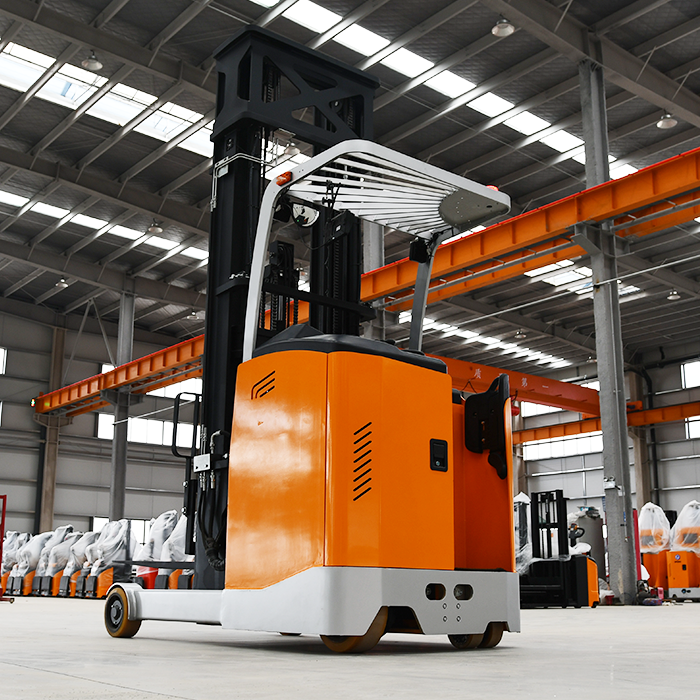
Industrial Pallet Truck
China Wholesale 2000kg 12m 8m 6m Industrial Forklift Pallet Truck, High-Speed Steel, Hot-Dip Galvanized
- 2,000 kg
- 6–12 m options
- Galvanized
- Good price
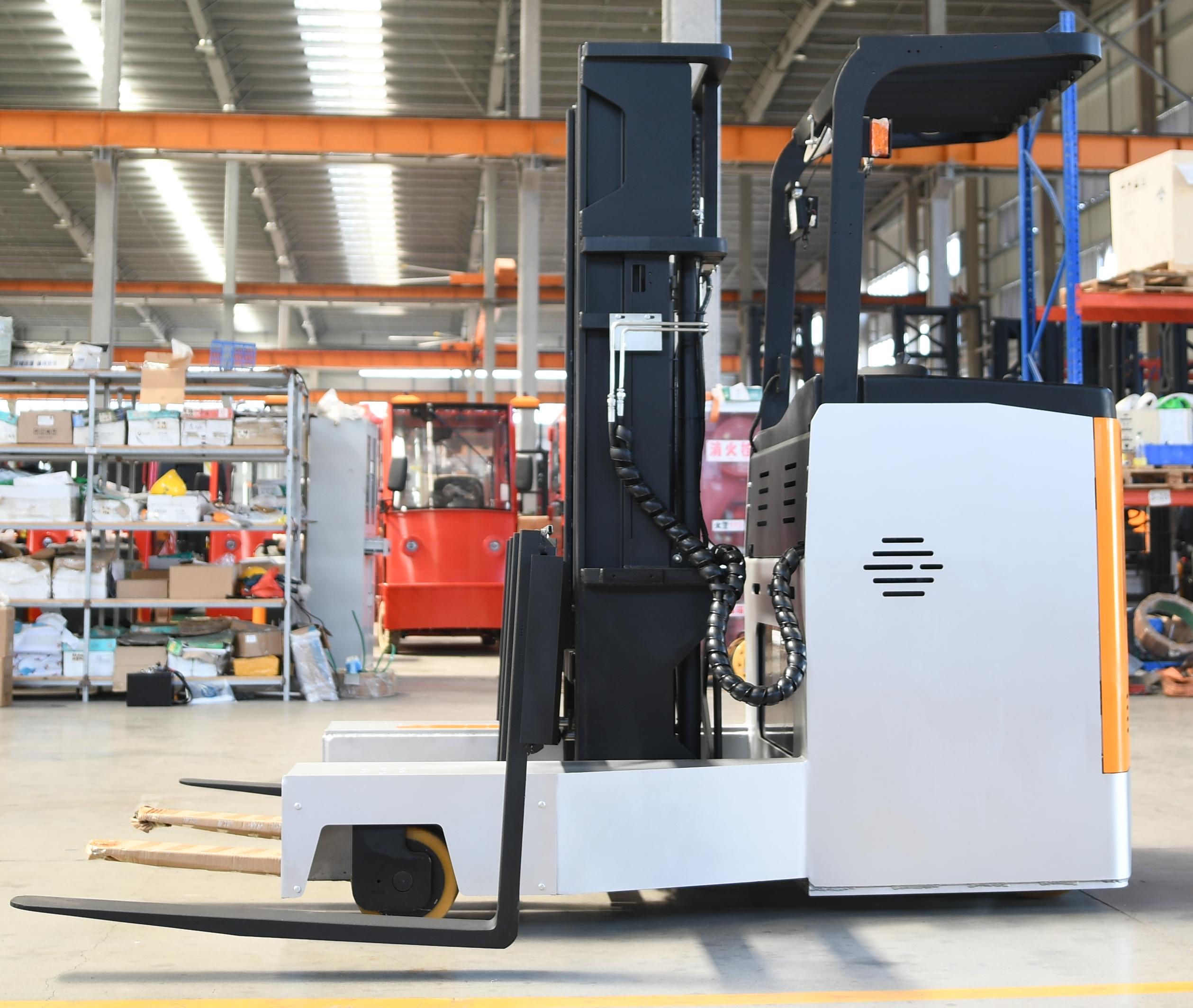
Multi-directional Forklift
Multi Directional Forklift 4Ton 5Ton 4 Way Forklift Reach Truck Stacker for Narrow Aisle and Small Space
- 4–5 T
- 4-way travel
- Narrow aisle
- Reach truck
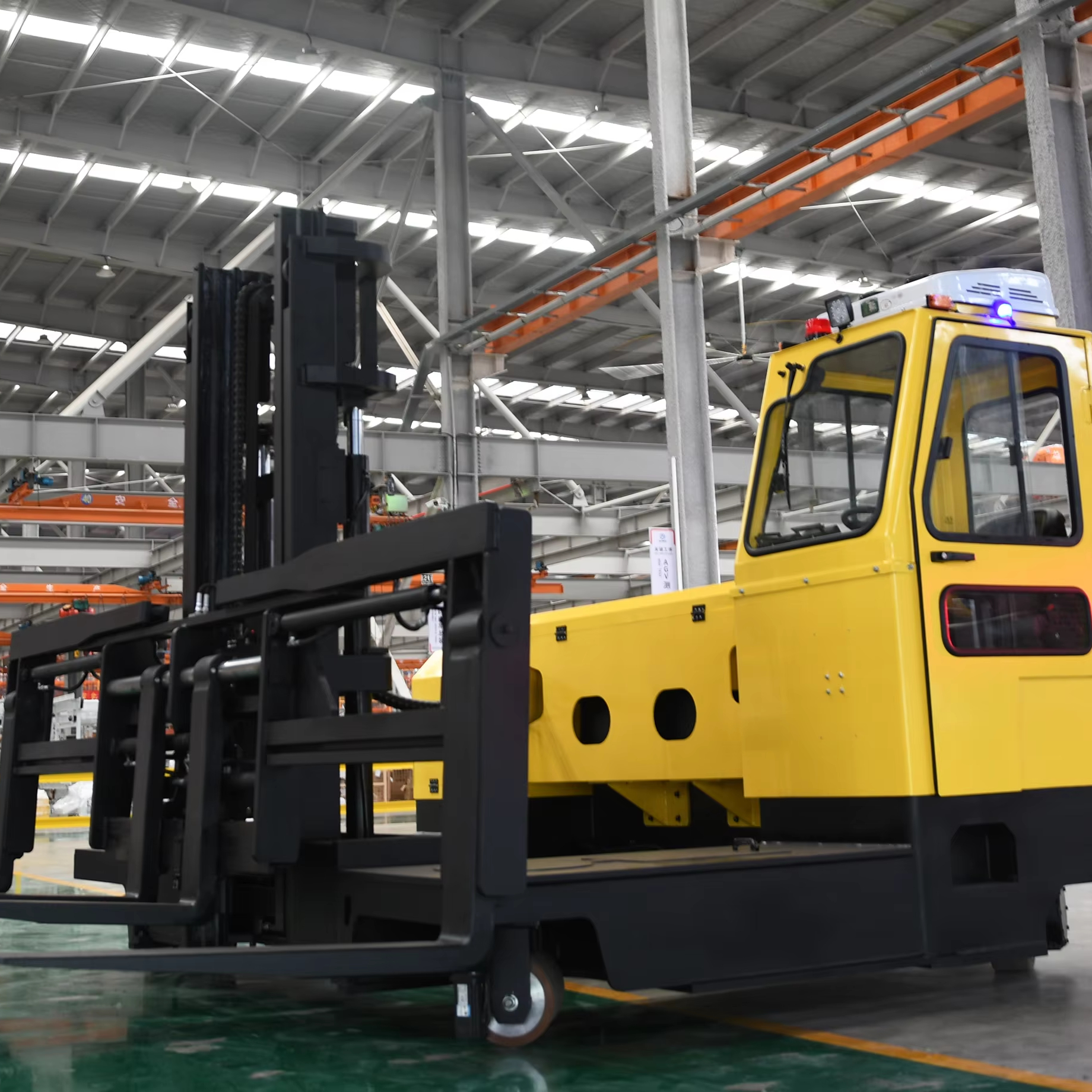
Side Loader Forklift
Multi-directional Forklift Reach Truck Stacker 3.5 Ton 5Ton Full Way Electric Side Loader Forklift with Wide Body Seat
- 3.5–5 T
- Full-way
- Side loader
- Wide body seat
New York operating context
What Makes Warehouse Automation in New York Different?
The New York metro is not one warehouse market. A Manhattan backroom, a Brooklyn last-mile hub, a Bronx cold-chain facility, a Long Island manufacturer and a New Jersey 3PL may all handle the same 48 × 40 inch pallet, yet each building imposes a different set of physical and regulatory constraints.
Rent, clear height and aisle width drive the equipment decision
High industrial rents and limited land push New York operators to add rack levels, compress aisles and use mezzanine or elevator-fed flows. In these buildings, body width, lift height, turning radius and floor tolerance often matter more than top travel speed. A standard counterbalanced truck may be fast on paper but impossible to deploy where columns, sprinkler mains and pedestrian routes narrow the usable aisle.
Older buildings may also have low clear height, uneven slab, tight freight elevators, small doors and limited charging areas. Before selecting an AGV forklift, collect rack drawings, pallet photos, load weights, floor flatness data, aisle measurements, door dimensions, elevator capacity, Wi-Fi coverage and fire-code notes. A supplier that can read these inputs will recommend a safer fleet size and avoid costly site rework.
Labor, safety and documentation are part of the total cost
Forklift labor in the New York region is expensive to recruit, train and schedule. Automation can improve repeatability and reduce pedestrian risk, but it must be planned around OSHA walking-working surface requirements, ANSI/ITSDF B56.5 principles for driverless industrial trucks, local fire-code review and NRTL-listed electrical components where applicable. CE marking under 2006/42/EC is valuable for the European market, but it is not a substitute for U.S. site approval. New York buyers should budget for local risk assessment, electrical review, fire-code coordination and commissioning support.
Import documentation also matters. Confirm HTS classification, applicable duties, customs broker instructions, Incoterms, cargo insurance and delivery appointment requirements at the Port of New York and New Jersey. A DDP quotation may simplify landed cost, but the buyer should still verify what is included, who is importer of record and how warranty and spare parts are handled after customs release.
Buyer insight: size for the peak, then check the building
For New York projects, do not size the AGV fleet from an average day. Model the 90th percentile peak, then confirm that the building can support the fleet: power capacity, charger locations, fire separation, floor flatness, aisle clearance, Wi-Fi handover and emergency egress.
- Narrow aisles favor reach, slim stacker or VNA concepts.
- Mixed pallet types may require omni-directional or multi-directional movement.
- Cold storage needs condensation, battery and charger review.
- WMS logic should be tested before the first production pallet moves.
New York product recommendations
Which Equipment Fits Each New York Operating Scenario?
Use these application matches to shortlist models. Final selection requires rack drawings, pallet specifications, throughput data and a site review.
Brooklyn / Queens urban fulfillment
Last-mile hubs often operate in tight floorplates with shared pedestrian zones, limited charging space and high pallet turnover. Reach truck and slim stacker AGVs can reduce aisle width while keeping pallet handling flexible.
- Recommended: 4.5M Reach Truck AGV Body 2T
- Recommended: 2T Slim Narrow-Body Stacker AGV
- Focus: aisle width, pedestrian safety, battery swap
Bronx / Northern New Jersey high-density storage
Food distributors, wholesalers and 3PLs often need more pallet positions without expanding the building footprint. A slim narrow-body stacker with 3D SLAM can fit existing rack layouts and support high-density pallet stacking.
- Recommended: Automatic Stacker AGV Body Slim Narrow-Body 3M 2T
- Recommended: Latest Design Slim Stacking AGV Forklift
- Focus: rack tolerance, floor flatness, Wi-Fi/5G coverage
Tight turning and mixed pallet flows
Retail backrooms, cross-dock areas and production cells often lack the space for a conventional turning circle. Omni-directional AGV movement with zero turning radius can improve flexibility where pallets approach from multiple directions.
- Recommended: T 2.5M Omni-directional AGV Body
- Focus: load stability, traffic simulation, emergency stop zones
- Best for: mixed flows, tight corners, flexible routing
Heavy-duty, narrow aisle and yard-to-dock handling
Long loads, heavy pallets, outdoor yards and wash-down areas require a different equipment logic. Multi-directional forklifts and side loaders support narrow-aisle handling, while hot-dip galvanized pallet trucks suit demanding industrial environments.
- Recommended: 4Ton / 5Ton 4-Way Multi Directional Forklift
- Recommended: 3.5Ton / 5Ton Electric Side Loader Forklift
- Recommended: 2000kg Industrial Galvanized Pallet Truck
Technology evaluation
3D SLAM, Laser Navigation and WMS Integration: What to Compare
Navigation technology should be selected from the operating environment, not from a brochure. A fixed-route warehouse with stable racking may favor laser navigation. A changing layout, mixed traffic or multi-purpose floorplate may favor 3D SLAM. Most important is the interface between the fleet, the WMS and the local safety review.
3D SLAM navigation
Localizes from natural features in the building. This can reduce reflector and floor-tape work, shorten site preparation and support layouts that change over time. It still requires careful mapping, lighting checks, Wi-Fi planning and dynamic-obstacle testing.
Laser navigation
Reflector-based laser navigation remains strong for repetitive fixed routes, predictable racking and stable traffic patterns. It can deliver high repeatability, but site preparation must include reflector layout, line-of-sight checks and protection from rack changes.
WMS / WCS integration
The equipment becomes useful when task allocation, route traffic, pallet status and exception handling connect cleanly to the WMS or WCS. Define API ownership, barcode rules, error codes, manual override and data logging before commissioning.
Safety and U.S. compliance
CE 2006/42/EC, ISO 9001 and ISO 45001 documentation support the quality process. For a New York installation, plan a local risk assessment and verify NRTL-listed components, ANSI/ITSDF B56.5, OSHA, NFPA 70 and applicable FDNY or local fire-code requirements.
Practical comparison matrix for New York buyers
Localized development trends
New York Warehouse Trends That Change Equipment Selection
The New York automation market is shaped by land scarcity, port activity, labor cost, cold-chain growth and building-level emissions goals. These trends affect which equipment is technically and commercially justified.
Rent-driven vertical storage and narrow aisles
High industrial rents continue to push operators toward higher racking, denser storage and narrower aisles. Reach trucks, slim stackers and VNA concepts become more valuable when every square foot has a carrying cost. However, higher racks require tighter floor tolerances, better mast stability and a realistic review of sprinkler clearance and fire-code constraints.
Labor, safety and 24/7 uptime
Forklift operator availability remains a bottleneck for New York 3PLs, food distributors and manufacturers. Buyers increasingly evaluate automation on safety consistency, training time, uptime and spare-parts response, not only purchase price. A pilot fleet with clear KPIs can validate cycle time, congestion and manual intervention rates before a larger order.
Cold chain, port resilience and electrification
The Port of New York and New Jersey supports high-volume import and distribution activity, while grocery, pharmacy and food-service demand continues to expand cold-chain capacity. Electric AGVs and pallet handling equipment support cleaner indoor operations, but charging areas, battery ventilation, condensation control and emergency planning must be designed with the building team.
Company credibility
Why Nexrik Can Act as Your China Wholesale Automated Warehouse Equipment Supplier
Anhui Nexrik Intelligent Technology Co., Ltd. is a high-tech manufacturer specializing in the R&D, production and integration of intelligent warehousing equipment: AGV forklifts, VNA AGVs, AS/RS stacker cranes, four-way shuttles and RGVs. For New York buyers, the value is not simply a factory price. It is the ability to align equipment, documentation, customization and project engineering before shipment.
Factory scale and manufacturing traceability
Our production base is located in the Huagang Industrial Park, Feixi County, Hefei, Anhui, a recognized hub for China's forklift and warehousing equipment industry. The company operates 66,650 m² of factory floorspace with 1,152+ staff, annual revenue above US$100 million, 7 awarded patents and one registered trademark. The company has been onsite-verified by SGS Group, holds ISO 9001 and ISO 45001 management system certification, and applies CE marking under the Machinery Directive 2006/42/EC for its AGV range.
Chassis, masts and control integration are handled through in-house manufacturing and testing processes. Onsite material inspection and finished-product inspection are part of the quality workflow before shipment. For New York projects, this supports factory acceptance testing, documentation review and a more predictable commissioning process.
One-stop product scope and customization
Because Nexrik supplies AGV forklifts, VNA AGVs, AS/RS stacker cranes, four-way shuttles and RGVs, project teams can coordinate interfaces between mobile equipment and high-density storage systems from one source. Customization, OEM, ODM and buyer-label production are available, including load capacity, lift height, fork configuration, battery configuration and cold-storage variants. The minimum order quantity for listed AGV forklift, stacker crane and four-way shuttle models is 1 set, which allows a pilot installation before fleet expansion.
Export experience, trade terms and project workflow
Nexrik has served buyers in Southeast Asia, South America, Eastern Europe, South Asia and North America, and has participated in 7 international exhibitions. Accepted trade terms include FOB, CFR, CIF, EXW, FAS, CIP and DDP. Payment methods include L/C, D/P, D/A, MoneyGram, credit card and Western Union in USD, EUR or CNY. The project workflow covers site analysis, solution design, manufacturing, factory acceptance testing, commissioning, operator training and lifecycle support. This is the practical meaning of information gain for a New York buyer: a supplier that can explain how the machine will be built, shipped, validated and supported, not merely quote a unit price.
Total staff
SGS onsite-verified scaleFactory floorspace
Production and testing capacityAnnual revenue
Capacity for fleet ordersAwarded patents
Plus 1 registered trademark



Procurement checklist
What New York Buyers Should Verify Before Issuing a PO
Use this checklist to reduce technical surprises and align your internal engineering, operations, safety and finance teams before placing an order with a China wholesale automated warehouse equipment supplier.
Pallet and rack compatibility
Confirm pallet dimensions, load weight, overhang, bottom-board type, rack beam height, flue space and load unit stability. A truck that handles one pallet style may not handle another without fork or sensor changes.
Building constraints
Measure clear height, aisle width, door width, elevator capacity, column spacing, floor flatness, dock levelers and charging locations. Older New York buildings often require more conservative fleet planning.
Safety and code review
Plan local risk assessment, pedestrian separation, emergency stop zones, fire-code coordination and electrical review. Confirm which standards apply to your site and who signs off before go-live.
WMS / WCS integration
Define task creation, pallet ID, route logic, inventory updates, exception handling, manual override and reporting. Test the interface with realistic data before commissioning, not after production starts.
Power and charging strategy
Verify charger input voltage, battery configuration, opportunity charging, ventilation, fire separation and spare battery handling. For U.S. sites, confirm 208V, 240V or 480V supply with your electrical engineer.
Landed cost and service model
Compare Incoterms, duties, customs broker fees, port charges, inland delivery, installation, training, warranty and spare-parts recommendations. A lower unit price can be offset by weak commissioning support or slow parts response.
FAQ for New York procurement teams
Frequently Asked Questions from New York Buyers
These answers focus on the questions that arise when comparing China wholesale automated warehouse equipment suppliers for New York projects.
Can you ship automated warehouse equipment from China to New York?
Yes. Nexrik supports export documentation and trade terms including EXW, FOB, CFR, CIF, CIP and DDP. Buyers should confirm HTS classification, applicable duties, customs broker arrangements, delivery appointment requirements and warranty handling after customs release.
What is the minimum order quantity?
The MOQ for listed AGV forklift, stacker crane and four-way shuttle models is 1 set. A single-unit pilot can validate routes, cycle time, safety zones, WMS integration and operator workflow before scaling to a larger fleet.
Which navigation is better for New York warehouses?
3D SLAM is often attractive where layouts change or where reflector and tape installation is difficult. Laser navigation remains effective for fixed, repetitive routes. The correct choice depends on rack stability, aisle geometry, traffic, Wi-Fi and site-preparation constraints.
Is CE certification enough for a New York installation?
No. CE marking applies to the applicable European framework and is not a U.S. installation approval. For New York, plan a local risk assessment and verify applicable OSHA, ANSI/ITSDF B56.5, NFPA 70, NRTL-listed components and local fire-code requirements with qualified local professionals.
Can the equipment integrate with our WMS or ERP?
Nexrik AGV and AS/RS systems can be supplied WMS-ready. Interface requirements should be defined during solution design and tested during commissioning, including task assignment, route traffic, pallet status, exception handling and reporting.
How do you handle voltage and charging for U.S. sites?
AGV batteries are typically low-voltage DC systems, while charger input can be configured for the site supply. New York buyers should confirm 208V, 240V or 480V availability, charger location, ventilation, fire separation and opportunity-charging strategy with their electrical engineer.
Do you offer OEM, ODM and cold-storage customization?
Yes. Nexrik provides full customization, OEM, ODM and buyer-label production, including load capacity, lift height, fork dimensions, battery configuration and cold-storage variants. Special requirements should be documented before engineering begins.
How should a New York buyer start an inquiry?
Send your rack layout, pallet dimensions and load, building clear height, aisle width, target throughput, shift pattern, WMS interface notes, delivery location and required timeline. Our engineers can then recommend a realistic equipment mix and clarify project risks before a purchase order.
Next step
Request a New York Warehouse Automation Review
Send your rack layout, pallet photos, throughput target, building clear height, aisle measurements, WMS interface notes and delivery location in New York or New Jersey. Our engineers will review the application, recommend the right mix of AGV forklifts, slim stackers, omni-directional AGVs, VNA equipment or broader AS/RS and four-way shuttle systems, and clarify shipping, documentation, safety review and spare-parts planning before you commit to a purchase order.