China Wholesale Assembly Line AGV Manufacturer & Exporters in the San Diego Market
A procurement-grade guide for San Diego manufacturers, biomedical operations, 3PLs, aerospace suppliers, and cross-border assembly teams evaluating CE-certified AGV forklifts, VNA trucks, stackers, and counterbalanced mobile robots from a verified China OEM/ODM exporter.
8 Wholesale Assembly-Line AGV Models for San Diego Import Projects
The eight models below match the source product series. Product URLs and image assets are preserved. Each platform can be quoted with San Diego delivery planning, export documentation, customization review, and commissioning support.
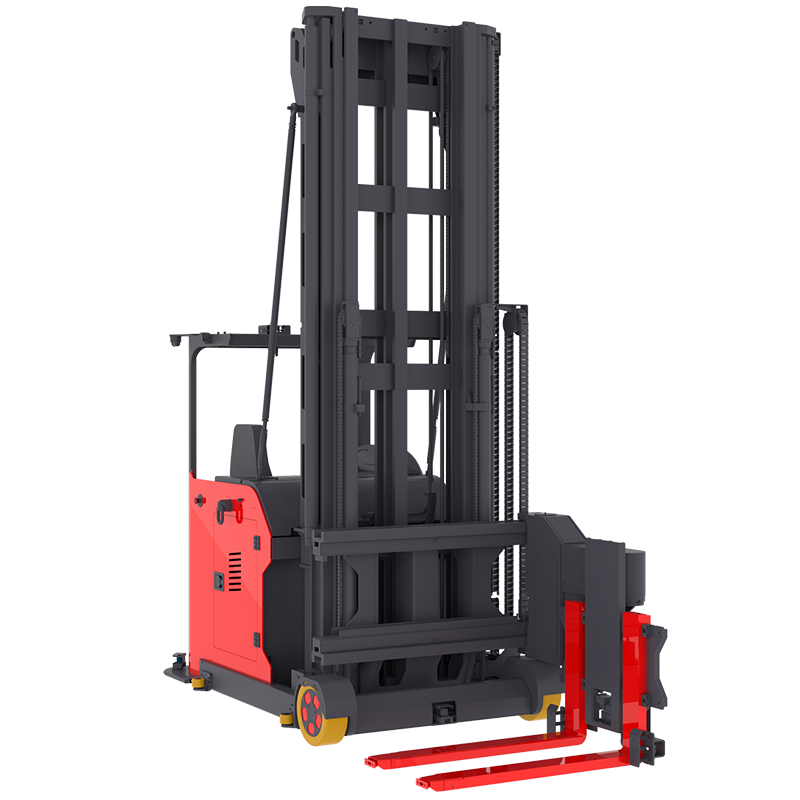
EFORK CDME16J-80S VNA Truck AGV Mobile Robot 1.6T 8M 3-way Forklift Laser Slam Narrow Aisle 1200mm Fork Length 125mm Fork Width
1.6 T capacity · 8 m lift · 3-way fork · Laser SLAM · narrow aisle
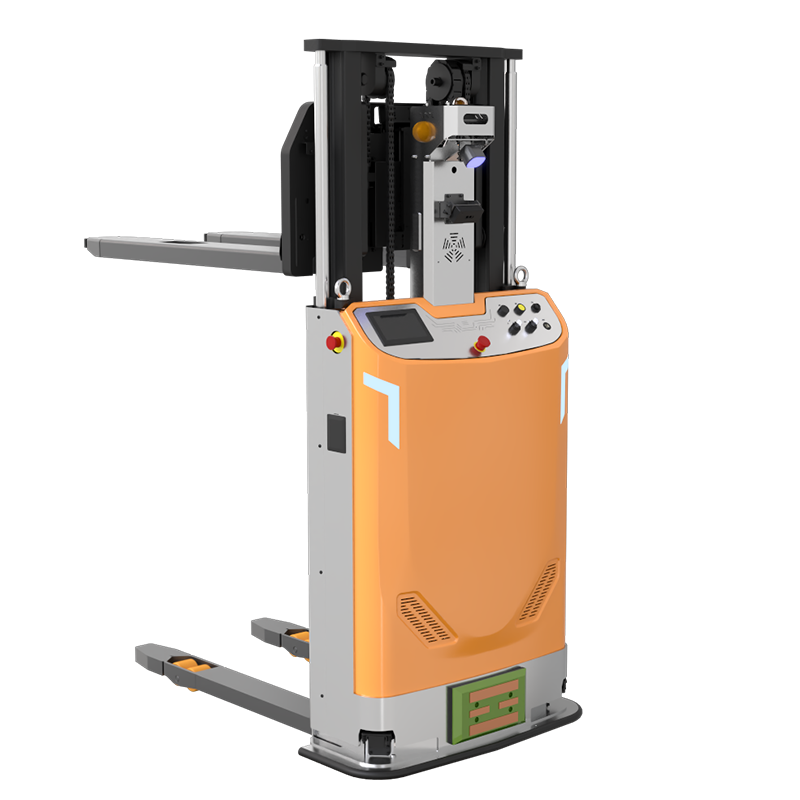
2T 1.6 M Slim Narrow-Body Stacker AGV Body for High-Density Storage High Lift Pallet Stacking AGV Maximize Warehouse Space
2 T capacity · 1.6 m lift · slim body · high-density pallet flow
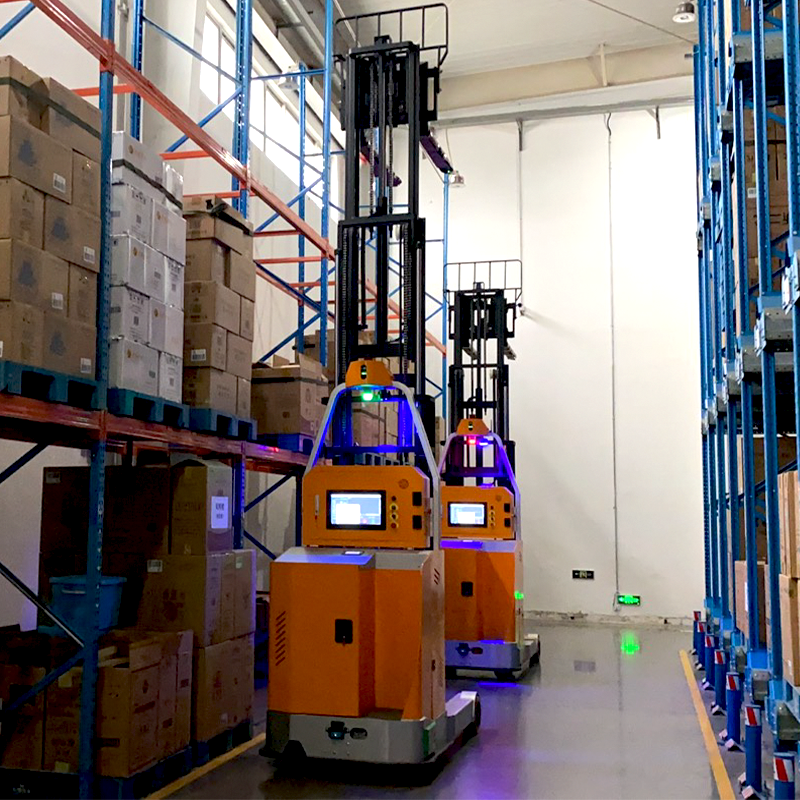
EFORK EQDA15-30 Automated Reach Truck Laser SLAM Navigation 1.5T Capacity ±10mm Accuracy Forklift for Warehouse Logistics
1.5 T capacity · laser SLAM · ±10 mm accuracy · warehouse logistics
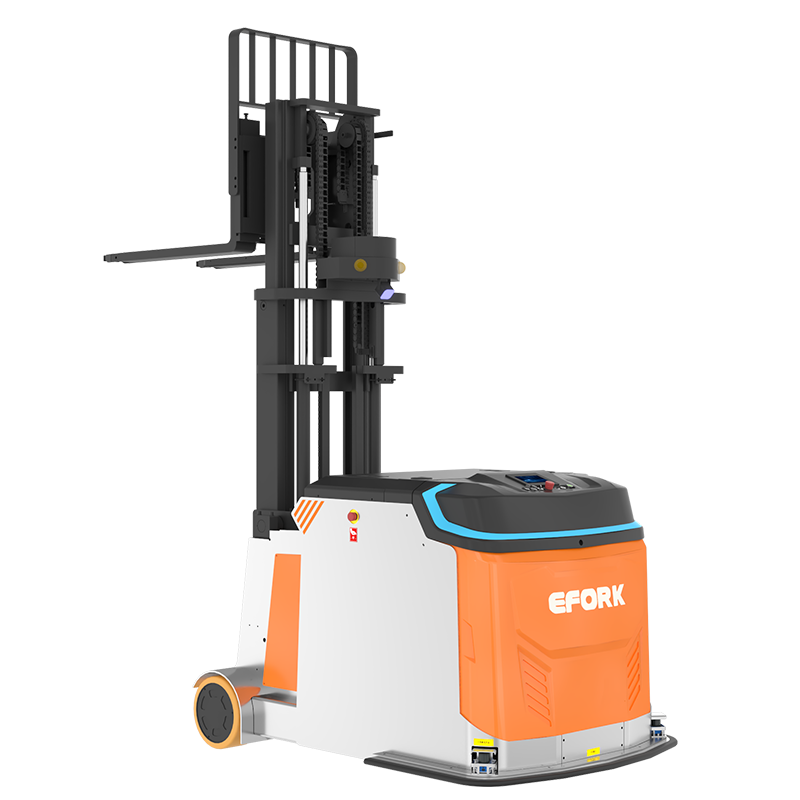
EFORK EDB30-30 Counterbalanced AGV Body 3M 3T High Lift Capacity Forklift Fork Legs High Flexibility 3D SLAM Navigation for
3 T capacity · 3 m lift · 3D SLAM · flexible fork-leg handling
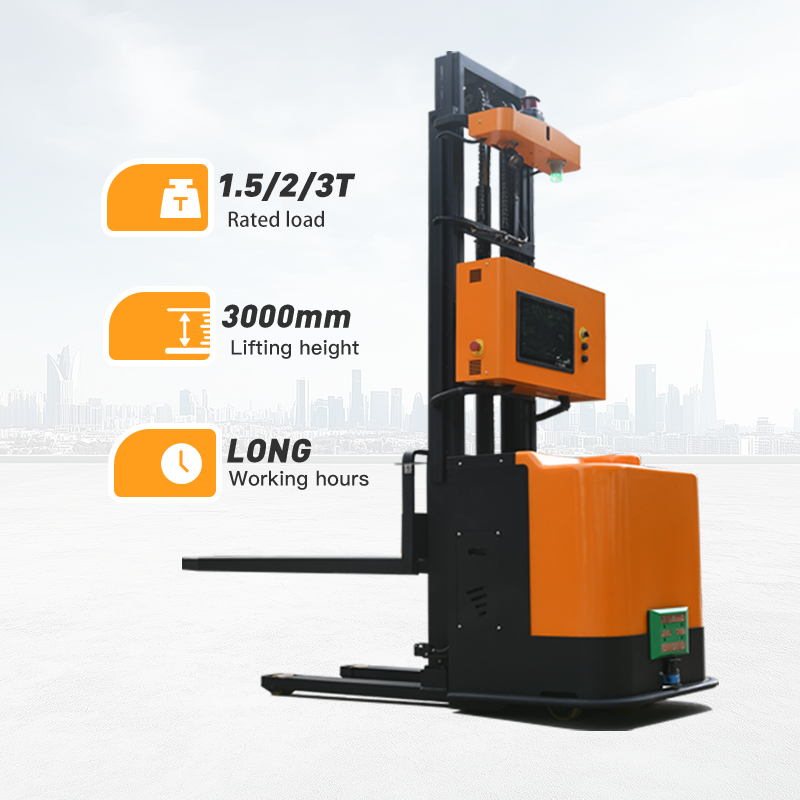
3T 3000mm Pallet Stacker Automated Guided Vehicle Forklift Truck for Intelligent Warehouse Automation
3 T capacity · 3000 mm lift · pallet stacking · warehouse automation
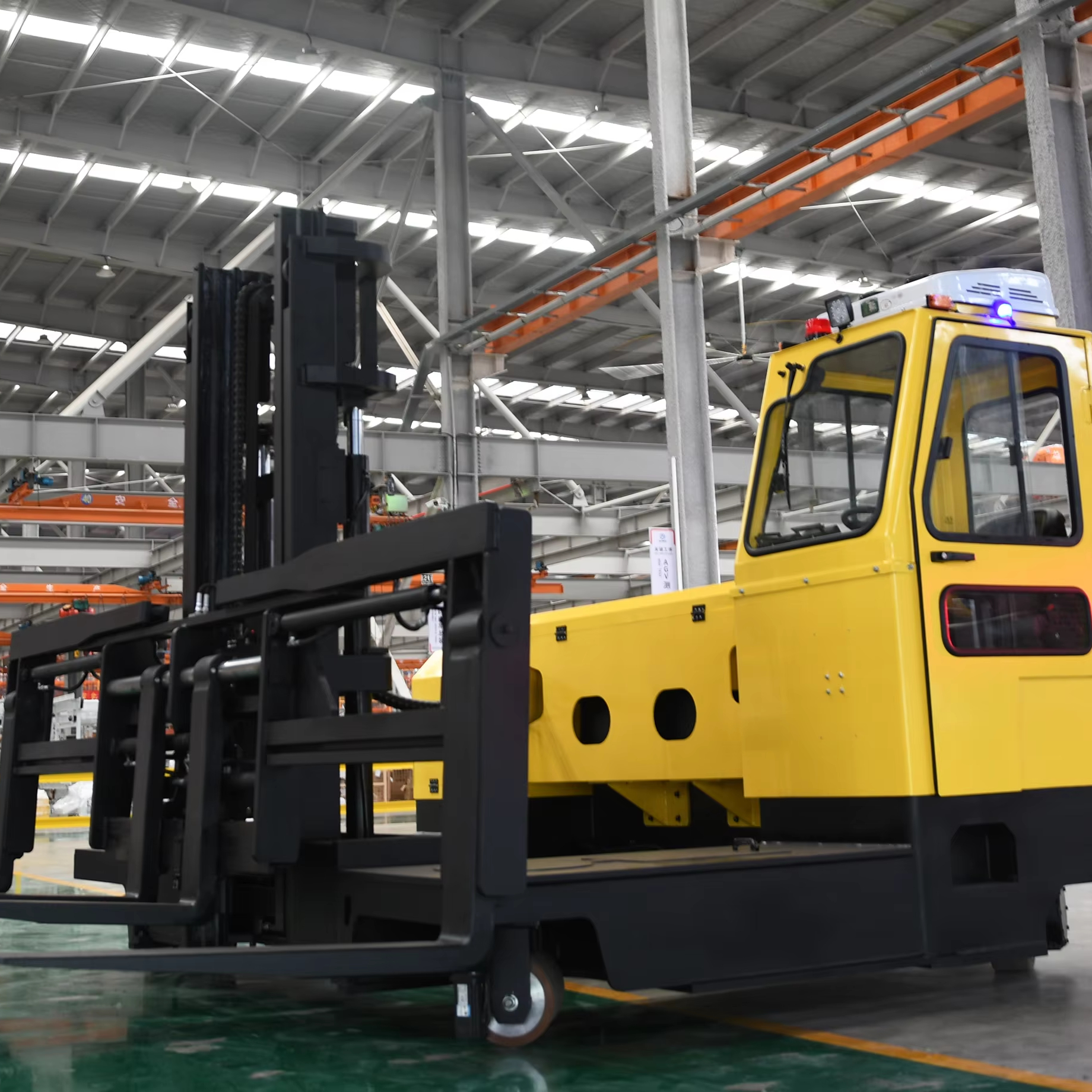
Multi-directional Forklift Reach Truck Stacker 3.5 Ton 5Ton Full Way Eclectic Side Loader Forklift With Wide Body Seat
3.5–5 T capacity · full-way side loader · wide body seat · long-load handling
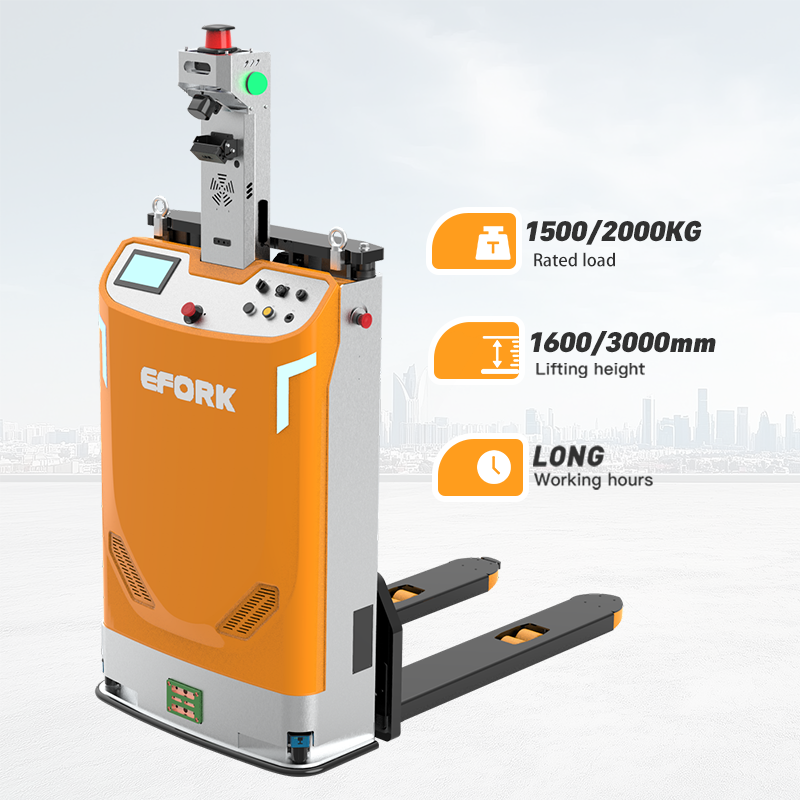
New Heli Yufeng EDA20-30 Slim Stacking AGV Forklift CE Certified 2T 3M 3D SLAM WIFI/5G for Stacking Mobile Robot
2 T capacity · 3 m lift · 3D SLAM · WIFI/5G · CE certified
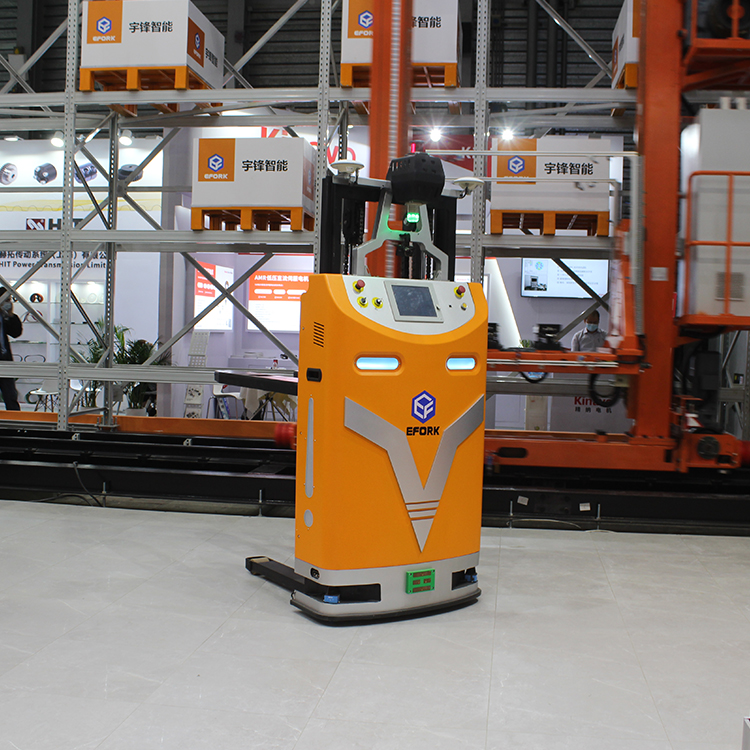
CE Certified EFORK EDA20-16 2T 1600mm Laser Navigation Self-Driving Forklift AGV WIFI/5G 10mm Accuracy 6-8H Working Time
2 T capacity · 1600 mm lift · laser navigation · 10 mm accuracy · 6–8 h runtime
Why the San Diego Market Is Moving Toward Assembly-Line AGVs
San Diego is not a single warehousing market. It is a network of biomedical campuses, defense and aerospace suppliers, cross-border production links, port-related logistics, cold-chain distributors, and consumer fulfillment operations.
For companies in Otay Mesa, Miramar, Kearny Mesa, Sorrento Valley, Carlsbad, Escondido, National City, and Chula Vista, the question is no longer whether material flow can be automated. The practical question is which AGV platform can be imported, commissioned, integrated with an existing WMS or ERP, and supported without disrupting production. That is why the phrase China Wholesale Assembly Line AGV Manufacturer & Exporters in the San Diego market reflects a real purchasing pattern rather than a generic keyword.
Buyers in Southern California are comparing Chinese AGV manufacturers on much more than unit price. They are examining CE documentation, 3D SLAM maturity, laser navigation stability, safety scanner configuration, factory scale, custom fork and lift options, spare-parts strategy, and the ability to support a single-unit pilot in a leased building. A low quotation can be expensive if the machine cannot be integrated with the warehouse management system or if replacement parts slow down a production line.
The highest-value San Diego applications usually involve line-side replenishment, work-in-process transfer, kitting and sequencing, dock-to-rack put-away, pallet stacking, and finished-goods staging. A driverless forklift becomes valuable only when it operates as a reliable node in the material flow. That means the supplier must understand pallet profiles, aisle widths, floor conditions, fire-code clearances, traffic rules, charging strategy, and the people who will interact with the machine every shift.
This guide is structured as a procurement reference. It combines the eight source AGV models with localized application scenarios, a product selection matrix, import and deployment steps, enterprise verification points, and FAQs that San Diego buyers commonly raise during due diligence. The goal is to separate verifiable manufacturing capability from project-specific promises, so that a buyer can build a business case that survives engineering review.
What an Assembly-Line AGV Changes in a San Diego Operation
An assembly-line AGV is not simply a forklift without a driver. It is a repeatable material-flow asset that connects receiving, storage, line-side supply, work-in-process buffers, quality hold areas, and outbound staging.
Line-Side Replenishment
AGV stackers and reach trucks can move pallets or carts from a central supermarket to assembly cells on fixed routes. This reduces forklift traffic in production zones and makes replenishment timing visible to the WMS or MES.
Work-in-Process Visibility
When a mobile robot completes a transfer, the system can confirm location and time. That information helps production planners reduce excess WIP buffers and identify where material waits longer than planned.
Floor-Space Productivity
In San Diego, industrial space is a major cost driver. Narrow-body stackers and VNA AGVs can improve storage density and reduce aisle width, while counterbalanced AGVs handle closed-bottom pallets and cages without front outriggers.
Safety Consistency
Autonomous trucks apply speed limits, traffic rules, and obstacle detection consistently. The buyer still needs a site-specific risk assessment, operator training, and clear pedestrian zones, but automation can remove some variability from high-frequency moves.
Pilot-to-Fleet Scalability
Most buyers begin with one or two units. A supplier with MOQ 1 and OEM/ODM capability allows the buyer to validate cycle time, acceptance criteria, and operating behavior before committing to a larger fleet.
Payback Beyond Labor
A labor-only calculation often understates the value of AGVs. The stronger business case includes space utilization, reduced product damage, lower forklift congestion, shorter line-side buffers, and more predictable shift-to-shift material flow.
Where Assembly-Line AGVs Fit the San Diego Market
The same AGV can have different value in different local environments. These six scenarios reflect common San Diego industrial and logistics patterns rather than generic warehouse examples.
Otay Mesa Cross-Border Assembly & Staging
Otay Mesa operations often coordinate receiving, light assembly, sequencing, and outbound staging across fast dock cycles. AGVs can move kitted components and palletized parts between receiving lanes and assembly cells, reducing congestion at dock doors and improving traceability for cross-border production flows.
Sorrento Valley Biotech & Medical Device
Biomedical and medical-device operations need repeatable material movement with minimal disruption to controlled workflows. Slim stackers and counterbalanced AGVs can handle palletized consumables, packaging, and finished goods while 3D SLAM reduces the need for floor tape or many reflectors in changing facilities.
Miramar & Kearny Mesa Aerospace Supply
Aerospace and defense suppliers manage high-mix, low-volume production with strict traceability. Assembly-line AGVs can carry tooling, fixtures, and WIP between work centers on scheduled routes. The integration requirements usually focus on queue logic, confirmation points, and safe movement through shared shop-floor areas.
Port of San Diego & National City 3PL
Third-party logistics operations near port-related and urban distribution nodes need fast pallet flow from inbound containers to racking and outbound staging. VNA AGVs, reach trucks, and pallet stackers can reduce unnecessary travel and improve consistency in high-turnover, space-constrained facilities.
Carlsbad & Escondido Cold-Chain Distribution
Food, beverage, produce, and cold-chain distributors require equipment that can support temperature-controlled operations. Cold-storage variants can be reviewed during customization, while electric AGVs support indoor material flow and help reduce emissions in enclosed facilities.
Chula Vista E-Commerce Fulfillment
Consumer fulfillment operations face peak-season surges and high SKU counts. AGV stackers can support replenishment, pallet staging, and returns consolidation. A phased fleet plan lets buyers add capacity as order volume grows without redesigning the entire material-flow layout.
Matching San Diego Pallet Profiles to the Right AGV Platform
Use this engineering reference to shortlist equipment before requesting a layout proposal. The final specification should be confirmed against pallet dimensions, rack drawings, aisle width, floor flatness, throughput, and safety requirements.
| AGV Platform | Best San Diego Use Case | Load / Lift | Navigation or Guidance | Source Product |
|---|---|---|---|---|
| VNA 3-Way AGV | High-bay pallet storage, very narrow aisle racking, and space-constrained leased buildings | 1.6 T · up to 8 m listed | Laser SLAM · 3-way fork | EFORK CDME16J-80S VNA AGV |
| Slim Stacker AGV Body | High-density storage, low-to-medium racking, and narrow-body pallet handling | 2 T · 1.6 m | Stacking AGV platform | 2T 1.6M Slim Stacker AGV Body |
| Reach Truck AGV | Selective racking where the mast retracts and aisle space is tighter than a counterbalanced truck requires | 1.5 T · 3 m | Laser SLAM · ±10 mm | EFORK EQDA15-30 Reach Truck AGV |
| Counterbalanced AGV | Closed-bottom pallets, cages, dock transfer, production lines, and mixed indoor routes | 3 T · 3 m | 3D SLAM | EFORK EDB30-30 Counterbalanced AGV |
| 3T Pallet Stacker AGV | Intelligent warehouse automation, pallet stacking, line-side delivery, and put-away | 3 T · 3000 mm | Automated guided vehicle | 3T 3000mm Pallet Stacker AGV |
| Multi-Directional Side Loader | Long loads, wide-body handling, and flexible travel directions in space-constrained yards or warehouses | 3.5–5 T | Full-way electric side loader | Multi-directional Side Loader Forklift |
| Heli Slim Stacking AGV | 2T stacking with 3D SLAM and WIFI/5G connectivity for mobile robot fleets | 2 T · 3 m | 3D SLAM · CE certified | Heli Yufeng EDA20-30 Slim Stacking AGV |
| Laser Navigation Self-Driving Forklift | 2T pallet handling with 1600 mm lift and high-accuracy laser navigation | 2 T · 1600 mm | Laser navigation · 10 mm accuracy | EFORK EDA20-16 Laser Navigation AGV |
Assembly-Line Workflow Fit Score
How to Choose Between VNA, Reach, and Counterbalanced AGVs
Start with the load unit and building constraint, not the truck category. If the facility has high-bay racking and very narrow aisles, a VNA 3-way AGV is usually the first platform to review because the fork can pick left, right, and forward without turning the truck. If the racking is selective and the aisle is moderate, a reach truck AGV can retract the mast into the chassis and use space more efficiently than a counterbalanced truck. If the load includes closed-bottom pallets, cages, trailers, or production-line interfaces, a counterbalanced AGV is often the better fit because it does not rely on front outriggers.
For assembly-line material flow, confirm the pickup and drop-off heights, the cart or pallet interface, the frequency of moves, and what happens when a route is blocked. The most successful projects define acceptance criteria before shipment: cycle time, docking accuracy, obstacle response, mission completion rate, charging behavior, and WMS confirmation logic. This is where an experienced exporter adds value beyond the machine itself.
Five Local Trends Shaping AGV Demand in San Diego
These trends explain why San Diego buyers are increasingly willing to evaluate a China wholesale assembly-line AGV manufacturer instead of limiting sourcing to domestic integrators.
Labor Availability & Turnover
High-frequency material moves are difficult to staff consistently when labor availability fluctuates. AGVs provide repeatable line-side replenishment and reduce the number of non-value-added forklift trips during shift changes.
Scarce Industrial Space
San Diego industrial land is constrained. Buyers are evaluating narrow-body stackers, 3-way VNA trucks, and high-density storage not only to save labor but also to generate more usable pallet positions per square foot.
Nearshoring & Border Integration
Cross-border production and staging activity around Otay Mesa increases the need for predictable material flow between receiving, assembly support, and outbound. AGVs help standardize those handoffs and make status visible to operations teams.
Electrification & Indoor Air Quality
Electric mobile robots support cleaner indoor operations than diesel or propane equipment in enclosed spaces. California's air-quality priorities reinforce the shift toward electric handling equipment and smarter energy management.
What to Verify in a China Wholesale AGV Partner
For an automation project that will operate for years, supplier scale, documentation, customization capability, and after-sales planning matter as much as the initial quotation.
Manufacturing Scale & Traceability
Anhui Nexrik Intelligent Technology Co., Ltd. is a manufacturer and trading company based in Hefei, Anhui. The source company profile lists 1,152 employees, 66,650 m² of factory floorspace, more than USD 100 million in annual revenue, 7 awarded patents, and buyers across Southeast Asia, South America, Eastern Europe, South Asia, and North America.
Compliance & Third-Party Verification
The company holds CE marking under the Machinery Directive 2006/42/EC for its AGV range, ISO 9001 and ISO 45001 management system certification, 7 awarded patents, and SGS onsite verification of premises and legal status. Buyers should collect the CE declaration, risk assessment, manuals, and shipment documentation before release.
OEM / ODM & Buyer Label
Nexrik provides full customization, OEM, ODM, and buyer-label production. Load capacity, lift height, fork dimensions, battery configuration, navigation choice, and cold-storage variants can be reviewed against the application. The MOQ for every AGV forklift, stacker crane, and four-way shuttle model is 1 set.
Turnkey Integration & Export Terms
The source range covers AGV forklifts, VNA AGVs, stacker cranes, four-way shuttles, and WMS-ready systems. Accepted delivery terms include FOB, CFR, CIF, EXW, FAS, CIP, and DDP. Payment can be arranged via L/C, D/P, D/A, MoneyGram, credit card, or Western Union in USD, EUR, or CNY.
A practical E-E-A-T note for San Diego buyers: verify claims at the project level. Factory scale and certificates reduce supplier risk, but they do not replace a site survey, a factory acceptance test, or a written commissioning plan. The strongest proposal is one that clearly separates standard machine specifications, application-specific engineering, and local responsibilities for unloading, power, network, safety signage, and operator training.
From San Diego Site Data to AGV Go-Live
A structured four-stage process reduces risk for first-time buyers and multi-site teams alike. The scope should be documented before the purchase order, including acceptance criteria and documentation deliverables.
Site Data & Layout Review
Provide rack drawings, pallet dimensions, aisle widths, floor flatness, clear height, charging location, network coverage, and throughput targets. For assembly-line projects, include cart interfaces, pick-up heights, and line-side space limits.
Solution Design & Compliance
Confirm the equipment platform, fleet size, mission logic, WMS/WCS interface, safety concept, and battery strategy. The supplier should issue layout drawings and a bill of equipment before production.
Factory Build & FAT
Manufacturing, inspection, and factory acceptance testing should verify key functions before shipment. Ask for test records, packing specifications, and export documentation in advance so the freight forwarder and customs broker can plan.
Ship, Clear & Commission
Coordinate ocean freight, U.S. customs clearance, final-mile delivery, unloading, site mapping, safety validation, operator training, and acceptance sign-off. Remote diagnostics and spare-parts planning should be part of the after-sales agreement.
San Diego buyers often ask whether DDP is available. It can be included among the accepted trade terms, but the buyer should still understand what is covered, who handles unloading, how duties and taxes are calculated, and what happens if the delivery site cannot accept a container. For a production-critical project, the commercial terms should be aligned with the commissioning plan rather than treated as a purchasing afterthought.
San Diego Buyer Questions for China AGV Procurement
These are the questions that commonly arise when a San Diego operation compares a China-based AGV manufacturer or exporter with a domestic integrator.
What is the minimum order quantity for the AGV models shown above?
The MOQ for every AGV forklift, stacker crane, and four-way shuttle model is 1 set. Many buyers start with a single-unit pilot to validate routes, cycle time, docking accuracy, and operator acceptance before scaling to a full fleet.
Can you deliver DDP to San Diego, and which trade terms are accepted?
Accepted delivery terms include FOB, CFR, CIF, EXW, FAS, CIP, and DDP. For San Diego delivery, confirm the final address, unloading capability, customs broker, duty responsibility, and whether the quotation includes final-mile trucking and commissioning.
Which navigation technology is better for existing San Diego buildings: laser or 3D SLAM?
Laser navigation is a strong choice for stable, repetitive routes and reflector-based layouts. 3D SLAM uses natural features of the building and often reduces the amount of floor tape or reflector work, which can be useful in leased or frequently changing facilities. The final choice should be based on the site survey and traffic pattern.
Can the AGV integrate with our WMS or ERP?
The AS/RS and shuttle systems are designed WMS-ready, and AGV projects can be reviewed with your WMS or ERP interface requirements. The integration scope should define message flows, confirmation points, exception handling, and testing responsibilities before the purchase order.
What certifications and import documents should we verify?
Verify CE marking under 2006/42/EC, ISO 9001 and ISO 45001 certificates, and SGS onsite verification where applicable. For import, confirm the commercial invoice, packing list, bill of lading, certificate of origin if required, CE declaration, manuals, and any dangerous-goods documentation for batteries.
Can the equipment be customized for cold storage or special forks?
Yes. Full customization, OEM, ODM, and buyer-label production are available. Load capacity, lift height, fork dimensions, battery configuration, and cold-storage variants can be reviewed. Cleanroom, washdown, or other special environments should be confirmed case by case during engineering review.
How should a San Diego buyer handle spare parts and service support?
Ask for a recommended spare-parts list, component lead times, remote diagnostic capability, and a named service escalation path. If local third-party service is needed, define responsibilities in the contract. A pilot should include training and a response-time expectation for critical issues.
What should be included in an RFQ for an assembly-line AGV project?
Include pallet and cart dimensions, load weight, pick-up and drop-off heights, aisle widths, floor conditions, required throughput, shift pattern, WMS/MES interface, safety requirements, building constraints, delivery address, Incoterm, target schedule, and acceptance criteria. This allows the supplier to quote a system rather than a standalone truck.
Request a San Diego-Specific AGV Layout and Landed-Cost Estimate
Send your pallet profiles, rack layout, throughput target, and building constraints. Our engineering team can review the right platform mix, fleet size, import terms, and commissioning path for a San Diego assembly-line or warehouse automation project.