China Top AGV Fleet Management Manufacturers & Supplier in the Kyoto market
An engineering-led white paper for Kyoto warehouse, factory and distribution teams evaluating automated guided vehicles, 3D SLAM forklifts, VNA AGVs, AS/RS stacker cranes and WMS-ready fleet management from a verified Chinese manufacturer.
Eight AGV and Warehouse Automation Models for Kyoto Buyers
Shortlisting model families is not the same as selecting a fleet. Use this product board to identify the likely platform, then confirm load center, rack clear height, aisle width, floor flatness, safety zones and WMS protocol during engineering review. Every model below can be quoted as a single-unit pilot before scaling.
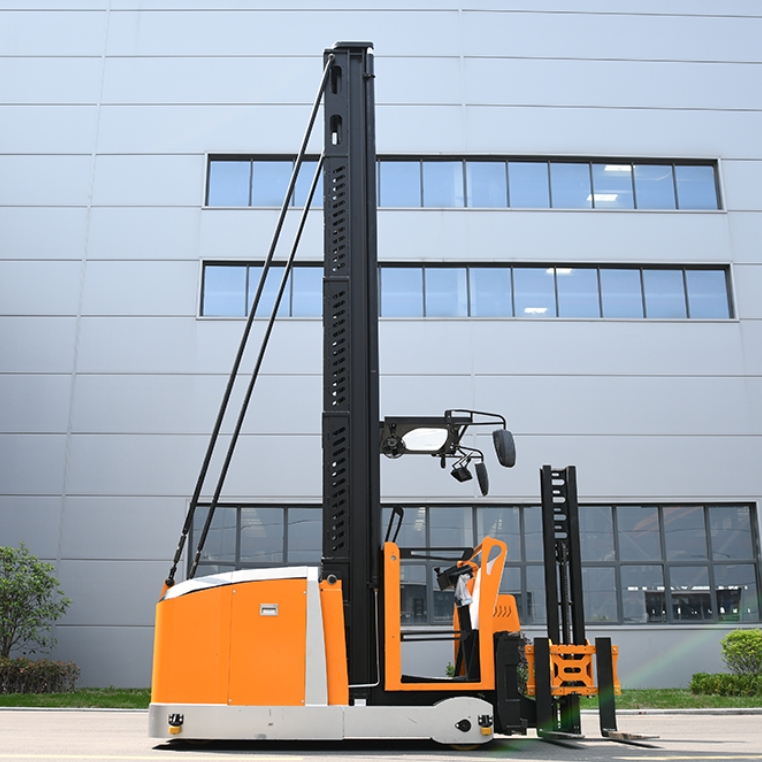
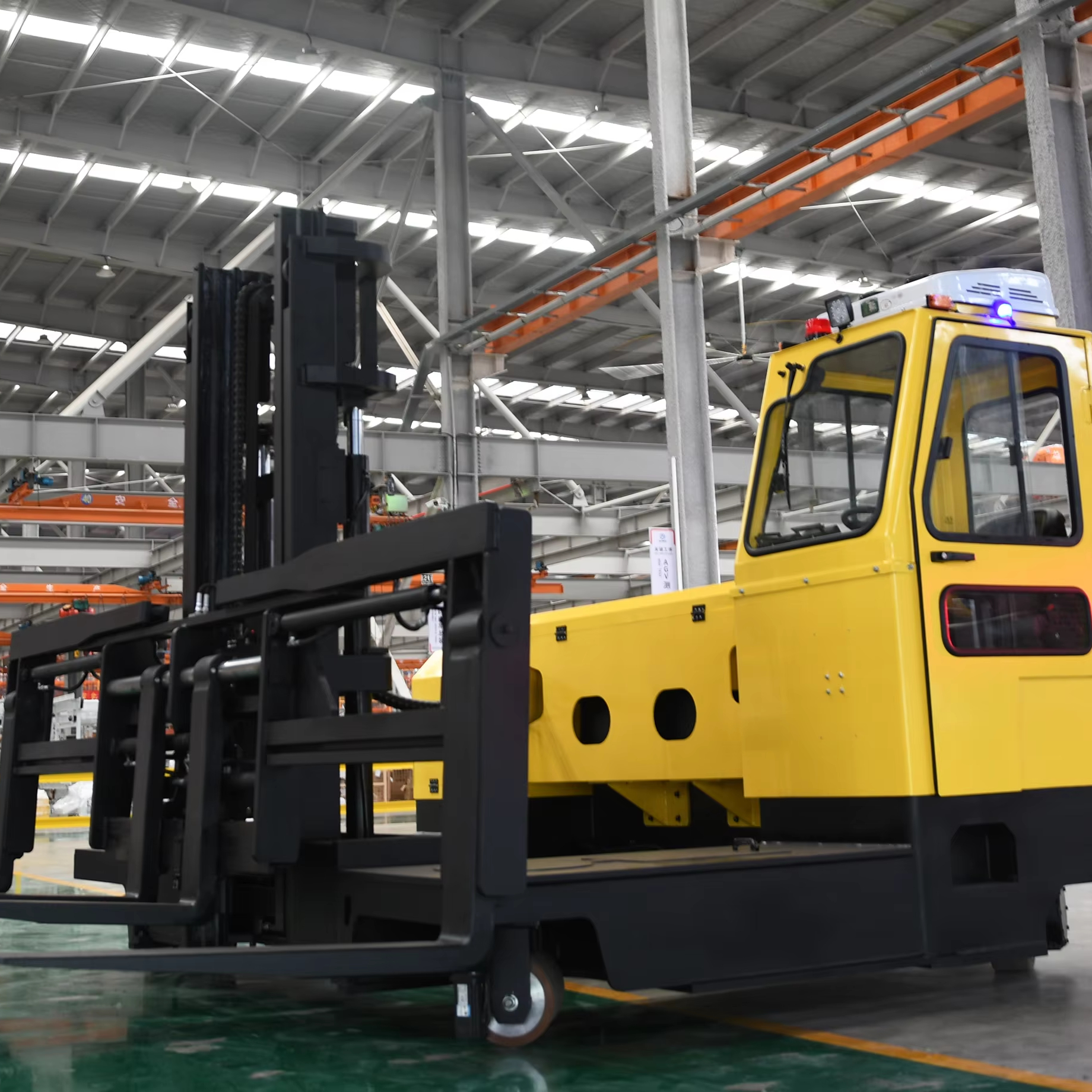
A practical entry point for Kyoto warehouses where rack spacing cannot be expanded. The three-way head supports left, right and forward handling without turning the chassis, helping brownfield sites raise storage density.
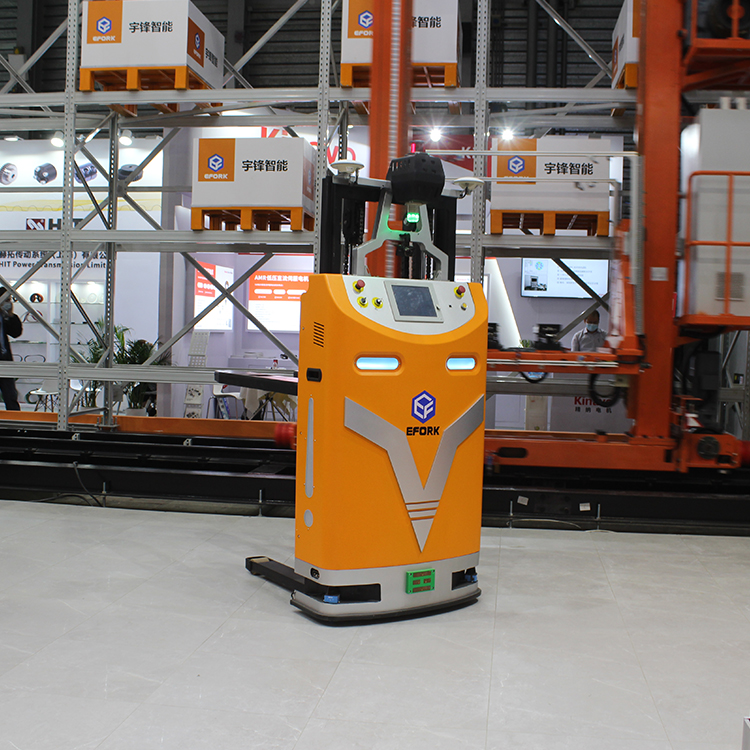
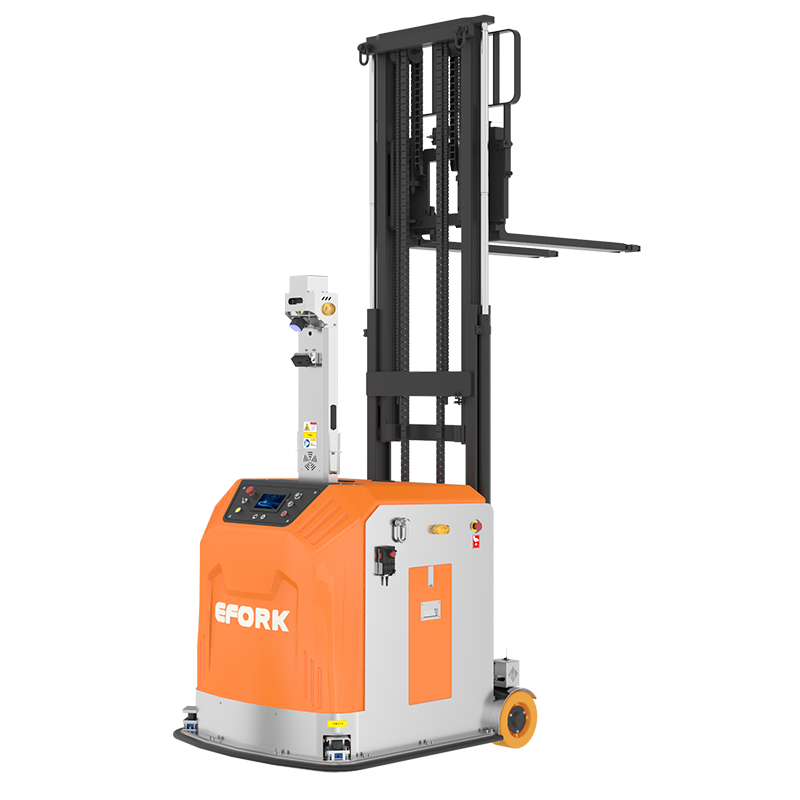
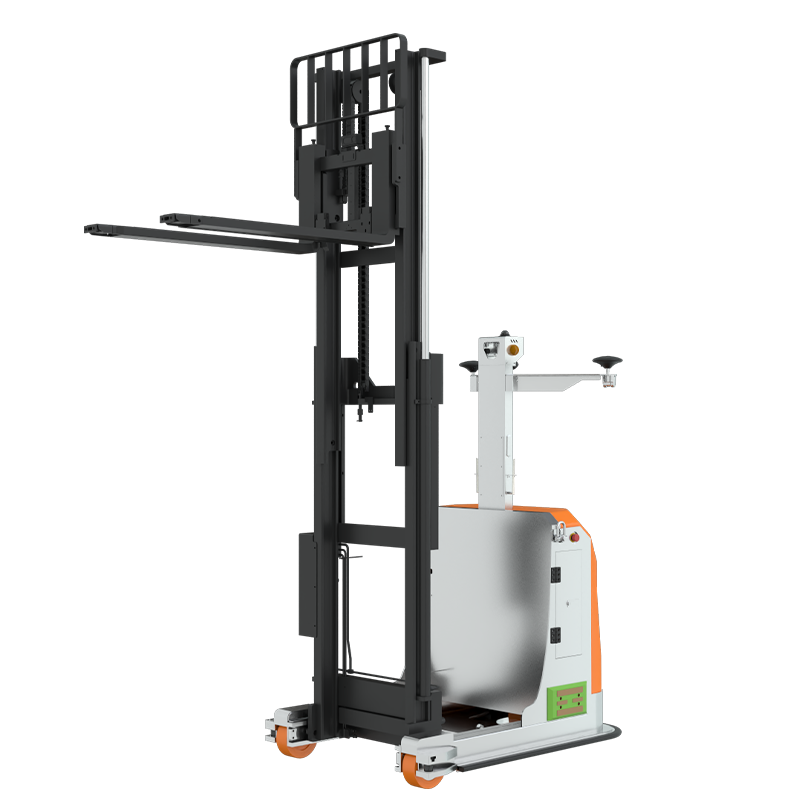
Best suited to repetitive, fixed-route pallet movement where stable navigation references and predictable cycle time matter. WIFI/5G connectivity and 10 mm positioning accuracy support fleet dispatch and traceability.
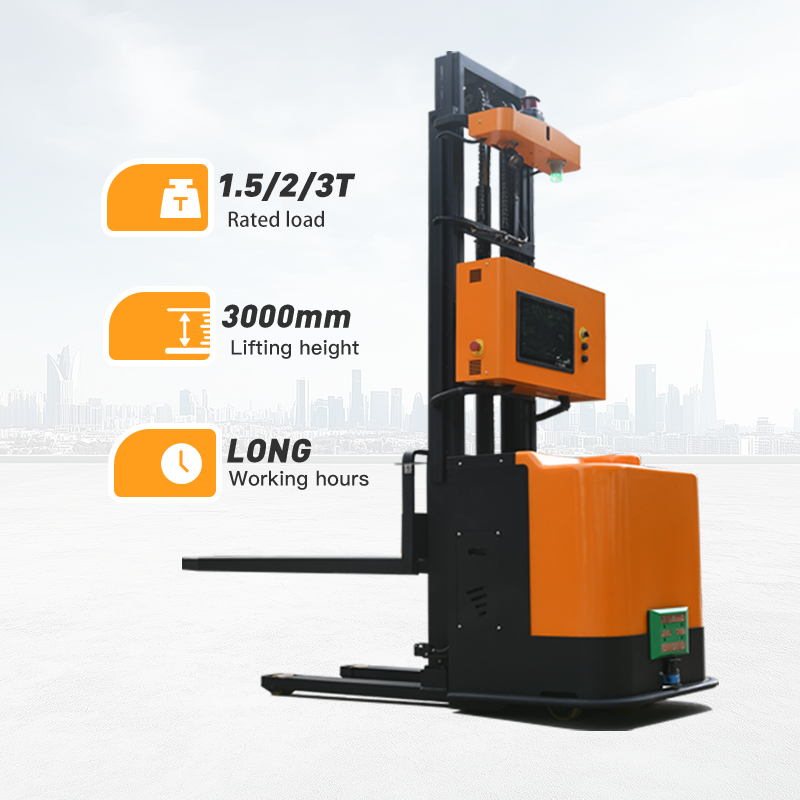
For heavier pallet flows between production, staging and racking. The 3T platform is relevant to Kyoto manufacturers that need one autonomous truck to absorb repetitive transfers across shifts.
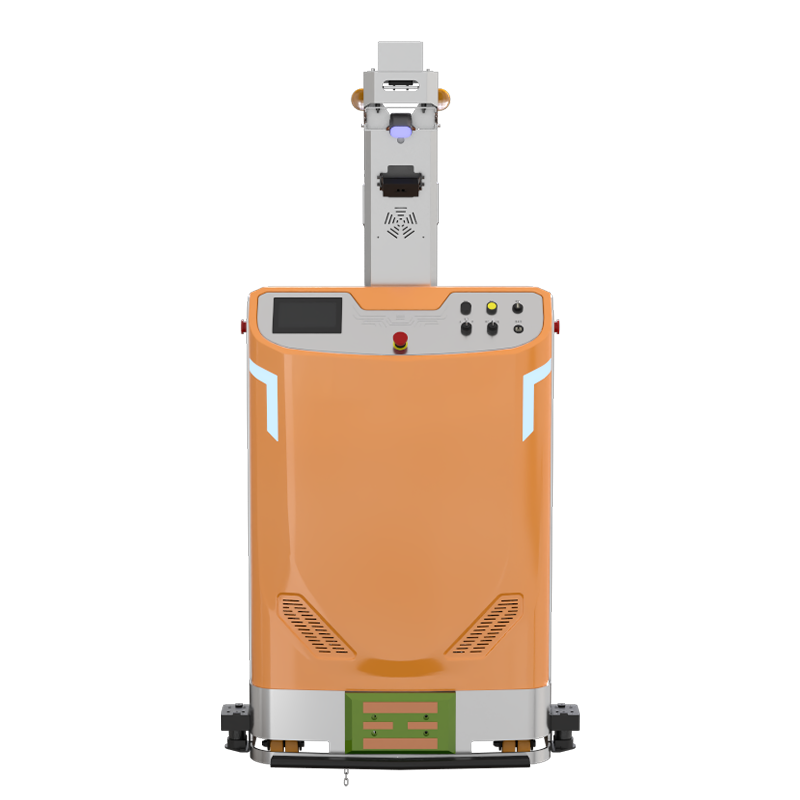
Designed for constrained workshops and urban facilities. The narrow chassis helps reduce aisle intrusion, making it a sensible candidate for Kyoto sites where columns, walkways and older floor plans limit vehicle turning.
A flexible option for closed-bottom pallets, cages, docks and mixed production routes. 3D SLAM uses natural building features, which can reduce reflector or floor-marker work in existing Kyoto facilities.
For long loads, oversized materials and applications where conventional forklift turning is inefficient. This category is often discussed in Kyoto precision equipment and building-material supply chains.
Useful where manual or semi-manual pallet movement remains part of the workflow alongside AGV rollout. Hot-dip galvanized construction is relevant to humid, food-related or wash-down environments.
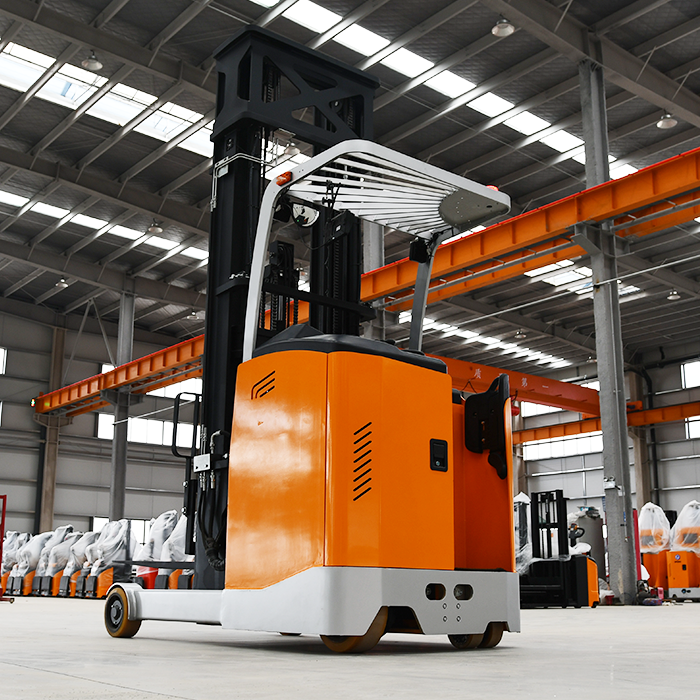
A compact reach platform for selective racking and medium-height pallet handling. It suits Kyoto operations that need aisle efficiency without committing to a full high-bay AS/RS project.
Why Kyoto Is a Distinct AGV Fleet Market, Not a Copy-Paste of Tokyo
Kyoto combines dense urban districts, precision manufacturing, food and beverage production, tourism-linked retail replenishment and regional distribution flows toward the Keihanna and Kansai corridor. For AGV projects, that means fleet design must respect building geometry, high-mix handling and local safety culture before unit price is discussed.
Compact brownfield sites
Older warehouses, limited clear height, column grids and shared pedestrian zones reward compact reach trucks, narrow-body AGVs and 3D SLAM navigation that reduces floor modification.
High-mix, low-volume flows
Kyoto manufacturers often handle pallets, bins, cages and returnable containers in one building. A credible fleet plan must define load unit exceptions, not only nominal pallet weight.
Food, cold chain and traceability
Food and beverage, confectionery, sake-related logistics and cold-storage users prioritize hygiene, traceability, battery strategy and validated handover points across WMS and ERP.
Safety documentation first
Japanese procurement teams expect risk assessment, emergency-stop validation, operator training and clear change-control. CE and ISO documents help, but local validation remains part of the project.
Labour availability pressure
88%
Space or retrofit constraint
82%
WMS / traceability priority
76%
Energy and TCO scrutiny
68%
Indicative procurement-pressure model for planning discussion, not a statistical survey. Use it to calibrate your internal specification workshop.
Localised Development Trends
Five Fleet Management Trends Shaping Kyoto Automation Decisions
The strongest business case is rarely “replace every forklift.” It is to remove a measurable bottleneck, stabilize a shift, improve traceability and then expand the fleet with proven routes.
01
Logistics reform pressure
Japan’s logistics sector has been responding to stricter truck-driver overtime limits introduced from April 2024. Kyoto shippers are reviewing dock schedules, internal transport and buffer management to reduce waiting and manual handling.
02
Brownfield-first automation
Few Kyoto buyers can rebuild the warehouse around the robot. Projects increasingly start with aisle surveys, floor-flatness checks and retrofit-friendly navigation rather than assuming a greenfield site.
03
3D SLAM adoption
Natural-feature localisation can reduce reflector installation and floor tape, shortening site preparation. For heritage-adjacent buildings and multi-tenant facilities, lower physical intrusion is a real procurement advantage.
04
WMS-ready fleet data
Buyers want vehicle status, task completion, error codes and battery data connected to WMS or ERP. Fleet management is becoming a data project, not only a machine purchase.
05
Pilot-to-fleet purchasing
Single-unit pilots de-risk capex. A 1-set MOQ allows one route to be measured for cycle time, uptime, safety interventions and operator acceptance before a multi-truck order is approved.
Procurement Scorecard
How Kyoto Buyers Should Compare AGV Fleet Suppliers
A low quoted unit price can hide route redesign, floor repair, WMS interface work, spare-part delays and training load. Use a weighted scorecard and request evidence for every claim.
25%
Safety & compliance
CE 2006/42/EC documentation, ISO 9001 and ISO 45001 systems, risk-assessment support, safety scanners, emergency-stop design and training records.
20%
Site fit & retrofit
Aisle width, turning radius, floor flatness, rack tolerance, charging location, fire-route impact and navigation method. Ask for a measured layout, not only a catalogue.
15%
WMS / traceability
Interface protocol, task handover logic, error recovery, data fields and acceptance testing. “WMS-ready” must be demonstrated in the commissioning plan.
15%
Throughput & uptime
Cycle-time assumptions, traffic simulation, battery swap or opportunity charging, fleet size redundancy and mean time to repair. Validate with a pilot route.
15%
Service & spare parts
Remote diagnostics, spare-part list, local integrator coordination, response-time agreement, documentation language and escalation path.
10%
TCO & energy
Energy consumption, battery lifecycle, floor maintenance, training, software updates, spare inventory and expansion cost as the fleet grows.
1,152+
Total staff
Verified by independent onsite inspection
66,650m²
Floorspace
Two production bases in Anhui, China
$100M+
Annual revenue
Capacity for multi-unit fleet projects
7patents
Awarded patents
Plus 1 registered trademark
Nexrik does not ask Kyoto buyers to accept these figures on trust. Request the SGS onsite-verification report, CE documents, model datasheets and FAT checklist before approving a pilot.
Selection Guide
Equipment Selection Matrix for Kyoto Warehouses and Factories
The table below translates common Kyoto operating conditions into equipment logic. Final specifications must be confirmed by engineering survey, load testing and safety review.
Equipment Family
Typical Load
Lift / Height
Navigation / Guidance
Best-Fit Kyoto Application
Pallet Stacker AGV
1.5–3 T
1.6–3 m
3D SLAM / laser
Floor-to-rack transfer, line-side delivery and low racking in compact facilities.
Reach Truck AGV
1.5–2 T
About 3 m
3D SLAM
Selective racking where aisle space is tighter than a counterbalanced truck requires.
Counterbalanced AGV
1.5–3 T
About 3 m
3D SLAM
Closed-bottom pallets, cages, docks and mixed production routes.
VNA 3-Way AGV
About 1.6 T
7–11 m
3D SLAM
Very narrow aisle and high-bay pallet storage where density is the main constraint.
AS/RS Stacker Crane
1–5 T
Up to 40 m
Rail-guided, WMS / WCS
High-bay automated warehouses, frozen storage and high-throughput distribution.
Four-Way Shuttle
1–2 T
Multi-level via lifts
Rail-guided
Dense pallet storage with flexible FIFO / LIFO and high land-use efficiency.
Mini-Load Stacker
50–100 kg / bin
Up to 20 m
Rail-guided, WMS
Spare parts, electronics, e-commerce and small-item picking with high SKU count.
Information-gain note: for Kyoto projects, add two local checks to the standard RFQ — building seismic/racking review and the responsibility matrix for local safety validation. These two items often affect schedule more than the robot itself.
Deployment Roadmap
From One Bottleneck Route to a Managed AGV Fleet
A disciplined pilot protects capital. The objective is not to prove that an AGV can move a pallet; it is to prove that the route, safety logic, WMS handover and maintenance model work in your building.
01
Route discovery
Map pallet types, rack drawings, aisle widths, floor flatness, pedestrian zones and peak traffic. Record current cycle time with manual equipment.
02
Engineering simulation
Size the fleet against demand, charging windows, handover points and failure recovery. Define acceptance KPIs before quotation comparison.
03
Single-unit pilot
Deploy one AGV on one measured route. Track uptime, interventions, cycle time and operator feedback for two to four weeks.
04
WMS & safety integration
Test task dispatch, error codes, emergency stops, traffic rules, charging logic and documentation. Train operators and maintenance staff.
05
Scale with evidence
Add vehicles only after the pilot proves cycle time and safety. Plan spare parts, software updates, battery replacement and future layout changes.
Manufacturer Verification
Anhui Nexrik Intelligent Technology: Factory-Direct AGV and AS/RS Capacity
Anhui Nexrik Intelligent Technology Co., Ltd. is a high-tech manufacturer specializing in the R&D, production and integration of intelligent warehousing equipment, including AGV forklifts, AS/RS stacker cranes, four-way shuttles and RGVs. Our production bases are located in the Huagang Industrial Park, Feixi County, Hefei, Anhui — a recognised hub for China’s forklift industry.
For Kyoto-market buyers, the relevant advantage is not only factory scale. It is the ability to match load units, rack layout, throughput and safety logic before shipment, then support a pilot with documentation and remote engineering. Nexrik provides full customization, OEM, ODM and buyer-label production, with a minimum order quantity of one set across AGV forklift, stacker crane and four-way shuttle models.
Business type: manufacturer and trading
Staff: 1,152 onsite-verified
Certification: CE, ISO 9001, ISO 45001
Verification: SGS onsite check
Experience: 8 years in industry
Supply: OEM / ODM / full customization
Markets: Southeast Asia, South America, Eastern Europe, South Asia, North America
Trade terms: FOB, CFR, CIF, EXW, FAS, CIP, DDP
Local Procurement FAQ
Questions Kyoto Buyers Commonly Ask Before an AGV Pilot
These answers are written for procurement, engineering and warehouse teams comparing a Chinese AGV fleet supplier for Kyoto or wider Kansai deployment. Project-specific specifications always take precedence.
Is Nexrik a manufacturer or a trading company?
Nexrik is a manufacturer and trading enterprise focused on intelligent warehousing equipment. Our product scope includes AGV forklifts, AS/RS stacker cranes, four-way shuttles, RGVs and related integration. We provide OEM, ODM and buyer-label production, so buyers should define which documents, labels and acceptance criteria are required before order placement.
What is the minimum order quantity for a Kyoto pilot?
The MOQ is one set for the AGV forklift, stacker crane and four-way shuttle models listed on this page. A single-unit pilot is the recommended path when the building layout, floor condition or WMS interface has not yet been validated.
Should we choose laser navigation or 3D SLAM for a Kyoto warehouse?
Laser navigation is often suitable for stable, highly repetitive routes with controlled reflectors. 3D SLAM uses natural features and can reduce floor tape or reflector work, which is useful in brownfield buildings and multi-tenant facilities. The final choice depends on ceiling structure, changing obstacles, aisle geometry and safety-zone design.
Can the AGV fleet integrate with our existing WMS or ERP?
AS/RS and four-way shuttle systems are designed WMS-ready, and AGV dispatch can be defined around your task-handover logic. The interface protocol, data fields, exception handling and acceptance tests should be documented during solution design. “WMS-ready” should always be demonstrated in commissioning, not assumed from a brochure.
What site information should we prepare before requesting a layout?
Prepare rack drawings, pallet and load-unit dimensions, aisle widths, floor flatness data, clear height, column positions, charging locations, pedestrian and forklift traffic, shift patterns, peak throughput and WMS interface documentation. For older Kyoto buildings, also confirm floor loading limits and any building-rule constraints before rack or route changes are approved.
Which certifications and verification documents are available?
Nexrik holds ISO 9001 and ISO 45001 management system certification, CE marking under Machinery Directive 2006/42/EC for the AGV range, 7 awarded patents plus 1 registered trademark, and has been verified onsite by SGS Group. For a Kyoto project, these documents support your internal review, but local machinery-safety validation and site risk assessment still need to be completed with your responsible parties.
How are after-sales service and spare parts handled for overseas projects?
Support can include remote diagnostics, spare-parts supply, commissioning guidance, operator training materials and coordination with a local integrator or service partner. Kyoto buyers should agree response times, spare-part lists, escalation contacts and documentation language before the pilot starts. Nexrik does not replace the need for a clearly assigned local safety and maintenance responsibility matrix.
What trade and payment terms are accepted?
Accepted delivery terms include FOB, CFR, CIF, EXW, FAS, CIP and DDP. Accepted payment methods include L/C, D/P, D/A, MoneyGram, credit card and Western Union in USD, EUR or CNY. Final terms are confirmed in the commercial proposal and should be checked against your internal procurement and compliance requirements.
Can load capacity, lift height, forks and battery configuration be customized?
Yes. Nexrik provides full customization, including load capacity, lift height, fork configuration, battery strategy and cold-storage variants where applicable. For Kyoto applications, provide sample load units and rack beam levels so the engineer can confirm residual capacity, mast clearance and safety derating.
Information Gain for Buyers
Total Cost of Ownership: The Costs Kyoto Buyers Often Forget
AGV projects fail commercially when the quotation is treated as the total cost. The following variables should be priced before fleet approval, even if they sit outside the robot supplier’s scope.
Building and rack changes
Aisle reconfiguration, rack protection, floor repair, lighting and charging-room preparation can exceed the cost of a single pilot vehicle.
WMS and network work
Interface development, Wi-Fi/5G coverage, cyber-security review, middleware and acceptance testing require internal IT time and often an external integrator.
Safety validation
Risk assessment, traffic rules, signage, pedestrian training and emergency drills are not optional. Budget engineering time for local sign-off.
Spares and training
Predictive maintenance, battery replacement, spare scanners, drive units and operator turnover all affect lifecycle cost. Ask for a spare-parts roadmap.
White-paper recommendation: require a 3-line commercial comparison — vehicle supply, integration/safety services and 5-year service plan. This prevents hidden-cost surprises and makes supplier claims comparable.
Inquiry Conversion
Request a Kyoto-Ready AGV Fleet Proposal
Send your rack layout, pallet drawings, target throughput, shift pattern, aisle widths and WMS interface documentation. Our engineering team will return a model mix, preliminary fleet size and a pilot-first deployment path for your Kyoto or Kansai project.