China Top 3D SLAM AGV Suppliers & Exporter in the Hanoi Market
A procurement-grade guide for Hanoi factories, warehouses and 3PL operators comparing 3D SLAM AGV forklifts, narrow-aisle stackers, reach trucks, VNA platforms and omni-directional mobile robots from China.
8 Proven 3D SLAM AGV Models for Hanoi-Style Operations
These models cover the most common Hanoi procurement scenarios: mixed pallet sizes, narrow existing aisles, high-density storage, line-side replenishment, container handling and multi-shift 3PL duty. Product URLs are retained so your team can compare specifications, then request a site-specific layout.
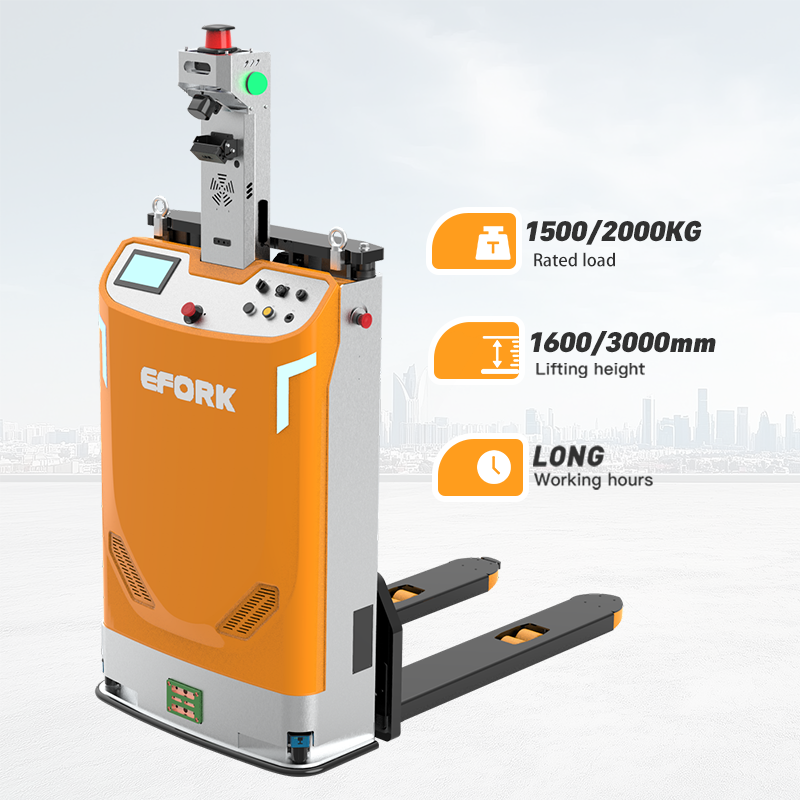
New Heli Yufeng EDA20-30 Slim Stacking AGV Forklift CE Certified 2T 3M 3D SLAM WIFI/5G for Stacking Mobile Robot
A slim-body stacking platform for Hanoi warehouses where aisle width is fixed and route changes are frequent. The 3D SLAM and WIFI/5G combination supports natural-feature navigation and WMS-connected pallet movement.
- 2T
- 3M lift
- 3D SLAM
- CE
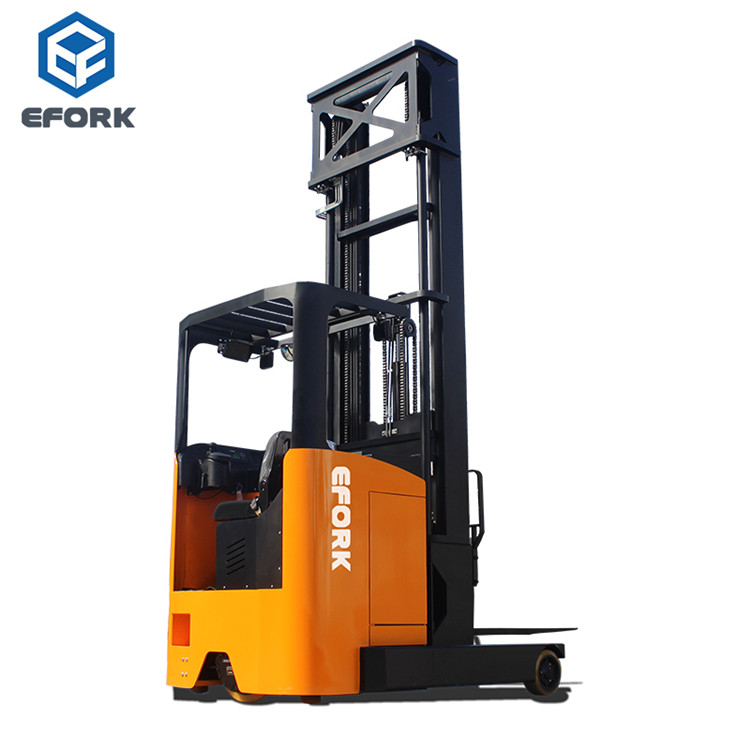
CQDE China Wholesale 2000kg 12m 8m 6m Industrial Forklift Pallet Truck — Good Price
A robust industrial pallet truck platform for heavier handling and high-lift projects. For Hanoi buyers comparing manual, semi-automated and AGV-ready options, Nexrik engineering can confirm navigation, safety and battery configuration against the site layout.
- 2000kg
- 12m / 8m / 6m
- Industrial
- Customizable
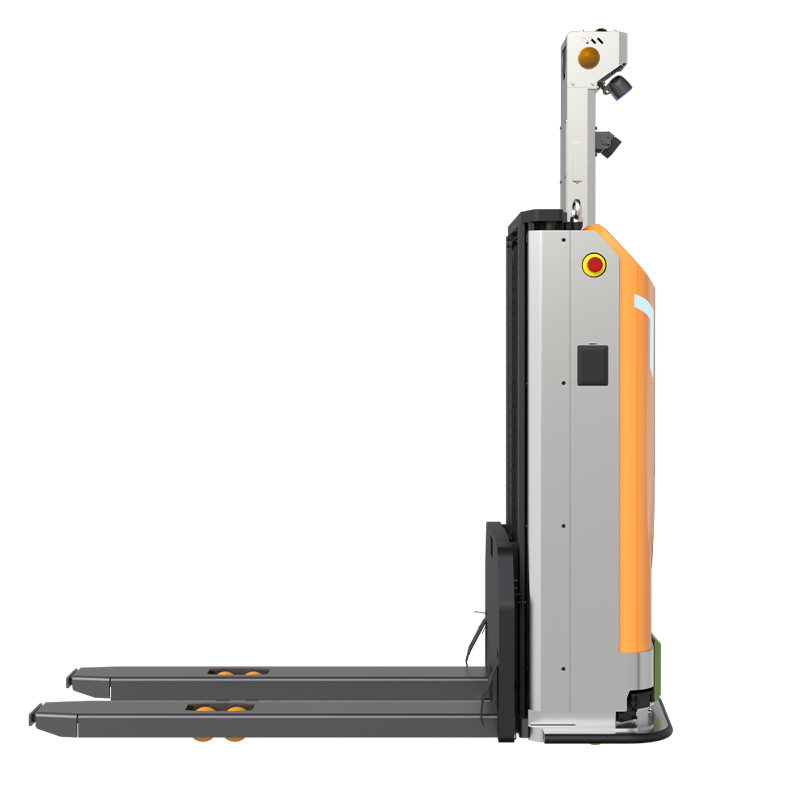
2T Slim Narrow-Body Stacker AGV with 3D SLAM & WIFI/5G for High-Density Storage 1.6M Pallet Stacking — Maximize Warehouse Space
Recommended for Hanoi 3PL and FMCG warehouses that need more pallet positions without expanding the building. The narrow body and 3D SLAM navigation are suited to dense racking, low lifts and rapid route reconfiguration.
- 2T
- 1.6M stacking
- 3D SLAM
- WIFI/5G
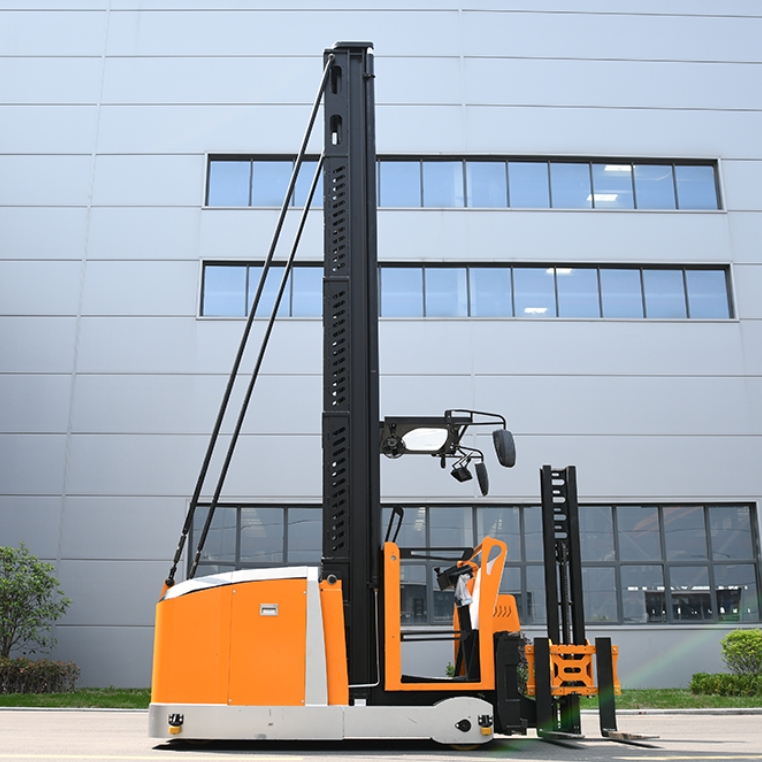
New 1.5T Manual Electric 3-Way Pallet Stacker Forklift — VNA Forklift with 1600kg Loading Capacity, AC Motor Powered
A three-way narrow-aisle platform for buyers studying very narrow aisle (VNA) operations. It is relevant where Hanoi racking is already dense and the project may begin with operator-assisted handling before moving toward a fully automated fleet.
- 1.5T
- 3-way fork
- VNA
- AC motor
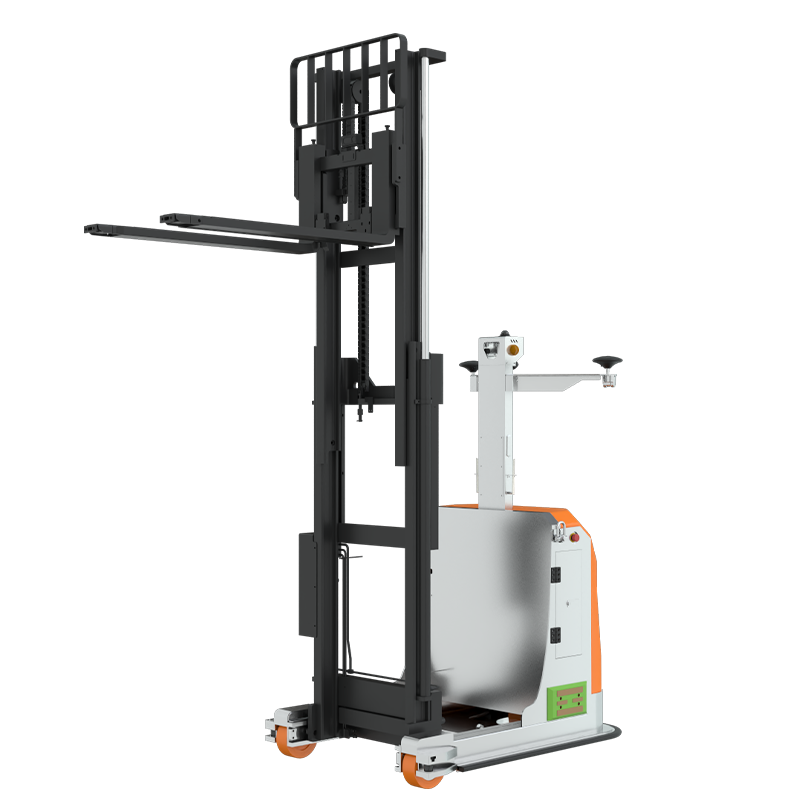
Reach Truck AGV Narrow Body 1.5T 3M Compact Design, Fork Forward Function, 3D SLAM Navigation, 10mm Positioning Accuracy
A compact reach truck AGV for selective racking where a counterbalanced truck needs too much aisle space. The fork-forward function and 10mm positioning accuracy make it a strong candidate for Hanoi electronics and spare-parts warehouses.
- 1.5T
- 3M lift
- 3D SLAM
- 10mm accuracy
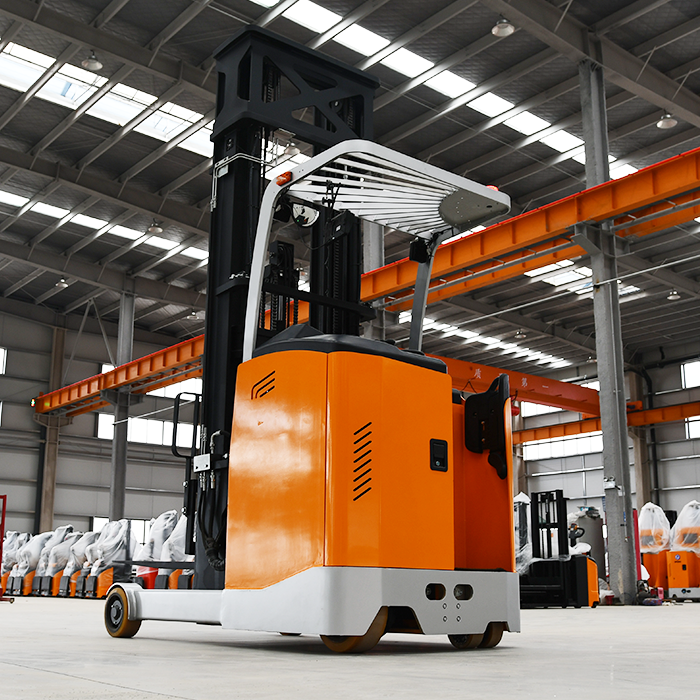
China Wholesale 2000kg 12m 8m 6m Industrial Forklift Pallet Truck, High-Speed Steel Hot-Dip Galvanized, Good Price
A galvanized industrial pallet truck option for humid, coastal or cold-chain environments where surface protection matters. It is well suited to Hanoi projects that require robust handling equipment alongside an AGV pilot program.
- 2000kg
- Hot-dip galvanized
- 12m / 8m / 6m
- High-speed steel
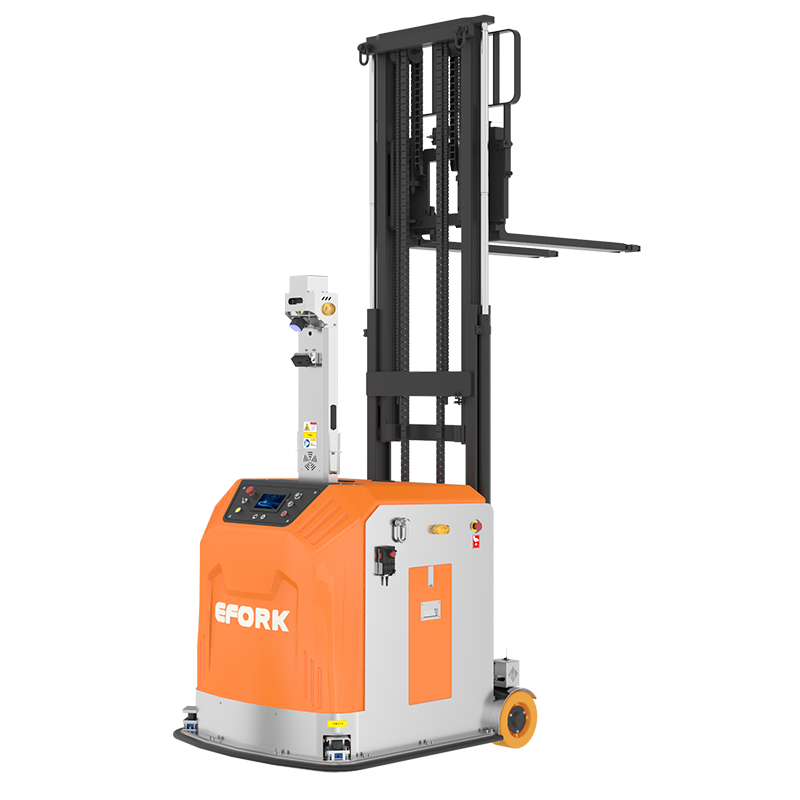
EFORK Heavy Duty Forklift AGV Counterbalanced Body 2T 3M Fork Legs, High Flexibility, 3D SLAM Navigation, WIFI/5G for Pallet Handling
For closed-bottom pallets, cages, trailer docks and production-line interfaces, a counterbalanced AGV avoids the outrigger constraints of stacker-type machines. This is a common choice for Hanoi factories with mixed inbound pallets.
- 2T
- 3M lift
- 3D SLAM
- WIFI/5G
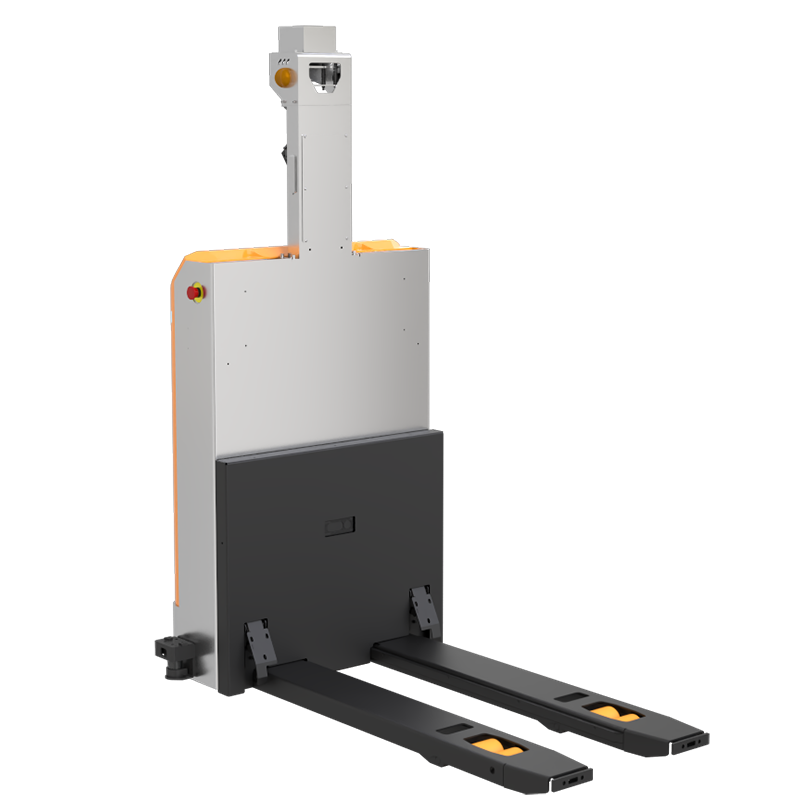
T 2.5M Omni-directional AGV Body with 3D SLAM Navigation, 1000kg Load Capacity, Flexible Movement, Zero Turning Radius
An omni-directional AGV body for space-constrained Hanoi facilities where conventional turning arcs are difficult. Zero turning radius and flexible movement help in tight staging areas, lifts and mixed manual-automation zones.
- 1000kg
- 2.5M
- 3D SLAM
- Zero turn radius
Send your rack drawing, pallet size, load weight, lift height and throughput target. Nexrik will confirm the right platform and navigation package.
The Hanoi Market Shift: Why 3D SLAM AGVs Are Moving From Pilot to Standard
Hanoi is no longer a market where automation is purchased only by multinational flagship factories. Warehouses in Gia Lam, Long Bien, Me Linh, Dong Anh and the wider Bac Thang Long–Sai Dong–Quang Minh industrial belt are now comparing AGV forklifts for line-side replenishment, pallet staging, high-density storage and 3PL fulfilment.
The first reason is physical space. Land and rent in and around Hanoi remain under pressure, so warehouses are stacking higher, using narrower aisles and reviewing every square metre of staging area. A conventional counterbalanced forklift may be flexible, but it often needs more aisle width than a narrow reach truck AGV, a slim stacker AGV or a VNA platform.
The second reason is labour stability. Hanoi buyers often operate two or three shifts with peak seasons, yet recruiting and retaining forklift operators for repetitive night work is not always predictable. AGVs do not replace every operator, but they can absorb repetitive pallet moves so skilled staff focus on exception handling, quality and shift supervision.
The third reason is 3D SLAM navigation. Earlier AGV projects often depended on magnetic tape, QR codes or reflectors. Those methods still work for fixed routes, but Hanoi warehouses frequently change racking, product mix and customer zones. 3D SLAM localises the vehicle using natural features of the building, which can reduce floor modification and shorten reconfiguration time when a 3PL client changes its layout.
Most importantly, the buying conversation has matured. Hanoi procurement teams now ask for CE documentation, ISO systems, SGS verification, WMS integration, spare-parts plans and a supplier who can support a pilot before a full fleet rollout. That is the correct standard: an AGV is not a stand-alone machine, but a WMS-connected asset that must be engineered around pallet quality, floor conditions, WiFi coverage, safety zones and maintenance capability.
Common brief inputs from Hanoi buyers
- 01Pallet loads mainly 1,000–2,000kg, with occasional 3T or VNA projects.
- 02Lift heights from 1.6m–3m, plus 7m–11m for narrow-aisle high-bay storage.
- 03Existing racking must remain; buyers prefer minimal floor tape or reflector work.
- 04WMS, ERP or MES integration in English and Vietnamese is requested.
- 05Pilot of one or two units before scaling to a multi-vehicle fleet.
- 06Import through Hai Phong or border/rail routes with full export documentation.
Where 3D SLAM AGVs Deliver ROI in Hanoi
Hanoi projects are rarely identical. The same AGV model can be a success in one warehouse and a poor fit in another because of pallet condition, aisle width, WiFi quality, floor flatness, charging room location and shift pattern. Use these application scenarios to identify the closest match.
Electronics & 3C assembly
Factories in Bac Thang Long, Sai Dong, Quang Minh and the Bac Ninh–Vinh Phuc corridor move components in totes and pallets. Reach truck AGVs and slim stackers support line-side replenishment, buffer staging and finished-goods transfer without adding fixed floor guidance.
E-commerce & 3PL fulfilment
In Gia Lam, Long Bien, Me Linh and the Noi Bai logistics cluster, 3PL operators manage multi-client SKUs and fast layout changes. 3D SLAM AGVs reduce dependence on tape and reflectors, making it easier to reassign pick faces, pallet buffers and dispatch lanes as client volumes change.
FMCG & cold-chain distribution
Food, beverage and cold-storage warehouses need repeatable pallet movement with safety scanners and clear traffic rules. Cold-store variants and robust battery/charging planning should be reviewed during engineering, especially where condensation, floor transitions and narrow doorways affect vehicle selection.
Automotive & motorbike supply chains
JIT and JIS production lines around Hanoi require dependable inbound pallet delivery. Counterbalanced AGVs handle closed-bottom pallets, cages and dock interfaces, while 3D SLAM supports flexible route changes as production plans evolve.
Textile, footwear & export packing
Export-oriented warehouses often combine bulk cartons, pallet stacking and container loading. Slim stackers and VNA platforms help high-density storage in older buildings, while AGV pilots can start with finished-goods transfer before expanding to container staging.
Pharma & medical distribution
Pharmaceutical warehouses need traceability, lot control and careful handling. WMS-ready AGVs can support pallet transfer and narrow-aisle storage, with validation documentation, operator training and clearly defined safety responsibilities before go-live.
Hanoi-Focused Trends Reshaping 3D SLAM AGV Procurement
A 2025 AGV decision should not be based only on today's pallet count. The project should be designed for the operating model your Hanoi site expects in 2027 and beyond.
From fixed tape to natural-feature navigation
Hanoi warehouses change faster than fixed guidance can be reinstalled. 3D SLAM reduces floor marking work and supports faster route changes after racking or client-zone updates.
Higher racking in less land
With land costs under pressure, VNA and high-bay layouts are gaining attention. Reach trucks, VNA AGVs and 40m AS/RS stacker cranes must be selected against the actual building, floor and fire-safety constraints.
E-commerce SLA pressure
Same-day and next-day delivery expectations push 3PLs to reduce pallet dwell time. AGVs support repeatable staging, replenishment and dispatch-zone transfer during peak campaigns.
FDI supply-chain relocation
Northern Vietnam continues to attract electronics, automotive and precision-manufacturing investment. Buyers expect CE/ISO documentation, traceable factory audits and engineering support across languages and time zones.
WMS-first procurement
AGVs are increasingly evaluated as part of a WMS/WCS project. The interface specification, task allocation logic and exception handling matter as much as load capacity and lift height.
Battery and charging strategy
Multi-shift operations need charging windows that do not interrupt peak flow. Buyers should confirm battery configuration, opportunity-charging options, charging-room safety and spare-battery policy before shipment.
Safety and insurance scrutiny
Safety scanners, emergency stops, speed zones, audio-visual warnings and risk assessment are now part of the buying checklist. CE marking and ISO systems help support internal approval and insurance review.
Service localisation in Northern Vietnam
Hanoi buyers increasingly ask how spare parts, remote diagnostics, training and onsite commissioning will be handled. A clear service model is as important as the initial equipment price.
How to Evaluate China Top 3D SLAM AGV Suppliers & Exporters for Hanoi
The phrase “top supplier” should be a conclusion from evidence, not a claim in a brochure. Use a weighted scorecard, verify factory capability and compare total cost of ownership rather than the lowest initial quotation.
Hanoi buyer scorecard for 3D SLAM AGV supplier selection
Weights are illustrative and should be adjusted to your project. For a first pilot, engineering fit and after-sales readiness usually deserve the highest weight.
1. Evidence before claims
Ask for the factory address, business licence, SGS or equivalent onsite verification, CE documentation, ISO 9001/ISO 45001 certificates and patent records. A supplier that can be audited is easier to approve internally than a supplier that only sends a presentation.
2. Application engineering depth
A credible exporter will ask for rack drawings, pallet photos, floor flatness, aisle widths, WiFi coverage, throughput peaks and WMS logic. If the quotation arrives without these inputs, the final system may require costly changes after arrival in Hanoi.
3. Navigation and safety validation
Compare 3D SLAM with laser navigation based on the actual route. Confirm safety scanners, emergency stop behaviour, speed zones, obstacle detection and traffic-management rules. For a mixed manual-automation site, operator behaviour must be designed into the layout.
4. Local service and spare-parts plan
Hanoi is well connected to Hai Phong and southern China supply chains, but spare-part lead time still matters. Request a recommended spare-parts list, remote diagnostic process, training plan and escalation route before placing the order.
5. Export and customs fluency
Confirm Incoterms, payment method, currency, packing, certificate of origin, bill of lading and CE documentation. A supplier experienced with DDP, CIF or FOB shipments can reduce friction between the factory, freight forwarder and Hanoi importer.
6. Customization and fleet expansion
Verify whether the supplier can customize load capacity, lift height, fork dimensions, battery configuration, cold-storage protection and buyer-label production. A one-set pilot should be designed with a path to multi-vehicle expansion.
Inside Nexrik: A China 3D SLAM AGV Exporter Built for Hanoi-Scale Projects
Anhui Nexrik Intelligent Technology Co., Ltd. is a high-tech manufacturer specialising in the R&D, production and integration of intelligent warehousing equipment, including AGV forklifts, AS/RS stacker cranes, four-way shuttles and RGVs.
Our manufacturing base is located in the Huagang Town Industry-City Integration Demonstration Zone, Feixi County, Hefei, Anhui, a recognised cluster for China's forklift and material-handling industry. For Hanoi buyers, this matters because the project is not assembled from unrelated third-party components. Chassis, masts, control integration and final testing are managed within a traceable production process, with onsite material and finished-product inspection before shipment.
Nexrik holds ISO 9001 and ISO 45001 management system certification, CE marking under the Machinery Directive 2006/42/EC for its AGV range, and has been verified onsite by SGS Group. The company offers laser navigation and 3D SLAM navigation, allowing Hanoi customers to choose reflector-based guidance for highly repetitive fixed routes or natural-feature navigation for layouts that change frequently.
As a one-stop supplier, Nexrik can integrate AGV forklifts, AS/RS stacker cranes, four-way shuttles and RGVs as one WMS-ready system. The MOQ for AGV forklifts, stacker cranes and four-way shuttle models is 1 set, which allows Hanoi buyers to run a pilot before scaling. OEM, ODM, full customization and buyer-label production are available for load capacity, lift height, fork configuration and cold-storage variants.
Verified advantages for Hanoi procurement
- 01Manufacturer and trading capability with SGS onsite verification.
- 02CE, ISO 9001 and ISO 45001 documentation support.
- 033D SLAM and laser navigation options for different layouts.
- 04MOQ 1 set for pilot projects and fleet expansion.
- 05OEM / ODM, full customization and buyer-label production.
- 06Export terms: FOB, CFR, CIF, EXW, FAS, CIP and DDP.
- 07Payment: L/C, D/P, D/A, MoneyGram, credit card and Western Union.
- 08Currency: USD, EUR and CNY.
From Hanoi Site Drawing to Go-Live
A structured four-stage process reduces execution risk for first-time and multi-site buyers.
Site audit & simulation
Review rack layout, pallet specification, floor flatness, WiFi coverage, throughput and shift pattern. Confirm the best navigation and vehicle mix.
Build & factory acceptance
Manufacture the selected configuration, integrate safety devices and run factory acceptance testing before export packing.
Export & Hanoi logistics
Prepare commercial documents, CE/ISO records and shipping plan from Hefei to Hai Phong, Hanoi or the agreed Incoterm destination.
Commissioning & lifecycle
Support mapping, WMS interface testing, operator training, spare-parts planning and future fleet expansion.
Hanoi Import, Site Survey and Total Cost of Ownership
Equipment price is only one part of the decision. A Hanoi AGV project should be evaluated against installation effort, WMS integration, spare parts, training, charging infrastructure and the value of recovered space.
| Procurement item | What Hanoi buyers should confirm | Evidence to request |
|---|---|---|
| Incoterms | FOB, CFR, CIF, EXW, FAS, CIP and DDP can be discussed depending on your freight forwarder and customs experience. | Signed quotation showing Incoterm, port, packing scope and insurance responsibility. |
| Payment | L/C, D/P, D/A, MoneyGram, credit card and Western Union are accepted. Currency can be USD, EUR or CNY. | Proforma invoice, payment schedule and bank details verified through company channels. |
| Shipping route | Typical routing is Hefei to Shanghai, Ningbo or Shenzhen, then ocean freight to Hai Phong and onward to Hanoi. Rail or border routes may also be evaluated. | Freight quotation, packing list, bill of lading and delivery schedule confirmed per project. |
| Certification | CE under 2006/42/EC, ISO 9001, ISO 45001 and SGS onsite verification support tender, customs and insurance review. | Certificate copies, test reports and model-specific declaration documents. |
| WMS integration | Define task allocation, barcode/RFID logic, exception handling, traffic rules and reporting before shipment. | Interface specification, commissioning checklist and acceptance criteria. |
| After-sales | Confirm remote diagnostics, onsite support scope, operator training, spare-parts list and warranty responsibility in Vietnam. | Service agreement, spare-parts recommendation and escalation contact list. |
Simple ROI formula for a Hanoi AGV project
Use this as a first screening model, then replace each assumption with validated site data.
Annual net benefit = labour hours saved × loaded hourly rate + recovered rack/space value + damage and write-off reduction + inventory accuracy benefit + energy savings − annualised capex − maintenance − training − integration.
- 01Measure pallet moves per shift, not only total pallets stored.
- 02Include peak-season overtime and agency labour cost.
- 03Value recovered floor space using current Hanoi rent benchmarks.
- 04Add the cost of WMS integration and internal change management.
Hanoi site survey checklist
- Pallet length, width, height and load weight
- Pallet condition: broken boards, shrink wrap, overhang
- Rack height, beam levels and aisle width
- Floor flatness, joints, slopes and dock levellers
- WiFi coverage and dead zones
- Charging-room location and power capacity
- Manual and vehicle traffic zones
- Door width, lift dimensions and fire exits
- WMS/ERP interface and barcode locations
- Peak throughput, shift pattern and break times
- Local voltage, language and safety signage
- Import, customs and spare-parts responsibility
Questions Hanoi Buyers Ask Before Importing a 3D SLAM AGV
These are the practical questions that usually arise during technical review, internal approval and customs planning.
Are 3D SLAM AGVs suitable for existing Hanoi warehouses with older floors?
What is the minimum order quantity and how should a Hanoi pilot start?
Can the AGV be customized for Vietnamese voltage, language and labels?
How is installation and after-sales support handled in Hanoi?
Which certificates and import documents are provided?
Which shipping route is used from China to Hanoi?
Can the AGV connect to our existing WMS or ERP?
What should we confirm about batteries and charging?
What trade and payment terms are accepted?
Should we choose 3D SLAM or laser navigation?
How do we calculate ROI for a Hanoi AGV project?
Can we start with one unit and expand later?
Build a Hanoi-Ready 3D SLAM AGV Fleet With Nexrik
Send your pallet data, rack drawing, aisle widths, throughput target and WMS requirements. Our engineers will recommend the right AGV forklift, stacker, reach truck or omni-directional platform and prepare a configuration for your Hanoi site.