CE Certified 2T 1600mm Laser Navigation AGV Forklift Factory & Wholesaler for Yokohama
Autonomous pallet handling for Yokohama port warehouses, Kanagawa 3PL operations and compact urban manufacturing sites—engineered with CE documentation, SGS-verified manufacturing scale, 1-set pilot MOQ and OEM/ODM flexibility.
Yokohama’s Warehouse Reality: Compact Footprint, High-Frequency Moves
Yokohama is a compact, high-frequency logistics market. The Port of Yokohama, Minato Mirai and the Kanagawa industrial belt create a specific mix of container-linked staging, urban 3PL fulfilment, food and cold-chain distribution, automotive and machinery support, and retail replenishment. In this environment, a CE Certified 2T 1600mm Laser Navigation AGV Forklift is usually not purchased to replace every forklift. It is purchased to remove repeatable, safety-sensitive pallet moves from a shrinking labour pool while keeping existing racking, WMS and dock workflows intact.
Unlike a catalogue specification sheet, a Yokohama automation decision must answer four practical questions. First, can the vehicle localize reliably in a shared aisle with pedestrians, manual forklifts and changing pallet positions? Second, does the 1,600mm lift match the actual put-away height, or is a 3m reach truck a better fit? Third, can the charger, battery and safety system match Japanese site conditions, including 200V supply and 50Hz area requirements? Fourth, can the factory provide CE documentation, spare parts and engineering support after shipment? This guide addresses each point using Nexrik’s verified manufacturing data and product range.
The information gain here is procurement logic: start from load unit, rack drawing and traffic flow; compare laser navigation with 3D SLAM; then confirm electrical and safety scope before price. That sequence prevents the most expensive error in warehouse automation—buying a capable machine for the wrong layout.
Yokohama Project Fit Profile
Use this as an early screening tool, not a final engineering calculation.
Six Local Scenarios Where a Laser Navigation AGV Pays Back Faster
These scenarios are written for Yokohama and Kanagawa operations where space, safety and labour availability shape the business case.
Port-Linked Pallet Staging
At Yokohama port warehouses, AGVs can move inbound pallets from receiving lanes to inspection or buffer positions on fixed routes. Laser navigation supports predictable cycle times around container windows and drayage timing. Confirm floor flatness, dock levellers and mixed pedestrian traffic during the site survey.
Urban 3PL Multi-Client Fulfilment
Multi-client 3PLs in Kanagawa often face high SKU variety and short order cycles. A compact 2T AGV can replenish pick faces or transfer pallets between zones, with traceability that improves client reporting. The WMS handshake and exception workflow matter more than headline speed.
Food and Cold-Chain Transfer
For chilled and frozen storage, specify battery temperature range, scanner heating, condensation management and wash-down procedures. A standard warehouse AGV is not automatically cold-store ready. Require a cold-chain configuration, acceptance test and maintenance plan before approval.
Automotive and Machinery Parts
Yokohama-area manufacturers need consistent line-side supply. AGVs reduce waiting for shared forklifts and protect high-value parts from impact. Consider fork dimensions, load stability and handover accuracy at conveyors or kitting stations before choosing a model.
E-Commerce and Retail Replenishment
Retail and e-commerce operations need replenishment from reserve storage to forward pick zones. The 2T / 1.6m class can bridge pallet intake and shelf replenishment when rack heights are moderate. Confirm peak-hour fleet size, charging windows and fast-moving SKU profiles.
Narrow-Body High-Density Storage
Slim stacker bodies and reach truck AGVs can operate in denser layouts than conventional counterbalanced trucks. For older Yokohama buildings, the best first step is a route and rack-clearance survey, followed by a pilot at one cross-dock or reserve-storage loop.
Yokohama Procurement Trends Shaping AGV Decisions
Buyers are not simply comparing truck prices. They are comparing deployment risk, documentation depth and the ability to scale from one pilot to a connected fleet.
Pilot-First Automation
Buyers increasingly start with one AGV to validate traffic, WMS handshakes and operator acceptance. A 1-set MOQ lowers decision risk before fleet expansion.
Brownfield Retrofit
Land constraints in Yokohama favour solutions that fit existing buildings. Laser navigation and 3D SLAM reduce floor tape and reflector work, but stable fixed routes may still favor reflector planning.
Safety Documentation as a Gate
CE, ISO 9001, ISO 45001 and SGS verification help importers and EPC teams assess a supplier. Japanese site acceptance still requires local risk assessment and operator training.
Data Continuity Over Pure Speed
AGVs are now judged by traceability, handover accuracy and WMS integration. Ask for exception handling, manual takeover and spare-parts plans before scaling.
Eight Models for Yokohama Buyers to Compare
All product links are preserved for direct specification review. Images are displayed with their original proportions and are not compressed or cropped.
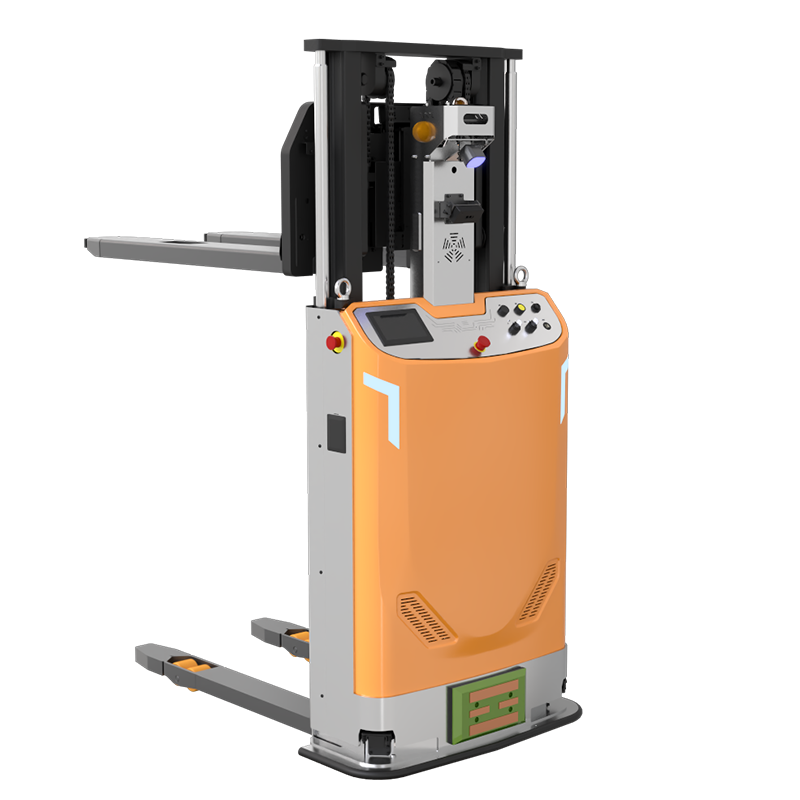 Core Match
2T 1.6M Slim Narrow-Body Stacker AGV Body for High-Density Storage
A practical option for compact Yokohama warehouses that need high-density pallet stacking with a narrow body and 1,600mm-class lift.
- 2T
- 1.6m
- Slim body
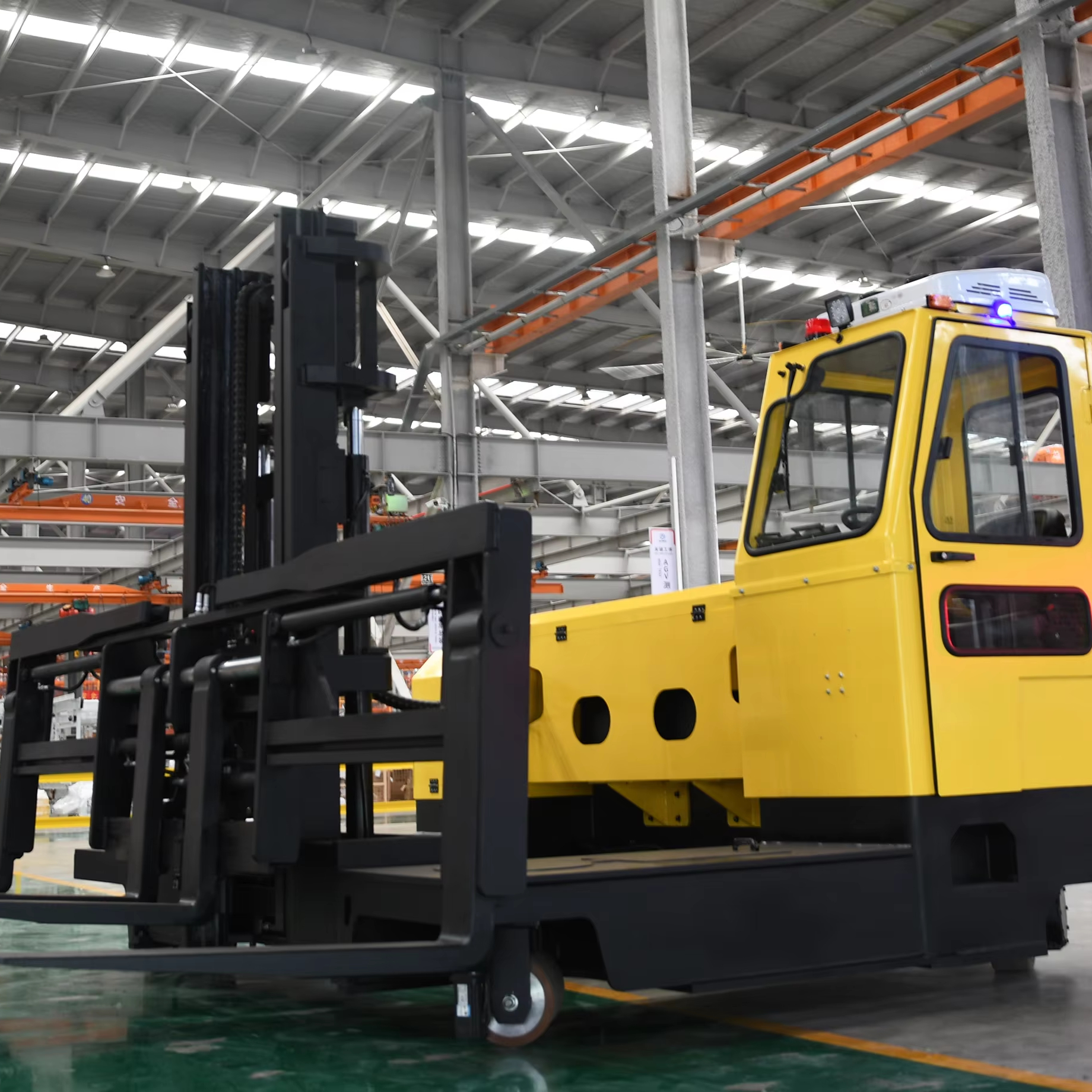 Side Loader
Multi-directional Reach Truck Stacker 3.5T / 5T Side Loader Forklift
For long-profile loads where a conventional reach truck needs too much turning clearance, a multi-directional side loader can improve yard and rack utilization.
- 3.5–5T
- Side loader
- Wide body seat
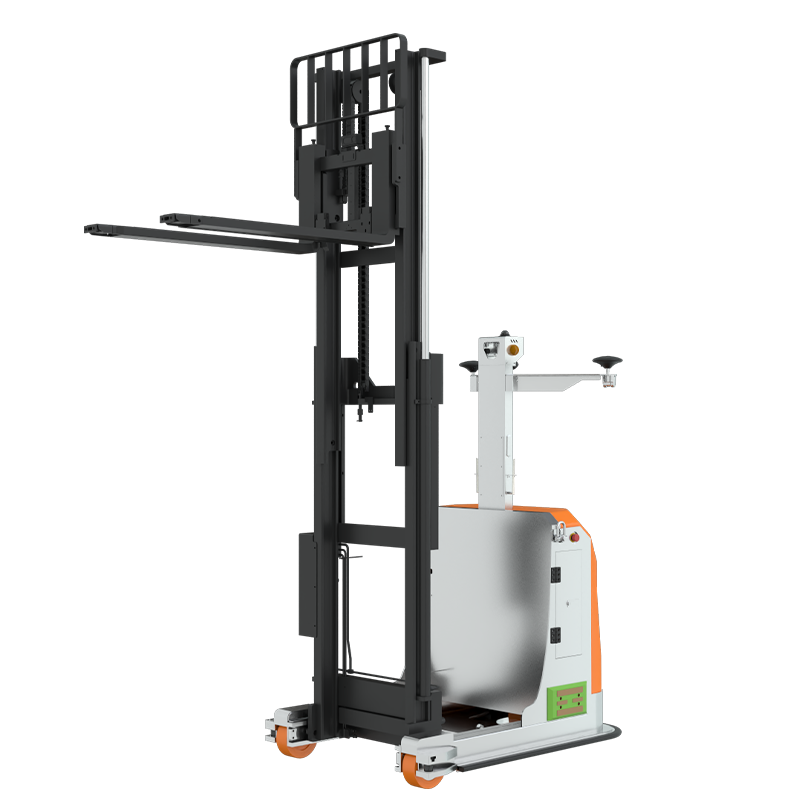 3D SLAM
1.5T 3M Compact Reach Truck AGV with 3D SLAM Navigation
A compact reach truck AGV for medium-height racking and tighter aisles, with fork-forward reach and 10mm-class positioning for repeatable handovers.
- 1.5T
- 3m
- 3D SLAM
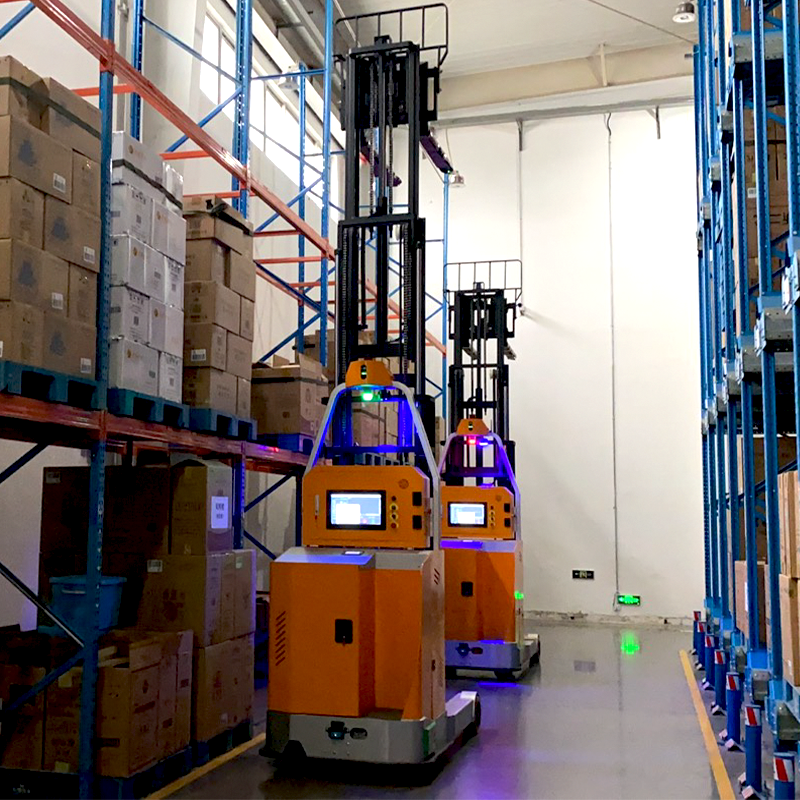 Laser SLAM
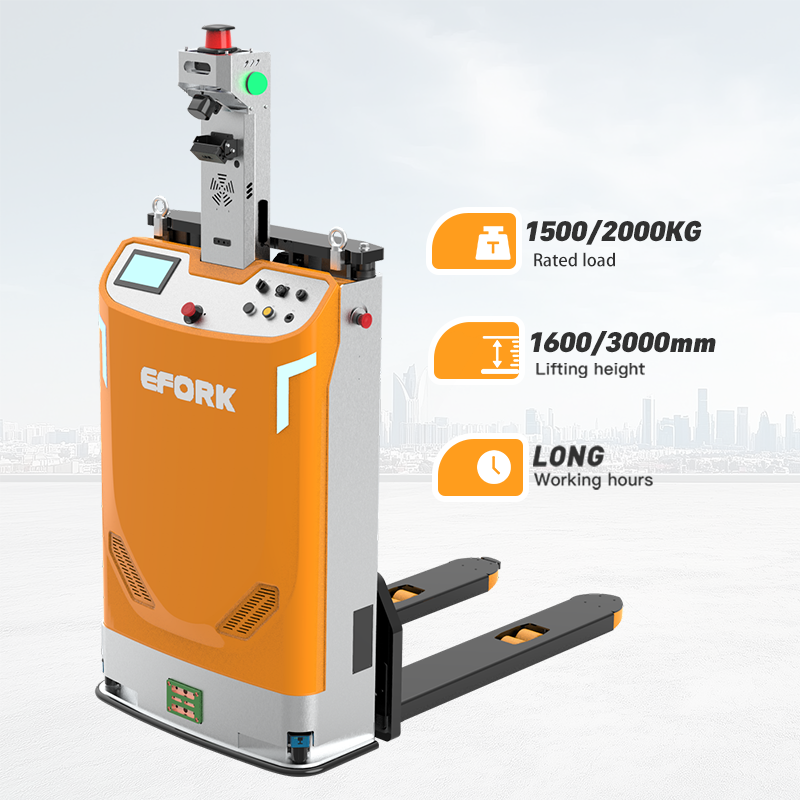
EFORK EQDA15-30 Automated Laser SLAM Reach Truck 1.5T
Designed for warehouse logistics with laser SLAM localization and ±10mm accuracy, suitable for repetitive pallet put-away and retrieval tasks.
- 1.5T
- ±10mm
- Warehouse logistics
 CE Certified
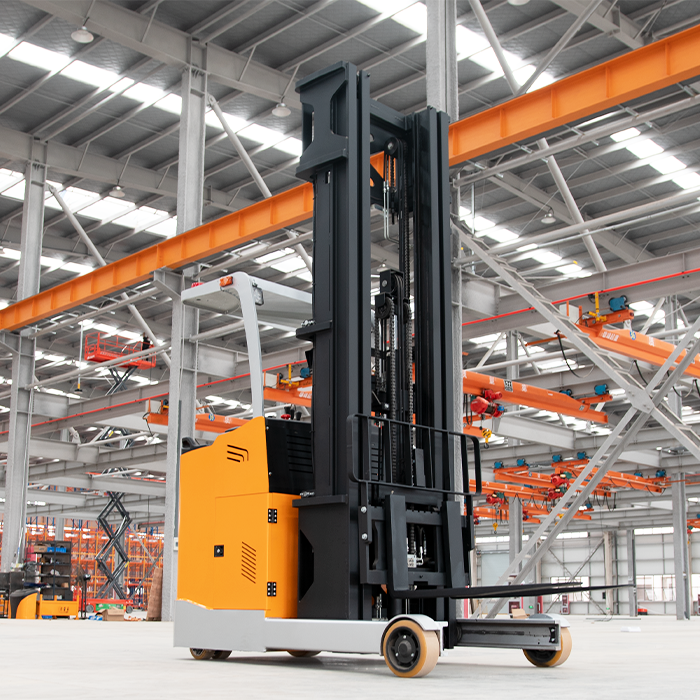
New Heli Yufeng EDA20-30 Slim Stacking AGV Forklift
CE certified 2T / 3M slim stacking AGV with 3D SLAM and WIFI/5G connectivity, positioned for mobile robot pallet stacking in modern warehouses.
- 2T
- 3m
- 3D SLAM
- WiFi / 5G
 Wholesale
China Wholesale 2000kg Industrial Forklift Pallet Truck
A wholesale-oriented 2,000kg industrial pallet truck option with multiple lift-height configurations for buyers comparing price, capacity and project fit.
- 2,000kg
- 6–12m options
- Good price
 Low Cost
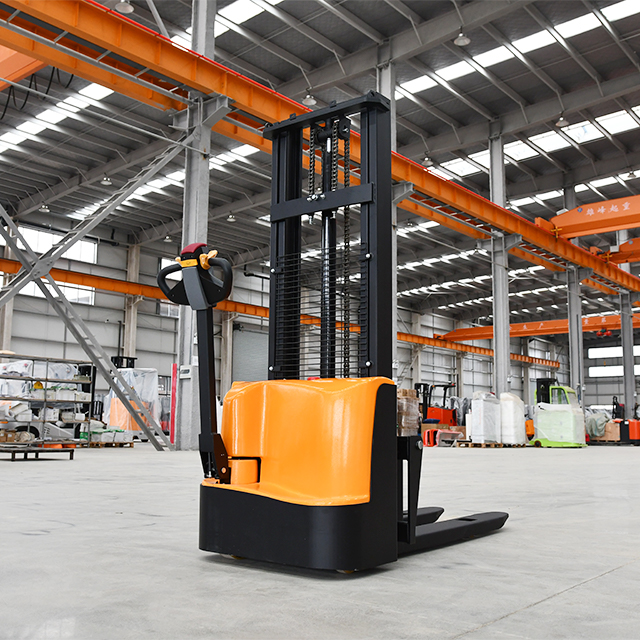
1Ton & 2Ton Full Electric Walkie Pallet Stacker
A cost-controlled walkie pallet stacker option with training wheels and flexible configurations, useful for staged automation or backup pallet handling.
- 1–2T
- Walkie type
- Training wheels
 4.5m Lift
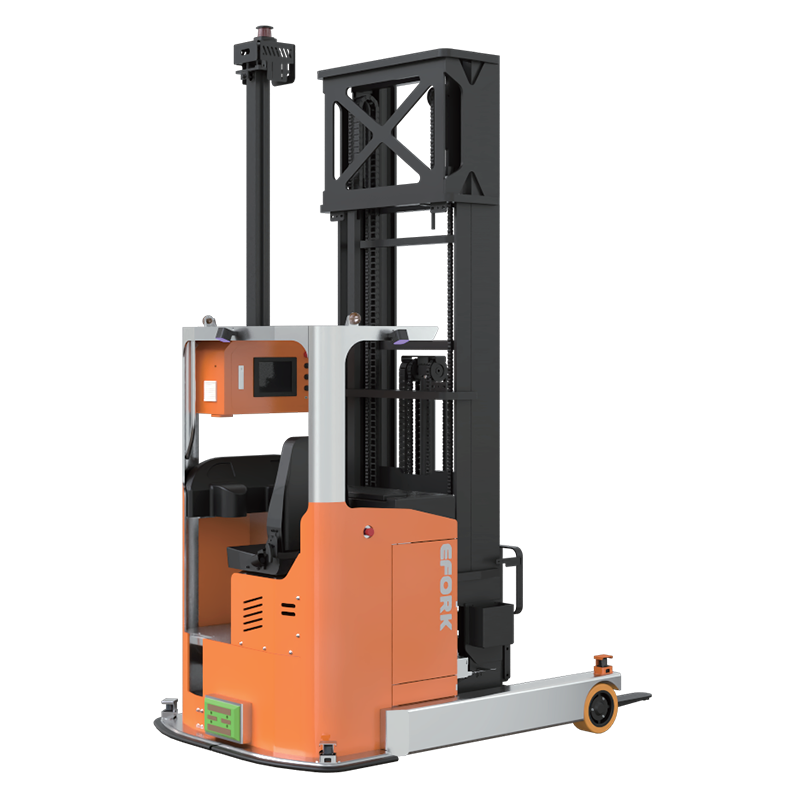
4.5M Reach Truck AGV Body 2T for Pallet Handling
CE certified 2T reach truck AGV body with laser SLAM navigation and 4.5m lifting for smart warehouse logistics and higher-density pallet handling.
- 2T
- 4.5m
- Laser SLAM
- CE
Manufacturing Scale, Documentation and Engineering Depth
For a Yokohama project, supplier capability must be verifiable. The published company profile supports a practical pilot-to-scale procurement path.
Total Staff
Onsite-verified workforceFactory Floorspace
Anhui production basesAnnual Revenue
Capacity for fleet ordersIntellectual Property
Plus 1 registered trademarkAnhui Nexrik Intelligent Technology Co., Ltd.
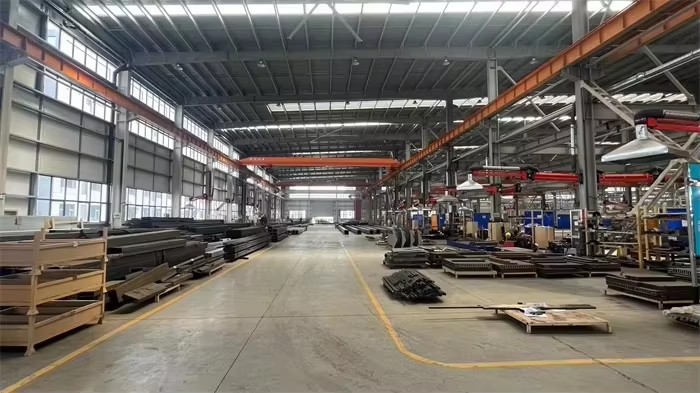
Nexrik is a manufacturer focused on the R&D, production and integration of intelligent warehousing equipment. Published company data shows 1,152 employees, 66,650 m² of floorspace, USD 100M+ annual revenue, 7 awarded patents, 7 international exhibitions and SGS onsite verification. The product range includes AGV forklifts, VNA AGVs, reach truck AGVs, counterbalanced AGVs, AS/RS stacker cranes, four-way shuttles and RGVs.
For a Yokohama buyer, this means one supplier can quote a pilot AGV or a phased turnkey project without changing documentation standards mid-project. Our engineering process starts with the load unit, rack drawing and throughput target, then selects navigation, fleet size and charging strategy. Manufacturing is supported by in-house production, onsite material and finished-product inspection, CE marking under the Machinery Directive 2006/42/EC for the AGV range, ISO 9001 and ISO 45001. OEM/ODM, buyer-label production, custom capacity, lift height, fork configuration and cold-storage variants are available. The minimum order is 1 set, which is practical for a Yokohama pilot before fleet expansion.
Published credentials also include Fortune 500 supplier experience, CE certification, ISO management systems and SGS onsite verification—valuable evidence for importers, tender teams and project insurers reviewing a new automation supplier.
In-House Production
Chassis, masts and control integration are built and tested on company lines, with material and finished-product inspection before shipment.
Engineering Customization
Load, lift height, fork size, battery configuration and cold-storage variants are engineered around the actual pallet and rack profile.
Export Documentation
CE, ISO 9001, ISO 45001 and SGS verification support customs review, tender submission and technical due diligence.
One-Stop System Scope
AGVs, stacker cranes, four-way shuttles and RGVs can be planned as one WMS-ready system rather than disconnected equipment.



Match the Equipment to the Yokohama Operation
Use this engineering reference to shortlist equipment before requesting a layout proposal.
| Equipment Family | Typical Capacity | Lift / Height | Navigation | Best-Fit Yokohama Application |
|---|---|---|---|---|
| 2T 1600mm Laser AGV Forklift | 2,000 kg | 1,600 mm | Laser / reflector | Low-to-mid racking, transfer, dock staging and pallet buffering |
| Slim Narrow-Body Stacker AGV | 2,000 kg | 1.6m class | Laser / 3D SLAM | High-density storage, tight floor plans and narrow-body stacking |
| Reach Truck AGV | 1.5–2T | 3,000 mm | 3D SLAM | Selective racking where aisle space is tighter than counterbalanced trucks allow |
| Multi-directional Side Loader | 3.5–5T | Project-specific | Laser / 3D SLAM | Long-profile loads, side-loading, wide-body operations and mixed yard handling |
| Counterbalanced AGV | 1.5–3T | 3,000 mm | 3D SLAM | Closed-bottom pallets, cages, trailer docks and production-line handovers |
| VNA 3-Way AGV | 1.6T | 7–11 m | 3D SLAM | Very narrow aisle and high-bay pallet storage where building height matters |
| AS/RS Stacker Crane | 1–5T | Up to 40 m | Rail-guided / WMS-WCS | High-bay automated warehouses and frozen-storage projects |
| Four-Way Shuttle System | 1–2T | Multi-level via lifts | Rail-guided / ±2mm | Dense pallet storage with flexible FIFO / LIFO logic |
The exact model for Yokohama must be confirmed by layout drawing, pallet weight distribution, rack beam height, aisle width, floor tolerance, safety scanner arrangement and local electrical supply. CE marking is a European conformity route; Japanese site acceptance still requires local risk assessment and employer-based safety confirmation.
Yokohama Buyer Questions Before Ordering
These answers address the technical and commercial checks most often raised by importers, 3PL operators and project engineers.
Is CE certification sufficient for a Yokohama installation?
CE is a European conformity mark and is valuable evidence of machine safety design, documentation and export readiness. For a Yokohama installation, the buyer should still complete a Japanese site risk assessment, confirm guarding and traffic rules, and verify the final configuration against the employer’s safety obligations. Request the CE declaration, risk assessment file, electrical drawings and maintenance manual for review.
Can a 2T 1600mm laser AGV work in our existing aisle?
Often it can, but aisle width alone is not enough to decide. The calculation must include pallet size, load overhang, rack upright protection, turning clearance, safety scanner fields, pedestrian traffic and battery-charging location. Send a rack drawing and a short aisle video. A 1,600mm lift model may fit low-to-mid racking, while a 3m reach truck or 4.5m reach AGV may be required for higher beams.
What electrical configuration should be checked for Yokohama?
Do not assume the export charger matches the site. Confirm site voltage, frequency, plug type, breaker capacity, earthing, charging location and emergency stop arrangement. Yokohama is in Japan’s 50Hz area, but each facility still needs verification. The factory can configure the charger and documentation for the project, while final electrical approval remains with the local installer.
What is the minimum order quantity and can we pilot first?
The MOQ is 1 set for listed models. A pilot can validate route cycle time, WMS handshake, safety acceptance and operator workflow before a larger order. Define success metrics before shipment: pallet moves per shift, average transfer time, positioning accuracy, manual intervention rate, uptime and charging efficiency.
Should we choose laser navigation or 3D SLAM?
Reflector laser navigation offers predictable localization on fixed lanes and is often suitable for stable pallet routes. 3D SLAM uses natural features and can shorten preparation in changing buildings. For a Yokohama brownfield, choose after a site survey: ceiling height, rack density, glass, reflective surfaces, pedestrian traffic and route stability all affect the result. A hybrid or phased approach may also be appropriate.
How are installation, training and after-sales handled?
Typical scope includes remote commissioning support, English documentation, spare-parts kits and operator training. Local Japanese installation support can be agreed with the importer or service partner. Before ordering, define response expectations, spare-parts list, warranty terms and who performs periodic safety checks.
Can the AGV integrate with our WMS or ERP?
Yes, interface requirements are defined during solution design. For AGV projects, the handshake may include task creation, pallet ID, source/destination, priority and exception status. For AS/RS and shuttle systems, WMS/WCS integration is part of the scope. Test the exception path—not only the normal pallet flow.
What should we send for a fast Yokohama quotation?
Send rack layout, pallet dimensions and weight, load centre, required lift height, aisle width, floor flatness data, throughput by hour and shift, existing WMS/ERP, voltage and frequency, safety requirements and target go-live. A short video of the aisle and a photo of the dock area are also valuable for engineering review.
Send Your Yokohama Layout—Get a Practical AGV Recommendation
Our engineers can review your pallet profile, rack height and throughput target, then propose a pilot model or a phased fleet plan. Include the points below for a more useful first response.
- Rack drawing and aisle width
- Pallet size, weight and load centre
- Required lift height and throughput
- Voltage, frequency and charging window
- WMS / ERP interface requirement
- Target launch area: receiving, line-side, storage or dispatch