Eight Autonomous Forklift Platforms for Mérida Warehouses
These are the most relevant starting points for distributors, 3PLs and manufacturers evaluating driverless pallet handling in Mérida. Every model below can be specified with load capacity, lift height, fork dimensions and battery configuration for the actual project.
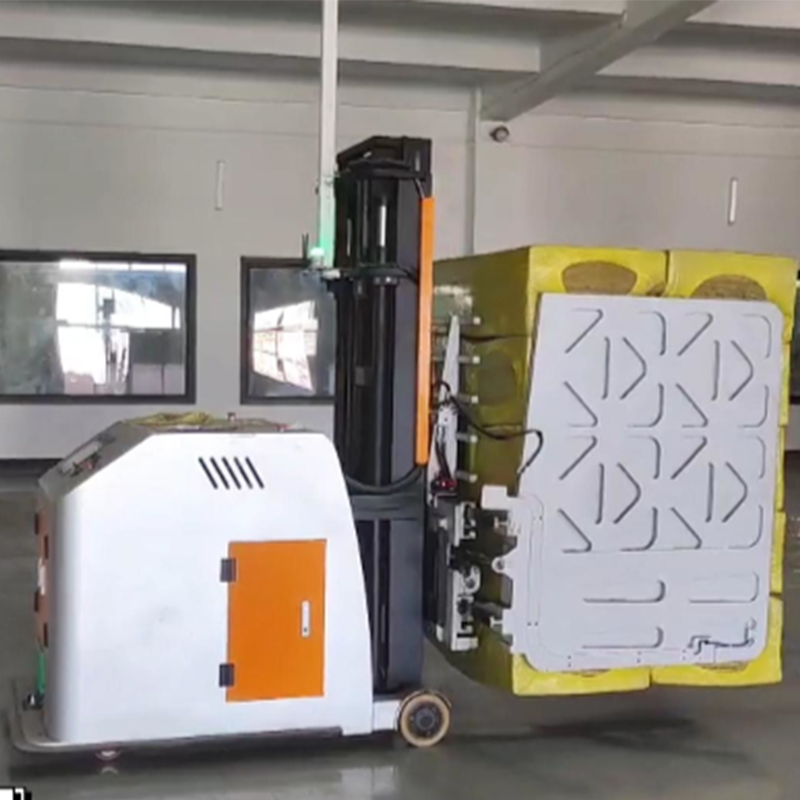 3D SLAM
3T
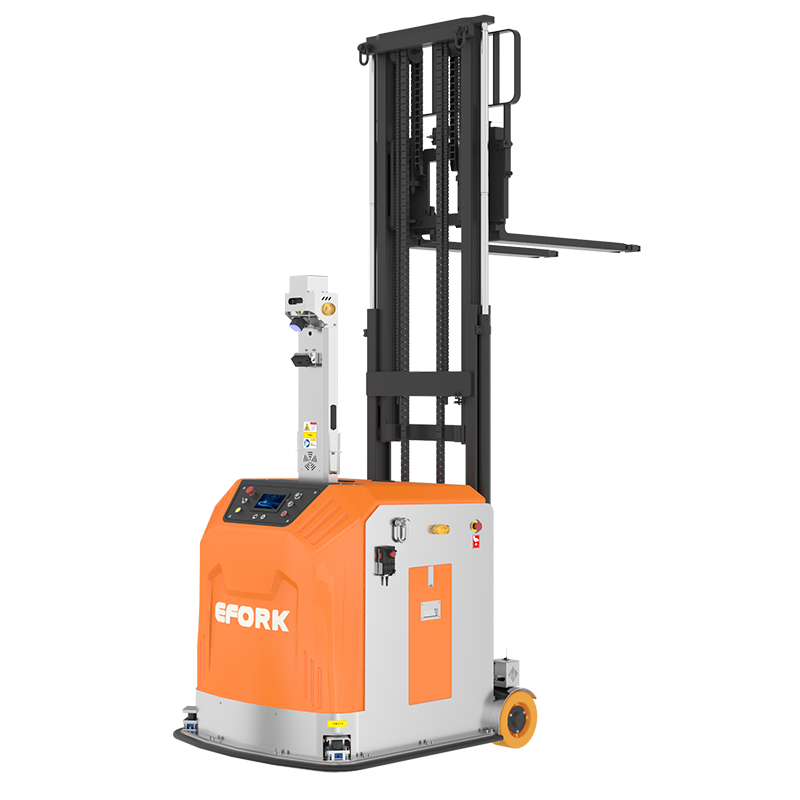
EFORK Automated Guided Vehicle AGV Forklift 3T 3000MM Counterbalanced 3D SLAM Construction Factory Logistics Pallet Truck
- 3,000 kg
- 3,000 mm lift
- No outriggers
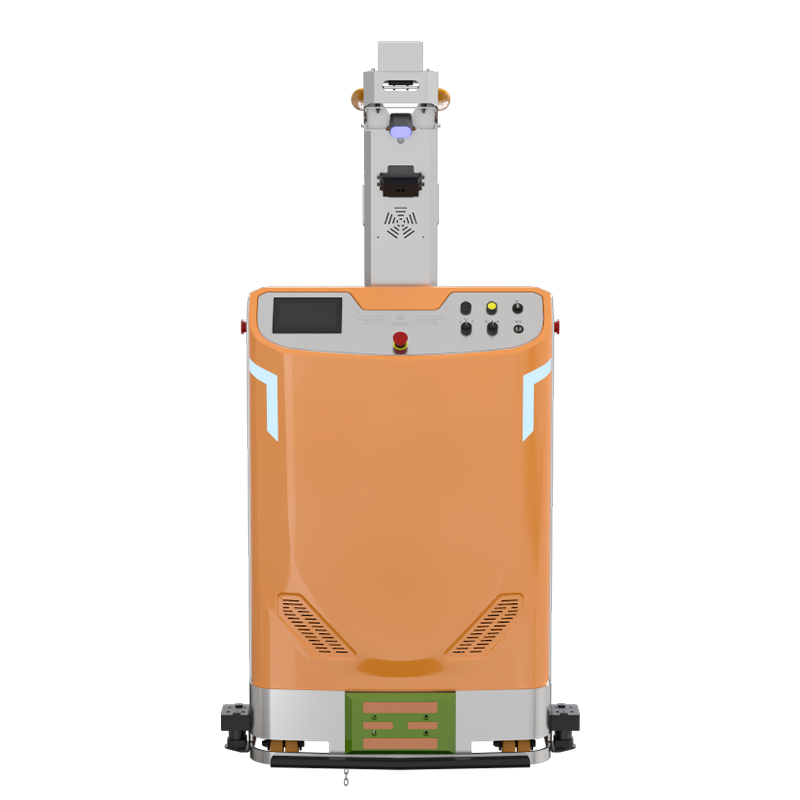 3D SLAM
Compact
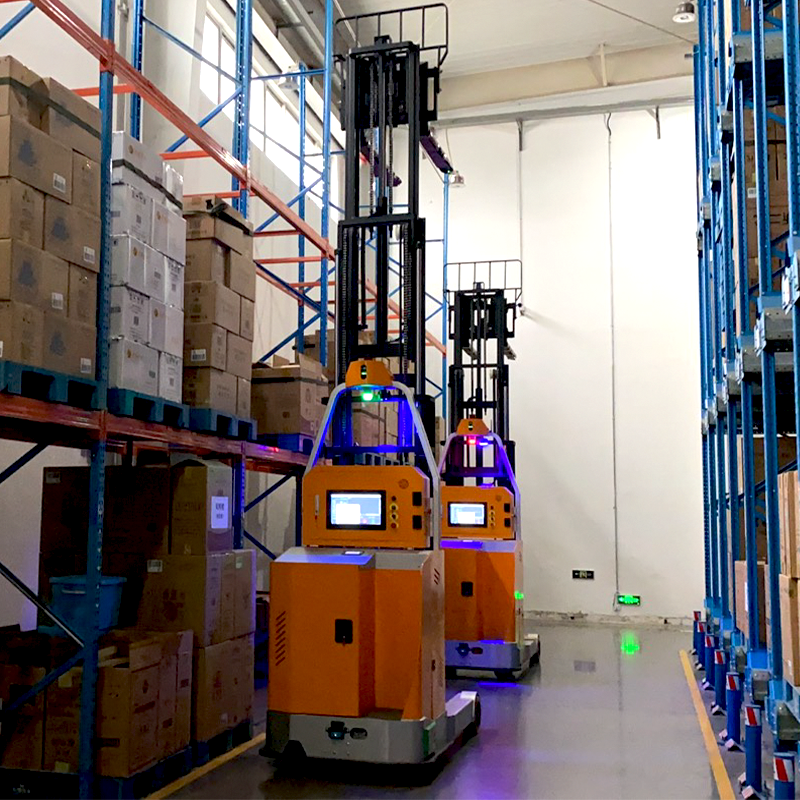
2T Material Handling AGV Body Narrow Body Compact Chassis 3D SLAM Navigation Laser Obstacle Avoidance for Workshop Transport
- 2,000 kg
- Narrow body
- Laser avoidance
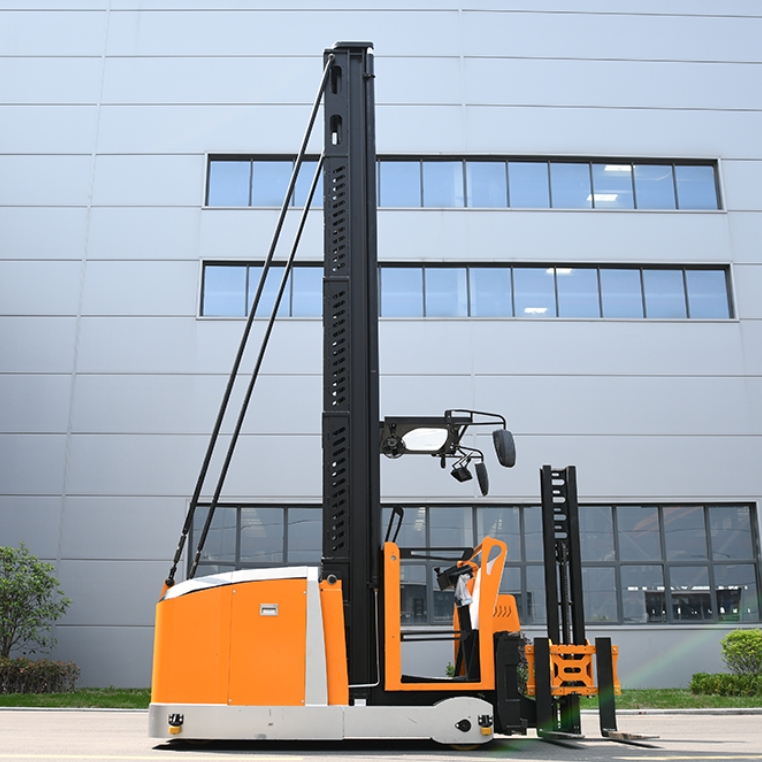 VNA
1.5T
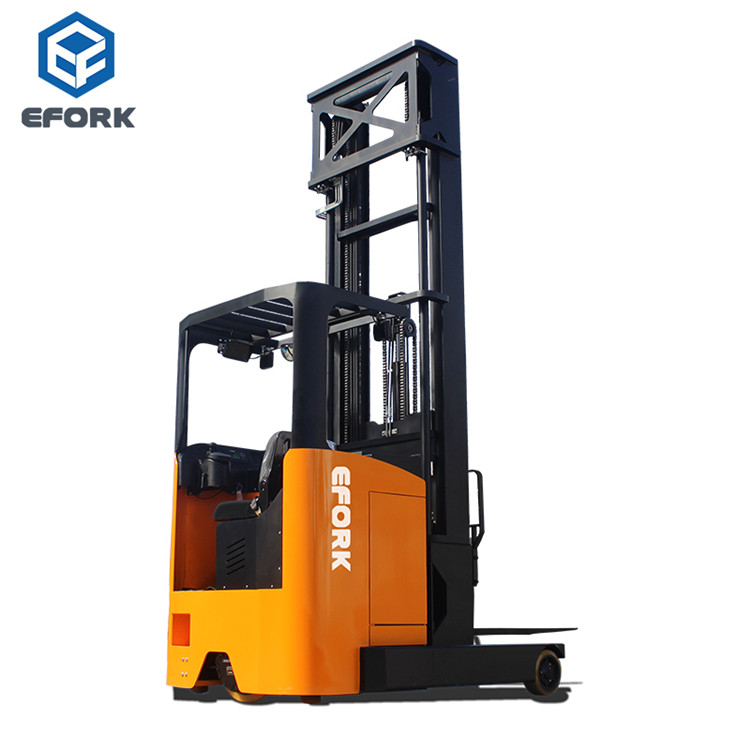
New 1.5T Manual Electric 3-Way Pallet Stacker Forklift 3 Way Manup Vna Forklift with 1600kg Loading Capacity AC Motor Powered
- 1,600 kg
- 3-way fork
- VNA aisle
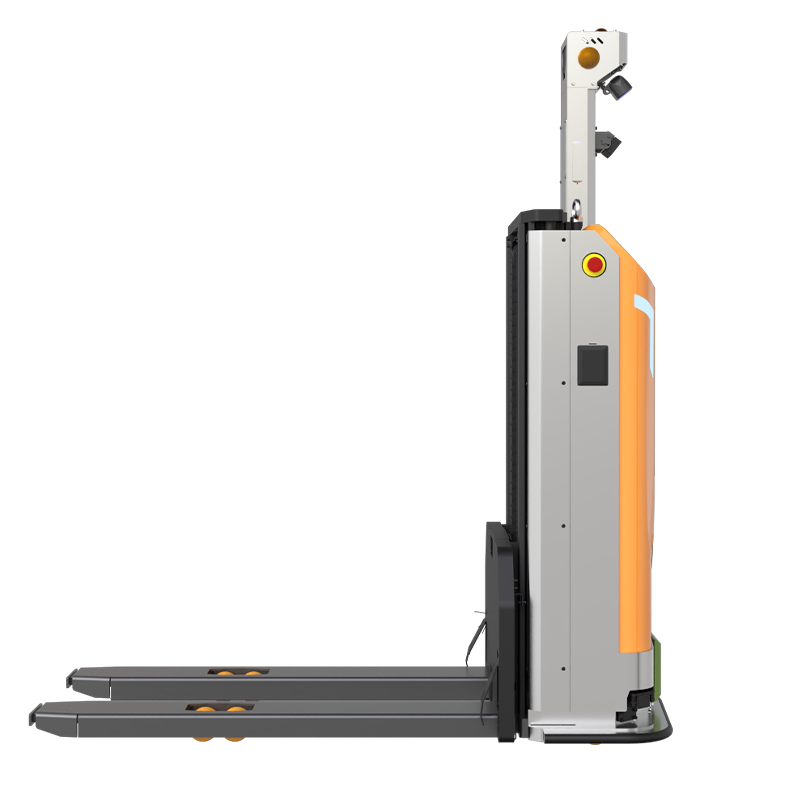 Slim Body
3 m
2T 3 M Slim Narrow-Body Stacker AGV High-Density Storage Pallet Stacking AGV for Narrow Aisles Warehouse Automation
- 2,000 kg
- 3,000 mm lift
- High density
 Laser SLAM
±10 mm
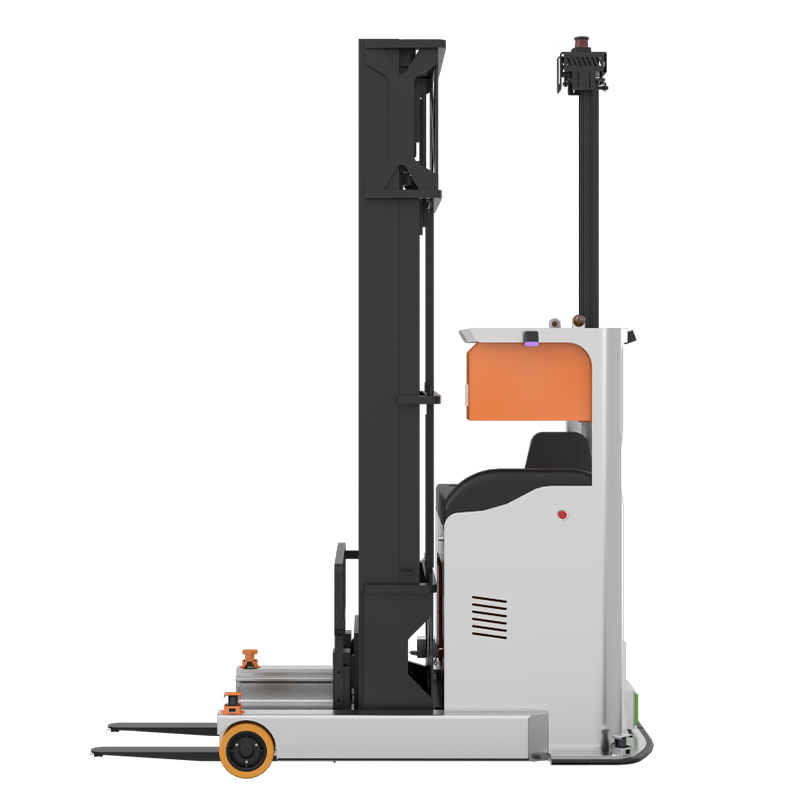
EFORK EQDA15-30 Automated Reach Truck Laser SLAM Navigation 1.5T Capacity ±10mm Accuracy Forklift for Warehouse Logistics
- 1,500 kg
- Laser SLAM
- ±10 mm
 6.5 m
2T
Heli Yufeng CQDE20HJ-65S 2T 6.5M Reach Truck AGV Body Laser Slam Navigation for Pallet Handling High Lifting Smart Warehouse
- 2,000 kg
- 6,500 mm lift
- Smart warehouse
 2,000 kg
12 m / 8 m / 6 m
CQDE China Wholesale 2000kg 12m 8m 6m Industrial Forklift Pallet Truck Good Prce
- 2,000 kg
- 12 m / 8 m / 6 m
- Industrial duty
 Heavy Duty
WiFi / 5G
EFORK Heavy Duty Forklift AGV Counterbalanced Body 2T 3M Fork Legs High Flexibility 3D SLAM Navigation WIFI/5G for Pallet
- 2,000 kg
- 3,000 mm lift
- WiFi / 5G
- SGS Onsite Verified
- CE · 2006/42/EC
- ISO 9001 & ISO 45001
- MOQ 1 Set
- OEM / ODM / Customization
- 7 Patents Awarded
Manufacturing Scale You Can Verify
Autonomous warehouse projects are approved by operations but signed off by finance, procurement and compliance. The figures below come from the company’s verified profile and the onsite inspection record that supports buyer due diligence.
Total Staff
Verified by independent onsite inspectionFactory Floorspace
Production bases in Anhui, ChinaAnnual Revenue
Stable capacity for fleet ordersAwarded Patents
Plus 1 registered trademarkWhy Autonomous Forklifts Fit Mérida’s Warehouse Reality
Mérida is not a copy-and-paste automation market. As the commercial capital of Yucatán, it serves a wide hinterland that stretches from the port of Progreso to Valladolid, Campeche and the Cancún corridor. Warehouses here handle imported consumer goods, food and beverage, building materials, automotive aftermarket parts, e-commerce parcels and regional distribution loads. The common thread is not simply labour cost; it is the need for repeatable pallet movement, safer docks and better space utilisation as land and talent become more expensive.
The climate changes the equipment specification. High humidity, seasonal heat and salt-laden air near the coast can challenge sensors, wiring, battery compartments and steel finishes. A responsible AGV proposal for Mérida should therefore discuss thermal management, corrosion protection, IP-rated components and service access before it discusses price. It should also explain how 3D SLAM behaves when natural features change, how Wi-Fi coverage is validated, and how the local team will recover the fleet after a power interruption.
Nearshoring has added another layer. Buyers in Yucatán are increasingly comparing Mexico’s southeast with other industrial regions for inventory positioning, and they want suppliers who understand customs documents, Spanish-language training, spare-parts planning and WMS integration. A factory that can ship a single pilot unit and then scale to a fleet is more useful than a catalogue that only sells in volume. That is why MOQ 1 set, OEM/ODM support and export-ready documentation matter in this market.
Practical Mérida Specification Checklist
- Confirm floor flatness, expansion joints and rack tolerances before choosing lift height.
- Review humidity, ambient temperature and salt exposure for sensors, batteries and coatings.
- Map Wi-Fi or 5G coverage along every route, including dock aprons and blind corners.
- Define pallet types, load centres, closed-bottom pallets and trailer-dock constraints.
- Plan charging locations, power quality and backup procedures for peak shifts.
- Agree Spanish operator documentation, training scope and spare-parts coverage.
Where These AGV Forklifts Create Local Value
Mérida buyers usually begin with a narrow operational problem: a dock that cannot keep pace, a narrow aisle that limits storage, a night shift that struggles to recruit, or a line-side replenishment route that consumes too much forklift time. The most successful projects match the machine to that problem rather than automating the whole building at once.
Port-adjacent pallet staging
For importers moving containers through Progreso, a 3T counterbalanced AGV can shuttle pallets from receipt to staging without waiting for a human driver. The value is strongest where trailer docks, inspection areas and put-away zones sit within one controlled route.
3T counterbalanced modelNarrow-aisle high-bay storage
As industrial land in and around Mérida becomes more valuable, the economics shift toward taller racks and tighter aisles. A 2T slim stacker or 3-way VNA platform helps buyers increase pallet positions without expanding the building footprint.
Slim stacker AGVFood, beverage and cold-chain logistics
Cooler and freezer operations place a premium on consistent cycle times and controlled door openings. Reach truck AGVs and heavy-duty counterbalanced units can be specified for condensation, low-temperature lubrication and wash-down-friendly component protection after a site review.
6.5 m reach truck AGVAutomotive, appliance and maquiladora lines
Line-side replenishment rewards repeatability more than raw speed. Compact 2T AGV bodies and heavy-duty 2T counterbalanced models can move closed-bottom pallets, returnables and component racks along fixed routes while operators focus on assembly and quality.
Heavy-duty 2T AGVSix Developments Shaping Mérida Intralogistics
The business case for autonomous forklifts in Yucatán is being shaped by far more than equipment price. These six trends explain why buyers are asking for pilots, phased rollouts and documented integration plans.
Inventory is moving closer to the end customer
Nearshoring continues to redistribute inventory and production across Mexico. For Mérida, that means more regional distribution centres, more imported palletised goods and more pressure to turn around containers quickly without adding permanent forklift shifts.
Progreso strengthens the port-to-warehouse link
Progreso is the peninsula’s gateway for many imported goods. As cargo volumes and inland distribution grow, warehouses need predictable pallet flow from receiving to put-away. Autonomous forklifts reduce dependence on driver availability at peak dock windows.
High-density storage becomes a financial priority
Land and construction costs make every square metre count. Narrow-aisle stackers, 3-way VNA trucks and reach AGVs allow higher racking and tighter aisles, while 3D SLAM reduces the need for floor tape and reflector arrays that can disrupt operations.
Safety and retention outrank simple labour savings
Mérida’s logistics labour market is becoming more competitive as new distribution and manufacturing projects arrive. Buyers increasingly value AGVs for night-shift consistency, reduced forklift-related risk and the ability to redeploy trained staff to higher-value tasks.
Power resilience and solar adoption influence design
Rising energy costs and interest in rooftop solar are pushing warehouses to plan charging around tariff windows and production peaks. Battery capacity, opportunity charging and backup procedures should be part of the AGV business case, not an afterthought.
WMS visibility is becoming the new baseline
Operators want real-time pallet location, task status and exception alerts. WMS-ready equipment and documented interfaces reduce commissioning risk, while Spanish-language HMIs and training help local teams adopt the system faster.
Factory-Direct Support for Long-Term Automation
Anhui Nexrik Intelligent Technology Co., Ltd. manufactures AGV forklifts, AS/RS stacker cranes, four-way shuttle systems and RGVs from production bases in Hefei, Anhui. Buyers dealing with Mérida projects get direct access to engineering, customization and export documentation rather than a chain of resellers.
In-house manufacturing scale
Chassis, mast integration and control assembly are managed on company production lines, supported by onsite material and finished-product inspection before shipment. A 66,650 m² footprint gives fleet orders room to scale.
3D SLAM and laser navigation
Choose 3D SLAM for natural-feature localization with less floor modification, or laser navigation for highly repetitive fixed routes. The right choice depends on rack geometry, traffic and how often the layout changes.
One-stop turnkey integration
AGV forklifts, AS/RS stacker cranes, four-way shuttles and RGVs can be engineered as one WMS-ready system. That reduces interface risk when a Mérida project grows from a pilot pallet route to a multi-zone warehouse.
Compliance and export readiness
CE marking under Machinery Directive 2006/42/EC, ISO 9001 and ISO 45001 systems, SGS onsite verification and 7 awarded patents support tender review, customs clearance and importer due diligence.



Which Model Fits Your Mérida Operation?
Use this comparison to shortlist a platform before requesting a layout review. Final specifications should always be confirmed against pallet drawings, rack elevations, floor conditions and throughput data.
| Operating Need | Recommended Platform | Typical Load | Lift / Format | Why It Fits |
|---|---|---|---|---|
| Dock-to-staging transfer | EFORK 3T 3D SLAM Counterbalanced AGV | 3,000 kg | 3,000 mm | No front outriggers; handles closed-bottom pallets and trailer interfaces. |
| Narrow-aisle pallet storage | 2T 3M Slim Narrow-Body Stacker AGV | 2,000 kg | 3,000 mm | Compact body supports higher-density layouts where aisle width is constrained. |
| Very narrow aisle and 3-way handling | 1.5T Electric 3-Way VNA Pallet Stacker | 1,600 kg | 3-way fork | Left, right and forward fork action reduces truck rotation in tight aisles. |
| High lifting in a smart warehouse | Heli Yufeng 2T 6.5M Reach Truck AGV | 2,000 kg | 6,500 mm | Laser SLAM reach platform for higher racking and pallet handling routes. |
| Workshop transport with compact chassis | 2T Compact 3D SLAM Material Handling AGV | 2,000 kg | Narrow body | Laser obstacle avoidance and compact footprint for mixed workshop traffic. |
| Heavy-duty mixed pallet flows | EFORK Heavy Duty 2T 3D SLAM AGV | 2,000 kg | 3,000 mm | Counterbalanced body, WiFi/5G connectivity and high flexibility for changing routes. |
| High-accuracy laser navigation | EFORK EQDA15-30 Automated Reach Truck | 1,500 kg | ±10 mm | Laser SLAM with tight positioning accuracy for repetitive warehouse logistics. |
| Industrial pallet truck applications | CQDE 2000kg Industrial Forklift Pallet Truck | 2,000 kg | 12 m / 8 m / 6 m | Configurable height options for buyers comparing multiple warehouse zones. |
Values reflect standard configurations of the listed models. Final capacity, lift height, fork dimensions and navigation choice are confirmed during project engineering.
Shipping, Documentation and Support for Mérida Buyers
A successful automation project is not finished when the machine leaves the factory. For Mérida, the practical scope includes port routing, customs documents, Spanish-language training, floor preparation, network validation and a spare-parts plan.
Logistics and trade documents
- Shipments can be routed through Progreso or alternative Mexican ports such as Altamira, Veracruz or Manzanillo depending on sailing schedules and inland cost.
- Accepted Incoterms include FOB, CFR, CIF, EXW, FAS, CIP and DDP; express delivery can be discussed for urgent spare parts.
- Payment methods include L/C, D/P, D/A, MoneyGram, credit card and Western Union in USD, EUR or CNY.
- Export documents typically include commercial invoice, packing list, bill of lading, CE declaration and technical file. Your Mexican importer and customs broker should confirm NOM scope, the Padrón de Importadores and CFDI requirements.
Site readiness and lifecycle support
- Review floor flatness, joints, aisle width, rack tolerances and charging bay access before equipment selection.
- Validate Wi-Fi or 5G coverage along the full route, including docks, ramps, cold rooms and blind corners.
- Define Spanish operator documentation and training scope during project planning so local teams can adopt the system confidently.
- Plan remote diagnostics, spare-parts supply and fleet expansion. A single pilot unit can later be integrated into a larger WMS-ready system.
Questions Local Buyers Ask First
These are the procurement, technical and after-sales questions that commonly arise when a Mérida-based distributor or manufacturer evaluates an autonomous forklift pilot.
Are AGV forklifts suitable for Mérida’s heat and humidity?
Yes, but the specification matters. During solution design, review ambient temperature, humidity, salt exposure and condensation risk. Protective treatments, IP-rated sensors, battery compartment design and service access can be discussed for the actual site. A machine designed for a dry, cool warehouse should not be assumed to perform the same way in a coastal Yucatán environment.
Can you ship to Progreso, and which Incoterms are supported?
Progreso is a practical gateway for many Mérida projects, and alternative Mexican ports can be evaluated for schedule or inland-cost reasons. Supported terms include FOB, CFR, CIF, EXW, FAS, CIP and DDP. Payment can be made by L/C, D/P, D/A, MoneyGram, credit card or Western Union in USD, EUR or CNY.
Do you provide Spanish documentation and operator training?
Spanish-language operator documentation and training can be arranged as part of the project scope. The most successful rollout combines factory documentation, video-based familiarisation, onsite commissioning support and a train-the-trainer plan so that the local maintenance team can handle daily checks and first-line troubleshooting.
What should we know about NOM, customs and CFDI?
The Mexican importer of record is normally responsible for customs clearance, the Padrón de Importadores and fiscal documents. Your customs broker should confirm whether the specific machinery falls within a NOM scope. The manufacturer can provide commercial invoices, packing lists, bills of lading, CE documentation and technical files to support the import process. CFDI is issued within Mexico by the importer or fiscal representative.
What is the minimum order quantity?
The MOQ is 1 set for every AGV forklift, stacker crane and four-way shuttle model. That allows a Mérida buyer to run a pilot on one route, validate cycle time and safety performance, then scale to additional trucks after internal approval. Fleet pricing and phased delivery can be discussed once the layout is confirmed.
Can the AGV fleet integrate with our local WMS or ERP?
AS/RS and four-way shuttle systems are designed to be WMS-ready, and AGV fleets can be integrated through a defined interface. The project team should document task assignment, pallet location, exception handling and reporting requirements during solution design, then test the interface during commissioning before go-live.
What floor, network and power preparation is required?
Floor flatness, joint condition, aisle width and rack tolerance should be checked before the final model is selected. Wi-Fi or 5G coverage must be validated along every route, including dock areas and turns. Charging locations, power quality and backup procedures should also be planned so that peak shifts are not interrupted by battery management issues.
How is after-sales support handled after delivery?
Lifecycle support can include remote diagnostics, spare-parts supply, fleet expansion planning and scheduled service review. For overseas projects, the scope of onsite commissioning and training is agreed before shipment. A practical spare-parts list should be defined with the local maintenance team so that high-wear components are available without long customs delays.
Request a Mérida-Specific Layout and Fleet Proposal
Send your pallet drawings, rack layout, throughput target and site photos. The engineering team can recommend the right mix of 3D SLAM AGV forklifts, VNA stackers, reach trucks or heavy-duty counterbalanced units, then outline the pilot and scale-up path for your Mérida warehouse.