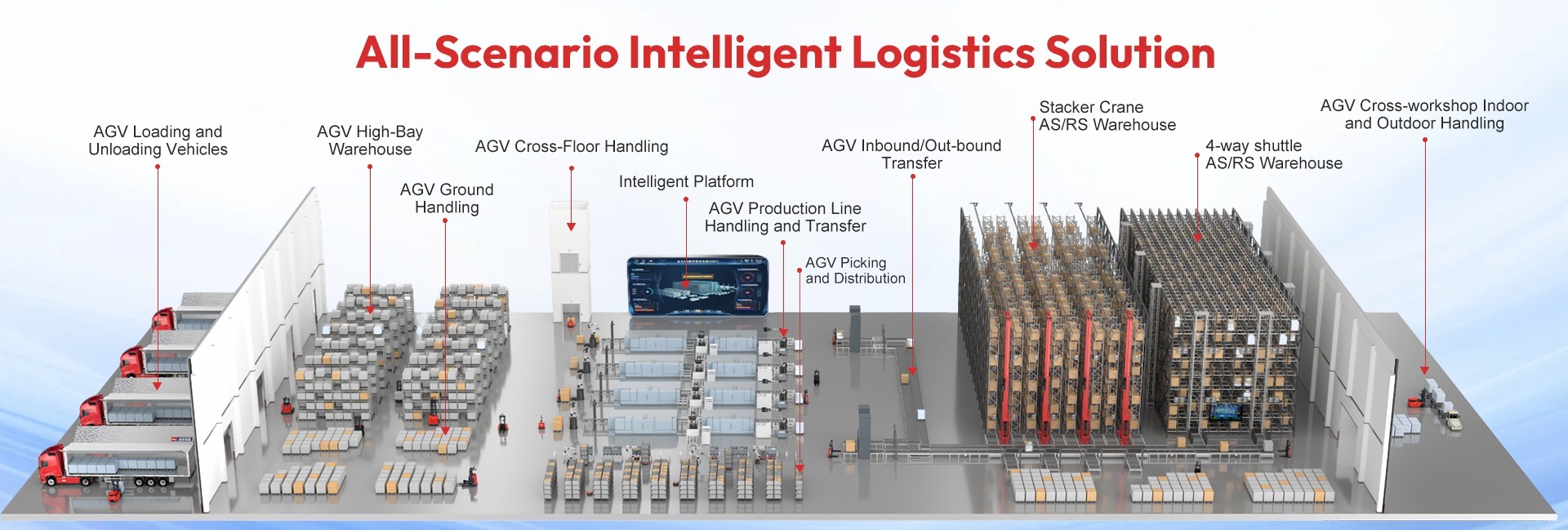
Eight Autonomous Navigation Robots for Davao City Warehouses
For Davao City buyers, the fastest way to compare robotic equipment is through a workflow, not a brochure. These eight models cover low-level pallet transfer, cold-chain staging, narrow-aisle high racking, container devanning and WMS-ready storage. Product URLs are kept exactly as published so engineering teams can move from this page to full specifications without losing context.
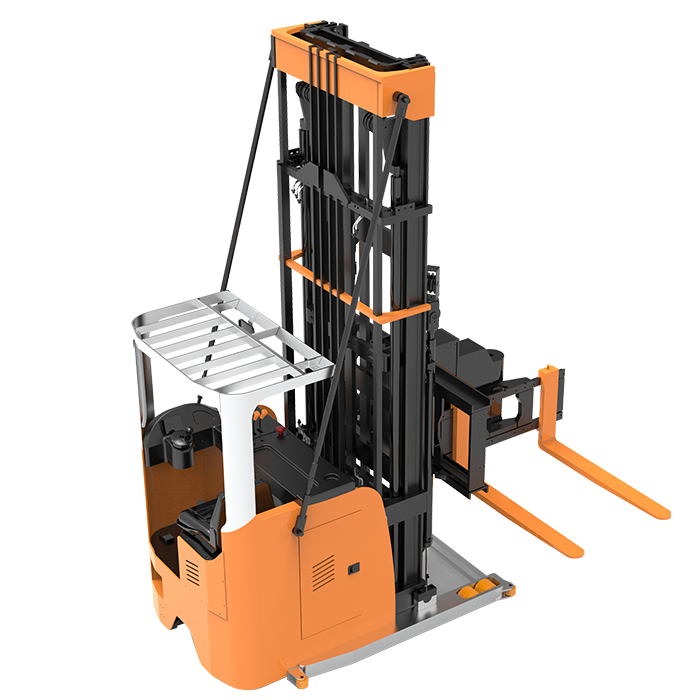
Narrow Aisle 3 Way 1600kg 1.6 Tons 1.5 Tons 3 Tons Certified Electric Forklift Three Stage Mast
- 1.6–3T
- Three-stage mast
- CE electric
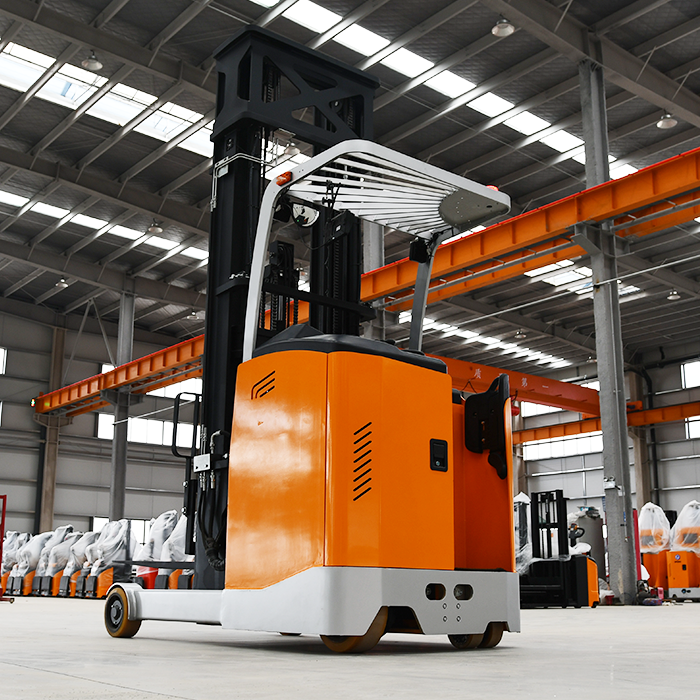
China Wholesale 2000kg 12m 8m 6m Industrial Forklift Pallet Truck High-Speed Steel Hot-Dip Galvanized Good Price
- 2,000kg
- Hot-dip galvanized
- Export-ready
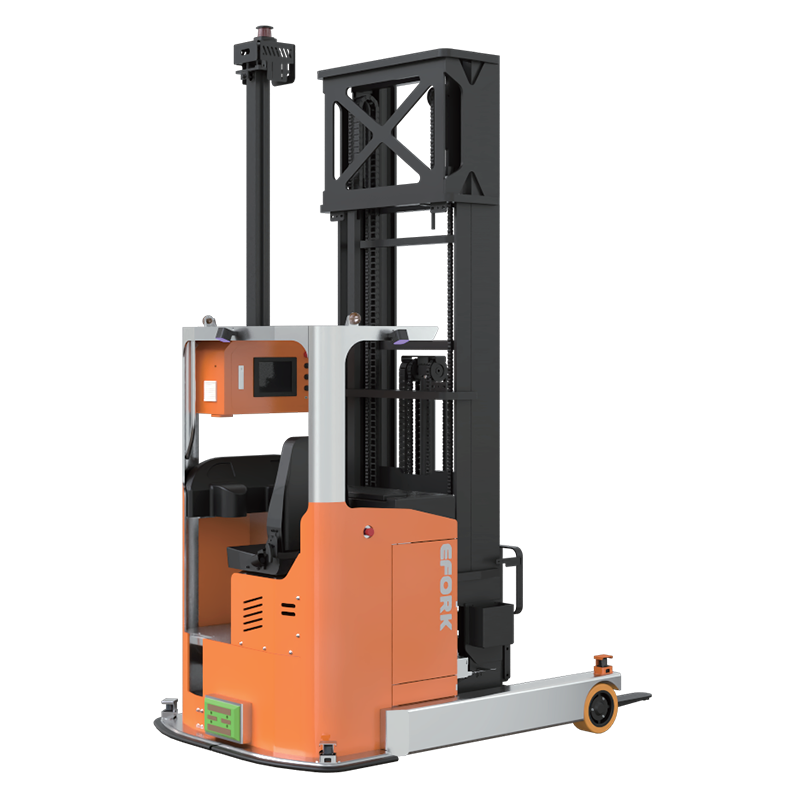
4.5M Reach Truck AGV Body 2T for Pallet Handling High Lifting Smart Warehouse Logistics Robot Laser Slam Navigation CE Certified
- 2T
- 4.5m lift
- Laser SLAM
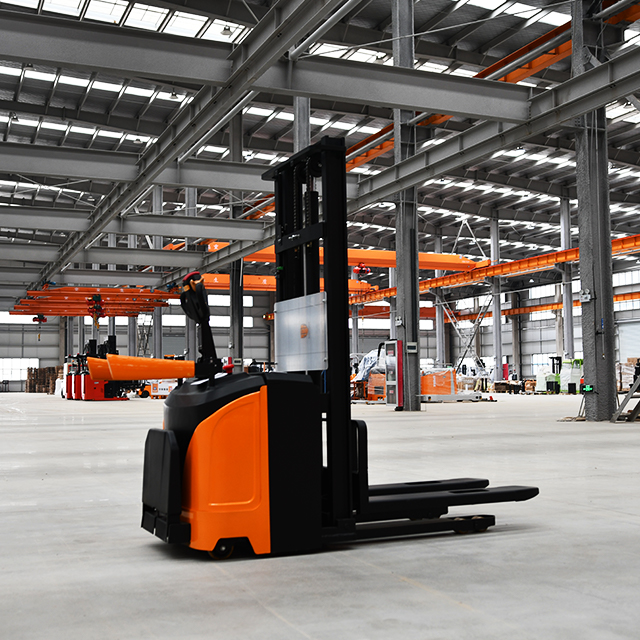
Factory Direct Sales Electric Pallet Lift Stackers 1.5-Ton 2-Ton 3Ton 3m 4m 5m Portable Self-Loading
- 1.5–3T
- 3–5m lift
- Self-loading
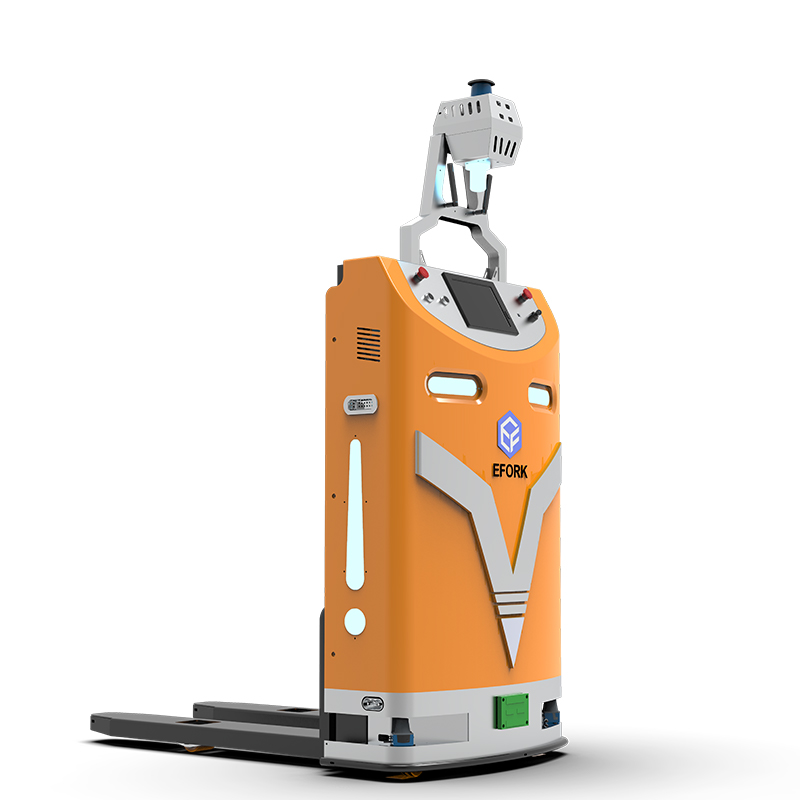
Latest Design Tech Slim Stacking AGV Forklift CE Certified 2T 3M 3D SLAM for Warehouse Automation Handling and Lifting Robot
- 2T
- 3m lift
- 3D SLAM
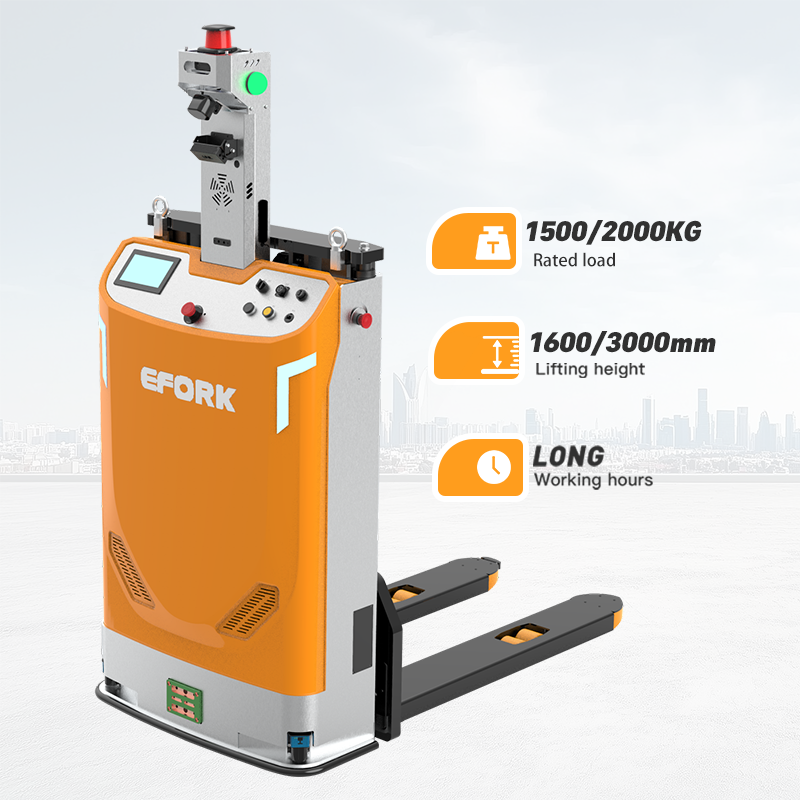
CE Certified EFORK EDA20-16 2T 1600mm Laser Navigation Self-Driving Forklift AGV WIFI/5G for Warehouse Automation Logistics
- 2T
- 1600mm
- WIFI / 5G
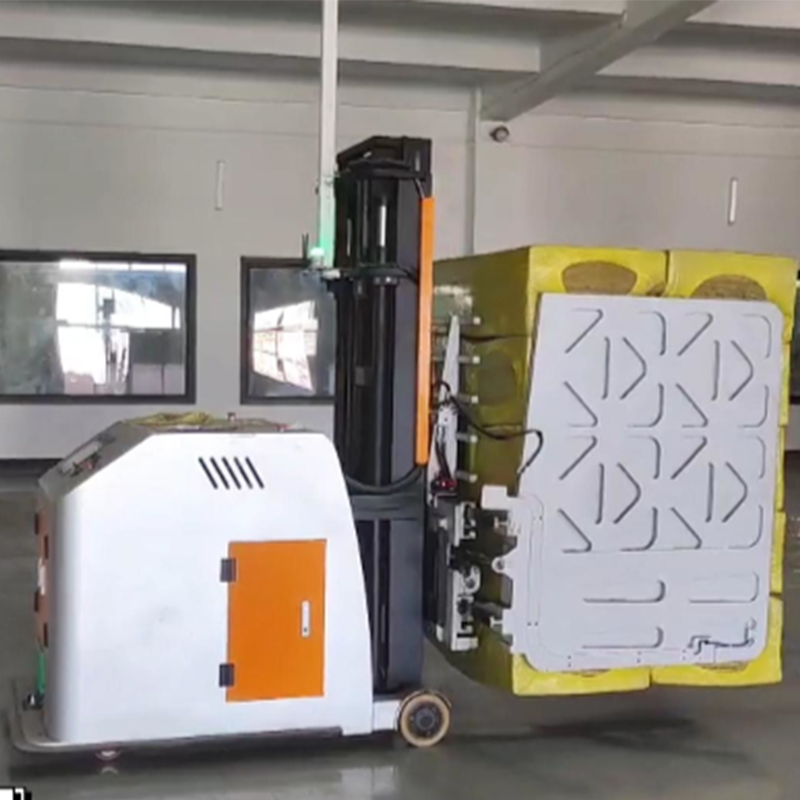
EFORK Automated Guided Vehicle AGV Forklift 3T 3000MM Counterbalanced 3D SLAM Construction Factory Logistics Pallet Truck
- 3T
- 3000mm
- No outriggers
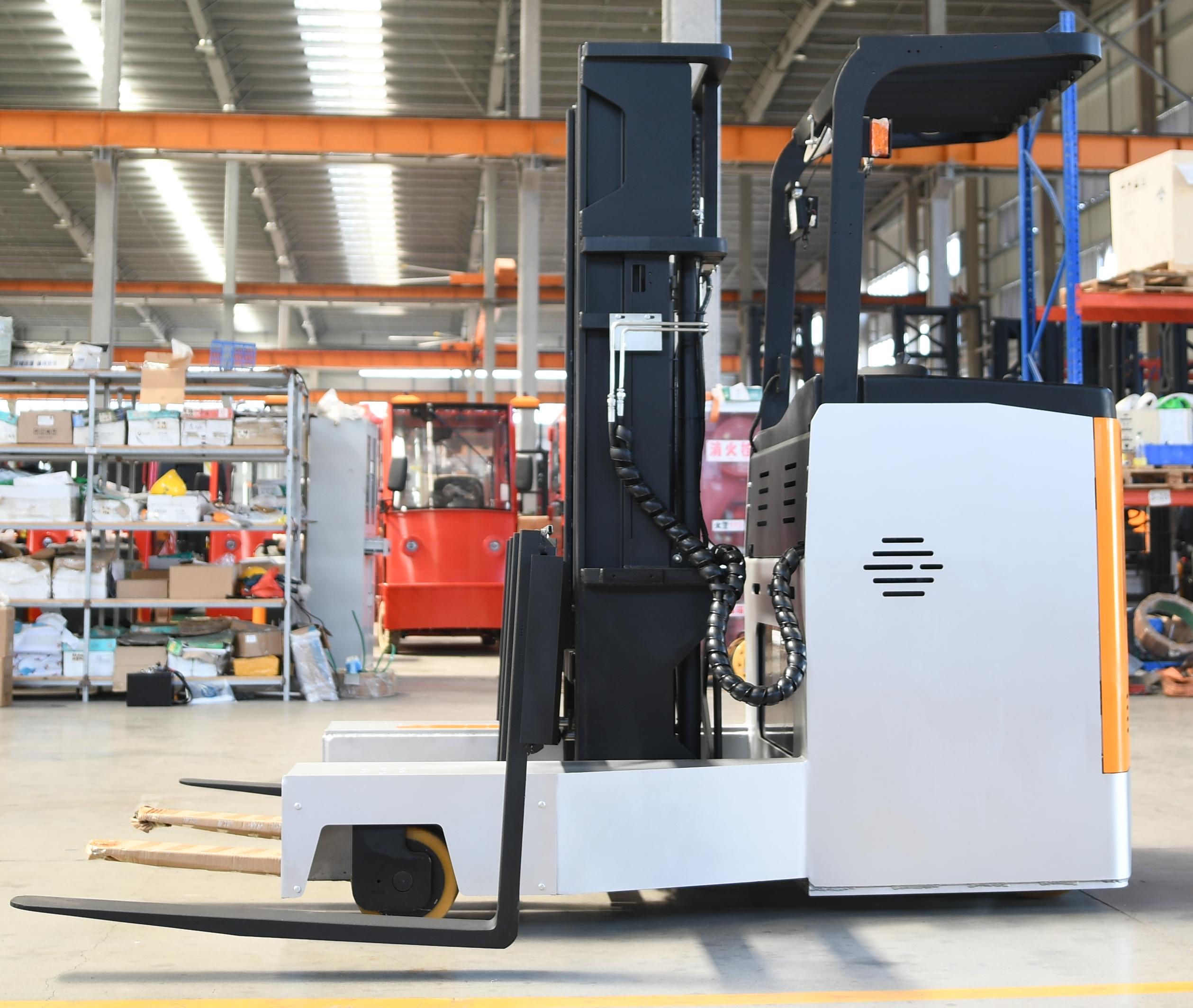
Multi Directional Forklift 4Ton 5Ton 4 Way Forklift Reach Truck Stacker For Narrow Aisle Small Space
- 4–5T
- 4-way movement
- Narrow aisle
- SGS onsite-verified manufacturer
- CE marking under 2006/42/EC
- ISO 9001 quality system
- ISO 45001 safety system
- 7 awarded patents
- MOQ every model: 1 set
Davao City’s Automation Inflection Point
Davao City is no longer only an agricultural gateway. It is a port-linked, food-processing, cold-chain and consumer-goods market where warehouse performance is measured by truck turnaround, temperature integrity, inventory accuracy and the ability to keep shifts running when labor is tight. For importers, exporters and 3PL operators around Sasa, Panacan, Bunawan, Toril and nearby Panabo, autonomous navigation robots have moved from “future technology” to a practical answer for repetitive pallet movement.
The operational case is simple. A manual forklift is flexible, but its productivity depends on operator availability, shift patterns, training and congestion. An AGV forklift repeats routes with predictable speed, logs every movement, and integrates with safety scanners and WMS/WCS logic. The financial case becomes clearer when a warehouse is constrained by lease area: narrow-aisle and high-bay equipment can recover storage density that does not exist at floor level.
What Davao City buyers should not accept is a generic catalog. An autonomous robot exporter must prove aisle geometry, pallet quality, power supply, floor flatness, docking tolerance, spare-parts strategy and remote support before the first container is shipped. This page is therefore structured as a buyer’s reference: eight factory-direct models, localized scenarios, procurement FAQ and verifiable manufacturer evidence.
- Information gain: Davao-specific workflow fit instead of generic product copy.
- Engineering evidence: navigation choice, safety logic, WMS interface and FAT checkpoints.
- Procurement clarity: shipping, voltage, spares, Incoterms and pilot-fleet planning.
What Davao Projects Usually Need to Clarify
Relative engineering review emphasis for Davao City warehouse automation projects. Illustrative scoping weights, not market statistics.
Where Autonomous Navigation Robots Fit in Davao City
Davao City’s warehouse landscape is shaped by export agriculture, food manufacturing, port drayage, cold chain and a fast-growing consumer market. The strongest automation projects begin with a specific bottleneck, not a desire to automate everything at once.
Banana, Pineapple & Coconut Export Staging
Export-grade fruit and coconut supply chains demand fast pallet staging, accurate lot separation and predictable trailer loading. AGV stackers and counterbalanced robots can move sealed pallets from receiving to staging without waiting for a driver during peak vessel cut-off windows.
Cold Chain & Frozen Storage
Temperature-controlled warehouses around Davao City need fast put-away and minimal door-open time. AS/RS stacker cranes, four-way shuttles and cold-duty AGVs reduce unnecessary movement inside freezers while protecting product quality and worker comfort.
Port Drayage & Container Devanning
With container flows moving through Davao’s port and industrial corridors, rapid devanning and buffer staging are critical. Reach truck AGVs and multi-directional forklifts can work in tighter lanes while transferring pallets from container floor to rack or dispatch lane.
Food Processing Line-Side Replenishment
Food processors need packaging film, ingredients and finished cartons delivered on a fixed rhythm. Compact stacker AGVs can handle repetitive line-side replenishment while operators focus on quality, sanitation and changeover tasks.
E-Commerce & Consumer Goods Fulfillment
Davao City’s e-commerce and retail replenishment cycles are becoming shorter and less predictable. WMS-connected AGVs and dense storage systems help 3PLs absorb peak orders without permanently expanding aisle space or night-shift headcount.
Narrow-Aisle Retrofit & High-Bay Storage
Many Davao warehouses were built before today’s SKU profiles and pallet counts. VNA three-way AGVs and four-way shuttles allow higher racking and tighter aisles, making better use of existing buildings where land expansion is expensive or unavailable.
Four Forces Shaping Warehouse Automation in Davao City
The business case for autonomous navigation robots is not only labor cost. It is the combined pressure of space, service level, safety and traceability in a port-oriented regional economy.
Port-Centered Velocity
Davao City’s port and industrial corridors reward companies that can move containers to buffer storage, devan pallets and reload outbound trucks with minimal dwell time. Autonomous equipment supports repeatable staging sequences during vessel and truck peaks.
Cold-Chain Expansion
Food safety, export compliance and frozen imports are raising the value of reliable cold storage. High-bay AS/RS and shuttles reduce door-open time, while cold-duty robots reduce the need for staff to work long shifts in severe temperatures.
E-Commerce & MSME Digitalization
Online orders and modern retail are pushing Davao warehouses toward smaller order batches and faster inventory turns. WMS-ready robots make it easier to scale from a single pilot truck to a coordinated fleet as order volume grows.
Safety & Labor Continuity
Forklift accidents, operator turnover and night-shift fatigue remain practical risks. Safety scanners, traffic management and predictable robot routes help Davao warehouses protect people while keeping operations stable through peak seasons.
Factory Evidence, Not Just Product Claims
Anhui Nexrik Intelligent Technology Co., Ltd. manufactures intelligent warehousing equipment from Hefei, Anhui, China. For Davao City buyers, the advantage is the ability to combine counterbalanced, reach, stacker, VNA, AS/RS and shuttle platforms under one engineering team, with export documentation and customization discipline.
In-House Manufacturing
Chassis, masts, electrical integration and finished-product inspection are controlled on Nexrik production lines, with onsite material and finished-product inspection before shipment.
Laser & 3D SLAM
Reflector-based laser navigation suits fixed high-cycle routes. 3D SLAM uses natural warehouse features, often reducing reflector and floor-tape work while shortening site preparation for Davao retrofits.
One-Stop Turnkey
AGVs, stacker cranes, four-way shuttles and RGVs can be engineered as one WMS-ready fleet, avoiding the integration gaps that occur when equipment is sourced from unrelated suppliers.
Exporter-Grade Compliance
CE marking under Machinery Directive 2006/42/EC, ISO 9001, ISO 45001 and SGS onsite verification help Davao buyers prepare tender files, customs documents and internal safety reviews.



Match the Davao City Workflow to the Right Robot Platform
Use this engineering reference to shortlist equipment before requesting a layout proposal. Final specifications should be confirmed against pallet drawings, rack loads, aisle survey, floor flatness, power supply and WMS requirements.
| Davao Workflow | Recommended Platform | Why It Fits | Buyer Check |
|---|---|---|---|
| Export pallet staging & trailer loading | Counterbalanced AGV / 3T 3D SLAM | No front outriggers; handles closed-bottom pallets, cages and dock transfers. | Pallet bottom boards, dock leveller and floor slope. |
| Cold-chain and frozen storage | AS/RS stacker crane / four-way shuttle | High-density storage and reduced door-open time in temperature-controlled zones. | Temperature rating, defrost plan and battery charging location. |
| Narrow-aisle high racking | VNA 3-way AGV / multi-directional forklift | Lifts to high bays and works in tight aisles without turning the whole chassis. | Aisle width, rack tolerance, wheel load and guide strategy. |
| Low rack and line-side delivery | Pallet stacker AGV / self-loading stacker | Cost-effective entry for repetitive floor-to-rack, line-side and dispatch movement. | Load centre, fork length, floor flatness and safety zones. |
| Container devanning & buffer staging | Reach truck AGV / 4.5M reach AGV | Compact turning and reach capability for container floor to staging lane transfer. | Container floor condition, lighting and traffic bottlenecks. |
| High-density pallet warehouse | WMS-ready four-way shuttle | Dense pallet storage with flexible FIFO/LIFO logic and ±2 mm positioning. | WMS/WCS interface, rack design and lift coordination. |
| Pilot automation before fleet scale-up | Any MOQ 1 set AGV / stacker | Validate routes, cycle times and safety behavior before committing to a larger fleet. | KPI baseline, operator training and spare-parts list. |
Values and applications are directional. Davao City projects should be engineered from actual pallet data, warehouse drawings and throughput targets.
Questions Local Buyers Ask Before Importing Robots
These are the practical questions that decide whether a pilot becomes a fleet. Clear answers reduce project risk and improve the quality of the initial quotation.
Can you ship an autonomous robot to Davao City?
Yes. Export packaging, CE documentation and commercial shipping can be prepared for Davao-bound projects. Buyers normally compare EXW, FOB, CIF or DDP quotations, with the discharge port and customs broker confirmed before order release.
What electrical supply should we prepare?
Philippine sites commonly operate on 220 V / 60 Hz, but the exact charger, battery and control configuration must be confirmed during engineering. Buyers should provide voltage, phase, frequency, breaker capacity and charging-room location before production.
Do you support installation and training in Davao?
Davao projects can be supported through remote commissioning, English documentation, video-based operator training and scheduled engineering reviews. Where site attendance is required, the scope, visa, travel and local partner support are defined in the project plan.
Which documents are available for customs and tenders?
Typical export files include commercial invoice, packing list, bill of lading, test reports, CE documentation, ISO certificates, warranty statement and spare-parts list. Importers should verify any additional Philippine requirements with a licensed customs broker.
What is the minimum order quantity?
The MOQ for every AGV forklift, stacker crane and shuttle model is 1 set. A single-robot pilot is often the lowest-risk route: prove the route, cycle time, safety behavior and WMS handoff before expanding to multiple units.
Can the robot integrate with our existing WMS and racking?
WMS/WCS interface requirements are defined during solution design and tested at commissioning. Existing racking can often be reused, but aisle width, beam tolerance, pallet overhang and floor condition must be surveyed before a final layout is approved.
How are spare parts and service handled?
A recommended spare-parts list is prepared with the quotation. Remote diagnostics, English manuals and scheduled support reduce downtime. For Davao City, buyers should agree response expectations, critical spare inventory and local technician support before shipment.
Which payment and trade terms are accepted?
Accepted Incoterms include FOB, CFR, CIF, EXW, FAS, CIP and DDP. Payment can be arranged through L/C, D/P, D/A, MoneyGram, credit card or Western Union in USD, EUR or CNY, subject to final contract terms.
What to Send for a Davao-Specific Layout Proposal
A useful robot quotation is not a price list. It is a small engineering study. The more accurately Davao buyers describe the warehouse, the faster the exporter can recommend the right mix of AGV forklifts, stacker cranes, shuttles and WMS interfaces.
- Warehouse drawing with column grid, aisle widths, door sizes and dock positions.
- Pallet types, loads, overhang, bottom-board condition and rack beam heights.
- Inbound and outbound flow, peak-hour throughput and shift pattern.
- Cold-room temperature, charging room, voltage and power quality details.
- Existing WMS/ERP, barcode or QR process, and preferred Incoterm.
- Pilot KPIs: moves per hour, travel distance, error rate and uptime target.
From catalog to commissioning
Nexrik’s project workflow covers site analysis, solution design, manufacturing, factory acceptance testing, commissioning and lifecycle support. For Davao City buyers, the strongest starting point is a single-robot pilot that proves the route and safety case before fleet expansion.
- OEM, ODM and buyer-label production available.
- Custom load, lift height, fork size, battery and cold-storage variants.
- 3D SLAM or laser navigation selected against the building.
- Export documentation aligned with tender and customs needs.
Plan a Davao City Pilot With Factory-Direct Engineering
Send your pallet drawings, aisle survey, throughput target and preferred Incoterm. The engineering team can shortlist the right autonomous navigation robot, confirm charger and safety requirements, and outline a pilot-to-fleet roadmap for Davao City operations.