Automated Stacking System Exporter & Exporters Serving Fukuoka
A practical, E-E-A-T led guide for Fukuoka warehouse operators, 3PLs, manufacturers and cold-chain teams comparing AGV forklifts, pallet stacker robots, VNA AGVs, AS/RS stacker cranes and four-way shuttles. The decision is not only about machine price; it is about export documentation, local application fit, lifecycle support and verifiable manufacturing evidence.
Eight Automated Stacking Systems Recommended for Fukuoka Buyers
Shortlist by load, lift height, aisle width and navigation environment. The models below are relevant to Fukuoka warehousing because they cover port-linked staging, narrow urban storage, high-density racking, line-side supply and cold-chain adjacency. All listed models are available for OEM/ODM discussion, and the manufacturer states a minimum order quantity of one set for pilot validation.
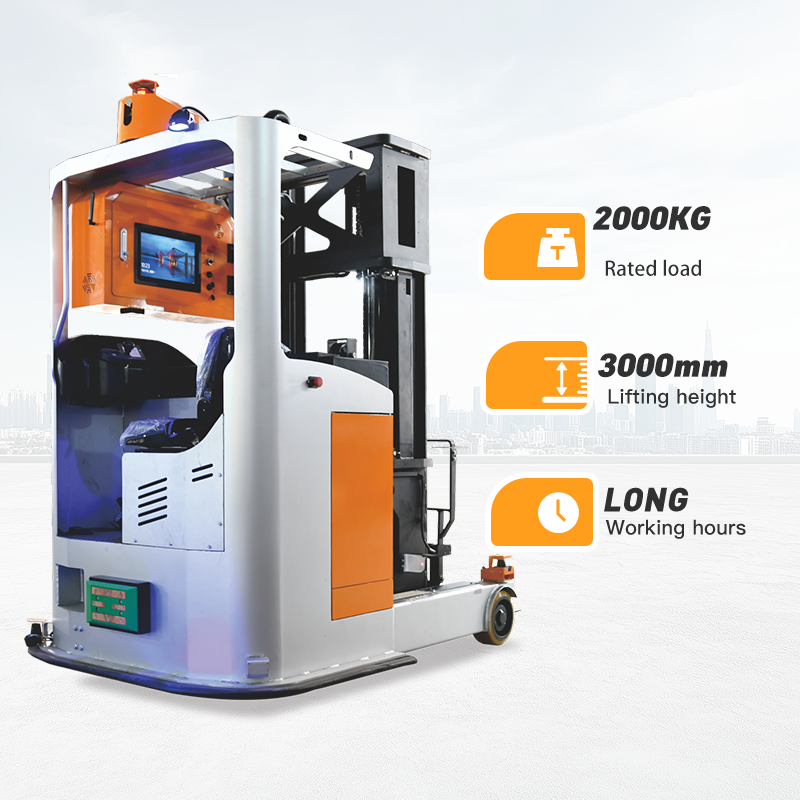
Reach Truck AGV Forklift 2T 3M Laser Slam Navigation CE Certified Warehouse Automation Robot for Factory Logistics
- 2T
- 3M
- Laser SLAM
- CE
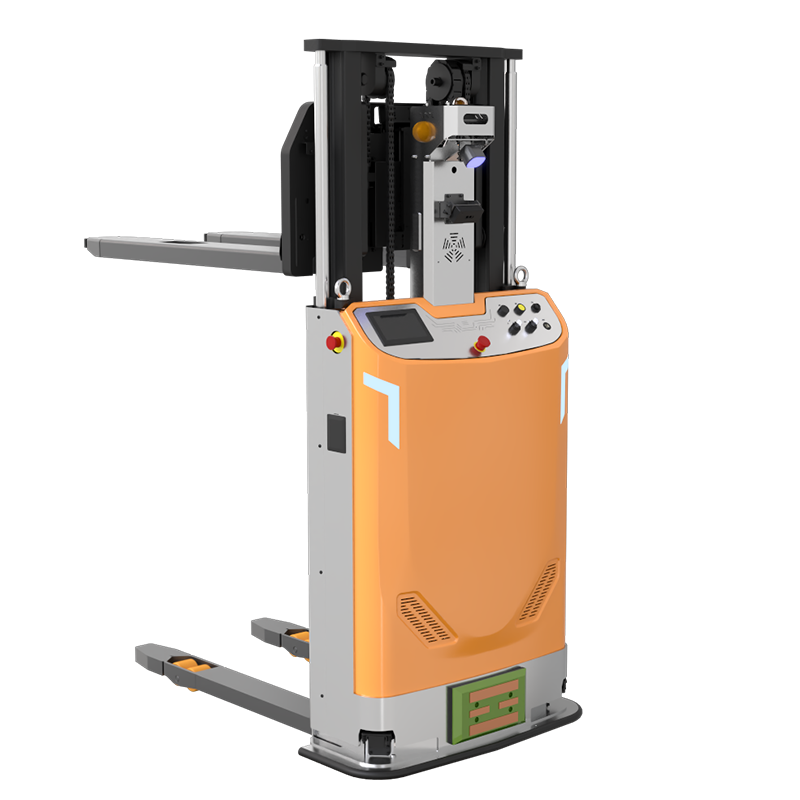
2T 1.6 M Slim Narrow-Body Stacker AGV Body for High-Density Storage High Lift Pallet Stacking AGV Maximize Warehouse Space
- 2T
- 1.6M
- Narrow body
- High-density
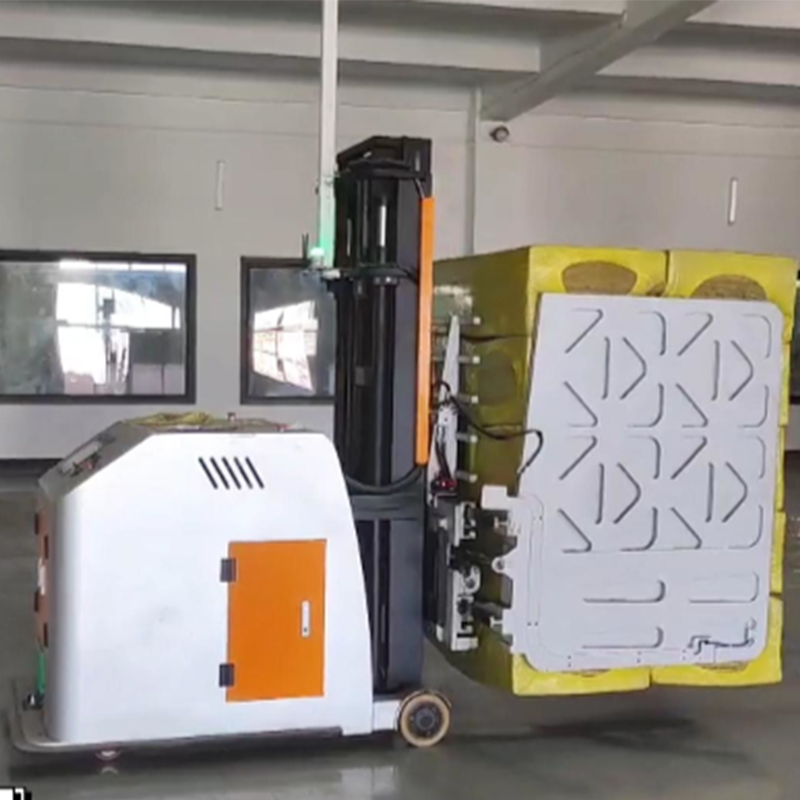
EFORK Automated Guided Vehicle AGV Forklift 3T 3000MM Counterbalanced 3D SLAM Construction Factory Logistics Pallet Truck
- 3T
- 3000MM
- 3D SLAM
- No outriggers
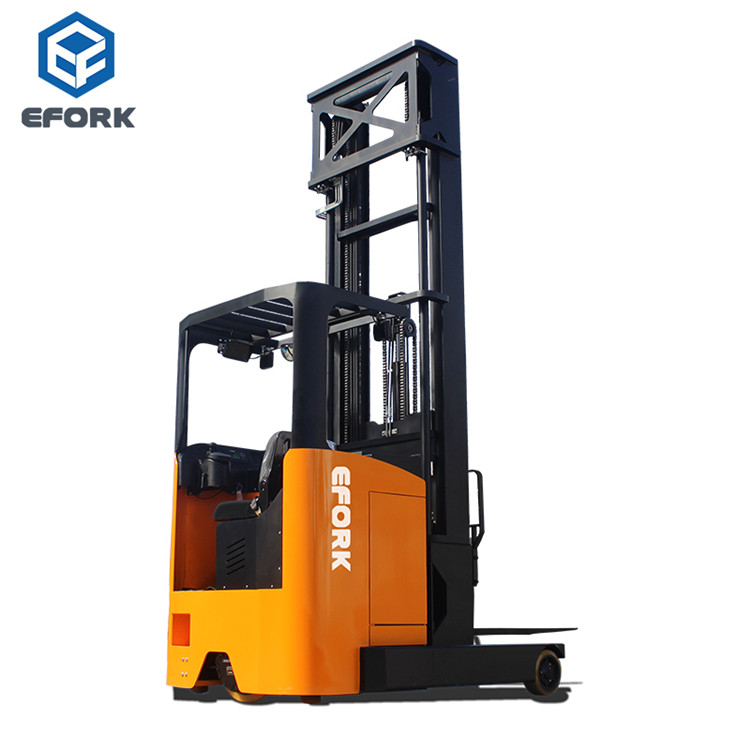
CQDE China Wholesale 2000kg 12m 8m 6m Industrial Forklift Pallet Truck Good Price
- 2000kg
- 6/8/12M
- Wholesale
- Factory direct
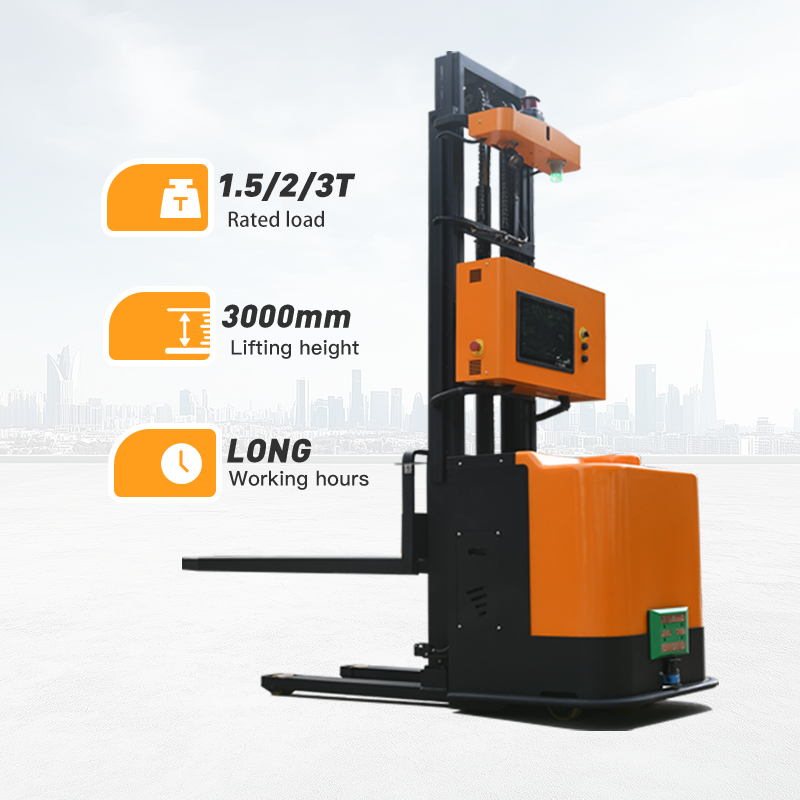
3T 3000mm Pallet Stacker Automated Guided Vehicle Forklift Truck for Intelligent Warehouse Automation
- 3T
- 3000mm
- AGV stacker
- Automation
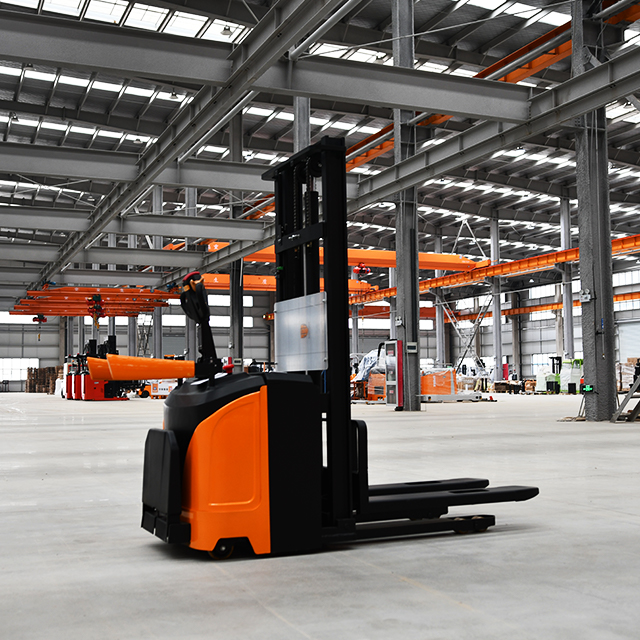
Factory Direct Sales Electric Pallet Lift Stackers 1.5-Ton 2-Ton 3Ton 3m 4m 5m Portable Self-Loading
- 1.5–3T
- 3–5M
- Self-loading
- Portable
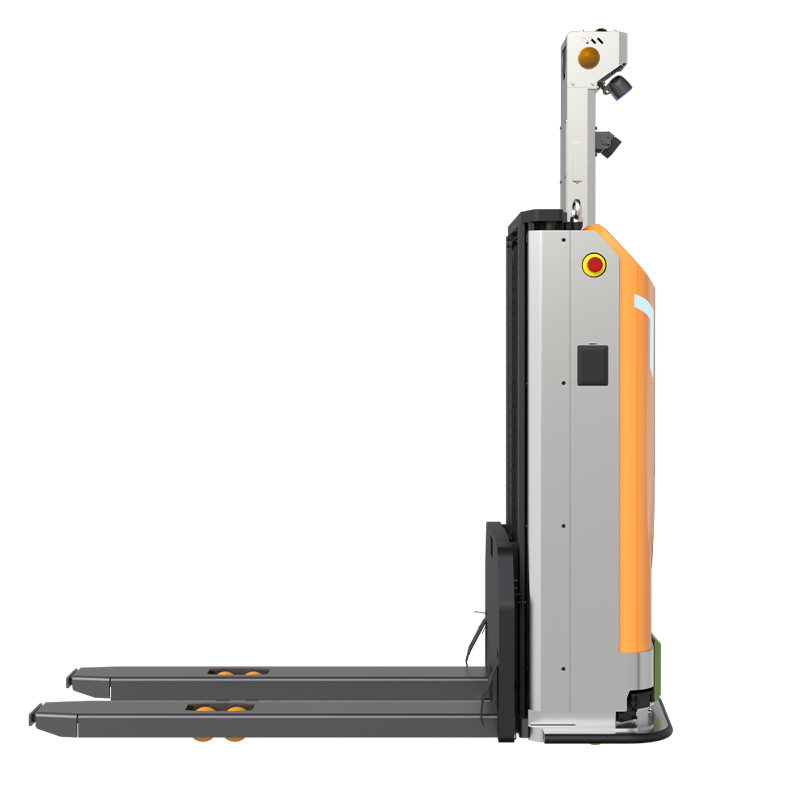
2T Slim Narrow-Body Stacker AGV with 3D SLAM & WIFI/5G for High-Density Storage 1.6M Pallet Stacking Maximize Warehouse Space
- 2T
- 1.6M
- 3D SLAM
- WIFI/5G
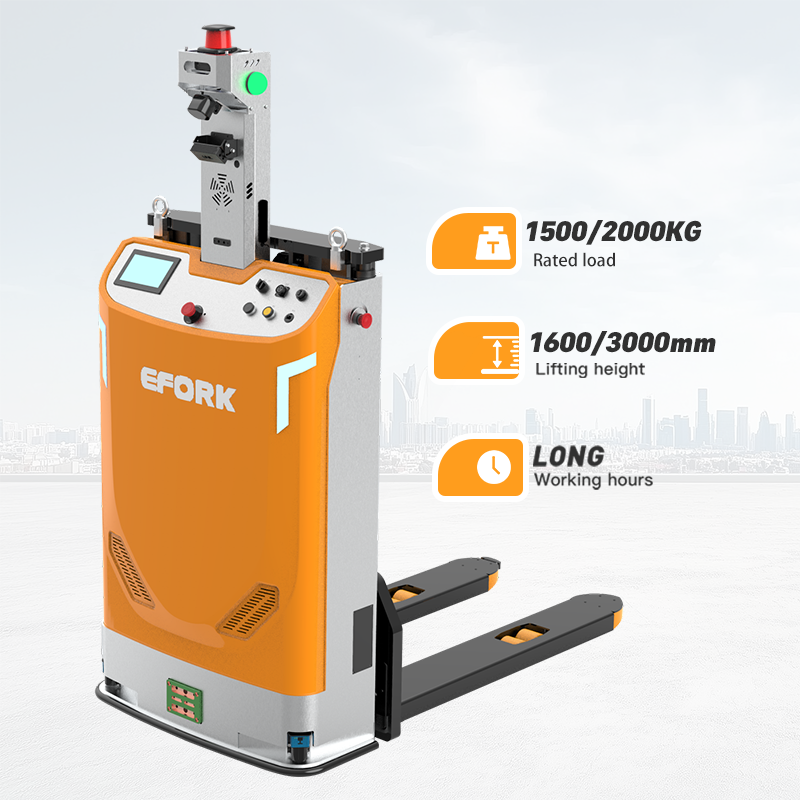
CE Certified EFORK EDA20-16 2T 1600mm Laser Navigation Self-Driving Forklift AGV WIFI/5G for Warehouse Automation Logistics
- 2T
- 1600mm
- Laser navigation
- WIFI/5G
- SGS Onsite-Verified Manufacturer
- CE · 2006/42/EC
- ISO 9001 & ISO 45001
- 66,650 m² Floorspace
- OEM / ODM / Full Customization
- 8 Years in Industry
Why Automated Stacking Systems Are Moving From Pilot to Core Infrastructure
Fukuoka is not a generic export destination. It is a logistics gateway where port flow, urban delivery, cold-chain accuracy and manufacturing supply coexist in a compact region. That mix makes equipment selection more nuanced than simply buying the lowest-cost automated forklift.
Total Staff
Independent inspection profileFactory Floorspace
Two production bases in AnhuiAwarded Patents
Plus 1 registered trademarkMOQ for Pilot
Scale after route validationManufacturing Evidence Matters
For a Fukuoka buyer, a supplier’s onsite verification, patent record, production area and export experience are risk-control signals. They support tender review, internal procurement and after-sales planning.
Navigation Fit Beats Hype
Laser navigation is strong for fixed, repetitive routes. 3D SLAM can reduce reflectors and tape by localizing against natural building features, but it still requires a disciplined site survey and change-management plan.
Fukuoka Application Context
Hakata Port staging, Fukuoka urban 3PL, Kyushu manufacturing supply, food distribution and cold-chain operations each require different load units, lift heights, safety logic and WMS interfaces.
Where Automated Stacking Systems Fit in Fukuoka and Kyushu
The most successful projects begin with the work itself: pallet profile, rack beam height, aisle clear width, shift pattern, operator skill, port drayage rhythm and the cost of a wrong pick. These six application scenarios are useful starting points for a Fukuoka-specific business case.
Hakata Port & Airport Staging
Import and export staging requires repeated put-away, trailer loading and cross-dock transfer under time pressure. Counterbalanced and reach truck AGVs can reduce waiting between gates, docks and buffer lanes while keeping a traceable movement log.
Cold-Chain & Food Safety
Fukuoka and Kyushu food supply chains handle seafood, agricultural products and chilled distribution where dwell time and temperature exposure are costly. Automated handling can standardize put-away and replenishment, but equipment specification must address condensation, battery strategy and safety scanners.
Kyushu Manufacturing Supply
Automotive, machinery and electronics plants in the broader Kyushu industrial belt often require line-side delivery with tight sequencing. A 3T counterbalanced AGV or VNA platform can replace repetitive forklift loops while keeping pallet and container handling flexible.
Urban 3PL & E-Commerce
Fukuoka’s dense urban delivery market rewards fast replenishment and compact storage. Narrow-body stacker AGVs and four-way shuttle systems help 3PLs increase storage density without losing the flexibility to reconfigure SKU zones as client mixes change.
Food & Beverage Distribution
Beverage, packaged food and retail distribution centres need dependable pallet flow and clear exception handling. Electric pallet lift stackers and pallet stacker AGVs can bridge manual floor operations and full automation without forcing an immediate greenfield rebuild.
Medical Devices & Pharma
High-value medical and pharmaceutical logistics require inventory accuracy, restricted access and reliable traceability. Mini-load AS/RS and WMS-integrated stacker systems can support controlled put-away and retrieval, with audit-friendly movement records.
Fukuoka Procurement Trends That Should Shape Your 2025–2027 Plan
Automation decisions made today will operate through multiple demand cycles. Fukuoka buyers should evaluate equipment against labour resilience, regulatory pressure, land cost, cold-chain growth and business continuity, not only against the current manual process.
Labour Resilience
An aging workforce and competition for forklift operators make repetitive pallet movement harder to staff. A single automated stacker can cover night shifts, break periods and peak surges while freeing skilled operators for exception handling.
Logistics Reform Pressure
Japan’s logistics sector is under sustained pressure to reduce driver waiting time and improve loading efficiency. Port-linked and 3PL warehouses in Fukuoka benefit when AGV movements are scheduled to match truck arrivals and dock windows.
High-Density Urban Storage
Land scarcity and high build costs reward narrower aisles and higher racking. VNA AGVs, slim stackers and four-way shuttles allow Fukuoka operators to increase cubic utilization without expanding the building footprint.
Cold Chain & BCP
Food safety, energy management and earthquake resilience are board-level issues. Equipment should be assessed for temperature variants, spare-part availability, remote diagnostics and the ability to maintain critical flow during labour disruption.
Which Automated Stacking System Fits Your Fukuoka Operation?
Use this matrix to align a Fukuoka-specific operating scenario with the right equipment platform, then request a layout and throughput simulation from the exporter.
| Fukuoka Buyer Scenario | Recommended System | Why It Fits | Evidence to Request From Exporter |
|---|---|---|---|
| Hakata Port import/export staging | 3T counterbalanced AGV, reach truck AGV | Handles closed-bottom pallets, trailers and dock transfers without front outrigger constraints. | CE file, load chart, dock approach drawing, battery/charging plan and spare-parts list. |
| Narrow urban 3PL warehouse | 2T slim stacker AGV, VNA 3-way AGV | Reduces aisle width and increases rack height where building expansion is expensive. | Aisle calculation, 3D SLAM mapping scope, safety scanner layout and WMS interface specification. |
| High-bay pallet storage | AS/RS stacker crane, four-way shuttle | Moves from manual reach truck flow to high-density, automated retrieval and dense pallet storage. | Height tolerance, rail/rack interface, WCS logic, redundancy plan and commissioning schedule. |
| Cold-chain or chilled distribution | Cold-storage AS/RS variant, slim stacker AGV | Supports low-temperature staging, reduced operator exposure and consistent put-away. | Cold-room specification, condensation control, battery strategy and maintenance access plan. |
| Automotive or machinery line-side supply | 3T 3D SLAM counterbalanced AGV, 3T stacker AGV | Supports repeated pallet and container movement with flexible route changes. | Traffic simulation, safety validation, cycle-time calculation and OEM/ODM customization scope. |
| Medical, electronics or small-parts picking | Mini-load stacker crane, WMS-ready AS/RS | Improves inventory accuracy and cube utilization for high-value, high-SKU inventory. | Bin/tote specification, WMS interface test plan, audit-trail logic and after-sales response plan. |
Specifications shown on this page reflect standard model descriptions. Final capacity, lift height, aisle width and safety configuration must be confirmed by engineering review using your pallet drawing, rack layout and site survey.
Six Checks Before Appointing an Exporter for Fukuoka
A credible automated stacking system exporter should make verification easy. These checks reduce the risk of buying a machine that runs in a demonstration video but struggles in a live Fukuoka warehouse.
Certification & Traceability
Request CE documentation under 2006/42/EC, ISO 9001 and ISO 45001 evidence, serial-number records and inspection reports. Confirm that the certification applies to the exact model and configuration you intend to import.
Navigation Re-localization Plan
Ask how 3D SLAM or laser navigation will be mapped to your building. A good plan covers rack changes, temporary obstacles, door zones, charging positions and how maps are updated after layout changes.
WMS / WCS Interface
Confirm protocol, task allocation logic, exception handling, operator interface language and test acceptance criteria. “WMS-ready” should be supported by an interface specification, not only a marketing statement.
Spare Parts & Service Model
Clarify recommended spare-parts kit, remote diagnostics capability, response escalation, engineer deployment and warranty terms. For Fukuoka, response time and parts logistics should be written into the project plan.
Export & Port Delivery Plan
Confirm Incoterms, packing method, container loading plan, documentation list and arrival port options. For Fukuoka, define whether delivery is to Hakata Port, a bonded warehouse or the final site.
Pilot-to-Scale Terms
Start with one set or one cell, validate cycle time and exception handling, then scale. A supplier that supports MOQ 1 and full customization can reduce first-project risk while preserving fleet consistency.
Why Nexrik Is a Credible Automated Stacking System Exporter Serving Fukuoka
Anhui Nexrik Intelligent Technology Co., Ltd. is positioned as a manufacturer and trading enterprise for intelligent warehousing equipment. Its verified profile states 1,152 staff, 66,650 m² of factory floorspace, two production bases in Anhui, seven awarded patents, one registered trademark, SGS onsite verification, CE marking and ISO management system credentials.
Manufacturing Scale You Can Verify
Chassis, mast and control integration are supported by in-house production and testing. The profile also references onsite material and finished-product inspection, which matters for tenders and fleet orders.
Laser & 3D SLAM Navigation
Buyers can compare reflector-based laser navigation for fixed routes with 3D SLAM for natural-feature localization. The right choice depends on aisle complexity, rack change frequency and site preparation budget.
One-Stop Turnkey Integration
AGV forklifts, stacker cranes, four-way shuttles and RGVs can be engineered as one WMS-ready system rather than sourced from unrelated vendors. This reduces interface risk during commissioning.
Export & Customization Readiness
The manufacturer states accepted terms including FOB, CFR, CIF, EXW, FAS, CIP and DDP, with payment options such as L/C, D/P, D/A, credit card and Western Union. OEM, ODM and buyer-label production are available.



Supplier profile figures and credentials are drawn from the manufacturer’s published and independently verified company information. Project-specific performance, delivery and certification scope must be confirmed in the commercial contract.
Common Procurement Questions From Fukuoka Buyers
These answers reflect the information typically requested by Fukuoka importers, 3PLs, manufacturers and project integrators during early-stage supplier screening.
What does “exporter serving Fukuoka” mean in practical terms?
Can the equipment be delivered to Hakata Port or a Fukuoka warehouse?
Do automated stackers require major changes to our existing racking?
Which model is best for a narrow warehouse in Fukuoka?
How do you handle cold-chain and food-related applications?
What is the minimum order quantity and can we start with one unit?
Can the system integrate with our existing WMS or ERP?
What should we send to receive a Fukuoka-specific proposal?
Request a Fukuoka-Specific Layout, ROI and Export Plan
Share your pallet profile, rack drawing, throughput target and delivery preference. The goal is to match a practical automated stacking system to your Fukuoka operation, then confirm certification, interface and lifecycle support before you commit capital.
- Pallet size & weight
- Aisle width & rack height
- Daily movement volume
- Cold-chain or ambient zone
- WMS / ERP requirements
- Hakata Port or site delivery