Eight Automated Stacker AGV Configurations for Jacksonville Warehouses
For a Jacksonville buyer, the shortest path from manual lift trucks to a repeatable automated flow is to match the load unit, rack height, aisle width, safety perimeter and WMS handoff to a proven platform. The eight configurations below are practical starting points for a layout review; each can be engineered for load capacity, lift height, fork dimensions, battery configuration and cold-storage operation.
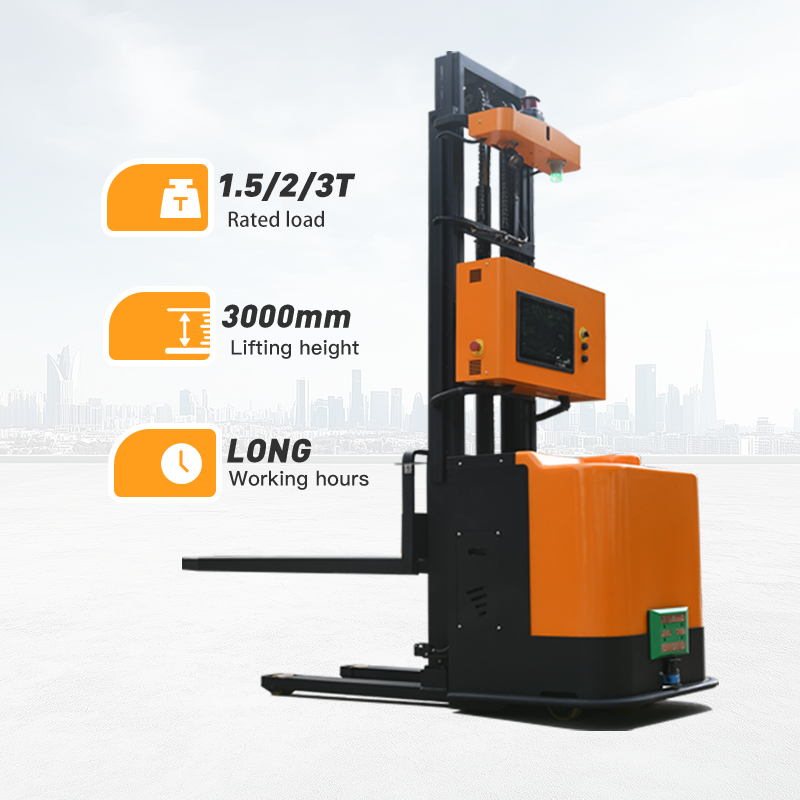
3T 3000mm Pallet Stacker Automated Guided Vehicle Forklift Truck for Intelligent Warehouse Automation
A high-capacity stacker AGV for floor-to-rack transfer, trailer unloading and line-side replenishment in port-adjacent 3PL and distribution operations.
- 3,000 kg
- 3,000 mm lift
- Warehouse automation
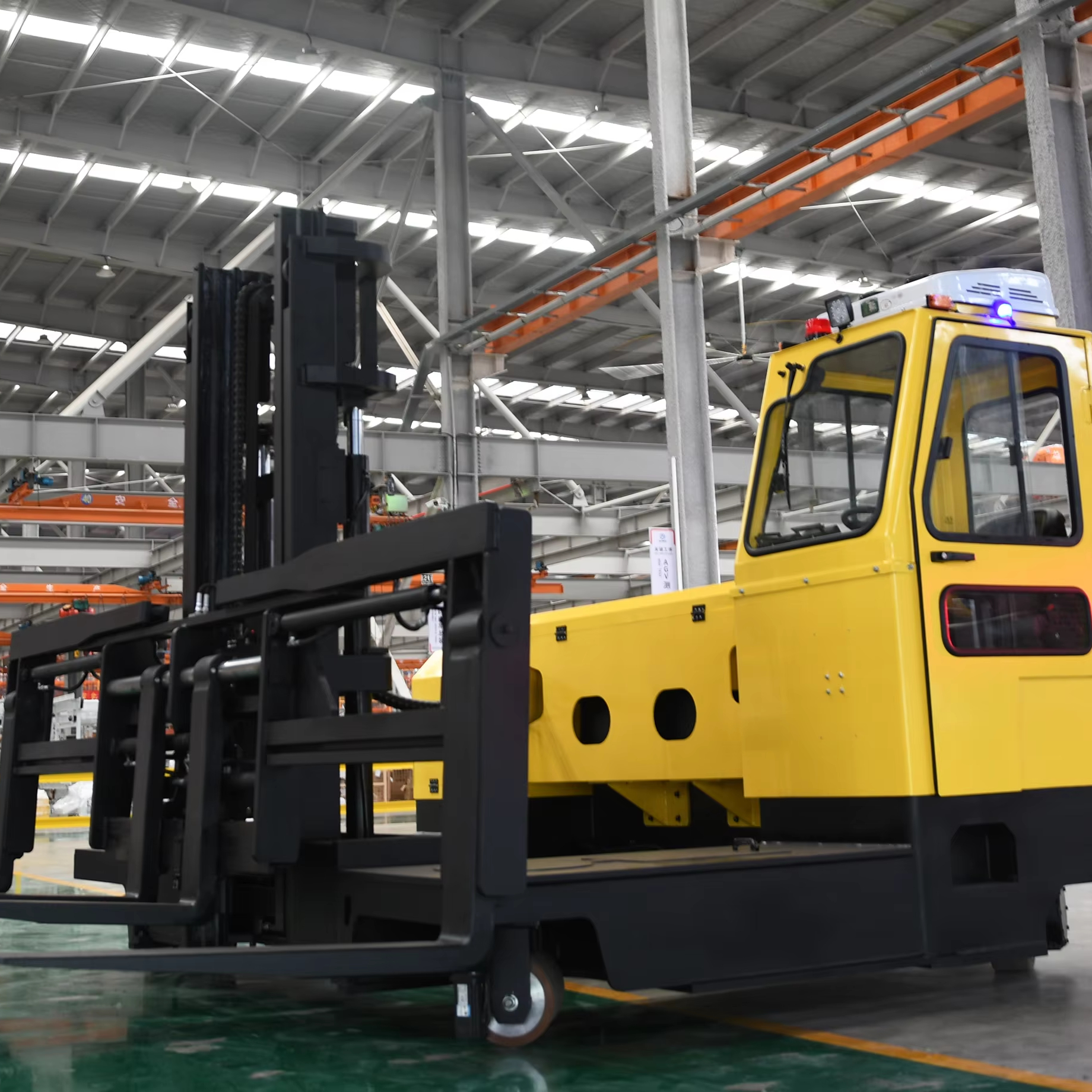
Multi-directional Forklift Reach Truck Stacker 3.5 Ton 5Ton Full Way Electric Side Loader Forklift With Wide Body Seat
A wide-body side-loader platform for long loads, side loading and mixed pallet profiles where conventional aisle turning reduces usable storage space.
- 3.5–5 ton
- Full-way steering
- Wide body seat
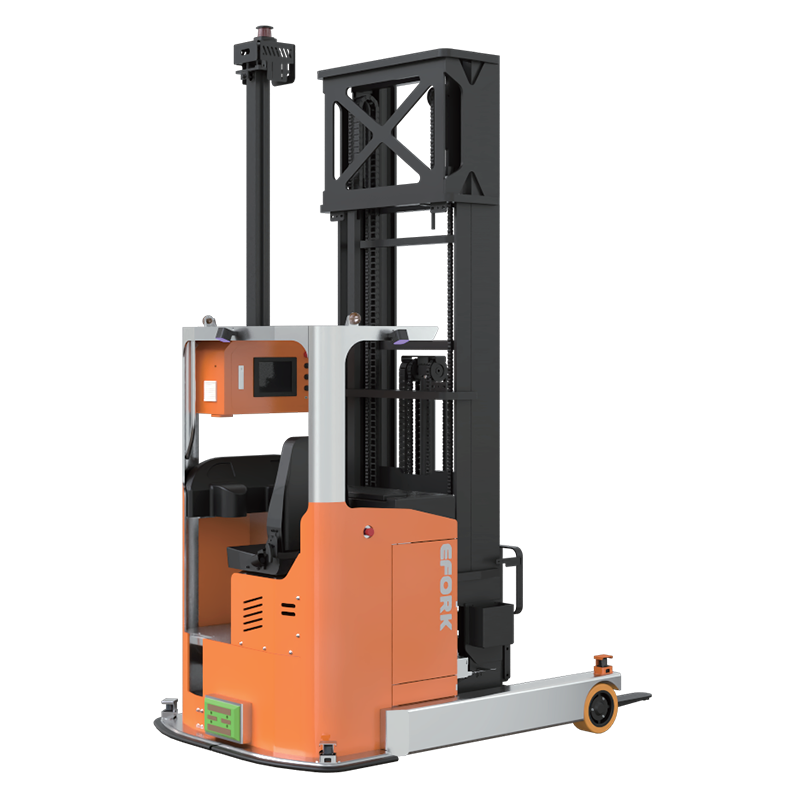
4.5M Reach Truck AGV Body 2T for Pallet Handling High Lifting Smart Warehouse Logistics Robot Laser Slam Navigation CE Certified
A 2-ton reach truck AGV body with laser SLAM navigation and CE certification for pallet handling in existing racking and smart warehouse logistics.
- 2,000 kg
- 4.5 m lift
- Laser SLAM
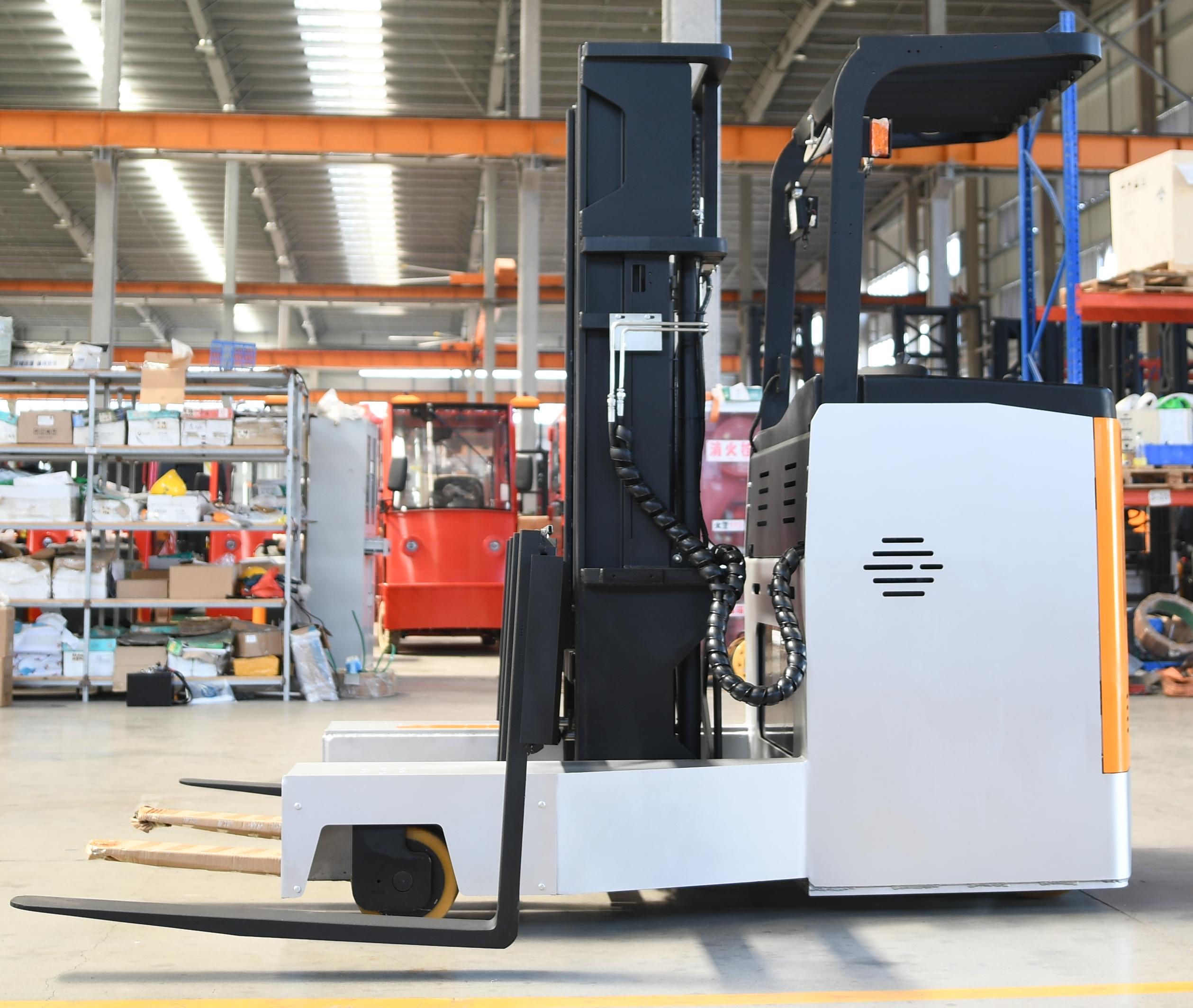
Multi Directional Forklift 4Ton 5Ton 4 Way Forklift Reach Truck Stacker For Narrow Aisle Small Space
A heavy-duty four-way forklift for dense storage layouts where small turning radius and narrow-aisle maneuverability are essential.
- 4–5 ton
- 4-way travel
- Narrow aisle
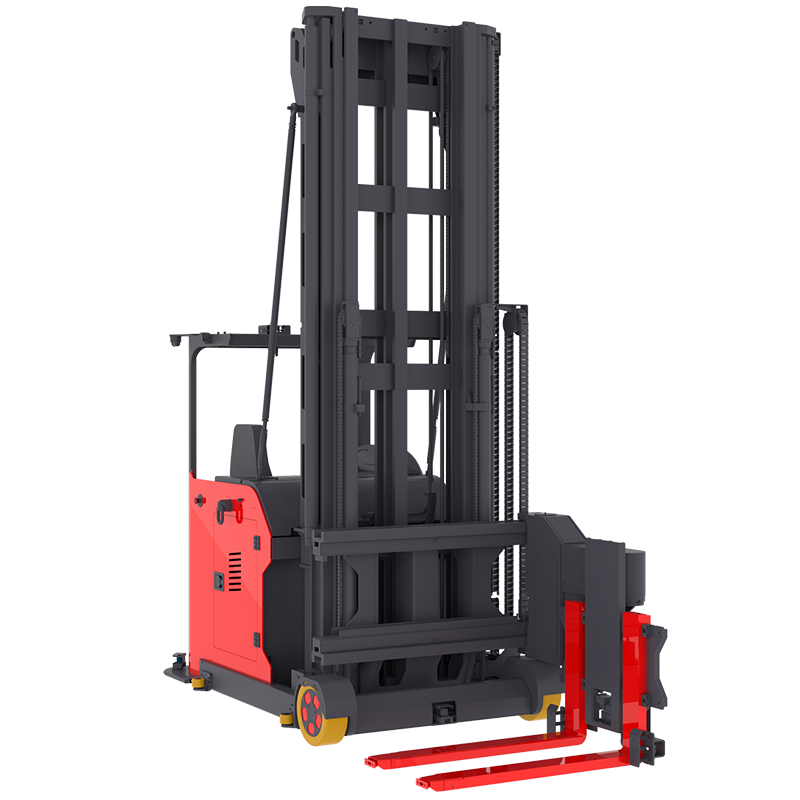
EFORK CDME16J-80S VNA Truck AGV Mobile Robot 1.6T 8M 3-way Forklift Laser Slam Narrow Aisle 1200mm Fork Length 125mm Fork Width
A very-narrow-aisle AGV robot with 8 m lift and three-way fork movement for high-bay pallet storage where rack density is a priority.
- 1,600 kg
- 8 m lift
- 3-way forklift
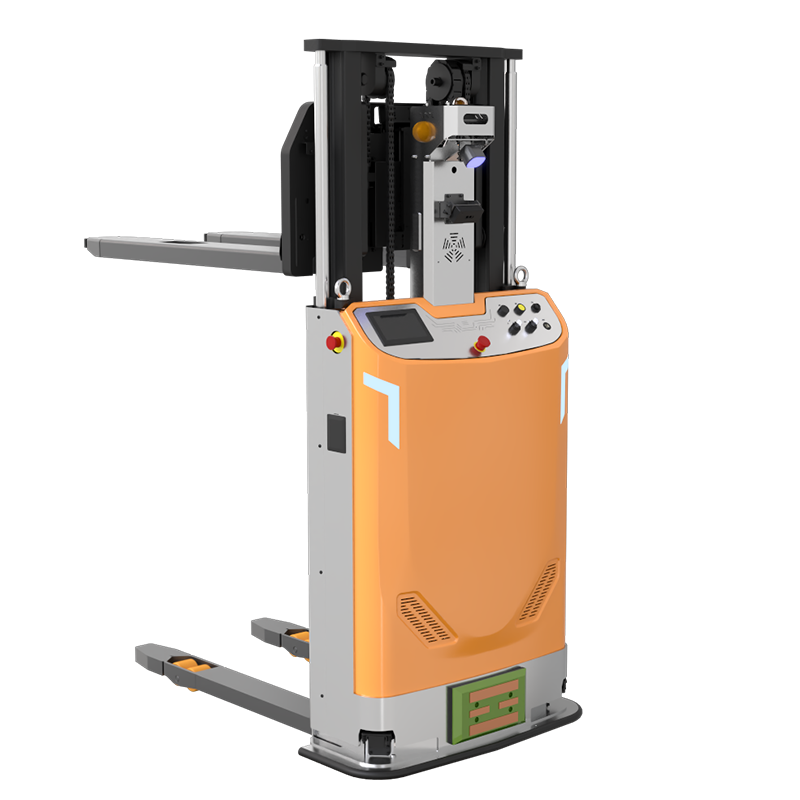
2T 1.6 M Slim Narrow-Body Stacker AGV Body for High-Density Storage High Lift Pallet Stacking AGV Maximize Warehouse Space
A slim stacker AGV body for high-density storage and high-lift pallet stacking when chassis width and aisle clearance are constrained.
- 2,000 kg
- 1.6 m lift
- Narrow body
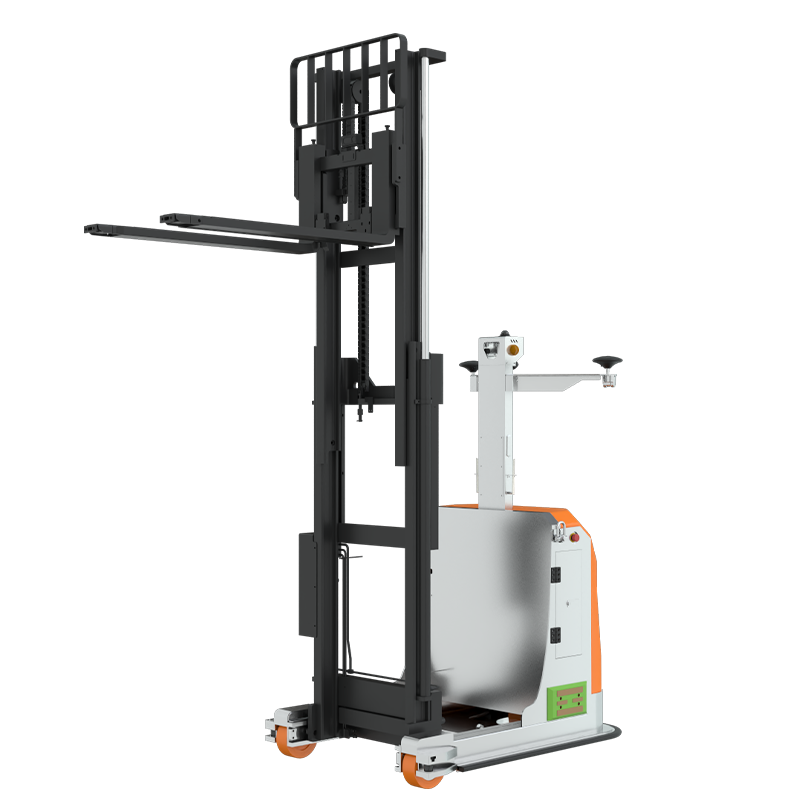
Reach Truck AGV Narrow Body 1.5T 3M Compact Design Fork Forward Function 3D SLAM Navigation 10mm Positioning Accuracy
A compact 1.5-ton reach truck AGV with 3D SLAM navigation and 10 mm positioning accuracy for flexible, infrastructure-light deployments.
- 1,500 kg
- 3 m lift
- 3D SLAM
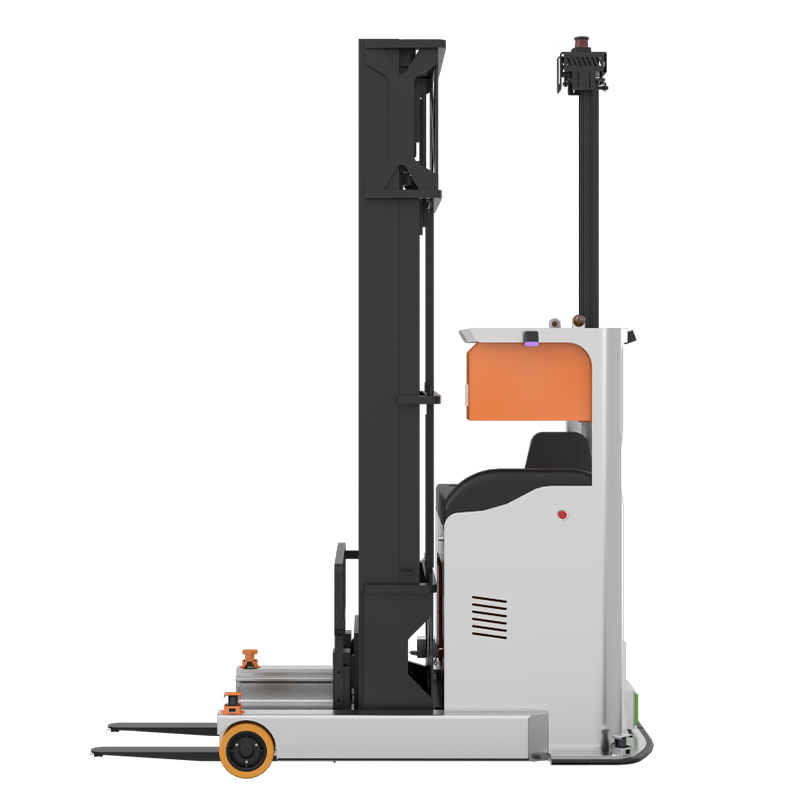
Heli Yufeng CQDE20HJ-65S 2T 6.5M Reach Truck AGV Body Laser Slam Navigation for Pallet Handling High Lifting Smart Warehouse
A 2-ton, 6.5 m reach truck AGV body with laser SLAM navigation for high lifting, pallet handling and smart warehouse throughput.
- 2,000 kg
- 6.5 m lift
- Laser SLAM
A Stacker AGV Supplier Jacksonville Buyers Can Verify Before Capital Commitment
Automation is a capital project that will shape receiving, put-away, replenishment and shipping for a decade. Supplier capacity, engineering traceability and documented compliance matter as much as the machine specification itself. The figures below come from onsite-verified company information and should be treated as the baseline for a serious RFQ.
Onsite-verified workforce supporting engineering and production.
Two production bases in Anhui with in-house build and inspection.
Stable capacity for fleet orders and multi-phase automation rollouts.
Plus one registered trademark and ongoing R&D in smart logistics.
In-House Manufacturing
Chassis, masts and control integration are built and tested on company lines, with material and finished-product inspection before shipment.
Laser & 3D SLAM
Reflector-based laser navigation suits fixed routes; 3D SLAM uses natural building features to reduce floor tape and reflector work.
WMS-Ready Turnkey
AGVs, stacker cranes, four-way shuttles and RGVs can be engineered as one integrated, WMS-ready system rather than disconnected assets.
Documented Compliance
ISO 9001, ISO 45001, CE under Machinery Directive 2006/42/EC, SGS onsite verification and export documentation for regulated markets.
Where Automated Stacker AGVs Create Value in Jacksonville Operations
Jacksonville is not a single warehouse market. It combines port-linked freight, regional distribution, cold-chain facilities, manufacturing and fast-growing e-commerce fulfillment. Each environment places a different demand on travel speed, lift height, safety zoning and WMS response time, so the equipment should be selected around the flow rather than bought as a generic unit.
Port-Linked 3PL & Cross-Dock
For JAXPORT-adjacent and regional cross-dock operations, stacker AGVs can move pallets from receiving to staging without waiting for a manual driver. The engineering focus is peak-window throughput, trailer-to-rack travel distance, and the handoff between yard activity and indoor automation.
Cold-Chain & Refrigerated Distribution
Florida’s food, grocery and pharmaceutical flows make cold storage a critical Jacksonville use case. Cold-storage variants, battery strategy, entry/exit curtains, condensation control and maintenance access should be reviewed before selecting a narrow-body or reach truck AGV.
High-Density Racking & Narrow Aisles
In Westside, North Jacksonville and Cecil-area facilities where usable cube is expensive, VNA three-way AGVs and slim stacker bodies can increase storage density. Aisle width, rack tolerances, floor flatness and fork clearances must be documented before finalizing the fleet.
Advanced Manufacturing & Line-Side Delivery
Jacksonville manufacturers often need repeatable, scheduled material delivery to production cells. Counterbalanced or reach truck AGVs can support closed-bottom pallets, cages and raw-material staging while reducing forklift traffic in shared pedestrian zones.
Omnichannel Retail & E-Commerce Fulfillment
Retail and e-commerce fulfillment centers need fast replenishment, pallet put-away and outbound staging. WMS-ready integration, barcode checkpoints, traffic rules and exception handling are as important as lift height and load capacity.
Building Materials, Paper & Heavy Pallets
Heavy-duty multi-directional and 4–5 ton platforms are relevant for building products, paper, packaging and other long or dense loads. The value is not only labor savings but also repeatable handling, reduced product damage and lower peak-time congestion.
Jacksonville Warehouse Automation Trends Shaping 2025–2026
Procurement teams are not buying robots in isolation. They are buying uptime, traceability and the ability to scale without redesigning the building. These planning priorities are visible in RFQs from port-linked logistics, cold-chain and manufacturing buyers across Northeast Florida.
Port & Nearshoring Pressure
Growing freight activity and nearshoring shifts create tighter receiving windows and more variable inbound volume. Buyers want scalable automation that can handle peak surges without permanent labor additions.
Labor Flexibility & Safety
Shift variability and forklift safety exposure push operators toward route-based automation. The goal is to redeploy people to exception handling, quality and customer-critical tasks.
High-Density Storage
Land and construction costs make vertical storage and narrow aisles more attractive. VNA AGVs, stacker cranes and four-way shuttles are evaluated as cube-maximization tools, not only labor tools.
WMS & Data Transparency
Buyers increasingly expect real-time task status, battery data, fault alerts and KPI reporting. Interface definition with WMS, WCS or ERP should be part of the equipment decision.
Stacker AGV Selection Matrix for Jacksonville Project Teams
Use this matrix to shortlist the right platform before requesting a layout proposal. Values reflect standard configurations of the listed models and are confirmed during project engineering against actual load units, rack drawings and building constraints.
| Equipment Platform | Typical Load | Lift / Height | Navigation / Guidance | Best-Fit Jacksonville Application |
|---|---|---|---|---|
| 3T Pallet Stacker AGV | 3,000 kg | 3,000 mm | Automated guided vehicle | Heavy pallet transfer, dock staging and 3PL put-away |
| Multi-Directional Reach Truck | 3.5–5 ton | Full-way platform | Multi-directional drive | Long loads, side loading and space-constrained handling |
| 4.5M Reach Truck AGV | 2,000 kg | 4.5 m | Laser SLAM | Pallet handling in existing selective racking |
| 4-Way Narrow Aisle Forklift | 4–5 ton | Narrow-aisle platform | Four-way travel | Dense storage, heavy pallets and small turning space |
| VNA 3-Way AGV | 1,600 kg | 8 m | Laser SLAM | Very narrow aisle and high-bay pallet storage |
| Slim Stacker AGV Body | 2,000 kg | 1.6 m | High-lift stacker body | High-density storage where chassis width is constrained |
| Compact Reach Truck AGV | 1,500 kg | 3 m | 3D SLAM / 10 mm accuracy | Flexible routes with limited infrastructure changes |
| 6.5M Reach Truck AGV Body | 2,000 kg | 6.5 m | Laser SLAM | High lifting and smart warehouse throughput |
Note: final specifications, safety validation and charging strategy are confirmed after a site and rack review. For AS/RS stacker cranes up to 40 m and WMS-ready four-way shuttle systems, request a separate high-bay concept study.
A Practical Procurement Playbook for Jacksonville Project Teams
Strong automation outcomes come from a disciplined front-end process. The sequence below is designed to protect budget, safety and uptime while keeping the project auditable for internal stakeholders.
Baseline the Flow
Document pallet types, load weights, rack elevations, aisle widths, daily moves, peak hour moves and shift patterns. A model without flow data becomes a generic machine proposal.
Confirm Building & Safety Constraints
Review floor flatness, charging location, fire strategy, pedestrian zones, door openings and Wi-Fi coverage. Safety scanners, E-stops and traffic rules are designed around the actual site.
Define the WMS / WCS Interface
Clarify task creation, pallet ID, location logic, exception handling and reporting. WMS-ready equipment is only valuable when the data handoff is tested during commissioning.
Pilot One Route
A single-route pilot exposes real cycle time, charging behavior, obstruction handling and operator acceptance. MOQ 1 set makes this practical before a full fleet commitment.
Scale With Lifecycle Support
Plan spare parts, remote diagnostics, training and fleet expansion. A scalable automation plan should not stop at the first truck; it should define how the next route is added.
Why Anhui Nexrik Is a Credible Supply Partner for North American Automation Projects
Anhui Nexrik Intelligent Technology Co., Ltd. is a high-tech manufacturer specializing in the research, development, production and integration of intelligent warehousing equipment. The product portfolio covers AGV forklifts, AS/RS stacker cranes, four-way shuttles and RGVs, allowing a buyer to source core automation platforms from one engineering organization rather than stitching together unrelated vendors.
The company’s production bases are located in the Huagang Town Industry-City Integration Demonstration Zone, Feixi County, Hefei, a recognized forklift-industry hub in Anhui. For an overseas buyer, that industrial cluster matters because it supports mature supply chains for chassis, mast, hydraulics, controls and after-sales parts.
With 1,152 employees, 66,650 m² of factory floorspace, annual revenue above USD 100 million and 7 awarded patents, the organization has the scale to support pilot projects as well as multi-site rollouts. It also offers full customization, OEM, ODM and buyer-label production, including load capacity, lift height, fork configuration and cold-storage variants.
- ISO 9001 quality management system
- ISO 45001 occupational health and safety
- CE marking under Machinery Directive 2006/42/EC
- SGS onsite verification of premises and legal status
- MOQ 1 set for pilot and phased deployment
- OEM, ODM and buyer-label production
- 7 international exhibitions and export experience
- Fortune 500 supply-chain experience referenced by the supplier
Verification Checklist for Jacksonville Buyers
Automated Stacker AGV Questions Jacksonville Buyers Ask First
These are the practical questions that appear when a Jacksonville operations, engineering or procurement team moves from general interest to a formal equipment review.
Can you ship automated stacker AGVs to Jacksonville and support import coordination?
What is the minimum order quantity for a Jacksonville pilot?
Can the equipment be customized for our racking, pallet types and Florida operating environment?
Which navigation technology is better for an existing Jacksonville warehouse, laser or 3D SLAM?
Will the AGV system integrate with our existing WMS or ERP?
What should be included in an RFQ for a Jacksonville automated stacker AGV project?
What compliance and safety documentation is available for review?
What trade and payment terms are accepted?
Request a Jacksonville Layout Review
Send your rack elevation, pallet specification, aisle dimensions, throughput target and intended go-live window. The engineering team will translate those inputs into a practical stacker AGV, VNA, AS/RS or four-way shuttle concept — with attention to safety, WMS integration, charging strategy and future fleet expansion.