Eight Automated Handling Systems Shortlisted for Munich Warehouses
These models address the most common Munich buying intents: high-bay pallet storage, narrow-aisle VNA retrofit, flexible 3D SLAM routes, slim stacking in existing buildings, reach-truck logistics and high-density storage. Product URLs are preserved exactly; final configuration is confirmed through engineering review.
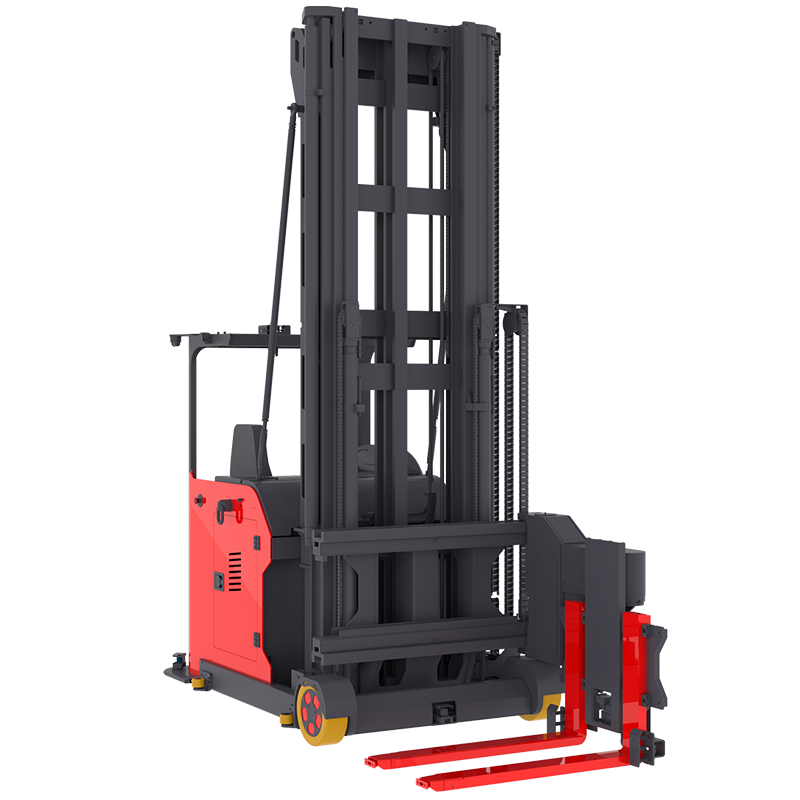
EFORK CDME16J-80S VNA Truck AGV Mobile Robot 1.6T 8M 3-way Forklift Laser Slam Narrow Aisle 1200mm Fork Length 125mm Fork Width
Recommended for very narrow aisle pallet warehouses where high-bay density and precise three-way fork handling are essential.
View system specification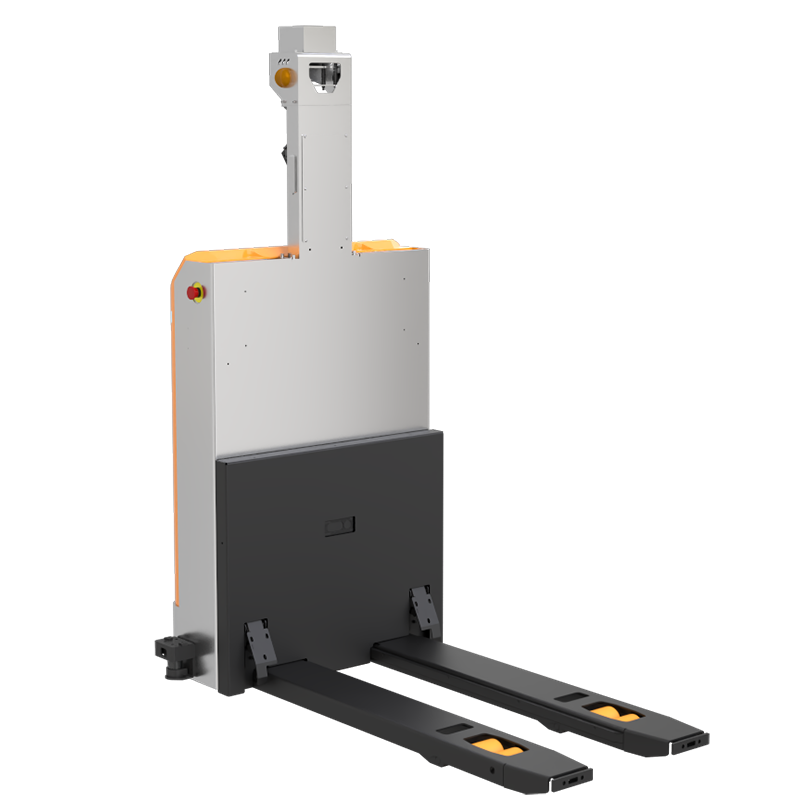
T 2.5M Omni-directional AGV Body 1000kg 3D SLAM Navigation Flexible Movement Zero Turning Radius
Suited to compact Munich machine cells, mixed material routes and existing buildings where turning space is limited.
View system specification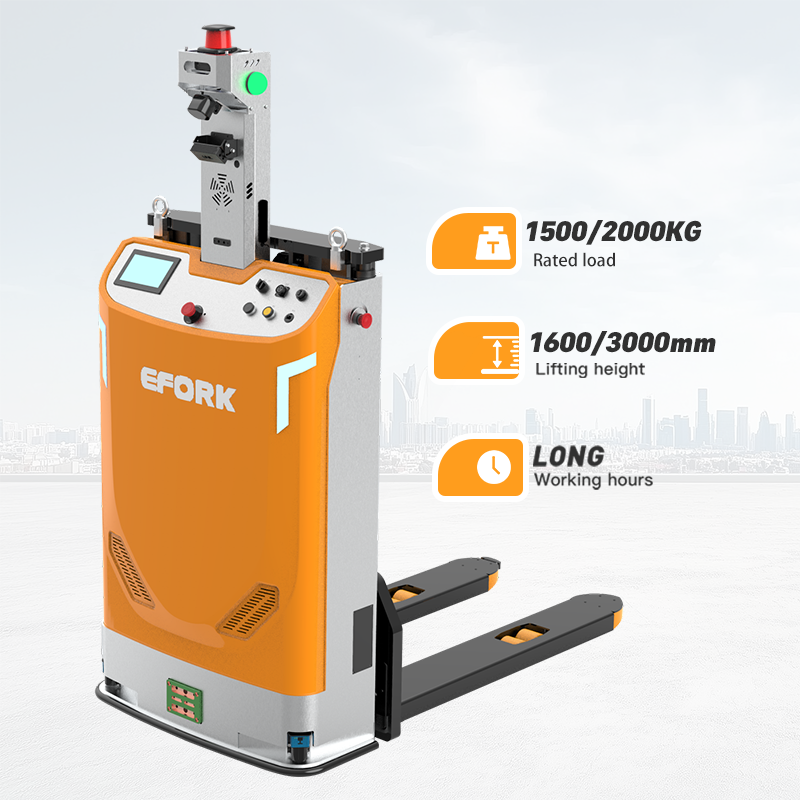
CE Certified EFORK EDA20-16 2T 1600mm Laser Navigation Self-Driving Forklift AGV WIFI/5G for Warehouse Automation Logistics
A practical entry point for Munich logistics teams moving from manual forklift fleets to repeatable autonomous transport.
View system specification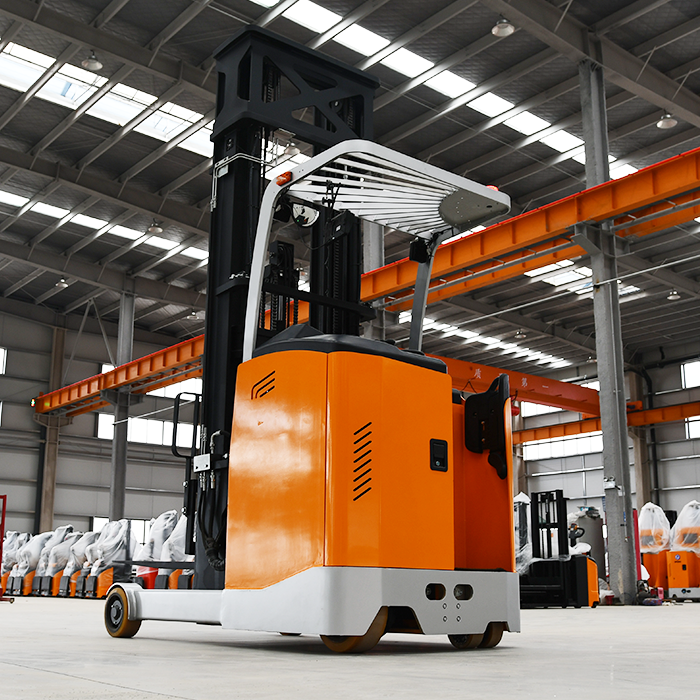
China Wholesale 2000kg 12m 8m 6m Industrial Forklift Pallet Truck High-Speed Steel Hot-Dip Galvanized Good Price
Hot-dip galvanized construction supports humid, wash-down, yard and utility material handling environments.
View system specification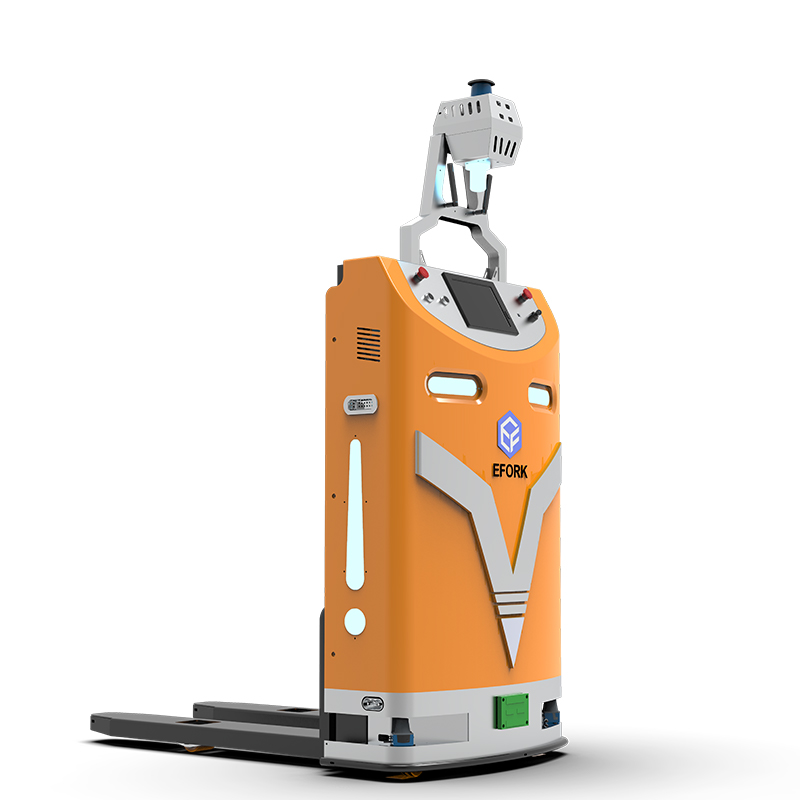
Latest Design Tech Slim Stacking AGV Forklift CE Certified 2T 3M 3D SLAM for Warehouse Automation Handling and Lifting
Recommended for high-density pallet stacking where aisle width and equipment footprint directly affect storage capacity.
View system specification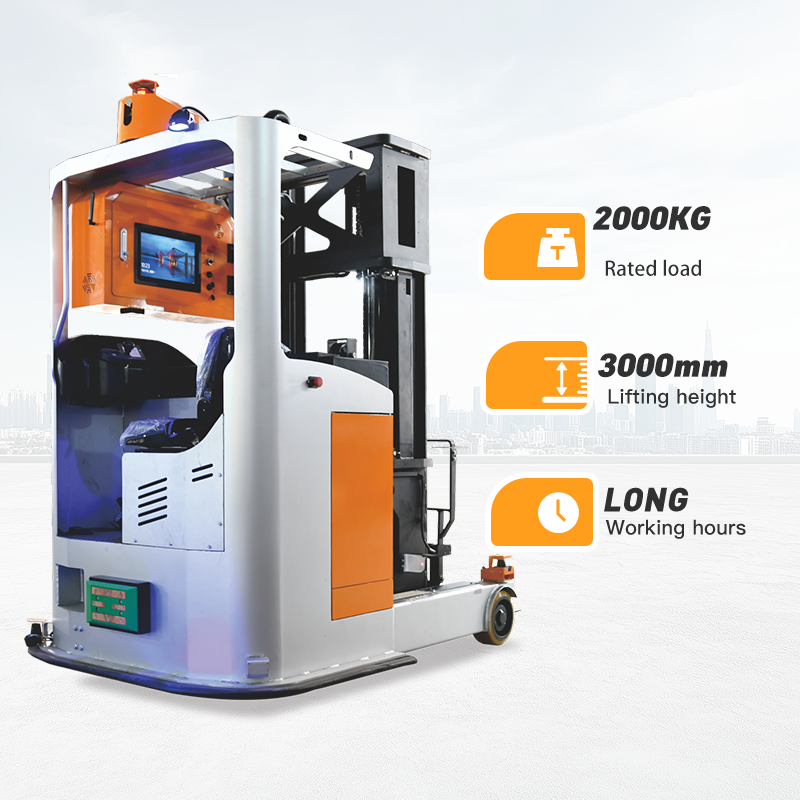
Reach Truck AGV Forklift 2T 3M Laser Slam Navigation CE Certified Warehouse Automation Robot for Factory Logistics
A strong fit for selective racking, line-side supply and factory logistics where medium lift height meets tighter aisle planning.
View system specification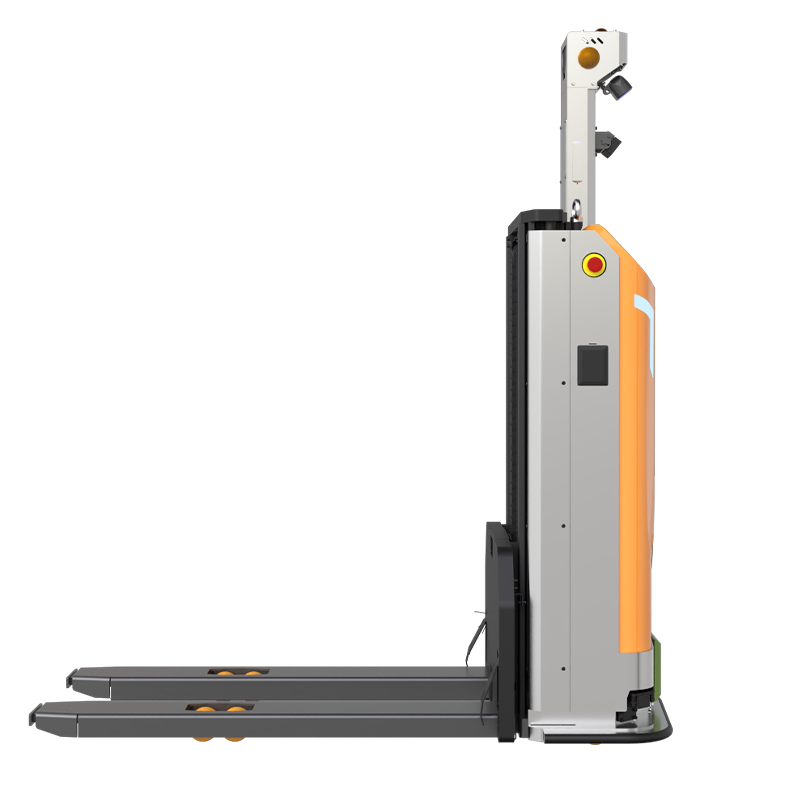
2T 3 M Slim Narrow-Body Stacker AGV High-Density Storage Pallet Stacking AGV for Narrow Aisles Warehouse Automation
A compact stacker for Munich warehouses that need more pallet positions without rebuilding the entire rack layout.
View system specification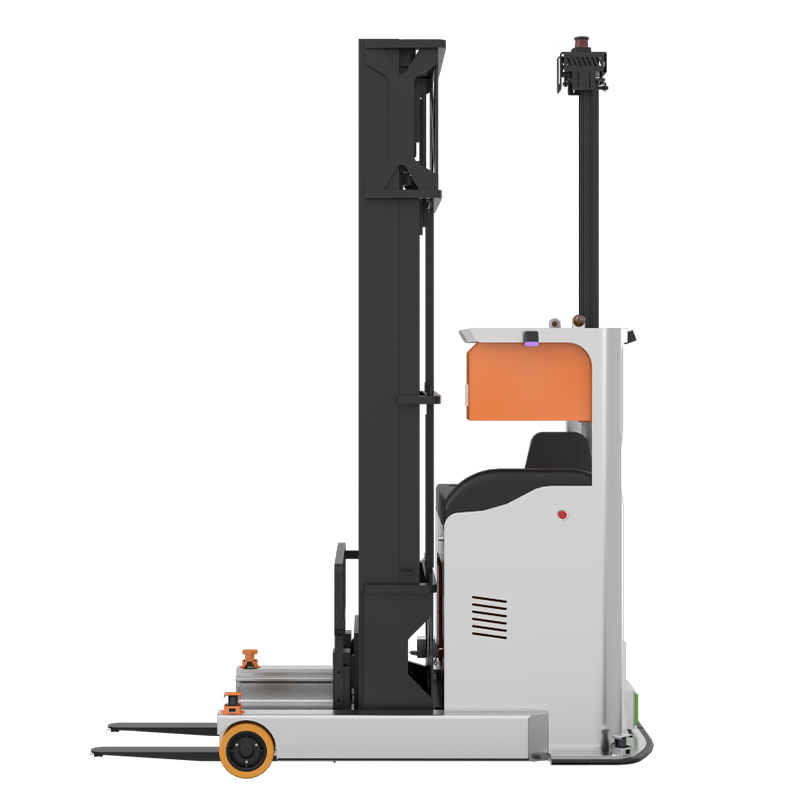
Heli Yufeng CQDE20HJ-65S 2T 6.5M Reach Truck AGV Body Laser Slam Navigation for Pallet Handling High Lifting Smart Warehouse
Suitable for higher racking, pallet handling and smart warehouse projects that require a proven reach-truck platform.
View system specificationWhy Munich Buyers Vet Capacity Before They Compare Price
An automated handling project affects rack layout, shift planning, safety procedures and spare-parts strategy for a decade or more. For a Munich buyer, the real question is not only which truck can lift the pallet, but which supplier can demonstrate traceable manufacturing, stable capacity and export discipline when the project moves from planning to commissioning.
In-House Manufacturing
Chassis, masts and control integration are produced and inspected on our own lines, with material checks and finished-product inspection before shipment.
Laser & 3D SLAM Navigation
Select reflector-based laser navigation for fixed routes or 3D SLAM for natural-feature localization that reduces floor tape and reflector work.
One-Stop Turnkey Integration
AGVs, stacker cranes, four-way shuttles and RGVs can be engineered as one WMS-ready system rather than sourced as disconnected machines.
Export-Ready Compliance
CE marking under the Machinery Directive 2006/42/EC, ISO 9001 and ISO 45001 systems, plus SGS onsite verification support tender and customs review.
OEM / ODM Customization
Load capacity, lift height, fork dimensions, battery configuration, cold-storage variants and buyer-label production are available.
Lifecycle Support
Project documentation, recommended spare-parts lists, remote diagnostics and fleet expansion planning support long-term operation.
Where Automated Handling Systems Fit in the Munich Industrial Landscape
Munich is not a single warehouse market. It combines automotive and Tier 1 production, life-science and pharmaceutical operations, food and beverage distribution, Mittelstand machining, e-commerce fulfillment and logistics hubs around Munich Airport and the broader Bavaria transport network. Each environment places a different weight on aisle width, lift height, cleanability, traceability and integration.
Automotive & Tier 1 Supply
Sequence delivery, just-in-time line feeding and repeatable pallet movement. Reach truck AGVs and slim stackers support selective racking, while 3D SLAM reduces disruption to existing production routes in and around Munich, Ingolstadt, Augsburg and Regensburg.
Pharma & Life Sciences
Traceability, controlled handling and WMS-ready data exchange matter more than raw speed. Stable positioning, CE documentation and interface testing help Munich pharmaceutical and life-science teams evaluate automation with fewer validation surprises.
Food, Beverage & Cold Chain
Cold-storage AS/RS stacker cranes and four-way shuttles support high-density storage where floor space is expensive. Hot-dip galvanized pallet trucks and wash-down-friendly handling options address humid or hygiene-sensitive areas.
3PL & E-commerce Fulfillment
Peak-season variability rewards flexible fleets and dense storage. Four-way shuttle systems increase pallet positions per square metre, while reach truck AGVs absorb replenishment and dock-to-rack transport without locking the layout to one fixed conveyor path.
Mittelstand Machining & Electronics
Existing buildings and mixed batch production often make fixed automation impractical. Omni-directional AGV bodies and compact stackers allow phased retrofits with limited floor reconstruction and shorter route reconfiguration.
Airport & Logistics Hubs
Cross-docking, trailer loading and time-critical transfer benefit from repeatable autonomous routes. Safety scanners, traffic control and WMS integration should be defined at the planning stage, not added after the fleet is delivered.
What Is Changing in Munich Warehouse Automation Decisions
Procurement teams in Munich are moving away from single-machine purchases toward phased, software-integrated automation. The signals below are presented as planning priorities, not as market forecasts, and should be validated against the site’s throughput data, rack drawings and safety risk assessment.
Flexible 3D SLAM Retrofit
Existing Bavaria buildings often have limited tolerance for floor tape, reflectors or production shutdowns. 3D SLAM supports natural-feature localization and phased route changes.
High-Bay & High-Density Storage
Land and energy costs push teams to review VNA AGVs, AS/RS stacker cranes and four-way shuttles before adding conventional floor area.
WMS / WCS Integration First
Munich buyers increasingly ask for interface definition before equipment selection, especially where SAP EWM, a local WMS or an ERP-controlled production line is already in place.
Safety & Compliance by Design
CE documentation, risk assessment support, EN ISO 3691-4-aligned safety thinking and operator training are now part of the commercial evaluation, not an afterthought.
Illustrative planning signals for content and project discussion only. Final equipment selection requires site-specific engineering review.
What Munich Buyers Usually Verify Before Ordering
A Munich procurement team often evaluates an automated handling system against machinery safety, retrofit risk, data integration, uptime planning and commercial terms at the same time. This matrix helps align technical due diligence with the supplier’s documentation package.
| Munich Procurement Requirement | Why It Matters | How to Evaluate the Supplier |
|---|---|---|
| EU Conformity | Machinery must be suitable for the intended European site and internal risk assessment. | Request CE documentation under 2006/42/EC, declaration of conformity, safety architecture, electrical schematics and risk assessment support. Confirm whether the site needs EN ISO 3691-4-aligned safety validation. |
| Existing Building Retrofit | Floor slabs, rack tolerances, fire routes and production downtime can constrain the project. | Ask for 3D SLAM versus laser navigation comparison, mapping method, floor-flatness assumptions, traffic simulation and phased commissioning plan. |
| WMS / ERP Integration | Automation must exchange orders, locations, status and error data with the warehouse or production system. | Define the WCS interface, data points, task states, exception handling and FAT/SAT test cases before purchase order. |
| Uptime & Spare Parts | Stoppage cost in a Munich 3PL or production line can exceed the price difference between suppliers. | Review recommended spare-parts kit, module replacement strategy, remote diagnostics, training plan and escalation route. |
| Cold Chain & Hygiene | Food, pharmaceutical and cold-storage sites require specific materials and operating assumptions. | Confirm frozen-storage variants, sealing, lubrication, condensation management and cleaning procedures for the actual temperature range. |
| Commercial Terms | Imported equipment must align with the buyer’s customs, finance and project cash-flow process. | Compare FOB, CFR, CIF, EXW, FAS, CIP and DDP options; confirm currency, payment method, lead time and document list. |
| Training & Handover | Operators and maintenance teams need a clear handover before the fleet becomes business-critical. | Require operator training, maintenance training, as-built documentation, safety labels and acceptance criteria in the commissioning plan. |
Which System Fits Which Munich Operation?
Use this engineering reference to shortlist equipment before requesting a layout proposal. Final specifications must be confirmed against pallet type, rack height, aisle width, throughput, shift pattern, floor condition and local safety requirements.
| Equipment | Typical Load | Lift / Height | Navigation | Best-Fit Munich Application |
|---|---|---|---|---|
| Pallet Stacker AGV | 1.5 – 2 T | 1.6 – 3 m | 3D SLAM / Laser | Floor-to-rack transfer, line-side delivery and low racking in existing buildings. |
| Reach Truck AGV | 1.5 – 2 T | 3 m | 3D SLAM / Laser | Selective racking where aisle space is tighter than a counterbalanced truck requires. |
| Counterbalanced AGV | 1.5 – 3 T | 3 m | 3D SLAM | Closed-bottom pallets, cages, docks and production lines without front outriggers. |
| VNA 3-Way AGV | 1.6 T | 7 – 11 m | 3D SLAM | Very narrow aisle, high-bay pallet storage where every metre of aisle matters. |
| AS/RS Stacker Crane | 1 – 5 T | Up to 40 m | Rail-guided, WMS / WCS | High-bay automated warehouses, frozen storage and high-throughput distribution. |
| Four-Way Shuttle | 1 – 2 T | Multi-level via lifts | Rail-guided, ±2 mm | Dense pallet storage with flexible FIFO / LIFO logic and changing SKU profiles. |
| Mini-Load Stacker | 50 – 100 kg / bin | Up to 20 m | Rail-guided, WMS | Spare parts, electronics and e-commerce picking with high transaction frequency. |
Values reflect standard configurations of listed models. Final figures are confirmed during project engineering based on load units and building constraints.


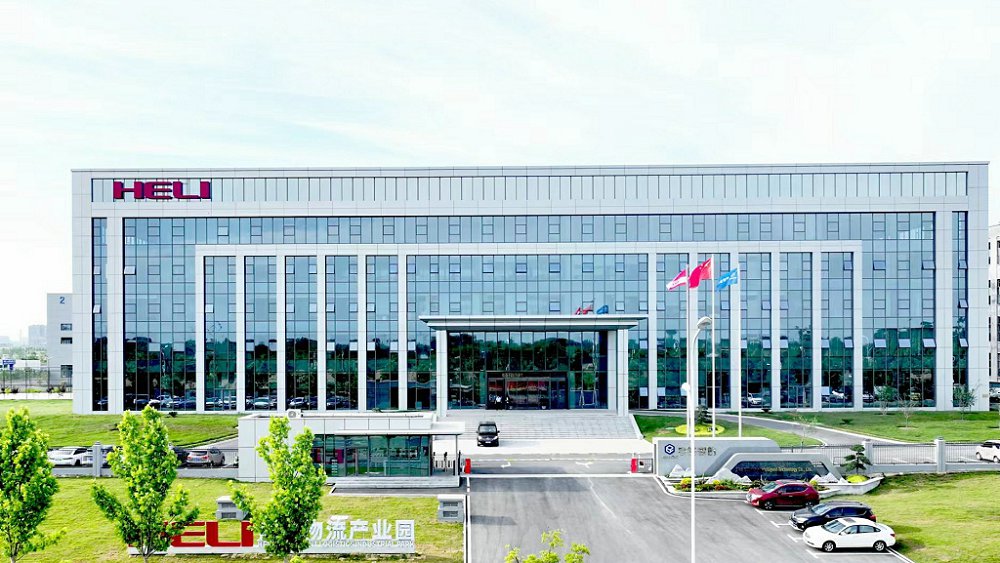
Anhui Nexrik Intelligent Technology Co., Ltd.
Nexrik is a high-tech manufacturer specializing in the R&D, production and integration of intelligent warehousing equipment, including AGV forklifts, AS/RS stacker cranes, four-way shuttles and RGVs. The company operates from the Huagang Town Industry-City Integration Demonstration Zone, Feixi County, Hefei, Anhui, a recognized hub for China’s forklift and material handling industry.
For a Munich project, the advantage is not simply factory-direct pricing. It is the ability to align mechanical design, navigation choice, safety documentation and WMS interface planning before manufacturing begins. Buyers can start with a single pilot unit, validate routes and cycle times, then expand the fleet without changing the system architecture.
- Business type: Manufacturer & trading
- Staff: 1,152 onsite-verified employees
- Floorspace: 66,650 m² across two production bases
- Annual revenue: USD 100 million+
- Intellectual property: 7 awarded patents, 1 trademark
- Service scope: OEM, ODM, buyer label and full customization
- Compliance: CE, ISO 9001 and ISO 45001 systems
- Export markets: Southeast Asia, South America, Eastern Europe, South Asia and North America
Accepted delivery terms include FOB, CFR, CIF, EXW, FAS, CIP and DDP. Payment methods include L/C, D/P, D/A, MoneyGram, credit card and Western Union in USD, EUR or CNY. Production follows a structured inspection path, with material inspection and finished-product inspection before shipment, supporting Munich buyers who need documentation for internal approval, customs and insurance.
From Rack Drawing to Go-Live in Munich Projects
A structured five-stage process reduces retrofit risk for first-time and multi-site buyers. Each stage produces reviewable documentation rather than verbal assumptions.
Site Analysis
Review rack layout, pallet specification, floor flatness, throughput, shift pattern and existing safety routes.
Solution Design
Select equipment, size the fleet, simulate traffic and define the WMS / WCS interface against peak demand.
Manufacturing
Build with material inspection and finished-product inspection, then complete FAT before shipment.
Commissioning
Map the site, test interfaces, validate safety functions, train operators and document acceptance results.
Lifecycle Support
Provide remote diagnostics, recommended spare parts, maintenance guidance and fleet expansion planning.
Questions Munich Buyers Ask First
These answers are written for early-stage evaluation. Project-specific commitments must be confirmed in the technical proposal and commercial contract.
Can Nexrik supply an automated handling system to a Munich site?
What CE and EU safety documentation is available?
Can you work inside an existing Munich building with limited aisle space?
How do you integrate with SAP EWM or a local WMS?
What is the minimum order quantity for Munich buyers?
What trade and payment terms are accepted?
How are spare parts and after-sales support handled for Bavaria?
Request a Munich Layout Review
Send your rack drawing, pallet specification, throughput target and shift pattern. Our engineers will help shortlist the right AGV forklift, VNA AGV, AS/RS stacker crane or four-way shuttle combination and prepare the next technical discussion for your Munich project.
Get a Quote