20m Automated Steel Bin Stacker Crane Manufacturer & Wholesalers in San Jose
A technical buying guide for San Jose wholesalers, systems integrators and warehouse operators who need high-density steel-bin storage up to 20 metres—supported by factory-direct engineering, CE documentation, SGS onsite verification and MOQ 1 project starts.
Send an Inquiry8 Products San Jose Buyers Compare with a 20m Steel Bin Stacker Crane
These models are commonly evaluated alongside mini-load AS/RS for pallet movement, line-side supply and narrow-aisle storage. The product links below are preserved from the manufacturer catalogue.
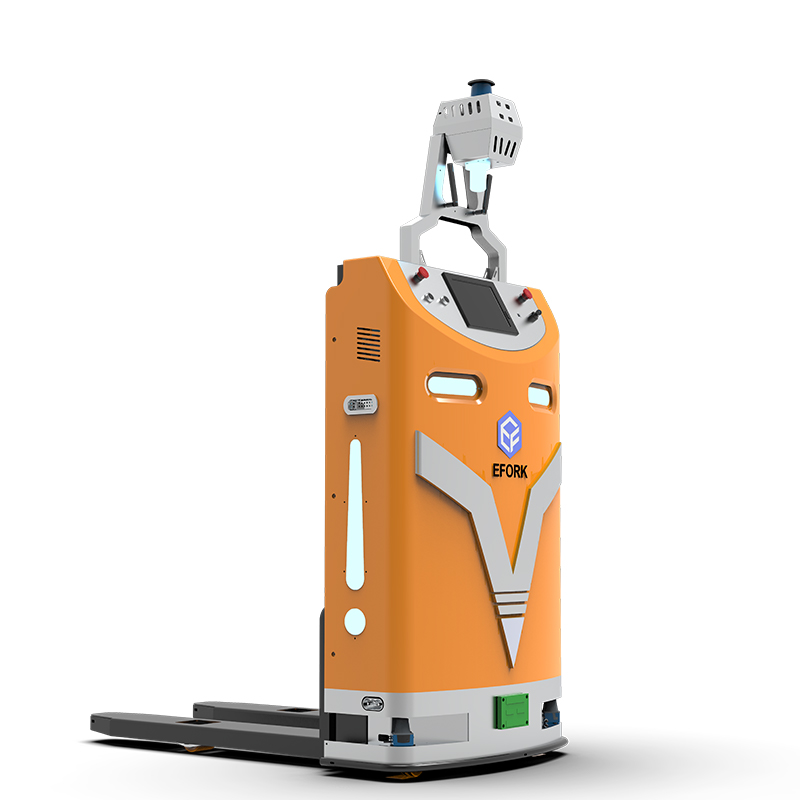
Latest Design Tech Slim Stacking AGV Forklift CE Certified 2T 3M 3D SLAM for Warehouse Automation Handling and Lifting Robot
A compact autonomous stacker for repetitive pallet moves and line-side replenishment where aisle width is fixed.
- 2T
- 3M
- 3D SLAM
- CE
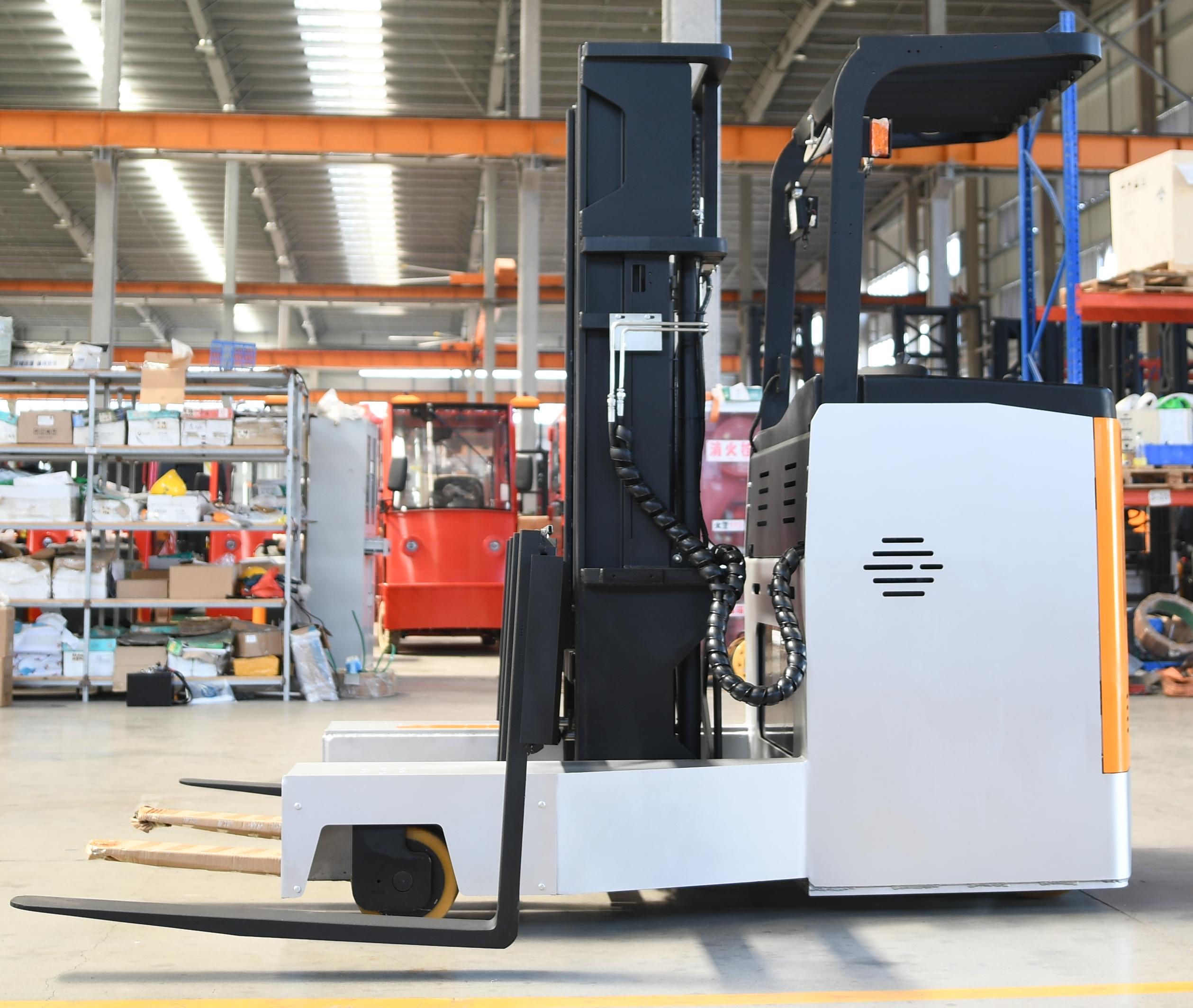
Multi Directional Forklift 4Ton 5Ton 4 Way Forklift Reach Truck Stacker For Narrow Aisle Small Space
A heavy-pallet option for narrow aisle layouts where a conventional reach truck cannot turn efficiently.
- 4–5T
- 4-way
- Narrow aisle
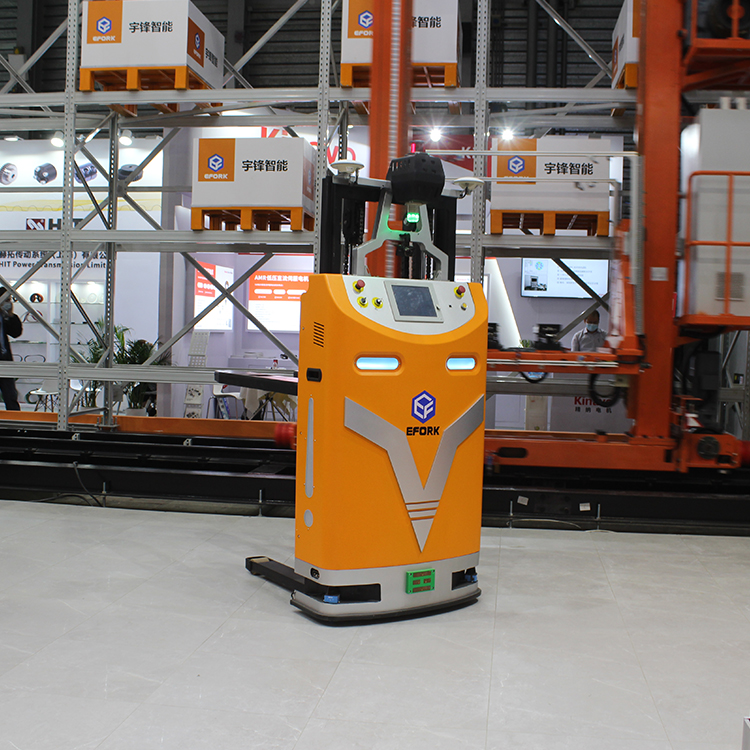
CE Certified EFORK EDA20-16 2T 1600mm Laser Navigation Self-Driving Forklift AGV WIFI/5G 10mm Accuracy 6-8H Working Time
Designed for high-accuracy routes, fixed pick faces and stable cycle times with WIFI or 5G fleet connectivity.
- 2T
- 1600mm
- 10mm accuracy
- CE
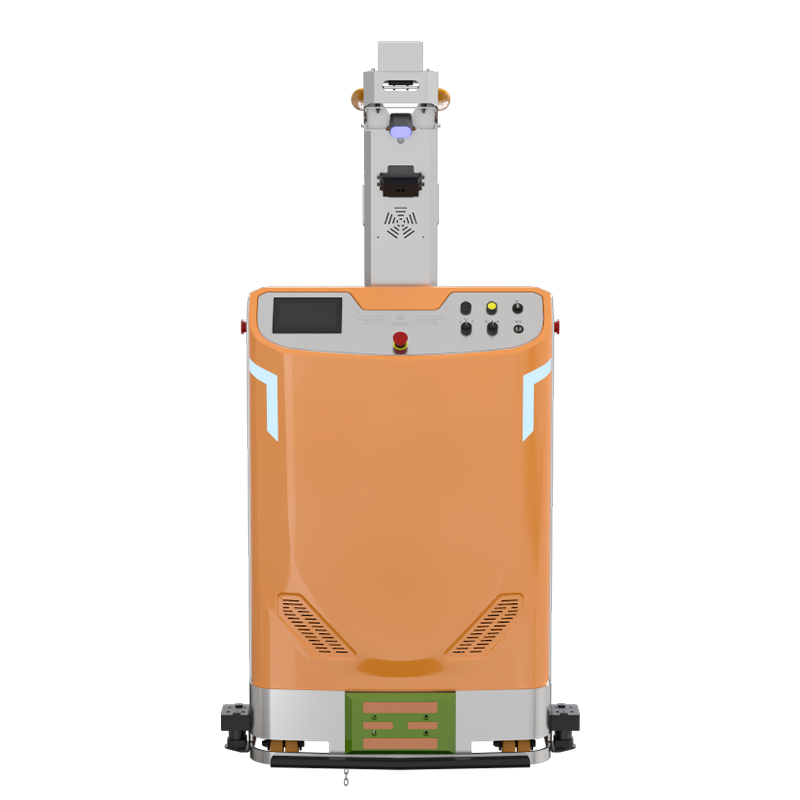
2T Material Handling AGV Body Narrow Body Compact Chassis 3D SLAM Navigation Laser Obstacle Avoidance for Workshop Transport
A narrow-body platform for workshop transport where doors, aisles and turning zones are tight.
- 2T
- Narrow body
- 3D SLAM
- Obstacle avoidance
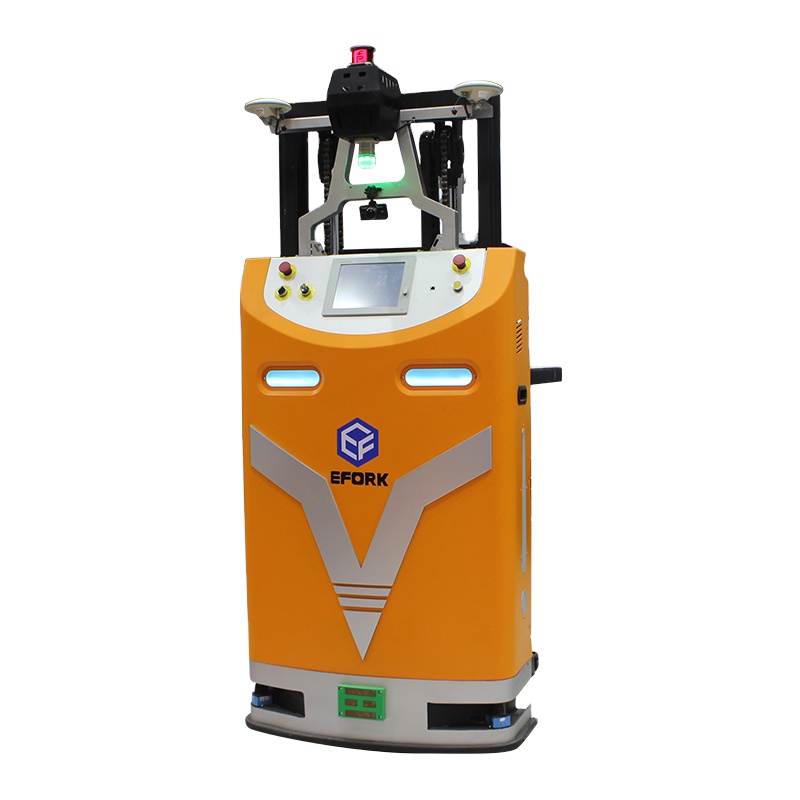
CE Certified EFORK EDA20-16 2T 1200mm Fork Width 180mm 3D SLAM Laser Navigation AGV WIFI/5G 10mm Accuracy 1600mm Lifting Height
A tighter fork envelope and 1.6m lifting height for pallet positions that do not require high-bay racking.
- 2T
- 1200mm fork
- 3D SLAM
- 1600mm lift
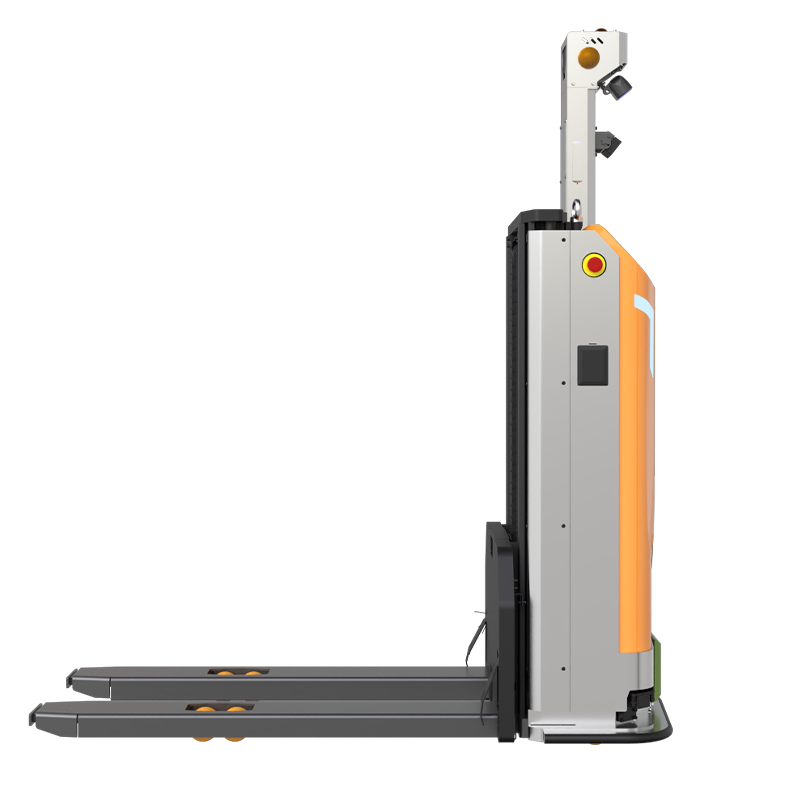
2T 3 M Slim Narrow-Body Stacker AGV High-Density Storage Pallet Stacking AGV for Narrow Aisles Warehouse Automation
A high-density pallet stacking option for warehouses that need automation without rebuilding the aisle layout.
- 2T
- 3M
- Slim body
- High density
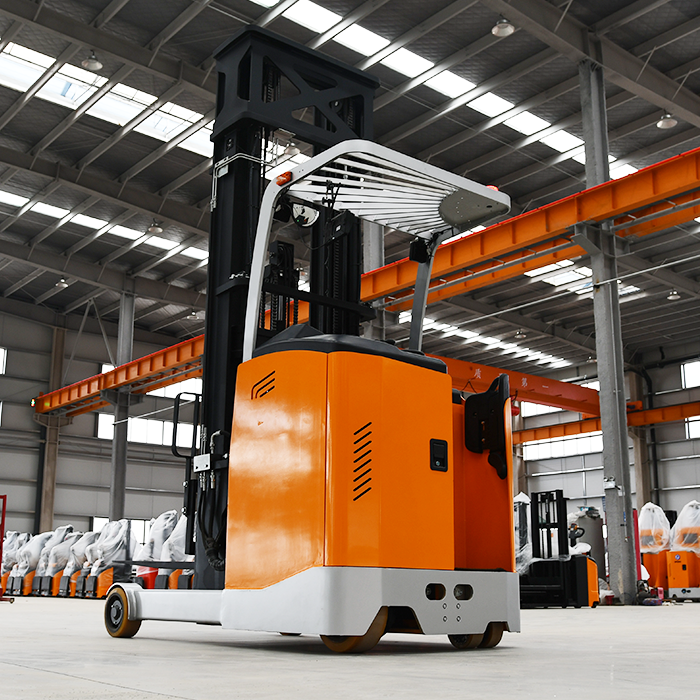
China Wholesale 2000kg 12m 8m 6m Industrial Forklift Pallet Truck High-Speed Steel Hot-Dip Galvanized Good Price
A budget-conscious pallet handling option for wholesale stock, depot transfer and non-automated sites.
- 2000kg
- 12m / 8m / 6m
- Hot-dip galvanized
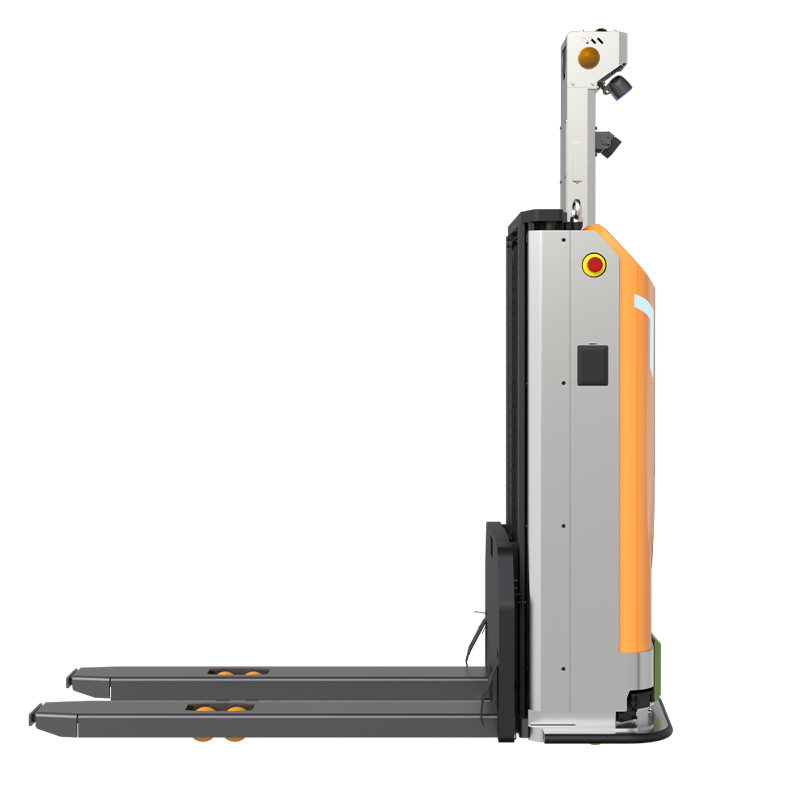
2T Slim Narrow-Body Stacker AGV with 3D SLAM & WIFI/5G for High-Density Storage 1.6M Pallet Stacking Maximize Warehouse Space
A space-saving stacker AGV for 1.6m pallet stacking and dense storage where every square metre matters.
- 2T
- 1.6M stacking
- 3D SLAM
- WIFI/5G
Why the 20m Automated Steel Bin Stacker Crane Fits San Jose's Land-Constrained Warehouses
San Jose is not a greenfield warehouse market. Most automation projects involve re-racking, lease renewal or a density upgrade where usable vertical cube is the most valuable asset.
In North San Jose, the Golden Triangle and South San Jose, industrial floor area is expensive and practical expansion space is limited. A 20m automated steel bin stacker crane converts high clear height into dense, secure storage for steel bins, totes and component kits. The economic logic is straightforward: fewer square feet per bin position, less travel per pick and more predictable replenishment for high-SKU operations.
However, a 20m system is not simply a taller stacker. It is an integrated rail-guided AS/RS with a WMS/WCS interface, seismic anchorage, fire-code coordination and a bin-standardisation programme. Buyers who treat it as a “tall crane” often underestimate the data, steel-bin discipline and building review required. The comparison below shows where a mini-load system wins—and where AGV forklifts remain the better tool.
Prepared by the Nexrik Intelligent Warehousing engineering desk for San Jose wholesale and project buyers. Technical review: 2025. Final designs must be verified by a California licensed structural engineer and the local authority having jurisdiction.
Typical Fit Profile
Indicative project fit only. Actual performance depends on load unit, throughput, software, building geometry and local code review.
Staff
Onsite-verified workforce supporting engineering, production and export projects.
Factory Floorspace
Two production bases in Anhui, China, with in-house manufacturing and inspection.
Awarded Patents
Plus 1 registered trademark and CE documentation for the AGV and AS/RS range.
Export Coverage
Buyers in Southeast Asia, South America, Eastern Europe, South Asia and North America.
Anatomy of a 20m Automated Steel Bin Stacker Crane
The crane is only one part of the investment. The steel bins, rack interface, controls and building package determine whether the installation works as a system.
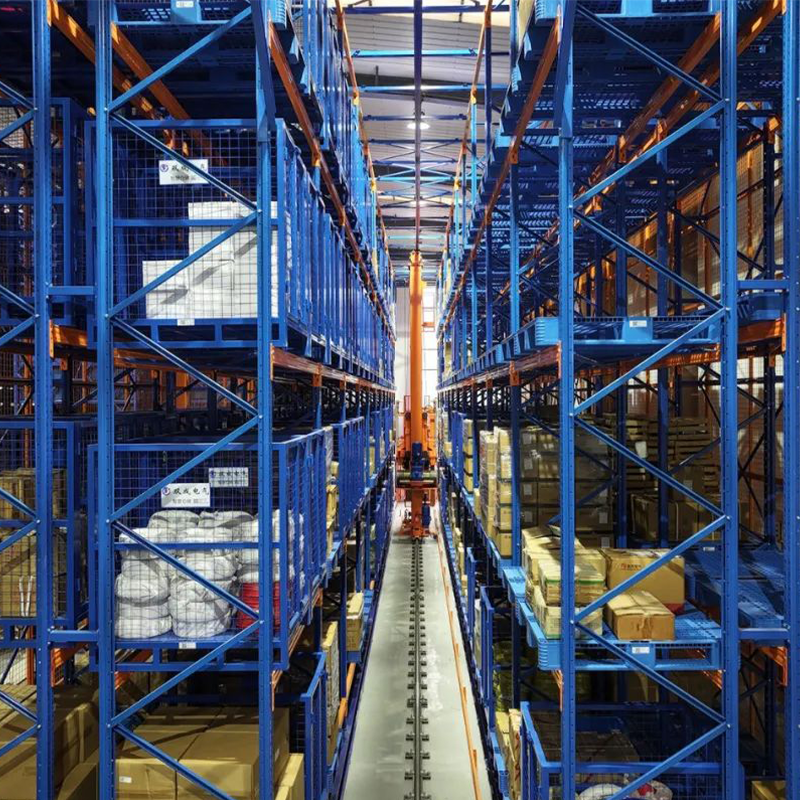
Representative 20m steel bin AS/RS stacker crane. Final mast, load-handling and safety configuration is project-specific.
A 20m mini-load stacker crane runs on a floor rail and a top guide rail, travelling in a narrow aisle between high-bay racks. The carriage lifts a load-handling device to the target bin position; the device then extracts or deposits a steel bin, tote or tray. For San Jose projects, the most important design question is not the crane speed alone, but how the load unit, racking tolerance, WMS logic and maintenance access work together.
Steel bins are attractive because they protect small parts, maintain dimensional stability and tolerate repeated automated handling. They are not interchangeable with cardboard cartons unless the container is engineered for the load device and the fire strategy. This is where experienced AS/RS integration matters.
-
Rail-guided mast and carriageUp to 20m height with project-specific mast stiffness, top guide and seismic anchorage.
-
Steel-bin load handlingDesigned around bin weight, centre of gravity, fork or extractor geometry and repeatability.
-
WMS / WCS control layerTask assignment, inventory visibility, FIFO/FEFO rules, replenishment and exception handling.
-
Safety and code coordinationAccess control, fire strategy, electrical protection and local AHJ review before site installation.
-
Building integrationClear height, roof structure, sprinkler clearance, floor flatness and maintenance access are checked early.
Where San Jose Operators Use 20m Steel Bin Stacker Cranes
The strongest business cases appear where high SKU count, limited floor space and traceability requirements meet at the same point in the warehouse.
Electronics and semiconductor supply chains
Steel bins protect components, tooling, kits and service parts while the WMS provides lot-level traceability. High-bay storage frees floor space for assembly and test areas.
Medical device and life sciences
Bins for sterile-packaged parts, service kits and controlled inventory support FIFO/FEFO rules and audit-friendly stock movement records.
E-commerce and micro-fulfillment
A 20m mini-load buffer handles high SKU counts in a compact footprint. Batch picking, order sequencing and replenishment rules are configured in WMS/WCS.
Contract manufacturing and aftermarket parts
Tooling, fixtures and spare parts are stored by bin location rather than in open shelving, reducing search time and unplanned production delays.
Third-party logistics and wholesale distribution
Dense bin storage creates a predictable buffer for wholesale order profiles, seasonal peaks and multi-customer inventory separation.
Advanced manufacturing and clean assembly
Small-part issue to production can be sequenced by work order, reducing line-side clutter and improving material availability at the point of use.
San Jose Intralogistics Trends Shaping 2025–2026 Projects
Bay Area buyers are not only buying machines; they are buying resilience against land cost, labour volatility and audit pressure.
Vertical density over floor expansion
High land and lease costs make net-new floor area difficult. Usable clear height is becoming the first variable in a warehouse business case.
Labour cost and safety pressure
Repetitive put-away and retrieval work is increasingly hard to staff. Automation also removes operators from high-bay travel and awkward bin handling.
WMS-first traceability
Buyers expect stock visibility, task status and exception reporting in real time. A stacker crane is only as useful as the data and workflow behind it.
Seismic, fire and electrical review
California projects require early coordination between racking, crane anchorage, sprinkler clearance and electrical protection. Late changes are expensive.
How to Specify a 20m System Without Overbuilding It
Start with the load unit and the building, not the crane datasheet. The right system is the one that balances density, throughput and future flexibility.
A common San Jose mistake is to compare a 20m steel bin stacker crane with a pallet AS/RS or a fleet of AGV forklifts as if they were interchangeable. They solve different problems. A mini-load crane is optimised for relatively light bins and high-SKU, high-density storage. It is not the right tool for 1–5 tonne pallets, unstable loads or a warehouse where the racking layout changes frequently.
| Solution | Typical Load | Height / Reach | Density | Flexibility | Best Fit |
|---|---|---|---|---|---|
| 20m Steel Bin Stacker Crane | 50–100 kg per bin | Up to 20m | Very high | Medium | Small parts, components, service kits and high-SKU bin storage |
| Pallet AS/RS Stacker Crane | 1–5 T per pallet | Up to 40m | Very high | Low | Full-pallet high-bay warehouses and frozen storage |
| VNA 3-Way AGV Forklift | 1.6 T pallet | 7–11m | High | Medium | Narrow-aisle pallet racking with driverless operation |
| Reach / Counterbalanced AGV | 1.5–3 T | Around 3m | Medium | High | Docks, line-side supply, closed-bottom pallets and mixed routes |
| Four-Way Shuttle System | 1–2 T pallet | Multi-level | Very high | Medium | Dense pallet storage with flexible FIFO / LIFO logic |
Estimate active bin positions from peak SKU count × bins per SKU × replenishment factor, then add a 15–25% buffer for seasonal demand, damaged bins and honeycombing. Do not size the system solely by building height; size it by the number of usable bin positions that the WMS can actually address.
Manufacturer Advantages San Jose Wholesalers Can Verify
For a long-life AS/RS asset, supplier capacity and documentation matter as much as the crane specification.
Anhui Nexrik Intelligent Technology Co., Ltd. is a high-tech manufacturer in Hefei, Anhui, China. Its published profile lists 1,152 staff, 66,650 m² of production floorspace, approximately US$100 million annual revenue, 7 awarded patents and 1 registered trademark. The range covers AGV forklifts, VNA AGVs, reach trucks, pallet stackers, AS/RS stacker cranes, four-way shuttles and mini-load bin stackers.
San Jose wholesalers and end users should care about three things: whether the factory can support a permit-ready drawing package, whether the controls group can speak WMS/WCS integration, and whether spare parts remain available after commissioning. Nexrik's stated capabilities—in-house manufacturing, CE 2006/42/EC, ISO 9001, ISO 45001, SGS onsite verification and OEM/ODM—address the first two directly. After-sales scope should always be written into the project contract.
- SGS onsite-verified manufacturer
- CE marking under 2006/42/EC
- ISO 9001 and ISO 45001 systems
- MOQ 1 set for pilot projects
- OEM, ODM and buyer-label production
- Turnkey AGV, AS/RS and WMS-ready integration

Factory capability supports AGV forklifts, AS/RS stacker cranes, four-way shuttles and mini-load systems.



In-house manufacturing
Chassis, masts and control integration are built and inspected on the manufacturer's own lines, not assembled from unrelated third-party kits.
Documentation for procurement
CE marking, ISO systems and SGS verification help wholesalers answer importer, tender and customs documentation questions.
MOQ 1 and pilot-first projects
A single-set start allows San Jose buyers to validate routes, cycle times and bin discipline before scaling to a multi-aisle system.
OEM / ODM and buyer label
Wholesalers can request private-label documentation, configuration changes and buyer-specific packaging for their own customer base.
WMS-ready turnkey scope
AGVs, stacker cranes, four-way shuttles and mini-load cranes can be engineered as one integrated system rather than separate silos.
Export and trade support
Flexible Incoterms, multiple currencies and documentation support for buyers coordinating imports into California.
Trade terms from the source profile
Incoterms: FOB, CFR, CIF, EXW, FAS, CIP and DDP. Payment: L/C, D/P, D/A, MoneyGram, credit card and Western Union. Currency: USD, EUR and CNY. Confirm final terms on the project quotation.
San Jose Wholesale Procurement Checklist
Local wholesalers should not source a 20m AS/RS on crane price alone. The cost of late permit changes, integration gaps or missing spare parts is far higher than a small difference in FOB quotation.
Verify the factory, not only the trading page
Request SGS verification, a live video audit and the production address. Confirm who manufactures the mast, controls and safety system.
Request a seismic anchorage package
For California projects, ask for structural loads, anchor details and calculation support for review by a licensed local engineer.
Define the WMS/WCS interface early
Agree data ownership, API method, error handling and acceptance testing before fabrication. “WMS-ready” should mean tested, not assumed.
Coordinate fire and electrical review
Sprinkler clearance, access aisles, control-panel location and disconnects should be reviewed by the AHJ before site delivery.
Secure spare parts and commissioning support
Ask for a recommended first-year spare kit, remote diagnostics terms and response-time expectations for the Bay Area.
Compare total landed cost
Include freight, customs, unloading, rigging, integration, permits, training and spare parts. A low crane price can hide high project cost.
San Jose Buyer FAQ
Direct answers to the questions wholesalers, integrators and warehouse owners ask before requesting a 20m steel bin stacker crane quotation.
Can a 20m automated steel bin stacker crane be installed in San Jose?
It can be evaluated for any suitably tall building, but it is not a plug-and-play installation. The project must confirm net clear height, floor and roof loads, seismic anchorage, fire strategy, electrical capacity and maintenance access. A California licensed engineer and the local authority having jurisdiction should review the final design before permit approval.
What is the difference between this and a pallet AS/RS?
A 20m steel bin stacker crane is a mini-load system for relatively light bins, typically 50–100 kg per bin. A pallet AS/RS handles 1–5 tonne pallets and is designed around pallet racking and heavy-load handling. If the load is a pallet, specify pallet AS/RS, VNA or AGV forklifts rather than forcing a bin crane into a pallet duty.
How much does a 20m steel bin stacker crane cost?
Price is project-specific. It depends on height, mast configuration, load-handling device, number of aisles, racking, WMS/WCS integration, seismic package, fire/electrical scope and spare parts. The useful comparison is total installed cost per usable bin position—not the price of the crane alone.
How does it integrate with our WMS or ERP?
The WMS/WCS interface is defined during solution design and tested before acceptance. It usually covers task assignment, inventory transactions, location logic, error handling and reporting. The exact protocol, data ownership and acceptance criteria should be written into the integration scope.
What is the lead time for a San Jose delivery?
Lead time includes engineering, fabrication, factory acceptance testing, ocean freight, customs and site commissioning. For Bay Area projects, routing through the Port of Oakland is common, followed by trucking to San Jose. Final schedules should be confirmed against the current project quotation and site readiness.
Do you support San Jose wholesalers with OEM/ODM and spare parts?
Yes. The source profile states full customization, OEM, ODM and buyer-label production. Wholesalers can discuss configuration, documentation and spare-parts planning. For after-sales, agree the commissioning scope, remote support terms, recommended spare kit and response expectations before the order is placed.
Planning a High-Bay Steel Bin Project in San Jose?
Send your bin dimensions, rack layout, clear height and throughput target to our engineers. We will review the fit for a 20m automated steel bin stacker crane, identify the right complementary AGV equipment and return a practical next-step proposal.