8 Automated Forklift & AGV Platforms From a Verified Factory
These models represent the practical core of a modern automated fleet: narrow-body stackers, counterbalanced AGV forklifts, 3D SLAM stackers, omni-directional bodies, heavy-duty units and high-density storage platforms. Each product URL is preserved from the original supplier catalogue.
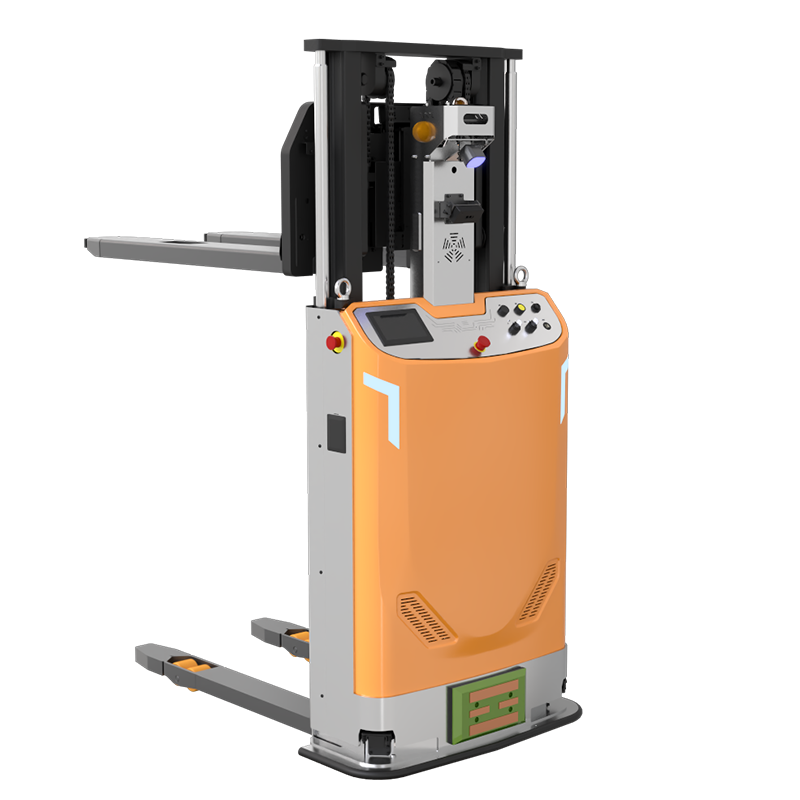
2T 1.6 M Slim Narrow-Body Stacker AGV Body for High-Density Storage High Lift Pallet Stacking AGV Maximize Warehouse Space
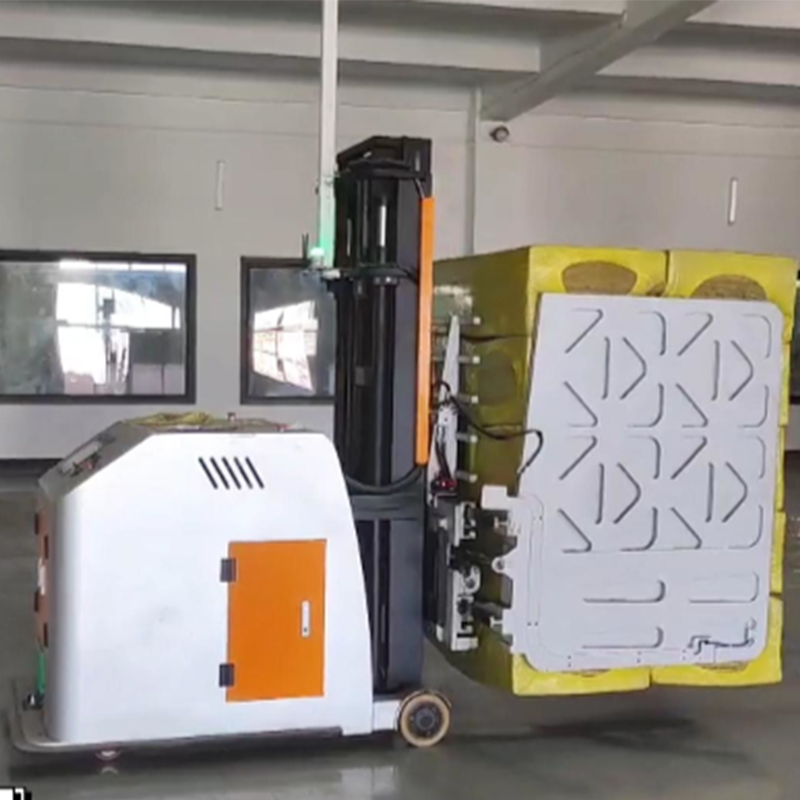
EFORK Automated Guided Vehicle AGV Forklift 3T 3000MM Counterbalanced 3D SLAM Construction Factory Logistics Pallet Truck
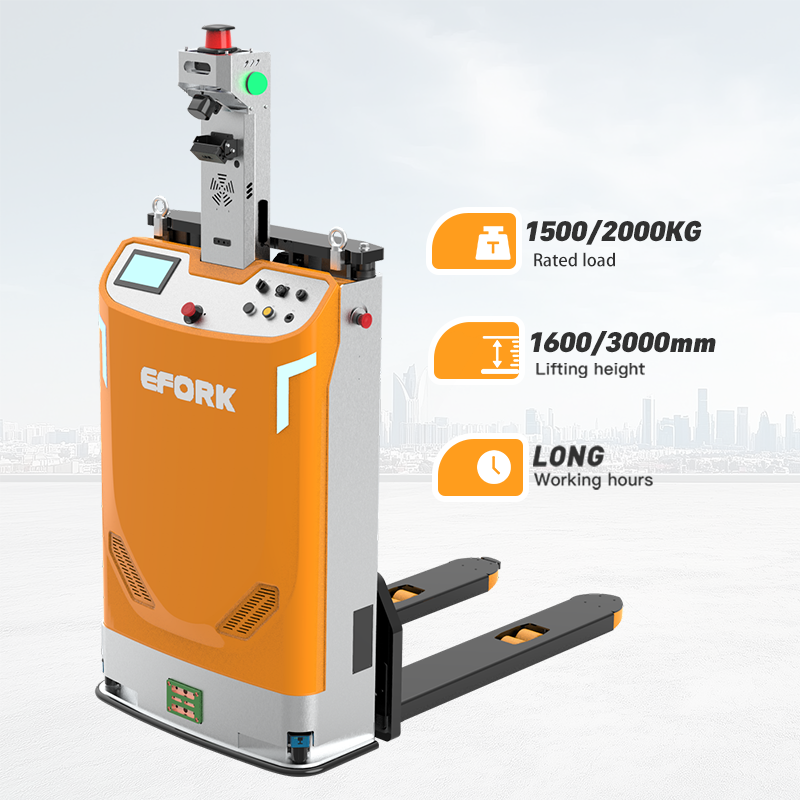
New Heli Yufeng EDA20-30 Slim Stacking AGV Forklift CE Certified 2T 3M 3D SLAM WIFI/5G for Stacking Mobile Robot
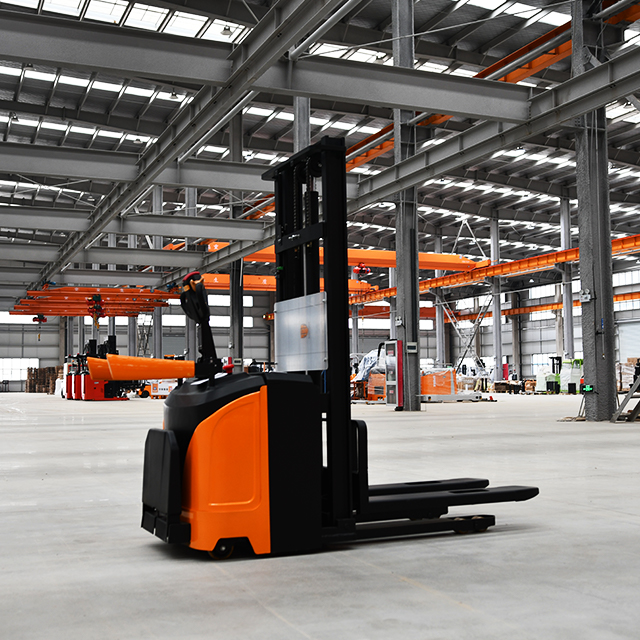
Factory Direct Sales Electric Pallet Lift Stackers 1.5-Ton 2-Ton 3Ton 3m 4m 5m Portable Self-Loading
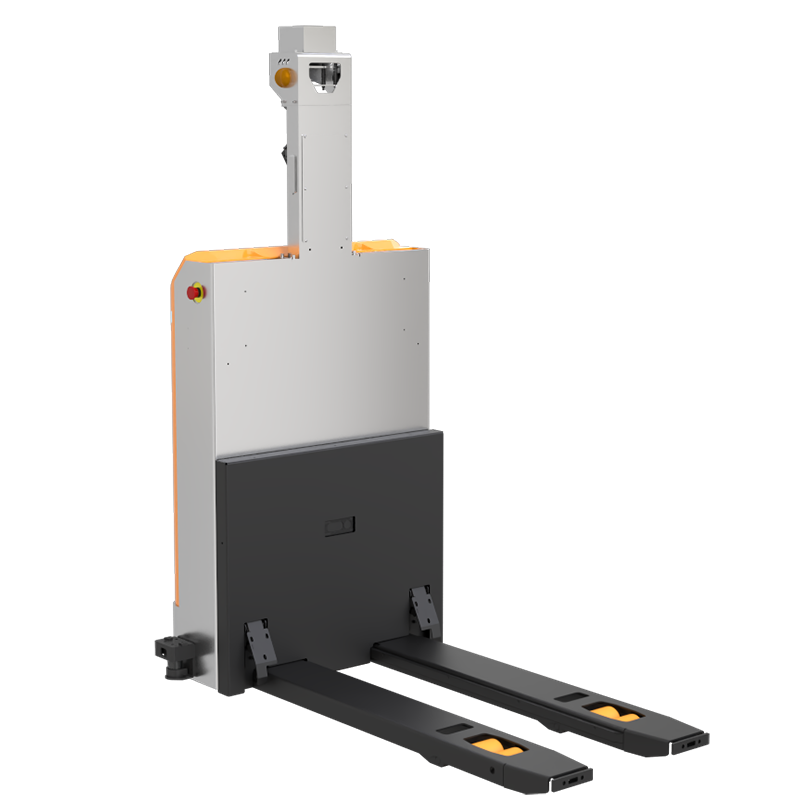
T 2.5M Omni-directional AGV Body 1 3D SLAM Navigation 1000kg Load Capacity Flexible Movement Zero Turning Radius for
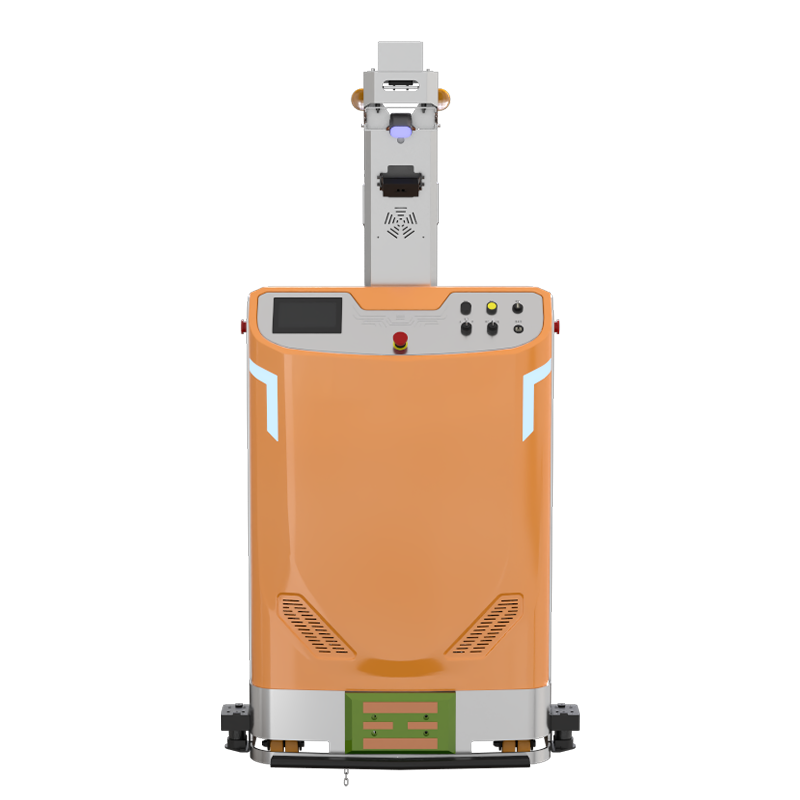
Material Handling AGV Body 2T with Narrow Body Compact Chassis for Efficient Production Line &Workshop Transport in Tight Space
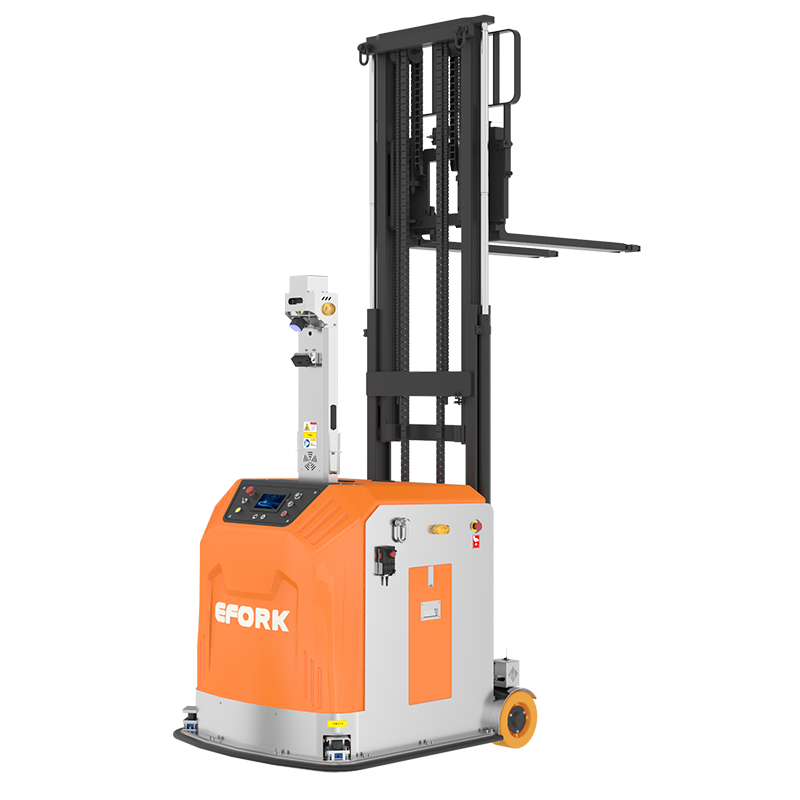
EFORK Heavy Duty Forklift AGV Counterbalanced Body 2T 3M Fork Legs High Flexibility 3D SLAM Navigation WIFI/5G for Pallet
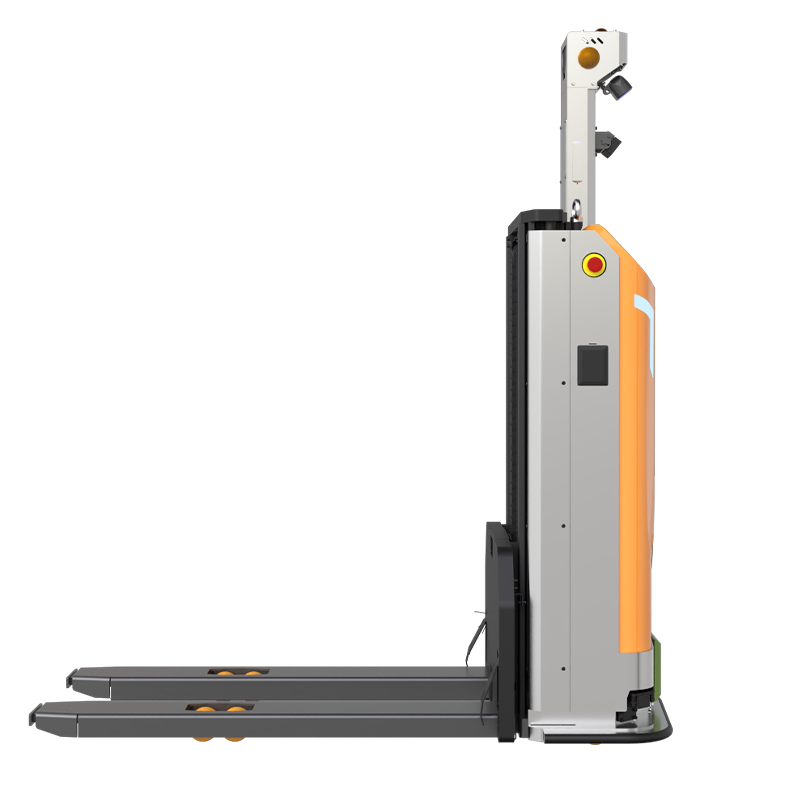
2T 3 M Slim Narrow-Body Stacker AGV High-Density Storage Pallet Stacking AGV for Narrow Aisles Warehouse Automation
How to Tell a Trusted Automated Forklift Factory From a Trading Site
In automated forklift procurement, the machine is only half of the decision. The other half is the factory behind it: engineering depth, traceability, safety documentation and the ability to support a live warehouse after commissioning.
An automated forklift is capital equipment that will interact with people, racking, WMS software and production schedules for years. That makes supplier selection different from buying a standard pallet truck. A credible factory should be able to show five layers of evidence: a verifiable legal entity, independent onsite assessment, product certification, engineering artifacts such as layout drawings and FAT reports, and a referenceable installed base. Buyers who compare only price per unit often discover integration and downtime costs later.
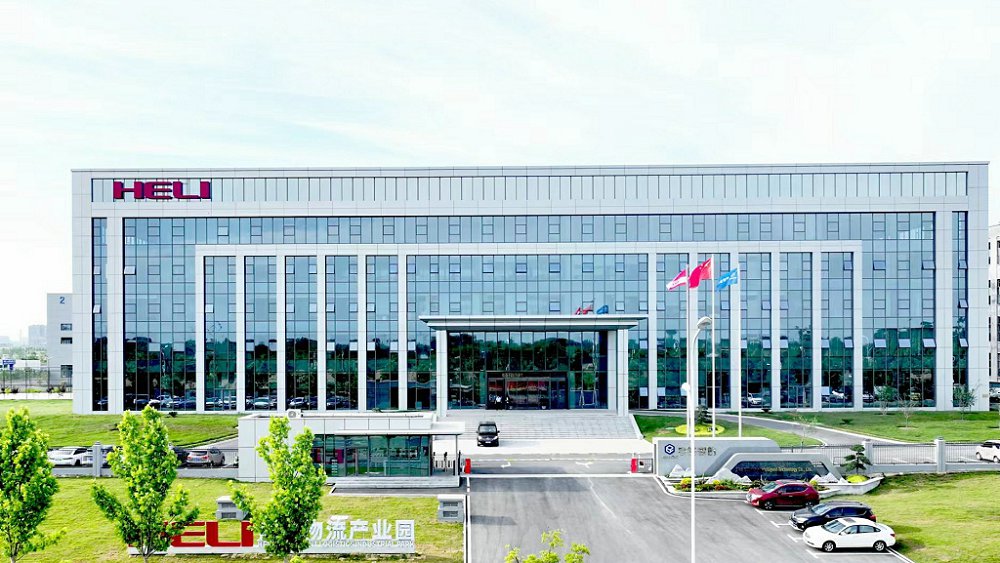
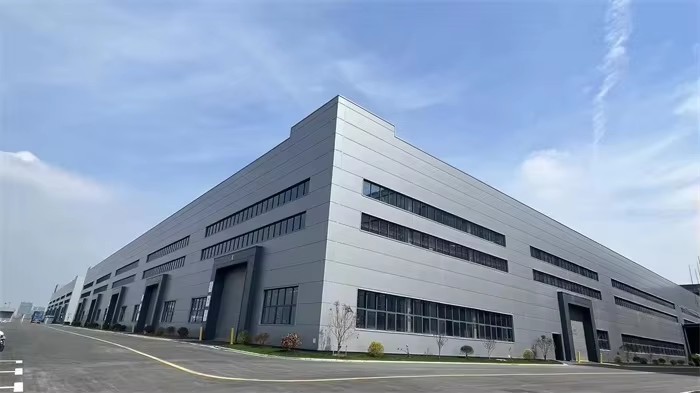
Anhui Nexrik Intelligent Technology Co., Ltd. is a useful benchmark. Its public profile states a 66,650 m² manufacturing footprint, 1,152 employees, more than US$100 million in annual revenue, 7 awarded patents, ISO 9001 and ISO 45001 management systems, CE marking under Machinery Directive 2006/42/EC, and SGS onsite verification of its premises and legal status. For a buyer building a shortlist of top trusted automated forklift factories and suppliers, those details matter because they can be checked, requested in a tender pack and compared across bidders.
The most reliable suppliers also make the buying process transparent. Nexrik, for example, states an MOQ of 1 set for AGV forklifts, stacker cranes and four-way shuttles. That low threshold supports a pilot-first strategy: prove one route, measure cycle time and safety performance, then scale the fleet. The supplier’s trade terms include FOB, CFR, CIF, EXW, FAS, CIP and DDP, with payment via L/C, D/P, D/A, MoneyGram, credit card or Western Union in USD, EUR or CNY. These are not marketing details; they are procurement enablers.
Factory Capability at a Glance
Numbers should be traceable. The figures below reflect the supplier information presented in the original company material and should be re-verified in the latest audit pack before contract award.
Onsite verified workforce supporting engineering, production and service.
Two production bases in Anhui for AGV forklifts and AS/RS equipment.
Plus 1 registered trademark, reflecting investment in navigation and integration.
Pilot one unit before committing to a full fleet or turnkey AS/RS project.
What Makes a Top-Tier Automated Forklift Supplier
A trusted factory is not defined by one certificate. It is defined by how engineering, manufacturing, safety, customization and support connect into a repeatable delivery system.
In-House Manufacturing
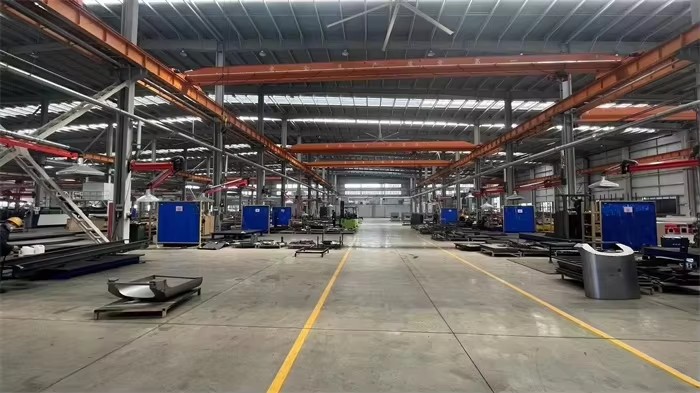
Chassis, masts and control integration are built and tested on the supplier’s own lines, with onsite material and finished-product inspection before shipment.
Laser & 3D SLAM
Choose reflector-based laser navigation for fixed routes or 3D SLAM for natural-feature localization that reduces floor tape and reflector work.
One-Stop Turnkey
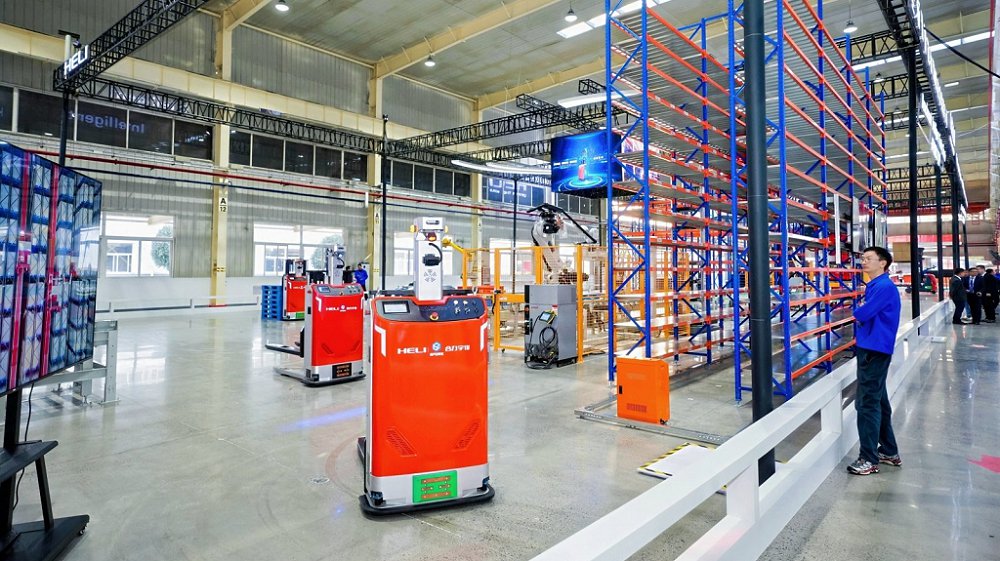
AGVs, stacker cranes, four-way shuttles and RGVs from a single source are engineered as one WMS-ready system rather than stitched together.
Proven Compliance
CE marking under 2006/42/EC, ISO 9001 and ISO 45001 systems, and SGS onsite verification support customs clearance and tender qualification.
Customization & OEM
Load capacity, lift height, fork dimensions, battery configuration, cold-storage variants and buyer-label production are available under OEM / ODM.
Fleet Scalability
With MOQ 1 and a modular platform strategy, buyers can start with a pilot, validate cycle times and expand without changing the software architecture.
Lifecycle Support
Remote diagnostics, spare-parts supply, operator training and expansion planning reduce long-term operational risk after go-live.
Documentation Discipline
Wiring diagrams, CE files, FAT / SAT reports, WMS message logs and safety zone validation records strengthen buyer confidence and audit readiness.
What Automated Forklifts Will Look Like by 2030
The next buying cycle will reward suppliers that can prove software integration, natural-feature navigation and lifecycle economics — not just catalogue capacity.
3D SLAM Becomes Default
Natural-feature localization will increasingly replace tape and reflectors, shortening site preparation and making fleet redeployment easier.
Higher Lift in Narrow Aisles
VNA and three-way AGV platforms will continue moving upward, with 7–11 m reach and better structural stability for high-bay pallet storage.
WMS-Native Fleet Orchestration
Buyers will ask for message logs, API specifications and traffic-manager logic at the tender stage, not after equipment arrives.
Modular AGV Bodies
OEM and ODM demand will grow for AGV bodies that let integrators add their own top modules, safety scanners and fleet software.
Cold-Chain Variants
Frozen-storage stacker cranes and cold-duty AGVs will expand as food, pharma and e-commerce cold-chain capacity grows.
Safety & Cybersecurity by Design
Safety scanners, zone validation, encrypted connectivity and role-based access will become standard evaluation criteria in regulated markets.
What Buyers Will Demand From Automated Forklift Suppliers
Procurement is shifting from “buy a truck” to “buy a validated material flow.” That change reshapes how top suppliers package evidence, pricing and support.
Pilot-First Purchasing
Low MOQ and trial deployments will be standard. A single automated forklift should prove route feasibility, cycle time and safety before fleet expansion.
TCO Transparency
Buyers will compare energy consumption, maintenance intervals, spare-parts cost, battery lifecycle and reconfiguration effort — not just unit price.
Single-Source Integration
AGVs, AS/RS stacker cranes and four-way shuttles increasingly need one software and engineering owner to avoid interface disputes.
Compliance Packs
Tender-ready CE files, ISO certificates, SGS reports, FAT / SAT protocols and spare-parts lists will be requested before purchase orders.
A practical total-cost-of-ownership formula for automated forklift projects: equipment + integration + energy + maintenance + spares + downtime risk + future reconfiguration. Suppliers that can supply data for each line item are easier to compare and safer to shortlist.
Which Automated Forklift Platform Fits Your Warehouse?
Use this engineering reference to narrow the equipment type before asking a factory for a layout proposal. Final specifications must be confirmed against pallet quality, rack drawings, floor flatness and throughput peaks.
| Platform | Typical Load | Lift / Height | Navigation / Guidance | Best-Fit Application |
|---|---|---|---|---|
| Slim Stacker AGV | 1.5–2 T | 1.6–3 m | 3D SLAM / Laser | High-density storage, narrow-body pallet stacking and line-side transfer. |
| Counterbalanced AGV | 1.5–3 T | 3 m | 3D SLAM | Closed-bottom pallets, cages, docks, construction logistics and production lines. |
| Slim Stacking AGV | 2 T | 3 m | 3D SLAM, WiFi / 5G | CE-certified stacking robot for warehouses needing slim bodies and stable connectivity. |
| Electric Pallet Stacker | 1.5–3 T | 3–5 m | Manual / Semi-automated | Flexible loading, portable handling and low-volume sites entering automation. |
| Omni-Directional AGV | 1000 kg | 2.5 m | 3D SLAM | Tight layouts requiring flexible movement and zero turning radius. |
| Compact AGV Body | 2 T | Custom | 3D SLAM | Production-line and workshop transport where chassis width is constrained. |
| Heavy-Duty AGV | 2 T | 3 m | 3D SLAM, WiFi / 5G | Heavy pallet handling with high flexibility and counterbalanced fork legs. |
| Narrow-Aisle Stacker AGV | 2 T | 3 m | 3D SLAM | Narrow-aisle warehouse automation and high-density pallet storage. |
Aisle width, pallet overhang, floor flatness and safety-scanner stopping distance should be confirmed by a site survey. A responsible supplier will simulate traffic and provide a layout drawing before manufacturing.

Engineering Evidence, Not Marketing Copy
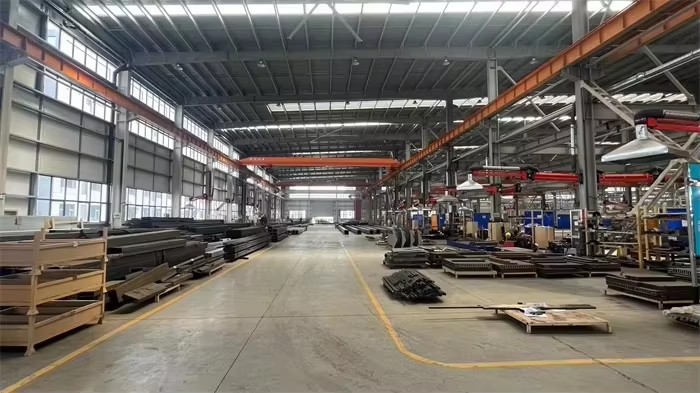
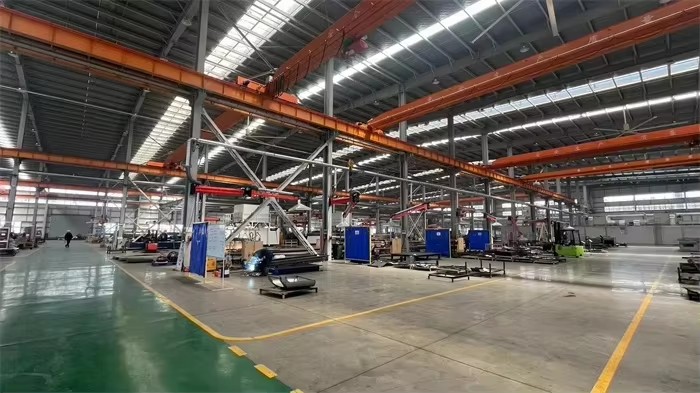
Anhui Nexrik Intelligent Technology Co., Ltd. designs and manufactures AGV forklifts, VNA AGVs, AS/RS stacker cranes, four-way shuttle systems and RGVs for intelligent warehousing. Its plants are located in the Huagang Town Industry-City Integration Demonstration Zone, Feixi County, Hefei, Anhui — a recognized hub for China’s forklift and material-handling industry.
For buyers, the most useful question is not “how large is the showroom?” but “what will the factory show us before shipment?” A serious supplier should be comfortable with onsite material inspection, finished-product inspection, FAT before shipment, safety validation, WMS interface testing and operator training. Nexrik’s published profile states onsite verification by SGS Group, CE marking under 2006/42/EC, ISO 9001 and ISO 45001 systems, 7 awarded patents and 7 international exhibitions.
- 66,650 m² of manufacturing space
- 1,152 employees with onsite verification
- CE, ISO 9001 and ISO 45001 documentation
- OEM, ODM, design and buyer-label service
- Turnkey commissioning and lifecycle support
- Export packaging and global project experience
From Layout Drawing to Go-Live
A controlled five-stage process de-risks automation for first-time and multi-site buyers. The best suppliers provide deliverables at every stage, not just equipment at the end.
Site Analysis
Rack layout, pallet specification, floor flatness, aisle width, throughput and shift pattern review.
Solution Design
Equipment selection, fleet sizing, traffic simulation and WMS / WCS interface definition.
Manufacturing
Production with onsite material inspection, finished-product inspection and FAT before shipment.
Commissioning
Mapping, route teaching, WMS message testing, safety zone validation and operator training.
Lifecycle Support
Remote diagnostics, spare-parts supply, fleet expansion planning and project documentation archive.
Questions Buyers Ask Before Choosing a Factory
These are the issues that most often decide whether an automated forklift project moves from quotation to a safe, production-ready deployment.
What is the minimum order quantity for automated forklifts and AGVs?
For the models and factory profile referenced here, the MOQ is 1 set. A single-unit pilot is the most sensible way to validate route feasibility, cycle time, safety-scanner behavior and operator acceptance before scaling to a full fleet.
Which navigation technology should a first-time buyer choose: laser or 3D SLAM?
Laser navigation is mature for highly repetitive fixed routes and can be robust where reflectors are well maintained. 3D SLAM uses natural features of the building and typically reduces floor tape and reflector work. For mixed traffic, changing rack layouts and multi-shift warehouses, 3D SLAM often shortens site preparation and improves redeployment flexibility.
How can I verify an automated forklift factory before placing an order?
Request five evidence sets: legal registration, independent onsite verification, CE and ISO documentation, a FAT / SAT protocol with sample records, and a reference list matched to your industry. For Nexrik, the published profile includes SGS onsite verification, CE under 2006/42/EC, ISO 9001 and ISO 45001, 66,650 m² of manufacturing space and 7 awarded patents.
Can automated forklifts integrate with our existing WMS or ERP?
Yes, but integration must be specified before shipment. The supplier should define message flows, task allocation rules, error handling and reporting during solution design, then test them during commissioning. AS/RS and four-way shuttle systems are typically WMS-ready; the key is to assign clear responsibility for the interface.
What safety standards and certifications should a supplier provide?
At minimum, request CE marking under Machinery Directive 2006/42/EC for applicable models, ISO 9001 quality management and ISO 45001 occupational health and safety. Also ask for safety-scanner zone drawings, emergency-stop logic, speed-limit settings and validation records. Certificates alone are not enough; the site-specific safety validation matters.
How long does a turnkey AGV or AS/RS project take?
Timelines depend on equipment type, customization and site readiness. A single AGV pilot can be comparatively fast, while a full AS/RS or multi-vehicle fleet requires site survey, layout design, manufacturing, FAT, shipping, commissioning and WMS testing. The schedule should be broken into milestones with deliverables, not quoted as one lump-sum lead time.
What trade terms, payment methods and currencies are accepted?
The referenced supplier accepts FOB, CFR, CIF, EXW, FAS, CIP and DDP, plus express delivery. Payment methods include L/C, D/P, D/A, MoneyGram, credit card and Western Union. Quotations can be issued in USD, EUR or CNY. Buyers should confirm Incoterms, packaging scope, insurance and spare-parts inclusion in the contract.
Can load capacity, lift height, forks and cold-storage versions be customized?
Yes. Full customization, OEM, ODM and buyer-label production can cover load capacity, lift height, fork dimensions, battery configuration and cold-storage variants. The engineering review should confirm mast stability, aisle width, floor loading and safety distances before the final specification is released.
Request a Factory-Direct Automated Forklift Proposal
Send your rack layout, pallet specification, throughput target and shift pattern. A qualified automated forklift supplier should respond with equipment selection, fleet sizing, safety considerations and a clear path from pilot to full deployment.
Send an Inquiry Factory profile: Anhui Nexrik Intelligent Technology Co., Ltd. · Hefei, Anhui, China · info@nexrikbot.com